So you’re thinking of adopting a kitten. . .
First, let’s take a moment to think about this twenty-year commitment to a living being!
This guide has sections:
Two is always better
Cost
Kids and Cats
What do you need to get before the kitten arrives?
Eye Contact, Physical Contact & First Contact
Training Your Cat
Cat Manners and Communication
Sickness
Cat Politics
Bits and Pieces
I wrote a blog about introducing my younger cat (Zoom) to my cantankerous older cat (Zipper), with lots of advice. You can read it here.
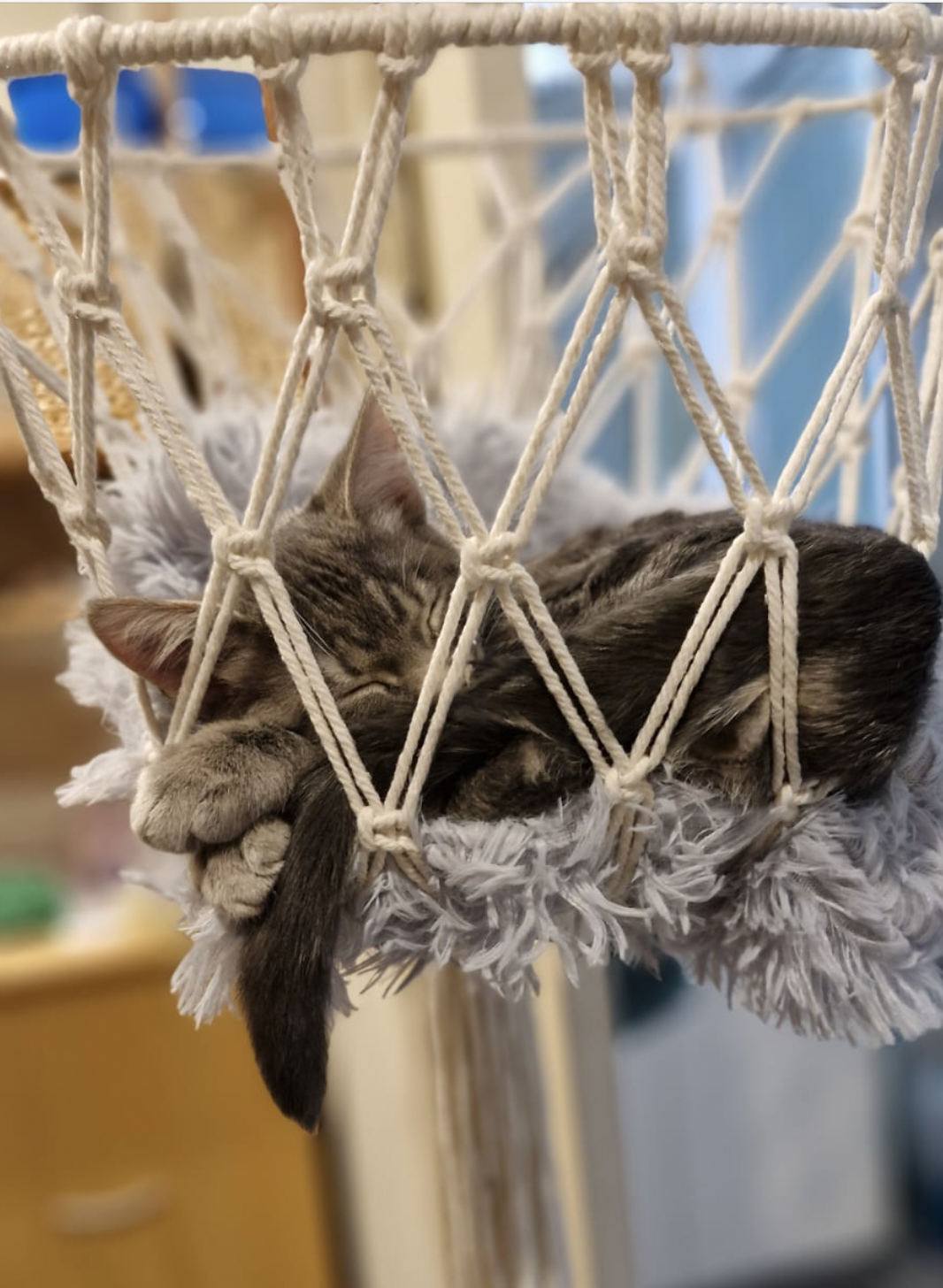
Two is always better
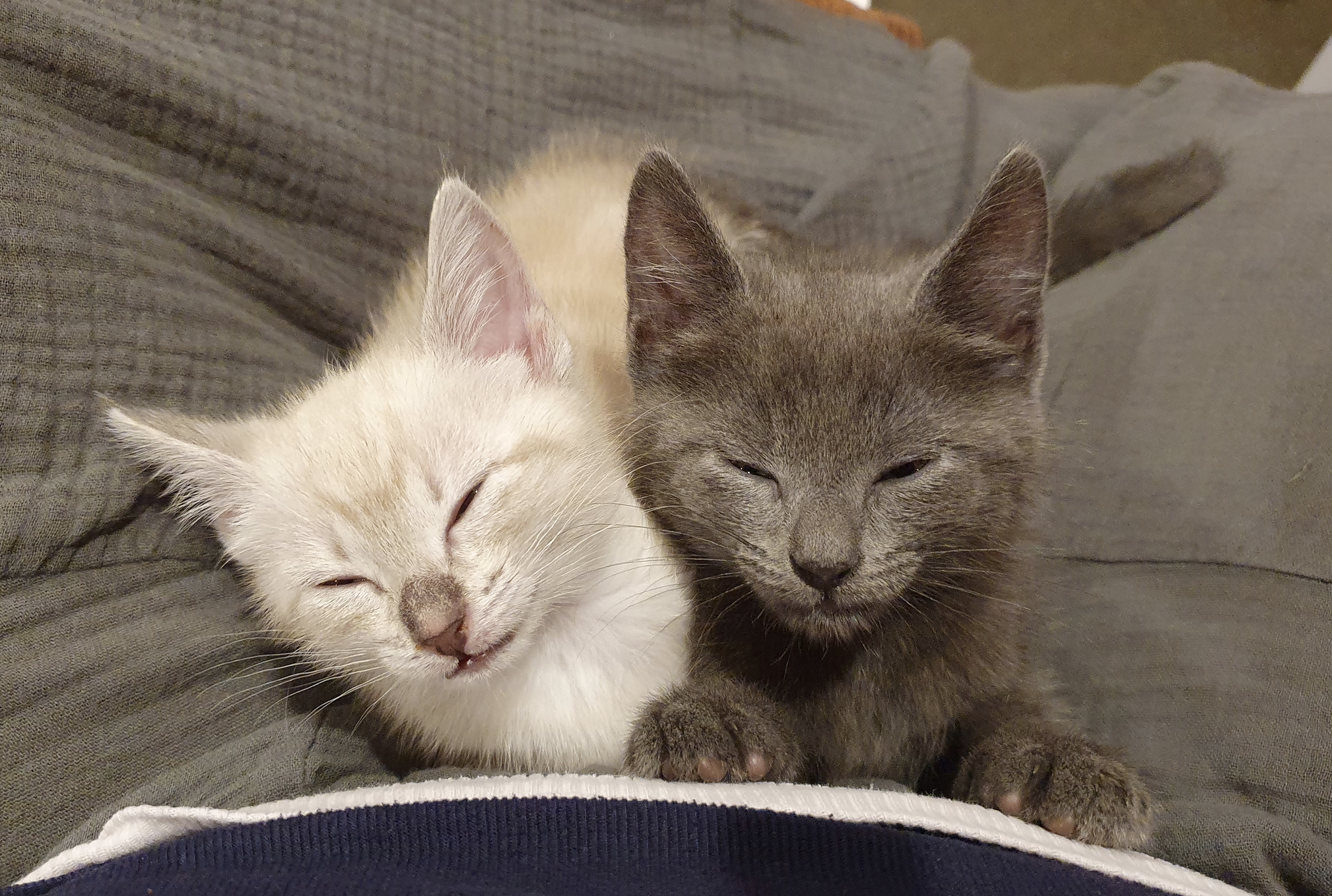
There is nothing cuter—or more entertaining—than a bonded pair of kittens. But there are also several coldly logical reasons to adopt two kittens:
- Kittens need about two hours of play time daily. The best toy for a kitten is another kitten. If you don’t want zoomies at 3:00am, your best defence is getting two cats.
- A solo kitten may develop Single Kitten Syndrome. Kittens teach each other physical boundaries, meowing mid-wrestle to indicate when a bite is too hard. Without that mutual training, they often get obsessed with biting and will bite humans (hard, and often, and without provocation). It’s virtually impossible to train them out of it.
- Any cat born since mid-2022 must be kept on your property if you live in the ACT. That means they must stay either inside or in a cat run. A lot of cats get very very bored as a result, and some of them develop behaviour problems (like defecating in your bed or biting you or your kids). The solution is another cat. OR if you don’t want to get two cats, you can adopt an older cat, so they can roam outside (assuming you’re not in one of the cat containment suburbs).
- With every week that passes, a kitten gets less open to the notion of another cat in their space. Even if they tolerate another cat, it’s not the same as a bonded pair. Better to start with two. (They can also forget each other after as little as a week apart.)
More than half of the people I meet adopting kittens are getting a second cat, and crossing their fingers that the relationship between the two felines will work out. It’s MUCH better to get a bonded pair if you possibly can! Most adult cats are fundamentally opposed to a new feline friend, and although the majority will eventually tolerate the new member it would be better for everyone if you adopted a pair of friends from the start.
Kitten Lady has seven reasons you should adopt a pair instead of just one kitten. She also has tips for those who want to adopt just one cat or kitten.
Cost
Adoption fees are usually around $350 each. Cats should be desexed, microchipped, vaccinated, and given monthly flea and worm treatment before they’re adopted. It can easily cost $700+ to get basic vet work done yourself, so it’s worth adopting from a rescue for that reason alone.
Food and litter costs between $50 and $150 each week per cat (more for specialised food). A completely healthy cat that never has a single health issue would still cost around $200 per year at the vet for their annual checkup and vaccination. However, a single medical incident (eg swallowing a hair tie) can easily cost $1000-$10,000. An illness such as cat flu will probably cost you around $500. Serious health issues will costs thousands, possibly several times over. A lot of cats will have dental issues at some point. You can expect to pay $1000 if a single tooth needs to be removed.
Parasite treatments cost around $50/month per cat.
A carrier costs $50-$500, and cat scratching posts also cost $50-$500 (more for the really elaborate ones). Professional cat runs cost around $5000.
I often go to Goulburn Vet or Cooinda Vet at Marulan because vet costs are cheaper there than in Canberra.
Many people get pet insurance, which costs around $50/week.
(Speaking of the cost of food, litter, and vet care, would you like to donate to my ongoing GoFundMe so I can continue rescuing cats? I can’t do it without help!)
Kids and Cats
Many organisations will point-blank refuse to let you adopt a cat (especially a kitten) if you have a child aged eight or less. The reason is that cats (especially kittens) get underfoot and kids are uncoordinated, fast-moving, and unaware of their surroundings. Sometimes a child steps on a kitten and kills it. It’s not common but it does happen, and it’s obviously incredibly traumatic for everyone. The solution is to be aware of the possibility, and to supervise kid-cat interactions very carefully, especially for the first six weeks. It can also help to teach kids to look around carefully while they’re walking around the house (remembering that they’re kids and they can’t instantly become adults), and to get a more cautious, flighty kitten rather than one that gets underfoot. Cats over one year old are much bigger and safer. You can also keep a cat in just one section of the house, which will help (although they will probably try to escape, and that adds the risk of closing a door on them).
I have been told that cats sometimes sit on a baby’s face and smother them to death in their sleep. I suspect this is an urban legend, but I wouldn’t let a cat sleep with a baby for this reason.
Cats definitely understand that children and babies are different to adult humans. Some treat them as younger kittens to be cared for. Others treat them as a dangerous threat (noisy and unpredictable). Still others see a chance to dominate them, which can be tricky because they may choose to attempt dominance through scratching, biting, or jumping on them.
Pretty much every cat in the world will scratch your kids sooner or later—by accident if not during play time. But especially kittens. However, I find that rescue cats scratch less than purebred cats (as they have a better sense that humans are different to cats), especially if they were rescued when they were at least two or three months old.
What do you need to get before the kitten arrives?
You need toileting supplies, bowls, wet and dry food, a carrier, and a scratching post. Toys are fun and highly recommended but can be made out of household items (paper, cardboard boxes, towels, etc). Within a month you’ll need parasite treatments too.
Toileting Supplies
Litter trays: Most cats prefer to have a tray for poo and another tray for wee. They also may not be willing to share with another cat (or they may deliberately use a different cat’s tray as a show of dominance). If in doubt, get the same number of trays as you have cats, plus one more. If you have a two-storey house, there should be at least one tray on each floor. You can buy trays at Woolworths, but they’re quite small and a kitten over six months of age may find them too hard to use. A plastic storage tub usually works very well. All your trays can be in the same room, directly next to each other, especially if your house is small. They should be at least a metre away from the cat’s water, which should also be slightly separated from the food.
Scoop: You need at least one scoop, and should scoop the trays at least twice a day, plus anytime there is poo in a tray (for your sake as much as theirs). Kittens tend to poo at least twice daily. There are small plastic scoops in Woolworths which are fine. I recommend always having a spare one on hand in case the first gets unusually nasty.
Litter: I use World’s Best Cat Litter (also available from Woolworths). It is quite expensive but reduces smell a lot due to absorbing moisture. It is ‘clumping’ meaning that even urine turns into balls that can be scooped and put in your normal toilet, then flushed. That means most of the litter stays clean and it doesn’t need to be changed as often. Most cats are very adaptable to different types of litter, but I always place them in the litter immediately in a new home (possibly even doing a bit of gentle digging with their paws to make sure they get the idea). Usually, showing them the litter is enough—but more on that later.
Some people line their litter trays with plastic litter bags (some cats will not tolerate the noisy plastic though). Others wash litter trays in detergent and water (obviously not in the same sink food is washed in). That’s what I do at the moment, and then spray them with Glen 20 before using them again.
I like to put bath mats around the litter trays to catch most of the inevitable scatter of litter. I can easily shake them out and wash them.
When you think about it, it is incredible that cats instantly understand that the litter tray is their toilet. However, sometimes their understanding is not perfect. They (very understandably) see some other locations as toilets as well: the dirt in pot plants (or gardens) are an exact match for toileting in the wild, and they are also drawn to soft fabrics such as washing piles, linen cupboards, and beds. The best way to prevent this confusion is to supervise them carefully for the first couple of weeks, restricting their access to tempting toilets (eg by closing bedroom doors and removing pot plants) until they have formed a strong habit of only using their litter trays. I recommend giving them a small ‘range’ at first, such as the laundry, hall, and living room. This helps prevent them from getting overwhelmed by exploring the whole house at once, and reduces stress. It also means they’re much less likely to poo somewhere you don’t want them to poo.
They won’t poo where they eat, so if you have an issue with them pooing somewhere several times, you can stop them by placing a food bowl there.
Bowls and Food
Almost any type of bowl is fine—ceramic, steel, or plastic. It doesn’t have to be a cat-specific bowl although there are many that claim to help with eating or digestion (and others that slow down a cat that eats too fast).
A kitten should have at least two water bowls (apart from anything else, they may accidentally tip one over). Water and dry food bowls should be checked and daily (topped up if necessary), and washed once per week (otherwise things grow in the water). Wet food bowls are just like your dinner plates—they get washed every time they’re used.
I typically give kittens dry kitten food on demand and wet kitten food twice a day (I’ll tell you when you adopt them how much they typically eat). Cats have shockingly delicate stomachs so you need to be VERY gradual when changing their food. Don’t do it within two weeks of them arriving at your home. Don’t change wet and dry food at the same time. At 12 months, they can eat regular cat food (but of course make the change gradually).
You can tell their stomach is unhappy because their poo will smell unusually bad; they may fart or meow in pain when defecating; or they may refuse to eat the new food. Generally I feed them Royal Canin if cheaper food isn’t cutting it. Royal Canin has ‘Mother and Baby Mousse’ for kittens up to four months (and an equivalent dry food), then they switch to a different Royal Canin kitten food for the remaining eight months of kittenhood. Then there’s adult food of course.
Felix cat food is much better quality than Whiskas.
One of my previous kittens had a very weak stomach and now eats Zyka food, which is excellent quality. Their owner carefully researched which cat food had the highest percentage of actual meat, and once they adjusted their poo didn’t smell nearly as bad.
Other cats may get special food that needs to be kept in the fridge, or their owners may cook for them. Remember to give their stomachs time to adjust to whatever you feed them. Even something as ‘pure’ as plain roasted chicken breast will upset their stomach if they’ve never had it before.
Remember: Most cats are lactose intolerant! However, lactose free milk is safe for them to drink as a treat.
Carrier
Sadly a cardboard box is not going to work—cats are too wriggly. Most cats really enjoy the mesh-sided carriers, not just when travelling or going to the vet, but as a bed or play space at home. However, one kitten I knew dealt with the stress of travel by rubbing his face against the mesh, breaking off almost all of his whiskers—so he needed a plastic carrier. I will take kittens to the vet before they’re adopted, so I’ll have some idea of how well they travel and if they have an aversion to mesh carriers.
Scratching Post
Cats need to scratch things, just as you need to sometimes cut your nails. Some people choose to cut their cat’s claws, but even those cats still need to scratch as the instinct is very strong. I recommend putting a scratching post near your couch so hopefully you can convince them to leave your couch alone. You can buy very cheap scratching posts and pads (the cardboard ones get destroyed and need to be replaced, but a lot of cats adore them; destroying them is part of the fun) from the Reject Shop. The Reject Shop also has surprisingly good toys (but use your discretion if a toy seems unsafe eg if small pieces can be broken off and swallowed).
Toys
Technically you can make your own, but official cat toys are also very fun. I recommend ‘fishing pole’ type toys—something dangling from the end of a stick—because it helps the cat to attack the toy rather than your hand, and it’s easy to exercise them without having to run up and down the hall yourself. Ditto ping pong balls. When I have something for the recycling box, I often let the kitten/s play with it for a little while first, so they get some variety.
Medication
All cats should be treated for parasites (worms and fleas) once per month. Parasites can be brought into your house on shoes, bags, etc so even an inside cat needs ongoing treatment. Also, parasite treatments are only about 99% effective, and parasites breed with impressive speed. Their tiny babies generally survive treatment and can live (and grow up and breed) for literal years.
Truly, nature is amazing.
It is possible for worms and fleas from cats to infect humans (fleas much prefer cats to humans, but worms love every warm body).
There are lots of types of worms, and the back-of-the-neck treatments do NOT cover all of them. Nor do the pills. So both treatments are necessary. The exception is this brand, which really does cover everything, but it’s very expensive.
Back-of-the-neck treatments like this one need to be put on the skin, not the fur (a bit of spillage is okay). This one has more in the vial than other brands, so I put it in a few different spots (close to each other) rather than squeezing it all out in one go.
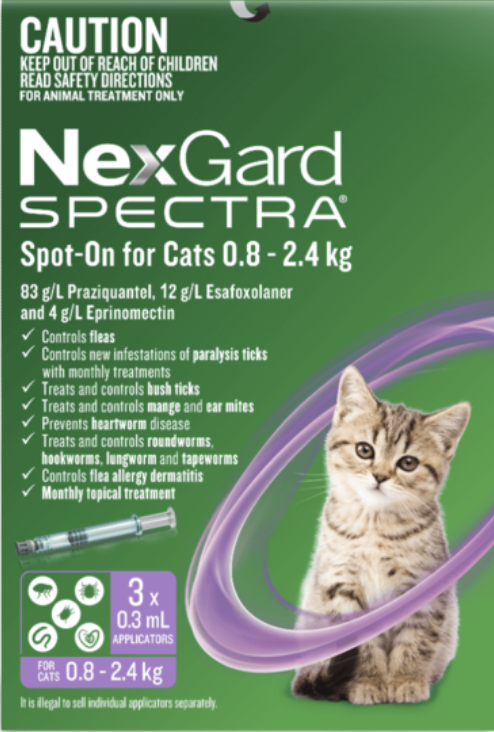
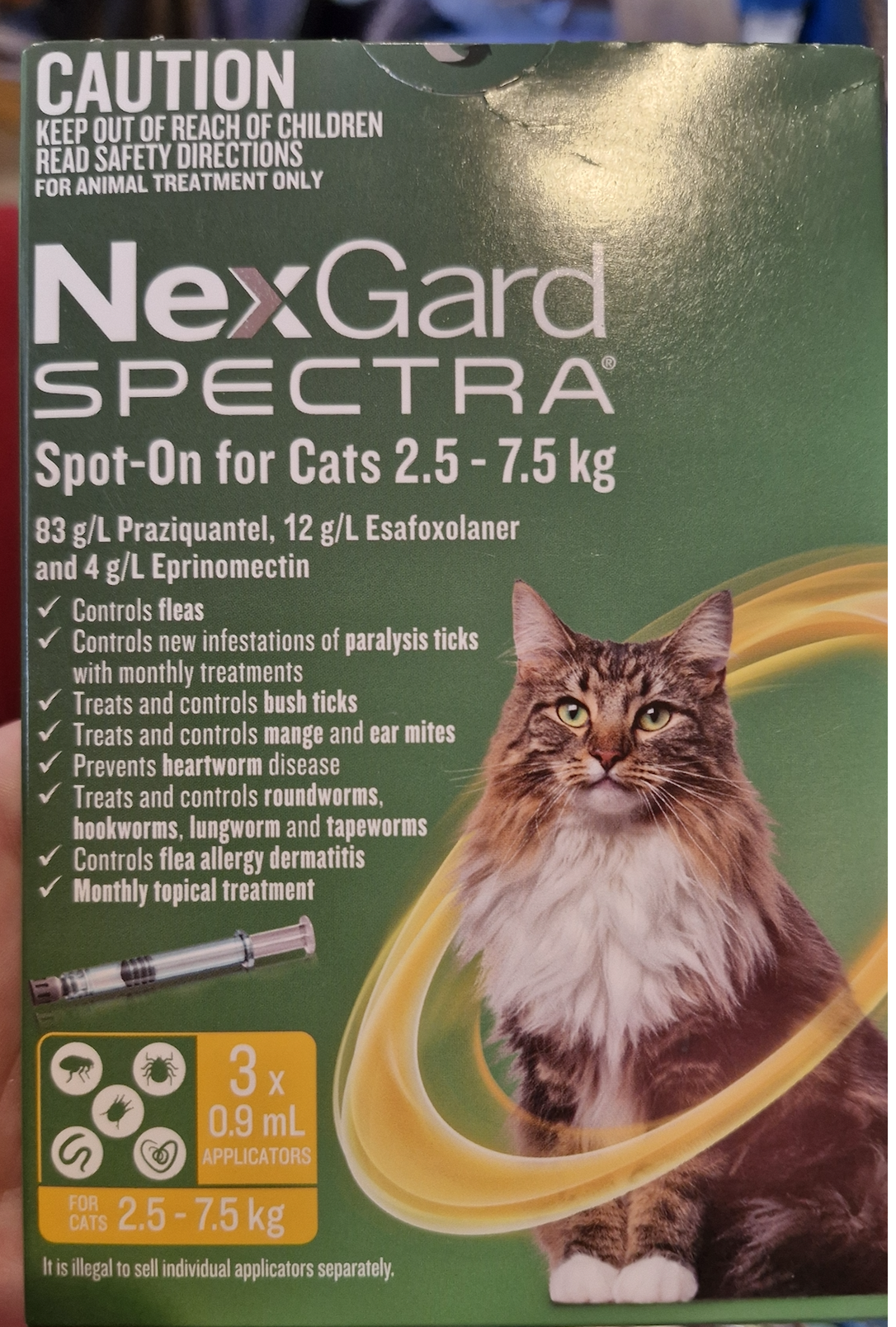
It’s worth noting that ringworm is NOT a worm but a fungus. But I’ll talk about ringworm later.
A kitten needs two vaccinations, given a few weeks apart. As far as I know, I’m the only foster organisation that sometimes arranges both kitten vaccinations. Most arrange the first set, not the second.
After they’re a year old, they’ll need vaccinations annually.
Eye Contact, Physical Contact & First Contact
Like most autistic people, the majority of cats don’t like prolonged eye contact. This is true of most mammals, as eye contact is often a dominance move and/or the prelude to an attack. (This is also one reason cats often gravitate to someone who is allergic to them.)
The best way to make a cat feel safe is to sit on the ground (you are VERY big and scary) and ignore them, with one arm or leg outstretched so they can approach in their own time and sniff you from as far away as possible. If you talk, use a gentle, steady voice. Meowing is great as it confuses them tremendously, which lowers their fear level and raises their curiosity. Under these circumstances (and if there are no major distractions such as other cats, pets, pet smells, or people) the average kitten will approach you within ten minutes (the average older cat would take longer—half an hour perhaps).
If you meet their eye, give them a slow blink. It shows that you respect them and do not intend to start a fight. It also shows affection. A slow blink is a great, respectful greeting of your cat throughout their life (and they will often return the favour, which is absolutely a compliment).
All cats are shy, because all cats have very strong prey instincts. Like small birds, they are braced to flee at the slightest noise or hint of a threat.
A ‘very shy’ cat could take weeks or months before letting you pat it. A stray or feral cat can take years. However, it is possible for a very shy cat to also be a major snugglebug. They just need time.
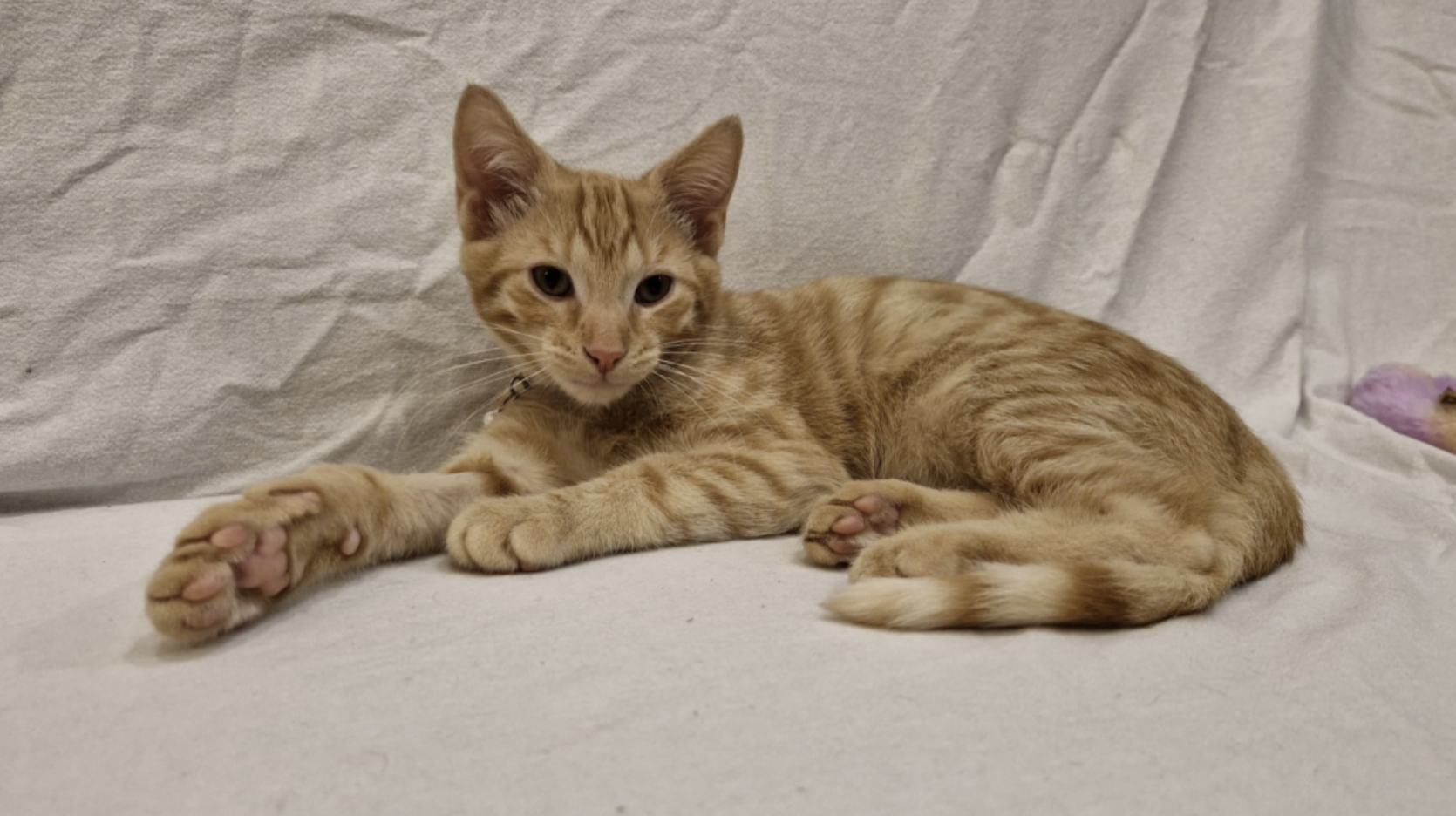
I find that kittens who are 4-6 weeks old when they are rescued tend to decide within 24 hours that I am their mother, and all they want is to be near me (but they may not be great at cleaning themselves). They often accept all humans once they’ve accepted one. Kittens who are 6-8 weeks old take longer to accept me, and are not as devoted to me. If they come into care when they are over 8 weeks old (and haven’t already had positive human interaction), they are likely to remain wary and shy of new people for their whole lives. However, that can also mean that they don’t get underfoot as much, and are more careful not to scratch humans.
There are two reasons for a cat to give you prolonged eye contact. One is dominance/fury. I know when my older cats are angry because they glare at me. (My husband is careful not to lose a staring contest with the cats, because he does not want them to think they are the boss. Which is fair! Cats will often punish their owners by pooing outside of the litter box. Our cats know that they will just get in trouble if they try to pull something like that.) The other reason is love. Kittens who have grown up with humans will often gaze lovingly at you. Feel free to gaze back (ideally with the occasional slow blink)!
Before you try to pat any cat, you should introduce yourself by letting them sniff your hand or finger. If they don’t look excessively terrified at your mere existence in the same room, reach out your hand, palm down and relaxed, and let them sniff it. If they have a good sniff and then settle back into position, you can choose to move away or slowly pat them (patting their side is best as a pat on the head can be seen as threatening).
You are most likely to get good results if you let a cat approach you, rather than you approaching them.
A lot of cats will sit near you but just far enough away that you can’t pat them without getting up. They will also often face away from you. It can be frustrating, but they are still being companionable. In fact, many cats will follow you from room to room, only to sit facing away from you and out of reach. It is still a compliment!
A lot of cats sit somewhere prominent and graciously accept pats whenever one of their humans walks past. Others demand lap time and/or sleep on your bed.
Whether your cat sits nearby, next to you, or on your lap—let them choose the level of affection 95% of the time for best results. They don’t speak English, so the only way to communicate that you are safe is to respect their boundaries. Some cats feel safer up high, and some cats feel safer under things (eg under a desk). Be careful not to make them feel trapped by approaching them when they don’t have an escape route, especially if they’re in a playful or wary mood.
It is very rare for a cat to tolerate hugs (aka a terrifying cage made of your arms) although most will allow it for a few seconds if they trust you enough. You can feel their muscles tense, and then they will begin to struggle gently (then with increasing force and eventually claws and teeth). Don’t push it. If you do hold them, have one arm under their back legs, and their front legs resting on your other arm. It is secure but loose, so they feel less trapped.
The majority of cats find it extremely stressful to be picked up at all. Mother cats carry kittens by the loose skin on the back of their necks. The younger (and lighter) a kitten, the more likely that they are comfortable (and even reassured) by this method of picking them up. It is also safer, as most kittens automatically ‘flop’ in response. It’s usually not appropriate for adult cats.
Otherwise, you can pick them up by scooping them under the chest and putting your other arm under their back legs, then bringing them to your chest for a secure hold. You want them to feel that you are definitely not going to drop them, but they can jump away if they want to.
Moods
Most cats have very distinct play and sleep cycles, with at least two play sessions a day, often first thing in the morning and then again at dusk (cats are diurnal, so dawn and dusk are their natural hunting times). When they have ‘zoomies’ they are often so hopped up they almost seem in pain or terror eg running full tilt from one end of the house to the other, emitting odd meows and chirps, or jumping in shock at the slightest thing. Don’t worry, zoomies are natural and healthy. Toss them a ball (or a pen, or bit of scrunched-up paper) to encourage them and don’t be concerned if they run into walls. DO NOT attempt to pat or snuggle a cat with zoomies! They are extremely hyped up and may respond as if they’ve been attacked. Imagine you were alone and lost in a dark alley of an unfamiliar city at 3am with heavy footsteps coming towards you, and then someone grabbed your arm. Even if it was your grandmother, you’d probably instinctively punch her in the face. That is how a cat feels during zoomies (extremely jumpy), except in a fun way. If you have children, teach them the signs of a cat in a playful mood, and teach them to stay out of the way (and grab a fishing-pole toy to get the most out of the kitten show).
Playful mood: Wide eyes, big dark pupils, flattened ears, twitching tail, and fast, jerky movements. Running or crouching, especially if their butt is wiggling and their gaze is fixed while they are crouching. Rolling over on their back and exposing their belly (it’s a trap!!!)
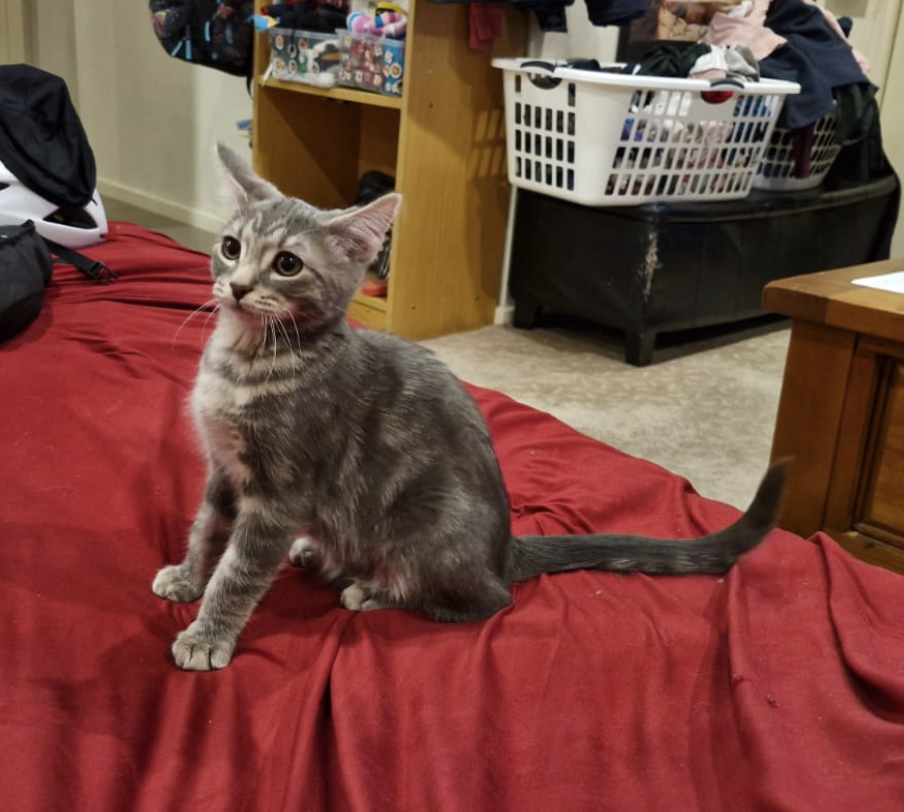
Kittens are so energetic they will sometimes go directly from sleep to playful, especially if you are dangling a toy at them. But like us, they usually need some wake-up time first.
A cat who feels safe and happy will respond positively to their humans when they wake up. They may start purring or meow a greeting. They are likely to stretch and blink, and often roll onto their back and luxuriously stretch. In a just-woke-up scenario, the belly exposure is not a trap but an invitation to pat them. Many cats love chest pats BUT it is also an excellent fighting position so some love to grab hold of your hand and bite it with affection. You need to choose whether to teach them to hold/bite you gently, or to avoid belly rubs altogether.
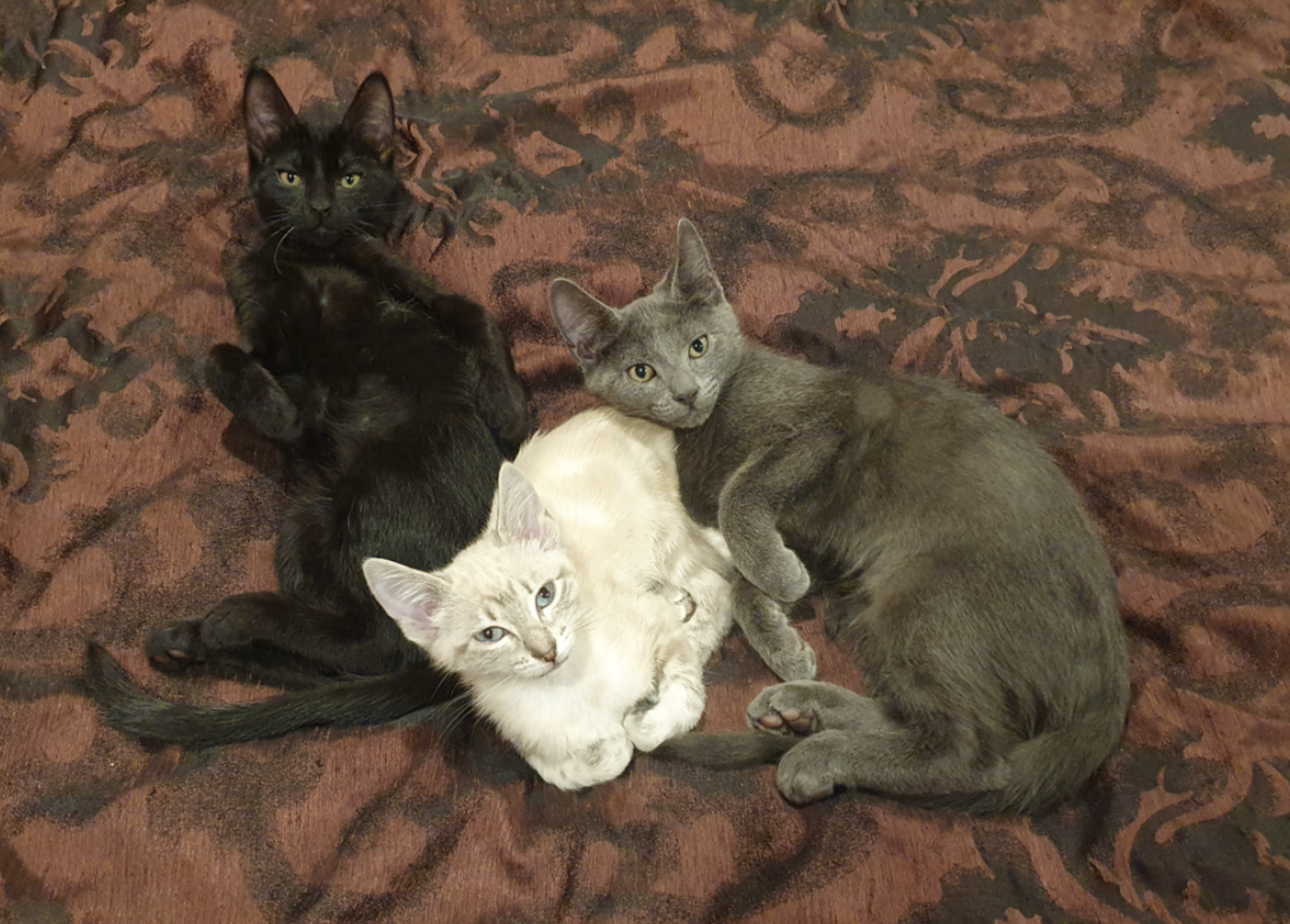
Training Your Cat
Yes, a cat can be trained. The level of training depends on the cat’s intelligence and personality, the amount of time you’re willing to invest, and how much you understand cat behaviour. Cats don’t have a sweet tooth, but there are plenty of cat treats out there. Some cats aren’t too fussed about them, and others would teach themself to open a jar in order to get to them (seriously!!)
If you’re adopting from me, your cat will probably know the following words:
Their name (and most of them will come when I call because I always use their names when giving them food or treats).
Dinner.
No (said in a low, threatening voice).
Gentle (mainly used when two cats are fighting each other and not listening to the other cat’s meows of pain).
Ouch! (Very much associated with “No”.)
I use their names constantly, but especially when feeding them wet food (at which point I also call “Dinner!”) If they don’t respond to “No” by itself, I physically remove them (which is a punishment as they’re very social creatures) and/or tap them on the nose with one finger, which is annoying rather than painful but gets the message across.
About 5% of cats turn the tables and start to train ME eg they know I don’t like getting bitten, so when I am about to leave the room they will bite me as punishment. Those cats are tricky, and I will warn you if yours is one of them! I’ll also let you know if your cat is bent on escape. Most cats try to escape at least some of the time, with varying amounts of determination. I strongly recommend getting a collar for this reason. It means that if (when) your cat escapes, passers-by can tell instantly that they have a home. A lot of good-hearted people accidentally kidnap beloved pets because cats will act as if they’re homeless and starving in order to get extra treats. Cats are liars!
Some cats are naturally more vocal than others. I try to discourage a lot of nagging meows by ignoring them (or sometimes saying “No”), which works fairly well if I can get the whole household to stick to our guns. But I encourage ‘trilling’ (that adorable ‘prrm?’ noise). If they’re particularly vocal, I’ll let you know. Some people love having constant conversations with their cats.
Some of my previous foster kittens have learned some basic tricks (such as ‘sit’ and ‘beg’) and/or they can walk on a lead.
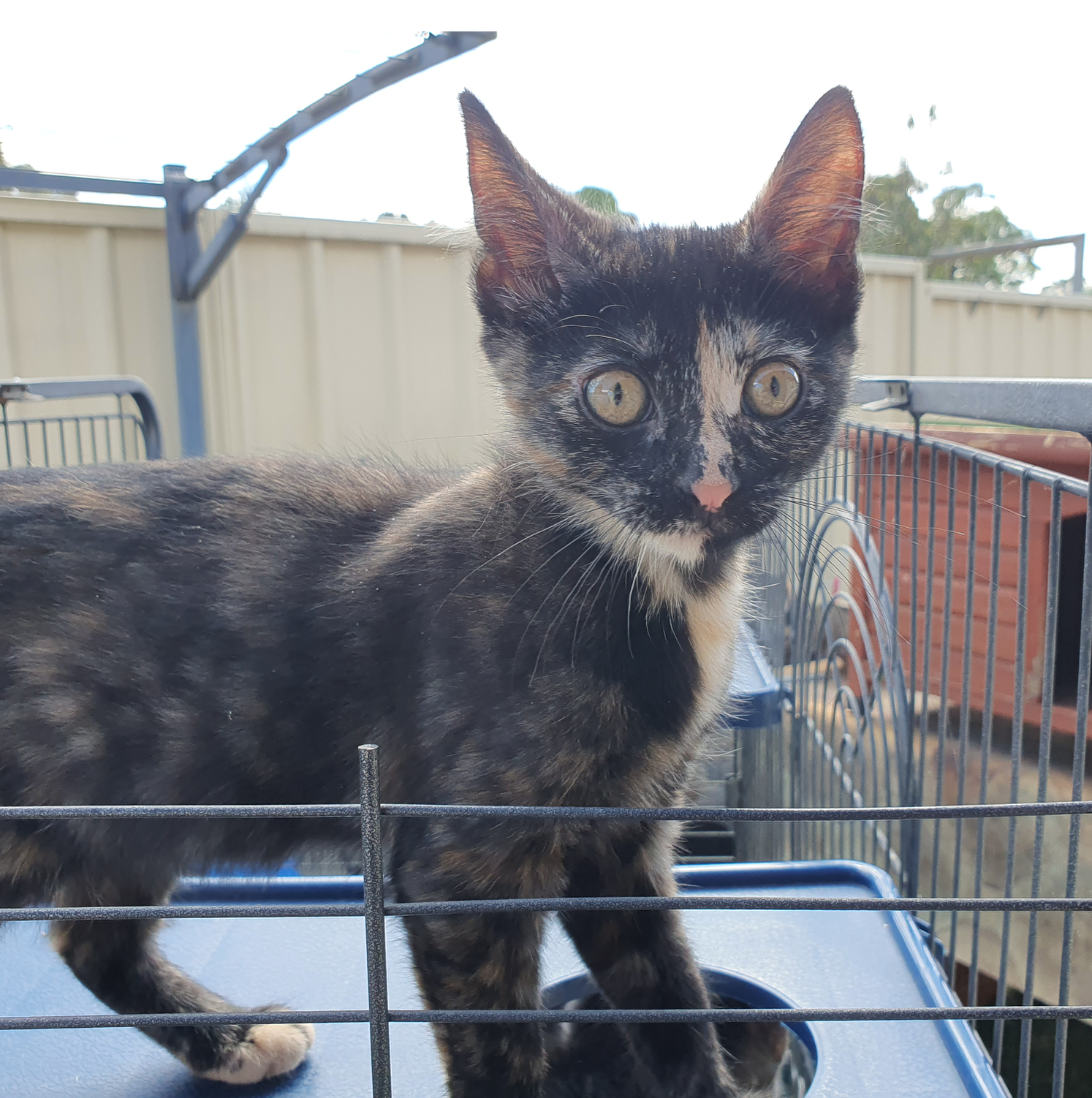
Cat Manners and Communication
Violence
Cats are both predator and prey. They are expertly designed killing machine, who hiss and fight literally before they can roll over. They are faster than humans, and they have very sharp knives on all their limbs and in their mouths.
They NEED to play. They need to ‘kill’ (destroying their own toys is extremely satisfying). They often hide toys—not to annoy you, but because their instincts tell them to do so. They scratch and bite and kick one another shockingly hard, and when they attack you (your hands, your ankles, your hair) it is actually a sign that they are accepting you as a friend (basically, you are a very weird cat). They express love through violent play. However, they absolutely DO communicate to each other when a scratch or bite is too painful, so it makes sense for you to communicate with them that they must not claw or bite you. The simplest line to draw is, “No not ever.”
Remember, when they are small, they don’t hurt you (much). They are also cautious with new friends, being gentle and tentative—at first. It is adorable.
But. They get much bigger and stronger very quickly, and a sweet little kitten nip is the equivalent of a bloody bite from a year-old cat—so if you accept nips when they’re young, you are likely to get bites later.
If you want a cat that is so well-trained it doesn’t even bite when a toddler yanks its tail or forces it into cuddles, then the “No not ever” rule is best. It requires discipline from you and everyone in your household: never ever wriggle your fingers enticingly for them to chase. Never let them wrap their front legs around your arm or leg in a ‘hug’. Never accept them charging at you and batting gently at your legs. Always say, “NO” from Day 1 and if necessary tap them on the nose or put them in a room by themselves.
If they are reasonably teachable, offer them a toy to chase or bite as soon as possible after saying, “NO” so they quickly understand that their hunting instincts are allowed, but must be directed towards inanimate objects.
If you have had cats before, you don’t have young kids, and you’re confident in your abilities, you can teach a kitten to play with you while still being gentle. It is fairly easy for a kitten to learn to always keep its claws sheathed when playing with humans, but ‘gentle biting’ is trickier. However, most young cats can be taught to ‘mouth’ your fingers instead of actually biting you at all.
You can teach a cat that they can attack you more violently through a doona, but there is a strong risk that they will unleash their full strength through any fabric (I assure you they can draw blood through even thick jeans). So watch out for that.
Sickness
Because cats are prey animals, they naturally hide their illness. Unless they are actively bleeding or can’t walk, you need to actually pay attention to know when they need to see a vet.
Some cats will not eat or drink for 24-48 hours in a new place. Keep a sharp eye on their litter (so you know when they start to wee) and try to give them lots of alone time (with no humans and especially no other pets). It is often helpful to keep them in a laundry or bathroom for several days (with bath mats and/or a bed so they’re not on the tiles, and with heating or cooling if necessary so it’s between 18 and 30 degrees celsius). A small room can help a nervous cat get used to their new environment, although most will get extremely bored after about two hours, so ideally that small room is a place they can retreat to without being followed, but they can emerge when they want to.
If your new cat hasn’t eaten or drunk water (ie no wee in the litter box) after 24 hours, you definitely should be concerned. Please let me know, and we can arrange a visit for me to reassure the cat a little and give tips on making them feel better. I’ve never used Feliway but I’ve heard it’s amazing for calming a stressed cat. If they do not eat or drink for 48 hours, they should probably come back to my house for a few days to recover before trying again. I can also assess their behaviour and figure out if something more than the usual stress is going on, because I have spent a lot of time with them.
Cat flu is a serious illness for cats, and causes symptoms including runny eyes, runny nose, fever, and fatigue. It’s usually easiest to spot in the eyes. Unfortunately it can be brought on by stress (such as going to a new home). It may take a couple of weeks before they show symptoms. Because a vet visit can also be very stressful, you need to carefully balance the potential harm of a vet visit with the potential benefit. I would usually say it’s a bad idea to take a cat to a vet within 3 days of them arriving at your home. But if you are concerned, please contact me immediately so I can come to your house and assess their health. Kittens can die from cat flu. Most adult cats get better on their own. Don’t panic if your kitten sometimes sneezes; that’s actually not a sign of illness. If they sneeze often and/or produce mucus with the sneeze, that is a symptom of cat flu.
Go to a vet within 48 hours if your cat has a runny nose (clear or yellow/green), is drooling, or refuses to eat (try extra-smelly food such as fish first). Go to the vet immediately if they have trouble walking, if they are panting, if they are not drinking, if their eyes look painful or are not fully open, or if they are not playing at all. Ditto if the discharge from their eyes is yellow or green.
Cats can also get a fever from cat flu. You can test them for fever by feeling the temperature of their ears. If you feel them when they’re healthy they feel quite cool, and if you feel them often you are more likely to be able to tell if something is wrong. If in doubt see a vet of course.
If you are looking after them at home, it is good to wipe the moisture away from around their eyes and nose with a wet cotton ball. Steam can also help them, so it is often helpful to run a very hot shower with your cat in the bathroom and the heaters on for 10-20 minutes up to twice per day. Change their water frequently and keep other pets away. It may help to gently warm their wet food (mainly to increase the smell so they can recognise it despite a stuffy nose). Reduce their stress levels as much as possible.
Dehydration is another killer of kittens, and it can be extremely sudden. If your cat throws up more than once, they should go to a vet within 24 hours as they may need to be put on a drip to save their life before their kidneys fail. You can also test their dehydration level at home by pinching the loose skin on the back of their neck. If you let go and it doesn’t immediately go back into place, they are dehydrated. (You can do this for humans too, by pinching the skin on the back of the hand.)
Ringworm is a fungus that is incredibly difficult to eradicate as it can live in any fabric for twenty months eg your couch, your carpet, or your clothes. It is infectious to humans. It is called ringworm because it tends to cause little round red spots on the skin, sometimes in a donut type shape with a red ring that is pale in the middle. The spores can survive being washed, too. On cats, it usually appears on the face, ears, tail, and legs. If your cat has a tiny bald spot that isn’t a wound, take them to a vet as soon as you can and carefully follow their advice. The sooner you start treatment the less likely it is that you’ll have to burn down your house and all your possessions to get rid of it. (Seriously, ringworm is the WORST.) It’s actually quite a minor illness, causing mild itching only, but it usually takes months of obsessive cleaning and quarantine to eradicate. Always tell your vet that you suspect ringworm before entering their premises.
If a kitten is scratching a lot, they may have fleas, lice, or ear mites. Fleas are small black crawling things (more obvious if you part the fur). If you see white dots on your kitten’s fur, try to brush it off. If it brushes off, it is dandruff. If not, it is lice (not infectious to humans, but needs treatment). Ear mites look like dark coffee grounds in the ears. If your cat has lice or mites, see a vet (letting them know what you suspect before entering their premises). If it has fleas, use a topical flea treatment, and continue using flea treatments monthly for at least two years.
Poo is an excellent indicator of health and is often also used to communicate with you. When you scoop their poo, pay attention to sudden changes such as an abrupt change in smell, colour, or texture (sloppy). Take them to a vet if their butt is red/irritated (if they’re licking it a lot it’s itching or painful) or if they don’t seem to have control over their toileting. A lot of cats will have a mild reaction after vaccinations, worming, or while changing food but if their poo is watery they are seriously ill and at risk of dehydration and death. Also see a vet if they are straining or meowing before pooing.
Cats sometimes poo just outside the litter box if they have outgrown it, if the litter needs changing, or if they are stressed. If the litter stinks, there are not enough litter boxes, or they are very stressed, they may poo farther afield.
If your cat seems unwell, isn’t eating or drinking as much as usual (you can tell by the litter box if you can’t tell from the level of the food), isn’t grooming themselves properly, is gaining or losing weight, or isn’t as active as usual, there is probably something wrong. If they meow or flinch when patted they are likely to have a hidden wound (probably infected) and you should see a vet asap. If they spend a long time in your lap while still a kitten (without trying to play), if they seem weak, or if you can’t wake them up, it is an emergency and you need a vet to see them as soon as possible.
Most vets keep a daily slot open for emergencies, so if they are open try your usual vet first. If not, call Canberra Veterinary Emergency Services in Gungahlin on 6225 7257 and tell them what is happening. They will probably tell you to come in immediately.
It is possible for humans to get sick with toxoplasmosis, which is not a big deal unless you are pregnant or an infant. For this reason, pregnant women should never be involved in cleaning litter, litter trays, or anything that might have litter on it.
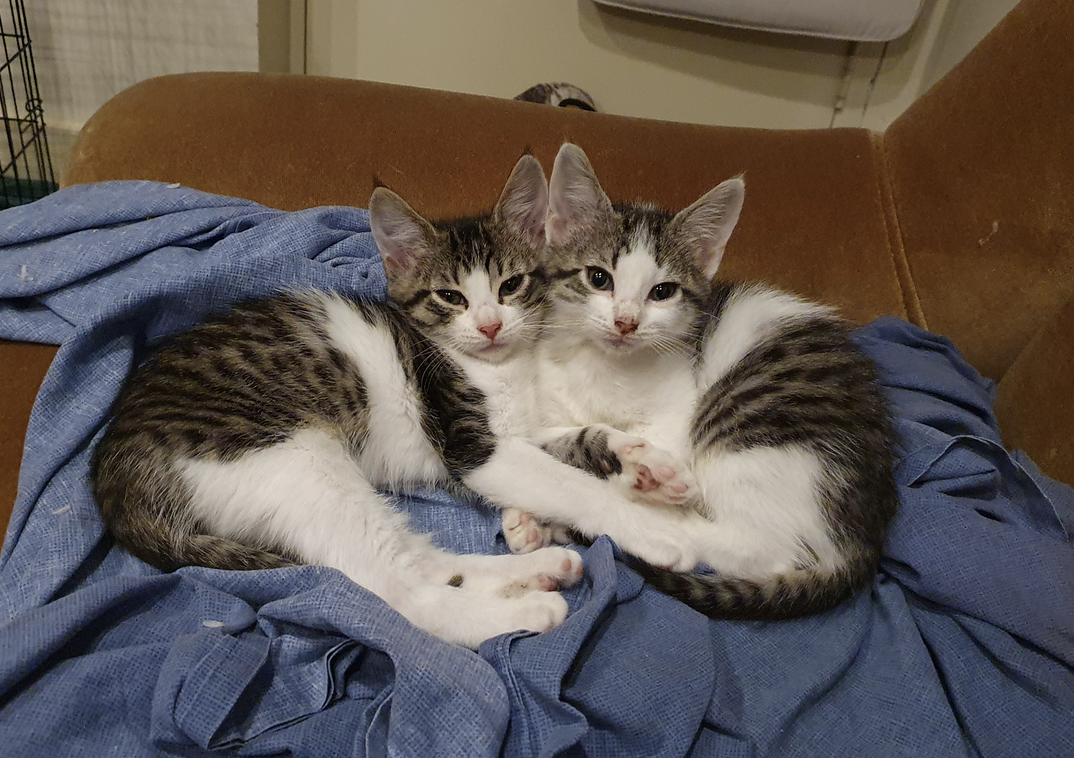
Cat politics
Cats are (believe it or not) social animals, often forming large and coherent colonies in the wild. Within a household, you are part of their colony… but you’re generally known to be a big but clumsy predator. An adult cat’s usual reaction to a kitten is terror. Kittens LOOK adorable, but in the right circumstances they can do a shocking amount of damage. They also have more energy than older cats, which makes them more powerful in some ways. However kittens are usually very curious and affectionate, and they tend to act very submissive to the bigger cat. As they age they may decide they’d like to be the boss and you may get complicated politics as the cats wrangle for dominance. Sometimes they will outright fight each other. Other times they will provoke each other in subtler ways, such as deliberately sitting in places that are the favourite spots of the other cat (possibly on your lap). Your job is to make sure they’re both getting all the love and attention (and food) they need. If they fight with real violence, eg drawing blood, you can try Feliway to calm them but you may need expert help. If they’re incredibly passive aggressive about it all, don’t worry. The competition probably keeps them from getting bored.
In a household with more than one cat, they may poo much more than usual if they are in one of these battles for dominance. It may help to have more litter trays or to use Feliway.
Bits and Pieces
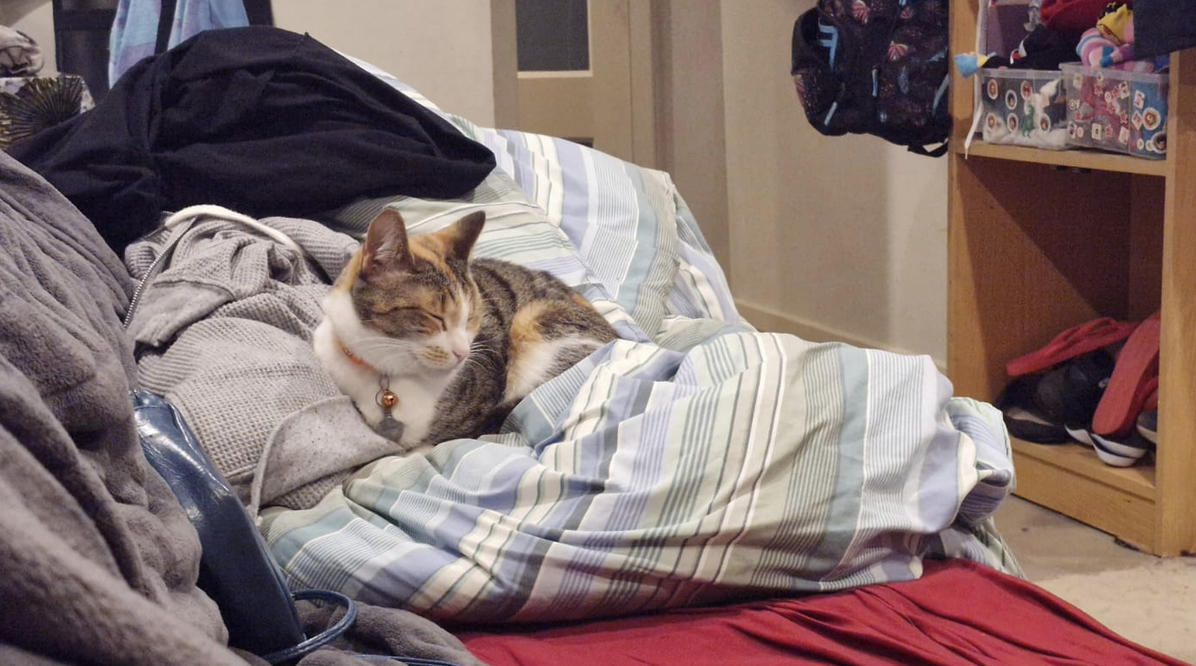
Many cats throw up quite often, about once a month. That is a normal part of their digestive process. It is worth telling a vet at their regular checkup, especially if it is a new thing for you. If they throw up more often, it usually means something is wrong. In my household, it usually means Zoom (pictured) has managed to get into the kitten food again.
Some cats prefer humans to cats, and some prefer cats to humans.
Some cats are more cuddly than playful, and some are more playful than cuddly.
Cats often eat plants, so it is worth googling your plants to see if they are toxic to cats (the list is long).
I’ve also found that some kittens totally change personality within six months! So if you want a particular personality, you’re better off adopting a cat that is at least a year old.
Every group of kittens I look after seems to have one specific issue. One litter was obsessed with electrical cords; one would go ballistic if you tried to give them a pill; another litter was extremely loud and would complain if they were in a room alone; etc.
Medium or long-haired cats are gorgeous, yes. You’ll need to brush them at least once a week (sometimes daily). They will still shed about twice as much as any other cat. And, sooner or later, a poo will most likely get stuck to their butt and you will have to deal with it (either that or regularly trim their butts). So, choose wisely.
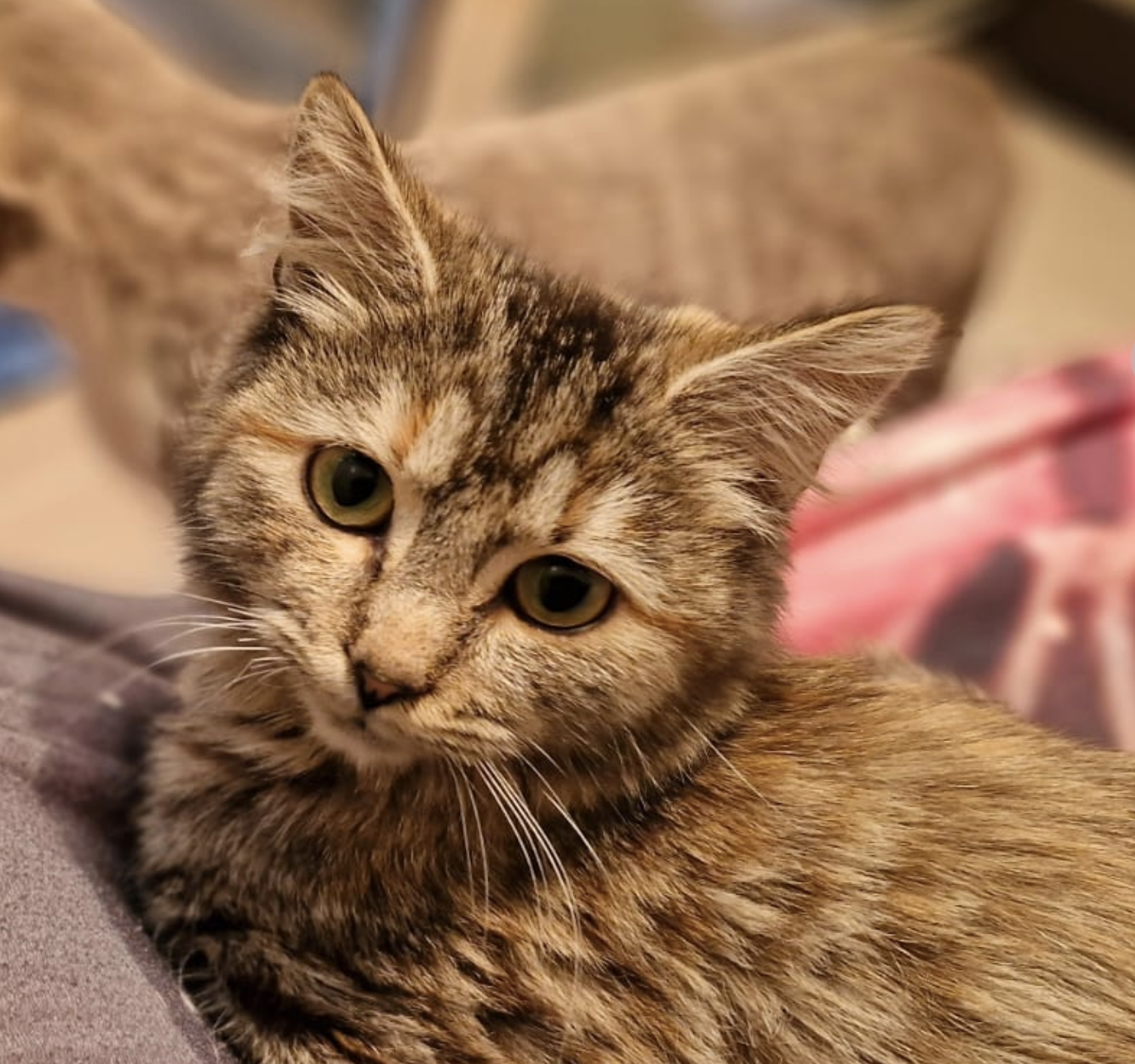
Most foster agencies will take back a kitten and refund the adoption fee if you change your mind within two weeks of adoption, for example if you discover that your child is allergic to cats or one of your other pets absolutely hates them. (It takes much more than two weeks for cats to adjust to a new cat in their home, but there should be at least a little bit of progress eg the original cat starts off running from the room when it sees the new cat, and has gotten to the point where it will sit on a very high shelf and suspiciously watch the new cat while sometimes hissing at it.) Please note that even two weeks can make a difference to a cat’s ability to be adopted (everyone wants the youngest possible cat) so don’t treat it as a free kitten rental service. These are living, vulnerable creatures. Moving houses is also very stressful for them.
If you adopt a cat and find your other pets absolutely will not accept it, that is an excellent reason to give up the new cat. Your older pets should always be the priority. However, if they are hissing at each other after two weeks there is still hope for them to accept each other. Hissing is not violence, but communication, meaning, “Stay back!” I also find that when cats are ALMOST used to each other they will play together with an edge eg they will wrestle hard, hiss a lot, and stalk each other. If their claws are sheathed, this kind of play is probably okay. They are sorting out dominance without actually hurting each other. But they should definitely be supervised closely.
Inside cats usually live about twenty years, so think carefully about where you will be in five years, ten years, fifteen years, and twenty years. It is sometimes difficult to find a rental if you have a pet, and it is very difficult to find a new home for a cat, especially if it is over a year old (with every week over twelve weeks, it gets much harder to find a home). Are you willing to give up a great rental because your cat can’t come with you? What if you are offered a job posting overseas? What happens if you have a child ten years from now?
If you give up your cat when it is no longer a kitten, it is more likely than not that they will be put down.
If you are okay with that, you should not get a pet.
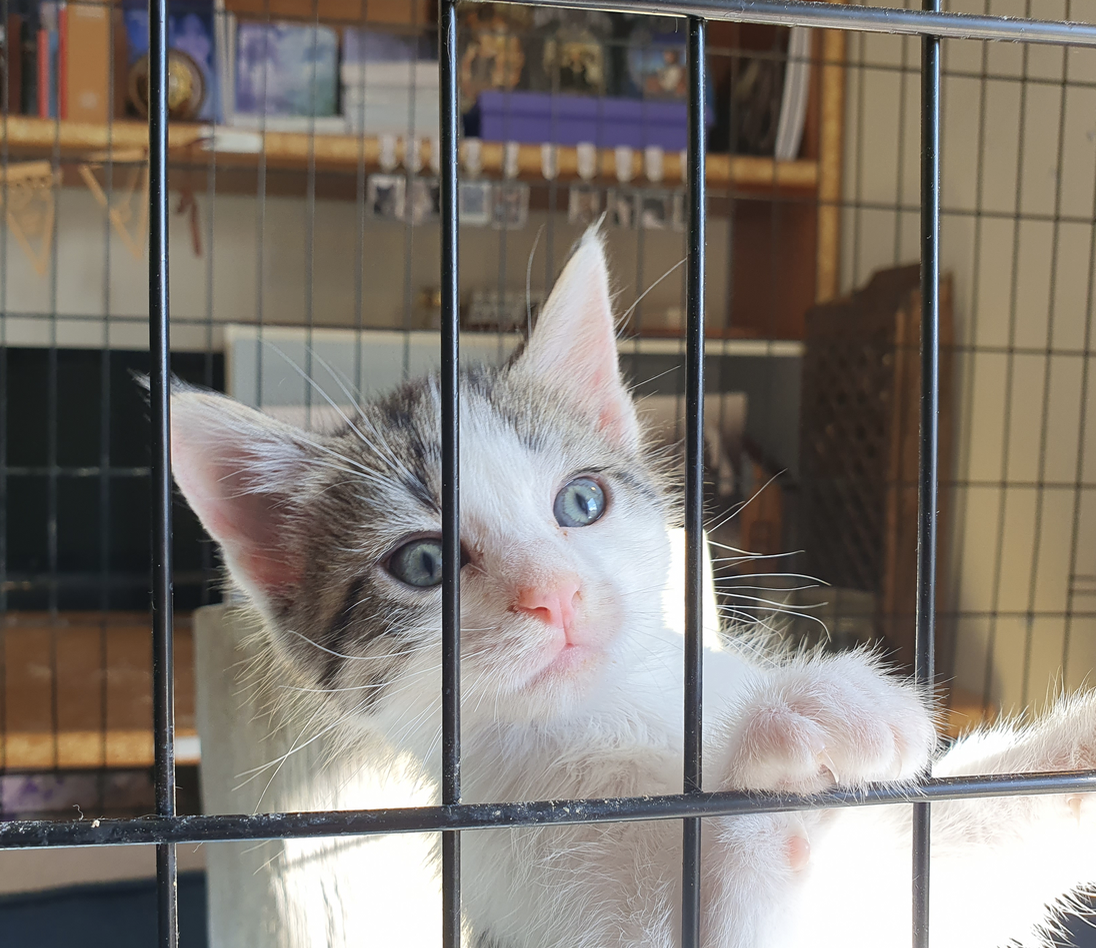
Things to ask your foster carer
- When was their last parasite treatment, what brand was used, and did they have a reaction?
- Did they have a reaction to a vaccine? When is their next vaccine due?
- What is their personality? Are they vocal? Do they prefer humans or cats? Are they unusually energetic or unusually snuggly? What is their favourite type of toy? Are they an escape artist? Are they obedient or naughty?
- What is their most annoying habit (there’s always something)?
- How do they handle unfamiliar cats/dogs/children/people (if known)?
- Have they ever been unwell? (Childhood illnesses can weaken them permanently.)
- What food are they eating, and do they get sick when their food is changed?
- Have they ever had a toileting accident?
- Do they travel well?
- How do they behave at the vet?
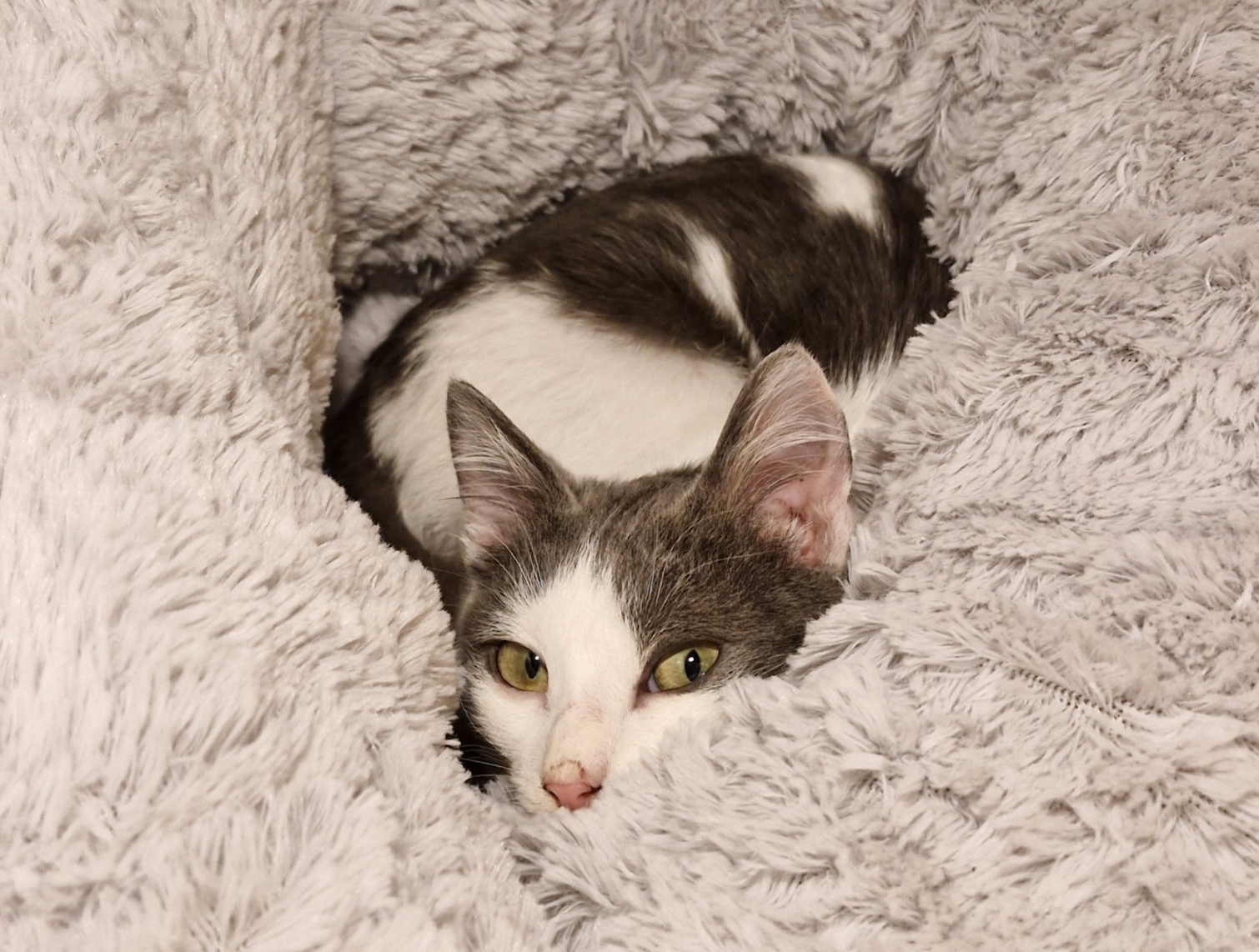
If you appreciate the work I do, please help me keep doing it! At the time of writing (mid-August 2025) I need $1800 to let me keep going after my current group of kittens is adopted.
Here is the link to my ongoing GoFundMe: thank you so much

 Felicity Banks
Are these the kittens for you? | Felicity Banks said,
January 9, 2026 at 12:38 pm
[…] adoption guide is here but let’s talk about this specific litter of extremely similar-looking Ragdoll […]