This kitten thing? It’s what I do.
I like to rescue an anti-human female cat (or two) and raise any kittens they may have. When the kittens are weaned I get all the mum’s vet work done (especially desexing) and return her to her colony, overseen by a human carer. Trap-Neuter-Release is the most humane way to reduce the population of unowned cats, the vast majority of whom can’t be socialized (and are happiest in their home colony). But their kittens CAN be raised to trust humans, and foster organisations like Magical Moggies can find safe forever homes for them.
Sometimes the hardest part of kitten fostering is earning enough to pay for kitten fostering… while fostering kittens. Kittens deserve a minimum of two hours’ attention each day (not including cleaning or other tasks). My health is not good enough for me to work full-time, which is both a blessing (more kitten time) and a curse (less money).
In 2025 I had to close down Magical Moggies due to the cost of living (and my own expensive medical costs as a person disabled by a chronic illness). My family also had to take a tenant into our home or risk losing it altogether. At that stage, even if I had the funds I didn’t have anywhere safe to quarantine foster cats. My physical and mental health plummeted despite my best efforts. In May 2026 my partner and I decided that if I did more work shifts, half my income could go to kitten fostering.
I expected my pain levels to increase dramatically with the extra work. Instead I felt better than I’ve felt in a long time. But I’m still disabled, and the maximum amount of paid work I can do is about twenty hours on a good week. I also spend at least two hours on kitten fostering daily, not including cleaning or vet trips. But that’s not ‘work’ work. Apart from anything else, the kittens don’t get offended if I’m wearing my pyjamas all day. That actually makes a big difference to my back pain! The cleaning takes a physical toll but I still love making the space safe and beautiful for my foster cats. Fundamentally, my life rotates around fostering, and I’m so grateful. I love specializing in the vulnerable tiny-baby end of the fostering spectrum. But the more fragile foster babies are also the most expensive. Most of the equipment I’ve bought for this specific family was already on my wish list and will be useful for years to come. Some of it I owned previously but donated to other foster organisations when I thought I had to give up fostering forever.

I’ve found through experience that each feline family costs around $10,000 from pregnancy until the last kitten is adopted. Hypothetically it could be cheaper, but there’s always something I need to buy or some expensive medical issue to deal with. I’m lucky it’s never been much more than $10,000 (so far) but Ariel may well have complex medical issues that set a new record.
Here’s roughly what I’ve already spent or committed to spend on Ariel’s family so far:
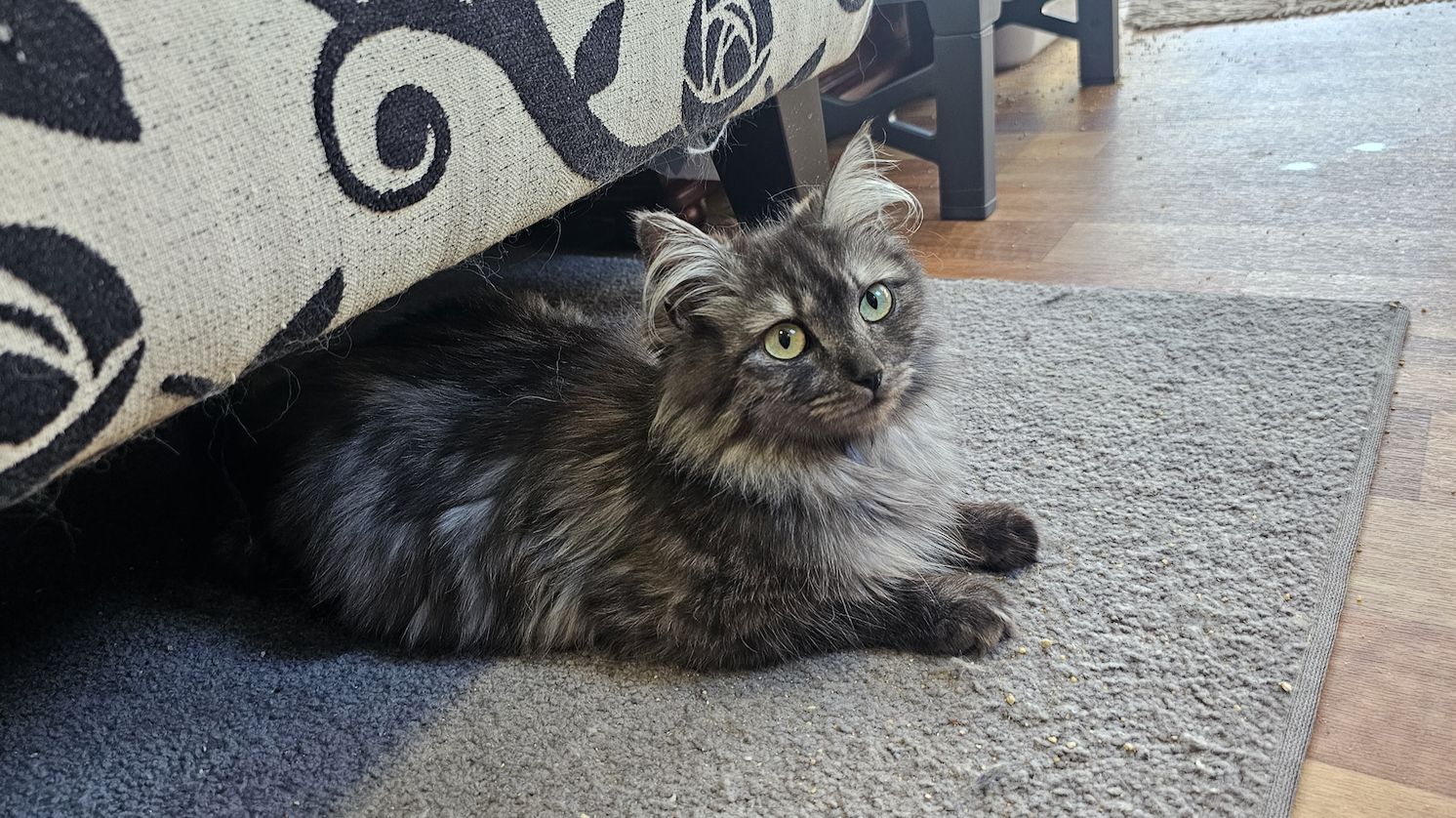
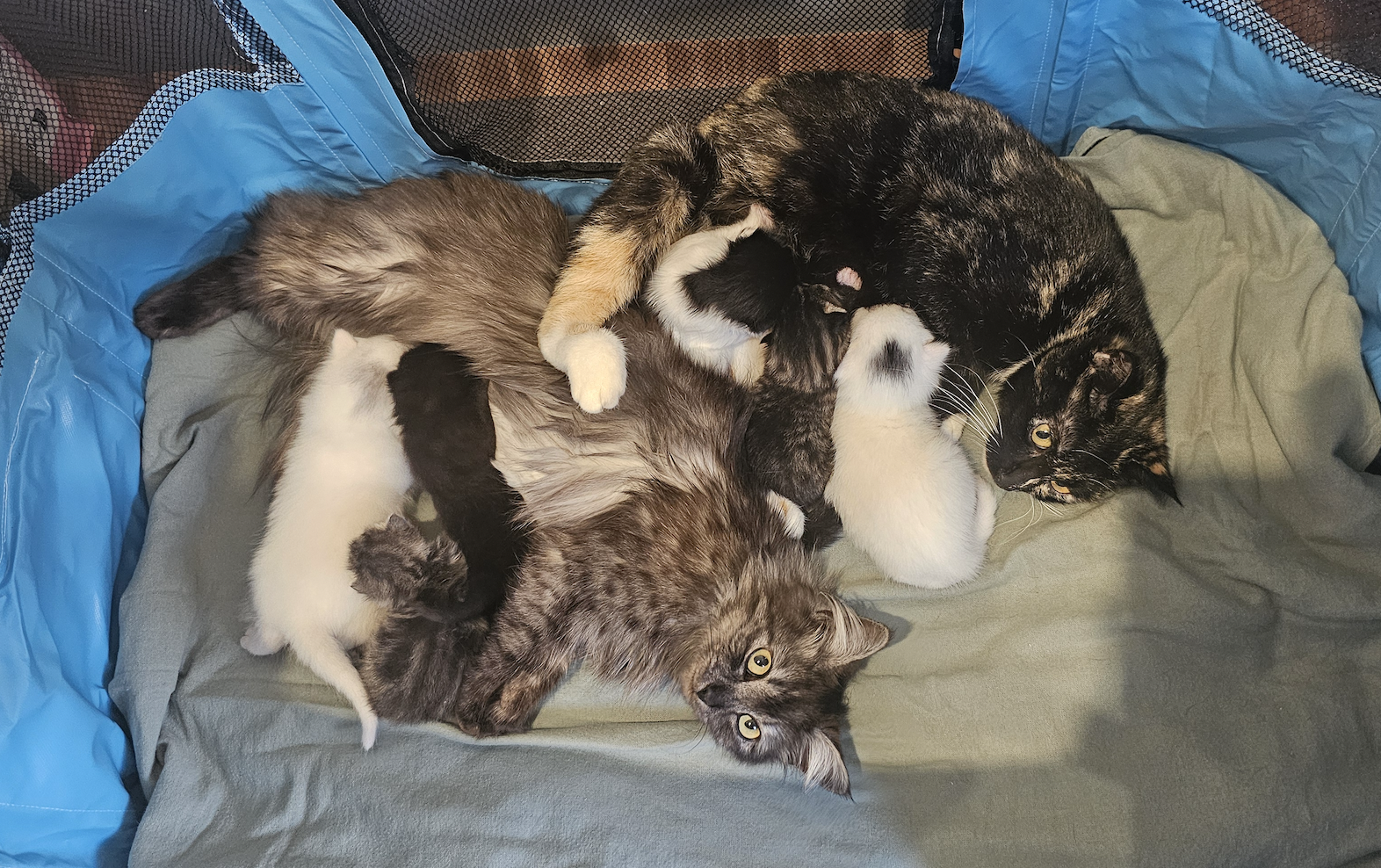
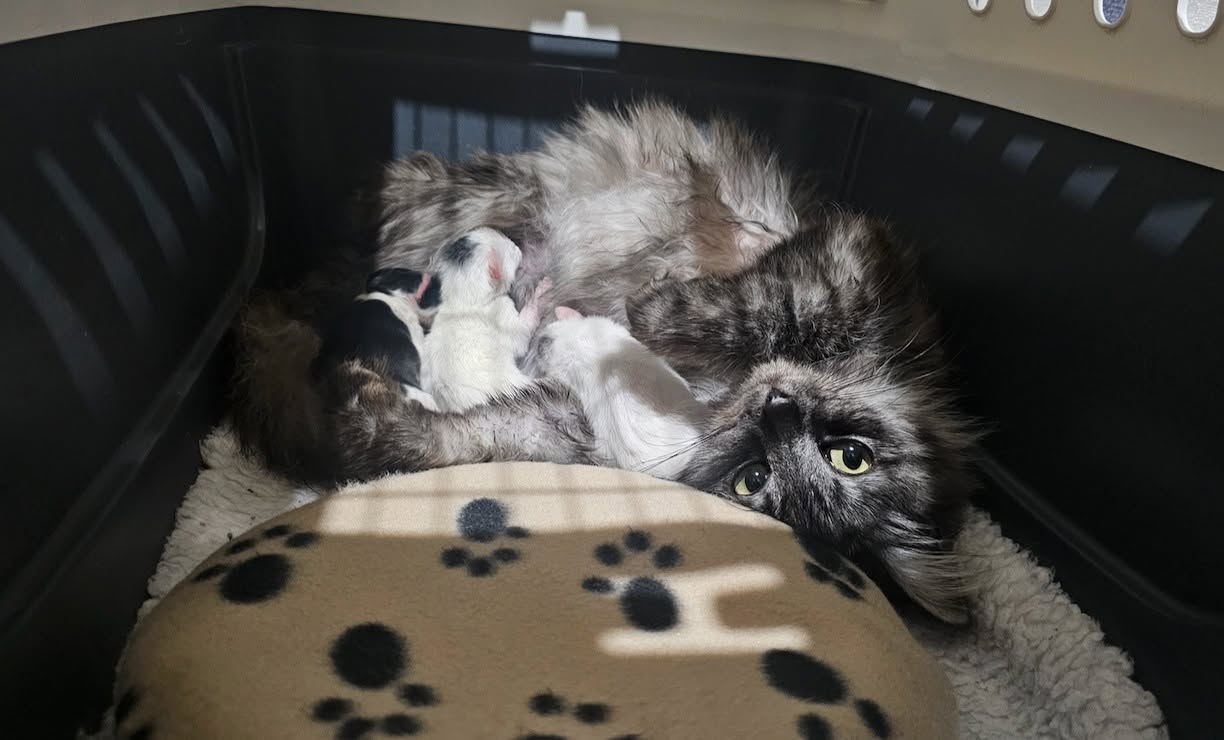
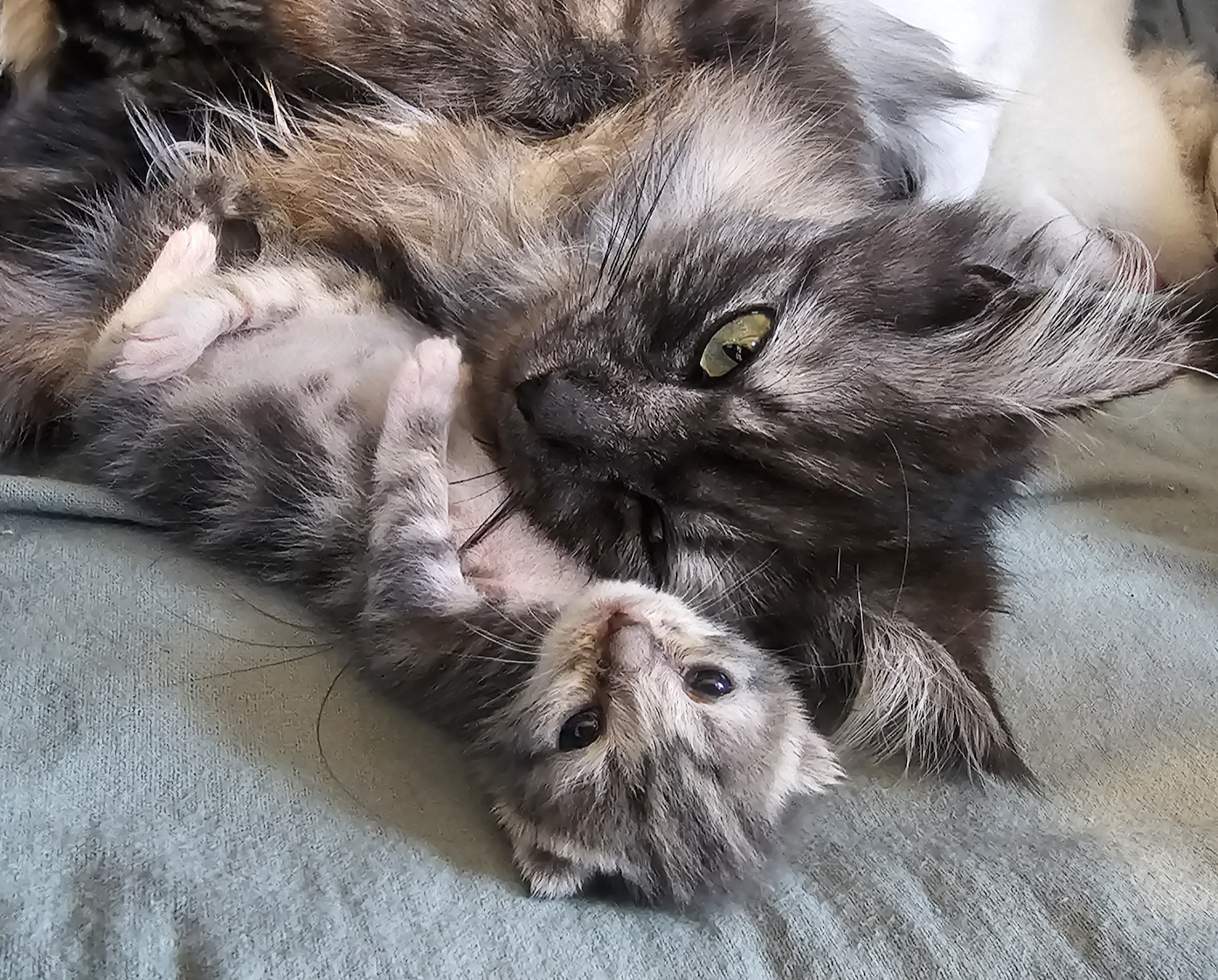
Cost of Fostering Miranda (the mum, pictured above):
-Top-quality food for approximately three months*: $500
-Top-quality litter for three months, fully changed often to minimize any chance of illness**: $300
-Vet-grade cleaning supplies (F10 wipes, spray, and hand sanitiser): $200
-Parasite treatment for three months: $60
-Standard Vet Bills (including the cost of diesel to drive to a NSW vet who is cheaper than Canberra): ultrasound, two vaccinations, desexing, microchip: $600 (or $2000 at my local vet if Miranda or I can’t travel for health/kitten reasons).
-Two larger nesting boxes so she spends more time closer to Ariel and the others***: $100
-Designated cat room rent for three months****: $2000
-Cat room installation and waterproof flooring: $1000
-A human bed that she can’t hide herself or her kittens underneath*****: $300
-Bedding including a waterproof mattress protector, a doona protector, and a pillow protector: $400
-Feliway diffuser and refill******: $200
-DIY detachable cat run/catio/airlock for the cat room front porch*******: $600
Approximate cost for fostering one anti-human mother cat: $6260-7660
Miranda’s Four Kittens:
-Heating the cat room 24/7 to as much as thirty-three degrees until the kittens grow old enough to regulate their own body temperature: $1000
-Two SnuggleSafe Pet Heating Pads: $100
-Top-quality food for approximately two months (once they’re on solids)********: $500
-Top-quality litter for approximately two months (once they’re toileting independently): $300
-Portable Insulation box*********: $260
-Standard Vet Bills for Stephano (female): $500
-Standard Vet Bills for the three boys: $900
-One emergency vet trip for Ariel (so far, poor baby): $300
-Specialised kitten formula milk for Ariel until he’s eating solids or nursing successfully: $400
-Time off work to care for Ariel so he never misses a meal**********: $1000 (so far)
Approximate cost for fostering one litter from birth to adoption: $5260 (minus $350 each in adoption fees = $4200)
Total cost for this family (assuming no more medical emergencies or disease): $10,460+
That is roughly what my other cat families have cost me. The details vary, but fostering a whole family is always extremely expensive—it works out to about half my annual fostering budget per litter. Without donations, I can only foster two newborn litters per year. Which means more kittens like Ariel are dying of starvation or exposure on the street. Or growing up to become pregnant as young as four months of age, and then having multiple litters every year.
I am already fostering another pregnant anti-human cat, Spare Parts, who is due to give birth any day now. She and Miranda are friendly—there is even a chance that Spare Parts will take over feeding Ariel, as she is an experienced mother (while Miranda gets annoyed and leaves the nesting box if her kittens don’t nurse efficiently). I chose to foster two pregnant cats at once because I know cats often support each other and/or adopt orphaned kittens in the wild. I’ve spend years fostering kittens and obsessively improving my skills, but any female cat who’s had kittens does a better job caring for a needy baby. And I don’t like leaving any of them alone. They’re much more social animals than we realise.
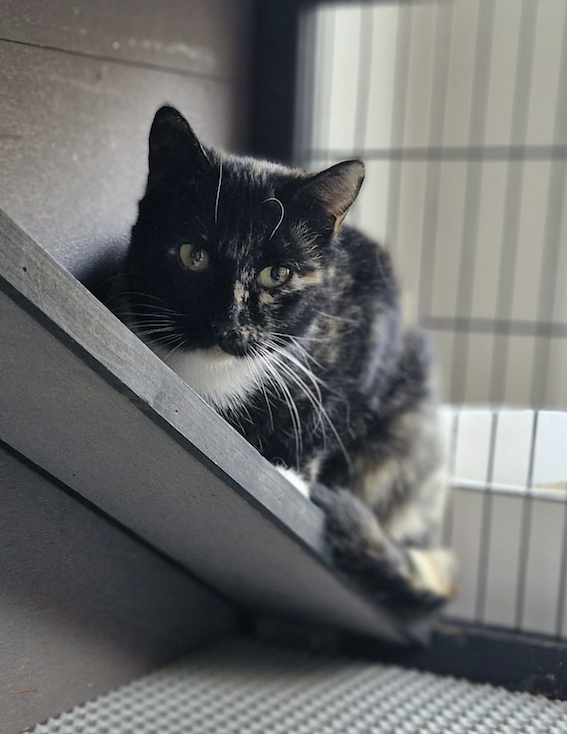
I have also put the word out to other fostering organisations that I currently have two mother cats that might be willing to assist with any orphaned kitten babies that need specialised care. Two nursing mothers are a top-notch resource in a neonatal kitten emergency. Although I have plenty to do already, I want to support other organisations too. Every single foster organisation I know is over-committed and under-funded.
In case this fundraiser is wildly successful, here are some stretch goals (in order of priority):
-Backup funds in case of more medical emergencies or treatment costs (for any foster cats now or in the future)******: $10,000+
-A professional end-of-lease style clean before the next group of cats: $1000
-Staff cats: Mayhem and Pandemonium are two older foster kittens that are unusually friendly AND unusually playful, and I think they are well suited to act as nanny cats to future babies. They also adore me, which is reassuring for new cats to see as it makes me less scary: $700 (aka their adoption fee… if I can convince my partner to keep them)
-Improving my backyard catio so Mayhem and Pandemonium can be fully integrated with my family’s cats, and to better protect my family’s cats from bird flu etc***********: $2000-$10,000
-Better baby monitors for monitoring pregnant cats, especially when they’re in labor************: $1000
-Larger portable insulation box, so I can keep kittens with their mum AND fully warm even if they are up to two hours away from Canberra: $1000
-Installing a sink in the portable room************: $2000
-Self-cleaning litter boxes for happier cats and for protecting my disabled back and knees*************: $1000
-Taking five weeks off work around the next cat’s birth date**********: $2200-$4400
-Disability ramp into the designated cat room (for disability access and for my very bad knees): $2000
-Tiny but full-strength fridge for cat milk/food in the Cat Room: $500
-A refurbished laptop with enough memory to handle the daily onslaught of kitten videos without having to delete them all as soon as they’re posted: $4000
Total: $27,400-$37,600
Extremely Unlikely Stretch Goals (because a girl can dream):
-Buying the portable room outright (and then I could modify it freely eg attaching a window box for cats to sit in): $20,000
-Hiring a second cat room and ensuite for a year**************: $10,000
-‘Buying’ that second cat room: $50,000
-Tertiary Certificate in Animal/Cat Care or Fostering: $3000
-Building more cat rooms onto our house without getting divorced: $200,000-$500,000
Total: $233,000-573,000
Now wouldn’t THAT be nice!
Notes:
*Miranda’s food: I use Royal Canin Mother and Baby Mousse which is designed for pregnant and nursing mums and their children, plus the dry food equivalent.
Normally kittens would benefit from staying with Mum for a full twelve weeks, but because Miranda hates and fears most humans—I am a rare exception as she abruptly decided after having her kittens that I’m an excellent babysitter and badly-needed hair care specialist—her kittens will be separated from her once they are weaned (around six weeks of age).
Despite her stunning good looks, Miranda is not suitable to be a house cat. She will be returned to her home colony, where she was happy before being rescued and where she will continue to be cared for by a dedicated person who she loves (and who can even care for her fur). That person will feed her and continue to care for her. Thanks to them, Miranda can enjoy her freedom without having up to four litters every year for the rest of her reproductive life.
Trap-Neuter-Release is the most humane way to reduce the cat population over time. Miranda’s microchip has the carer’s details so if she is hurt and cannot return to her source of free food, anyone who finds her will know she has someone caring for her and does not need to be euthanized.
**Miranda’s Cat Litter: Miranda is sharing the designated cat room with another pregnant cat, who was rescued from a colony that has had ringworm in the past. I chose to keep the cats in the same room as I suspected new-mum Miranda might appreciate help from an experienced feline mum, and if she didn’t produce enough milk the other cat was likely to nurse her babies. (Cat care is always superior to human care; having two pregnant mums at once is an insurance policy despite the risks of disease or disagreement.) I use World’s Best Cat Litter, which is also safe for kittens. But I’ve been changing all three litter trays very often because of the possibility of ringworm. According to my vet, we’ll be in the clear from next week (as much as one ever can be with ringworm).
***Nesting Boxes: I prepared several nesting box options, none of which Miranda liked (she gave birth on a vinyl floor under a cardboard box, but I persuaded her to adopt a more comfortable box after they were born). She also tends to sit on the kittens (and they yell at her to move, which makes her leave the box), so she needs a larger nesting space. With two boxes, I can clean and sanitise one box while she and the kittens are in the other.
****Designated Cat Room: I used to hard-quarantine cats in my ensuite bathroom (hard quarantine is for known illness, eg all street cats definitely have worms which takes three days to treat IF I manage to get medicine on them on the first day), and use half of our converted garage for soft quarantine (for suspected or potential illness; for cats who are not toilet trained; or for cats who are difficult to catch when I need to take them to the vet). Obviously adult cats can’t be happy in a tiny ensuite bathroom for long, and kittens over about four weeks of age need to be able to run around (but ringworm quarantine often lasts months, eg if a cat is pregnant or the kittens are too young for the most effective form of treatment).
Also, due to the cost of living (and health-related costs) my family had to take a tenant into our home. That tenant has exclusive use of the master bedroom and ensuite. So I rented a portable room (it’s like a caravan but with insulation, windows, AC, power, and a water connection). It’s more financially sensible to keep the tenant and rent a portable room than to simply turf out the tenant. The portable room is fantastic for cats as it’s fully separate from the rest of the house (located in the driveway) and it’s relatively easy to do a full deep ringworm-oriented clean (ringworm can live in fabrics such as carpet for twenty months, and continue to infect both people and animals… go ahead and mention ringworm to any foster organization volunteer; they’ll definitely shudder and might burst into tears).
The portable room is my largest single weekly expense, but it’s brilliant for the cats’ health and happiness. There are windows on three sides so they get a lot of light and sunshine that they wouldn’t have gotten in my ensuite or in the converted garage.
*****Bed and bedding: Most foster carers don’t need a bed, but it’s useful for Magical Moggies because it means I open the outside door less frequently during night feeds. Drafts are terrible for little baby kittens even though it’s helpful to have a fully separate building for cat care. Also, I often nap or stay overnight in the room. Napping near cats is incredibly reassuring to frightened anti-human cats and is a big part of my strategy to let them know I’m not dangerous. I often sleep in the portable room overnight just for fun with the cats/kittens, or when a pregnant cat is due to give birth. Originally I slept on a mattress on the floor, but three different foster cats including Miranda urinated on it (and getting up and down from a bare mattress was terrible for my knees), so I got a bed frame sooner than I’d planned. No one has urinated on it now that it is not on the floor (yay). Even though I carefully chose a bed without legs so the cats/kittens could never get underneath and thus be fully out of my reach, Miranda managed to get underneath it three times (she can open the drawers!) It is Miranda-proofed by Styrofoam and cardboard at the moment, but I’ll need to adapt it properly in the long term.
My family contributed half the cost of the bed, since it’s a legitimately useful object for humans that may end up in our house someday.
******Feliway: Miranda couldn’t handle being a house cat in the long term, and stress can harm the babies or cause the mother to reject them. Feliway helps her to feel less stressed.
*******Detachable catio/cat run/airlock: Miranda has become interested in the outside door of the portable room, and cats are faster than humans so if she makes a break for it I won’t be able to catch her. A catio is not just fun, it is also an airlock that prevents cats from escaping. And it provides a way to gently introduce two groups of cats and see if they can be integrated (starting with seeing each other through glass while the new cats are in the catio, then letting them sniff each other or interact through a small gap in the door). The catio had to be detachable because the portable room is a rental.
********Royal Canin Mother and Baby Mousse: From when they start solids until they are eating confidently. Once they’re big enough, I gradually change their food to something more generic (to see if their stomachs can handle generic food or they need to stay on expensive food for life—so I can advise their owners before they are adopted).
*********A portable insulation box can be plugged into my car (or any outlet) so a sick kitten under four weeks of age can be safely taken to a vet if needed, or even to my work when they’re healthy enough to travel but still need frequent feeds. Annoying, the box I bought refuses to work in the car (we checked every possible flaw in the system and it’s definitely the box at fault—not entirely surprising as I bought the cheapest safe box I could find). It’s still very useful for going to different places, but in the car I need to rely on the car AC and heat pads for any trip longer than a few minutes.
**********Lost work income: Due to my health (and the fact I am known to cancel work when a kitten needs me or a cat goes into labor!) my paid work is all casual. I babysit mostly, plus some writing/editing work (I have several published novels and interactive fiction games).
In the future, I would like to stop working a week before a cat’s due date, and to keep away from paid work for the first four weeks of the kittens’ lives (approximately) while they’re extra vulnerable to illness and death. “Only” half my income goes to kitten fostering, so my kitten budget would only lose $2200 over five weeks (my family’s budget would also lose $2200). Anything donated to kitten fostering goes 100% to kitten fostering and NEVER to my family. If you want to donate to my family, you would need to say so specifically (although obviously having more cat spaces makes the entire family house bigger, so it’d ultimately benefit all of us).
***********Backup funds: Vet care is insanely expensive, and it’s easy for a minor illness to cost hundreds of dollars, especially since a single sick kitten usually infects everyone else. A major illness or surgery for a congenital condition would often cost several thousand dollars, and would probably need to be funded immediately. As a foster carer, I am not permitted to access emergency low-income vet services.
If I’m honest, it’s irresponsible of me NOT to have at least $10,000 in reserve at all times. But like every foster carer I’m doing my best. If I don’t have foster kittens in my life, I don’t have the positivity and health I need to work as much as I can. So taking a break from kittens just to raise money isn’t really an option for me, at least not at the moment.
***********Backyard catio: My family’s cats are both seniors (which is why they’re inside-outside cats), but also rather good at destroying their cat run, so it needs significant reinforcement. A catio is like a patio, but for cats. Catios are usually bigger than cat runs, but the definitions are fluid. Ours is about 10m x 3m, with a cat door and a human door each leading into the house.
***********Baby monitors: I acquired a second-hand baby camera in order to monitor Miranda’s birth without causing her stress (which can make mums reject the kittens or pause the labor) but it was definitely not sufficient; I couldn’t see contractions or the actual births without being in the room (although it WAS enough to tell me labor had started, and it will be useful as a second or third viewpoint for cats that move around during labor). They cost around $500 each and I’d need at least two since going into the room to adjust the angle would defeat the purpose.
My first monitor was already very useful as it was immediately clear through the monitor that Miranda was disturbed by her first kitten and refusing to care for it. I needed to intervene (cutting the cord and placing the baby at her chest) and then to keep watch to make sure she got into the swing of things after that (which she did).
************Sink: A sink in the cat room would be useful for so many reasons. At the moment I carry water in bottles back and forth, (and milk in open mugs usually) and use the dirt near the front door as an outlet sink for water only (eg when rinsing my hands after applying sanitiser, which I currently do twelve times per day, ie before each feed). It means I’m always overloaded with items coming in or out, which makes me more likely to accidentally step on a mischievous cat. Or drop things. Or trip over and injure myself.
I get very uncoordinated when I’m tired
*************Self-cleaning litter boxes: They remove poo almost instantly, which I don’t do unless I’m in the room, so they’re nicer for cats (especially recently-rescued cats, who are used to being able to toilet in a fresh location every day). My back and knees are badly messed up as I am disabled by fibromyalgia. I make it worse by constantly bending over to scoop litter. Once, in 2024, I was injured scooping litter and was unable to work for six weeks. For some of that time, the pain was like being in labor and I couldn’t sit, stand, or walk without screaming. The fibromyalgia (plus my Level 2 Autism) is the reason I’m unable to work full-time. Plus of course I have a lot of medical costs.
When I was forced to give up kitten fostering in late 2025, I did my best to simply accept my life and move on but my mental and physical health dropped sharply, and then kept dropping. My husband and I made a deal that if I worked more, half my income could go to kitten fostering. I expected my pain levels to dramatically increase. Instead, my health improved right away… and continued to improve! Kitten fostering for me is an Autistic “glimmer” (something that causes intense delight; the opposite of a trigger), and it turns out that extreme Autistic joy has a positive effect on every other aspect of my life. I do suspect that it’s like falling in love and the intense feelings will mellow in a year or two. Hopefully by then I will have lots of useful gear and space for kittens and it won’t be as expensive as it is now. Perhaps I’ll simply switch my focus to older, less-expensive kittens. Perhaps one of my published novels (yes I’m an author too) will be snapped up by Hollywood at great expense and I won’t have to do paid work any more, meaning I can spend all my ‘working’ energy exclusively on kittens.
I do enjoy my paid work, but sometimes I just want to focus on kittens (and my family, and my writing), at least for a while. But whatever happens in the future, cleaning litter boxes is physically painful and a bit hazardous for me. Where possible, I train cats to use litter boxes on a table so it’s easier for me to empty them. Not all cats can handle an elevated or a self-cleaning litter box, but many of them can.
**************Our human tenant has sole use of our front porch, front door, front entrance, master bedroom, and ensuite. She is wonderful and pays $300/week (my portable cat room costs $165/week). But our family is extremely squished. For example, the door we now use to enter our house leads into the converted garage, which is also my husband’s study AND my daughter’s bedroom. My husband and I now sleep in a bedroom in which we share a single kid-size cupboard which can’t be fully opened, and I need to partly close the door of the room to get to my side of the bed. We both get bruises from knocking our limbs on furniture.
The kids’ rooms are smaller still, and you don’t want to know what it’s like with one toilet and two slightly dodgy stomachs in the family. Our house is a townhouse, so everything is just a bit smaller than regular size (including the toilet, which is just a teensy bit smaller than a regular toilet, and it’s just a teensy bit awkward to close the toilet door, and a teensy bit smaller than adult humans can use comfortably). If I paid $200/week in rent, that would be excuse enough for me to rent the master bedroom and ensuite from the family instead of having a tenant… and we’d get our front door and front porch and front entrance back, and sometimes even our good toilet, which would be LOVELY. (Of course this also technically means the family would profit from my cat fostering… but in reality it just means they’d get a larger percentage of my income.)
I reckon $50,000 would justify me ‘keeping’ that room for cats forever (it even has a second sink in the bedroom, which would be SO useful. With that second sink I’d be better able to keep quarantined cats separate from the others AND to wash dishes in the cat room instead of constantly carrying them back and forth through the main house).
Here’s a (mostly) high-res video all about frail baby Ariel.
And if you really like to know more, here’s a longer video about the whole current crop of cats and kittens:
And here’s my GoFundMe.
Thumbs Up!
It’s two days after I wrote the previous blog entry, moments before drugging Spare Parts in preparation for her vet visit.
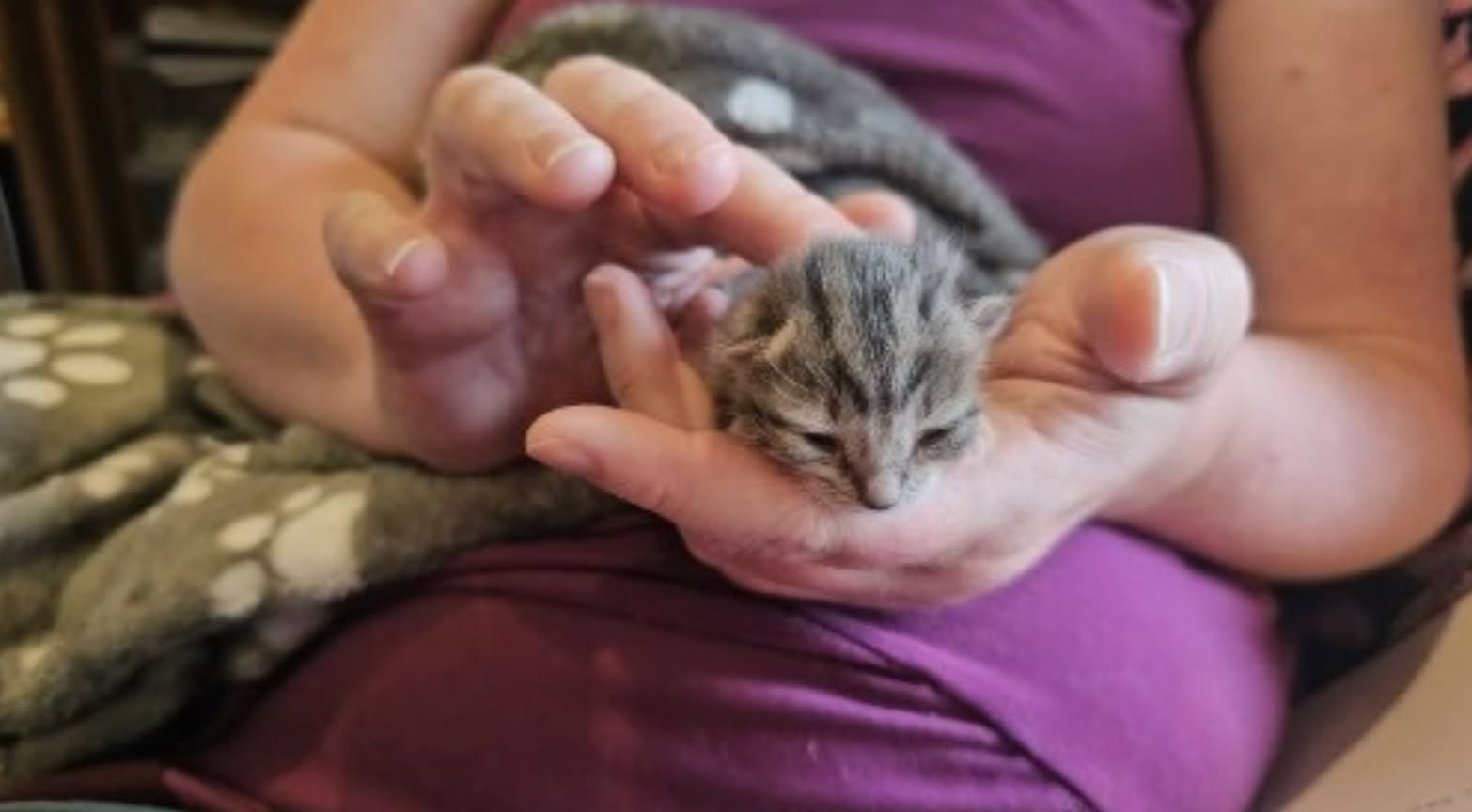
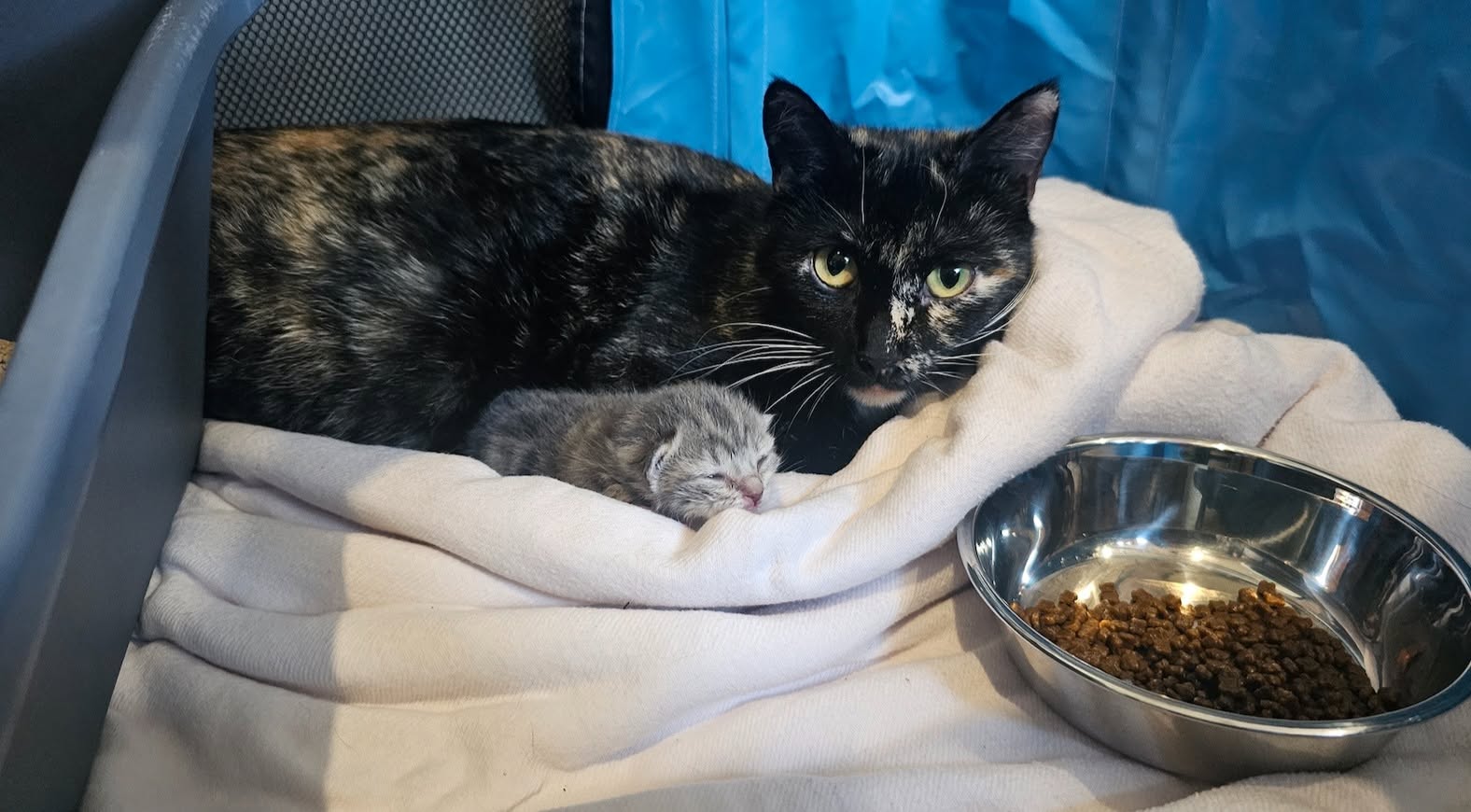
Here’s Spare Parts herself, cuddling with baby Ariel while also glaring at me.
Ariel has benefited from Spare Parts’s bonus motherhood. Spare Parts got high on motherhood hormones and has been ADORABLE with all “her” non-biological kittens. She even lets me pat her, sometimes. Carefully. But if I get too close or move too fast she’ll slap me hard enough to draw blood.
Once, she slapped me with sheathed claws. By her standards, that’s practically an embrace.
At the vet with Spare Parts, things went… badly. Long story short, I went to hospital with a selection of very nasty cat bites.
The make-her-sleepy drugs didn’t work well enough, and the vet + nurse + I were all stymied by her strength, speed, smarts, and teeth. Fortunately I was the only one injured.
Next time, I’ll get stronger drugs! And I’ll go to a vet more equipped for this type of cat. Oral drugs + a towel + vet gauntlets are NOT enough for this lady. And next time, I’ll stay out of the way.
I’m not giving up on Spare Parts although I don’t know how I’ll deal with keeping her for six weeks after the kittens are weaned. They need to be separated from her at that stage, or she’ll teach them to hate humans too. I have a plan, but certain key details are shaky.
I was terrified to be awake during surgery, but didn’t have time for a general anaesthetic because Ariel is still having supplemental feeds every 3-4 hours. Feeding kittens is quite specialised so even if I found someone willing to wake up multiple times every night, any volunteers also need to have specific training and as much experience as possible. They also need to stimulate his bottom to help him go to the toilet (or he’ll die).
My friend had met the cats so she stepped up to feed and toilet Ariel, but she was only able to safely give him half a feed. I definitely made the right choice to take the more painful surgery so I could be home sooner.
Ariel’s had several solid feeds now and lots of cuddles, so he’s feeling full and happy again.
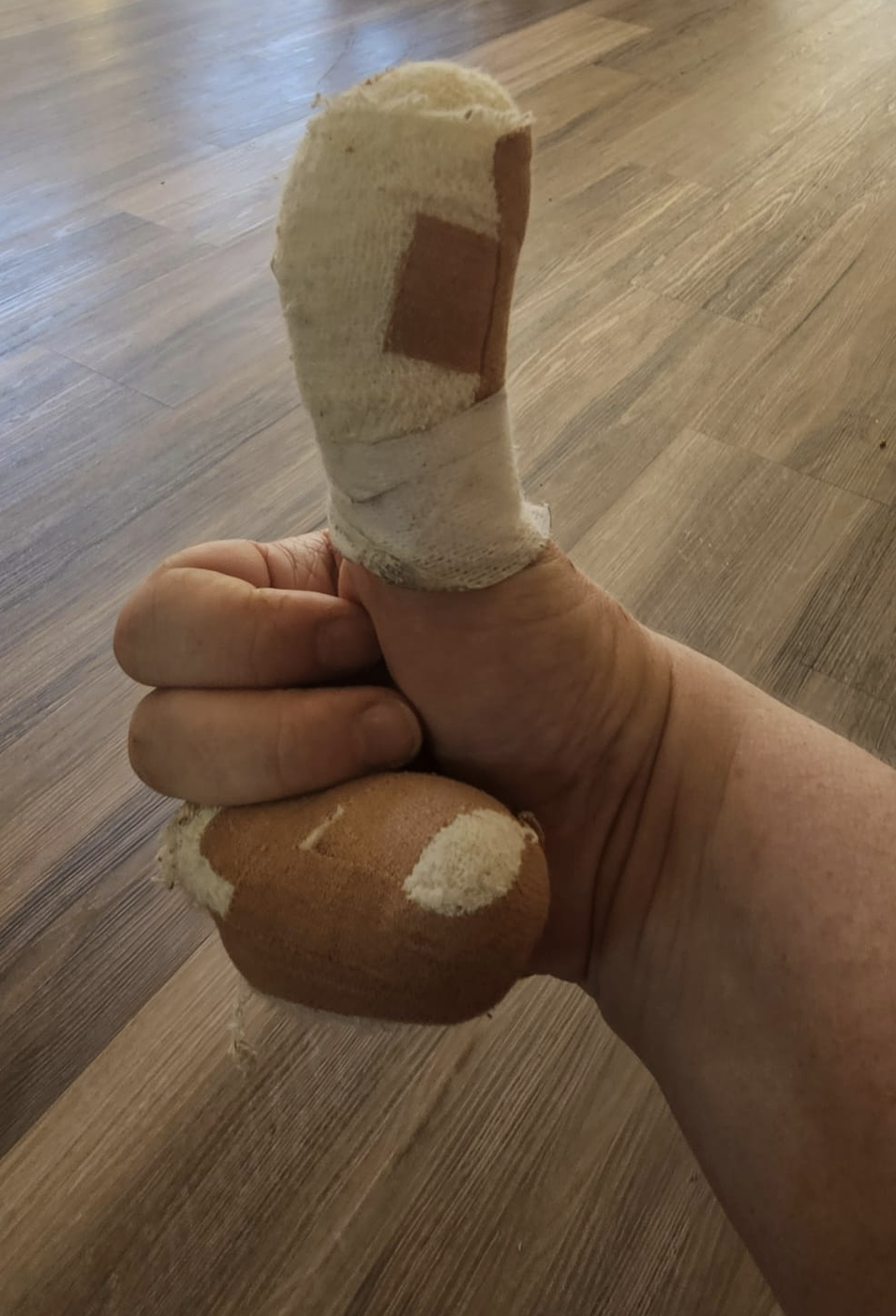
During the surgery they injected anaesthetic directly into the nerves of my hand. I’ve been through that before so I knew how awful it would be. This time, they also needed to remove two of my fingernails. I was ecstatic when the surgery was over.
Now I just have to do all the things I was doing before except without the use of my dominant thumb, ring finger, or little finger. I’ve already broken a filling opening a muesli bar with my teeth. At Woolworths yesterday I used an auto-checkout and the machine freaked out because it thought my thumb was an object I hadn’t paid for.
Spare Parts still trusts me with her kittens, which is honestly very sweet. She might hate humans (and most cats) but she’s an excellent mother. I was pretty annoyed at her biting me after all we’ve been through, but she’s a sweetheart in her own way. And of course she has a right to defend herself from three giant scary monsters.
Her kittens will grow up trusting humans, and will love being house cats for their entire long and comfortable lives.
I love fostering cats, even on days like this, but it’s quite expensive (especially when I have to cancel work to go to hospital, or when a kitten like Ariel needs extra care).
If you can help, please donate to my GoFundMe.
Wonky Screamy Drama Kitten (and Friends)
After raising two newborn litters (pictured below) with friendly mothers, I felt it was time to get into raising the kittens of non-friendly mothers.
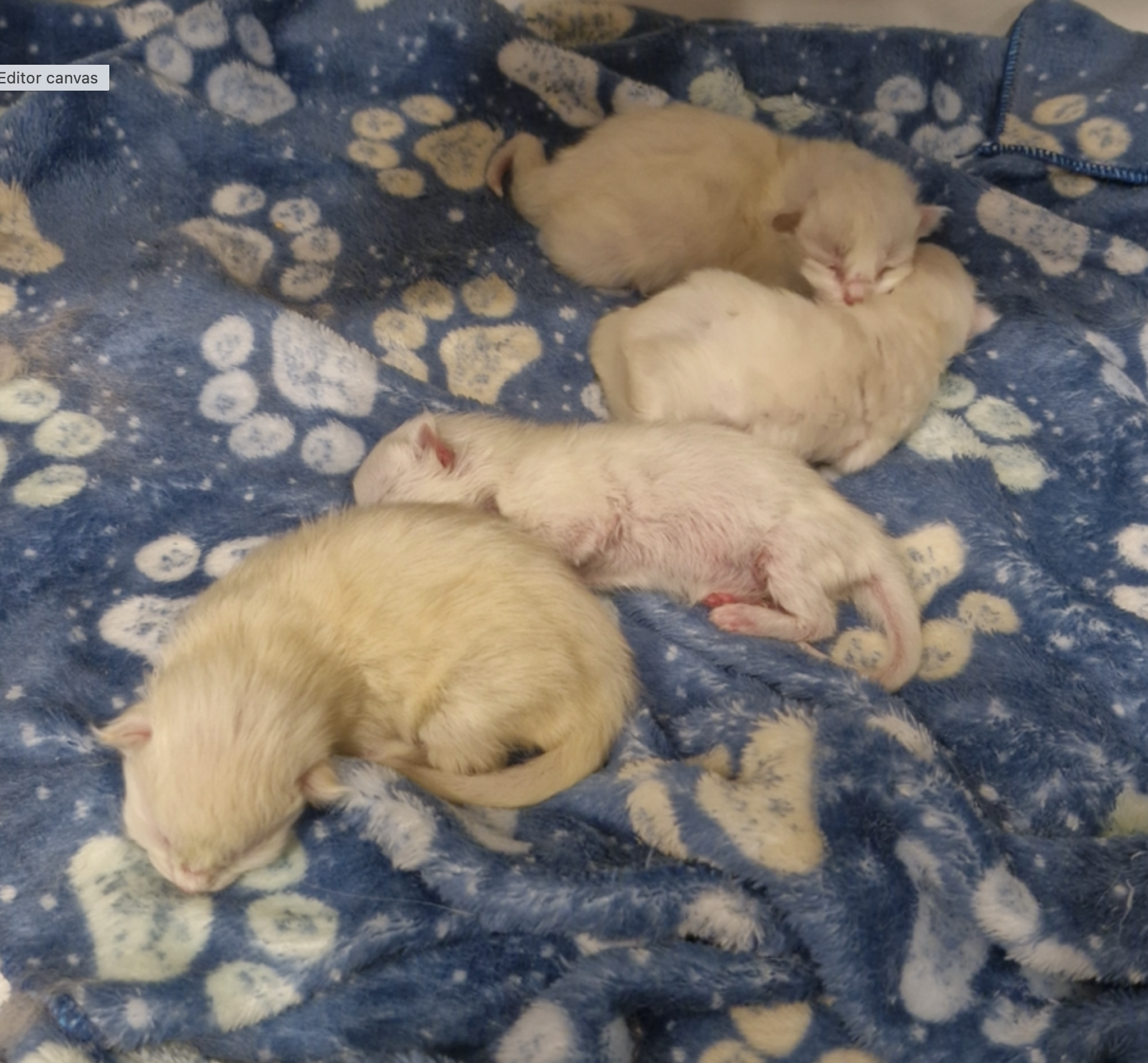
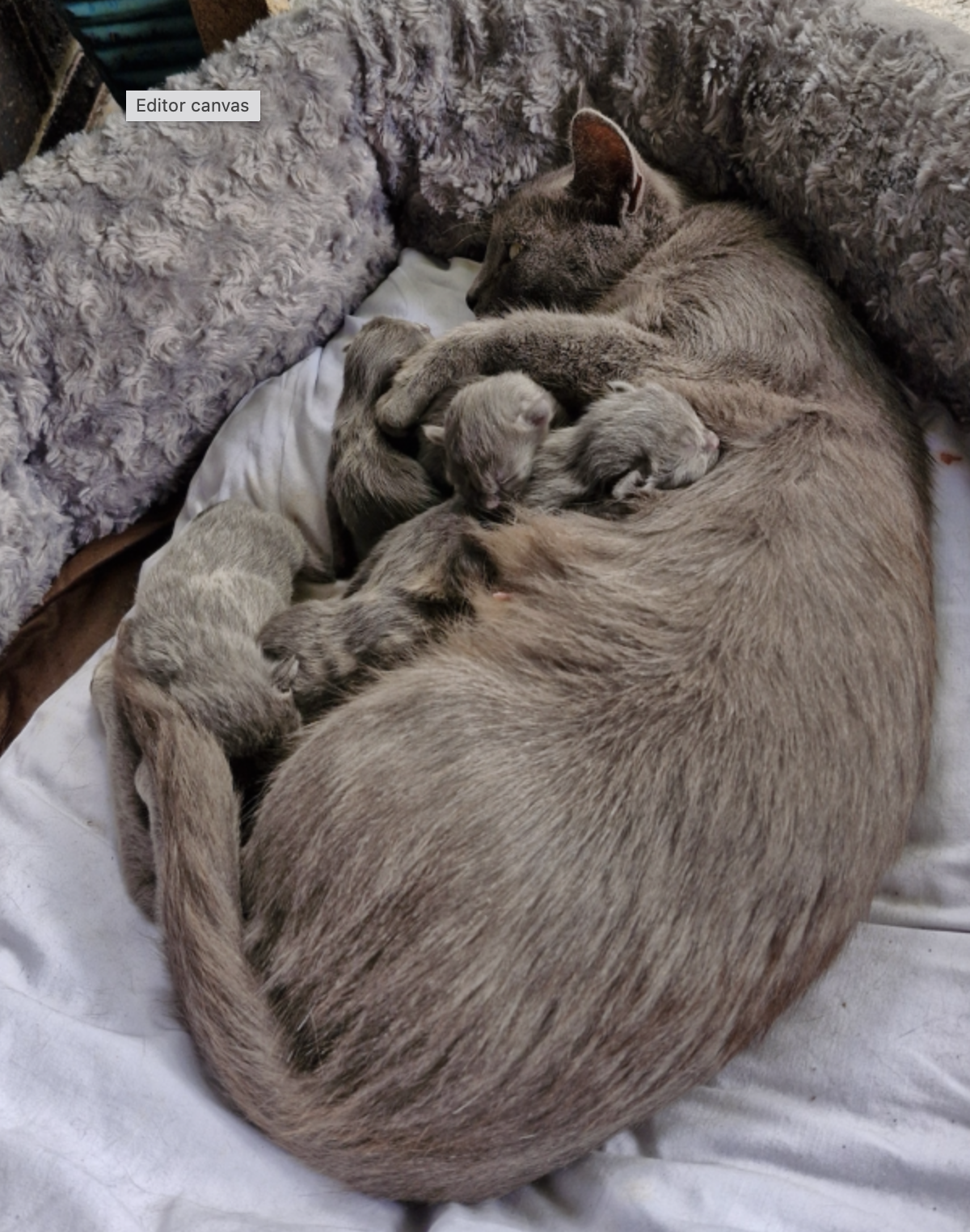
There’s a huge need for foster carers generally, but most foster carers can’t deal with pregnancy, birth, or possibly raising the kittens without the mum’s assistance. Fair enough! It’s a lot. Nature has designed cats to have lots and lots of kittens specifically so the weaker kittens die and only the strong survive. So there’s always a risk of dead kittens, plus a risk of very weak, high-maintenance kittens.
Female cats can get pregnant as young as four months of age (to immediate family members), and then continue to get pregnant several times a year for the rest of their lives. It’s not fun to be an unhomed cat. PLUS most cats over six months of age can never be socialised into becoming house cats.
The solution is Trap-Neuter-Release. It is the most humane way to reduce the cat population. It’s also practical, as wild cats are… well, wild. They need to be free—ideally with fewer unwanted pregnancies, fewer dead kittens, less hunger, less disease, and fewer festering injuries. A single human can keep an eye on an entire local colony, and take action when one of them needs human intervention.
The down side of Trap-Neuter-Release is that it’s all expense and no cuddles. The exception is when there are kittens involved. They can be socialised very easily, especially around six to twelve weeks of age, and are easy to rehome too.
So I came up with a plan: to foster at least two pregnant anti-human cats and raise their kittens, then return the adult cats to their home colony (desexed, vaccinated and chipped). Obviously I’d take care of all the kittens’ vet work too, and find appropriate homes for them.
The last time I fostered a full family, the young mum didn’t produce enough milk at first, which meant I needed to feed the kittens every two hours 24/7 for a while. That very much inspired my aim to foster at least two mother cats at once. In the wild, they support each other, including babysitting and nursing. Any lactating cat will be a better foster mum than me, no matter how experienced or knowledgeable I am becoming.
Hopefully, I’d end up with a feline day care centre. At least, that was the dream.
Hey look! Two pregnant anti-human cats!
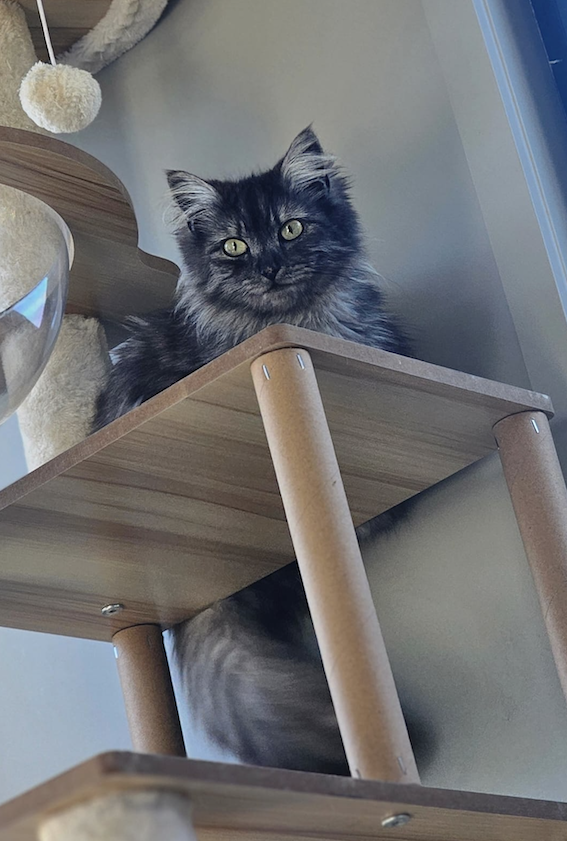
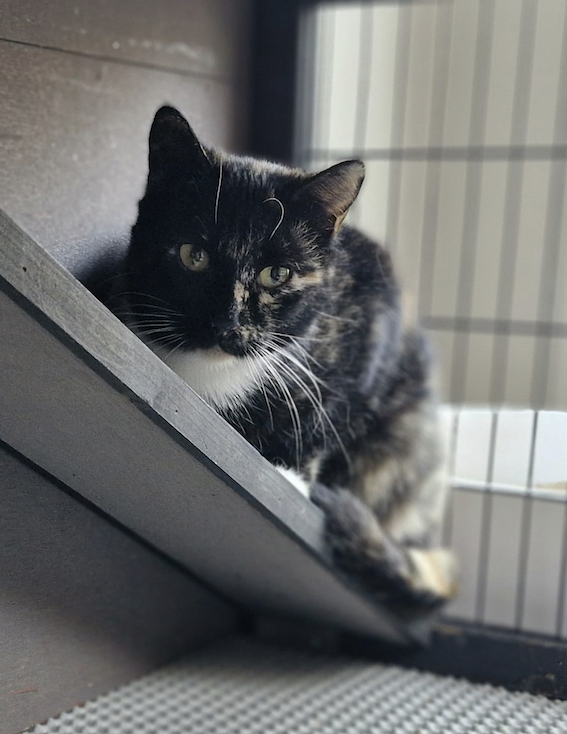
The first queen (all mother cats are called queens, just as all male cats are toms) is Miranda. Two people feed her home colony but only one is allowed to pat her.
The second cat is Spare Parts, and no human has ever been allowed to touch her. She is fond of her carer human in a very introverted way—they sit a metre or two apart in the evenings, in silence, not touching. #Goals. Spare Parts also hates all cats, although there’s one male cat that she tolerates sometimes (a fabulous moron that the colony’s carer calls “Crackhead”).
I have a cat house now—a portable room in our driveway that I’m renting for $165/week—and that’s where Miranda and Spare Parts have been living for the last six weeks or so.
It’s beautiful and I love it. There’s AC, windows, power, lights, etc. There’s even a water port that can connect to an outside hose, although I haven’t hooked it up to a sink yet (so I’m still carrying water back and forth from the main house each day).
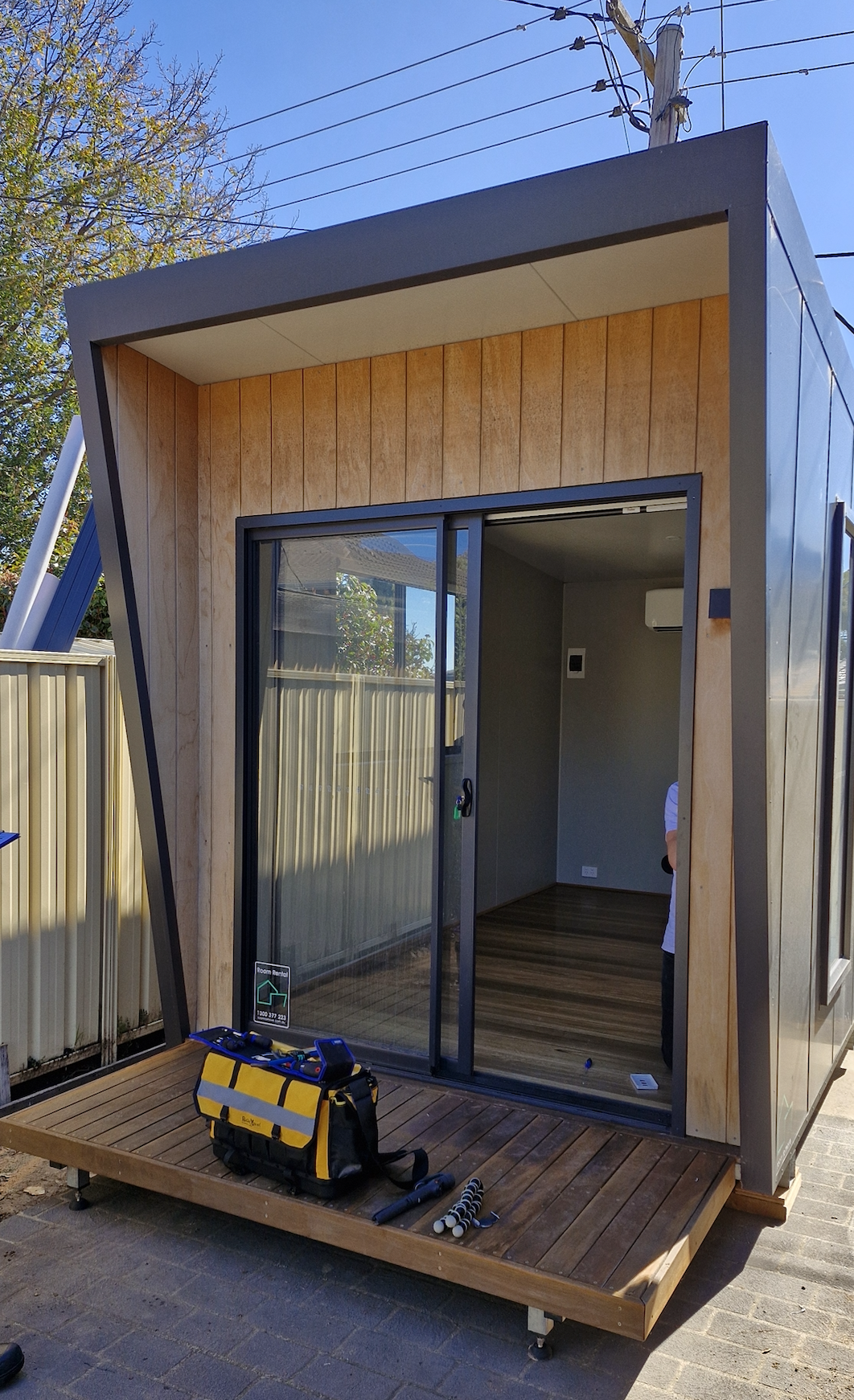
Back in May, my husband and I made a deal that I could spend half my income on cat fostering. At the time I was barely able to do a single half-day shift per week. I expected that if I worked more, I would be in incredible pain. But I was so miserable without cat fostering that it seemed worth it.
I am now working over twenty hours per week (on a good week), and I’m in LESS pain than before. Long story short, joy is good for me.
Anyway.
On 20th September, Miranda gave birth. She’s barely an adult herself and it was her first litter.
Reader, she was shook.
Through a baby monitor (acquired so I could monitor the births without stressing the queens) I saw Miranda walking around in the cat house with a kitten hanging out of her. Poor Miranda was freaking out at having a kitten appear unexpectedly, and was NOT interested in dealing with it.
I threw a pet-safe heating pad into the microwave (the cat room was already heated, but the floor is much colder than anywhere else), holding the baby monitor in one hand so I could keep watching Miranda and the baby. There were several nesting boxes set up for Miranda to choose from, so naturally she had her baby on the vinyl floor. Then she retreated into one of the boxes. After a moment, she stuck out her head and grabbed the kitten, bringing it into the box with her.
When I reached the room, the baby still had its umbilical cord and placenta attached. Miranda was crouched on the other side of the nesting box (literally an upturned cardboard box with no floor), pointedly keeping her chest pressed to the vinyl so even if the kitten got close it couldn’t nurse. She was staring in horror at the child, who was mewing for milk and warmth. Giving birth isn’t easy, but neither is getting born.
I put the baby kitten on the pet-safe heating pad and backed away, giving Miranda a chance to accept it. After a little while with no movement from Miranda, I cut the umbilical cord myself (with unwaxed dental floss and sterilised scissors), threw away the placenta, and placed the kitten as close to Miranda’s milk bar as I could without touching her.
Then I backed away, doing my best to pretend I wasn’t watching. Miranda lay down on her side and the kitten began to nurse. Phew! Mama Miranda immediately relaxed and started to purr. I went back into the main house and kept watching on the baby monitor as she had three more kittens. With those kittens she was just fine motherhood-wise: licking them out of the birthing sac, chewing through the umbilical cord, and so on.
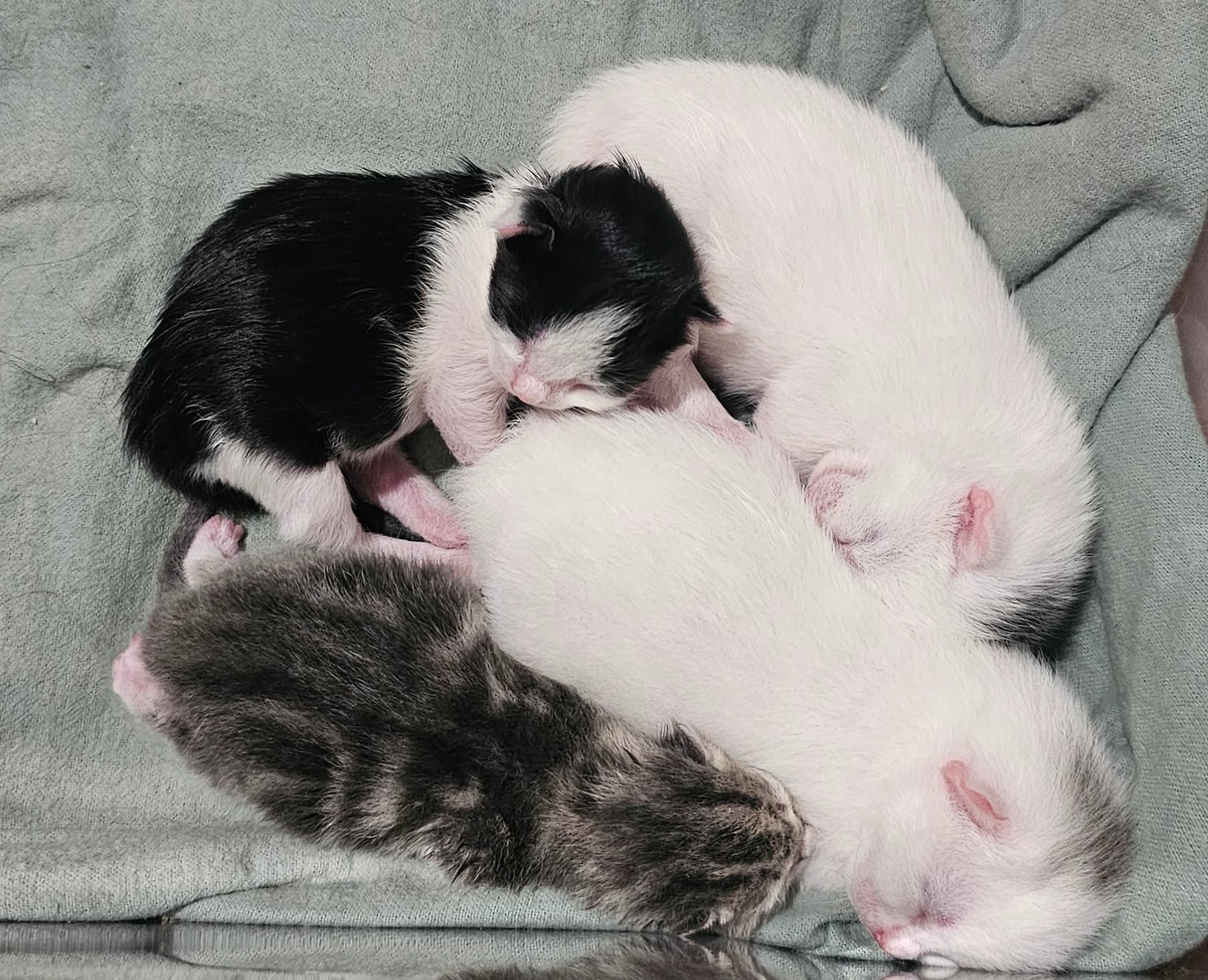
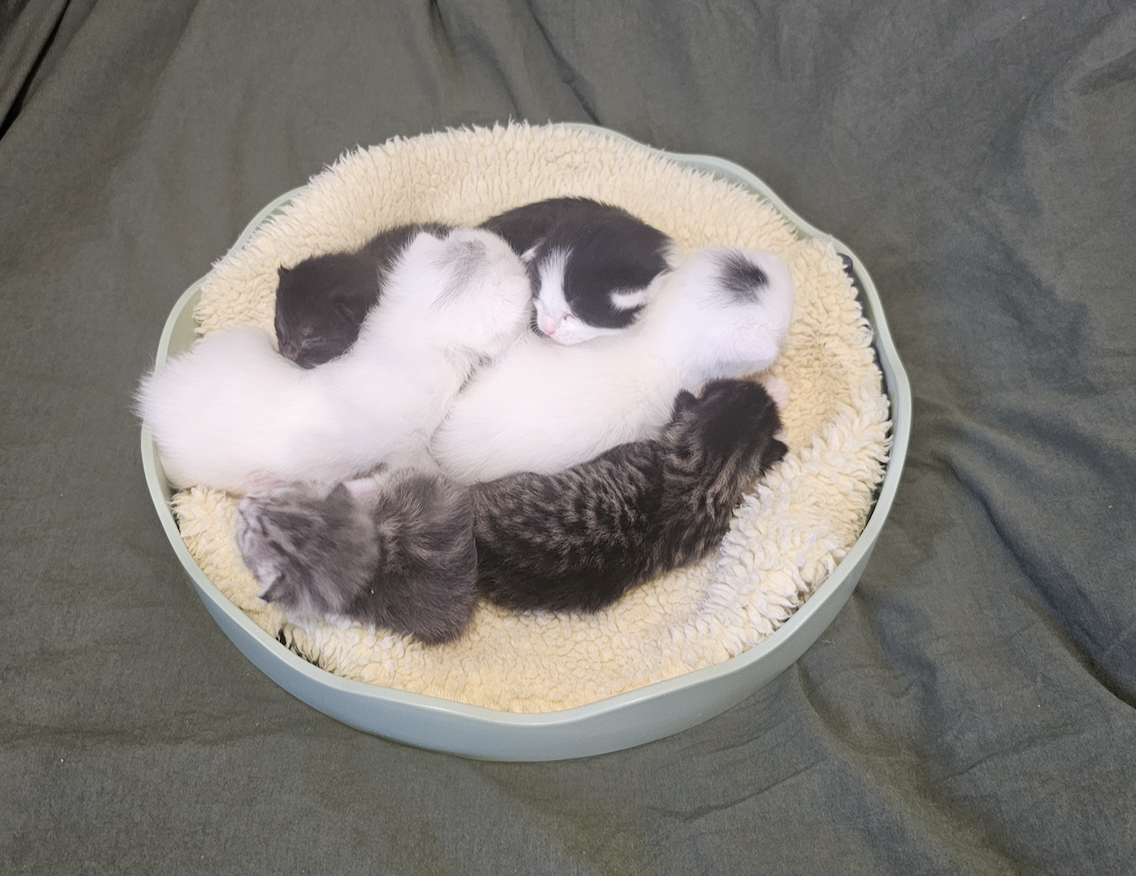
Here they are:
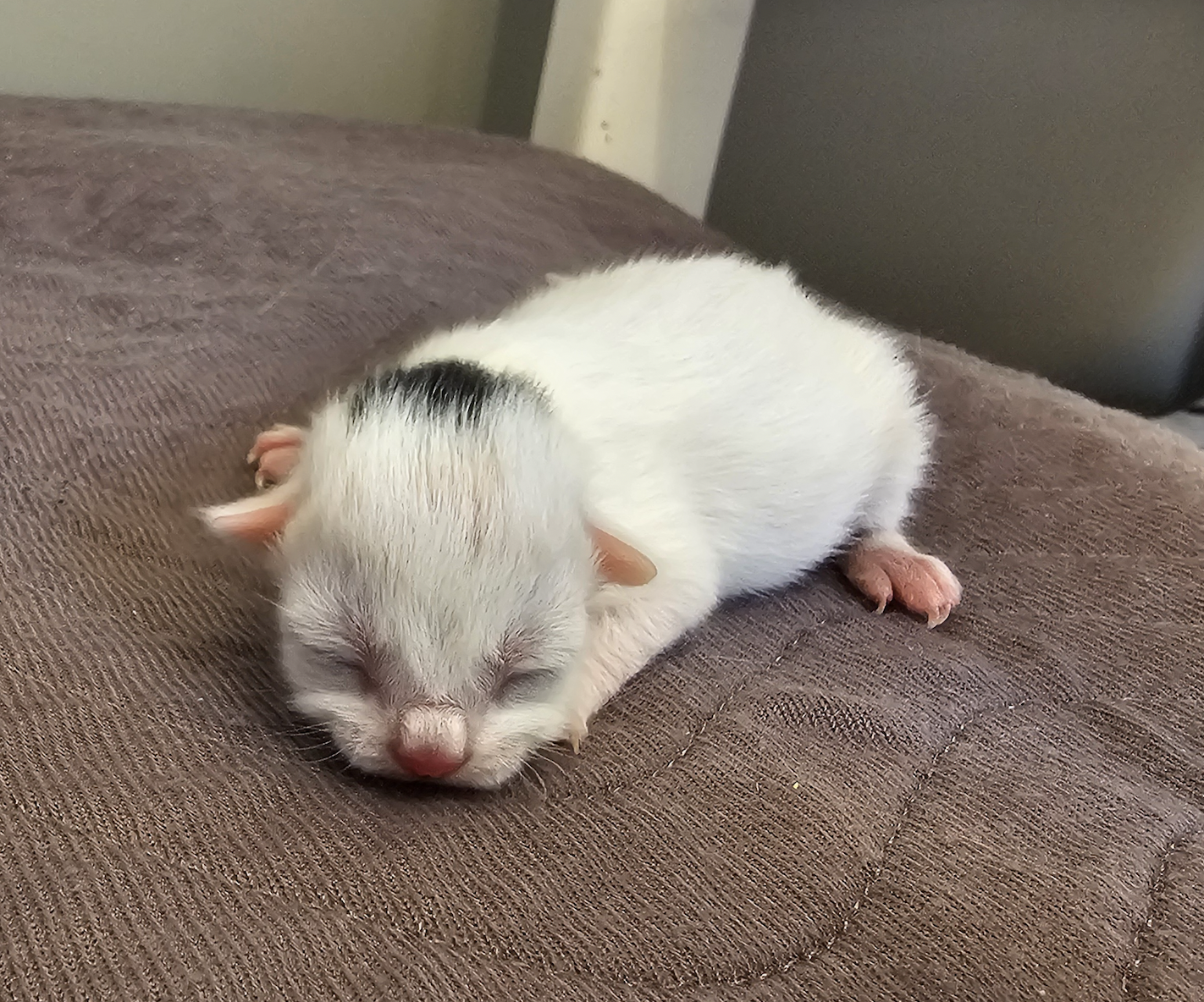
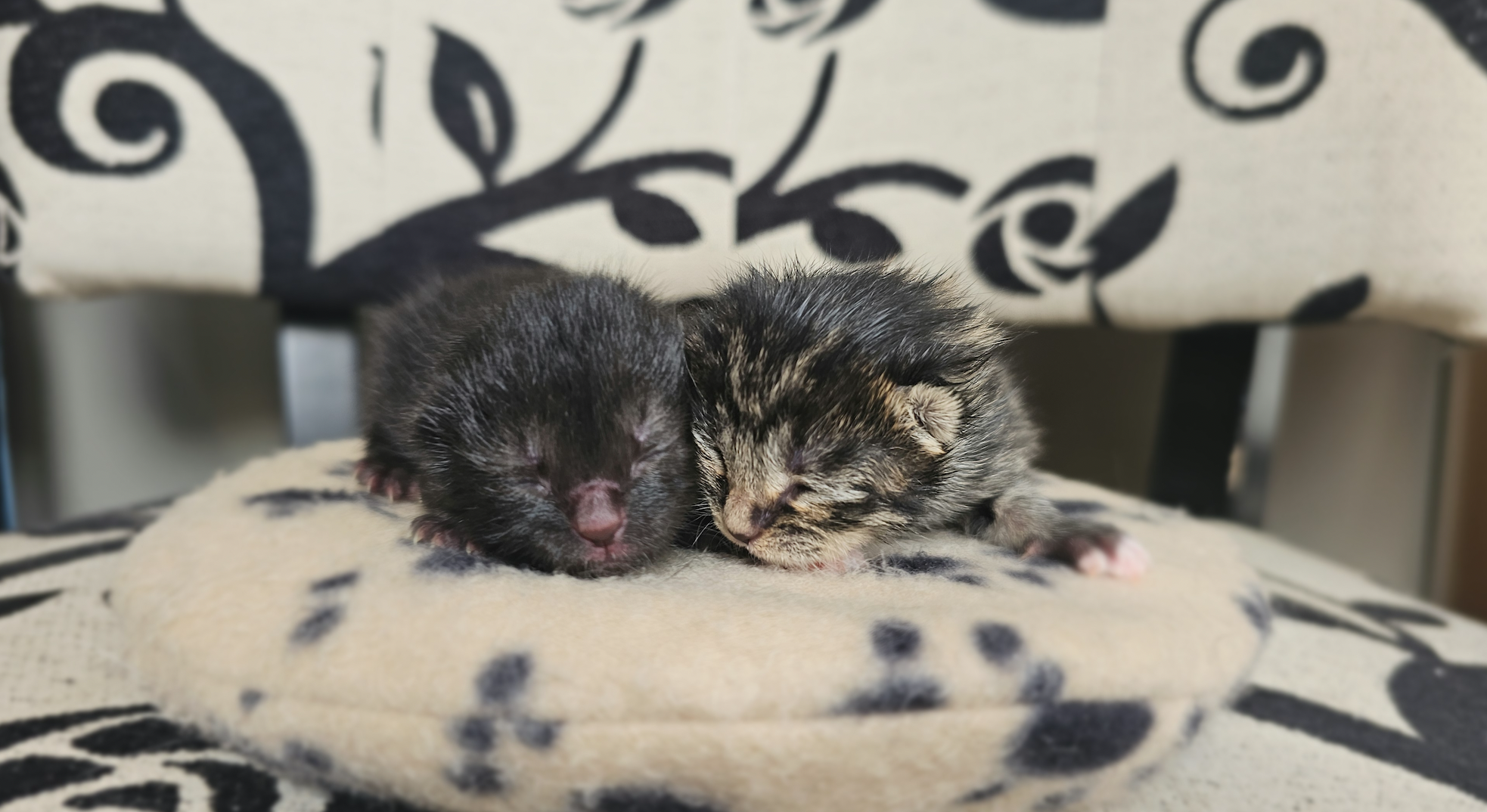
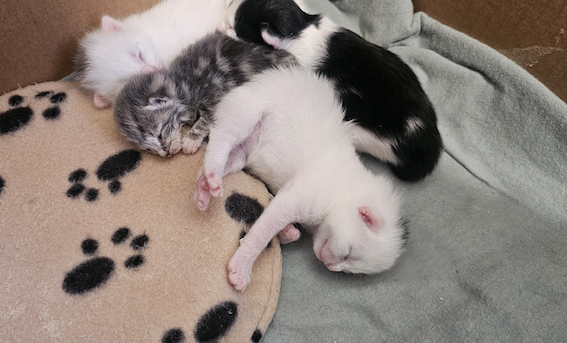
Antonio, the firstborn, is white with a black ‘hat’ (named after the villain from “The Tempest”). He’s male.
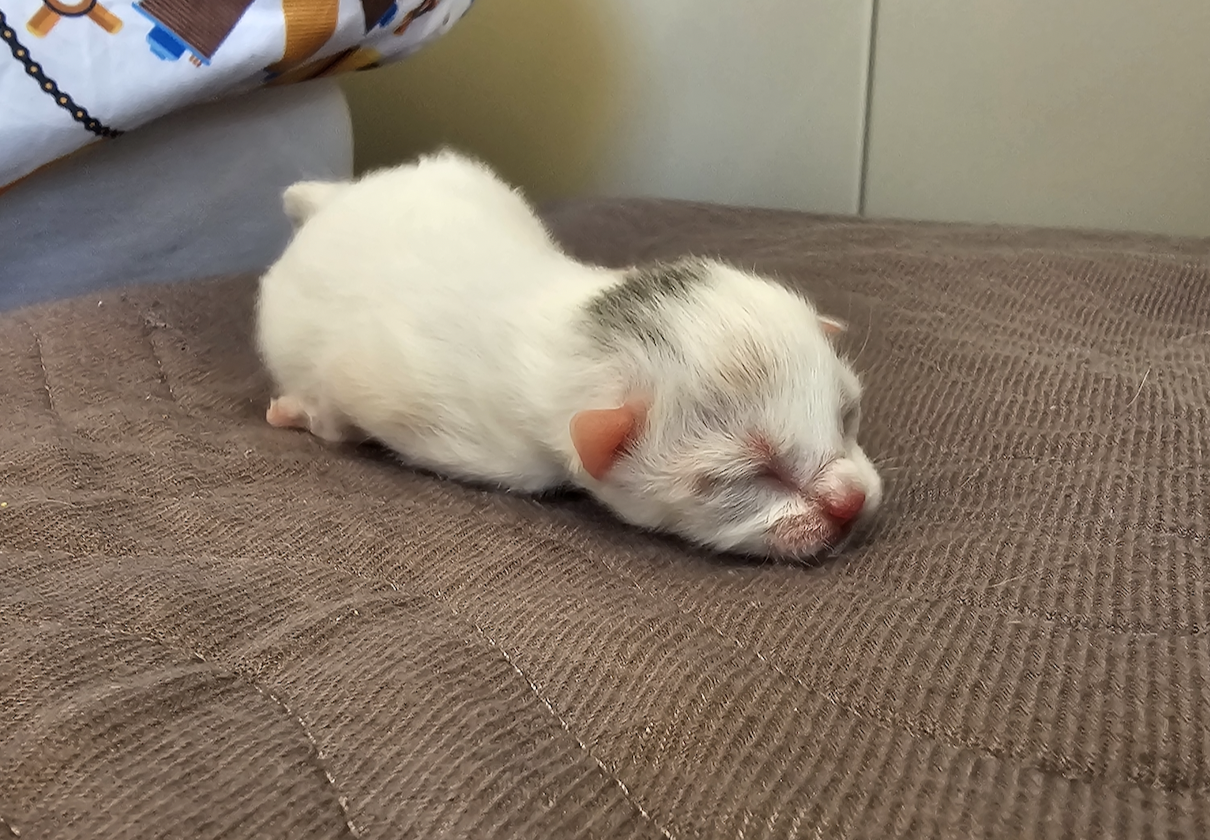
Prospero is white with a grey hat (named after Antonio’s exiled brother from “The Tempest”, father of the beautiful Miranda). Also male.
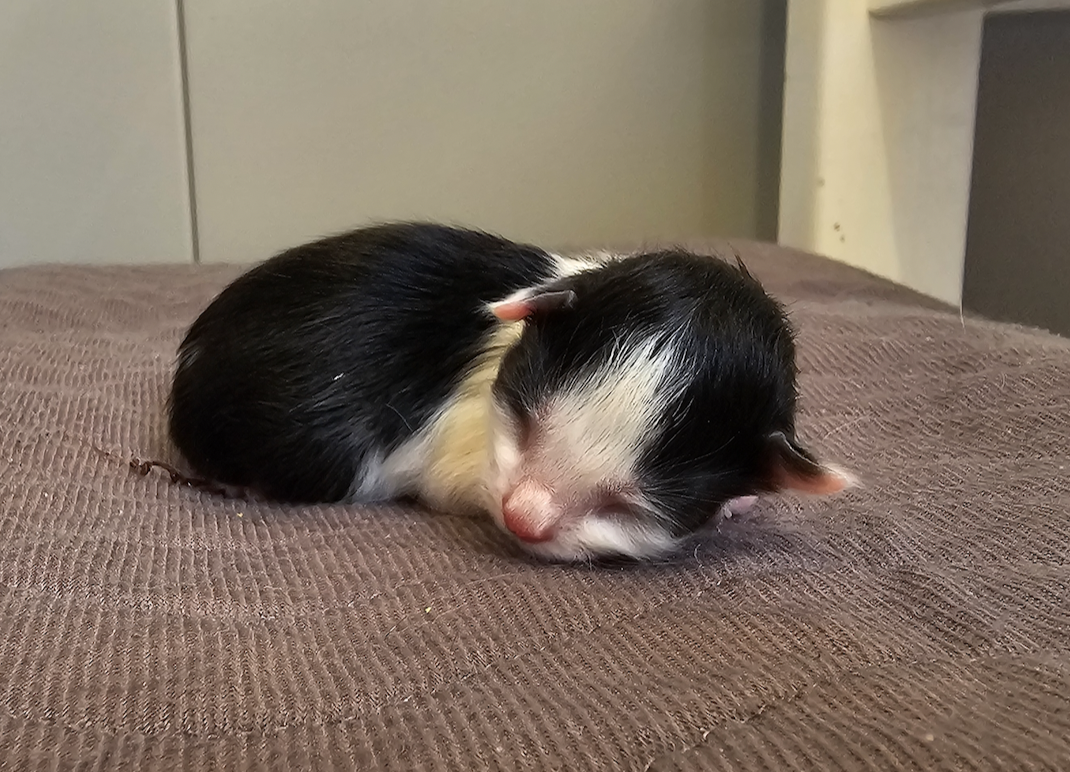
Stephano, black and white, is named after Prospero’s drunken butler, the comic relief. She is female, though the character is male.
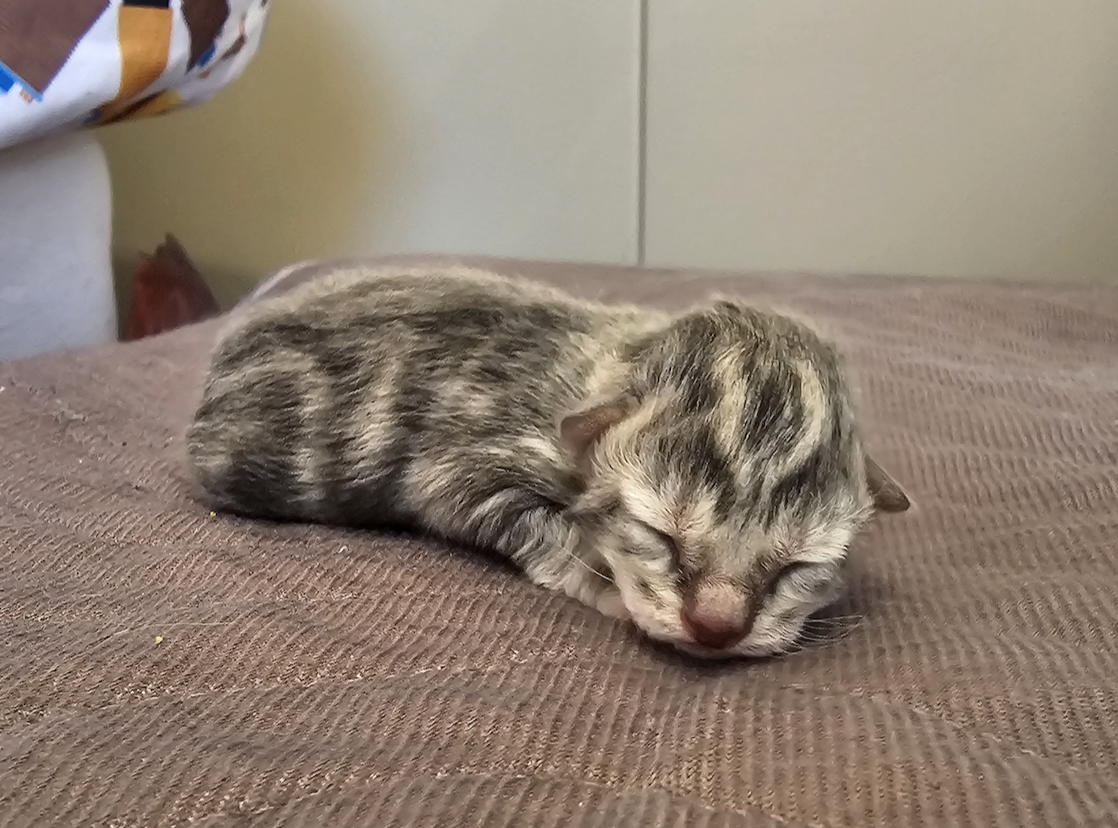
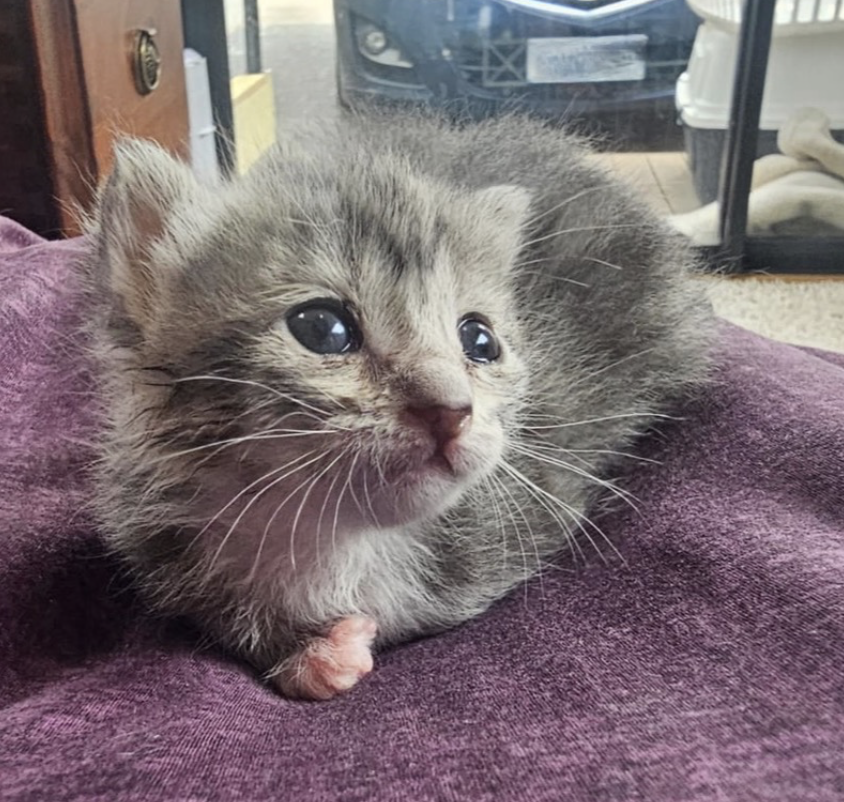
Ariel is named after a genderfluid spirit creature. He is a male tabby.
Miranda was so taken over by happy hormones that she very suddenly became friendly towards me. Positively cuddly, in fact! It’s been brilliant. I’ve been able to examine her and groom her very easily more or less as much as she needs. Plus I get to pat that glorious fur.
She still often has hilarious, “What do you mean I’m now a single mother to quadruplets?” facial expressions though.
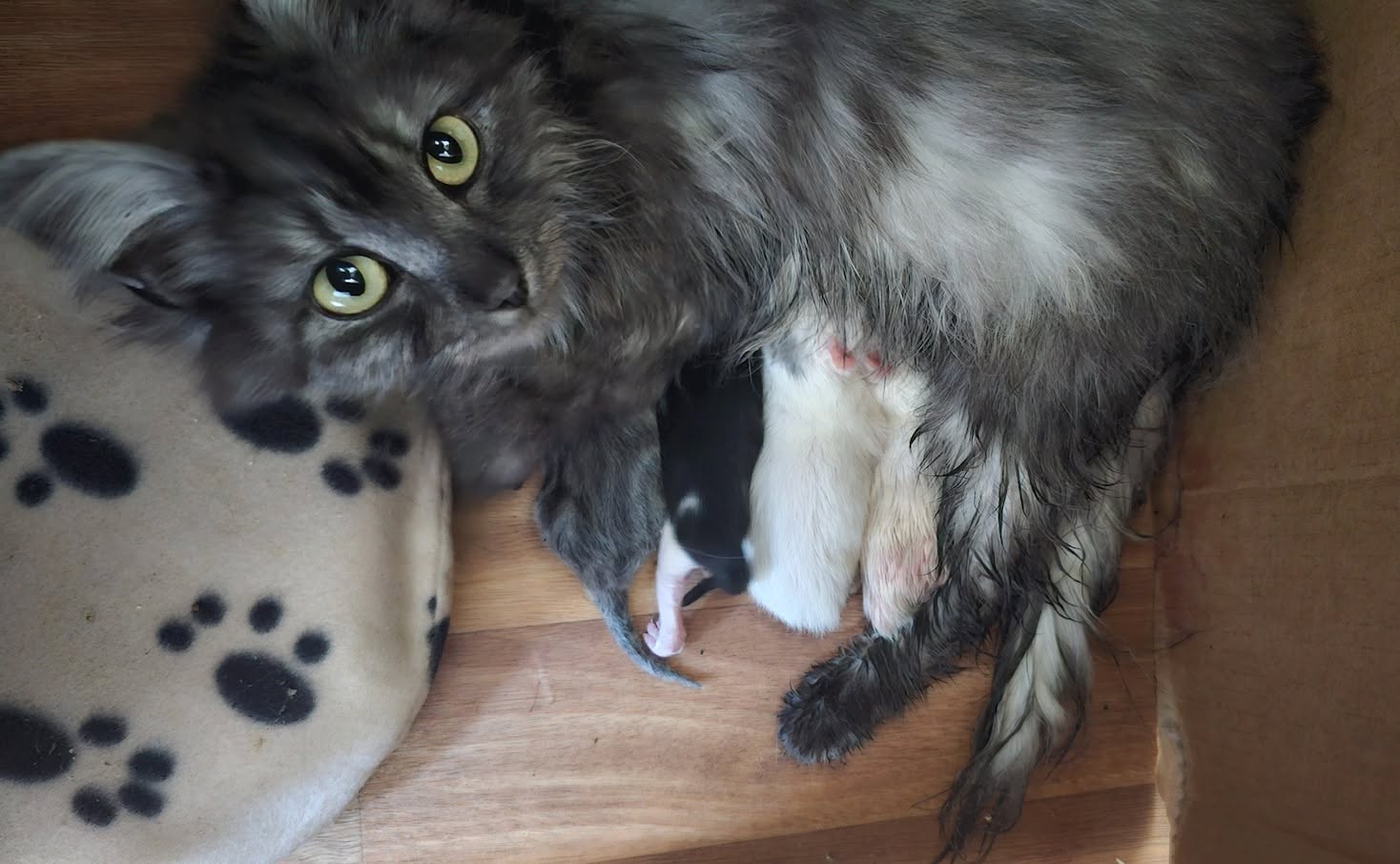
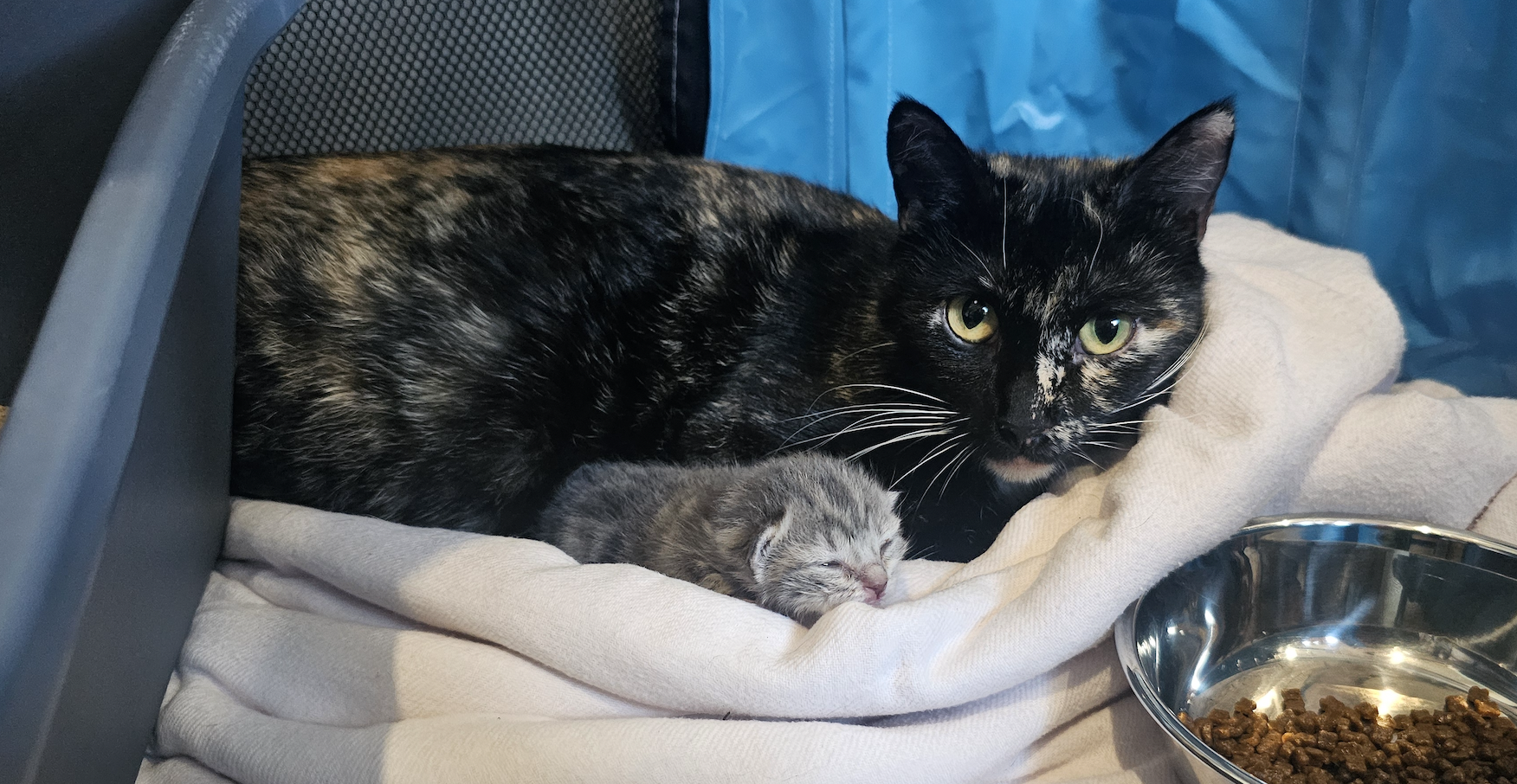
Here’s another very early photo of the babies.
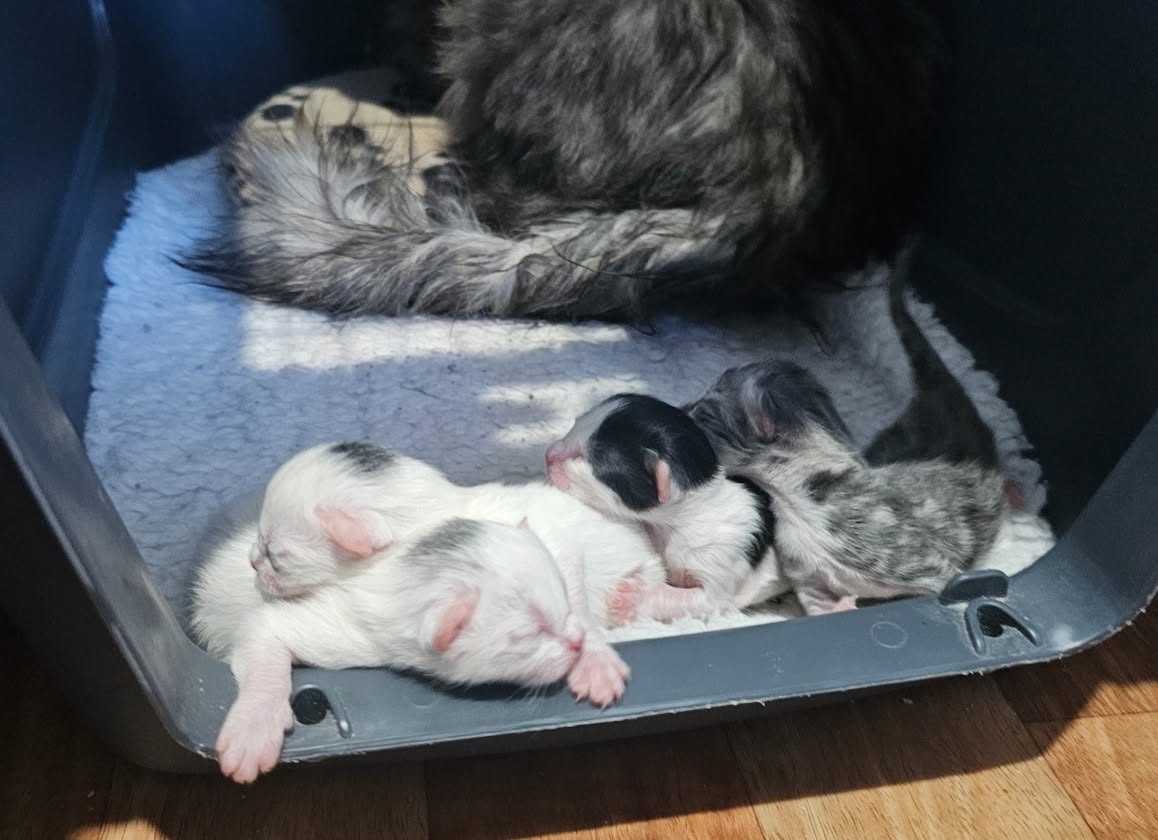
Miranda is a pretty good mum. She’s not someone who stays in the nest all the time, but she’s usually nearby. I managed to swap out the cardboard box for a better (and warmer) nesting box pretty quickly.
I knew there was a chance Spare Parts would freak out and attack the kittens, so I watched everything closely on the monitor. After about two days, she cautiously approached the nesting box (while Miranda wasn’t there), sniffed at the kittens, and then… literally backed away in disgust.
Spare Parts has had many litters, but clearly she was NOT interested in providing babysitting for this lot! Oh well.
It was about that time when it became clear things were not going well for little Ariel, the tabby runt. Despite Miranda’s attention he was losing weight, and quickly. Miranda was clearly providing plenty of milk for the others, so something was wrong with the child. But in every other way Ariel seemed perfectly healthy. He had no obvious physical abnormalities; he responded to stimuli just like other kittens, and he had the same priorities as everyone else: mostly cuddling and sleeping, but he was alert and interested in the world when he was awake. And he would scream in fury if I picked him up, which is healthy. I started giving him supplemental milk, and after a few days he began to gain weight at last. He quickly got used to me, which is also healthy.
As a bonus, I could see Spare Parts watching me feed and care for baby Ariel. Cogs were visibly turning in her mind.
Then, at eight days old, Ariel got sick. It was an incredibly minor bout of diarrhoea, but he was already so weak that it threw him right to death’s door. Until then he’d been a screaming ball of demands and/or affection; now he barely had the strength to meow. I was terrified I’d fed him poorly and accidentally got milk into his lungs, but fortunately for me that wasn’t the case.
The emergency vet checked a few things, and agreed that something was very wrong with Ariel (before he got the diarrhoea) but that testing him would stress out his body too much to be worth it. So Ariel and I went home. He was sick again on the way home, and as a result grew even weaker. He could barely raise his head for several hours. It was several scary days before he had enough energy to get through a whole feed without falling deeply asleep.
When he started his usual routine of screamy meows at mealtime (all cats believe that humans prepare cat food purely to torment them, apparently) it was SUCH a relief. A few days later I became increasingly certain that he has swimmer syndrome ie his legs are so weak he just kind of wriggles across the floor rather than using his legs (which makes him look like he’s swimming). That was actually great news. Most kittens with swimmer syndrome make a full recovery! I made a new vet appointment right away.
Meanwhile, Spare Parts SUDDENLY became obsessed with Miranda’s kittens, staying in the nesting box more than Miranda herself. Sure enough, sudden overwhelming maternal instinct is a major sign that a cat is in pre-labor. I watched her obsessively for the next thirty-plus hours, and barely slept. Then I went to work for three hours, and naturally Spare Parts had her kittens while I was away. Did she do it on purpose? I can pretty much guarantee she did, even if it wasn’t a conscious thing. Cats’ labor will pause if there is a predator nearby. I dunno how she knew I was watching her on the monitor. Actually, my car is parked directly in front of the cat house, and she would have seen me leave. That probably triggered true labor as she knew I’d be gone for a while! Naturally a pro like her had no birthing issues whatsoever, especially since she had only two babies. Both healthy, yay.
Miranda’s kittens were a day shy of being two weeks old at the time.
Meet Bumper (left) and Sprocket. Sprocket is tabby and white, similar to Ariel, but he is much darker, and is a spotted tabby (especially his belly!) I’m told he looks exactly like Crackhead, so it seems we know where to apply for child support.
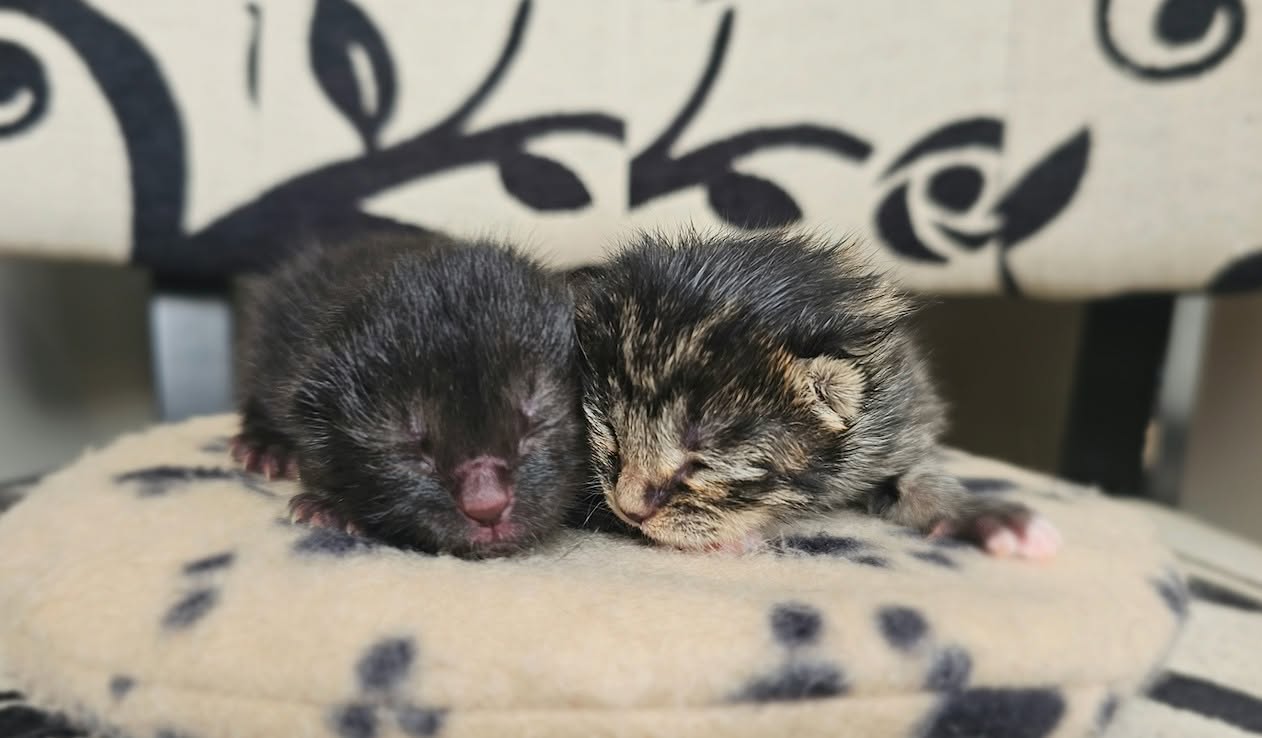
Both kittens are healthy. More than healthy; they are FIERCE! Many kittens will fight over access to their mum’s milk bar, but they won’t fight just for fun until they’re several weeks old. Not so Bumper and Sprocket! They were tussling together literally within hours of being born.
Sprocket especially is a wild child. Within 24 hours he’d climbed the side of the nesting box (and fallen into a litter box, where he got stuck), wandered right out of the nesting box, and more.
I worked hard to keep most of Miranda’s brood away from Spare Parts so the little ones (including Ariel) would get the best milk bar access. Spare Parts was good to all three of them, but absolutely furious with me. Mainly because I exist, which is highly offensive as far as Spare Parts is concerned. If she could set all living things on fire, I’m sure she would.
Having said that, she has absolutely no issues with me handling the kittens, which is great! I’ve even snuck in some pats using the “Patting the kittens, then patting the kittens closest to Spare Parts, then patting Spare Parts” method, which she has tolerated. All anti-human foster cats go through a conflicted phase when their instincts tell them to hate humans but their body enjoys pats. They usually get over the instincts in time, at least mostly. Spare Parts will never be friendly, but I’m trying to get her a little more human-tolerant. She’s smacked me (and drawn blood) a few times, when I moved too quickly or got too close.
At the time of writing I’m about to give her some drugs to make her effectively stoned ready for a vet appointment in two hours (the vet gave me the drugs to calm her before her first vaccination). I’m very excited to interact with the stoned version of Spare Parts, who I met once before when she had her ultrasound. Time for LOTS of pats! Can I make progress with her in this brief window of permissiveness? Will she punish me for my presumption? We’ll see.
After a couple of days I let Spare Parts run the entire baby show, although I tried to have two nesting boxes occupied at the same time. Instead, my attempt to gently encourage the mums to feed their respective litters made Spare Parts leave her own kittens behind to steal Antonio and Prospero! It was hilarious, and disturbing, and ultimately quite tragic. Miranda was clearly not willing to challenge Spare Parts, even when she wanted to go to her kittens. And Spare Parts was very obviously choosing the biggest, healthiest kittens to focus on… because so many of her kittens have died in the past.
The best part of that weird transition time is that Spare Parts showed a preference for Ariel over her own kids. Which sounds horrible of course, but it means that Ariel is probably going to live. Cats are basically superheroes, with senses and knowledge we humans can’t even imagine. They often know a kitten is doomed to die, long before the most attentive human carers know anything is wrong. But Spare Parts clearly thinks Ariel is going to live.
So do I. He’s so curious, and so loud, and so affectionate. Surely he’s going to live. Right?
I haven’t slept for more than 2.5 hours at a time since September thanks to all the supplemental feeds for little Ariel. But I’m sure I’m still totally mentally with it and logical. *nods vigorously*
Technically, I know Ariel could still die at virtually any moment, possibly with little or no warning as that’s just how it is with little kittens. But I still can’t help believing he’s going to be okay. When he was a week old, he started purring for me. He likes me better than either of the queens (not surprisingly, since I’m the one feeding him) and will leave them to flail and wriggle his way towards me when I enter the cat room.
Spare Parts and Miranda sorted out their balance and are now co-parenting beautifully. I’m not 100% sure but I THINK Ariel was able to feed from Spare Parts a little (Spare Parts is more patient than Miranda, and doesn’t have a veritable forest of luxuriant fur to struggle through). Everyone is gaining weight, so clearly they’re all getting enough milk. And although Spare Parts hates everyone in the world, she loves the kittens… and she loves Miranda. I see them on the baby monitor grooming each other like a pair of middle-aged lesbians who left their husbands to be together, and are finally happy. Spare Parts is almost always in the nest; Miranda pops in and out. I’ve seen them take turns, but usually they hang out together.
Miranda definitely still cares for her kittens, as well as the two extras. She feeds and washes everyone.
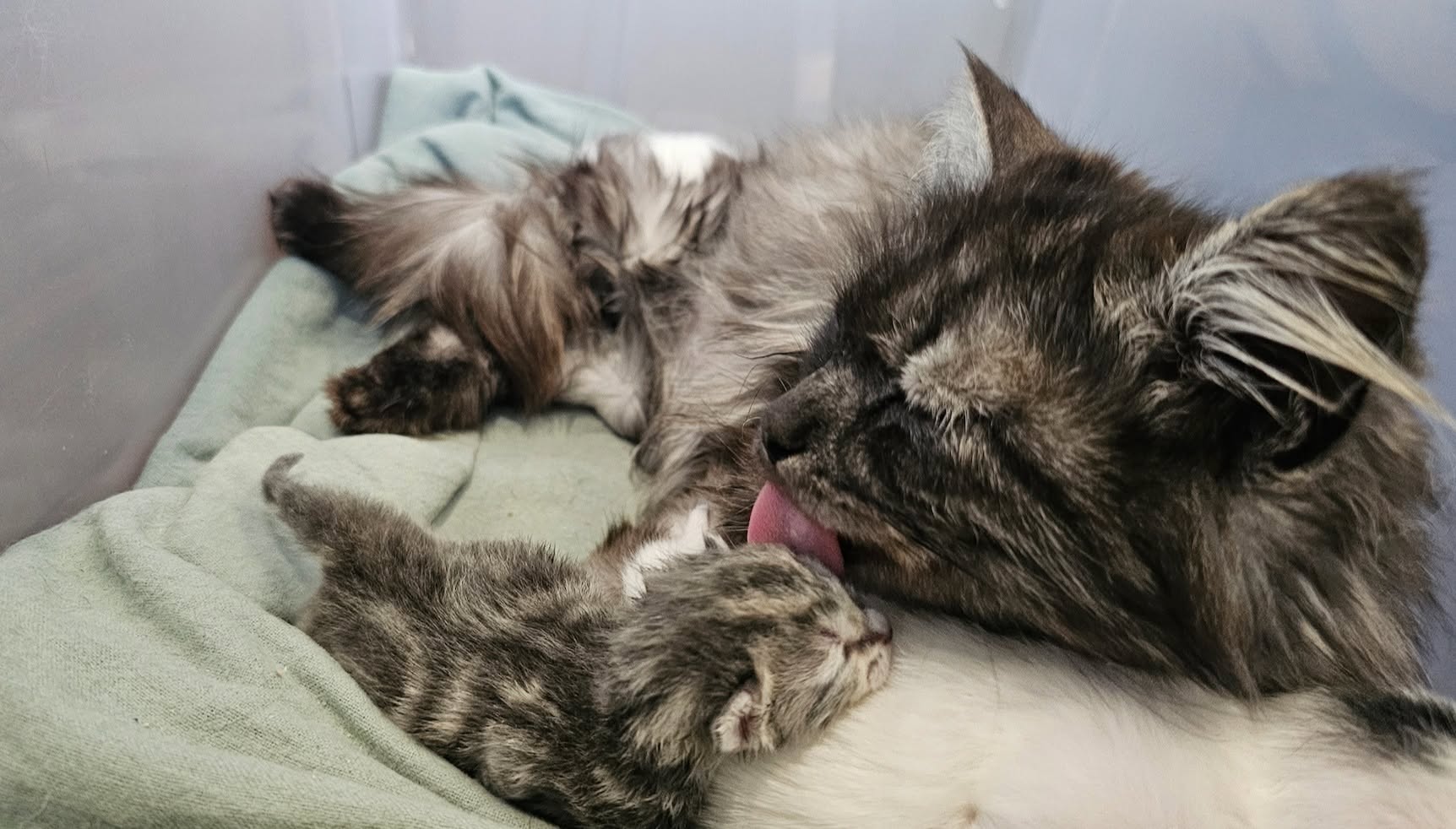
To cats, kittens are a form of wealth ie more is always better (except that most cats can’t count beyond “more than one” so they often forget about some of the kittens if they’re not within sight or hearing range).
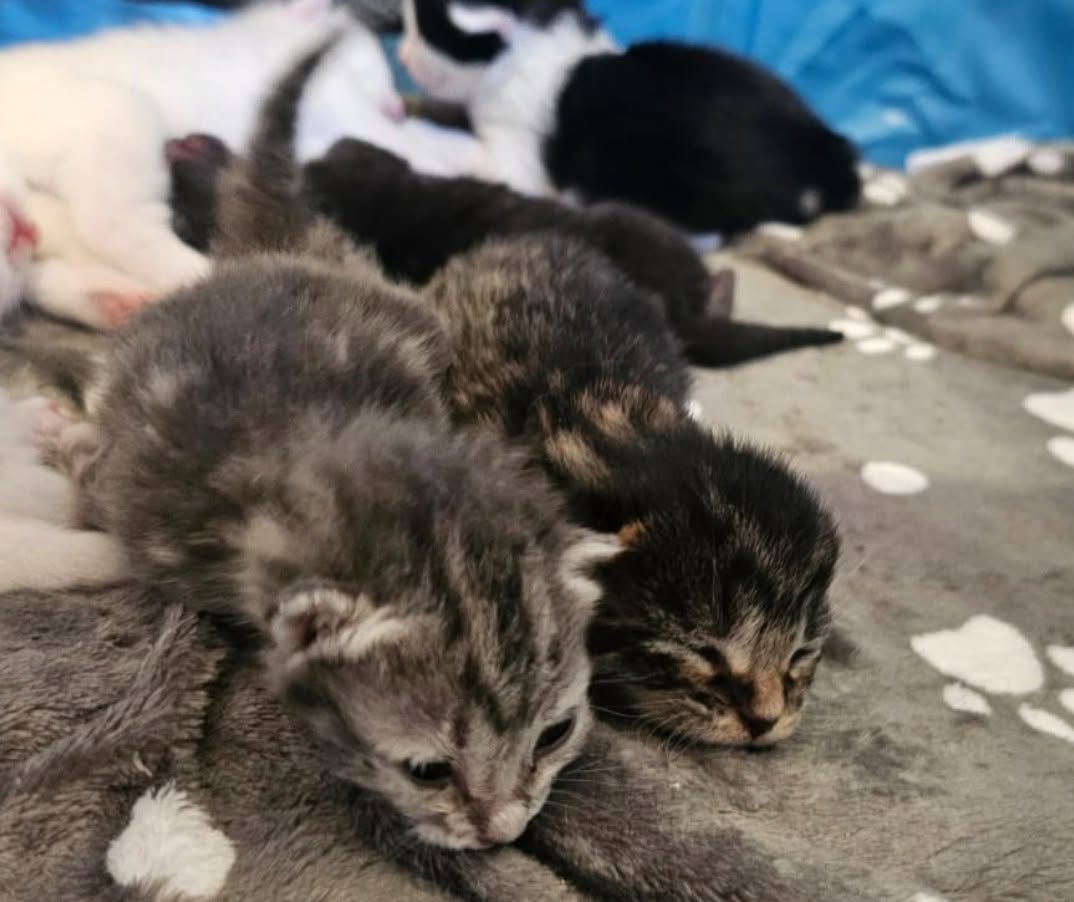
Poignantly, both Bumper and Sprocket were bigger than Ariel from their very first day of life, and they’ve continued to gain weight faster than Ariel. But the newbies are still in his general weight class, which could be extremely handy as Ariel is definitely NOT in the same weight class as his siblings. And they’re all starting to play now, which is adorable and tentative and hilarious… but could be hazardous for Ariel. He’s already gotten frantically annoyed at least twice after being accidentally pinned underneath one of them.
Also? It’s been extremely funny and adorable to see Sprocket, with his eyes still closed (!!) fighting Prospero. And both of them loving it! Bumper also favours Prospero as an opponent. As of two days ago, Prospero weighs half a kilo! He is a big boy.
Ariel’s vet appointment rolled around at last, and the vet confirmed he has swimmer syndrome, as well as confirming what I’d learned online: almost all kittens with swimmer syndrome make a full recovery after a few weeks of intensive physio, as long as they start at around three weeks of age. Ariel was younger than that, and we’d also done a teensy bit of physio at home already. On the down side, the vet said swimmer syndrome didn’t fully explain why he was so incredibly tiny, and there are probably other medical issues at play.
But we can’t do anything about that just yet, so let’s leave that thought in a nice sealed box under the stairs for a while.
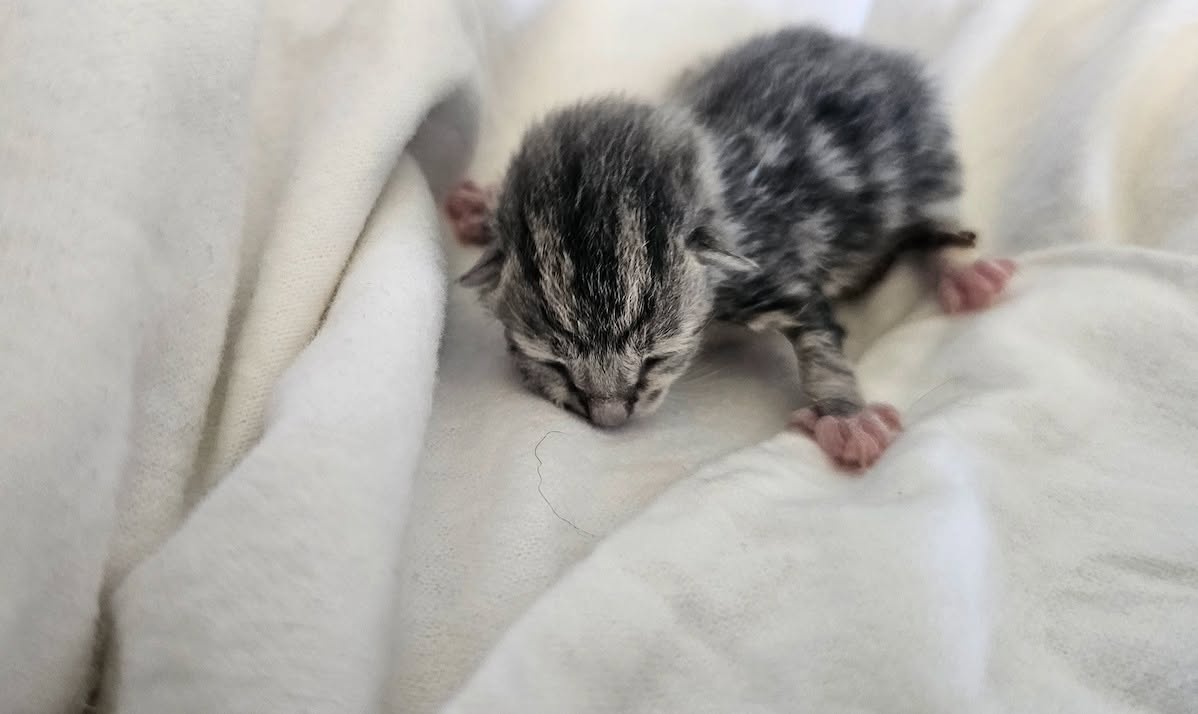
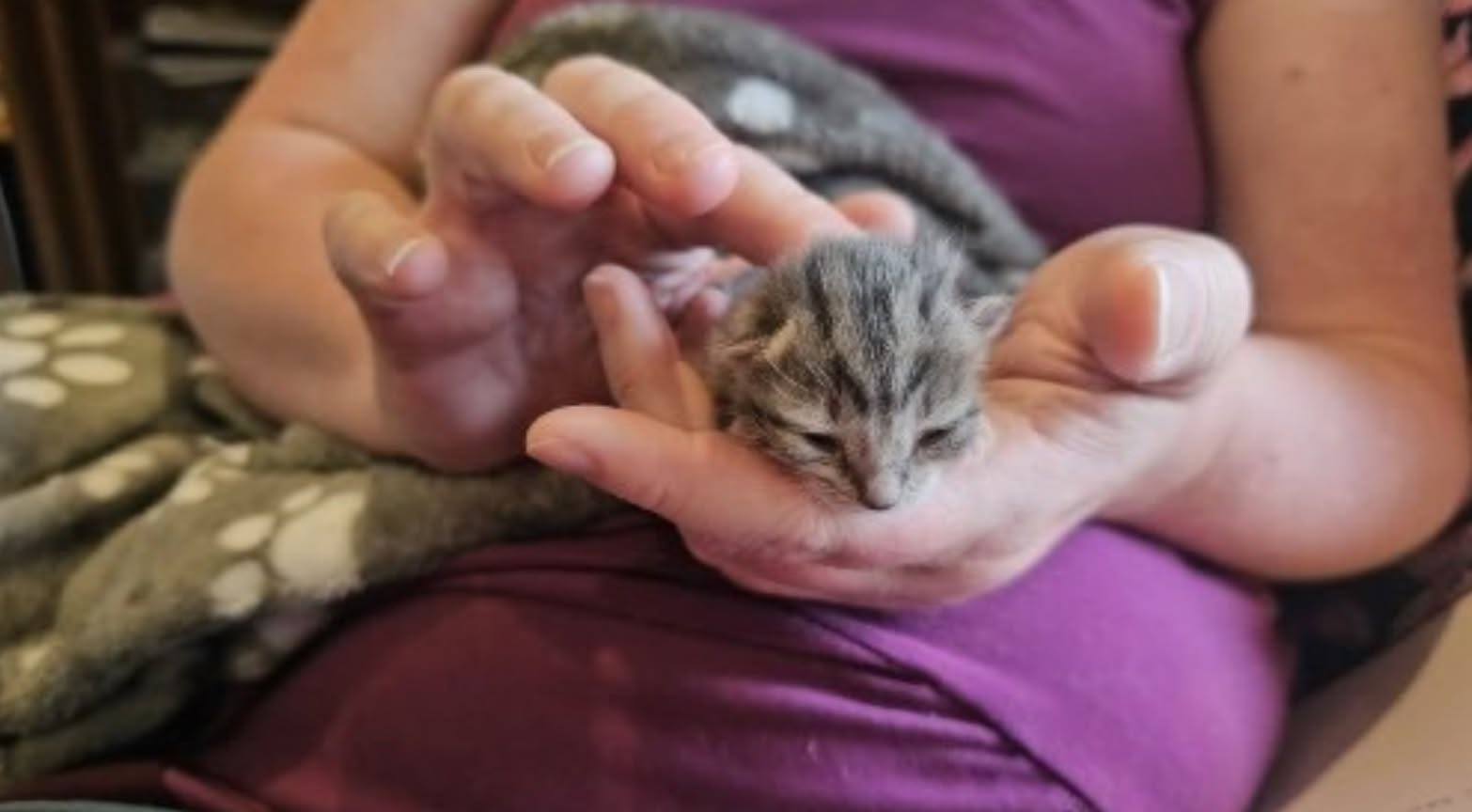
It’s been a week of physio now, and I can tell that it’s working. It’s basically bicycling Ariel’s legs for five minutes, four times a day. It often involves hysterical screaming—not because it hurts him, but because he doesn’t like me holding his paws. Other times he’ll purr, or play with my other fingers, or fall asleep.
Ariel is, in a word, spoiled. May he grow up into a giant screamy spooiled brat.
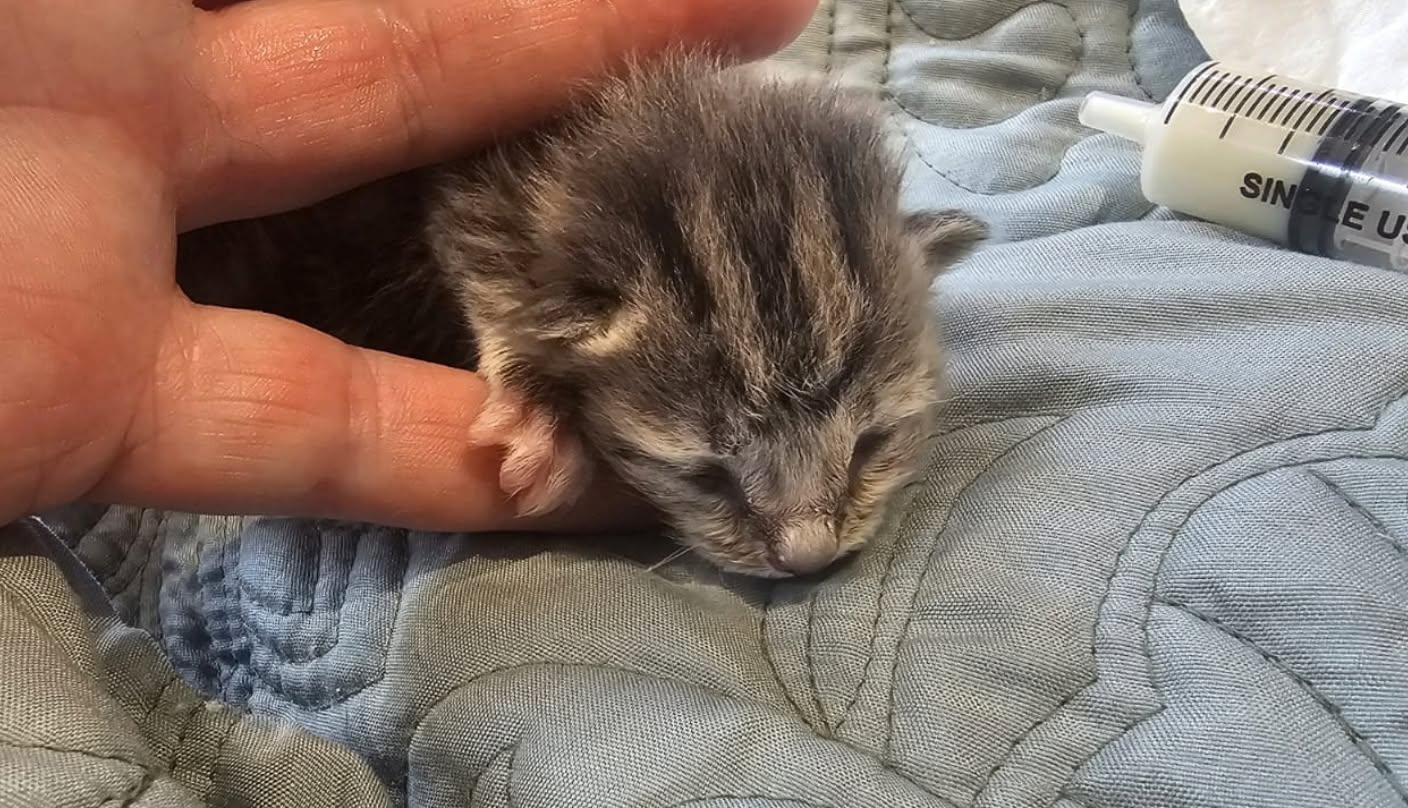
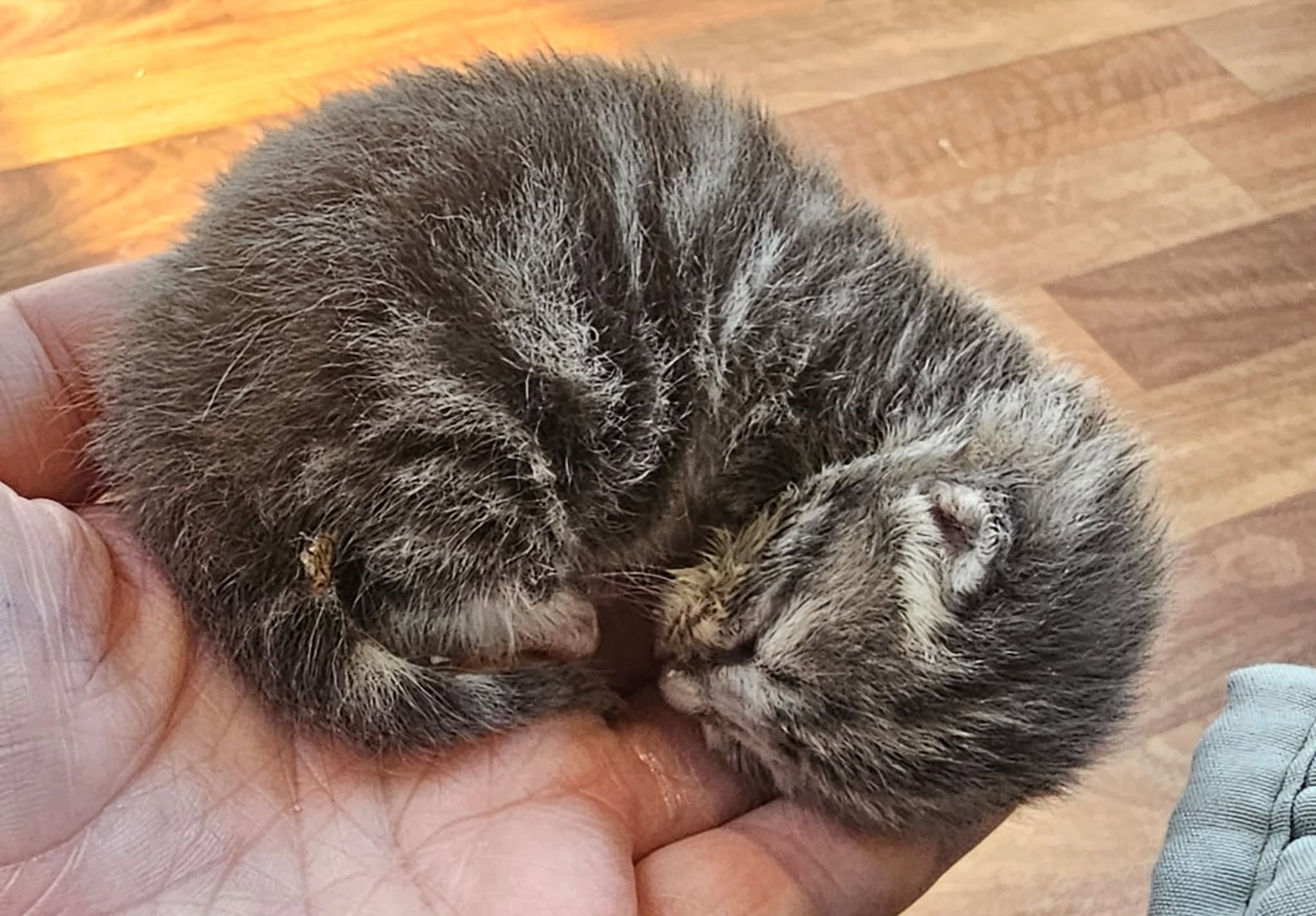
Bumper and Sprocket’s eyes are open now, and they’re cheerfully exploring outside the nest, and indulging in play-fights with all comers. The whole half-dozen pack of kittens is adorable. All Miranda’s litter are exploring too. It freaks her out quite a bit, which is also normal for a first-time mum.
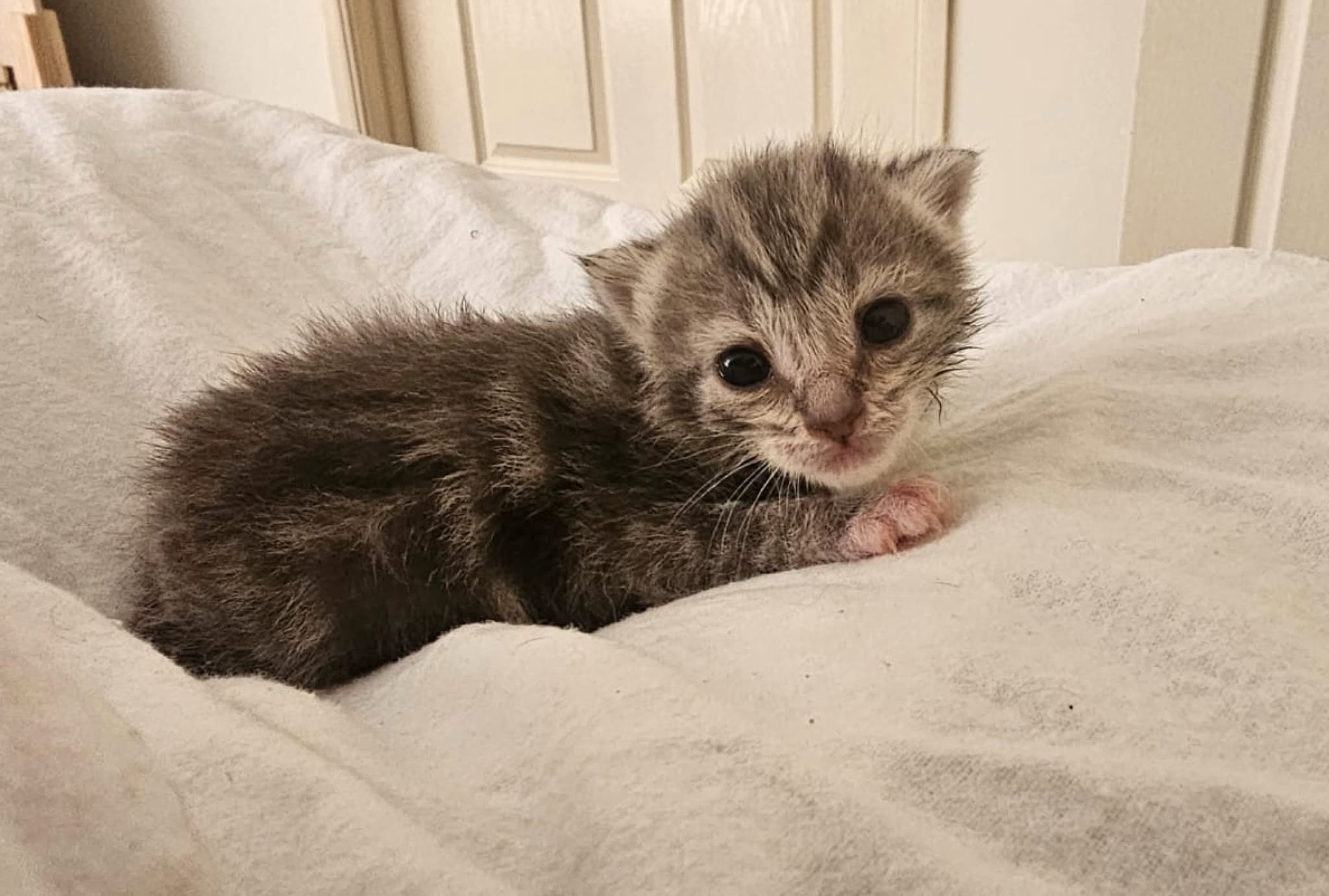
Ariel’s come so far already that sometimes I feel like he’s virtually all grown up. Then I look in his tiny eyes and remember just how small and vulnerable he is. His siblings are pretty typical (albeit extra fluffy) 3.5 week-old kittens. Ariel is often more like a two week-old in size, energy, and development. (He’s fluffy too, by the way.)
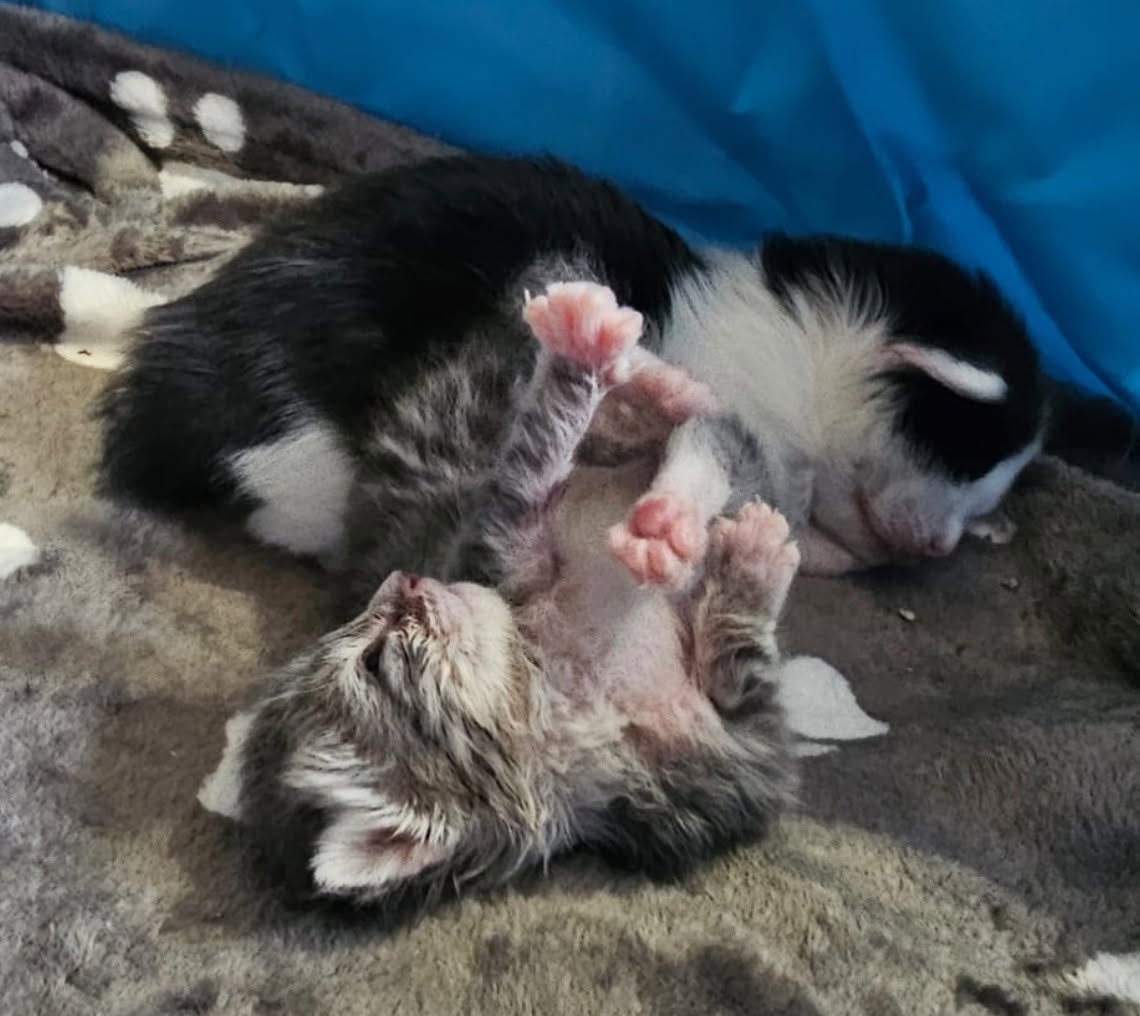
All six kittens like to practise fighting by lying on their backs and flailing at the air. It’s incredibly cute.
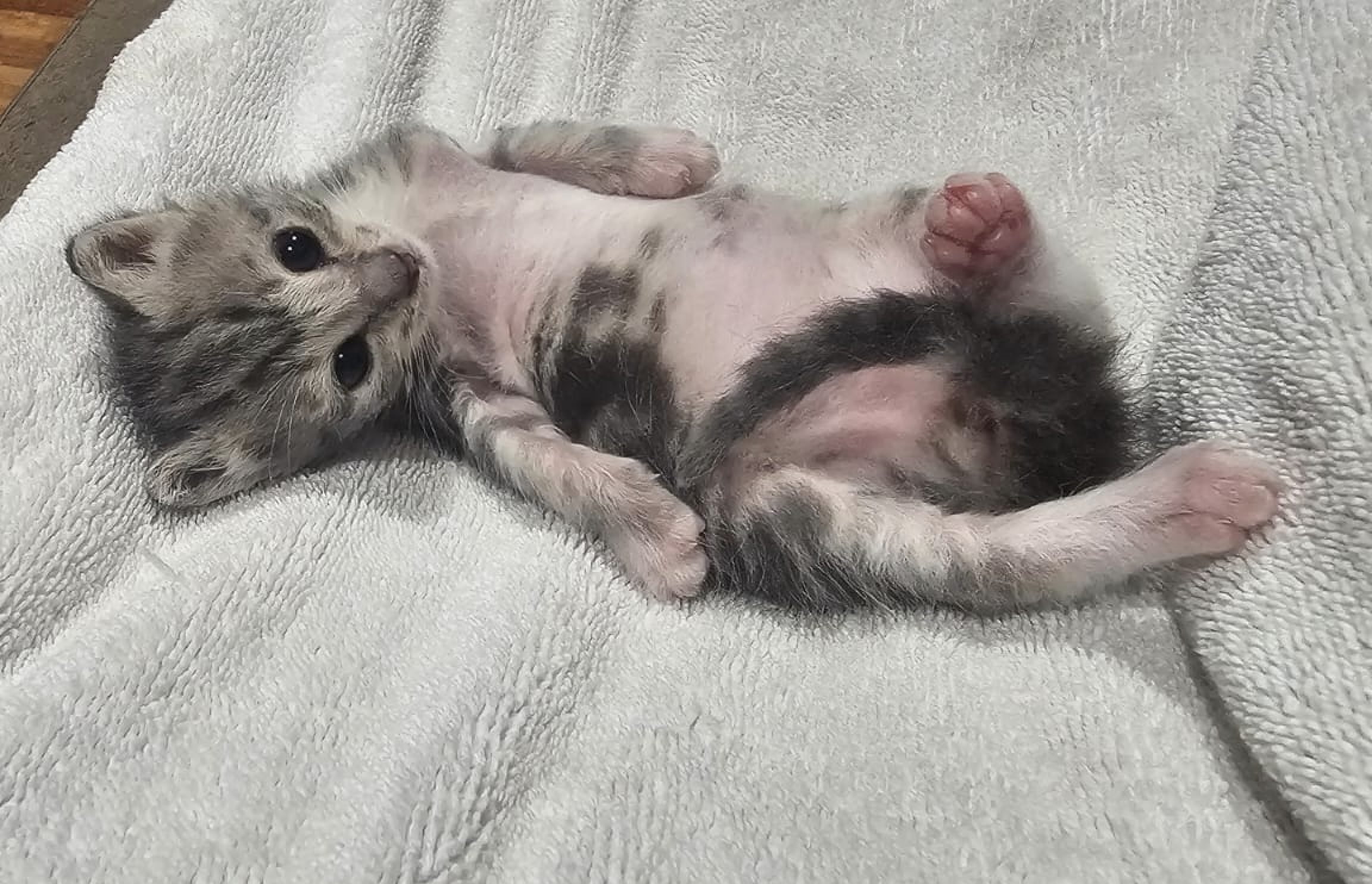
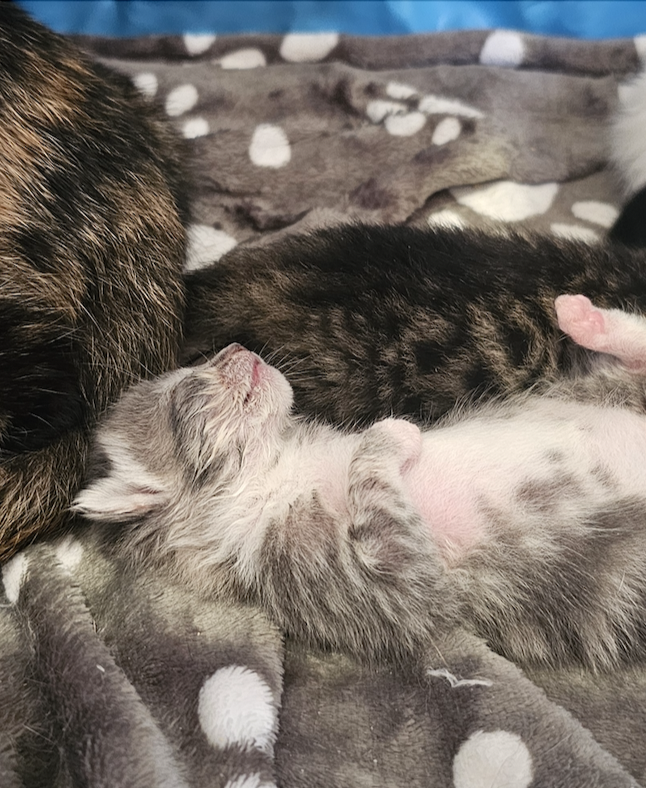
Ariel is a ‘belly cat’, by which I mean he loves to show his belly (including when he’s sleeping) and he adores belly rubs.
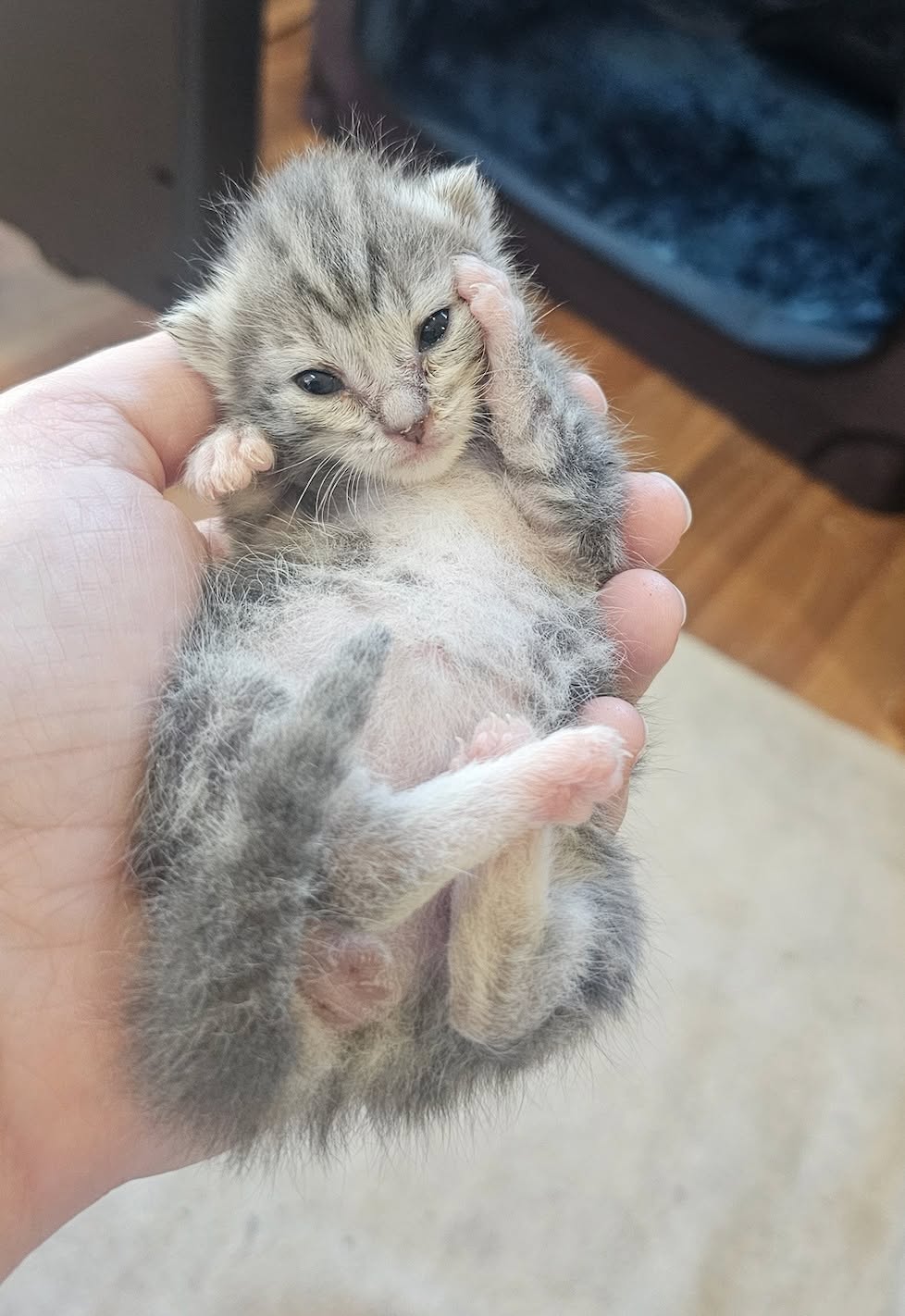
Almost as much as he enjoys screaming.
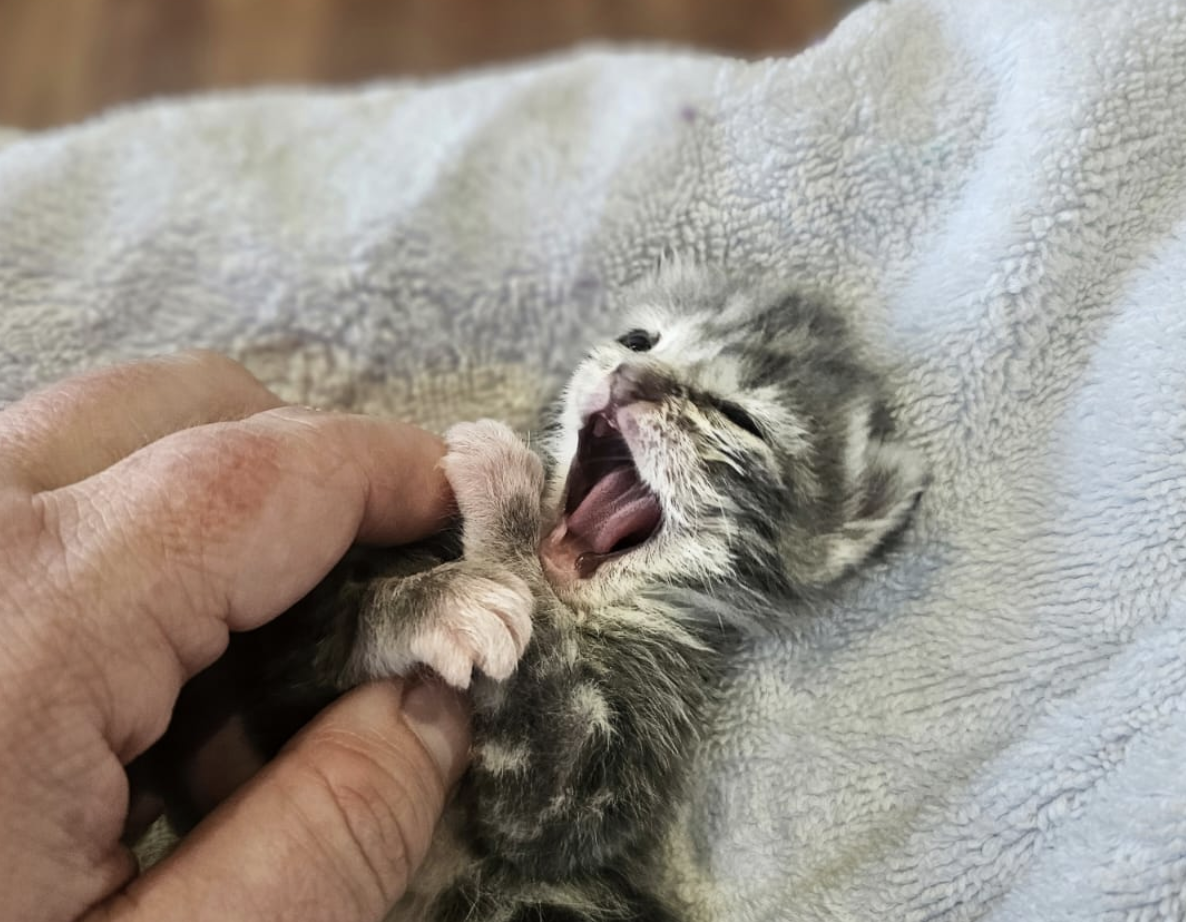
Keep screaming, little man. As long as you’re screaming, I know you’re still breathing.
Tomorrow, 17 October, Ariel and his siblings will be four weeks old. Every day he lives makes his long-term survival more likely.
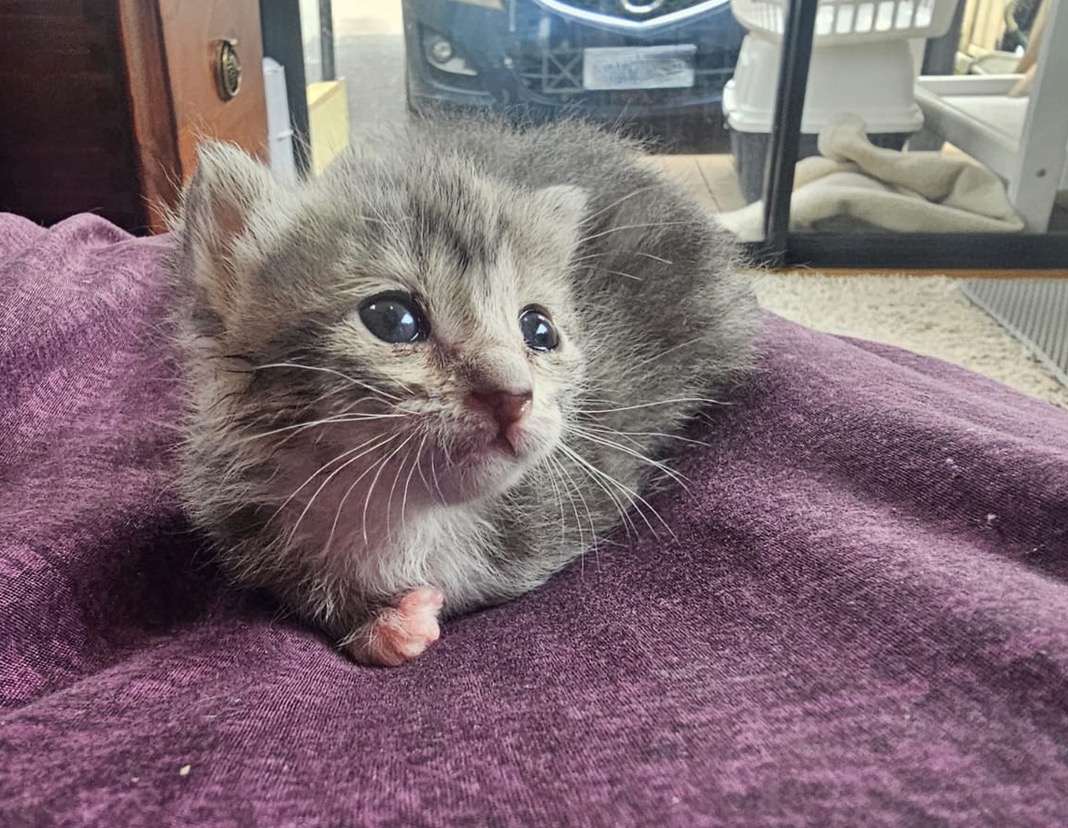
Join the GoFundMe crowd here; a bunch of people cheering for Ariel and helping to offset the cost of raising these two little families.
2026 Book Reviews, Part 2
Hello again!
Here are more books that I’ve read or re-read since March this year.
Novik, Naomi: Scholomance trilogy, which begins with A Deadly Education. Novik is a simply brilliant author. Her first book series is Temeraire; a tale of the Napoleonic wars with dragons, which starts off with the extremely honourable Laurence accidentally getting chosen as the pilot for a baby dragon. Which I mention because the whole series is great but her later books are better and better. The Scholomance trilogy is about Galadriel (yeah, she hates her name), who is gifted and destined to be a terrifying dark sorceress. She’s trying REALLY HARD not to turn evil but it’s extremely difficult, especially since everyone she meets instinctively dislikes her. AND she’s in the Scholomance, which is a magical school that is better than the outside world but is still absolutely awful, with a VERY high mortality rate. Be warned that the first and second books both end on cliffhangers. The books are full of dark humour and the main character accidentally makes friends and is very disturbed by the whole experience. Watching her develop into a healthier person (kicking and screaming) is an absolute treat. There’s no sexual violence but one of the monsters is very squicky in a rapey way.

Taylor, Laini: Strange the Dreamer and the second book in the series, Muse of Nightmares. Her writing is incredibly rich and her world-building is amazing. Her romances are central to the plot and they’re SO special and magical and unique and epic and…. I get really sick of them. Strange ends on a cliffhanger but Nightmares ends quite well, so I always stop at book two. This series is simply packed with rape, child slaves, murdered babies, and more. The rape is never explicitly described on-screen (the closest is the line about, “When he heard his wife screaming…”) but the trauma is very clear and ongoing.
Stradling, Kate: Heir and the Spare, beside which I’ve written “Really good! Buy more by Stradling.” The main character is the second child of a royal couple. Her older sister, who will become queen, is very powerful and very abusive. Her parents sent the heroine very far away to school for that reason, and the heroine kept her identity a secret there even though she was bullied relentlessly by other very wealthy, often royal kids. Now her worst bully’s country is barely recovering from a civil war and her bully is here to marry her sister, forging a much-needed alliance between the two countries. Great! …right? I LOVE a story with character growth, and this one is excellent.
Blair, Katharyn Unchosen. I’ve enjoyed this book at least once. In a post-apocalyptic world we once again have a heroine with an impressive older sister (who is the military leader of the survivors). She also has an impressive younger sister, who they believe is the person spoken about in a prophecy of how to save the world. The heroine is also in love with her older sister’s partner (and always has been), who is her best friend. Post-apocalyptic stuff happens. I disliked the book this time because of the adolescent (and thus obsessive) romantic elements. I’ve experienced adolescent hormones once and I didn’t enjoy it much.
Kingfisher, T: Nettle & Bone, Swordheart and Daggerbound, Clockwork Boys 1and 2, The Raven and the Reindeer, Hemlock and Silver, Minor Mage, A Sorceress Comes to Call. I LOVE this writer. She has strong horror tendencies but there is also an incredible warmth to her stories. Some people are incredibly awful or just incredibly inhumane (like the village that sends a child on a quest because he knows a few spells and they don’t know what else to do), but the characters we spend time with are often incredibly kind, intelligent, and brave. Despite the horrors, these books feel good. And the magic is always fun too. Or gory. Or both. And there’s lots of middle-aged and/or LGBTIQA+ romance.

Gailey, Sarah: Upright Women Wanted. In a horribly puritanical post-apocalyptic world, the heroine stows away on a travelling library. This has a real “Western” feel to it, and is good except I dislike the adolescent-style romance (again).
Hardy, Janice: The Shifter. The heroine has an unusual magic ability (that she needs to keep hidden even/especially because it can be weaponised). Her country is at war, her family is on the brink of starvation, and then things get worse because the powers that be find out about her existence (while they’re also secretly experimenting on other people) and various factions try to catch the heroine and/or get her to join them. Again, there’s a lot of adolescent drama that is super realistic but not for me. Is it possible I don’t like young adult books any more? That’d be a shame because they’re great.
Okay! That’s enough for this entry. I’m not reading nearly as much nowadays as my life has gotten extremely, mostly joyfully, full.