Ten Days in a Mad-House (trigger warning for dark mental illness stuff)
The title is stolen from reporter Nellie Bly, who spent ten days in an asylum in 1887 and then wrote about the horrific conditions inside, shocking the public.
I have also spent ten days in a psychiatric ward, but unlike Ms Bly I didn’t fake madness to get in. And I can report that I was treated with respect and kindness at all times, and given as much autonomy as possible.
Going to a psych ward is scary—and yes they WILL lock you up if they think they need to. I was lucky enough to have a friend, Aaron, who periodically goes to a psych ward and had told me about it. If you want to know what it’s like, read on. But this’ll be long, so feel free to just read the above paragraph.
If being locked in a psych ward seems like it would be more pleasant than being at home, go. If you’re not sure you’ll make it through the night, go. If you’re nervous but think it might help…. go.
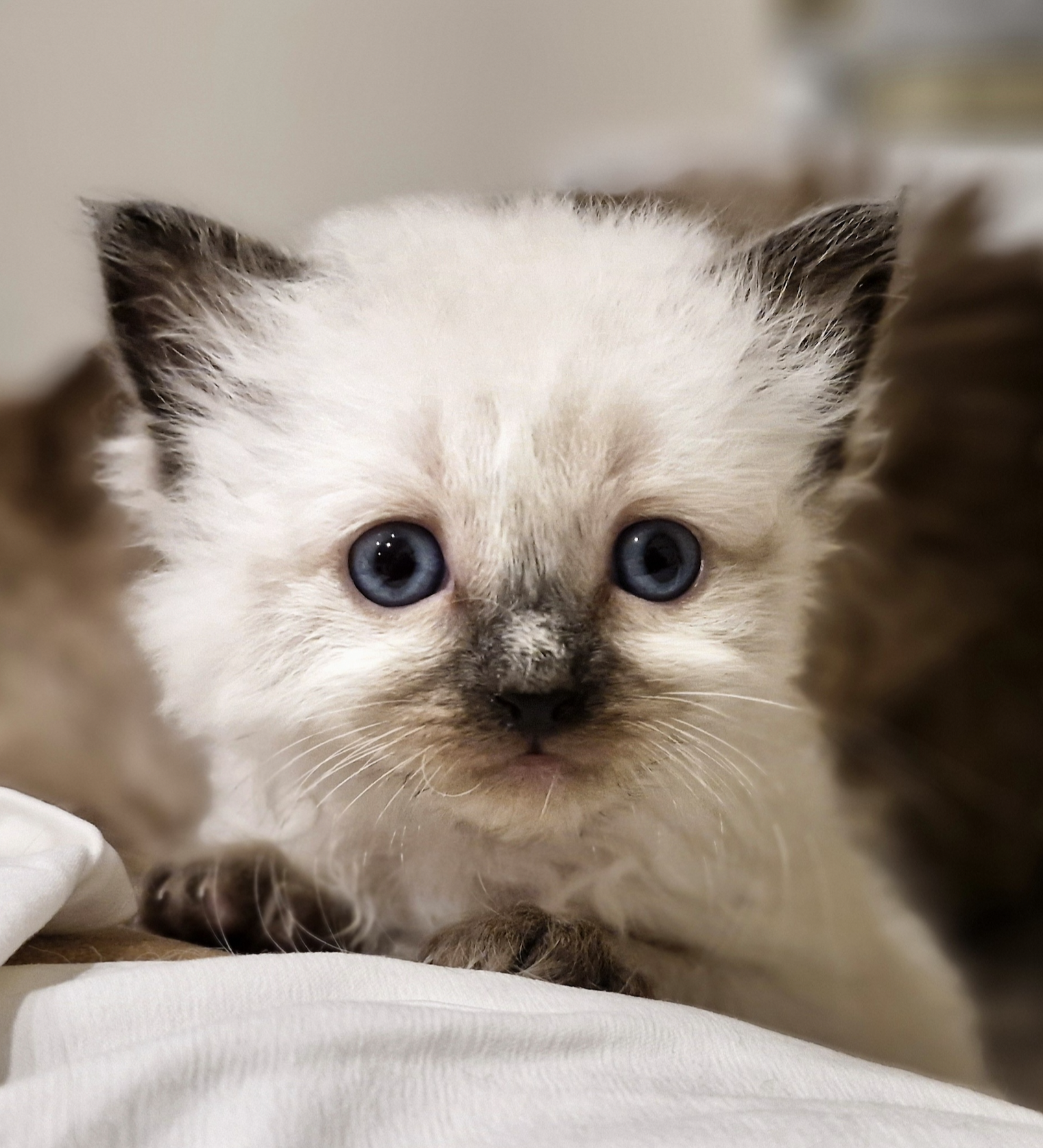
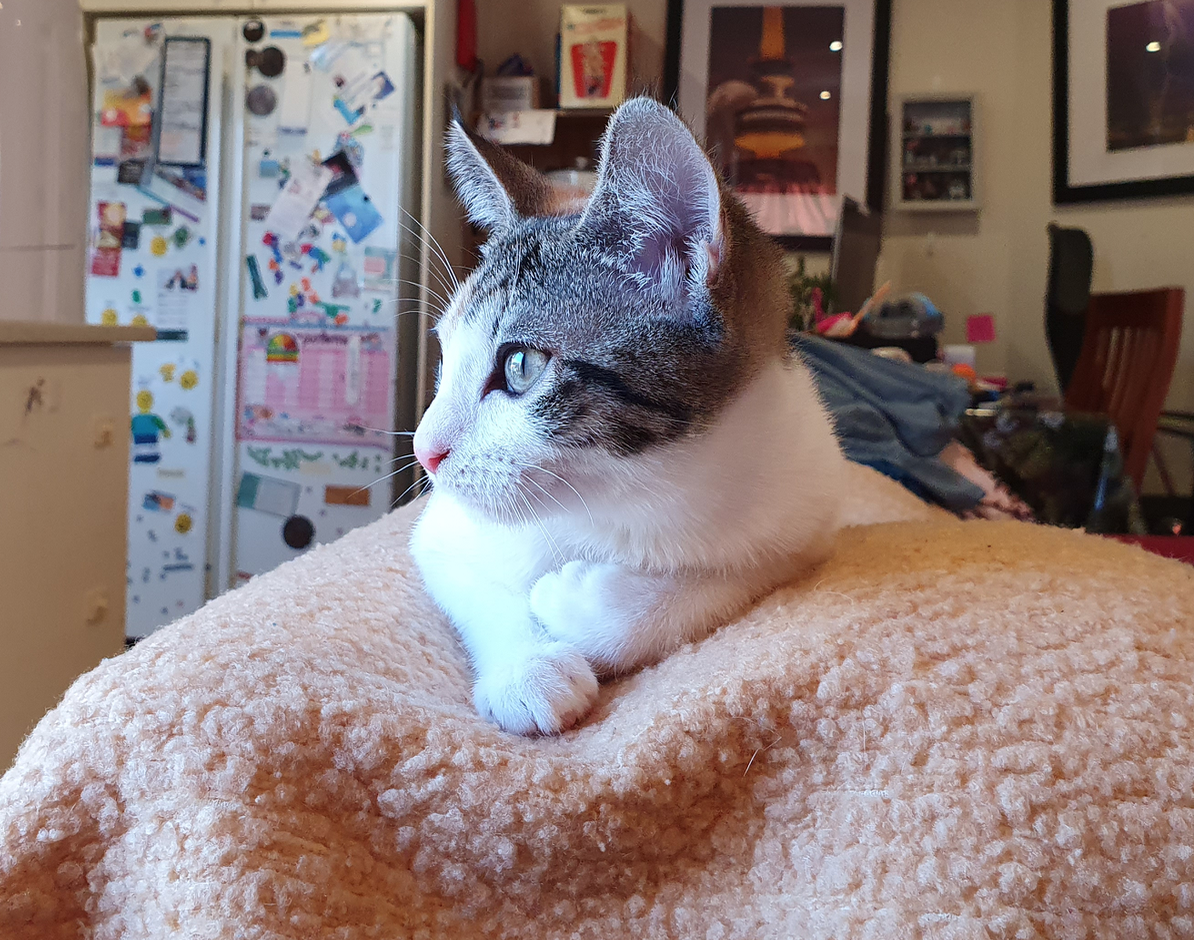
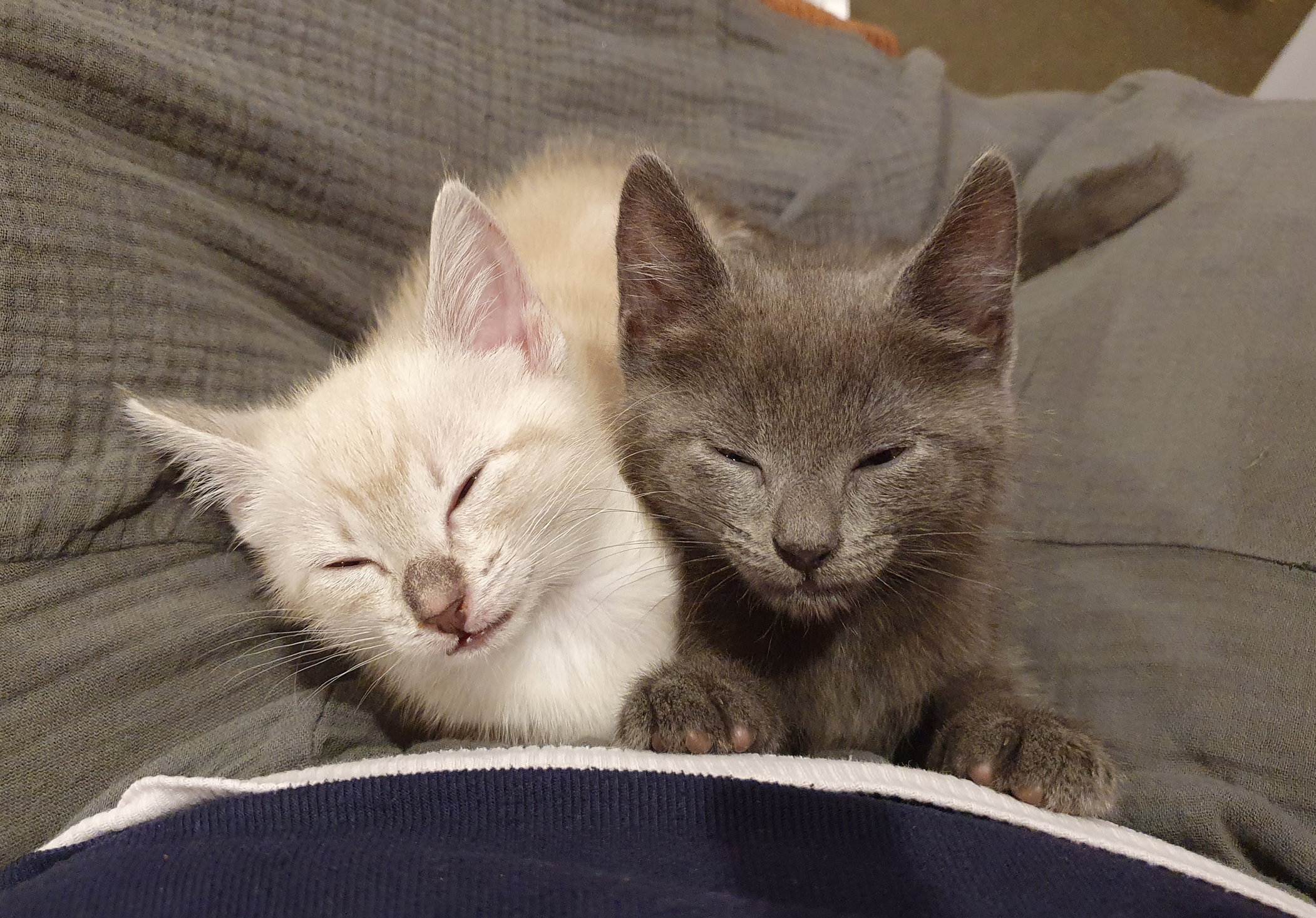
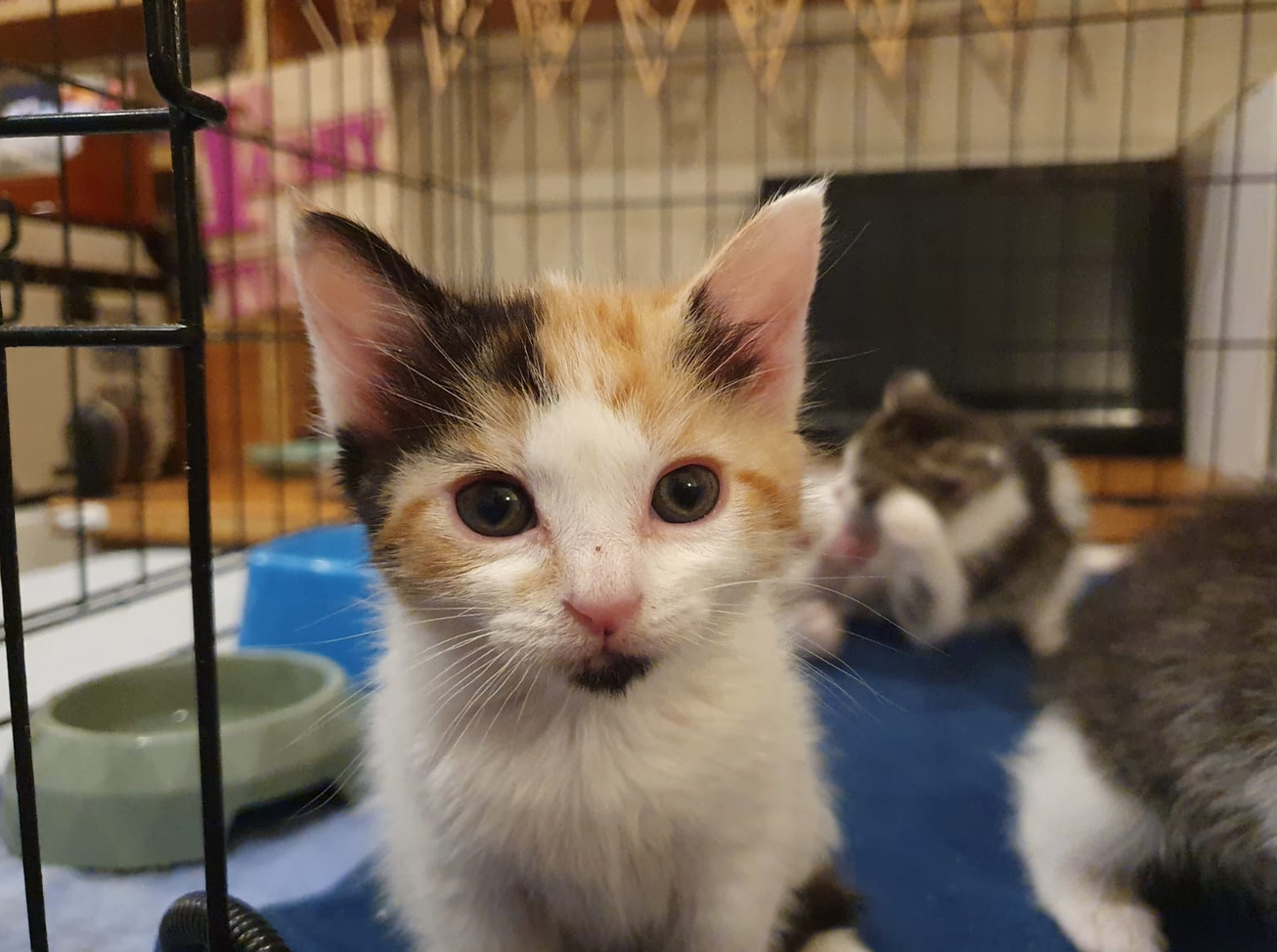
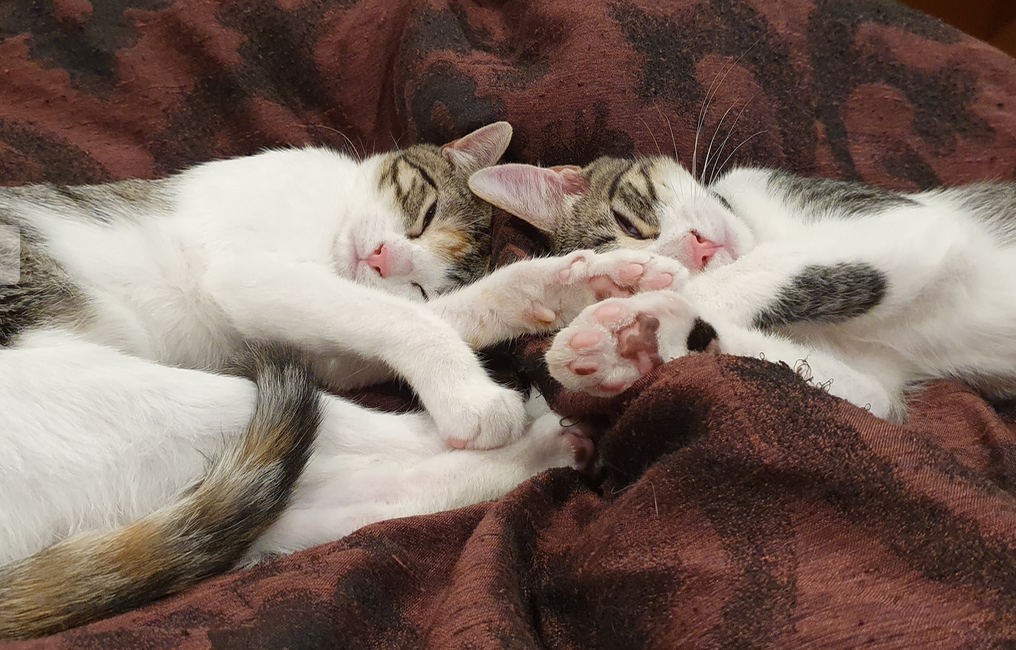
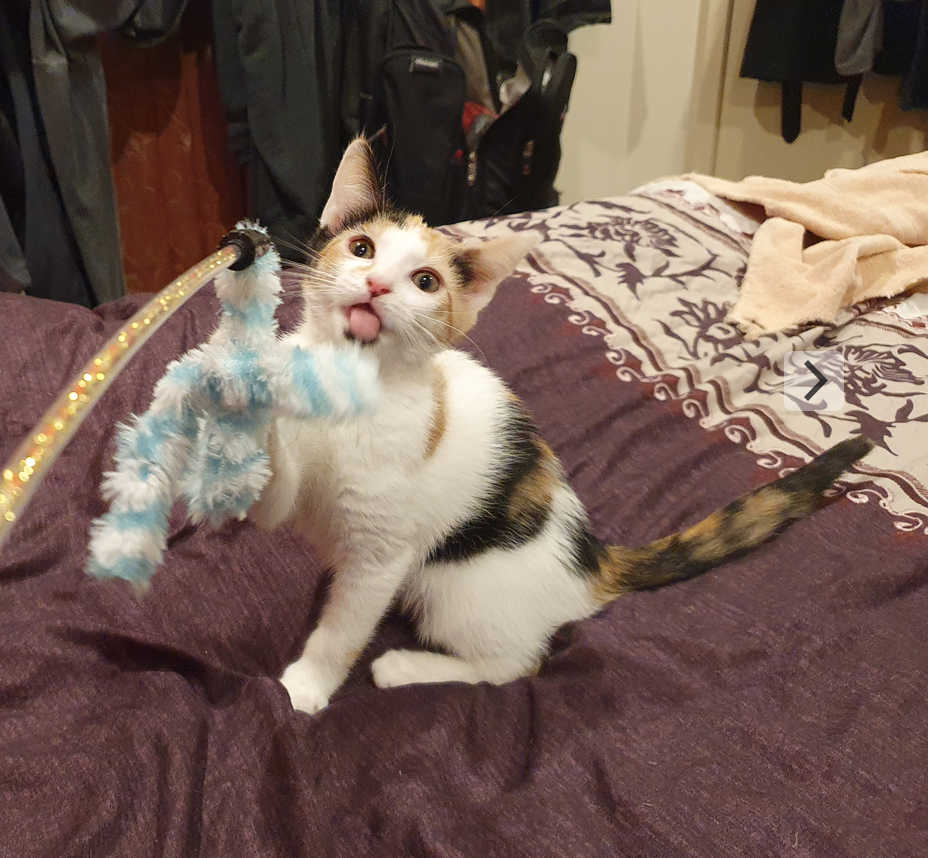
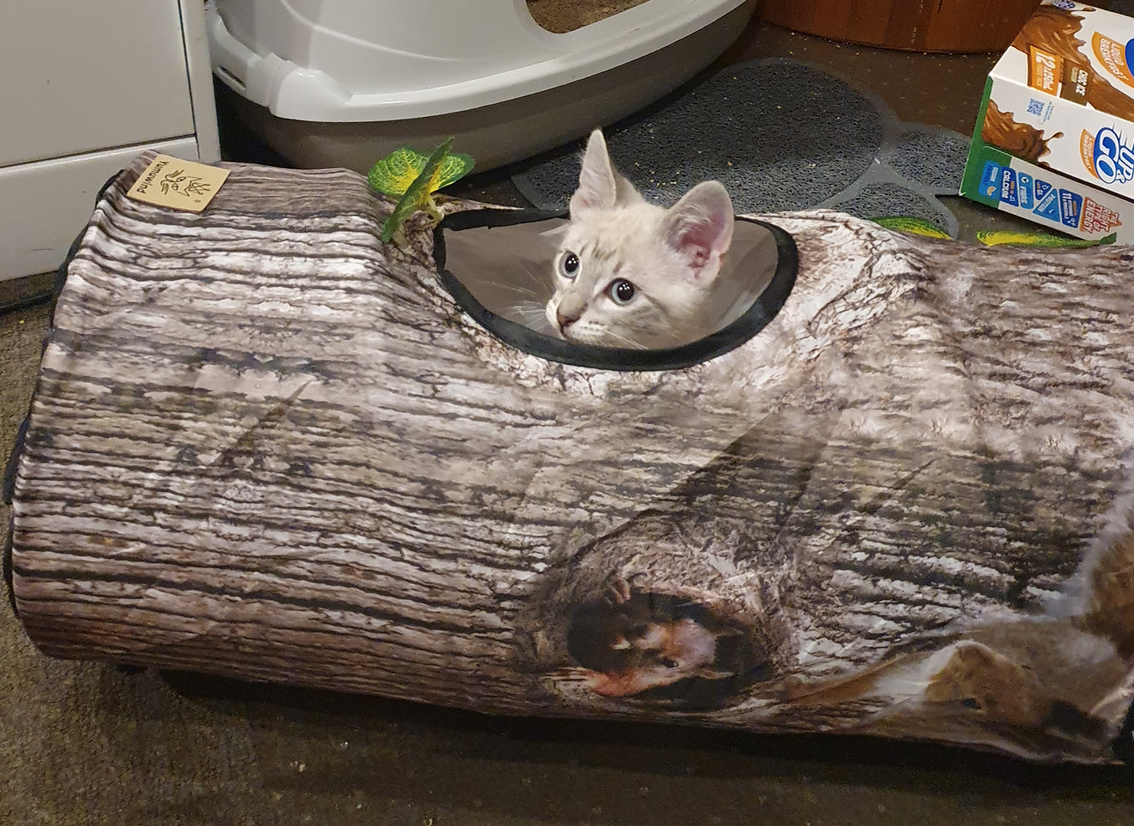
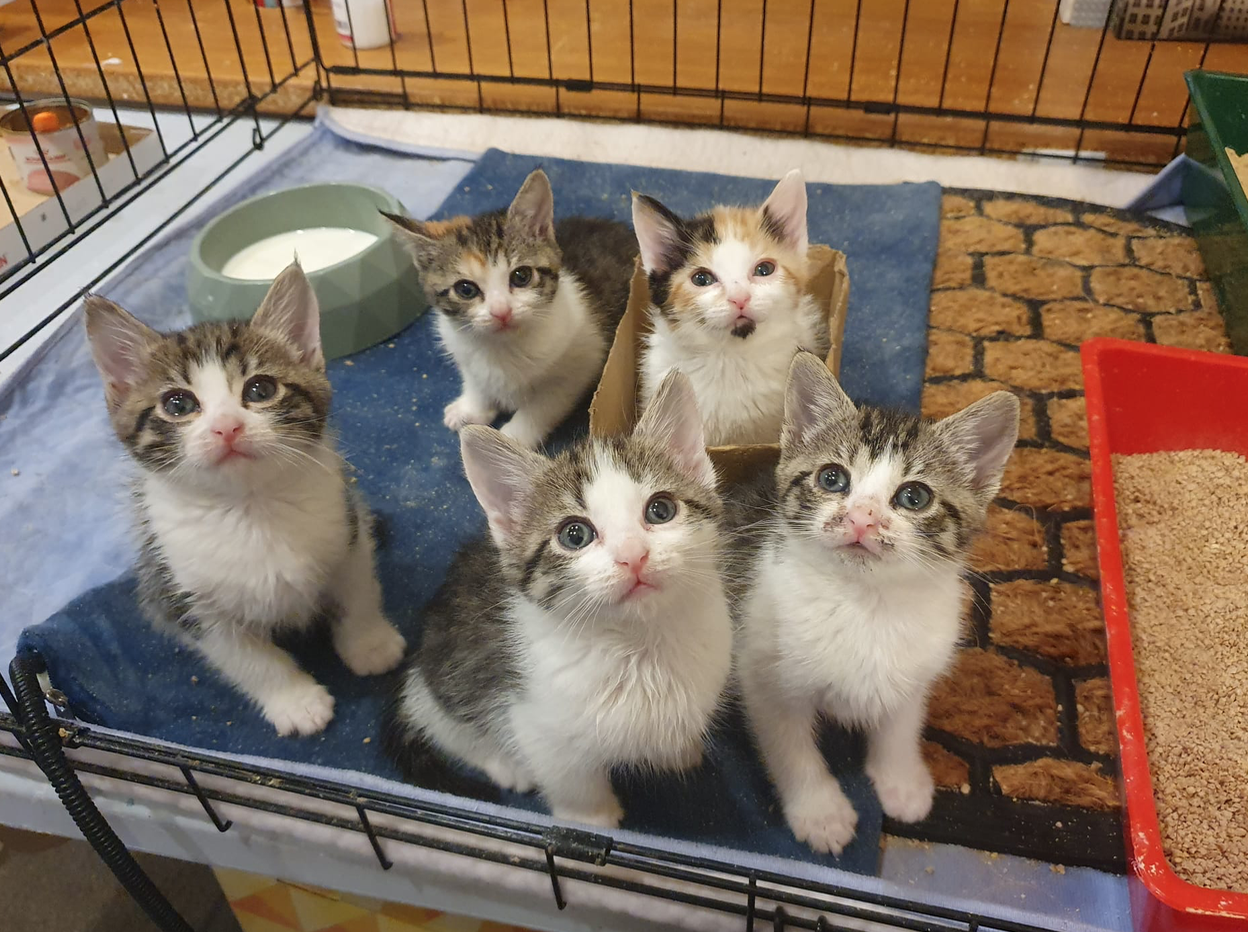
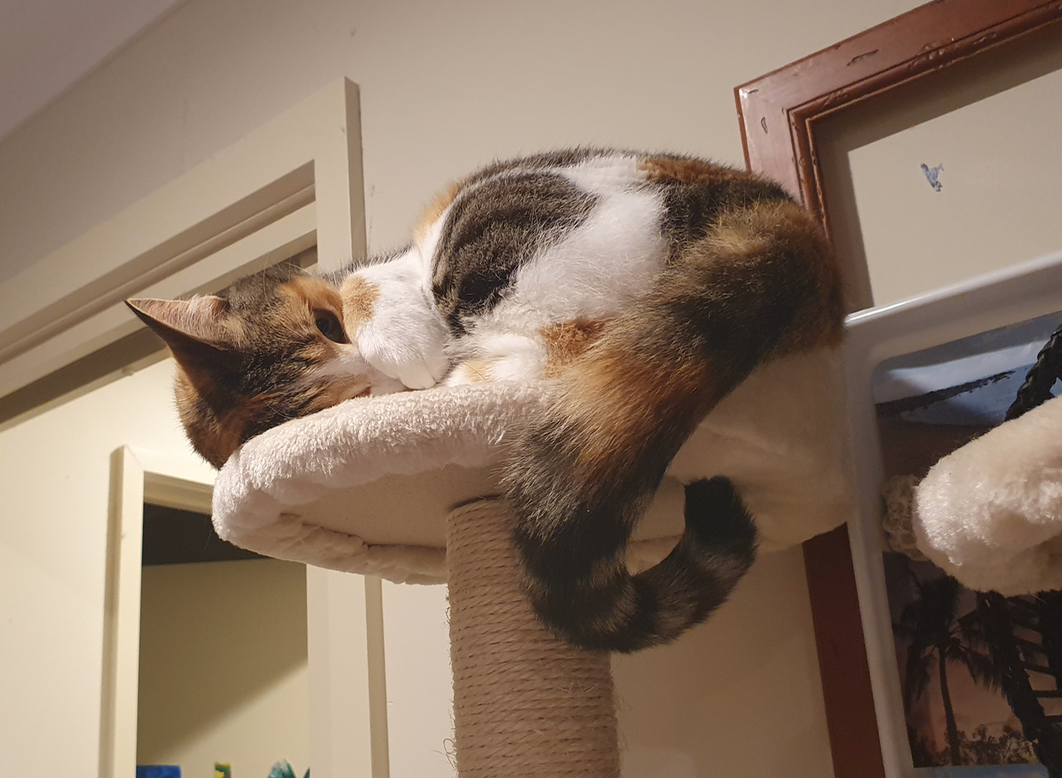
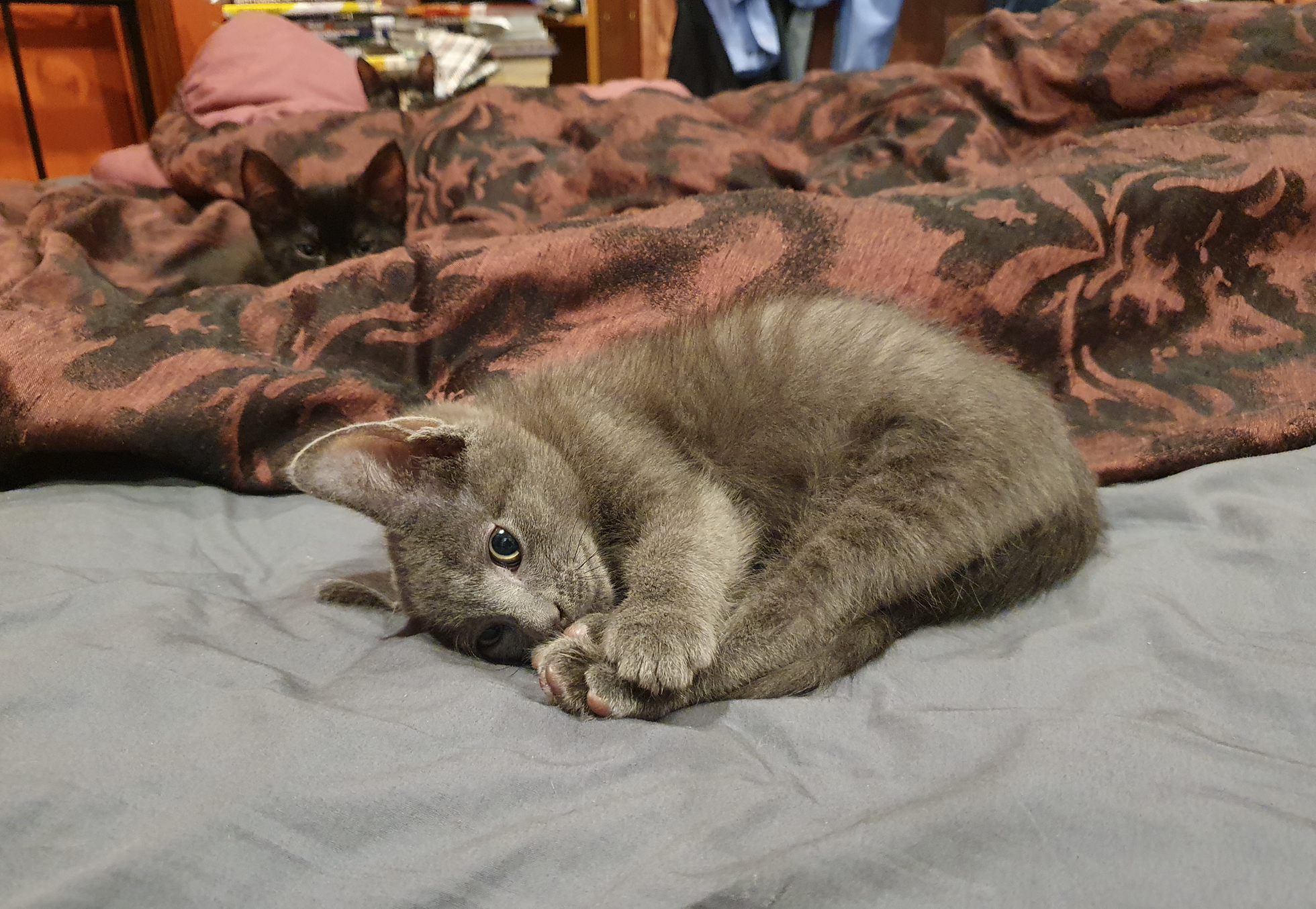
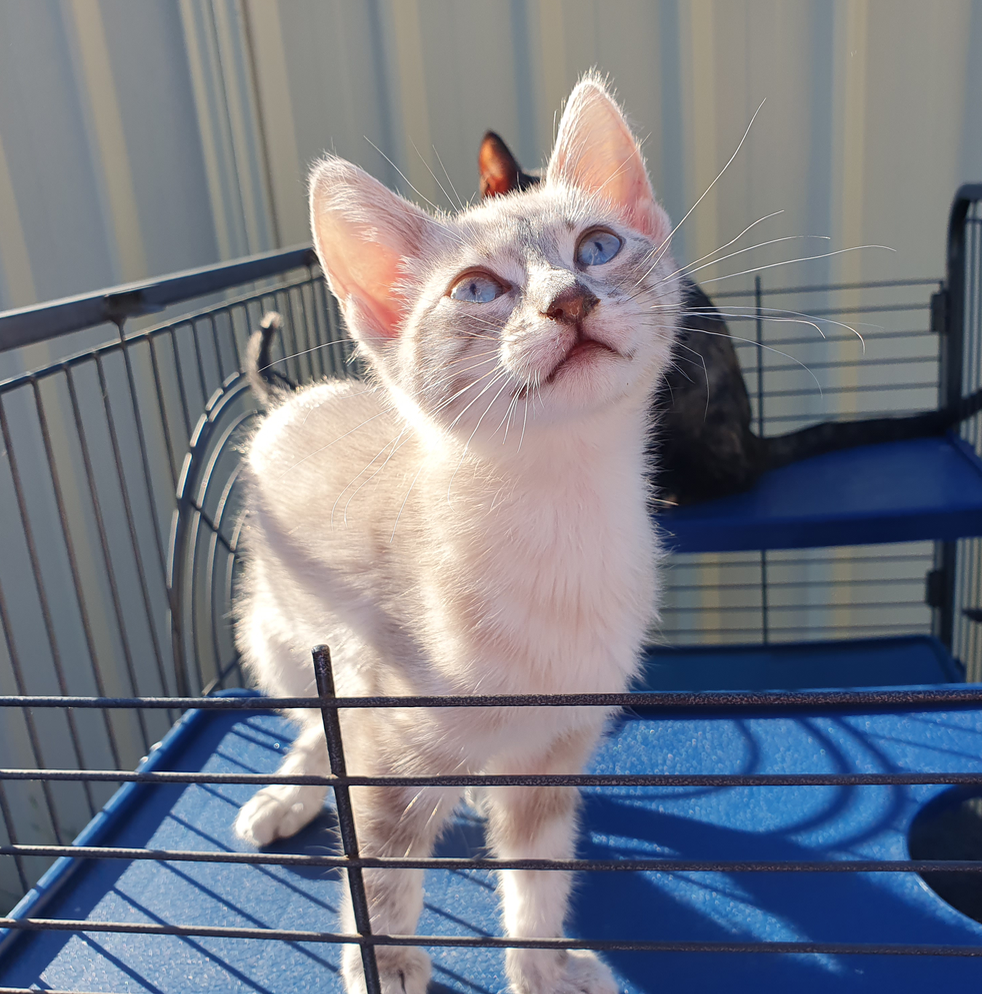
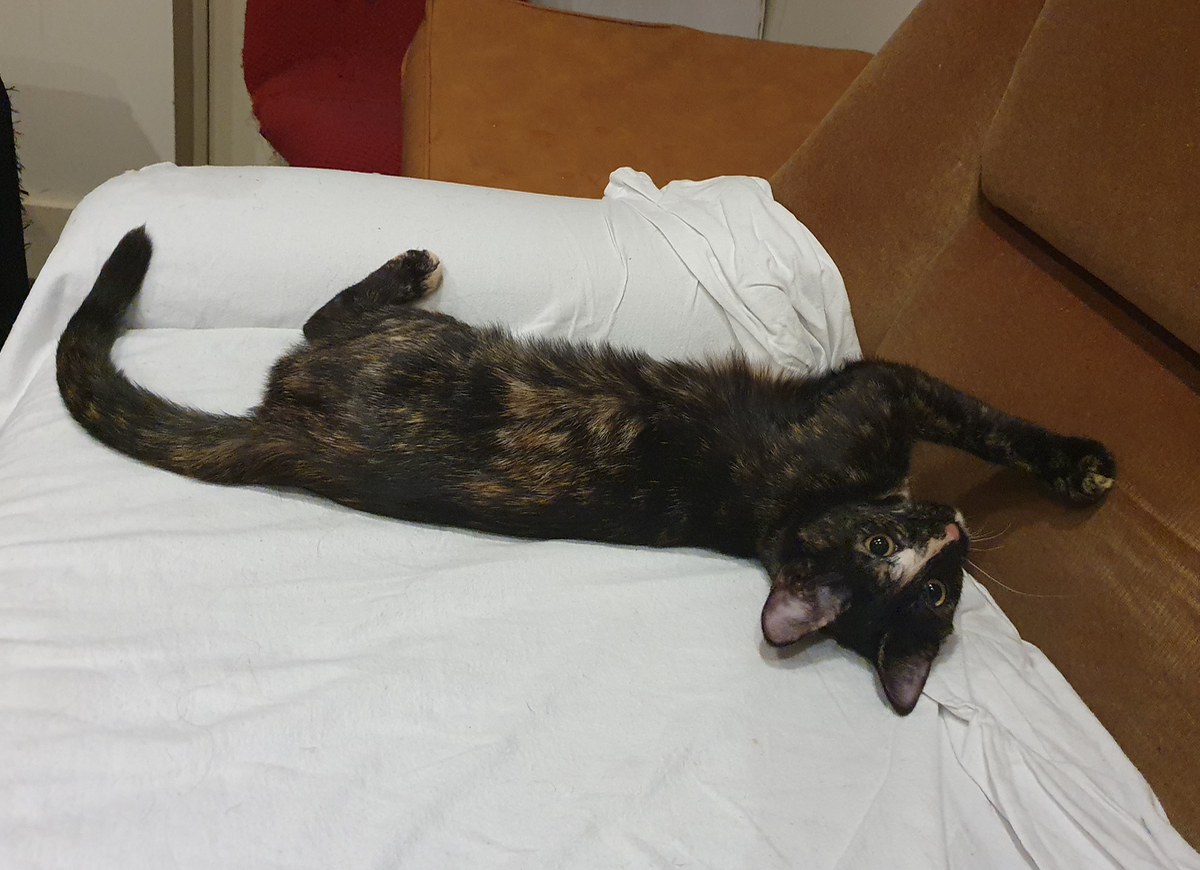
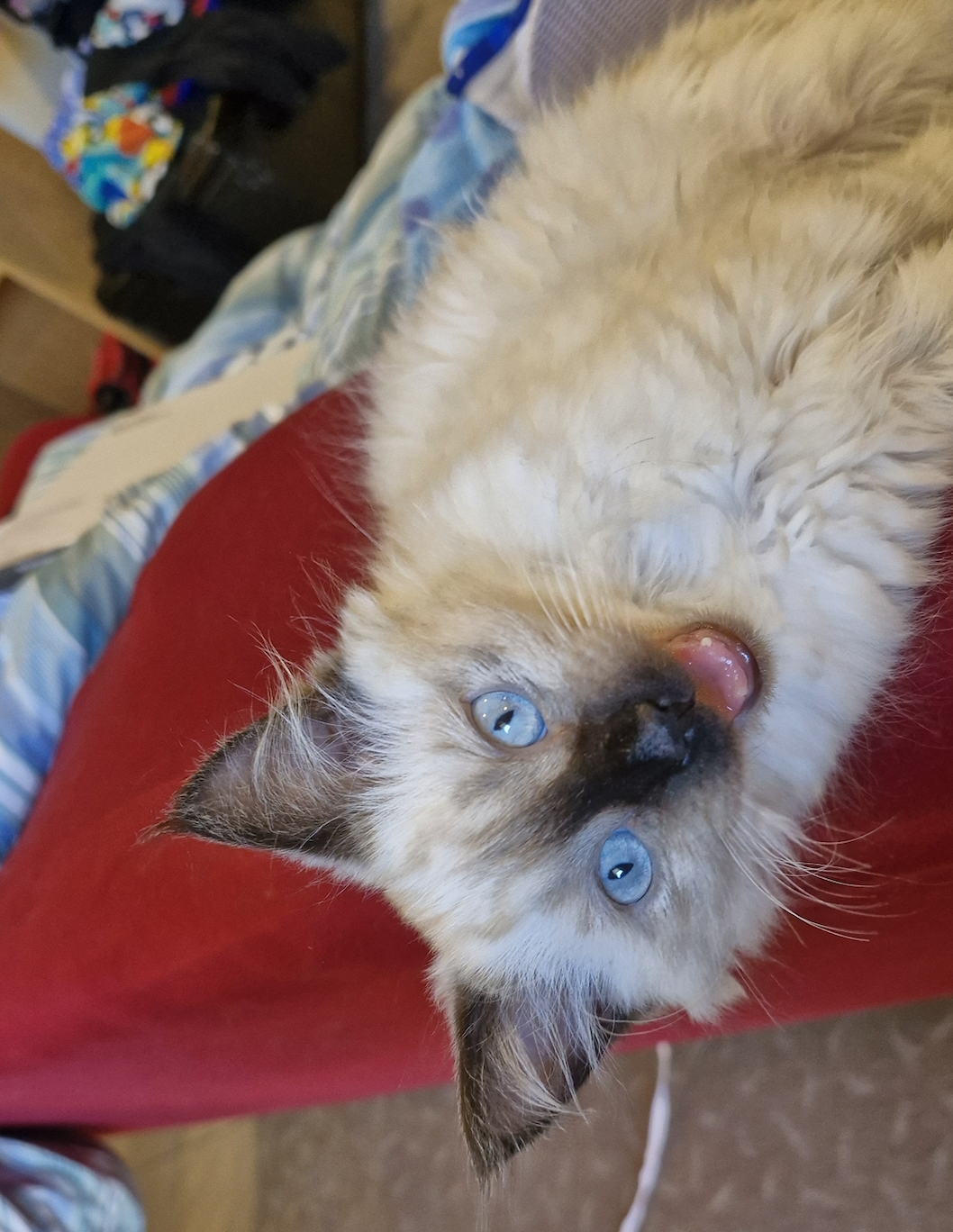
As I said, this is gonna be long, and super personal since that’s easier for me than trying to be a neutral observer. I’ll break it up with kitten photos for you. You’re welcome.
At 10:00am on Friday 20th February 2026, I walked into the Emergency Department at Canberra Hospital. The hospital has undergone renovations lately and I was a little disoriented. But facing the door was a free-standing desk staffed by a man with very clear blue eyes and the reassuring manner of someone who is either gay or just very good at customer service.
I was carrying three bags: my sleep machine pack; my clothes and devices and chargers; my medications and lollies. I did not intend to go home.
“How can I help you today?” he asked.
“I need to check myself into the psych ward.”
“Why is that?” he asked.
“Because I want to kill myself.”
He politely explained the emergency room system (go to the desk with the window and tell them what you told me; in a bit someone will come and get you for triage and decide what to do with you from there).
Every time I met a new person—the one at the freestanding desk; the one at reception; the triage person; the nurse; the doctor; the social worker—I had to tell them again that I wanted to die, and why. They almost always asked if I had a plan, which is a dangerous question because of course my brain then immediately comes up with plans for how to die (which obviously is not helpful—I mostly ignore depressive thoughts, rather than dwelling on them!) But people also said, over and over: “You’re in the right place.” That was indeed helpful.
For the record, my life is both wonderful and terrible depending on your angle. I live in one of the richest, most privileged countries in the world; I own my home; I am married with two great kids. I’m also disabled by both fibromyalgia and Level 2 Autism, either of which makes life difficult and painful on its own; I am under considerable financial stress; etc.
My immediate triggers were: We have to take a tenant into our already-uncomfortably-small house (I have been working on making a space for six months); I have to give up fostering cats (again, this has been clear for six months); I am exhausted and stressed from trying to look after my special-needs household; my functionality is dropping eg I used to have four functional hours per day on average and now it is less which hurts; I am increasingly unable to do many simple tasks such as attending a straightforward doctor appointment on my own, which is both humiliating and frightening.
After I had reported myself to the reception desk lady and received a hospital band around my wrist, a random waiting room woman approached me. “I heard what you said at the desk,” she told me. “I want you to know that you are precious and I’m so glad you are here. Can I give you a hug?”
I said yes and got a hug. Slightly confused, I thought she was my cousin*. She corrected me gently, gave me another hug, and went back to her seat to wait until the staff called her through to deal with her own emergency. I will probably never see her again.
*I find pretty much everything confusing. Autistic people are terrible at faces, so I rarely recognise people (I was once waiting for my sister to arrive at our parents’ house and because it was barely post-lockdown she was wearing a cloth mask… I didn’t recognise her). And thanks to being overstimulated by any conversation with a new person + having ADHD, I also never remember names. New places are even more confusing, especially when they’ve been built in phases without a really clear route from one place to the next. My life is genuinely terrifying, like a person in the early stages of dementia who is also an air traffic controller for some reason. A couple of days ago I took two wrong turns on the way to fetch my daughter from her school. The best part is that it’s all completely unpredictable! MAYBE I’ll get everything right all day. Maybe I’ll think I’m doing fine but end up in the wrong city (this has happened more than once).
Quite soon, I was called into another room for triage. They sent me to the “fast track” ward where I got a kind of dentist chair (highly adjustable and padded, with arms) and a curtain around me for a degree of privacy. I spent many hours there and saw at least three different medical people. Maybe five? One of the purposes of the fast track room is to have doctors of different specialties seeing one patient in the same place rather than sending the patient trekking through many waiting rooms.
At one stage, an older woman was in the medical chair next to me (behind the curtain). She insisted she was in great health, but also had “a crackle in my lung” (which they couldn’t hear) and “a tremor in my heart” (which didn’t show up on their tests). She went to the bathroom and came back with a “new rash” that no one else could see. When they tried to take blood, she screamed in pain. They put numbing cream on her then came back and drew blood successfully. As I silently predicted from the start, they ultimately found nothing wrong with her and sent her home with reassurance and nothing more.
As an old-ish woman myself with the chronic, vaguely-defined symptoms of fibromyalgia, I hated her. Either she is an extraordinary hypochondriac, or she has something going on that medical people are unable to spot. That question hits way too close to home (although I’m clinging to the fact that I can handle the pain of blood tests just fine). The way she came back from the loo with a Mysterious New Symptom very much echoes my own process whenever I have a new type of pain: is THIS some new clue that’ll reveal I actually have some other condition—something that can be cured?? As a rule… nope. But I keep hoping, which mostly just makes doctors annoyed.
Unusually for me, I didn’t live-tweet or live-FaceBook the experience. I live-blogged the birth of my daughter, but not this. I’m generally an extreme over-sharer (if you’re here, you’ve probably figured that out) but it occurred to me that I was suuuper mentally deficient and shouldn’t do anything public or I might regret it later. I kept my husband Chris updated on the basics, said it was fine to tell anyone he wanted what was happening in as much detail as he liked (eg his boss, who let him work from home the whole time I was in hospital). Meanwhile I kept up conversations with my three best online friends, who all have deep mental illness knowledge and who I’ve known in real life for years. One of them is Aaron, the one who’s been to the psych ward several times. One of them, Bob, said that they’d once tried to check into the psych ward and they were turned away. (This made me furious because I’ve wanted Bob to seek treatment for about twenty years and I guarantee it was a one in a million chance to actually help him. It also made me scared I’d be turned away as well, so I shared some stuff with the staff that I’d been planning to keep secret. I don’t know if that is good or bad—I think I’m on some government lists now—but at least I wasn’t told to go home.) It helped me a lot to have the online friends to report to, as it instantly turned the whole thing into A Story. Which makes me a Character In A Story, which makes me braver. It worked when I was in labor and it worked for this. I was pretty much writing this blog, even then.
Later on but still in the so-called “fast track” room, there was a young man screaming about how someone had tried to kill him that morning, and why was no one calling the police, and FUCK!
He yelled a lot for quite a while. A lady came to talk to me around then. I can’t remember if she was a social worker or what, but she had that vibe. She was visibly annoyed by the yelling man on the other side of our curtain.
Perhaps if health services were properly funded, I wouldn’t have had to hold such a delicate conversation in a crowded ward with another patient close by screaming and swearing and trying to hide under a chair.
“I’m sorry,” the young man sobbed to the medical staff gently talking him down. “I’m so, so sorry.”
My nurse brought me an orange juice and a ham and cheese sandwich on brown bread. I’m intolerant of oranges, processed meat, lactose, and brown bread but I can have a little bit of each usually and get away with it. I was certainly hungry by then, and grateful for food. Honestly by my food-intolerance standards, a ham and cheese sandwich is pretty good.
I experimented with adjusting my chair, and found I could approximate a bed. Good enough for napping, at least. I nap most days and I came in and out of a doze as the day went on around me. My nurse checked on me several times, always with a sympathetic and steady demeanour.
Eventually, I was moved to a slightly different ward very close by as I was clearly going to be sticking around for a while, and the fast track ward needed space. The chairs were the same, so I napped some more. My nurse gave me a blanket.
The awesome thing about the epic fatigue that comes with fibromyalgia is that I am always in need of a nap. It passes the time very nicely, even though napping in a not-quite-horizontal chair made my back ache more and more as the hours slid by.
I got hungry again and asked for another sandwich. They offered egg salad, which is a pretty safe choice for my digestive system. But somehow, it had a chewy texture, like meat. How??? And above all, why??? It was in date, but I threw the rest away. It haunts me still. (Ten years ago, I ate a chicken sandwich that also haunts me to this day. It was also a Canberra Hospital sandwich. It was chicken and mayo, and it was crunchy. Like peanuts. Chicken should not be crunchy! I think they took the bones out of the chicken but kept the cartilage? And someone somewhere figured that if the chicken-cartilage mixture was minced, it would be a-okay? Reader, it was not.)
Eventually they told me that they wanted to admit me, but their psych ward was full so they were sending me to North Canberra Hospital, who would be expecting me. “All but two of their rooms are private rooms,” someone told me. “It’s really very nice.” (I would discover that the reverse is actually true: all but two of the rooms at the North Canberra psych ward are shared rooms.) They gave me a taxi voucher and helped me call the taxi service before directing me to the taxi rank.
The second I had a hospital band on my wrist, I automatically went into Hospital Mode: a very zen, passive state in which I do whatever I’m told and nothing else. I imagine it was obvious to all the hospital staff that I was naturally obedient. But I could easily have taken the taxi home to my knives, or to a nice high building to throw myself off. It seems crazy (hah) to me to let any suicidal person walk out of the hospital at all. Of course I don’t blame the staff, either for having a completely full psych ward or for not having enough staff to babysit me from one location to another.
I do blame the enthusiasm of politicians to always cut the health budget. People don’t like to think about having health problems. Healthy people think their good choices protect them (which for the record, they don’t—injuries or even disability can happen to anyone at any time… but it’s a lot easier psychologically to believe that poor health is a moral failing that could never happen to YOU). Lately certain politicians are using hatred of minorities to get votes: hatred of trans people, of immigrants, of brown people, of Muslims, and of the disabled (very much including lies about widespread fraud and the erroneous belief that disabled people instantly get stacks of money and support). Health Care is a big expense, but it matters. Anyone who lives long enough will eventually become disabled. Australia’s health care system is pretty darn good, but anyone who has used it knows it’s not nearly as good as it should be in a developed country.
At North Canberra’s emergency department, there was a nurse at a stand-up desk as well as the main reception desk, so I went to the stand-up desk first, saying I’d come from Canberra Hospital. “You need to line up,” she said, indicating the (ominously long) queue at reception. I grabbed a wheelchair and got in line.
Eventually I got to the reception desk and told them Canberra Hospital had sent me over. They sent me to the psych ward immediately, and the nurse I’d originally spoken to apologised for making me line up. So I guess that was a mistake. Also I was probably meant to tell the taxi driver to go to the psych ward, but I didn’t know how to do that. (It’s the Keaney Building, but if you want to check in as a first-timer you should go to emergency.)
In North Canberra Hospital, there are three psych departments next to each other: Adolescents, adults (that’d be me), and elderly. I never saw any patients from the other wards. I was buzzed through into the Acacia Ward and sat on some seats near the reception desk. There were a few people around, but none of the movement patterns of the ward made sense to me. Were those crazy people over there? Don’t stare! The people with me handed me over to the psych ward staff and left, taking the emergency ward wheelchair with them.
Someone asked for my meds, and I handed them over with my usual reluctance. If I don’t take panadol at the right time in the morning, I will get a migraine. Hospitals are perpetually understaffed (FUND HEALTH CARE PROPERLY PLEASE) and I’ve had a migraine at hospital before because of course medical people often have to deal with emergencies at inconvenient times and that means people who aren’t actively dying get gently neglected. Panadol is highly dangerous in large doses, so I was never going to get to actually take care of it myself.
“This is not about whether we trust you or not,” said the nurse. “It is also about the safety of everyone else present.”
At that, I gave them the other two Panadol hidden in my bag. (I’m happy to report that they never missed a Panadol dose or any of my other meds.)
“We also have to look through your belongings. I’m sorry about that, but of course we don’t want anything that could potentially prove harmful to either you or to any of the other vulnerable people here.”
Luckily I spend so much time in my underwear with medical folk that I’d packed only my non-embarrassing underwear. I had also prepared for hospital by washing and brushing my hair, and cutting my fingernails (because washing my hair is a big physical and psychological ordeal that I knew I wouldn’t be able to handle in a strange place, and obviously I wouldn’t be allowed nail clippers). I also realised around then that the psych ward is on the ground floor rather than somewhere with nicer views because gravity is a well-known method of killing oneself.
It was clearly not my choice whether to have my bag searched or not, but it was done as gently and respectfully as possible, which was odd. Hospitals are clinical, fast-moving places but I consistently found that the nurses in the psych ward took an extra few seconds to be … kind. A lot of nurses are kind, and funny, and wonderful, and some have the gift of giving the impression that they have all the time in the world. Others are, frankly, mean. Many are visibly burned out from understaffing and/or horrifyingly low pay. There were no mean nurses here, and although I could see the staff had a lot of work to do (especially paperwork) they all spent those extra few seconds to treat me as a person and pay attention to my emotional well-being. It was subtly but profoundly different to the normal hospital experience. I realised quickly that there was a relatively small pool of staff and I’d see the same faces many times, so I tried to learn the nurses’ names (I failed, but I tried all the same).
One of the nurses gave me a tour of the ward. All I remember from that whirlwind tour is that (a) There was no food as it was after dinner time. (b) They write word puzzles on a whiteboard near the laundry (there’s a laundry by the way) so people have something fun to do.
I had almost no interest in the tour whatsoever, and the allure of word puzzles was at an all-time low. I just really, really wanted to have a bed to call my own. I think I probably filled out my food choices on the printed menu that would not actually be served for two days (uh oh). I probably also said the spiel I always say when someone asks about allergies: “I’m on a low-FODMAP low-salicylate diet, which includes almost all human food so it’s best to just give me some choices and I’ll pick whichever seems safest. And don’t put me on a diabetic diet as that makes things worse.” She advised me to write “full” but I absolutely did not understand when or where to do that until about a week later. My brain is very bad at verbal instructions at the best of times (it’s an Autism thing).
“You’ll see a regular doctor on Monday,” she said, “because only the weekend doctors are available until then.” That I remember. It meant I would be in hospital for at least four days. I was enormously relived, even if it sounded like I’d be basically waiting around twiddling my thumbs for the next sixty or so hours. Being away from normal life seemed like a Very Good Idea.
I told the nurse that if I was asleep and there was food, please definitely wake me up. “Oh!” she said. “That’s good to know, because a lot of the patients here get grumpy if we wake them up.” She wrote a note on my whiteboard.
This was so confusing. They… cared that a person didn’t like getting woken up? This was hospital, where people will get woken up to take a sleeping pill. This is hospital, where the best thing you can hope for is that you’ll be treated as a piece of meat that sometimes makes talking-type noises. (Which I generally love, as being treated like a piece of meat or a broken machine is 100% body neutrality, which for a morbidly obese woman is an absolute delight. I’m often seen as lazy and stupid because I’m fat, and stupid and greedy and irresponsible because I’m poor… Being treated as a meat puzzle to solve is lovely compared to that.)
They showed me to my room, which was a shared room. The other side—the window side, dammit—was clearly occupied. I put my bags down at last.
It was 7:00pm. It had taken nine hours to get from the emergency ward to a bed.
I wanted desperately to lie down, but I also needed food. Did I mention I’m diabetic, as well as having eleventy billion food intolerances? One of my friends told me hospitals used to have staff specifically trained in dietary needs. They sure don’t have that now. (Because of cuts to Health spending? OF COURSE because of cuts to Health spending.) Australia has more food allergies and intolerances than almost anywhere in the world, but why should hospitals bother providing edible food for their patients??
The room had an adjustable hospital bed separated from the other bed by a wall with a desk, shelves, and cupboard going most of the way across the room. The wall had a gap at one end (the foot end) the size of a wide door. Each side had a plastic chair and various electric sockets. The bathroom was on the side nearer the window, so when I used it I passed by the my room-mate’s bed. It was beautifully made up with a patchwork quilt and three soft toys propped up on the pillow. Although I’m not into soft toys myself, I felt immediately comforted by the homeliness of the textures, and also immediately thought, “I bet she’s autistic.” Which was also a comforting thought, given I sometimes accidentally enrage neurotypical people and generally don’t know how I did it.
The nurse mentioned that I probably needed food, which I emphatically agreed with. I told them I was diabetic and hadn’t eaten much all day.
“I have some diabetic lollies, if that would help,” came a voice from the other side of my room.
“Thank you so much, but I’m wildly allergic to artificial sweeteners,” I called back. “Plus I do have lollies, so I’m good sugar-wise. Are you diabetic too?”
“No, but I often have a room-mate who’s diabetic so I keep them on hand.”
Whoever my room-mate was, she was an absolute sweetheart.
I was given a sandwich: ham and cheese (identical to my lunch in every way). I was also given a “snack box” as dinner was over. The snack box contained:
-an apple (can’t eat)
-probiotic yogurt (can’t eat)
-a juice (my hard limit is one per day)
-a ham and cheese sandwich (yup, another one).
I ate the ham and cheese sandwiches and tried to kick my brain into figuring out some way of getting something a bit more like an actual dinner so I wouldn’t be lying awake later, too hungry to sleep.
At around that time, I heard a thump and a “fuck” from my roomie, and I laughed at such a relatable moment.
“I’m not laughing at you, I’m laughing with you,” I said.
She laughed back. Fortunately.
I went to reception with an idea: hospital cafe. It wouldn’t have much variety, but often hospital cafes have fish and chips, which is my go-to “safe” meal when out and about.
The nurse told me that patients weren’t allowed to leave the ward after eight but they’d make an exception (breaking rules out of kindness is another surprising facet of the pscyh ward… it’s almost like the patients matter more than the rules, which can’t possibly be correct). I had no idea where a cafe was and knew that even the simplest directions were beyond me. Also, my back was very unhappy so I needed a wheelchair.
A nurse took me to the cafe in the Acacia Ward’s wheelchair. I pushed myself, which was very hard work as I’m not one of those awesomely buff wheelchair users but actually weaker than the average cooked fettuccine. She didn’t just grab my chair and push me, which was unusually respectful (it’s very rude to push someone without their explicit consent because a theoretically helpful move can be shocking or even dangerous for the wheelchair user—and is always an abrupt theft of the precious independence that a wheelchair gives). I was too embarrassed to ask her for help until we were on the way back.
“Do you have any hot food left?” I asked the cafe person, feeling like a child because the counter is high.
“Uh…. there is one wonton left.”
(I’m intolerant of processed meat. And of course intolerant of the meat-like substance found in wontons.)
I chose a turkey, cranberry jelly, lettuce and pineapple focaccia, asking her to remove the pineapple for me (I’m very intolerant of pineapple and try not to touch it) and saying yes please to having the sandwich toasted. A hot meal! Or at least a warm sandwich! I removed the lettuce myself (again, intolerant) and enjoyed the fourth sandwich I’d had that day. (Mildly intolerant of the turkey as it was processed; the cranberry jelly as it contains berries; and the cheese that also turned out to be there—but only mildly intolerant.)
I called home to say goodnight to my kids—a familiar routine from other (non-psychological) hospital visits—and changed into a nightie. The various exertions of the day had made me so sweaty my skin was sticky to the touch, but I was way too tired to face a shower (especially in an unfamiliar place). I shoved the bed over to the desk so I had a place to set up my sleep machine, and got ready for bed.
I’ve been mentally ill for decades and I’m pretty good at handling it. It’s easy for me to spot most of my depressive or irrational thoughts, and I’m careful not to commit to things if I’m feeling a bit mentally off. For a while, I’d held the psych ward in my mind as a last resort. And now I was playing that final card. I was cautiously optimistic that they’d give me a different medication and that it would help, at least a little. But if it didn’t, I had nothing left except pain. And now I was a really crazy person. Like, literally “lock them up” crazy. Was it enough to get real help? Did real help exist? Or was this going to be my life now: someone who couldn’t be a part of society any more, not even on the fringes where disabled/neurodiverse people live?
It was strange, how so many people had been so kind to me all day. Confusing. Sort of nice, maybe, but just… weird. It hurt, to be looked after in a professional way. Like having an infected wound cleaned out by a steady hand.
(I DO get looked after at home. For example, on cold mornings Chris will scrape the ice off the car on his way to the bus. I drop things a lot due to fatigue and it’s painful to pick them up… Chris dives in to pick things up for me so often that our son sometimes does it too. About once a year I send Chris a message saying I’m having a bad day and he leaves work immediately and comes home to take care of everything. Etc etc.)
It is worth noting here that if the Disability Support Pension was linked to the cost of living and/or the costs of being disabled (medical costs, transport costs, pre-made meals because you can’t cook, tutoring for the kids because you can’t stay awake long enough to do their homework with them, a cleaner because you’re not well enough to clean your own house…) OR if if was simply paid to you as an individual, rather than getting cut (often to nothing) if you are married to an able-bodied person with a job… then I would never have needed to go to hospital. It would also help if all disability and poverty support wasn’t specifically designed to be exhausting and difficult to access, and far from guaranteed—so it’s an incredible ordeal for the very people who are the least able to deal with it.
Hey, wouldn’t it be nice if health care was properly funded?
Thus endeth the first day.
I woke up hungry around 6:00am, which often happens. Of course I couldn’t even test my own morning blood sugar because that involves a sharp, and my back hurt too much to go back to sleep. Fortunately I am gifted at faffing around when required, so that’s what I did until 8:30 when it was time for breakfast.
This is when I received my next major shock. Usually, hospital patients get their food tray in their room. At Acacia Ward, we needed to go out past the patient lounge (which looks like a waiting area except the TV is bigger) to the dining area, where there are several round plastic tables with chairs. We took our own trays off the trolley, and ate with the other patients. Like, talking to other humans and EVERYTHING. This struck me as highly alarming. Of course I sat at an empty table.
Breakfast for me that day was literally just a slice of bread and butter. Or at least, that was all that I could eat from the tray assigned to me.
At the table next to me, two female patients were talking in a mixture of Mandarin and French. Now that was interesting! I love listening to other languages and being around immigrants. There were plenty of wonderful accents among the staff, but mixing Mandarin and French in one conversation? Vrai ma?!
“Hi!” said one of them, a girl with bright pink hair. “Would you like to join us?”
I scrambled over with my tray, fascinated and delighted.
The girl with pink hair was Hannah (three points for palindrome names) and the Chinese girl was Mei. They were both in their early thirties and rather pretty. Hannah was as tall as I am, and Mei was delicate enough that she’d probably blow away in a strong wind (I never did see her go outside).
Hannah talked enthusiastically, half in French, about literature and travel and languages. She has a Philosophy degree (I’m not saying that caused her to end up in a psych ward, but it sure didn’t prevent it). Mei smiled a little awkwardly and joined in here and there.
I finished my breakfast—I hadn’t brushed my teeth or showered since I arrived, and I wasn’t wearing a bra—and went back to my room rather impressed by the innate optimism of having psych patients talk to each other without supervision. Also impressed and delighted by Hannah and Mei.
Here’s a snippet of what I wrote to a friend:
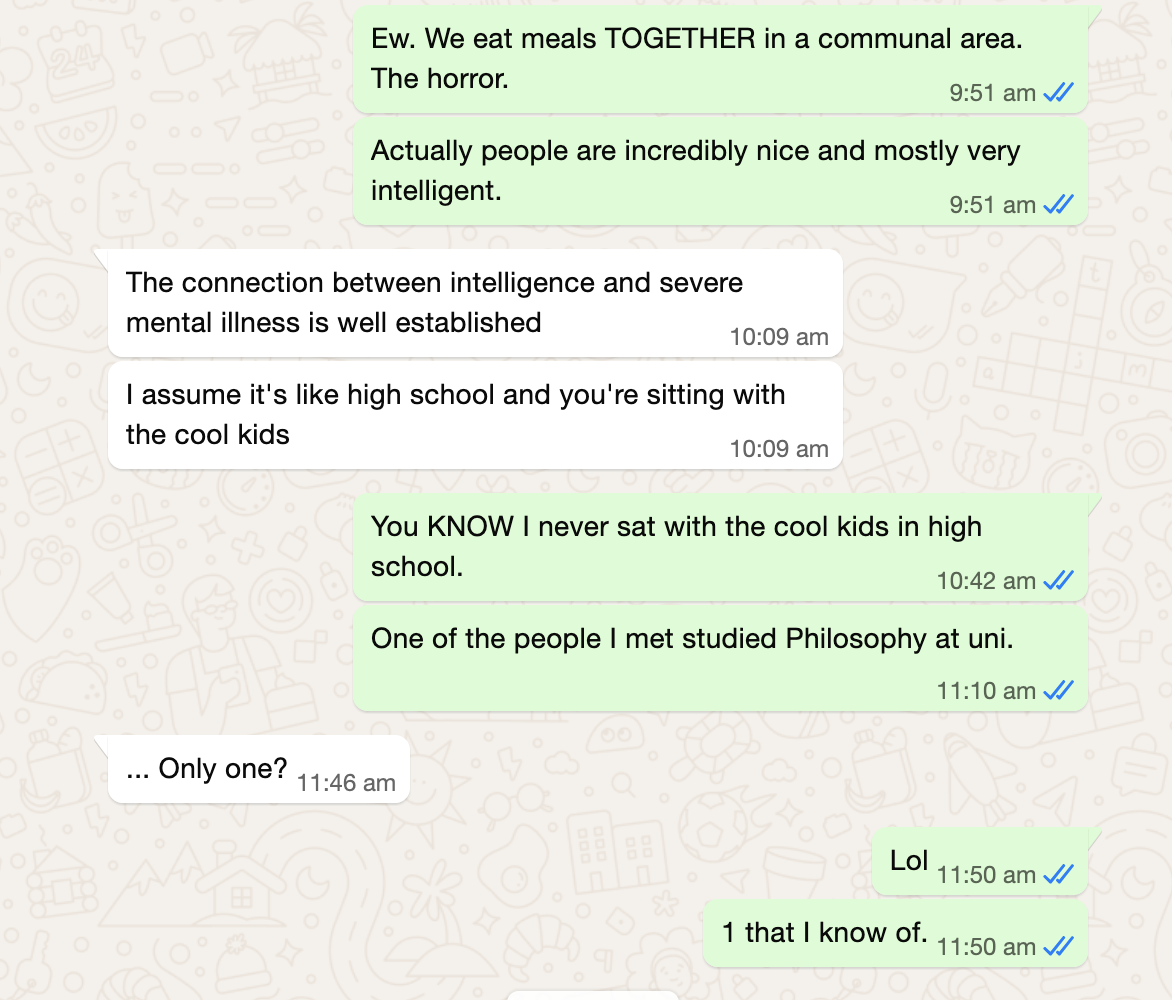
Several days later, I asked Mei if she actually spoke any French. She does not.
“Ah,” I said. “Hannah just got enthusiastic?”
She nodded.
I definitely found that almost everyone I talked to was obviously both intelligent and kind. Which is lovely, and also very much not surprising if you think about it at all. Sadly, kindness and intelligence are risk factors when it comes to mental illness. A lot of the world’s loudest and most powerful people are both dumb and cruel.
I brushed my teeth, and then a nurse came into my room and sat down and asked how I was, clearly expecting a detailed, thorough, and honest response. It was impossible to answer without crying, but that’s nothing new. It was very weird to have a full-on conversation with a nurse. Generally all they want to know is whether one’s physical pain is more or less than the previous day. It turned out that the psych nurses do this whole sit-down conversation every day. And technically it’s the same thing—is your pain more or less? But it feels very different. It certainly takes longer.
Soon after that she took me to see the weekend doctor, who had me go through things again (I was getting much better at summarising by now) and then increased the weirdness factor by asking how I was finding the ward. Did I feel safe? Was I comfortable?
I blurted out that my back hurt because of walking back and forth from my room to the main area, and that none of the chairs were suitable for me as I usually minimise pain by dividing my time between my bed and an armchair with arms to lean on (I’m most comfortable lying down, but if I lie down for too long that will also start increasing pain levels). To my surprise, they asked follow-up questions about whether some of the chairs around would be helpful.
I was even more surprised some hours later when the nurse pointed out a specific chair and asked if it was suitable, then when I said yes told me I could take it to my room. Which I did.
Once again, I was being treated so much like a human that my pain was discussed like… it mattered? And should be minimised if possible, even if I wasn’t actively dying? So weird. This is NOT how the health system usually works.
On the other hand, I asked if they had hospital physios who could visit me in the ward to help with pain management, and they said no. Some physios around Canberra are willing to travel, but of course I couldn’t afford that and there’d probably be a delay of several weeks anyway. (In a shocking twist, chronic pain and depression are linked. Also, stress causes pain. A physio would be a useful thing for a lot of mentally ill people.)
I had an EKG that day too, and they tested blood pressure twice a day. Presumably those are two relatively simple measures that can quickly indicate if something physical has gone badly awry. Holistic health is smart.
At lunch time, I was given roast beef with mashed potato. This was extremely exciting as I can eat both meat and potatoes (although I’m moderately intolerant of gravy). I also met my room-mate at last, a younger woman named Missy with the marks of self harm decorating her arms like beautifying scarification from an undiscovered desert tribe. She was, as I had guessed, friendly and kind. I relaxed more than I usually relax in an opening conversation and asked her if she was Autistic, making it clear that I am Autistic myself and that it’s a compliment. I was apparently not the first one to bring up the possibility to her, lol.
I would have liked to get to know Missy better but she went home. Which is good, of course. Just personally inconvenient.
There was the usual several days of confusion over my various medications. It turns out that even a Webster pack isn’t good enough; the hospital wants to supply all meds itself. Except, as it turns out, cannabis oil. They don’t have a licence to dispense that, sadly. But I’m happy to report the only meds I missed out on during my stay were eye drops, and I could make up for that by using a heat pack on my eyes. There is a microwave but it’s in a locked kitchen so I had to get a staff member to heat it for me every time, but I managed it. That was easier than coordinating my eye drops, because I need to lie on a bed to administer them, and my bed was (for me) a fair distance from reception, where medications were kept.
When Missy and I were in our room, we mostly ignored each other except for practicalities such as, “Let me know if I’m too loud.” It occurred to me this is a nice way to pretend we have actual privacy, which is important. Later on I had a chattier room-mate (also very sweet) but that was okay too.
I basically never wore a bra, and I wasn’t the only one. However, we were expected to change our own bedlinen as needed (not to actually wash it though) and someone at a breakfast briefing reminded everyone to keep up with their personal hygiene. It’s entirely possibly that was for my benefit, if I’m honest. I showered on the Saturday (without soap, as the only soap seemed to be some shampoo Missy left there) and actually that was the only shower I took the whole time because I was so tired out from everything. I ALMOST showered various times but wasn’t able to manage it.
Nurses checked on us very frequently, day and night, and also checked our belongings daily for dangerous objects. But they always tried hard to be as respectful as possible and not to interrupt us if we were sleeping or doing something.
Every week day there were about four activities that we were encouraged to join. Usually a morning bushwalk was one of them; one was something psychological like methods for dealing with anxiety; and at least one was some kind of art or music therapy. Talking to people at meals, although surprisingly pleasant, was enough to exhaust me so altogether I joined exactly half a session. But I’m glad they were there.
I remember one of the men crowing at another in delight because he’d found the nine-letter word on one of the word searches. If I’m honest, I filled in a word or two myself and felt quietly proud about it.
Over that first weekend my mood shifted all the way over to manic and I was (sort of) having a lovely time. Without the need to supervise my family (much—I was still reminding Chris of things and checking in on his tenant-prep progress, which was impressive) I could sleep when I wanted (other than meal times), read as much as I liked, daydream, and so on. If I felt social, I could walk out to the lounge and there’d always be someone there. I could wheel my bed away from the wall and then lie down and see this view, which I very much appreciated:
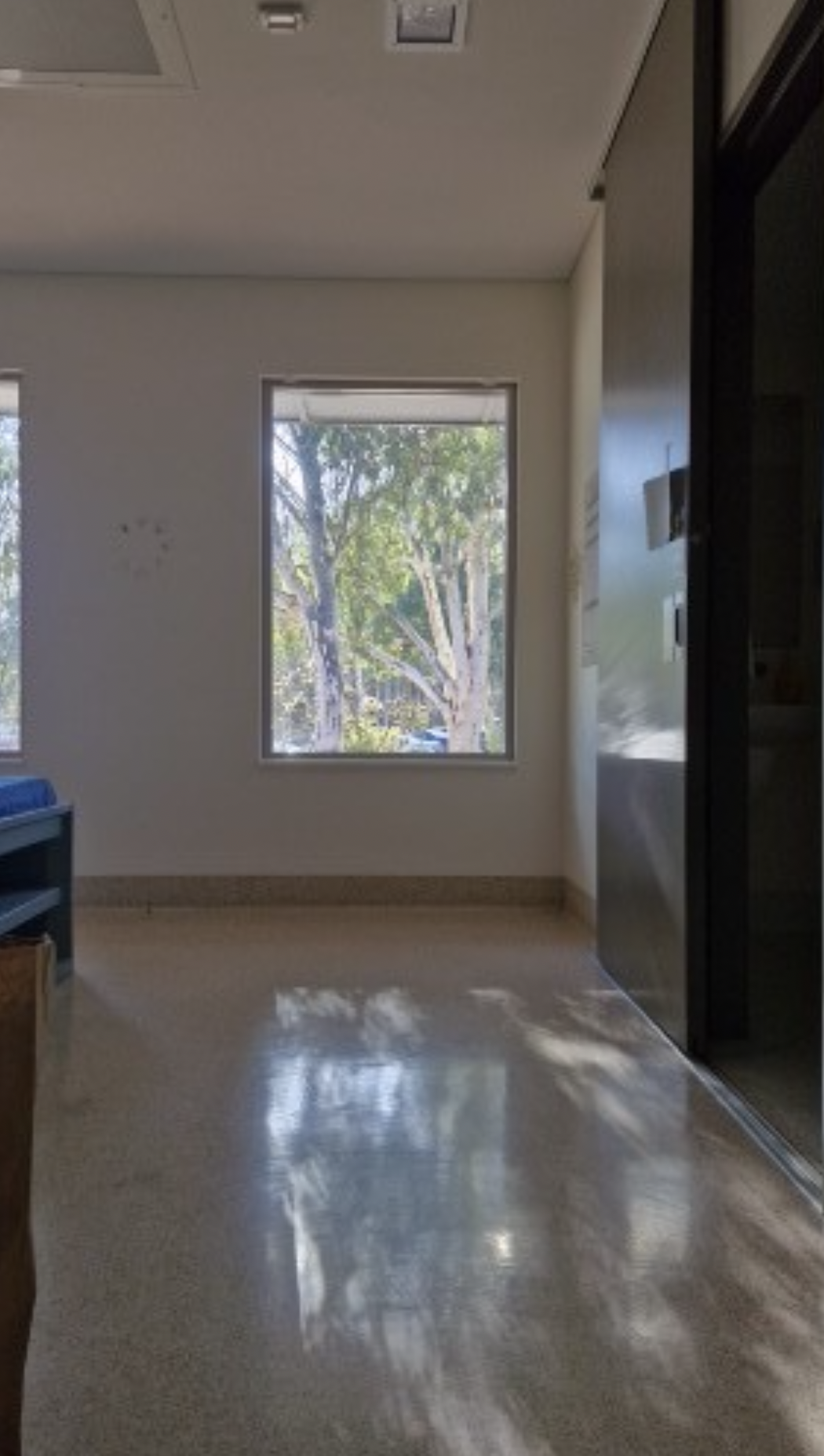
As you can see, Missy’s bed was plastic rather than an adjustable hospital bed. You can also see there’s no blind on that window. Every single blind in every room was broken to the point that they had to be taken down and away. (You know what you need to fix that kind of thing? DECENT HEALTH FUNDING.) So I was lucky that I wasn’t on the window side after all.
Once when I was in the dining area Mei was in the lounge and started crying. Two of the other female patients immediately went over and comforted her. Maybe this whole “having people get to know each other” thing isn’t such a risky endeavour after all. (I fled the scene like the coward that I am.)
Another day, one of the patients told me that he was super uncomfortable with another patient and didn’t like the idea of continuing in the same ward. So yeah, that happens too. From what he told me, the scary patient had made some jokes that were maybe intended to be ironic. I presume if someone was dangerous they would be moved… somewhere. Not sure where though; it’s not like the budget is likely to have room for frivolities like separating dangerous people from the rest. (During one of my other hospital visits I was in a room with a man who was talking to himself out loud about how he mustn’t hurt the nurses, they were only doing their job. I chose a moment when he wasn’t within earshot and told the nurses what he was saying, adding my opinion that he was nearing the end of his rope and needed a solo room. They said he was totally fine and hadn’t given them any trouble. He continued to talk through his violent urges several times per day. Cool.)
Days, weeks, or years from now, when you hear about a mentally ill patient being assaulted by another patient and everyone is asking, “How could this have been prevented?” the answer is proper health care funding.
Although the psych ward is locked, patients are typically allowed to sign themselves out for twenty minutes at a time, several times per day. So really it would be quite easy to escape if you wanted to.
Romantic relationships are forbidden, of course. Mental illness is complicated enough without throwing more chemicals on the fire.
I did some writing, which was great as I hadn’t touched my writing for at least six months. It always makes me feel more myself, and I am rare in that my fiction writing does actually get paid. (Not much, but some. There are people out there who buy everything I write, which is incredibly flattering.) I haven’t done any writing since I came home from hospital, except for this blog. Which is something, but not ‘true’ writing as far as I’m concerned. For me it’s the difference between doodling with a pencil and painting with oils. But if pencil work is all I can do, then I need to do that. Plus this particular blog entry is very meaningful, because it might help someone else go to hospital who would otherwise be too scared.
Nights were usually quiet, but one night I heard a man yelling and another night I heard a woman pacing up and down, saying loudly, “It’s a prison. It’s a fucking prison!” Most hospital wards have a skeleton crew at night, but I noticed that this ward seemed to have a decent amount of staff at night. Smart, considering a lot of mental illness stuff gets worse when the sun goes down.
Most patients were very easy to talk to, but one woman with long white hair and very bright green eyes muttered to herself quite a lot, and although I did talk to her a couple of times her volume never changed so I couldn’t make out what she was saying. Honestly, I gave up. The nurses seemed to handle her just fine, and sometimes other people talked to her (although they had trouble hearing her too). I think she liked me, as she sat at my table once or twice.
Once I was settled in, I kept my own lactose-free milk (labelled of course!) in the patients’ fridge. One day, I opened the fridge to find that everything had been thoroughly categorised and re-arranged. Normally there was a pile of sandwich spreads and minor snacks (like the ubiquitous jelly pots) jumbled in the top shelf of the door. That day, they were sorted by type and stacked neatly. And so was everything on the tables. And on the bench where various foods were always found (usually several teas, coffee, Milo, crackers, biscuits, brown and white bread, fresh fruit, etc, but some things ran out sometimes). We had a new resident, and she was determined to neaten everything, everywhere, all the time.
I very much enjoyed the company of a rather handsome Kenyan man named Aguta. He felt ambivalent about his status as an immigrant, and I enjoyed talking to him about it. Hannah also talked to him a fair bit, especially when I was there, and we had one conversation about colonialism and culture that was super interesting and deep. I could see Aguta being left behind but fascinated. Later he told me that Hannah and I “sounded like a podcast” and I know just what he meant. Talking to Hannah was like being in an unusually good tutorial at university. I haven’t had a conversation like that in years, partly because I know my brain isn’t what it used to be and I’m scared to expose myself as less intelligent than my friends. Aguta is definitely intelligent and his life could have gone in a nerdy direction (like Hannah and I) but he’s very physically clever as well so he’s gone for a more tradie-type life. He’s taught himself 3D printing and all sorts of things. Talking to him was a treat in its own right and he is one of those guys who has a really gentle, safe vibe. If you scanned a group of men looking for someone to mind your kid, you’d pick him. He asked for my email so he could buy my novels and I gave him the titles instead because (a) The nurses encourage us NOT to exchange details as we’re not in a good decision-making state, and (b) If he gets to know my normal self, he won’t be quite as impressed with how brilliant and talented I am, because he met me when I was manic and on my most charming behaviour, and with almost no real responsibilities to distract me. Oh, and (c) I already have several mentally ill friends to worry about and it’s emotionally risky to take on more.
I regret that now, as I wonder how he’s doing. And I’m sure his high opinion of me wouldn’t crumble THAT much. Plus I believe that a mentally ill friend who is self-aware enough to check into a psych ward is unlikely to hurt me by killing themself.
One of the patients, Wren, has a toddler daughter named Sparrow (okay, none of these names are real) who visited most days and ran up and down the hallway screaming with laughter while Wren played with her. She was adorable.
One day I came into the lounge and found several long-haired patients including Wren and Hannah braiding each others’ hair. It turned out that Wren wanted to know how to braid Sparrow’s hair, and so someone was teaching everyone else how to do it. I would have loved to join in (and I know I would have been welcome) except my hair badly needed washing by then. It was a beautiful scene though. There were plastic flowers around the place from one of the art classes and one of the older ladies decorated her braid with flowers. It was such a lovely, kind, inclusive community… as beautiful and as fleeting as dandelion seeds on the wind.
The doctor officially diagnosed me with Bipolar Type 2 (as Bob has said for years) and started me on a mood stabiliser, but said he’d like me to stay at hospital for a few days in case of side effects. I read about the medication a little, and it takes quite a long time to make a difference. But at least my skin didn’t slough off, which was the side effect they were watching out for. So THAT’S nice.
Each day, Hannah picked fresh Rosemary and Sage from the garden in the psych ward’s private courtyard and blessed the communal piano keyboard with them. When my kids visited, my son was extremely enthusiastic about the table tennis table. I even played one game with him (and won, hah!) There is also a book room (far away from the lounge, so it was perfect for private conversations), a rather nice guitar, an exercise bike, and games and puzzles and suchlike. There were also various brochures, not just on stuff to help us psychologically, but on places to report abuse or get legal help. That is so important and good because psych patients are extremely vulnerable to abuse.
One day, two people from Feros Care (which helps with NDIS/disability support related stuff) visited. There was an instant queue for their help which is an excellent indication of what every disabled or chronically ill person already knows: Illness and disability is very financially stressful; help is very difficult to access; and the relationship between those facts and severe mental illness is no coincidence.
They helped me a lot. I still haven’t managed to actually apply for the NDIS for myself (I am so very traumatised by the whole process) but I HAVE managed to hook up with Carers ACT (as a carer for my daughter; I can’t seem to figure out how to get support for Chris as my carer yet)… and yesterday a cleaner came to our house and I actually got some real help!! There was so much dust in some of our light sockets that they magically started working after getting cleaned. (Chris and I keep a reasonably clean house but we both have ADHD and no amount of willpower is going to make us truly competent.)
One day, Hannah showed me what was written about her in her file. She was furious that they described her as manic, saying that her real problem was low iron and gluten intolerance. I made polite noises. Later in that same conversation (with Hannah, Aguta, and I) I was talking about how a study has shown that people sense something “off” about an Autistic person within seconds of meeting them, but they don’t know it’s Autism. That study has comforted me so much as I’ve had some close friendships blow up really dramatically and even years later I’m still hurt and confused by the whole thing. I mentioned how much I, as a writer, don’t feel like I know someone until I know their faults, and that that probably doesn’t help people get along with me either.
“Do me,” said Hannah. “I won’t be offended.”
“Uh… are you sure?” I said.
“Yes.”
“Okay then,” I said, and without any further warning or hesitation, “You’re definitely manic.”
She shoved back her chair and swore.
Aguta was wide-eyed.
And then we kept talking.
Hannah is an absolute shining sun in this life. I often heard her singing or playing her flute (both of which sounded really nice) and always felt a room was brighter if she was in it. She forgives instantly and unconditionally, always. Her only drawback is that she doesn’t see how she absolutely definitely is totally manic. And, it’s difficult to keep her on topic (much like anyone with ADHD, which she may also have, but mania makes it worse).
She gave me her number, and I waited a few days after I was out of hospital to make sure I wanted to open the door to an ongoing friendship, then I messaged her. At the time of writing, she is still in the psych ward. And she is my friend.
As per usual in hospital, someone somewhere wrote “diabetic” on my food file and my choices were modified as a result (to something that was less healthy for me). I think I may have forgotten to fill out the menu once or twice too.
One night, after I’d taken my pre-dinner insulin, I got out my food tray and realised there was nothing I could eat. There was mashed potato, which is usually reasonably safe, but I’d been eating it twice a day (and definitely getting signs that I was eating too many risky foods) so I couldn’t face it. Presumably there was lactose in it, and I’d passed my tolerance limit.
Once you take insulin, you need to start eating a proper meal within twenty minutes or you risk a blood sugar event including possibly a coma.
I’d already bought a cafe sandwich for my lunch, and couldn’t stomach another one. I freaked out a fair bit, and even worse when I had trouble negotiating the uber eats app. But I drank a Milo (with my milk, and my personal stash of Milo) to keep my blood sugar from dropping in the short term, and eventually managed to order and enjoy some fish and chips. Still, it was scary stuff. Altogether I spent over $100 supplementing the hospital food just because of my intolerances, which for me is a lot.
Six days after I arrived, the doctor said I was free to have an unsupervised outing for up to five hours. I went home, spent some time in our inflatable spa (it helps so much with pain levels), showered and washed my hair, and cooked a delicious dinner. It was amazing.
That was Thursday. In the morning of the same day, Aguta told me that he was allowed to go home for good. He was so nervous his hands were shaking. I congratulated him and said I’d miss him.
The next day, Friday, the doctor said I could go on another weekend outing if I wanted, and could almost certainly go home on Monday; ten days after I had arrived. I didn’t go on any more outings because Chris was doing amazing pre-tenant work that I didn’t want to interrupt (or participate in if I could avoid it).
Aguta stayed in the ward too. He just didn’t feel ready for the real world.
On Monday, I said goodbye to my roomie, to Aguta, to Mei, and to Hannah. And once I’d had one last check-in with the doctor and all my meds were sorted and everything, I went home. A little scared, but looking forward to proper food and my shower and spa and family.
It’s just under a month later and I’m still very depressed but pootling along okay. I have good moods sometimes, so not every day is just a miserable wait for endless hours to pass. My partner and I found a really cool tenant (neurodiverse and self-described recluse) who moves in on Sunday, which will help our finances a lot even though it will be hard to cope with the lack of space. I went to work yesterday for the first time post-hospital and it was sort of really nice and sort of really awful (like going to work with the fatigue of the flu).
Aguta has discharged himself from hospital now, and I bet he’s doing fine.
Hannah is still on the inside, visited most days by her parents. I’m sure she’s still brightening the whole ward with her hot pink hair and her presence, although I hope she lets the doctors medicate her for mania soon.
I might go back to the psych ward one day. I might not. But I know it’s there if I need it.
Crunchy Noodle Salad
I’m intolerant of most vegetables, so when I eat a salad it has to be good enough to make up for likely stomach cramps. At the moment, this salad is something I look forward to making for days.
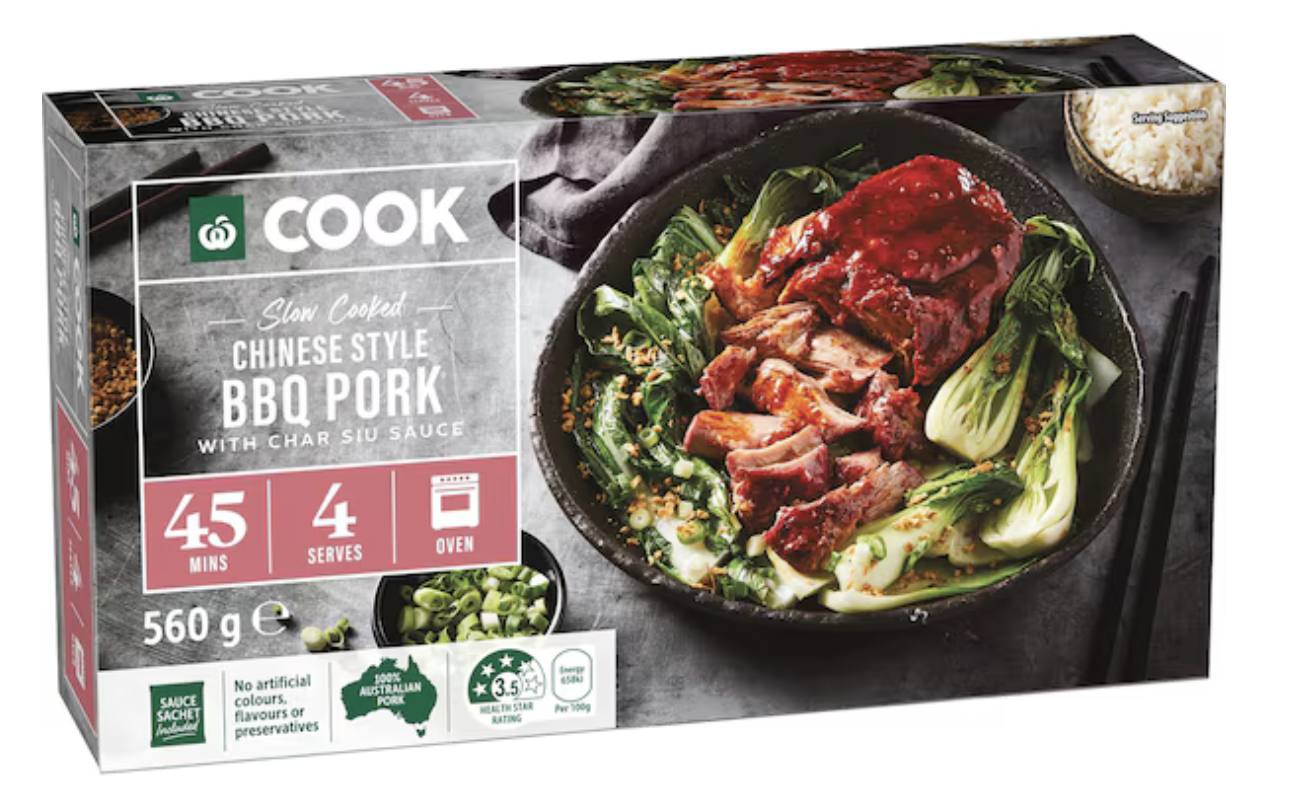
It is specifically designed to use up leftover meat (eg after a roast). So it’s great for leftover chicken or whatever. Don’t have leftovers? I love these roasts from Woollies, which are a great size for two adults but cost around $15 each. The pork was nicer than the beef in the salad. It could be really handy for a single person, who could cook a roast one night and Crunchy Noodle Salad the next night with the leftover meat.

Three people in my family like this salad, so I add roasted salted peanuts as well to fill it out. They are excellent and work really well in the symphony of flavours.
The dressing is super easy, super popular with kids, and is delicious with many things (salad, meat, dumplings, etc).
Accessibility
*There’s a fair bit of chopping involved, so if standing up is difficult you can either set up at a table or prepare things bit by bit over several hours (sitting down in between short bursts of work).
*This recipe is extremely flexible (handy for food intolerances and preferences) but I do feel that spring onions (or red onions) and mint are essential because of their distinctive pops of flavour. You may like something with a very vinegary taste instead (like pickled capers). Celery would go great.
*The fattiness is highly adjustable. Eg I put only a tiny amount of dressing on Chris’s meal, and I add more veggies to Tim’s meal. Instead of frying, you can put the chopped meat in a microwave for about thirty seconds with half a cup of water in the bottom of the bowl, then drain the water—that works beautifully for most leftover meat, even when you’re eating it “cold”, because it rehydrates the meat. I especially recommend doing it for cold chicken sandwiches.
*The cost can be really low (eg. with chicken or nuts or tinned fish or tofu).
*It is easy to make.
*You can easily make it vegetarian.
*You do need to cut up leftover (cooked) meat for this recipe… or you could substitute your own protein. I think tinned salmon would be divine.
*It must be eaten within an hour or the noodles go soggy, but you could otherwise make almost everything in advance. Grated carrot sometimes browns a little with oxygenation (so add it last out of the vegetables if you’re making it). The cooked meat must be fried at the last minute too, otherwise it won’t be nearly as nice.
*These quantities work well for three hungry people.
*I often cook duck, and there’s always way too much fat, so I save it specifically for this recipe.
Ingredients
1 pack Chinese style bbq pork or an equivalent amount of meat/protein
Other leftover meat eg chicken OR roasted salted peanuts OR other protein
1 tablespoon sesame seeds
2-3 tablespoons sesame oil and/or duck fat
1 cucumber
Half tin sweet corn kernels
Mint leaves (about five per person, chopped in half or thirds if they’re big).
Half a red onion or 1 bunch of spring onions
A quarter of an iceberg lettuce
1-2 carrots
1-2 packs Chang’s fried noodles
Half cup mayo
1/4 cup maple syrup
Method
- Cook the pork and let it cool in the oven for twenty minutes. (I cook it in the morning then put it in the fridge, but you could skip the frying stage and just cook it in the evening and chop it up after cooling for ten minutes in the oven.)
- Cut cucumber into semi-circles, lay them out flat-ish, and scatter salt on top. Leave them for 10 minutes, then pat them dry with paper towels and put them in a big salad bowl. (Cucumber with ‘sweat’ and get soggy if you don’t do this.)
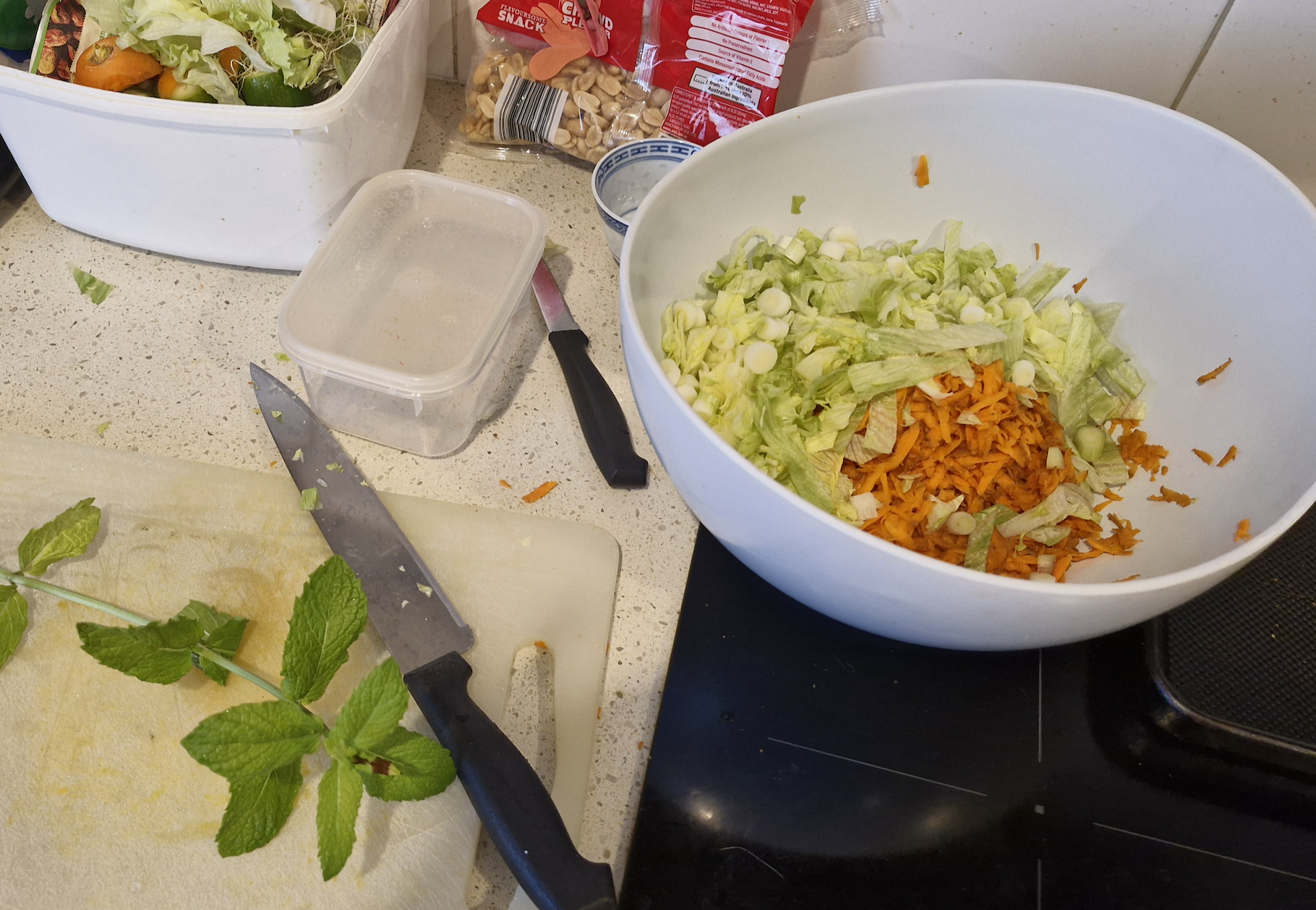
- Drain corn, wash and cut mint leaves, cut onion/s, cut lettuce into strips, then grate carrot/s. Put all veggies/leaves into the big bowl with 1-2 tablespoons of sesame oil and/or duck fat. Mix so everything has a slight coating of fat.
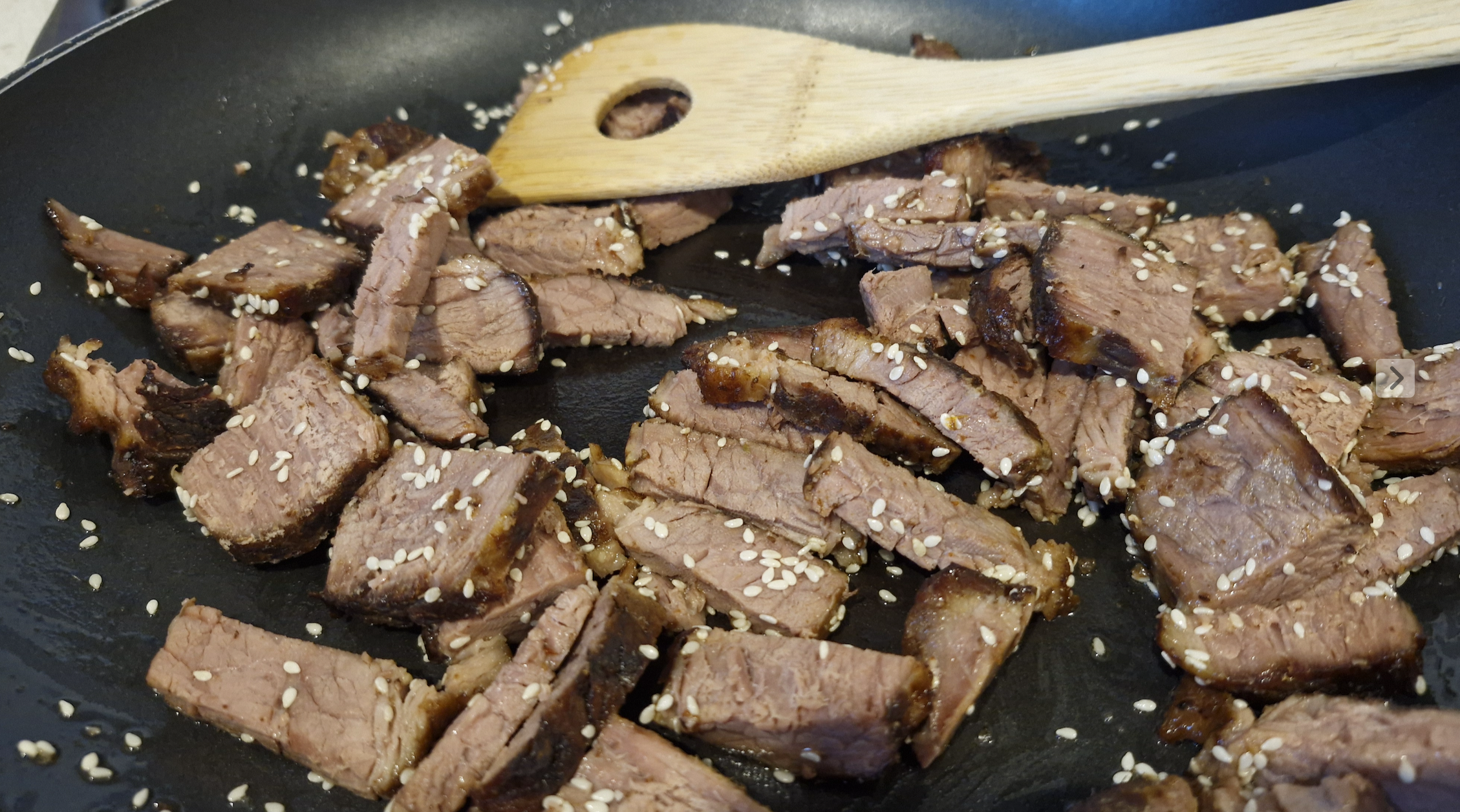
- Chop/shred all meat into bite size pieces or smaller (remove any charred or too-fatty bits). Put 1 tablespoon of oil or duck fat into a large fry pan on heat setting 8. Fry meat for a few minutes, scattering sesame seeds on top, then reduce heat to very low until ready.
- While meat is reheating, mix mayo and maple syrup into a sweet-and-sour sauce/dressing.
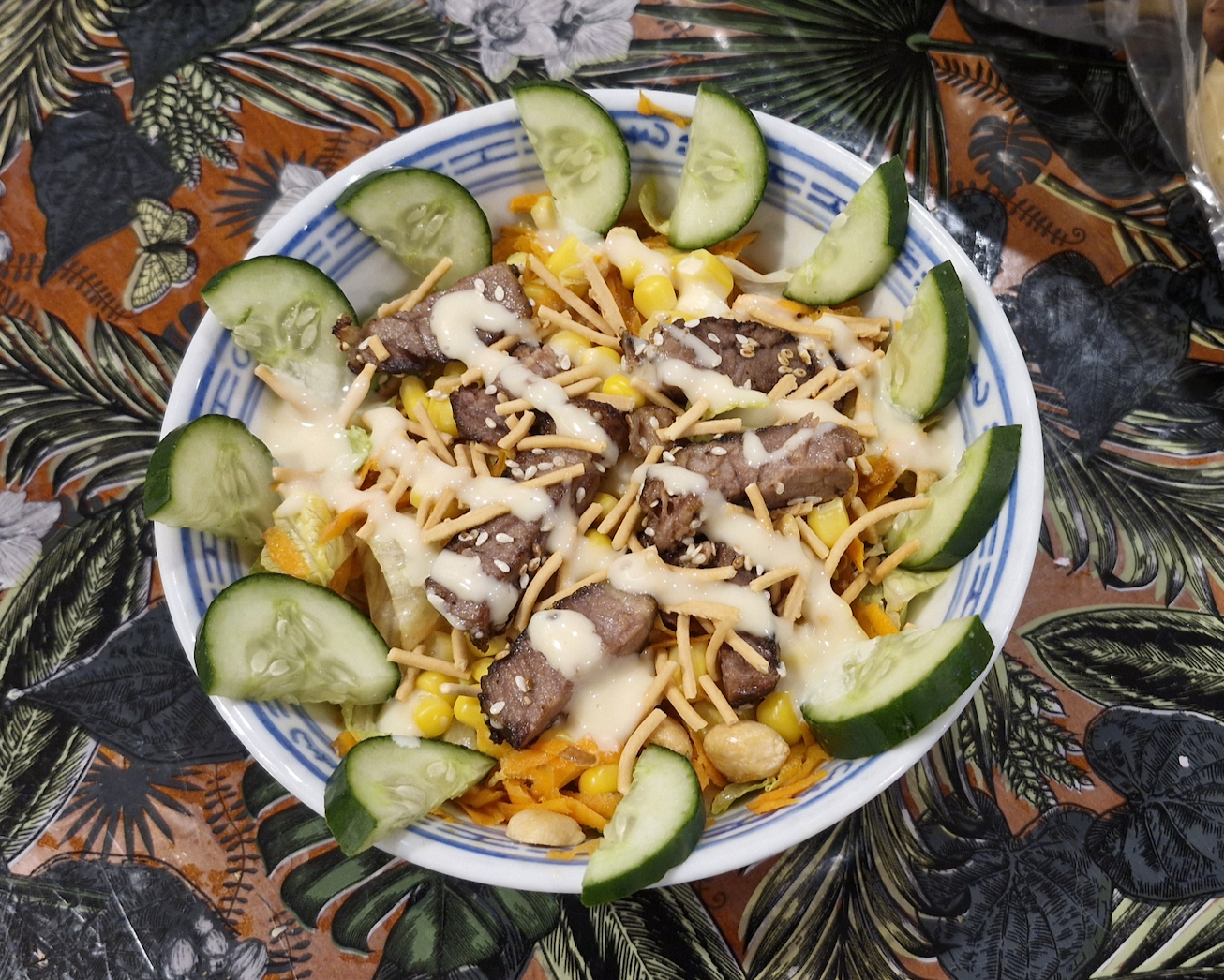
- Mix all the meat and noodles (and peanuts) into the big bowl, serve in individual bowls with sweet-and-sour sauce drizzled over the top.
Semi-Balinese Duck
I went to Indonesia for six months when I was eighteen years old, and literally the only food I enjoyed while I was there was pancakes (martabak/terang bulan and kue dadar).
But in 2024 I went with my family and I fell in love with the food SO HARD, especially Bebek Betutu. I even loved the sambal (chili sauce) served with it (presumably a very mild tourist-friendly version). Bebek Betutu is often translated as “Twice-Cooked Duck” as the duck is cooked for a delicious moist inside plus a crispy outside. I ate it as often as I could, in as many different places as I could. Usually the crispy outside was perfection but the inside varied, so I assume people usually deep-fry it. This recipe doesn’t. I have been working on my own version of Balinese duck which is somewhat non-authentic but still very nice.

Accessibility:
*This is expensive. Two duck breasts at Woollies cost around $15 (and I buy two per person). Spring onions are super expensive too.
*Some skill is required. Having a good nose and steady nerves is very helpful. If you forget about your duck at the wrong moment it’ll be ruined. Also, the duck fat will spatter.
*Very little standing up is needed, so that’s good!
*This doesn’t have many ingredients (the only true essentials are duck and rice) so it can be adjusted easily for food intolerance.
*This is very high in fat, and low in veggies. You can adjust it, of course.
*The curry paste and the turmeric (and everything that touches either of them) are VERY yellow so there’s a high chance of staining, especially if you’re uncoordinated and/or forgetful.
*It is barely spicy the way I make it.
*You need a cast iron frypan. Stainless steel simply doesn’t work. A thermomix is handy but not essential.
*It is difficult to cook this without touching the raw meat, but a determined person could probably manage with tongs.
*If you want to cook more than four duck breasts at a time, you will need another pan and hot plate.
*The finished duck will be slightly pink inside in places, and may leak some juice when it is cut. Double the oven time if you want it all brown (but it won’t be as tender). It should be blushing pink, not bright pink. Unlike chicken, you don’t have to cook every scrap of colour out of duck.
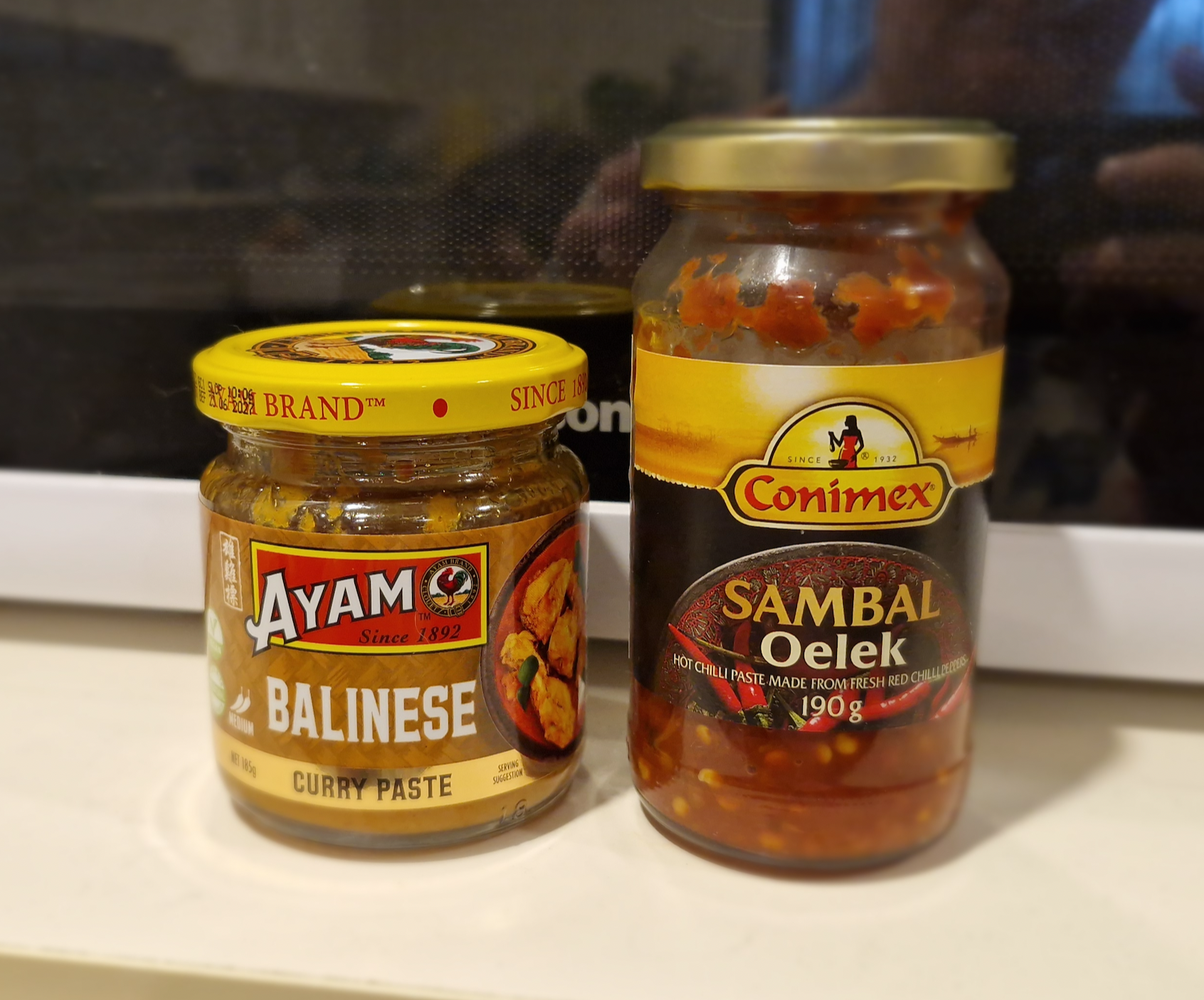
*Everything is available at Woollies, but if you want to be more authentic/spicy you can buy Sambal Oelek online (I mix one part sambal with four parts coconut milk then reduce it over low heat—that makes it milder).
Ingredients:
Duck breasts, two per person.
Rice.
Ayam brand “Balinese curry” jar.
A tin of coconut milk.
1 teaspoon turmeric (optional).
Fresh or fried spring onions/shallots/garlic/onion (I like fresh spring onions best).
1 cucumber (optional).
1 tablespoon sweet soy sauce aka Kecap Manis (optional).
1 tsp brown sugar (very optional).
Method:
- Let the duck sit out of the fridge (in the packet) for about an hour before you start.
2. Preheat the oven to 120 degrees Celsius.
3. Pat dry both sides of the duck breasts with paper towels. Use a sharp knife to score lines into the fat side of each piece, being careful not to cut the non-fat part at all. Lay them in a room temperature cast iron pan, with no oil or anything, skin side down.
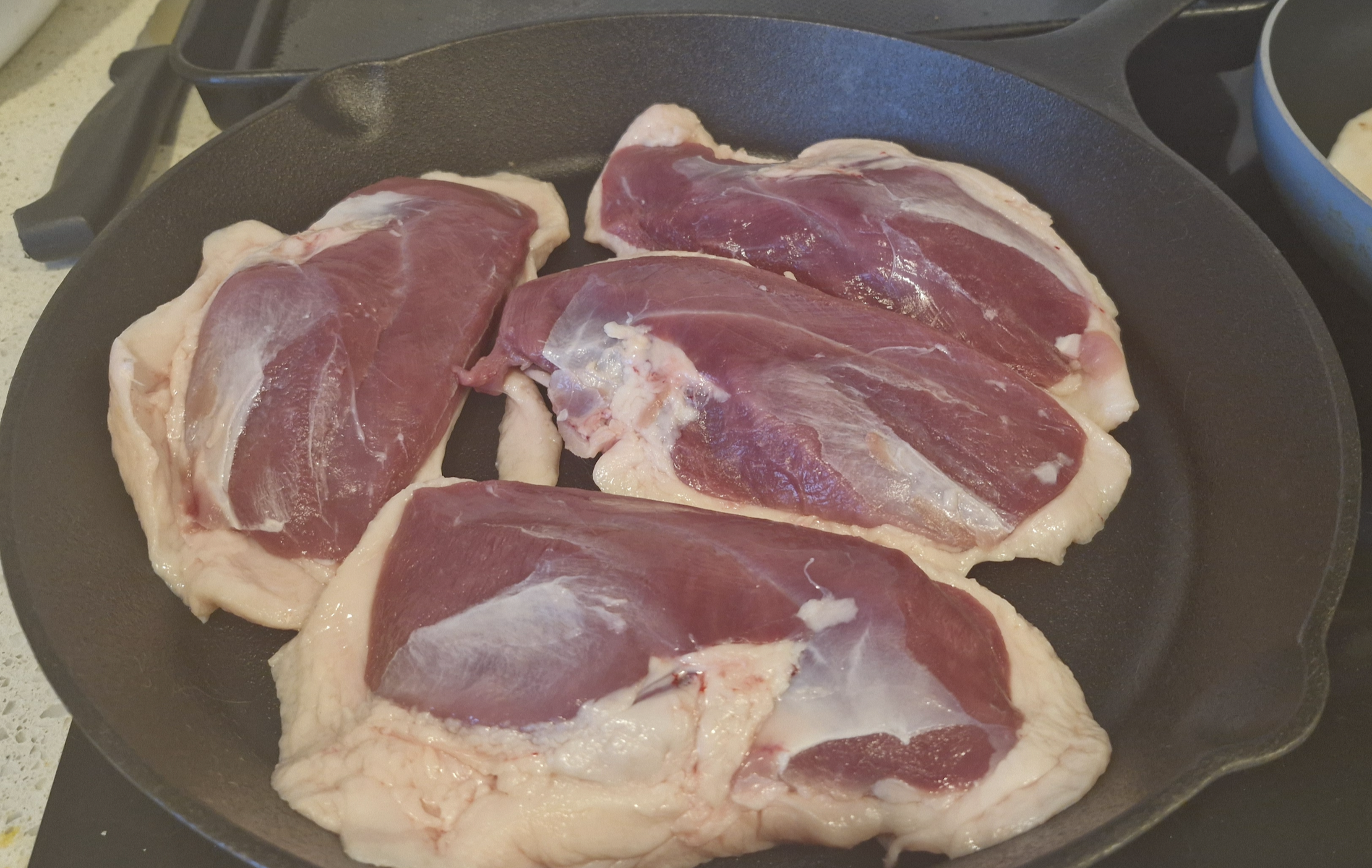
4. Turn on to Heat 4 for 25 minutes. Do NOT move the duck. At all. It needs to form a crust. After about 5 minutes, the fat will start to render. Put a teaspoon of the curry sauce on each piece at that stage.
My biggest issue with this dish is that my hot plate isn’t big enough to heat the whole pan evenly. I try to squash them close together in the centre of the pan (they will shrink in cooking anyway, making space between them). I can also move the pan around to try to cook things evenly.
Lots of recipes recommend putting a second frypan on top of the duck to try to keep the fat flat so it’s all touching the cast iron pan and doesn’t go rubbery. I could never figure out a way that worked.
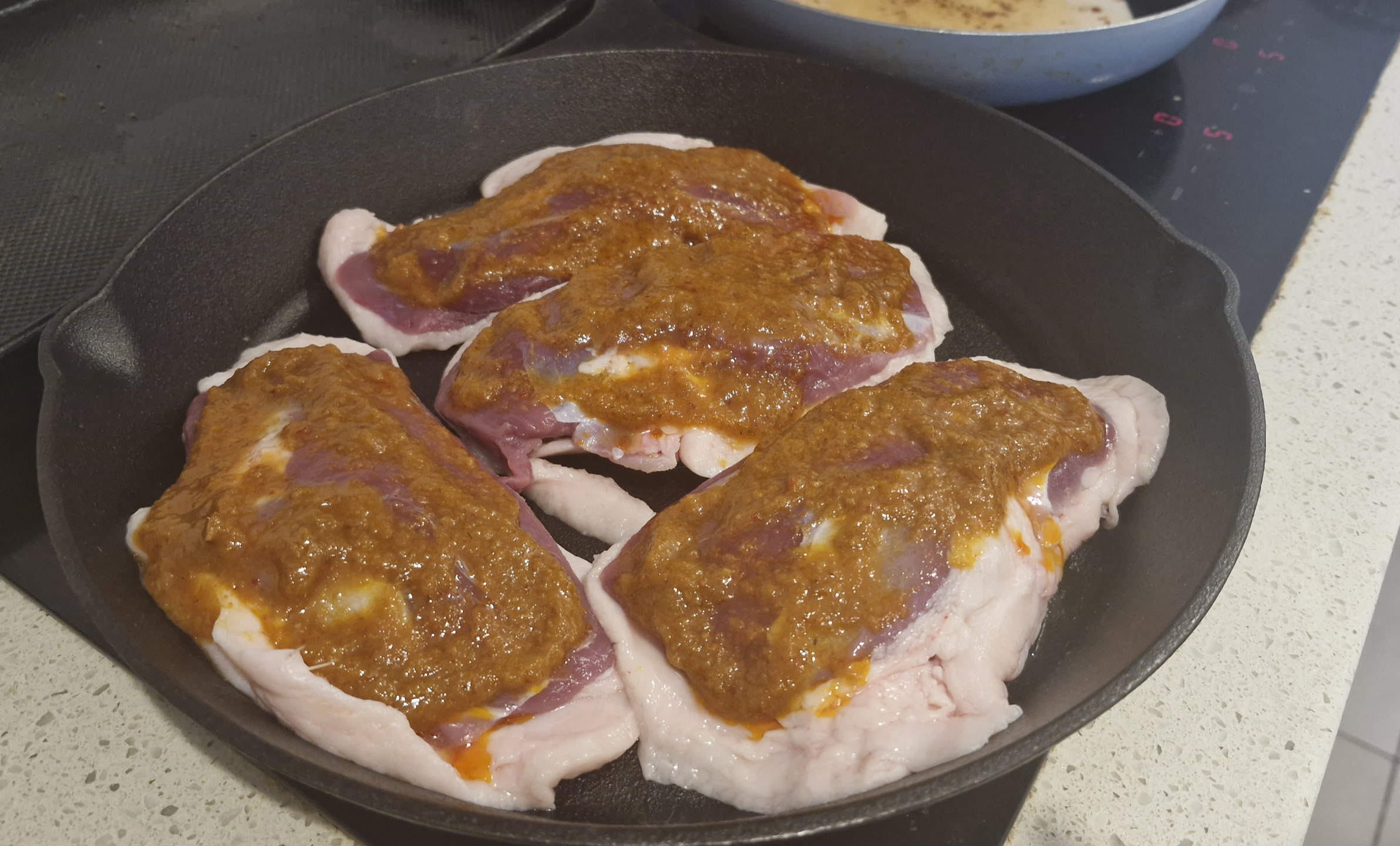
5. Cook the rice, but substitute the coconut milk for some of the water, and mix the teaspoon of turmeric into the uncooked rice. If you are NOT using a thermomix, set aside a couple of tablespoons of coconut milk for the sauce. (If you are using a thermomix, you will use the liquid in the bottom of the jug for the sauce but be warned! It will spit yellow liquid in all directions, so I cover the nearby area with tea-towels.)
6. Chop your onion/garlic (if using fresh onion/garlic) and cucumber.
7. When the duck has been cooking for 25 minutes, turn the heat up to 6 for another 3 minutes.
8. Turn the heat back down to 4 and flip the duck breasts to seal the non-skin side. 3 minutes only.
If you like, spread one teaspoon of brown sugar over one duck breast. This is yum, and is my tribute to the Caramelised Bebek Betutu at the Indus Restaurant in Ubud. They had a version that was both crispy and sweet on the outside. It. Was. Incredible.
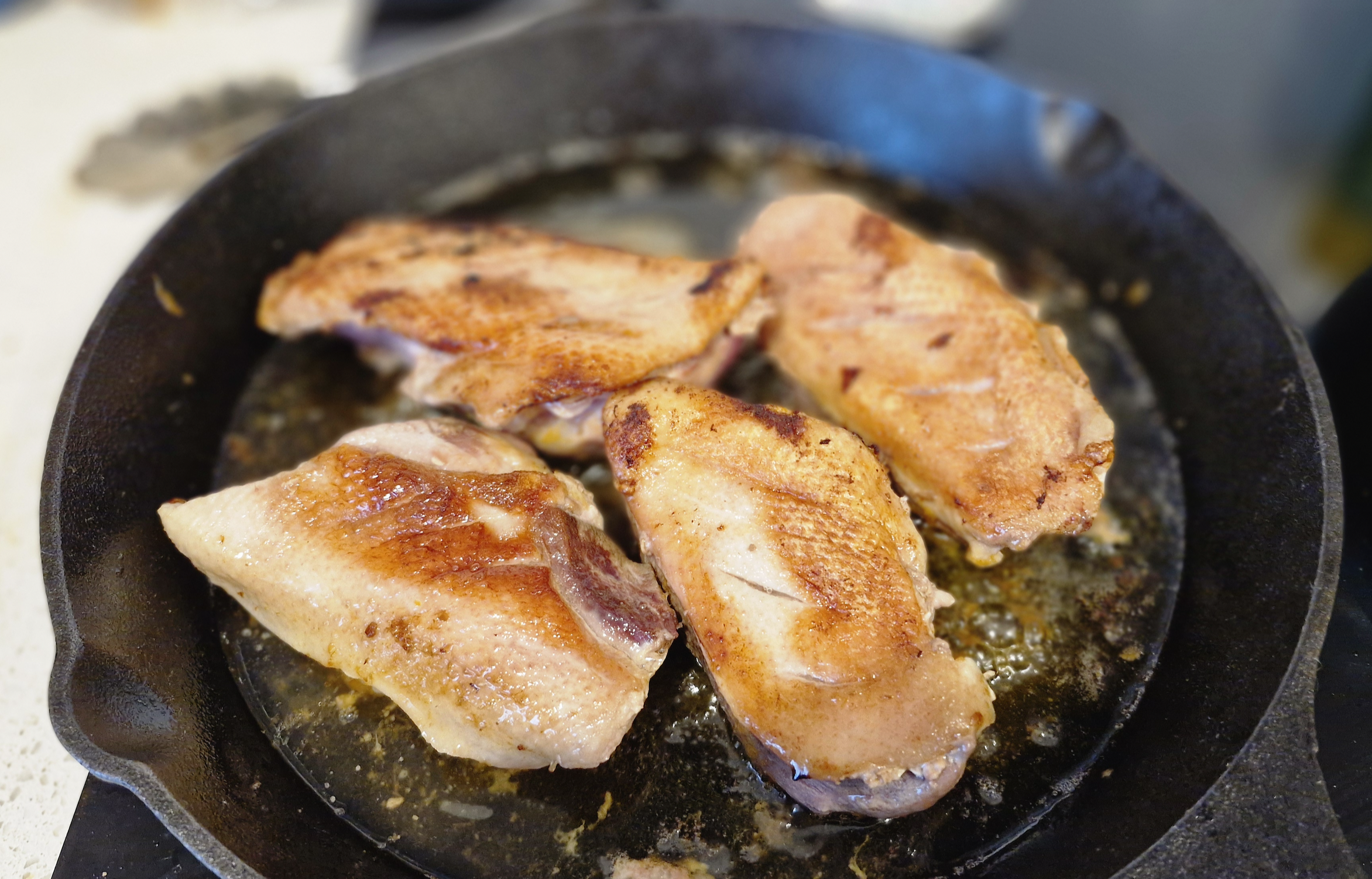
9. Put the duck breasts on a tray in the oven for 10 minutes. When they are done, turn the oven off but leave the duck in the oven with the door closed for at least 5 minutes (I think 10 is better).
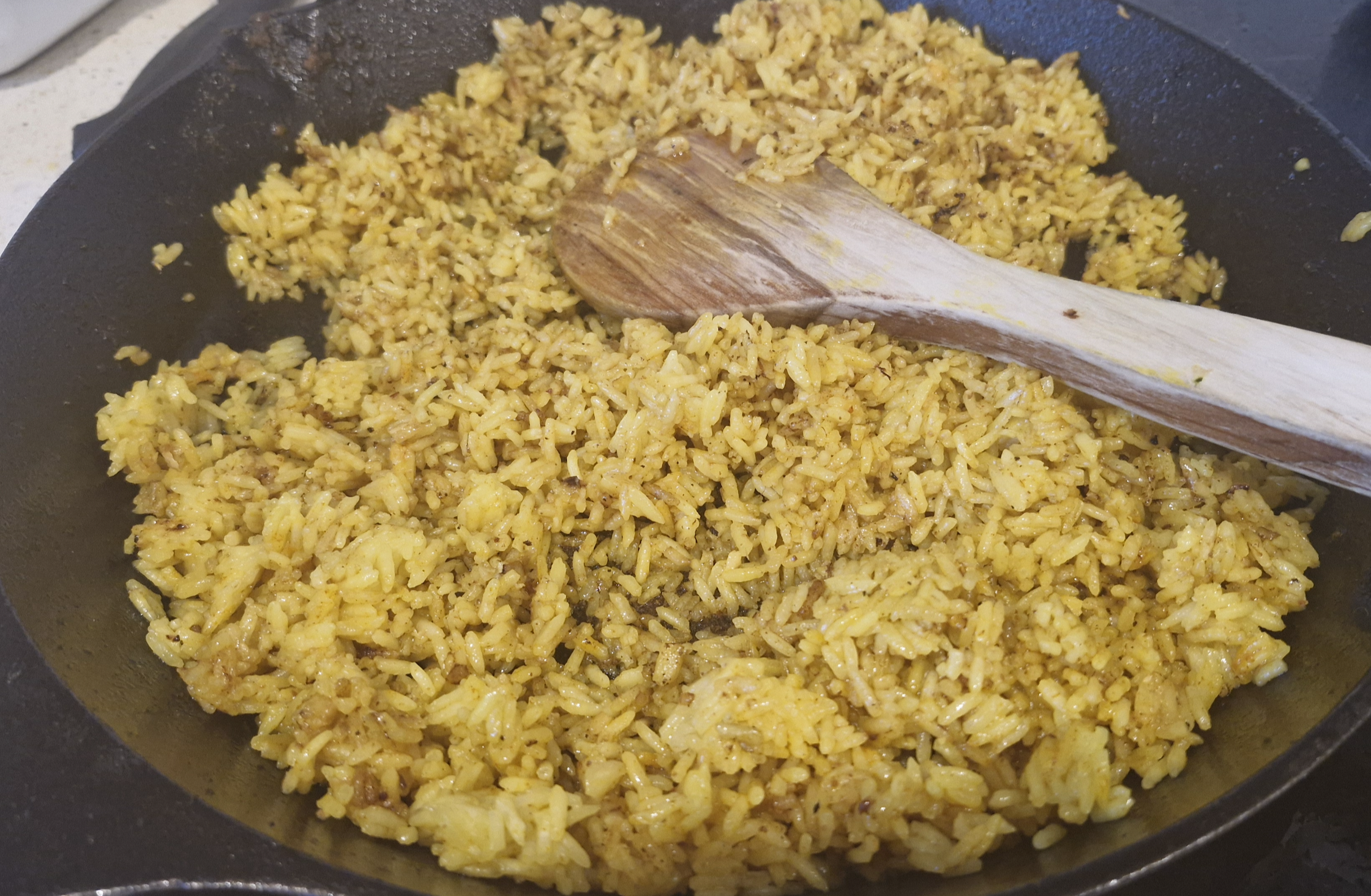
10. Pour most of the duck fat from the cast iron pan into a freezer-safe glass container, leaving a bit in the pan. Fry your garlic/onion in the remaining fat (if it’s fresh onion/garlic; otherwise sprinkle your inion/garlic on the rice when you plate it up), then add the rice and sweet soy sauce. Return a tablespoon of the fat to the rice, and don’t stir it too much once you’ve mixed it all together. If you get it just right, you’ll get crispy rice.
I think the rice would be slightly better if the freshly-fried onion/garlic was removed and then added back at the last minute.
11. Get another tablespoon of the fat to make the sauce. Mix it with the remaining coconut milk (or the yellow liquid from the thermomix jug) and add at least one tablespoon of the curry sauce. Heat it and keep mixing (I use a smaller frypan so it reduces a little).
12. Arrange rice, chopped fresh cucumber, and duck on plates, then pour over the sauce.
Keep the leftover duck fat in your fridge or freezer. It is a brilliant addition to many recipes (specifically, the Crunchy Noodle Salad I’ll be posting about very soon—or any salad that you’re serving immediately). Or instead of oil for almost anything. There will be more fat in your oven tray, so add that fat to the rest. I’m told it has amazing health benefits. It will solidify when it cools, but you can easily heat it when you want to use it.
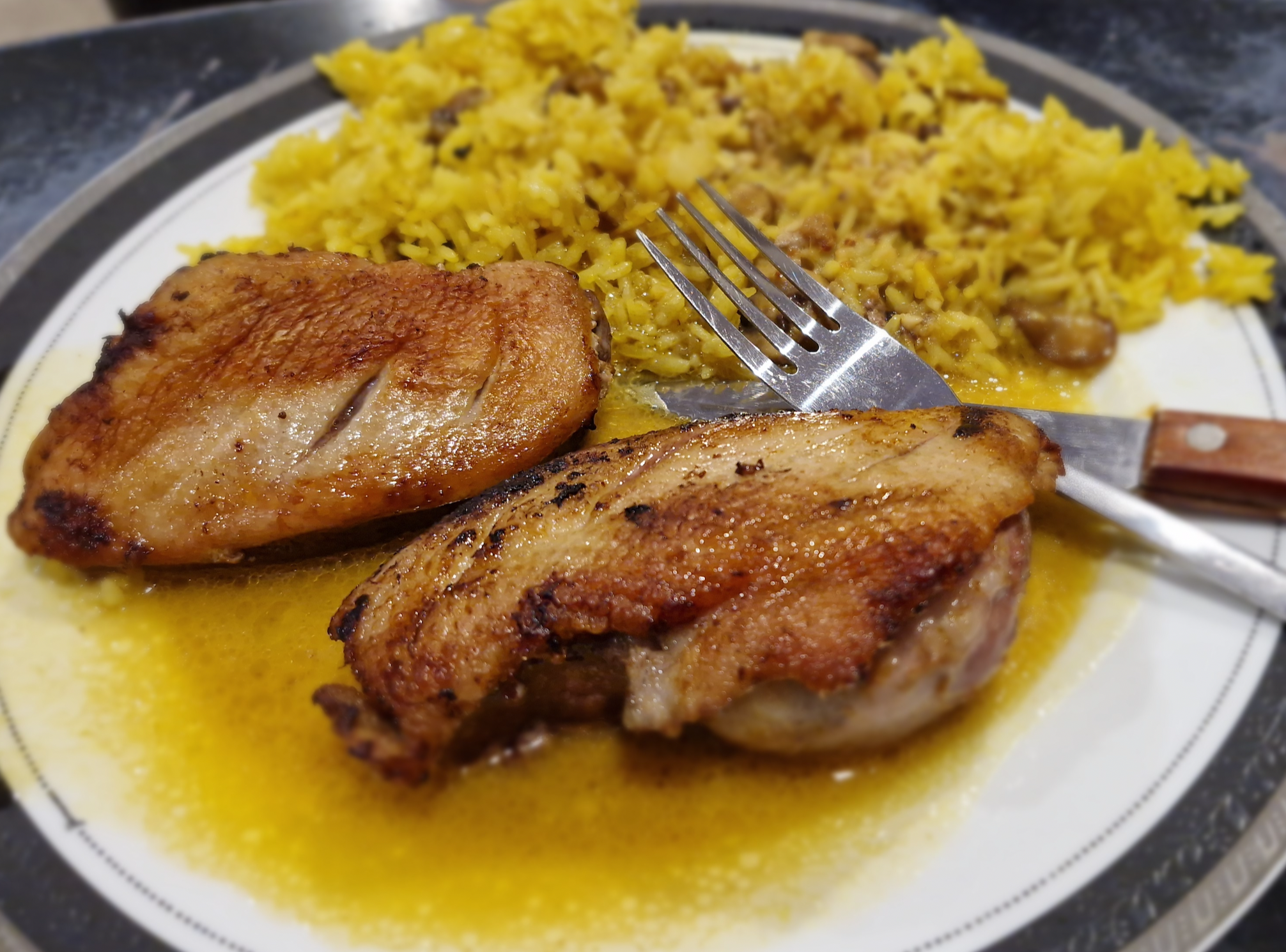
In this first picture, the sauce is quite different to the way I do it now.
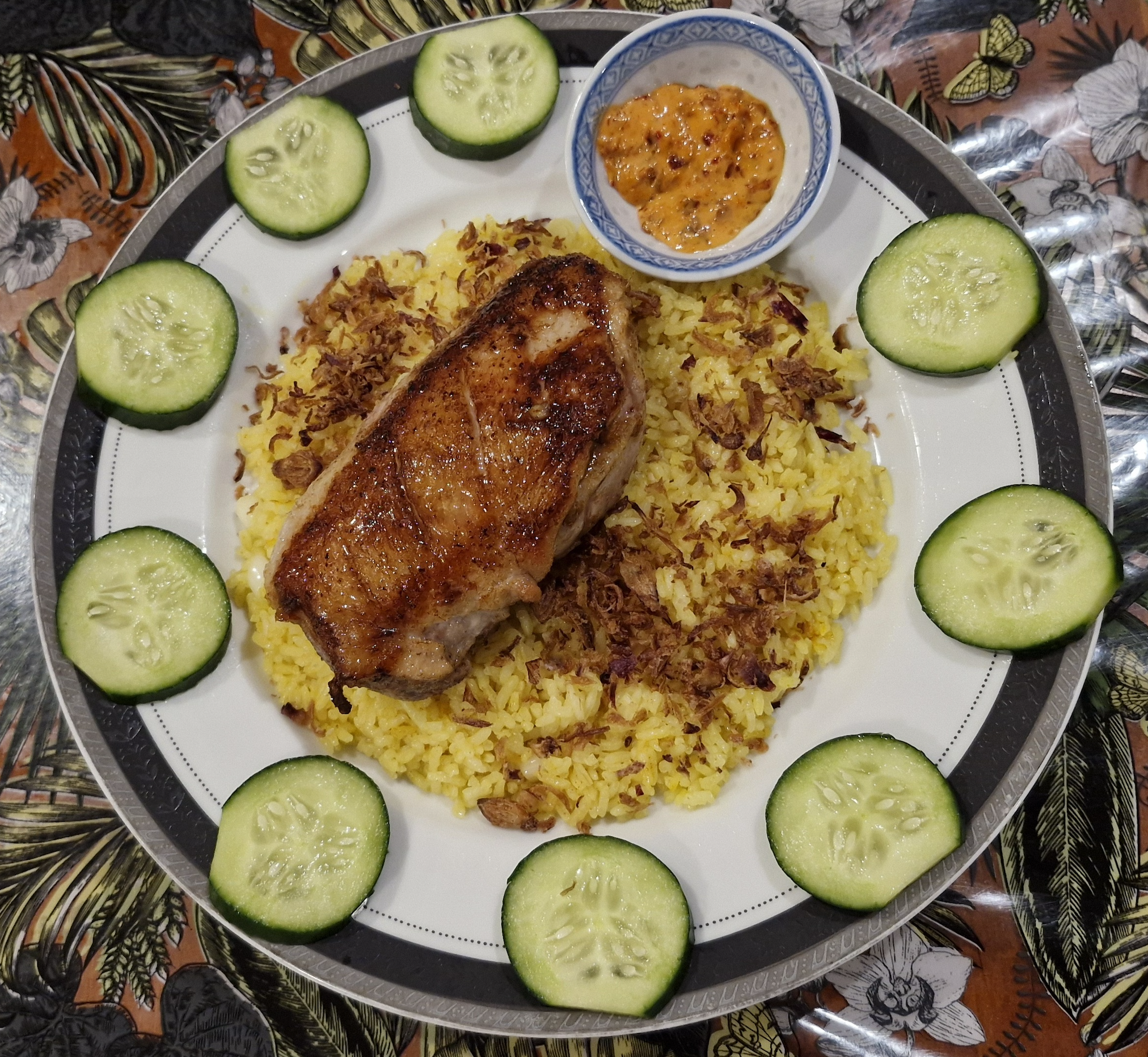
The red sauce in the little pot is my sambal-plus-coconut-milk creation.
A Neuro-Diverse Percy Jackson Party
My daughter Lizzie has fallen HARD for Rick Riordan’s Percy Jackson books.
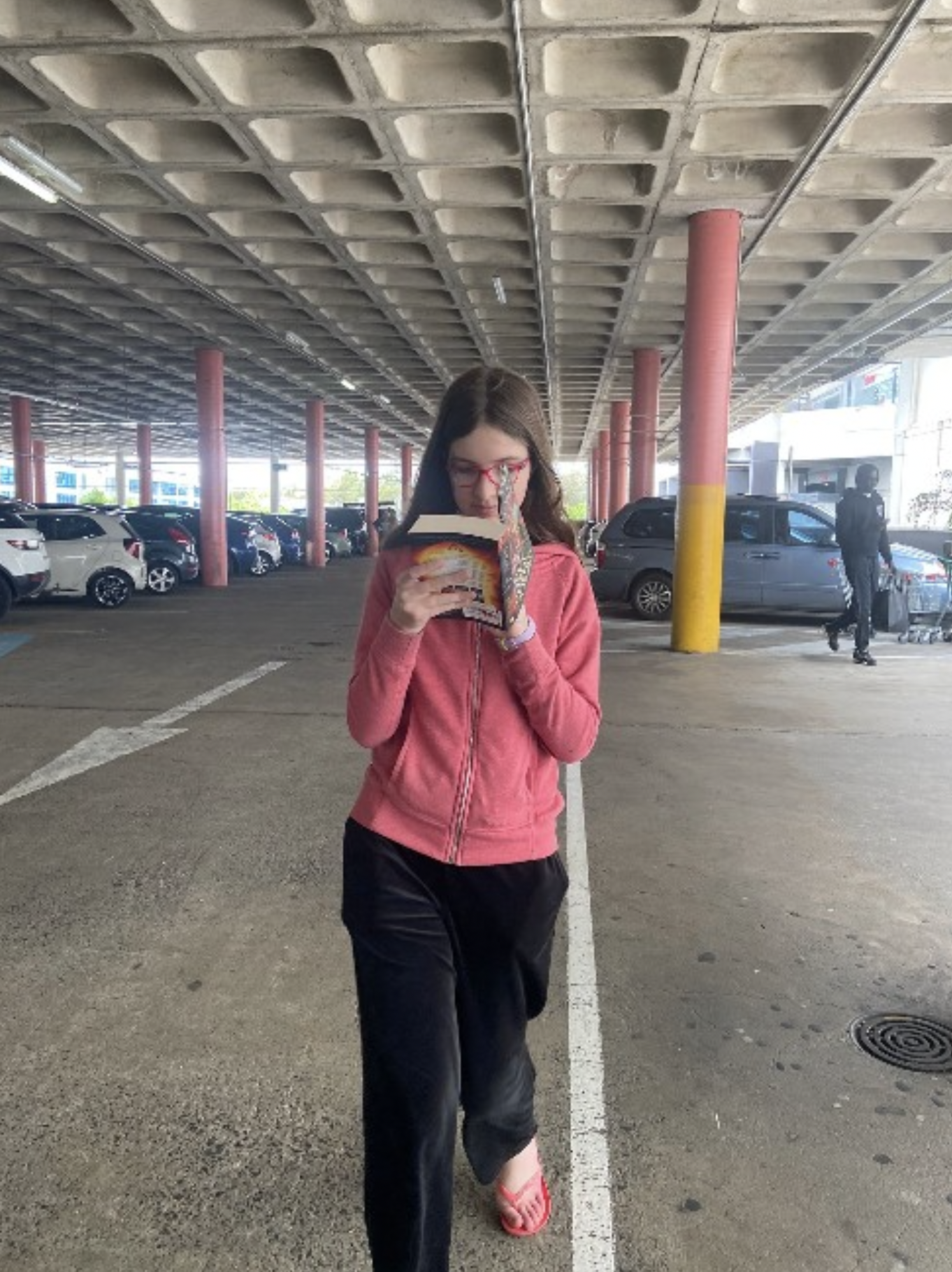
Like me, my daughter has Level 2 Autism + ADHD (inattentive type). She has a seriously wonderful friendship group in which almost everyone is neurodiverse (and almost no-one is straight, lol). I have a pretty good sense of some of her friends, and the rest I can’t really remember properly but I can rely on them to be kind. Which is important later.
The Percy Jackson books are about teenage demigods, all of whom have ADHD (which sharpens their battle reflexes) and dyslexia (because their brains are hard-wired to read Ancient Greek). They go on quests and are attacked by monsters a LOT. The books are very famous (plus the movies and the current TV series) so several of Lizzie’s friends already know the general vibe, and some have read the books (either before or after hearing Lizzie talk about them for many happy hours).
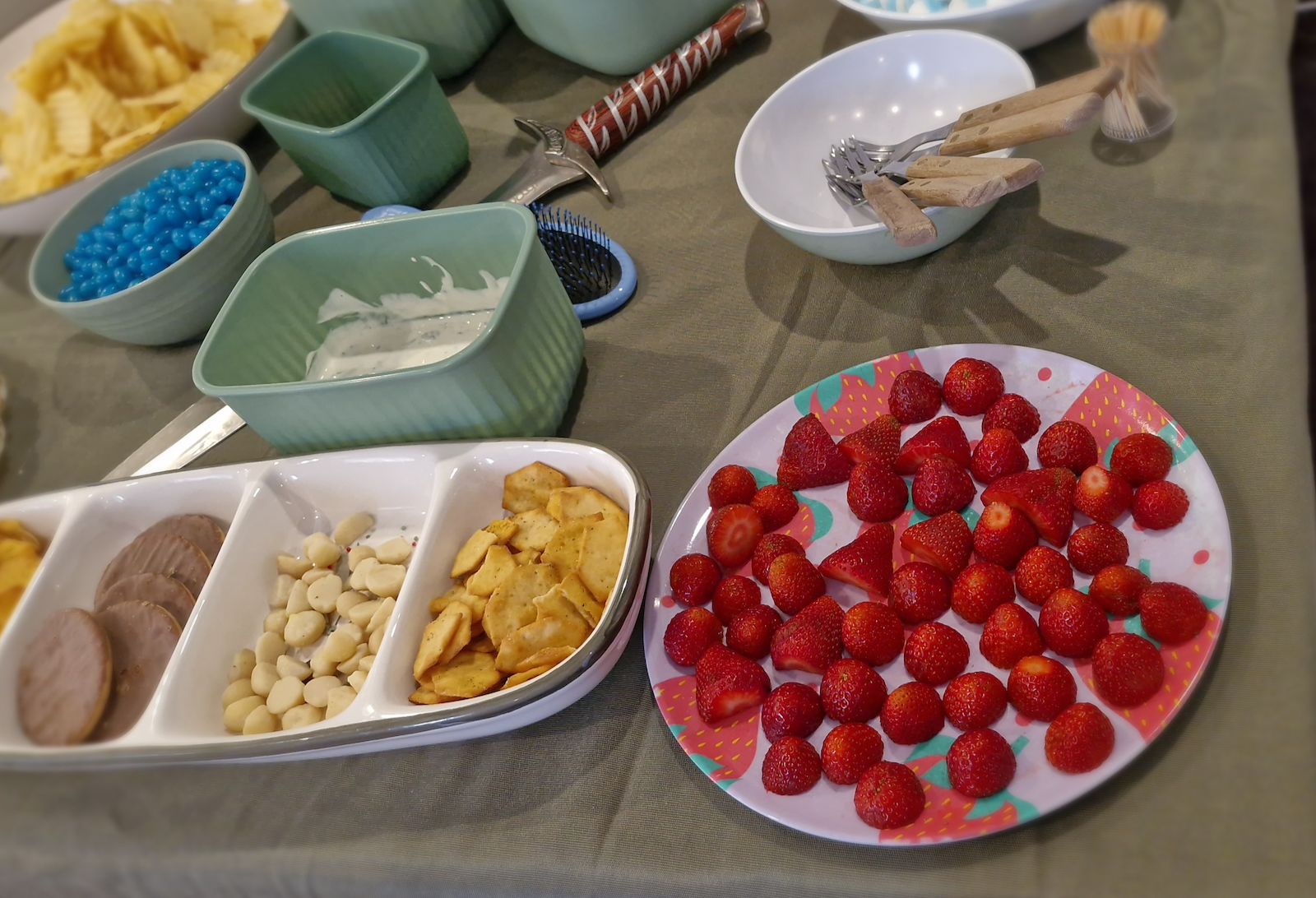
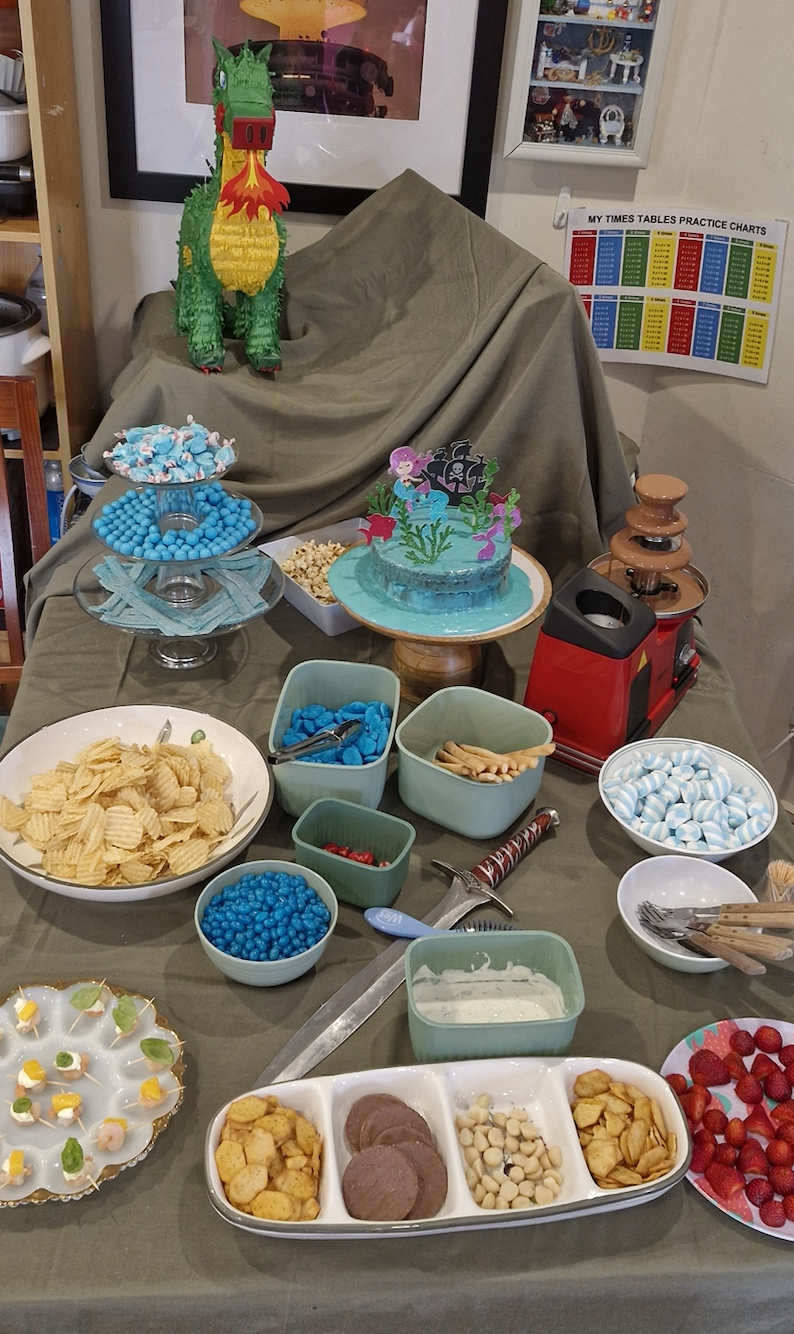
Percy Jackson loves blue food, and is a son of Poseidon (so he’s very connected to the sea). Therefore, the first thing I did was order a bunch of blue lollies online, from Lolly Warehouse who (unfortunately?) provides lollies in bulk. I also ordered about six books from Lizzie’s wish list, and when people asked what to get her I had books ready to give them, which was what Lizzie wanted most. She is also getting a Camp Half-Blood T-Shirt (which I was very anxious to acquire as she was given a “Wise Girl” T-shirt for Christmas and she literally hasn’t worn a different shirt since then! I really want to wash it!)
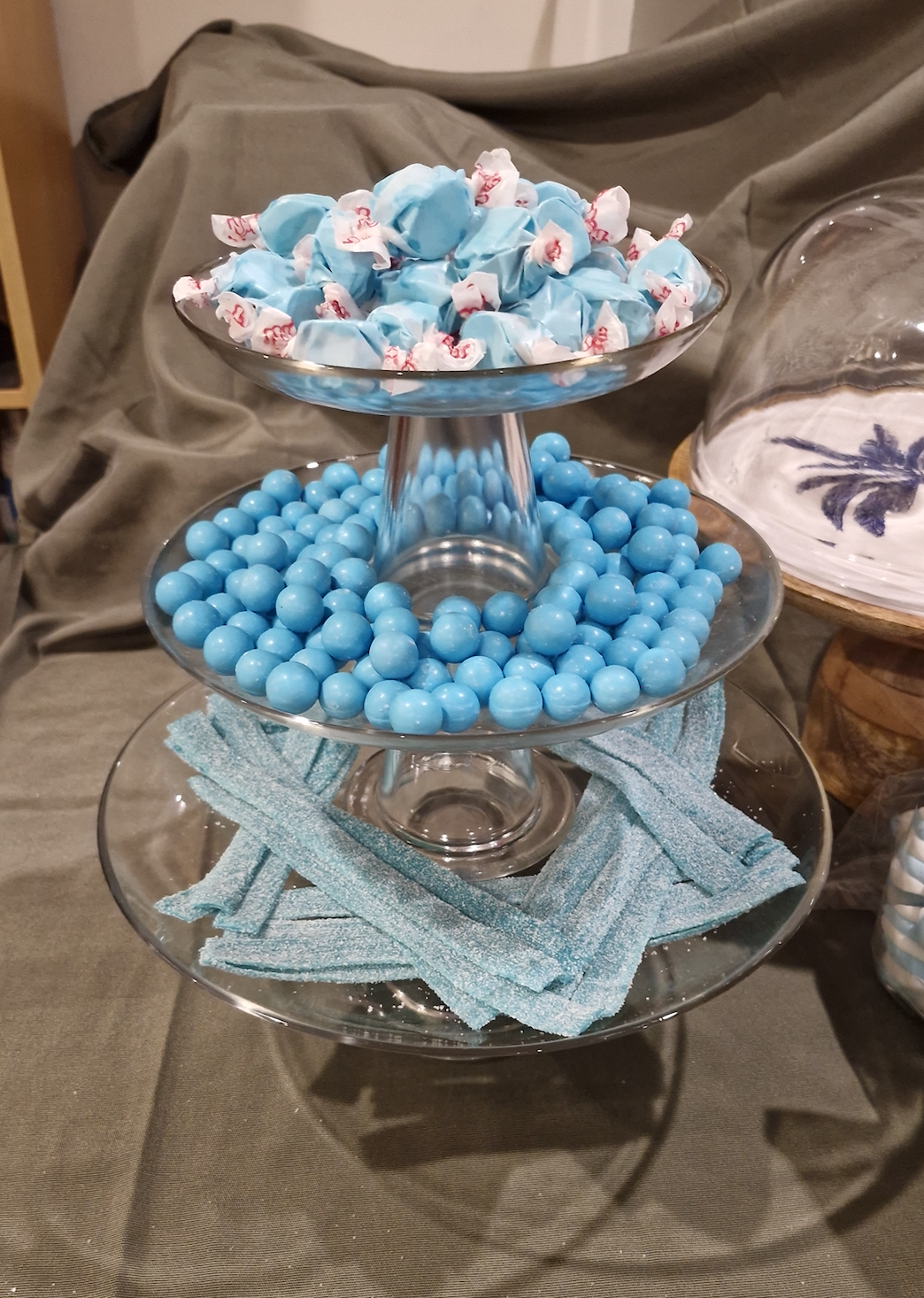
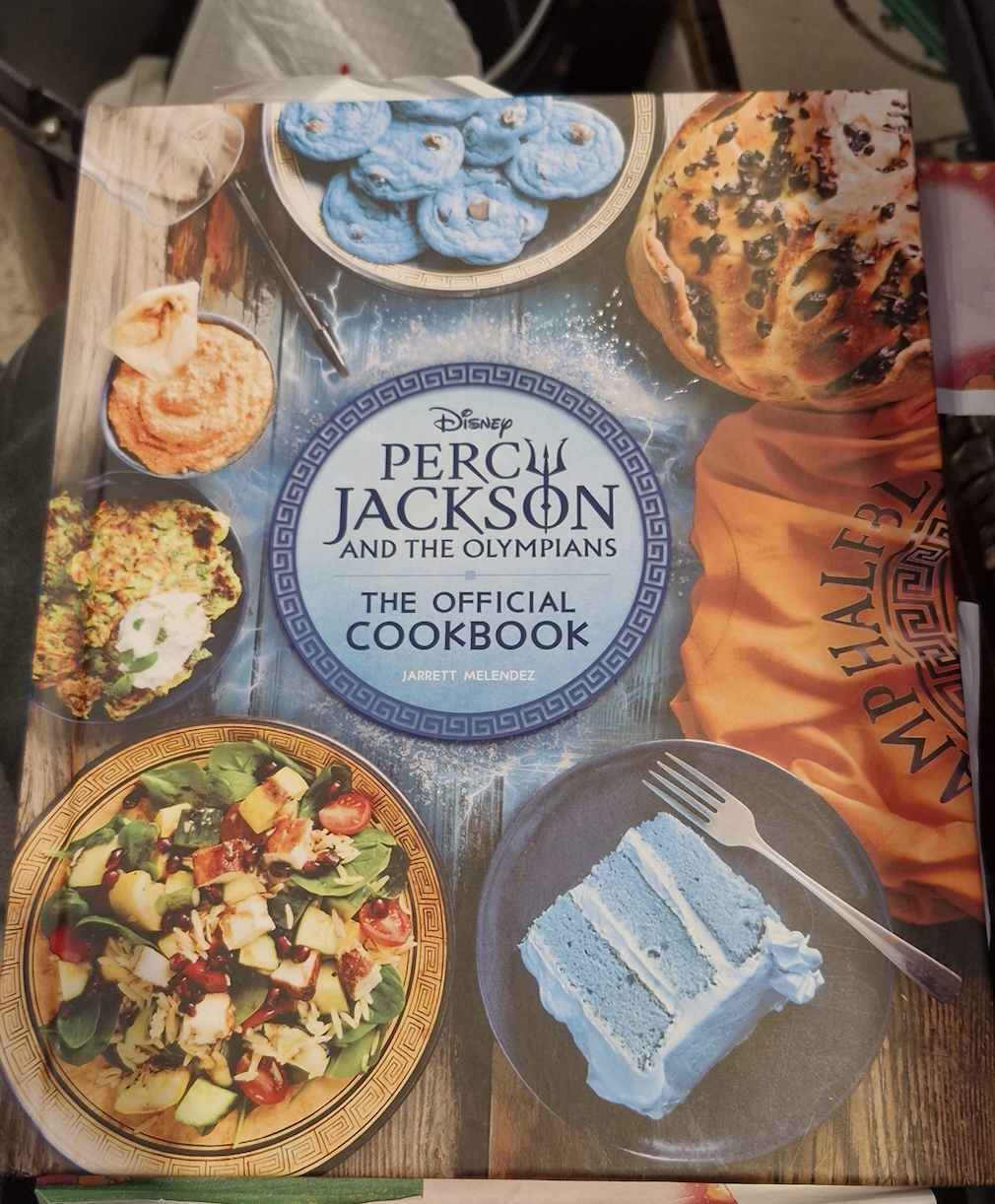
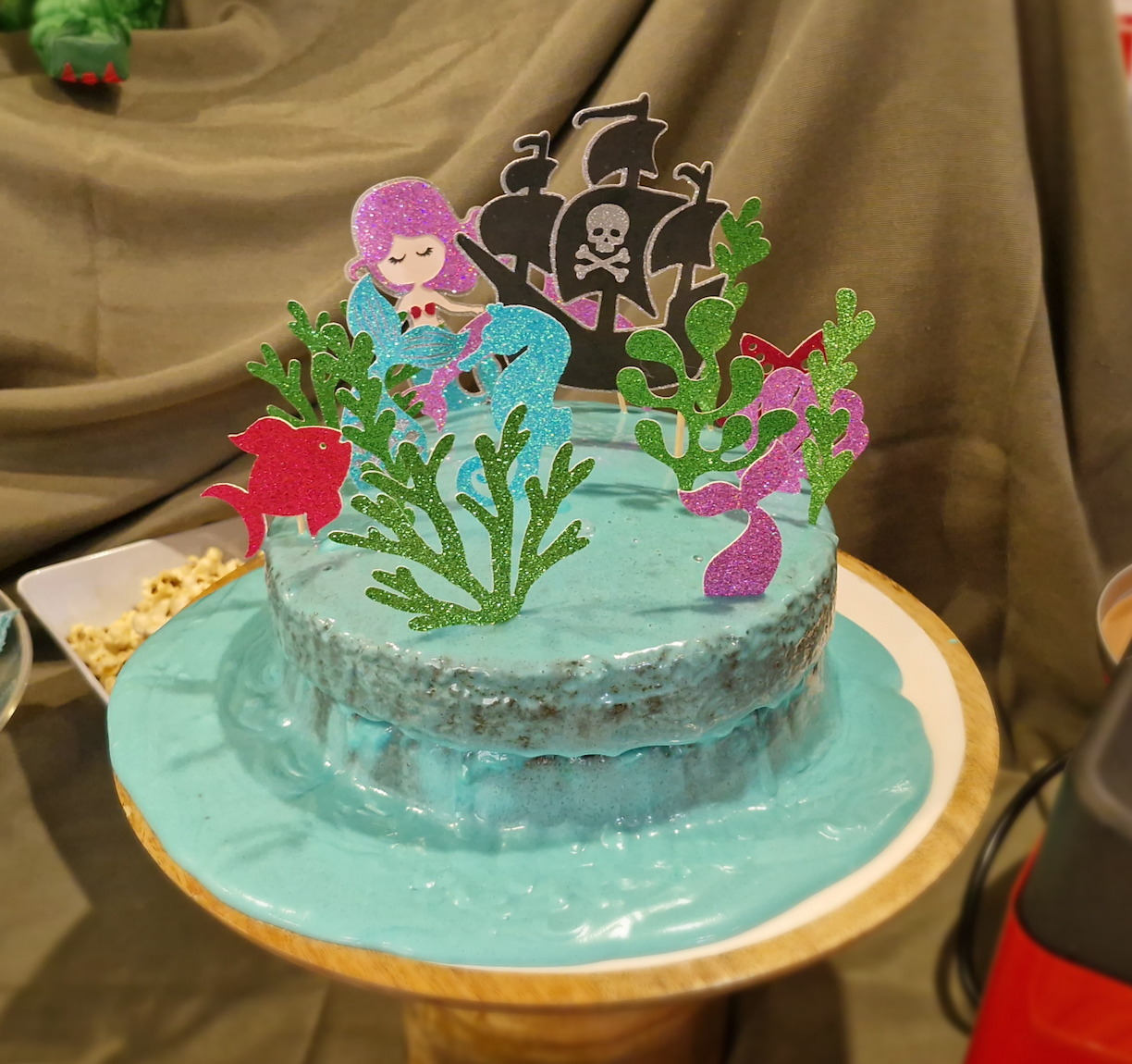
There’s an official Percy Jackson cookbook and it’s incredibly good. We’ve literally made twenty-seven of the recipes, and there are several that we make over and over. The “Blue Velvet Cake” is really nice, so I cooked that (yes I screwed up the icing slightly). As you can tell, that’s a mermaid/pirate set of cake toppers. There are pirates and sirens in the books, so that works great!
I also made Tzatziki using the book’s recipe. It has lots of Greek recipes, for obvious reasons! Plus it can be made the day before.
On the invitation I asked people to dress as Greeks, characters from the book, or monsters—and to wear swimmers underneath. Some of them forgot, which is fine as the characters are all American teenagers so… done! But some of them looked AMAZING. My greatest regret is that I didn’t take photos of them in costume.
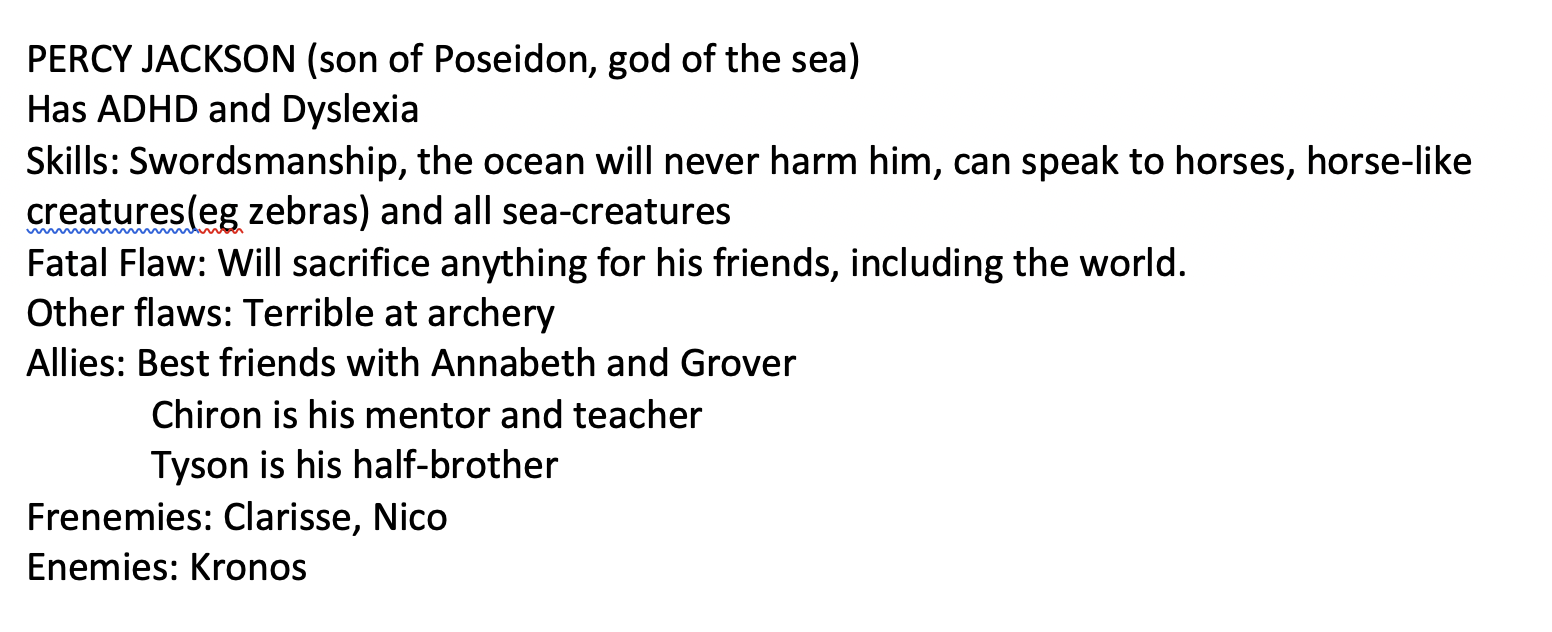
Everyone was assigned a character, and was given a piece of paper with some details including their allies etc. I’ve read the first five books (and I’m onto the second series), plus I used the Percy Jackson wiki… and Lizzie’s encyclopaedic knowledge to check details. I definitely fudged things a bit, because we ended up with a total of TWELVE kids coming to the party, which is a lot!
There are some characters that would have been great, but it was slightly spoilery to use them. Most of the characters I used appear in the first book.
Some of the characters have skills and heritages that are not immediately known, so there are very minor character-based SPOILERS from now on.
The main trilogy of friends are:
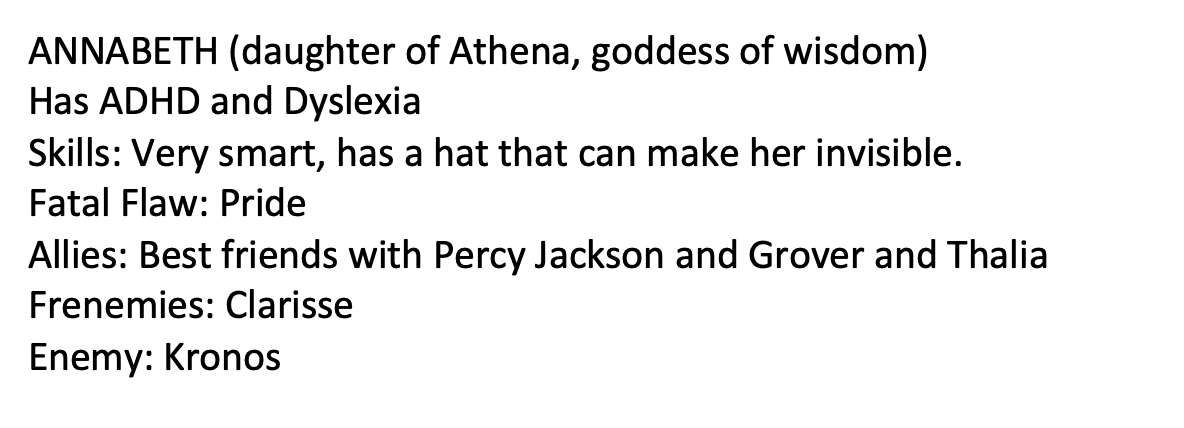
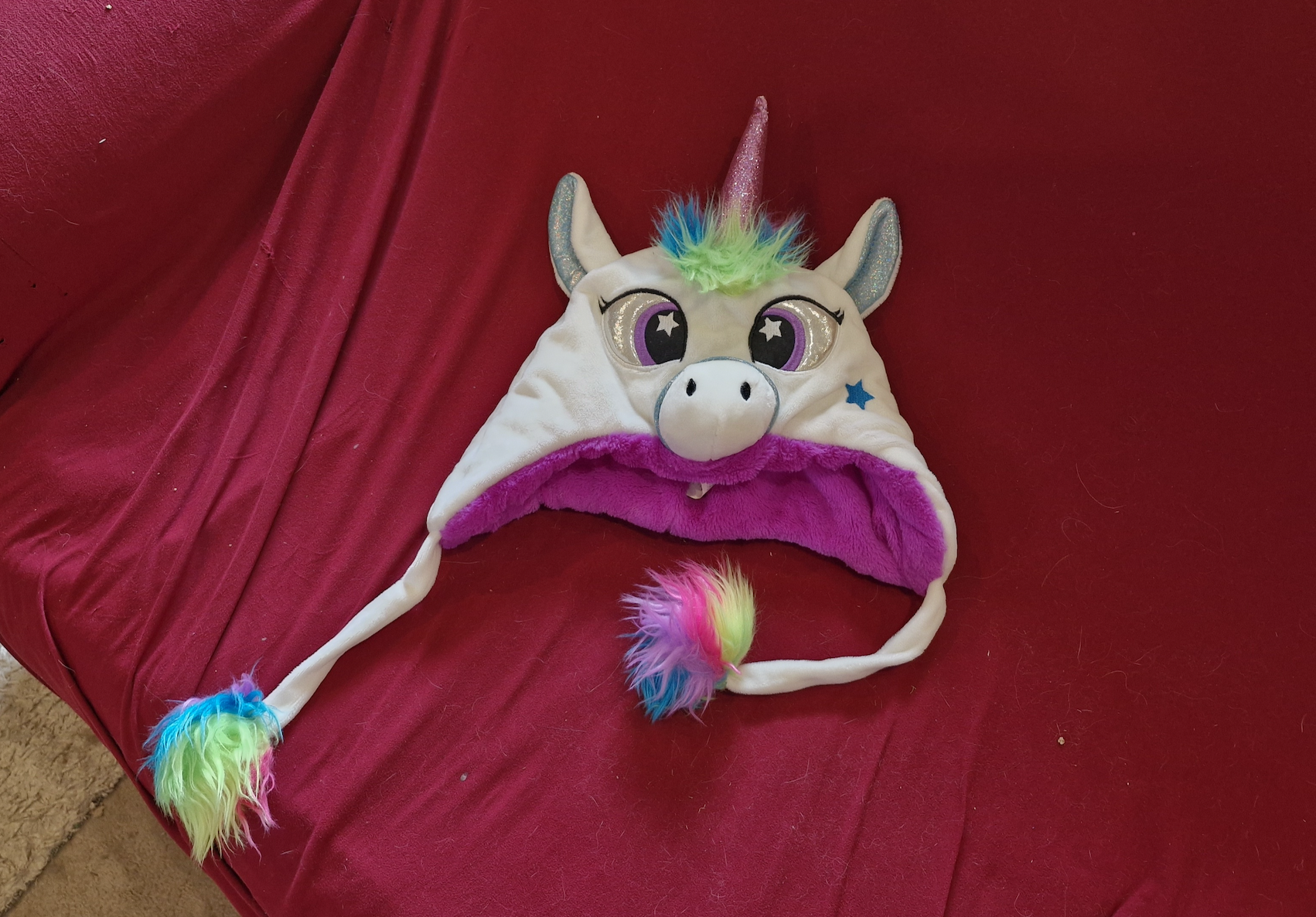
Lizzie’s favourite character is Annabeth, so that was a no-brainer. This is what we used for her hat that lets her turn invisible (the hat style is NOT book accurate, lol):
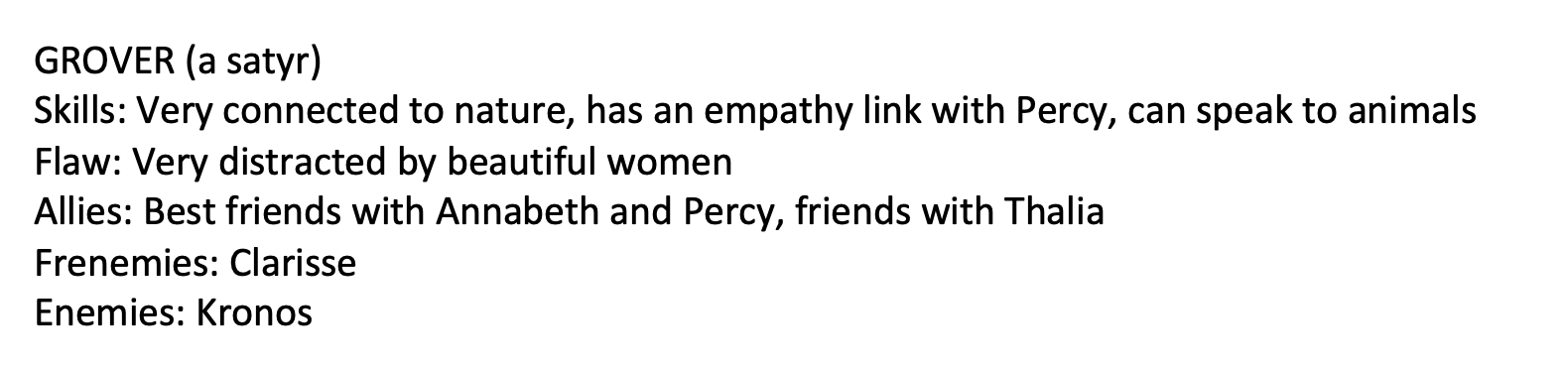
One of her friends is especially good with animals, so I decided she was Grover.
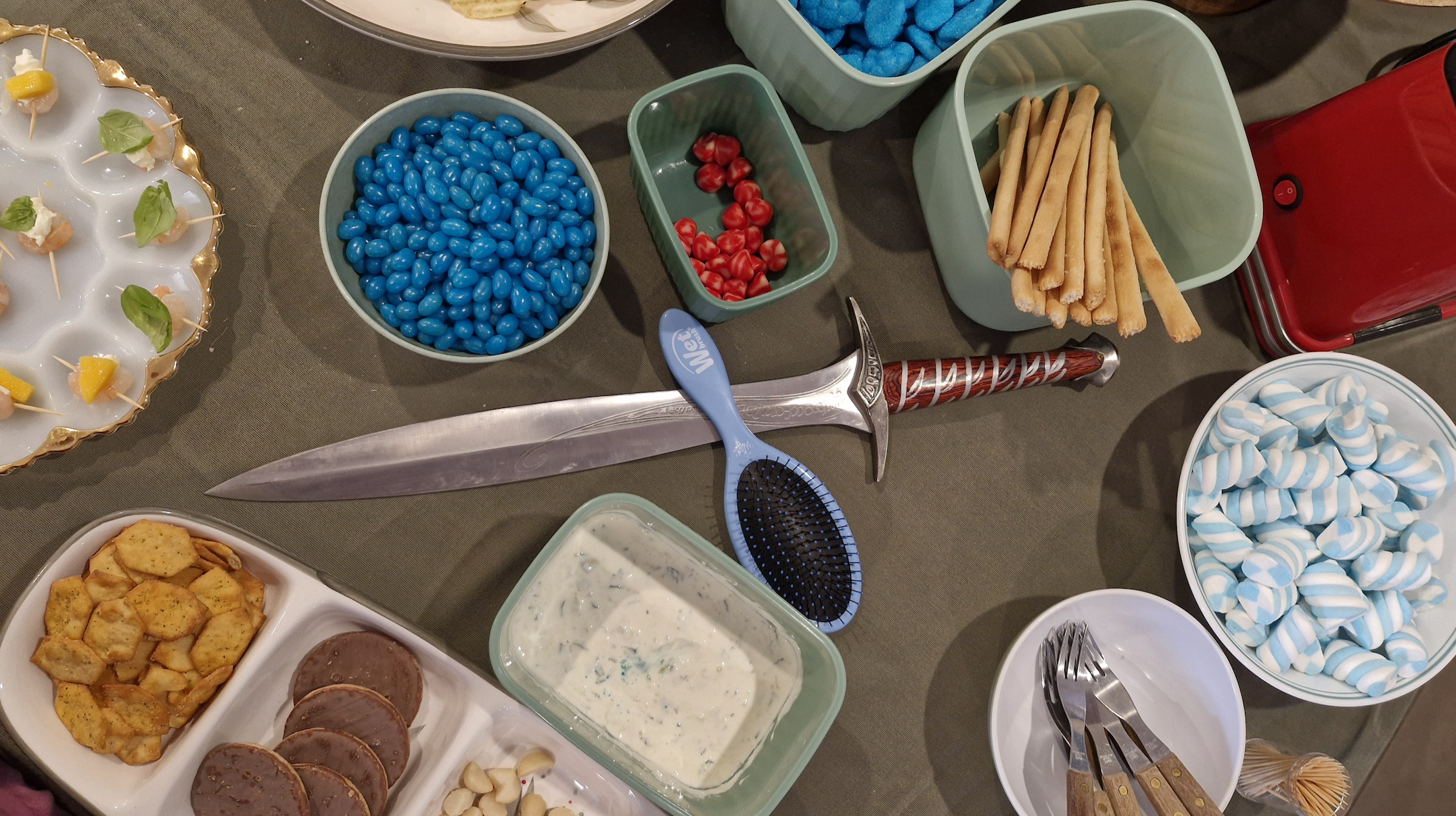
One of the friends didn’t know anyone else, so I chose them to be Percy so they had lots of links to people via their character. Percy has incredible sword skills (and one of Lizzie’s friends gave her a blue hairbrush recently in honour of a certain moment in the books, so we had two decorative weapons).
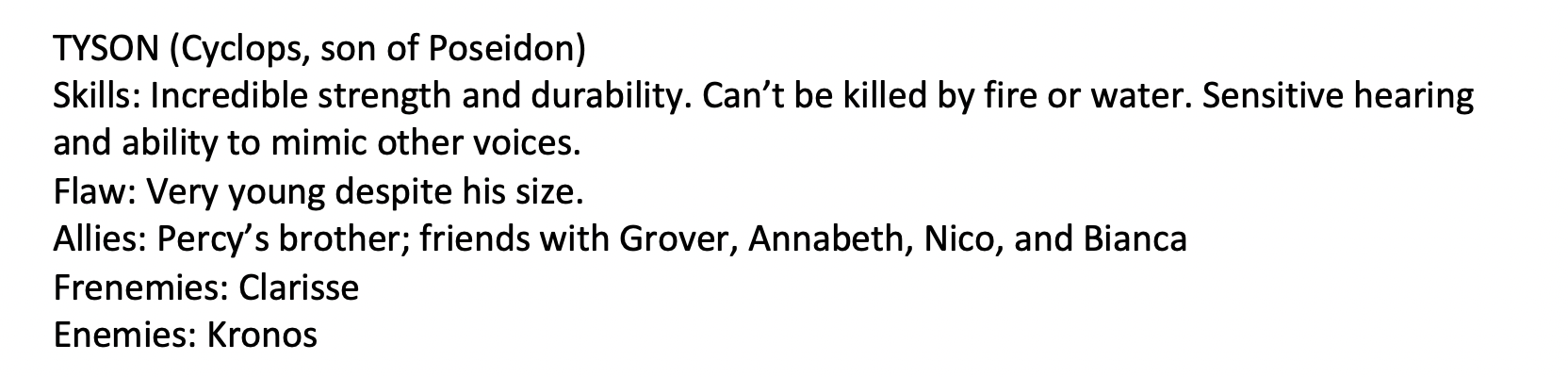
The next natural category is more demigods, plus Tyson since he’s Percy’s half-brother. My son Tim was Tyson, because he’s quite over-powered (fun), and Tim knows the kid playing Percy so I thought Percy’d enjoy having Tim as their brother.
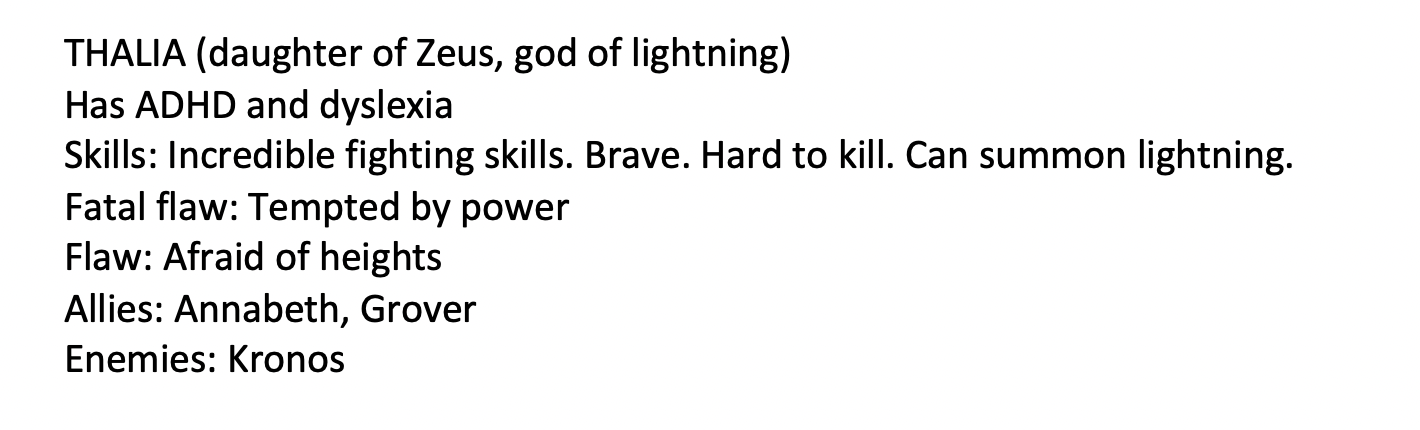
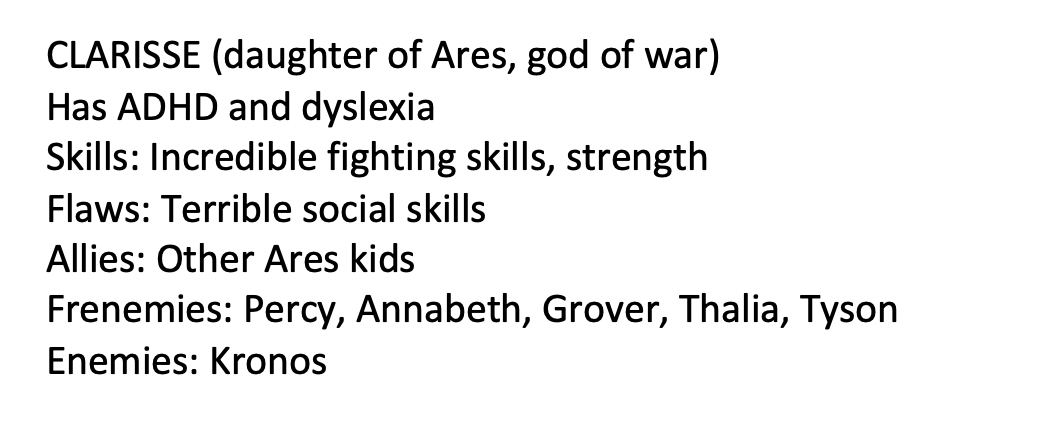
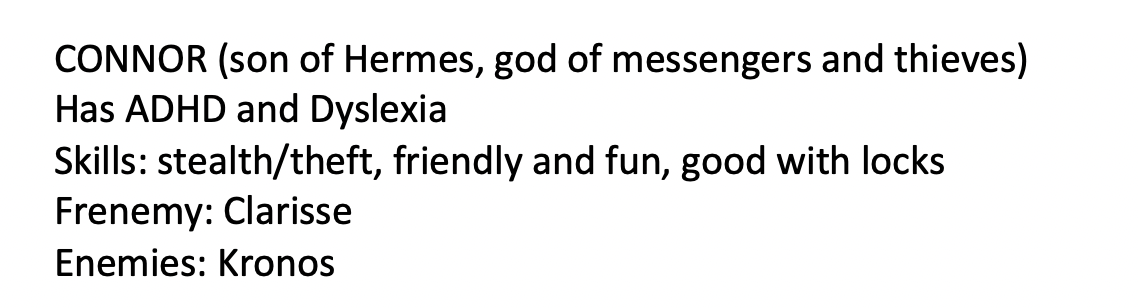
____________
Clarisse is a bully with zero social skills, so I was a little nervous about her. But the person who I’d decided could play Clarisse was absolutely thrilled. It turns out Clarisse is literally their favourite character…. and she (the kid) does boxing! So that was really cool.
The dryads at Camp Half-Blood grow strawberries, so of course we had those!
There are two more demigods who don’t actually join the group at Camp Half-Blood, but Nico in particular is a fan favourite character. Plus, children of Hades is cool!
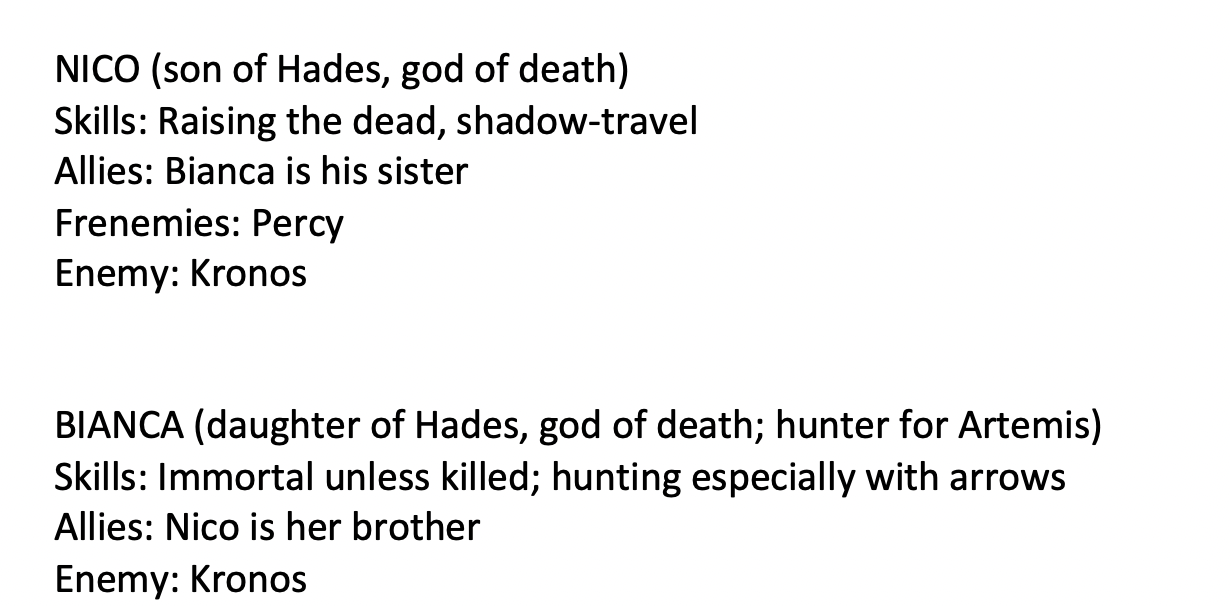
___________________
I decided to let the two main teachers of Camp Half-Blood be characters too, even though it’s a major thing in the books that gods (like these two) aren’t allowed to go on quests. So there was a certain amount of fudging book rules. Why not?
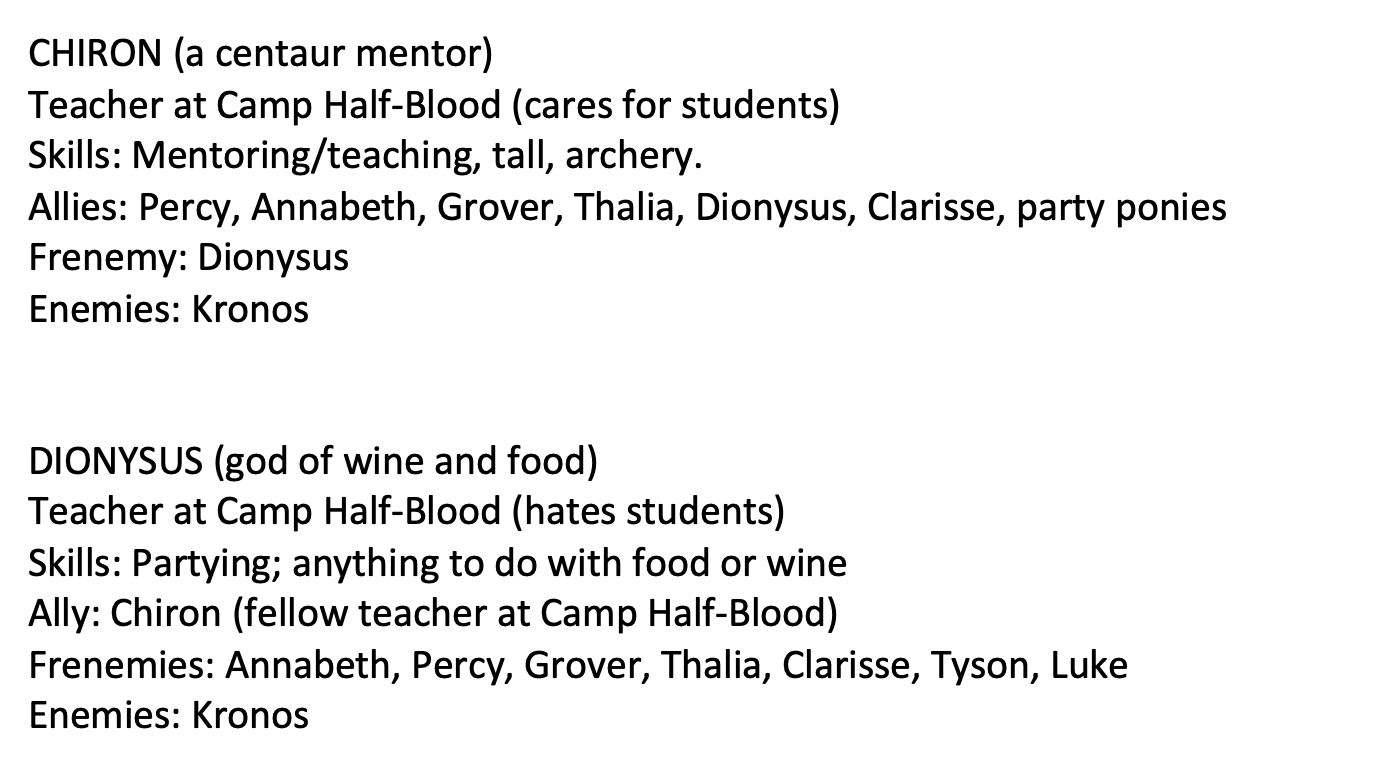
___________
AND I chose to also write up Kronos, the big bad of the first five-book series. I knew one of the kids was super confident and would enjoy being a villain (including being targeted and “hated” by every other kid at the party).

Even though the characters have wildly different power levels, they all have skills and faults and so I was able to make sure everyone got a ‘hero’ moment in the quest.
They really enjoyed reading their character sheets and working out who was friends with who and what their powers were. One of the kids has only one hand, so they suggested it had been lost in a monster battle. (See THIS is the quality of friends my daughter has!)
We ate while waiting for the stragglers to arrive (but, as often happens in the neuro-diverse community, two of them simply didn’t show up at all… which was fine. Arguably, the only essential character was Grover).
I gave them a little safety talk, which had three purposes:
- Making sure everyone was okay with having water balloons thrown at them.
- Making sure the newbie had a quiet room to retreat to (which he did, several times). Quiet rooms are so good for Autistic kids!
- Making sure everyone knew the ground rules for when cats were around.
Here’s a painting one of the kids has been working on for Lizzie. How cool is it!?!
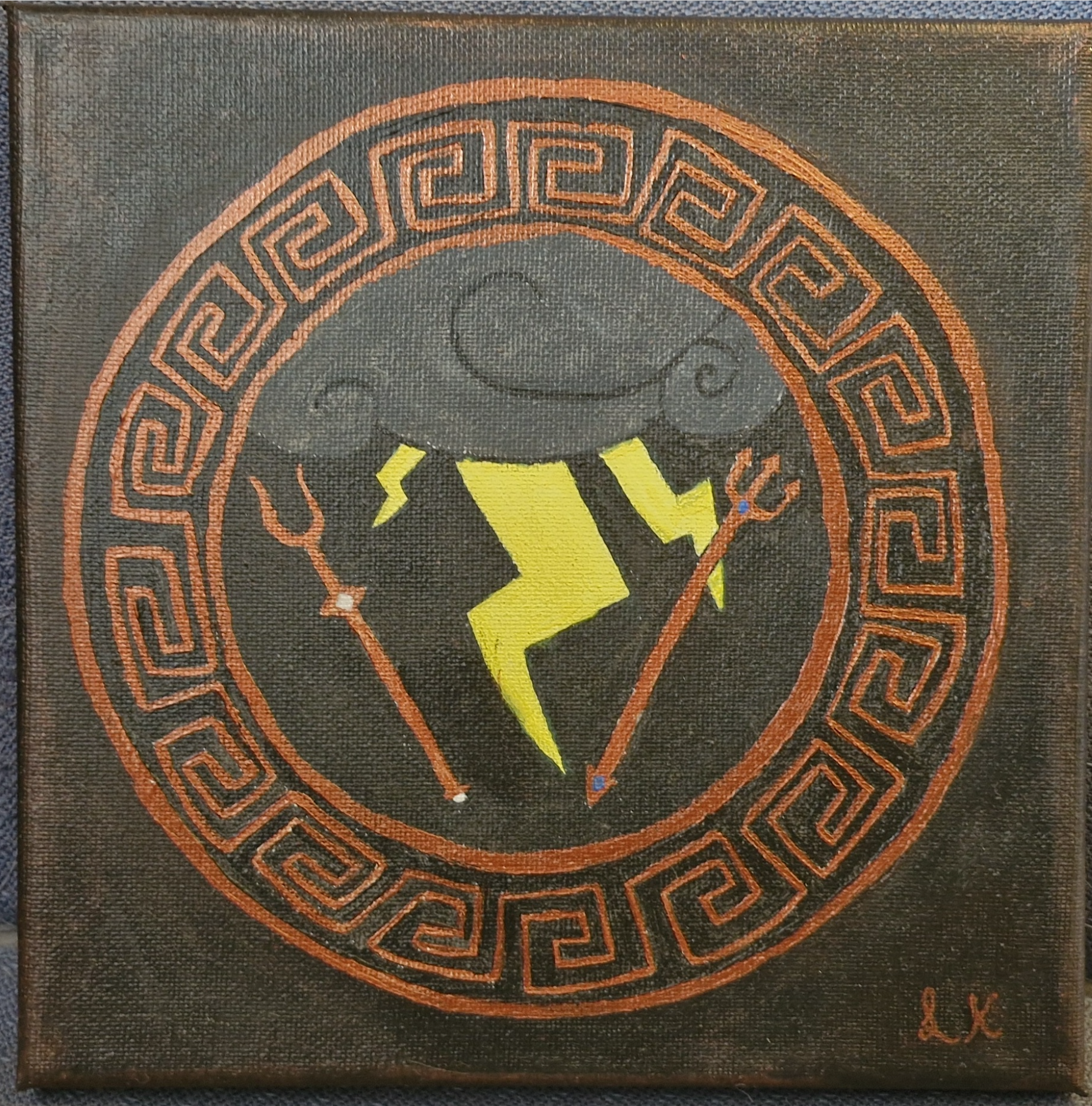
The quest had three main stages.
STAGE ONE: GAUNTLET
Camp Half-Blood is a sanctuary for demigods… but it can be VERY dangerous to get there. So we changed into swimmers and went out to our driveway. In small groups, the kids had to run the entire length of the driveway while getting pelted by water balloons (by other kids).
We’re on a battleax block so the driveway is long, but we also have an old mattress so in order to slow down the kids as much as possible, I laid down the mattress and hung shadecloth over it (using bins and outdoor pegs) and told them they had to crawl across the mattress under the shadecloth. It worked great! They were very easy to hit while crawling.
The teachers (Chiron and Dionysus) ‘defended’ the camp (ie they joined my husband and I in throwing balloons at the kids), and Percy and Tyson did too (just because they have water powers). The logic doesn’t quite hold up, but who cares?
Thalia was armed with water guns, and allowed to fight back (except not at Percy as the actual human kid didn’t want to be targeted at all).
Annabeth could wear her invisibility hat, which meant no one could throw anything at her (but she still got wet due to being nearby).
Kronos can manipulative time, so he could choose a moment to shout “STOP” and then I counted five full seconds during which no one could throw anything at him.
Conner is sneaky due to being the son of the god of thieves, so he was in the group with Kronos, which gave him a slight advantage.
As people reached safety, they joined the defenders.
As I suspected, the kids who were hesitant about getting targeted soon wanted to be hit, so our groups went as follows:
- Thalia, Annabeth, Grover (a historical combination if you’ve read enough of the books).
- Clarisse, Nico, Bianca.
- Kronos, Connor.
- Percy and Tyson.
- Chiron and Dionysius.
(I made the kids pick up ten broken balloons each before going inside. We filled most of the balloons the day before the party.)
I’m personally going through a prawn-canapé phase, and of course they’re seafood so that was sufficient excuse for me to make some. Also, my mum has a devilled-egg plate and I wanted to see how canapés go in it (great, except they tend to want to slide around—they’d work better on cucumber slices or basil leaves).
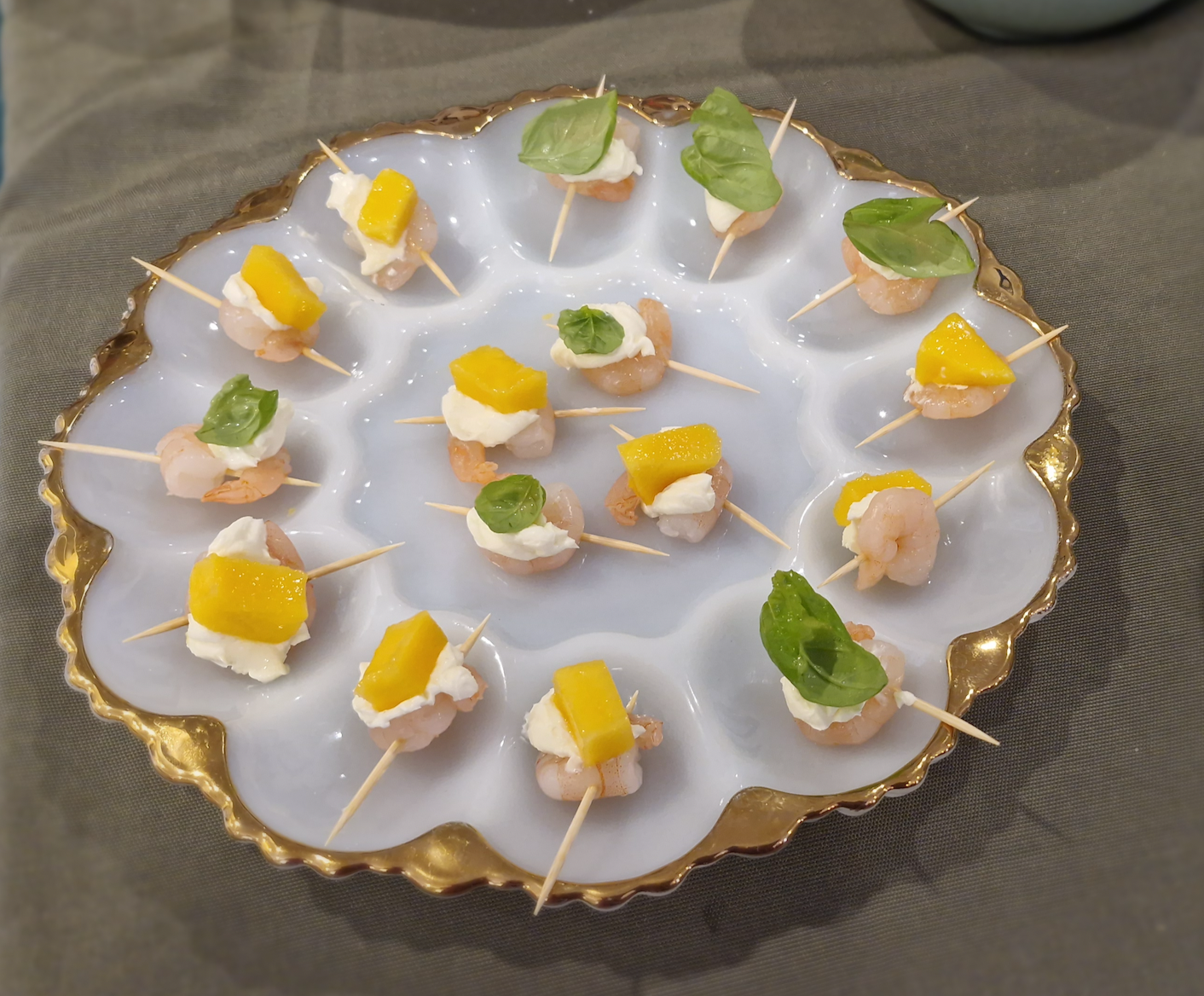
STAGE TWO: GODDESSES GIVE A QUEST AND A CLUE
I appeared to the party in the guise of Artemis, goddess of the hunt (who is a fan of Bianca) and said, “Please help me!
Four of my fiercest hunting cats have been trapped by a terrible enemy!
As a goddess I am not permitted to actively rescue them, but Chiron and Dionysus may act even though they’re gods, because they’re men so they don’t count [Artemis is extremely sexist in the books].
I recommend you seek Athena’s favour. She also loves the hunt, and the crunch of fangs rending flesh and bone. And she’s wise.
Please rescue my sweet deadly kitties! Oh… and when you free them, be careful or they’ll definitely eat you. But I’m sure you’ll figure something out!”
Then the kids decorated cupcakes as an offering to Athena. Dionysus got three cupcakes instead of just one, since he’s the god of food (and wine of course). In practice that meant that when someone felt they’d screwed up their cupcake, Dionysus could save the day by giving them one of their spares.
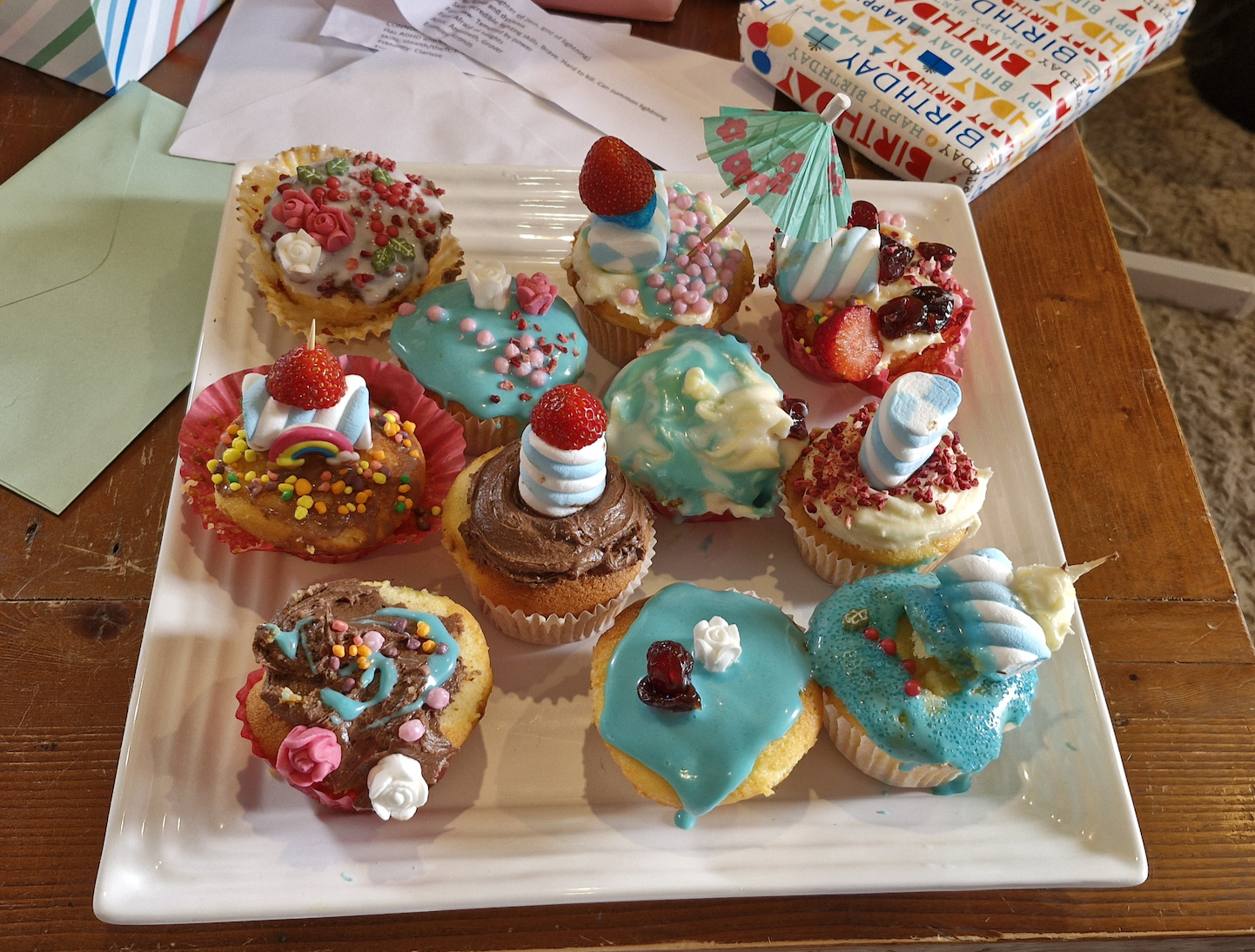
Athena (ie me, with a white sheet hung over my Artemis dress) accepted their offerings, and said:
I accept your offerings,
And wish to aid the kitties.
I’m not allowed to intervene…
The drakon holds the key!
STAGE THREE: BATTLING THE DRAKON
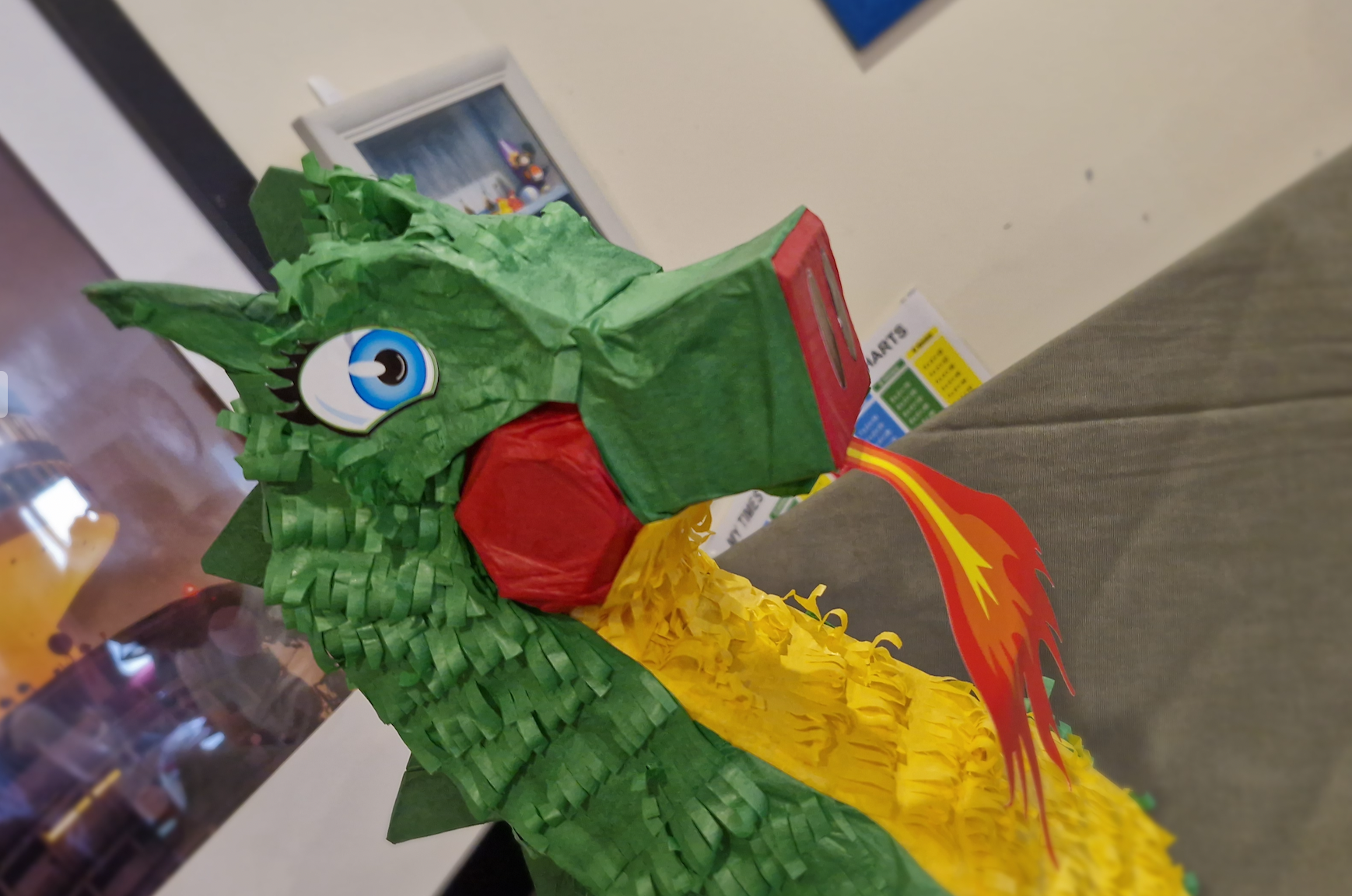
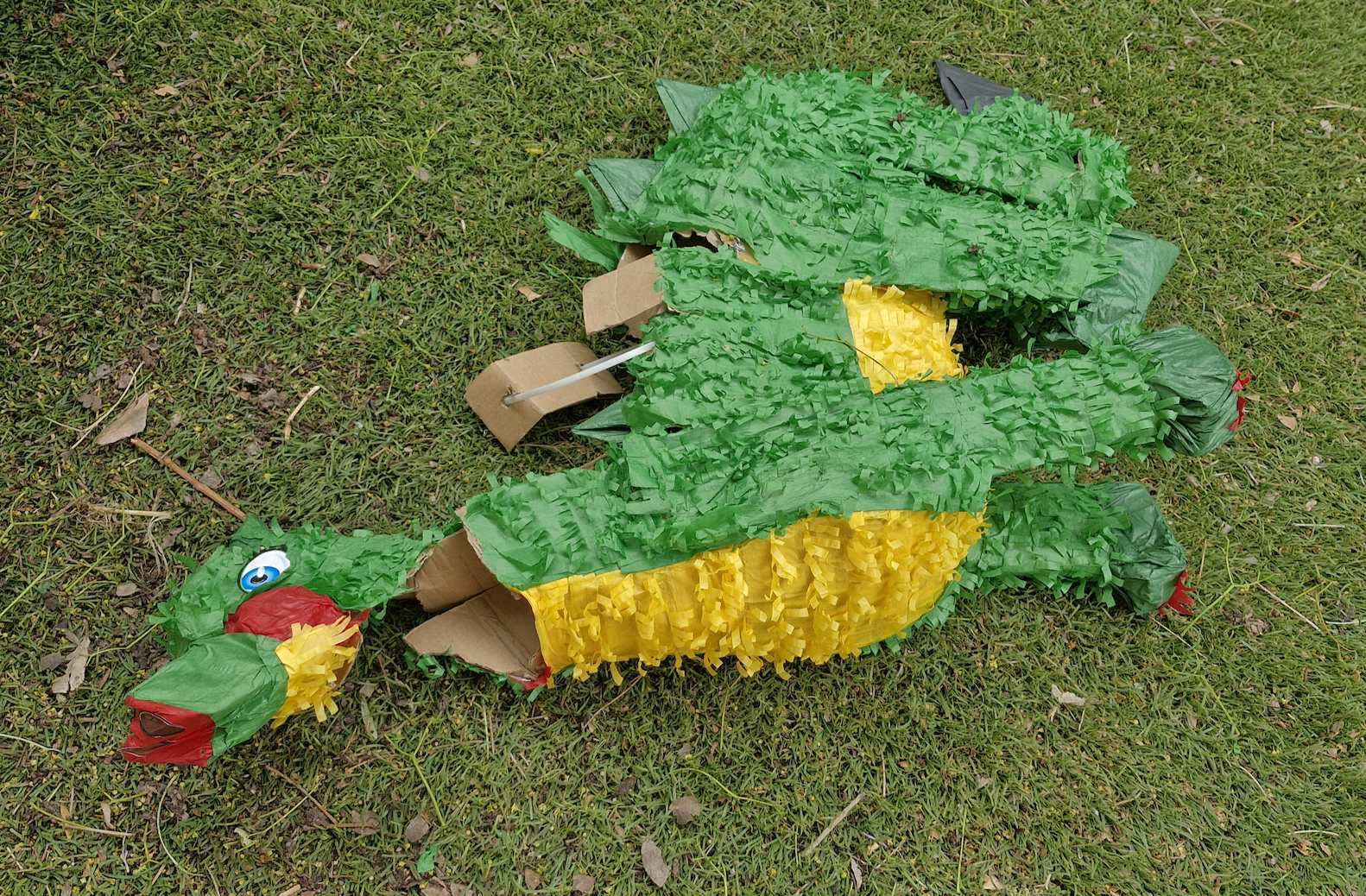
I ordered a dragon piñata online (from ebay for $30), filled it with individually-wrapped lollies and put in a key I cut out of a piece of cardboard.
In order to simulate difficult terrain, the kids had to stand on a mini trampoline while hitting the piñata. I placed it near a swing which I swung at the kids to represent a ghost army. If the swing touched them, they were wounded.
There were four distinct groups. The first group were armed with pool noodles (NOT an effective weapon, even against cardboard): Kronos (because he doesn’t have a physical form), Grover (not a demigod so no super strength), and Dionysus (a god… but I said he was probably drunk because… well, god of wine).
The second group also used only a pool noodle, but the ghost army didn’t attack them: Nico and Bianca (who as kids of Hades can command ghosts to go away), Annabeth (who can sneak past ghosts in her invisibility hat), and Connor (who is sneaky due to being the son of Hermes, god of thieves).
The third group is super strong, so they didn’t have to use a pool noodle—they could use their fists. That group was Tyson, Clarisse, Chiron, and Thalia.
And finally, Percy. Percy has amazing sword skills, so he was allowed to use an actual (replica) sword. Yes, one made of metal.
In the second round, groups one and two could use their fists and group three could use a baseball bat.
The drakon soon died horribly, and its delicious sugary guts were pulled out along with the cardboard key.
We returned inside and I gave them ambrosia aka cake (which heals demigods), starting with the wounded.
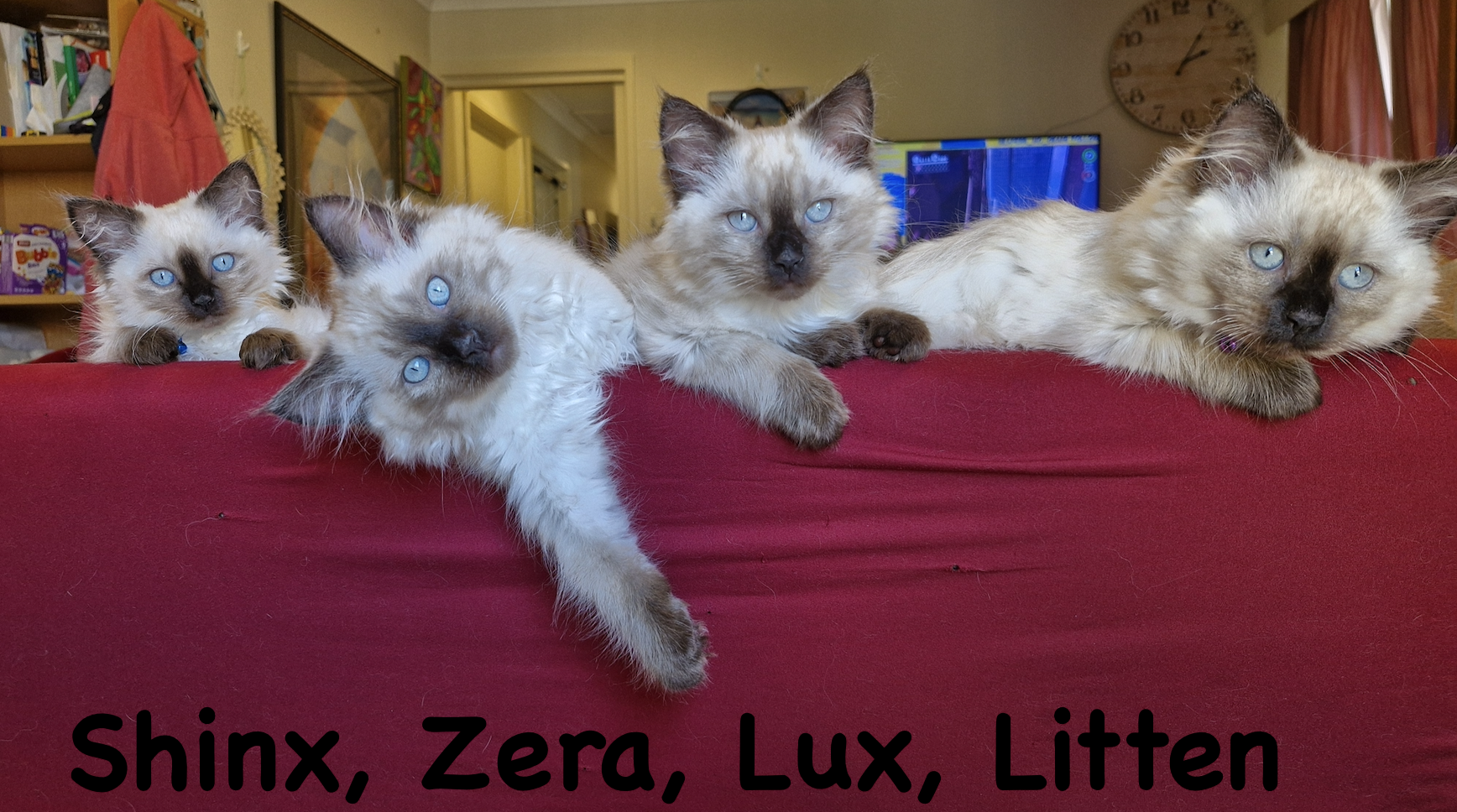
I brought out Artemis’s terrifying hunting cats, in a zipped carrier.
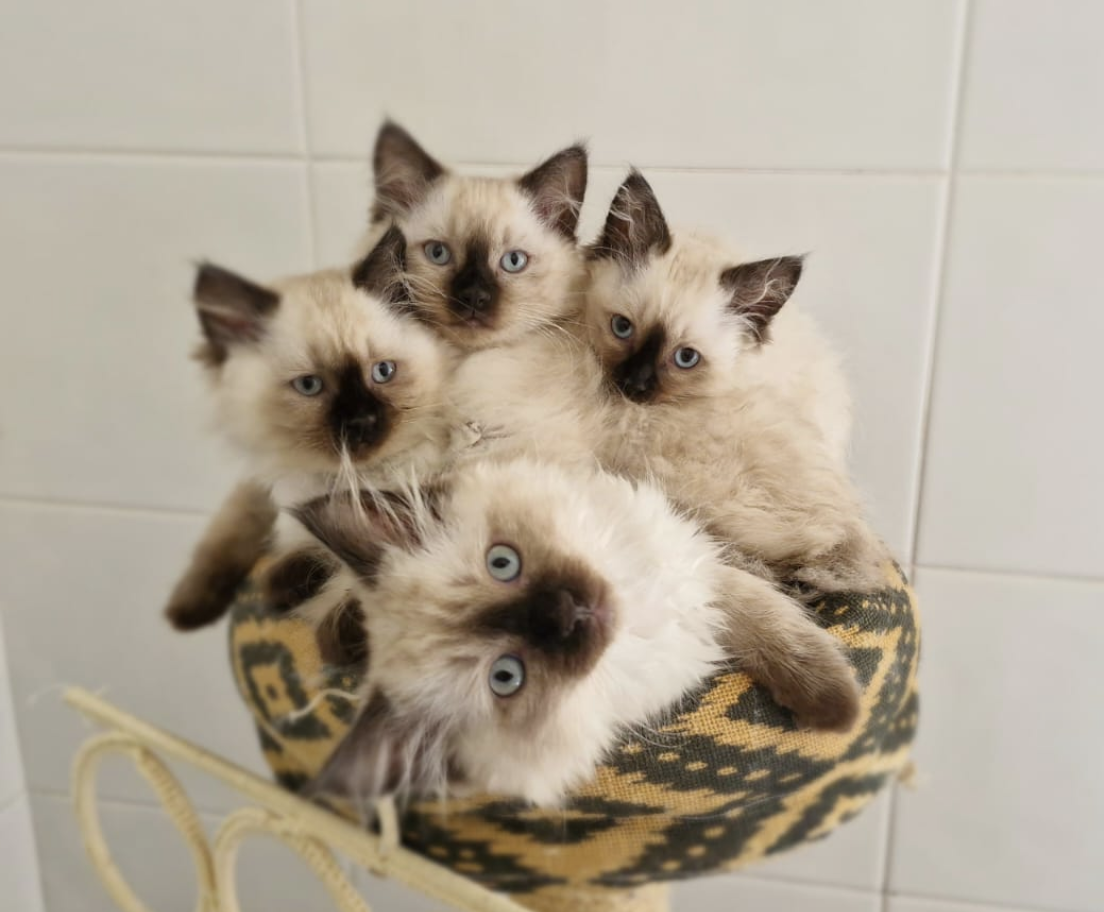
I asked the kids if they remembered anything that might be important at this stage… and they DID remember that the cats will eat them.
Luckily, we happened to have a satyr with the ability to speak to animals, so Grover released the cats, making sure they promised not to eat anyone first. (And I made sure all the kids were sitting down and several had dangling toys to draw the kittens to them safely—two of the guests have adopted cats off me in the past; like I said, this group is fundamentally kind and that’s important even with the extremely chill attitude of Ragdoll kittens.)
As a bonus, Poseidon (aka my husband in a Hawaiian shirt) appeared to deliver this conclusion:
Congrats for now your quest is done!
Enjoy the spoils and have your fun.
To praise the heroes you’ve become
Welcome all to my kingdom.
So at that stage, anyone who wanted to could go in our spa.
We all just relaxed after that: admiring the kittens, or eating more food, or going in the spa.
What worked well:
*The characters were fun, and helped with any social awkwardness because they gave people a role to play. Also, it didn’t matter that two people didn’t show up because a lot of their powers were similar. Some kids would definitely want to choose their own characters, which would take time and be quite complex. But I got lucky.
*The water balloon fight worked well despite unusually cool weather and a lot of Autistic sensitivity. The water balloons themselves were surprisingly unpredictable, literally bouncing off people sometimes and other times exploding for no reason. So someone truly sensitive would probably get wet unless they were very far away. They hit pretty hard too, and in the chaos instructions to avoid head shots can’t be followed accurately. One of the kids said, “This is the best party I’ve ever been to!” and I get it. Waterfights can be fun, but waterfights while playing a heroic character? AMAZING. It’s like baby’s first role-playing game.
*Cupcakes were a nice break from the violence although it was crowded around the table.
*Piñatas are very risky if you have kids with hyperactive type ADHD, but this group was careful and trustworthy even though they were hyped up.
*Once the quest was done, I got to chat to some of the kids, which is always incredibly rewarding. I accidentally made one of them cry, but she said it was with happiness. She is one of my favourites so I hope that is true.
*Percy (aka the newbie) told two of the others, “I can tell you’re really cool” which was such a classic Autistic thing to say, and the recipients absolutely loved it.
*The kittens were extremely popular! Not every group of kids could be trusted, especially in a party setting. But these guys were great (and the kittens were able to leave the room if they wanted—but this is an especially social litter, which was why I wrote them into the party in the first place). It helped that these guys are teens rather than young kids, and none of them have hyperactive-type ADHD.
What surprised me or didn’t work so well:
Kronos came outside, spotted the water balloons, and immediately threw several balloons at me! THAT I did not expect! But it was funny… and my phone survived despite getting soaked. So, yay!
Blue food colouring (and especially the blue icing) got everywhere.
I had the party in the morning so it wasn’t too hot, but that made everything a scramble and I really wasn’t ready in time. I should have made the party at least three hours long. In the end it was cool and even a little rainy. But everyone handled it well. Weather is always tricky, and neuro-diverse or disabled kids are more likely to be thrown by it.
Because people had to change clothes multiple times, I had no hope of keeping track of the kids I didn’t already know well. Like many Autistic people I’m terrible with faces!
One of the parents was fascinated by the devilled-egg plate. She’d bought one for a friend without realising that’s what it was. Knowledge acquired!
Autistic parties are awesome because:
Autistic people tend to accept their fellow weirdos.
Autistic people tend to ignore silly rules like “Only be friends with people the same age as you” or “Stick to small talk”. So you get a genuinely interesting mix of people and of conversational topics.
Autistic people tend to have at least one special interest and they go deep on that topic, so you can find out some amazing things if you just let them talk.
Autistic people absolutely glow when an Autistic adult lets them know they’re in a safe place (eg by asking everyone’s pronouns and/or indicating a safe room).
One of the adults (also neurodiverse) was absolutely thrilled when she asked if she could help and I gave her a job. When Autistic people offer to help, they mean it.
Don’t forget to:
Have at least one quiet space and make sure people feel able to use it.
Check in with potential sensory issues. Ask questions like: Are you okay with having water balloons thrown at you? Are you sensitive to noise, and if so what can we do about yelling? Should I turn off the ambient music? Should I turn down the lights? Are there any smells (coffee, bananas, air fresheners) that bother you? Will you be okay with X number of other kids in one space? Would it help to be outside or would it be better to be inside? What are your safe snack and/or treat foods?
A lot of Autistic people are extra uncoordinated and/or have hyper-mobility (joints can be dislocated easily) so things like water on the floor are more hazardous than for neurotypical kids.
Just knowing someone is trying their best to be accommodating can mean the world, and make people feel much safer (which also makes them more flexible).
If someone doesn’t know many people or is shy, figure out a way to put them in a pair (eg “John and Bob, can you two please cut up these strawberries for me?” or “Peta and Jane, you both love dogs. Why don’t you show photos to each other?”) It’s much easier to interact with one person than a group, and it gives a shy person an anchor. Giving a job to a shy and/or Autistic kid can help them a lot because a job is a nice clear role for them to play.
Make sure someone with inattentive-type ADHD hears and understands safety instructions.
Make sure someone with hyperactive-style ADHD is able to fidget and/or move around.
Are these the kittens for you?
Edit: All four kittens are now spoken for and will go to their forever homes mid-January 2026.
My adoption guide is here but let’s talk about this specific litter of extremely similar-looking Ragdoll babies.
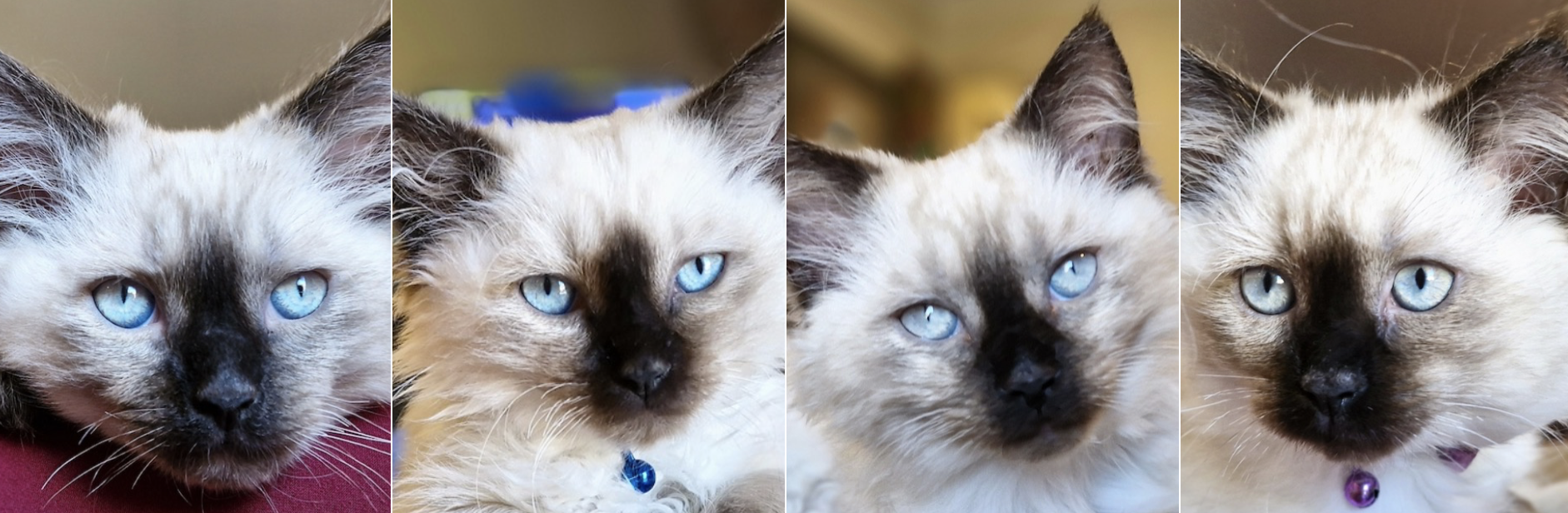
The kittens above are Zera/Zeraora (the only boy), Shinx, Lux/Luxray, and Litten. They’re all named after cat Pokemon, in consultation with an expert (aka my son).
Zera is the fluffiest I think, and was the first to really love humans. He is extremely chill even by the standards of this litter. He showed a slight interest in electrical cords and I bought chewy toys for him to see if it would help. It seems to have worked as we definitely don’t have a major cord-chewing issue. When travelling, he will loudly complain about the lack of cuddles for a few minutes before settling. I have a cat carrier that is exactly like a baby carrier, and he handles it extremely well (so does Lux).

Shinx is my personal favourite, and the most obsessed with being near me at all times. She might be the smartest as every so often she’ll come up with a problematic behaviour (like sneakily eating my breakfast when I put the bowl on the shelf next to me) but seems to learn very quickly what isn’t allowed. She is smaller than the others, and has the wildest eyes.
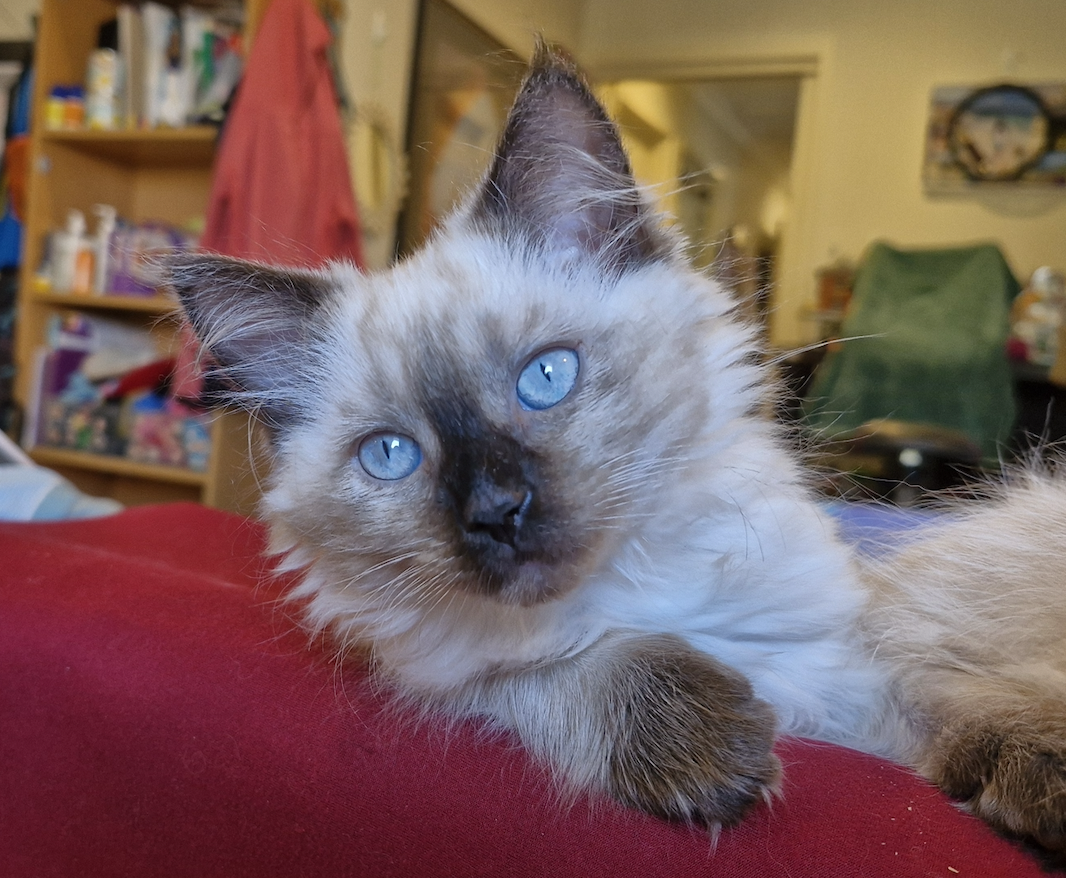
Lux has the best cat manners. She doesn’t like posing for photos (a lot of cats see the camera as an aggressive stare-off) and when the others want to suck on some fur she’s almost always the sucking victim. She and Litten are slightly more independent (by the standards of this litter). When travelling, she will loudly complain about the lack of cuddles for a few minutes before settling.
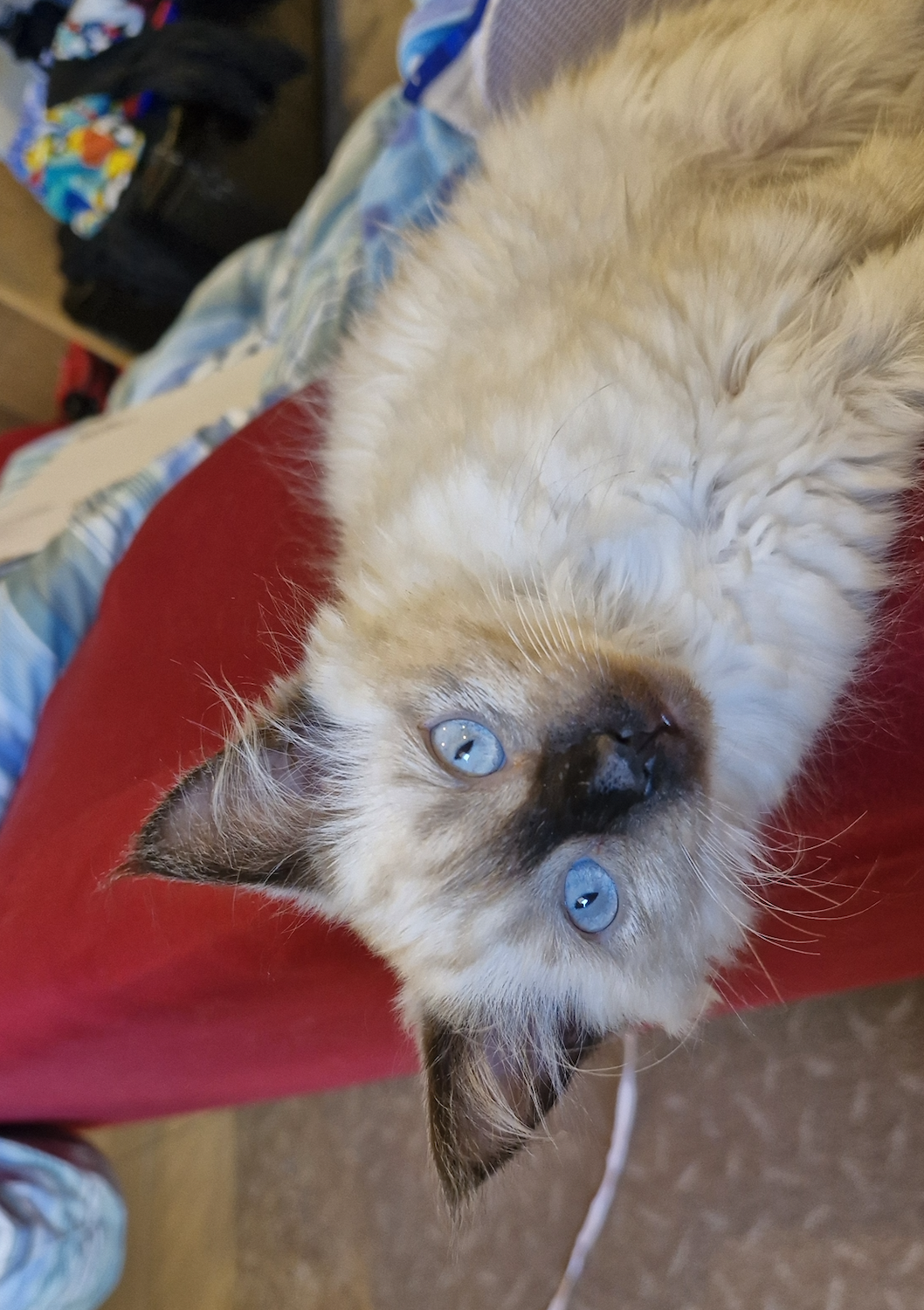
Litten is the first-born and was the loudest for the first couple of months. She was also the smallest, but she isn’t any more. She might be the most playful (or Shinx). She has the scowliest face.
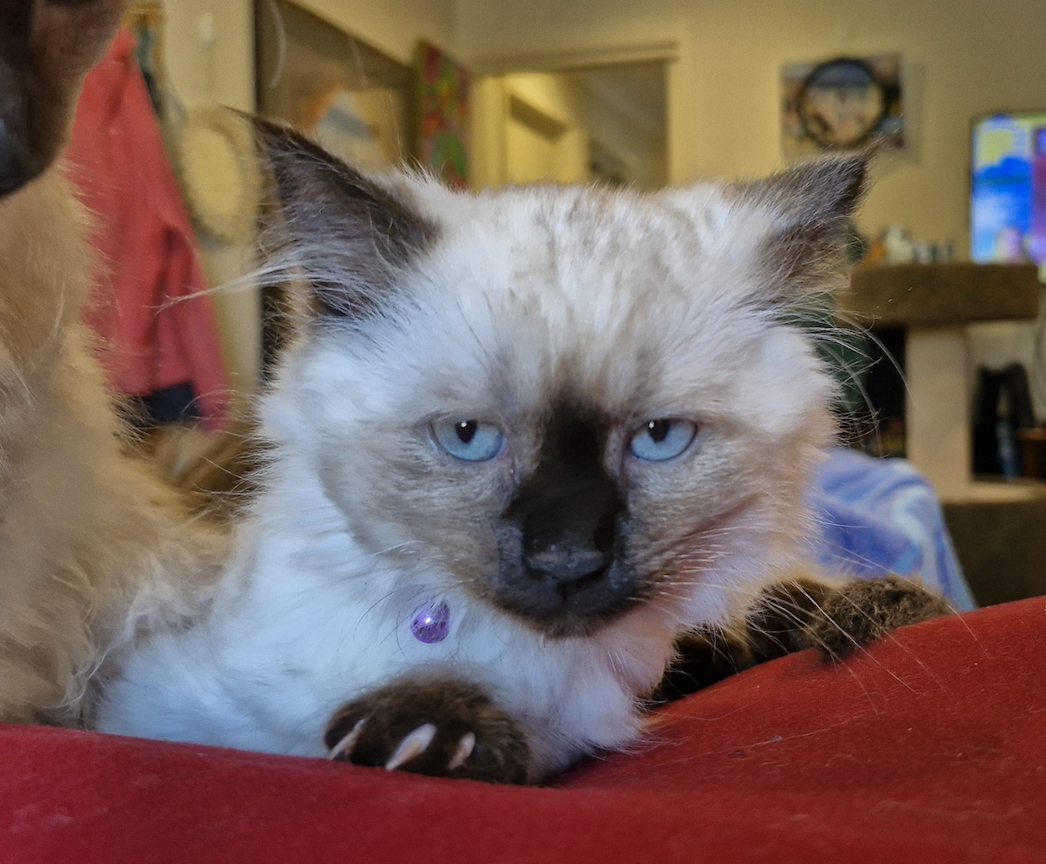
As a litter they are very much what one would expect from a pack of Ragdolls.
Yes, they follow their favourite human from room to room. (If you like company in the toilet, these are the kittens for you.) They will run circles between your legs and literally under your feet as you attempt to find a place to step.
Yes, their long fur does cause toileting issues sometimes. They’re not super gifted toilet-wise eg they need litter trays at both ends of the house—although they have never had an issue with holding on while travelling, even for about five hours at a time. They are fairly finicky about clean litter trays so you need to either have a lot of trays or empty them multiple times during the day (or both). Their stomachs can handle cheap food (Whiskas kitten food at the moment) but take a long time to adjust to new food (especially Lux, and to a lesser extent Shinx).
Yes, they can be picked up by literally anyone and they will simply accept it is happening. They can all be cradled like a baby, and Zera, Shinx, and Lux will sometimes purr in enjoyment of being hugged in that way. They also gaze lovingly at their human, which a lot of cats won’t do. They all love chest and belly pats.
They are not particularly vocal… except when food is being served, at which point they will all scream hysterically until the food is placed in front of them.
They are slightly more playful than the average kitten (which is a lot, lol) but with enough play sessions during the day they will sleep through the night. I recommend adopting two for this reason and others. If you only adopt one, you need to spend about two hours per day playing with them (in at least two separate sessions). If you adopt two, then two or three twenty-minute play sessions per day will be enough. They will get less playful once they’re a year old or if you don’t play with them enough.
They DO object (loudly) to being closed into a separate room when they know their humans are awake (the exception is Zera, who seems perfectly content wherever he is).
Zera and Shinx love sleeping on their human’s bed.
Their biggest issue as a litter is that they love sucking on each others’ fur. Zera is the worst offender, followed by Shinx. Lux is the favourite victim. I say “victim” as sibling sucking can become a serious medical issue. On the up side, they suck tummies rather than genitals (good). But I’m working on training them out of it, or at least reducing the frequency. I’m having some success, but there’s a long way to go.
They are all strongly bonded to each other. Because of the sibling sucking, Zera and Lux probably shouldn’t be adopted together.
They are fantastic with other cats—utterly unafraid, but still respectful. I suspect they’d do extremely well with a dog, especially a puppy (assuming the puppy can play without hurting them).
Regarding young children, I would advise caution. These kittens are SO trusting that they get underfoot to a ridiculous extent (especially near dinner time, or any time someone is preparing human food). A young child could easily step on them and hurt or kill them, which would be incredibly traumatising.
They’re also good but not great with scratching and biting. For better or worse, I have encouraged them to play with my fingers but to do it with claws sheathed and with mouthing rather than biting. They’re pretty good at it… but I still have loads of tiny bleeding scratches all over me (many of them because they jump on my lap or whatever and use a tiny bit of their claws to help with balance). Zera is the best I think, mainly because he interacts with humans the most.
They’re fairly good with getting brushed but it’s difficult to trim their butts (which is something that I strongly recommend their owners do regularly) because they don’t like getting forced to hold still.
They all (but especially Zera) like to chew on tissues for some reason. I THINK they’re over it now but you never know.
They will get darker as they get older, probably ending up with their faces and lower legs almost completely dark, and most of their backs dark brown with the rest of their fur a rich cream.
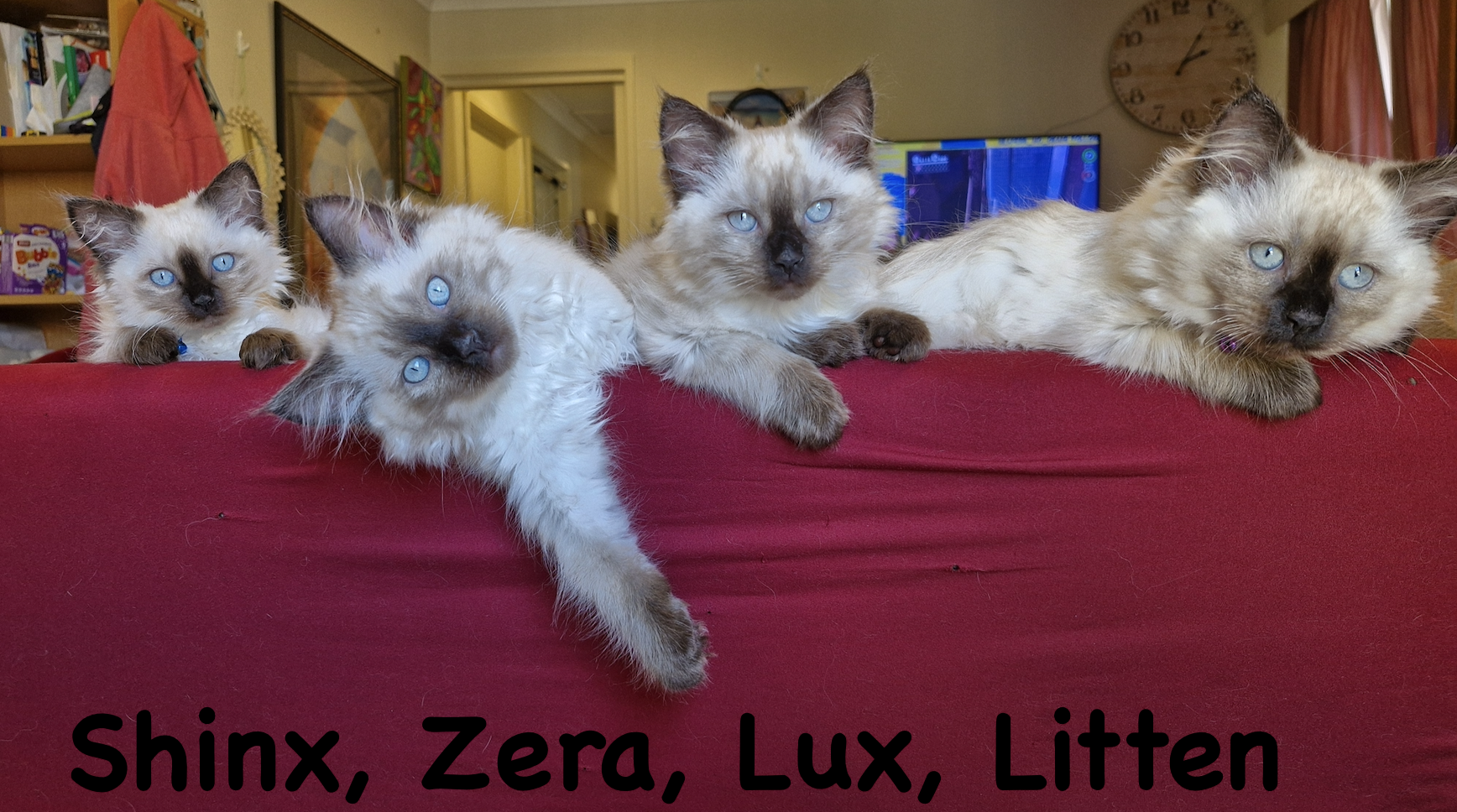
Here are all the videos I’ve put together with the kittens so far. The videos aren’t embedding properly at the moment so I’ll add the links in full too.
The day of their birth (there is some blood on their fur at first but it’s not graphic). https://www.youtube.com/watch?v=_cYb0ENMjiQ&t=20s
Syringe feeding them when they were less than a week old: https://www.youtube.com/watch?v=10D3cbGr_Bk&t=2s
A long video of the kittens around eight weeks old, falling asleep (or not) together: https://www.youtube.com/watch?v=xygw-k_IJPY&t=3s
Around ten weeks old, discovering their first Christmas tree. That’s Shinx climbing it (blue collar). https://www.youtube.com/watch?v=CKekerP_fI0
This is Litten with an unrelated cat. All the kittens love grooming each other and being groomed. https://www.youtube.com/watch?v=bppeNrGbRVA
And, kitten fight club from a couple of days ago. It starts with Lux (black collar) and Zera, then Litten (purple collar) joins in. Usually Shinx would be there too; she must have been fast asleep somewhere. https://www.youtube.com/watch?v=BWQPfjXDthU
What kind of wealthy are you?
There are a lot of different kinds of wealth, and in an effort to gain some perspective for myself, I am diving in.
MONEY
This is the obvious one, uh, obviously.
It is also relative to your environment. If I decided not to pay my mortgage for a month and instead sent it to Indonesia, it could pay for at least ten times as many mortgage payments. Amazing! But I still can’t do that, because I also need a place to live. This is something I’ve struggled with all my life but in 2019 I had a few epiphanies about how my suffering doesn’t actually benefit others so it’s okay for me to want my most self-actualising possible house (with room enough to foster cats, run a small business or charity, and have medically useful things like wide spaces—so I can use a wheelchair around the house if I need to—plus various water therapies, and nice views to lift the spirits when I’m bedbound). Sadly, wanting something doesn’t make it appear.
I think today I’ll define money wealth as how much spending power you have after your needs are met (in the context of your environment). So, food and shelter and medical needs and insurance and bills, plus social costs eg when your friend invites you out to dinner you don’t have to pretend you’re busy because you can’t afford it. Plus tossing a few dollars into whatever the latest school/church/etc fundraiser is, because contributing to your community is important too.
The other day I saw a comment pointing out that non-necessary items like toys and (most) fancy foods have become cheaper…. but essentials have become more expensive. So politicians’ advice is to stop eating avocado toast or cafe coffee in order to buy a house. But it simply doesn’t add up. Even if you have a wildly expensive $10 coffee every single day of the year, cutting it out completely for a year will barely make a dent in a house deposit. That was an “Aha!” moment for me because I DO buy stupid stuff and feel bad about it. But actually most of my financial choices are quite rational. So thank you, internet.
Twenty years ago, John Scalzi (the sci-fi writer) blogged about Being Poor.
LANGUAGE
I speak English extremely fluently, and Indonesian rather well. English in particular makes me linguistically wealthy. I can travel almost anywhere in the world with ease, and almost all entertainment is available in English. All the rich nations welcome me, and some nations will pay a LOT for my skills.
When I talk to Indonesians in Australia, they’re delighted to meet me.
When I talk to Indonesians in Indonesia, they treat me like a full-on genius superhero. That’s something most people never get to experience, and it’s grand for the self-esteem.
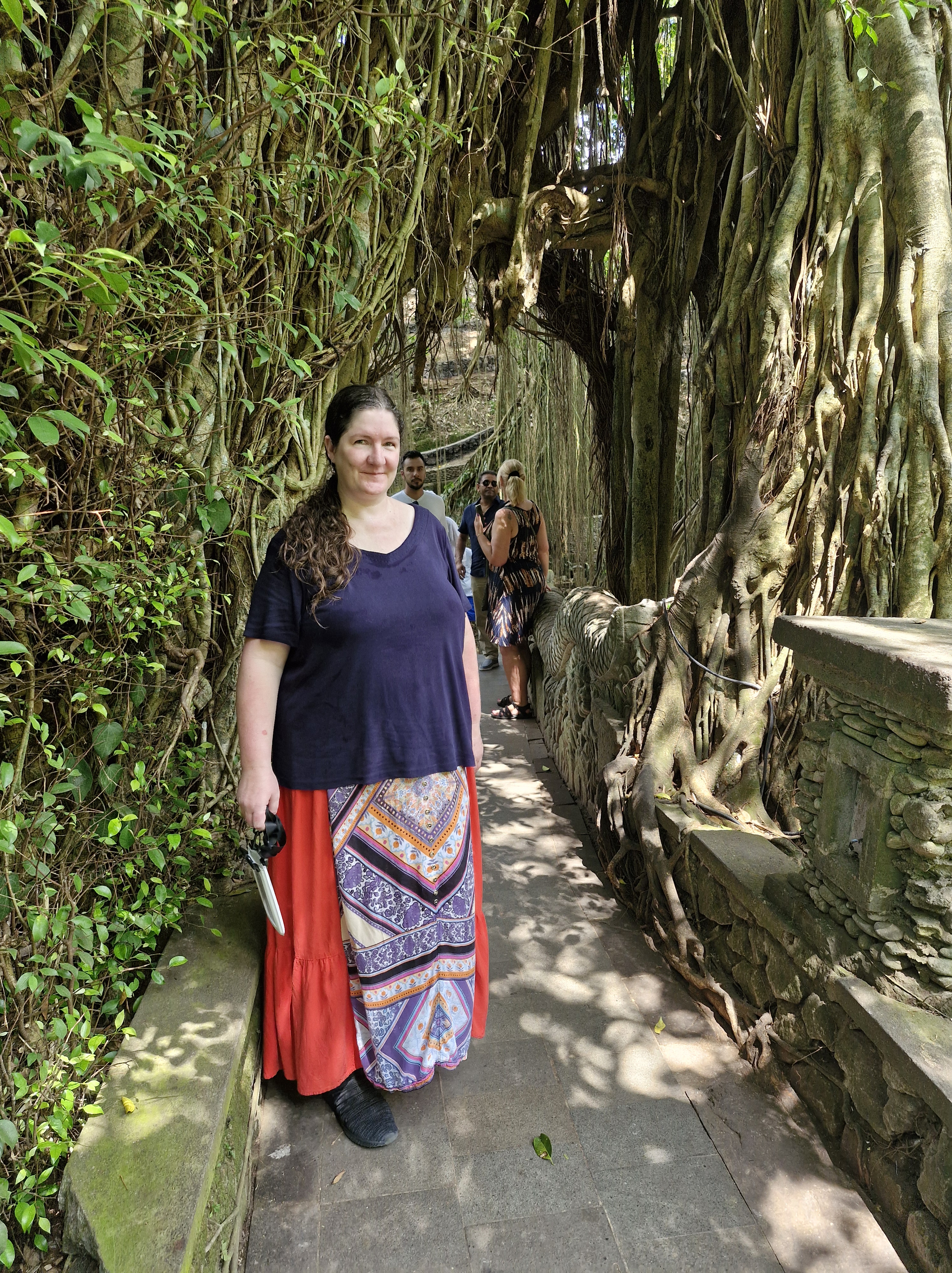
APPEARANCE
I have long hair and I’m white. Those can be very useful, and being white in particular can save my life (studies show that women of colour are the most likely to die from medical gaslighting and neglect). The long hair signals femininity and can be surprisingly useful. I once saw two drunks fighting and broke through the circle of spectators to stop them—which worked immediately, and I literally heard someone say, “There’s a lady present!” Of course presenting as female can also cause huge barriers to my safety, to the respect (or usually lack of it) shown to me and my brain, etc.
I am very lucky to be a cis female, rather than someone who has to fight to have their gender recognised. Ditto sexuality. When it comes to gender and sexuality, I am on ‘easy’ mode. (I’m bi, and that did technically get me fired once, but I was about to leave that job anyway due to my health.)
Being fat is awful, especially when it can alter the medical care I receive. But honestly it has its uses too. I almost never get cold, and almost no woman in the world is threatened by me chatting to their man. Every so often I get a fun fake-flirty interaction out of being fat and middle-aged, which is something I never ever did when I was young and thin. In most apocalyptic scenarios I would die very quickly, but I would at least provide a lot of food (assuming cannibalism has come back into fashion).
RELIGION
Again, easy mode. I’m Christian and other than now feeling the need to explain “I follow Jesus and kindness” rather than simply describing myself as Christian, life is super easy for me faith-wise. I have a huge array of choices for same-faith friendship and fellowship, and when there is religion-based violence in Australia you can almost guarantee that no Christians were harmed or will be harmed as a result (even when the perpetrator is Christian). Of course that only applies to the Western World! There are definitely places where Christians face horrific persecution right now. But in Australia, my religion’s holiest days are all public holidays during which I can celebrate in whatever way I choose (short of streaking through Parliament House). Most of my family is Christian too, which makes life and faith much easier.
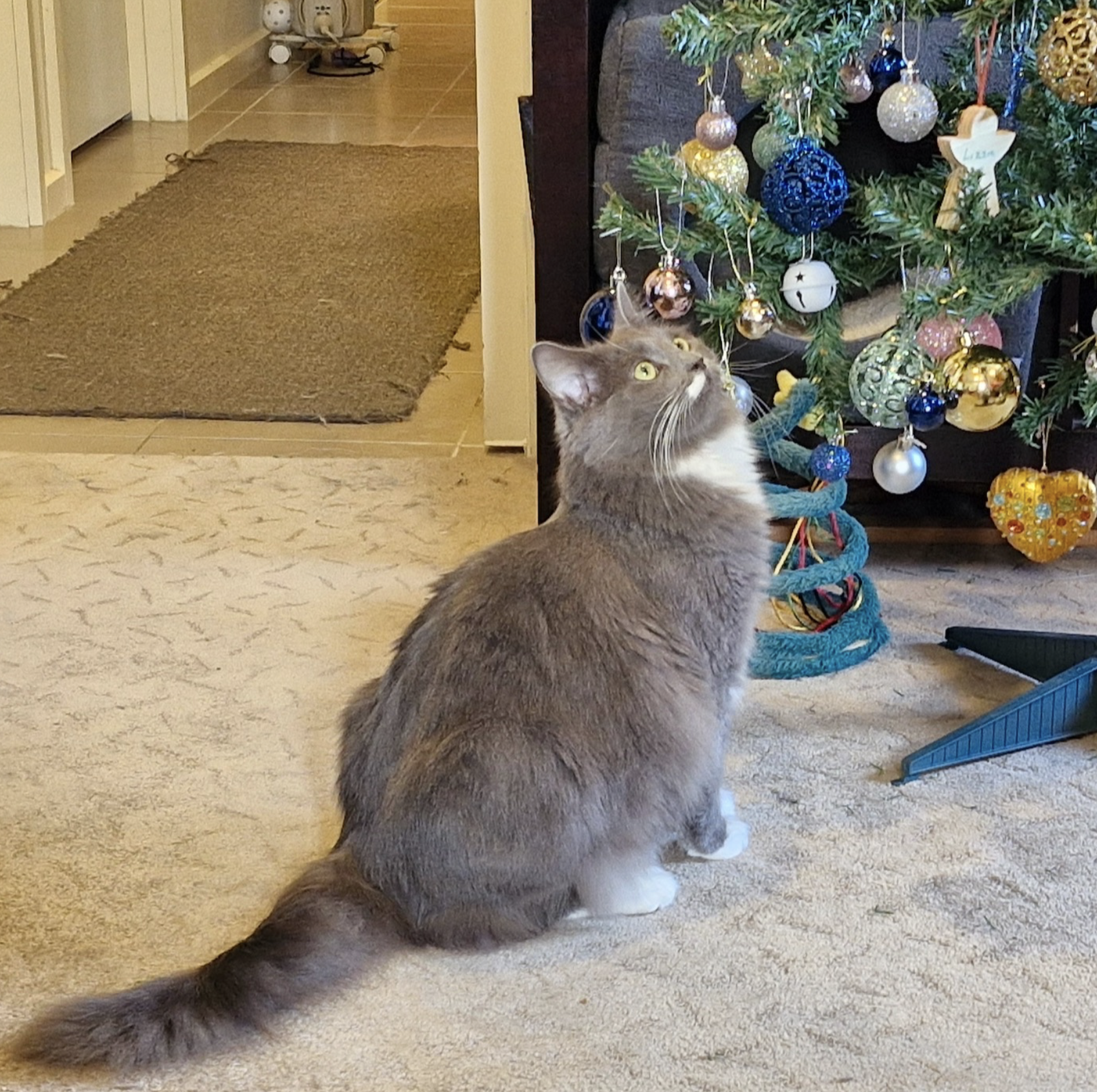
I am quite rich in the experience of my faith as well. I’m quite mystical as far as Christians go, and most of the time I find God’s presence perfectly obvious. Fundamentally, I am aware that there is a loving God who is always with me (and doesn’t smite me when I scream at Him, either, which is handy). That’s pretty amazing.
LOCATION, LOCATION, LOCATION
I live in a safe (and wealthy) country, in a safe city, in a safe house where I won’t get thrown out or have to deal with rental inspections. My kids go to reasonably safe schools and it is safe for me (or them) to walk around during the day. The housing standard is high, with legal rules like, “A landlord must make it possible to heat the house to at least 18 degrees Celsius in Winter”. And various energy and construction standards, plus social expectations that a two-kid family lives in a 3-bedroom home (or larger). I even own my own home (technically a townhouse), which is AMAZING as a Millennial.
Being poor in Australia is very different to being poor in Indonesia. It’s true that I’ve gone hungry in the past, but that was mainly because I was determined to be independent from a fairly young age. When I finally went crawling back home, my parents were able to make space for me and even gave me some weekly money so I could buy my own meals and pretend I was still independent until I was able to work again. If I ever go hungry again, it’s far more likely to be because of Autistic food aversion than having nothing in the cupboard. Although I certainly live paycheck to paycheck, and things do get dire sometimes.
One in ten Canberra households live in poverty. My family’s total income is about 70% of the median income for a family of equivalent size. Which used to be survivable, but with my medical costs + the cost of living it’s looking grim. However I’m pretty skilled at living on less than the average person, and our friends tend to socialise at each others’ houses, not any place we have to pay to enter.
TIME
In one very specific way I’m lucky: my schedule is almost always clear. So I can pick up my kids from school when they’re sick; can answer a phone call at 2:00am; can make doctor appointments willy-nilly; and so on.
But due to my fibromyalgia I only get about four functional hours per day on average.
I work one day per week, looking after a kid (who I happen to adore). I get paid to drive there and back (not the whole way as it’s quite far, but a full hour of paid driving per shift) and driving her to and from the place we usually go (another hour of driving) so for my five hour shift the child is either strapped into a car seat or entirely absent for two of those five hours. That helps a lot, but I also need to be VERY careful not to schedule much of anything on that day, or on the day before or the day after. So technically I get paid for five hours, but it takes me three days. (Driving is a relatively easy activity now that my sleep apnea is rarely at dangerous levels, so I can drive more easily than I can babysit. Other things, like cleaning, are a very difficult activity in which a couple of minutes can wipe me out for days.) Although the kid is a toddler, she’s not the type to run away and she’s used to me being in a wheelchair 90% of the time, so she’s surprisingly easy in terms of physical activity. The wheelchair is extremely helpful as it means I’m not standing around a lot. 80% of wheelchair users are able to walk but need the wheelchair due to balance, pain, or fatigue issues.
This is a handy post about the reality of doing ANYTHING while disabled in a similar way to me:
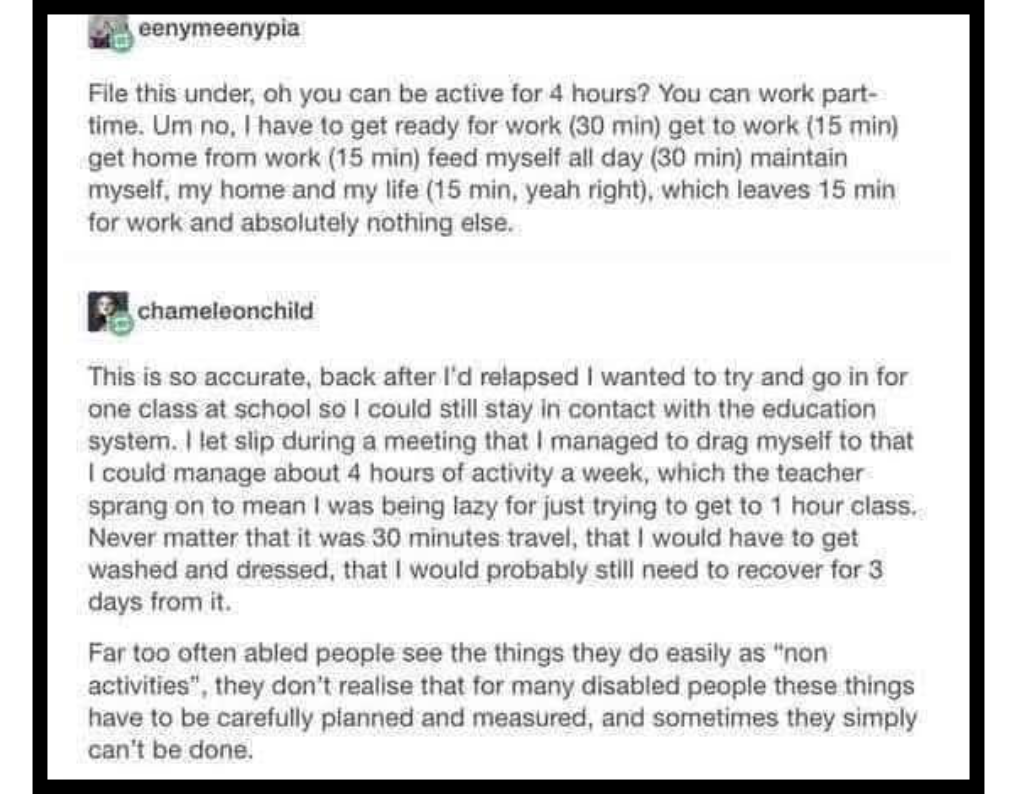
FAMILY
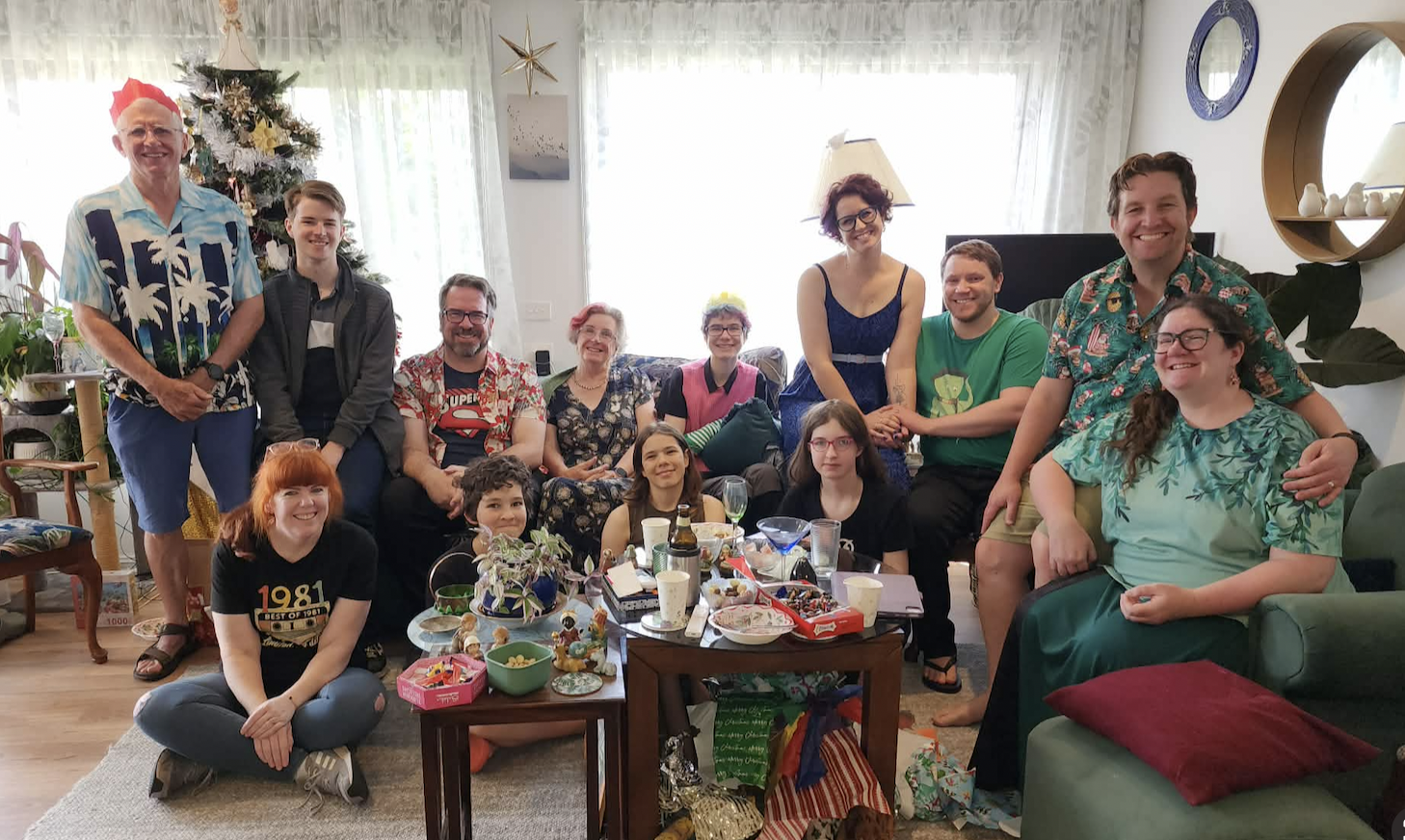
I get on with most of my family, although there are some I only see once per year. I do enjoy that one get-together per year. I am also married with two kids, which is pretty much perfection. It is an especially unusual perfection for a disabled woman, as around 60% of men will eventually divorce their wife if she has a chronic medical issue.
(Why YES straight white men can be pathetic. I’m sorry but it happens. It’s not an innate male flaw, but a side effect of privilege.)
HEALTH
I’m not dying, which is about the best thing I can say about this junk heap of a body. In fact, people with terminal cancer literally have a better quality of life than those with fibromyalgia (not my claim but it resonants hard). NOT that I want to have cancer! The fear of death is something that I don’t have to deal with at all, and that is a very good thing. I do have operations sometimes, but I don’t have chemo or radiotherapy, which is GREAT.
However, my life does suck monkey balls and that’s just a fact. I’m never not in pain. I can’t spend a whole day without vocalising from the pain at least once, and usually ten or twenty times a day, eg getting up from a chair or picking something up from the floor—stuff like that hurts quite a bit, and standing up for more than about two seconds is awful. My standard pain level is a four, which for a healthy person would be reason enough to see a doctor. There was a time in 2024 when I was bedbound for weeks on end, could not move without yelling in pain, and even when lying still it was as painful as being in active labor. The worst part is knowing that it’s virtually guaranteed to happen again because that’s the deal with fibromyalgia.
Recently, my jaw has become consistently painful (by which I mean 24/7). I saw a specialist who advised me to get a splint in order to slow down the increase in pain ($2000+) and to see a specialised physiotherapist ($250ish per session). I couldn’t realistically do either of those things. It hurts quite a bit to sing, and I know that it will hurt more and more. I’m pretty angry about all of that, but here we are. I was never a good singer, but I love to sing. Loved to sing.
Interestingly, I realised this year that even if I was physically healthy, I would still be unable to do almost all kinds of regular work due to my Autism (Level 2). I’m still processing what that means. For me, it means that about 80% of the time (95% of the time if I’m out of my house or if there are visitors or mess or an important appliance is broken) I feel like I’m wearing a full-length skintight body suit that has been lined with the scratchy side of velcro. Every movement makes it worse, and I can never get used to it. At the same time as the scratchy suit, my face is for some reason something that makes a significant minority of people furiously angry no matter what I say or do. (The face thing is about communication, eg the way I was accused of animal cruelty due to opening a tiny cat cafe; an idea that was inspired mainly by my desire to share the beauty of kittens with others. In fact it was kittens that inspired this post as I think having kittens is a very special sort of wealth, and it is my responsibility to share that wealth as much as I can.)
MEANING/PURPOSE
This is extremely important to me, and family of course helps with this a LOT. When Lizzie was born, I was mentally healthy for almost the first time in my adult life. I was flooded with happy chemicals and loving the fact that my life rotated utterly around her. Sadly, that early ‘baby high’ doesn’t last forever. But the rational parts are still there: Even though I don’t usually feel like a great parent, I know I do some things well, and that I am entirely irreplaceable. All the ickiest cliches are true: Being a mum is the most important thing I’ve ever done.
But. I also have my writing, and the knowledge that people actually like it and will pay for it (I earn about two cents per hour, which is terrible but frankly more than most writers). That’s also something that only I can do.
But… I want more. The world is on fire and I want to help! But as time passes I am slowly learning that my worth doesn’t depend on contributing to society. And, that saving the world is not my personal responsibility. These are extremely helpful and necessary lessons for me to learn, and I’m not done learning them yet.
I also want to do meaningful things just because, if I can. And usually my health says “Nope”. Plus of course my finances. I literally have a list of about twenty people or organisations that I want to give money to, but I can’t. That is frustrating.
My paid job is highly meaningful, because I am looking after a child. That is great and is part of why I’m able to do it at all.
And one of the key reasons I love fostering kittens is that I’m often literally saving them from being euthanised PLUS saving endangered native animals from their murderous natures. Plus, oxytocin again. Although unless I get serious funds these adorable babies will be my last litter (which is devastating, and I have been feeling extremely sorry for myself… which is the other source of inspiration for this post). However, I have applied for a grant and I’m optimistic.
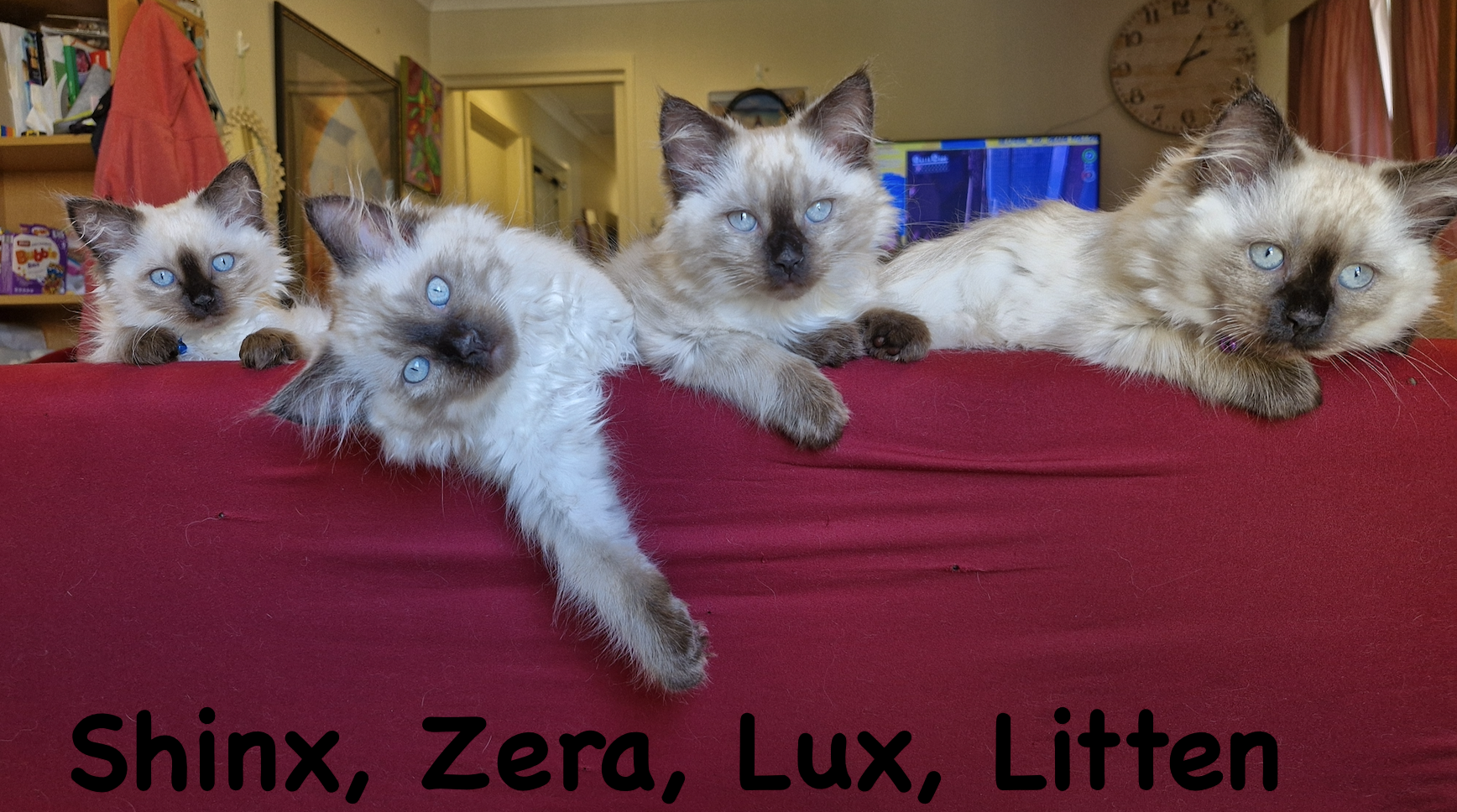
FUN & HOLIDAYS
Yes, kittens are fun. I can also read and listen to music. Kids are fun too, and Chris (husband) is a fine conversationalist, among other enjoyable skills.
I love love love water, which is another classic Autism thing. I especially love the beach. In 2025 my family went to the beach FOUR TIMES because my Mum was working in Bermagui.
It. Was. Amazing.

Tragically, she doesn’t work there any more. Oh well; it was good while it lasted.
I have another fantasy of buying a house in Bermagui. My family would have at least two beach holidays per year, including sometimes having my whole extended family there (yes, all the people in the photo above, and probably more); I’d rent it out most of the time; and run paid retreats for artists and writers there too. Nice fantasy, huh?
We also managed to take the family to Indonesia in 2024, which was a dream that pre-dated my kids actually existing. That was a mix of meaningfulness (I felt it was really important for them to see another country that wasn’t part of the West) and work (our excuse to go was my winning a grant from the Interactive Fiction Technology Foundation to teach interactive fiction to Indonesian writers), and of course fun. We all love water, so I planned all our activities around pools and/or the beach.
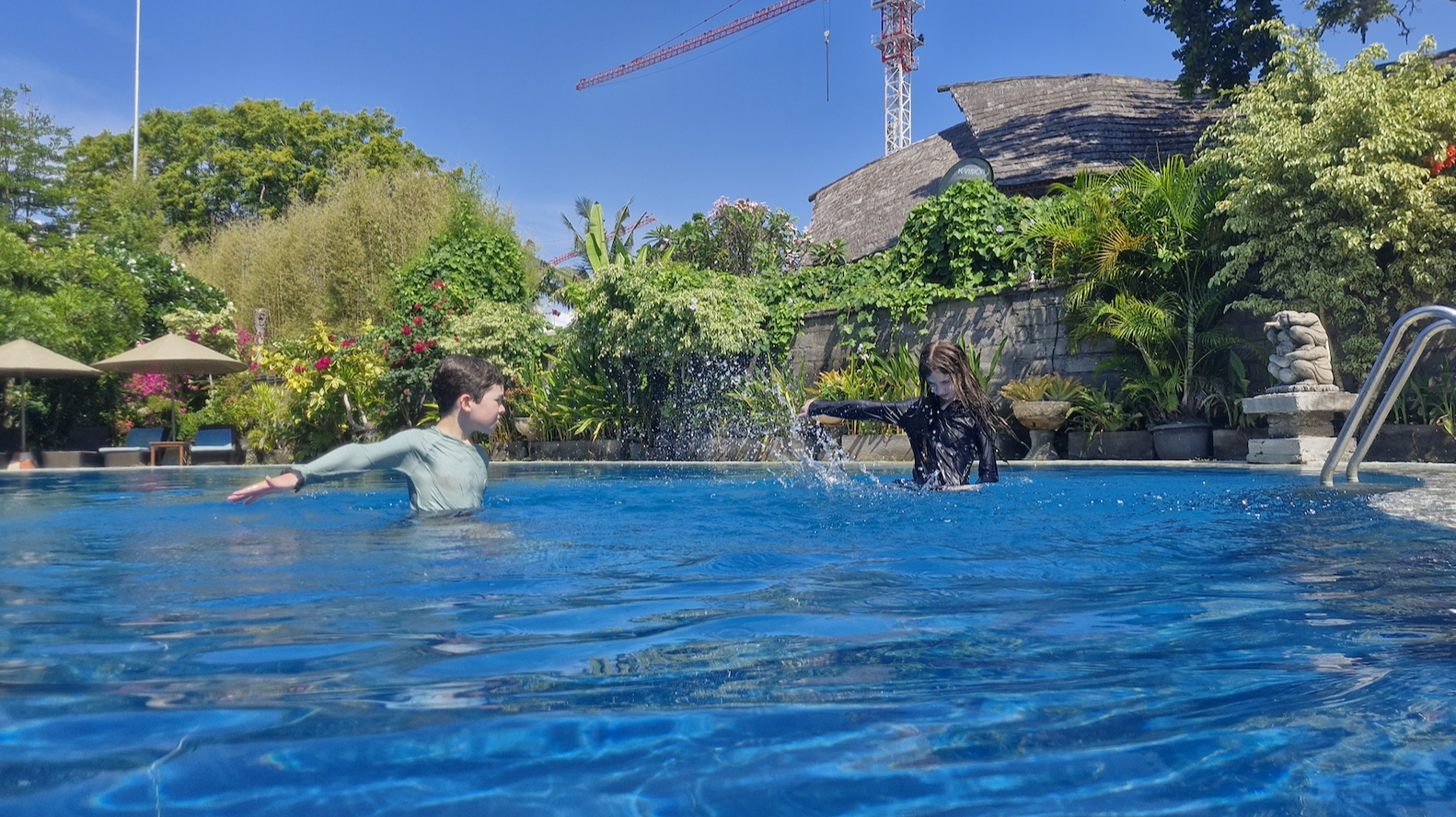
We also visited the Great Barrier Reef, in 2022 I think, using my minuscule superannuation fund (after using most of it to pay off our worst debt). That was incredibly special too, and of course meaningful because it’s a wonder of the world; intrinsically Australian; and in considerable danger from Climate Change. And it was really good for the kids to get out of their comfort zone in a way that they were reasonably enthusiastic about. Eg. When they went to use the shower they discovered it didn’t have a hose attachment and they literally cried. But they got over it, and adapted.
(In Indonesia, one of our hotels had very unpredictable toasters, so now my kids are extremely casual about scraping off the burnt bits and eating the toast. The traffic there also gives serious perspective on any other traffic. And the kids now have a tiny bit of a sense of the other path my own life could have taken, since for a long time I planned to move to Indonesia as an aid worker.)
We have relatives in London and we owe them a visit SO BAD. They actually paid for Chris to visit this year, which was simply brilliant. I’m not really well enough for such a long journey, so I have lovely fantasies about travelling first-class and/or stopping at several points on the way (Indonesia again maybe, Hong Kong and/or Singapore, India, Egypt, somewhere in Europe). It seems absolutely impossible, but we’ll see what happens in the future.
My family has had loads of visits to the coast (especially recently); an amazing interstate holiday to one of the most spectacular places in the world; and a brilliant international holiday. In terms of travel experience, we are very wealthy. I have no idea how the future will go. It seems impossible that we could ever justify another holiday, but life is frequently surprising. And, we live in Australia, a wealthy country, and surprising amounts do sometimes land in our lap (eg like many other very small businesses I received lockdown payments, which meant we were finally able to fix our AC).
I really love eating at restaurants. I love food as art, whether it’s me cooking it or someone else. Sadly, eating out is not justifiable at the moment except for extremely special occasions. I will probably be able to have a nice dinner to celebrate my wedding anniversary later this month, and my mum just told me she’s taking me out to dinner for my birthday in February. For Lizzie’s birthday, she has asked for a MacDonald’s dinner, which she will get. I’m not a super consistent parent, so I make a huge deal of birthdays (she is also getting pancakes for breakfast and a Percy Jackson themed party).
RESPECT
This is a tricky one. I know some people still believe awful things about me thanks to people lying on the internet (and my Autism). I know some people believe I’m faking being disabled (in fact I still often imply or outright lie that I’m relaxed or lazy in order to smooth social situations eg “What are you going to do this weekend?” “Read books and nap!” —which is technically true and technically delightful, but actually sometimes it would be nice to do something interesting outside of the house). Some people look at my fat body and immediately assume I’m lazy and/or stupid, when of course it’s a side effect of illness + self-medication + medications (rather tragically, insulin makes me gain weight but of course I can’t stop taking it).
But most of the people whose opinions actually matter to me still believe I’m a reasonably intelligent, reasonably responsible, reasonably decent human being.
FREEDOM
I’m free to do so many things that I don’t even think about it. I can get divorced if I want, I can buy stupid things (and then deal with the consequences). I can travel places (health and finances pending). I can move around my city freely, wearing almost anything I like. My country is not at war or on any kind of rationing.
LEGACY
I have two great kids, AND I have my writing—that’s pretty sweet. And even though my reputation is terrible in some places, I’ve never done anything truly bad or shameful. And I’ve done some really cool things here and there, too. I have plenty of regrets, but in the context of my forty-three years I’m doing pretty well.
CONCLUSION
I am rich in location, housing, family (both immediate and extended), language(s), gender, sexuality, life experiences, flexibility of time, leisure time/activities, freedom of movement/choices, and personal and familial legacy. I am poor in terms of cashflow (compared to other Australians) and health.
Because of my privilege, I forget about the many ways I’m wealthy. But actually I’m doing pretty damn well.
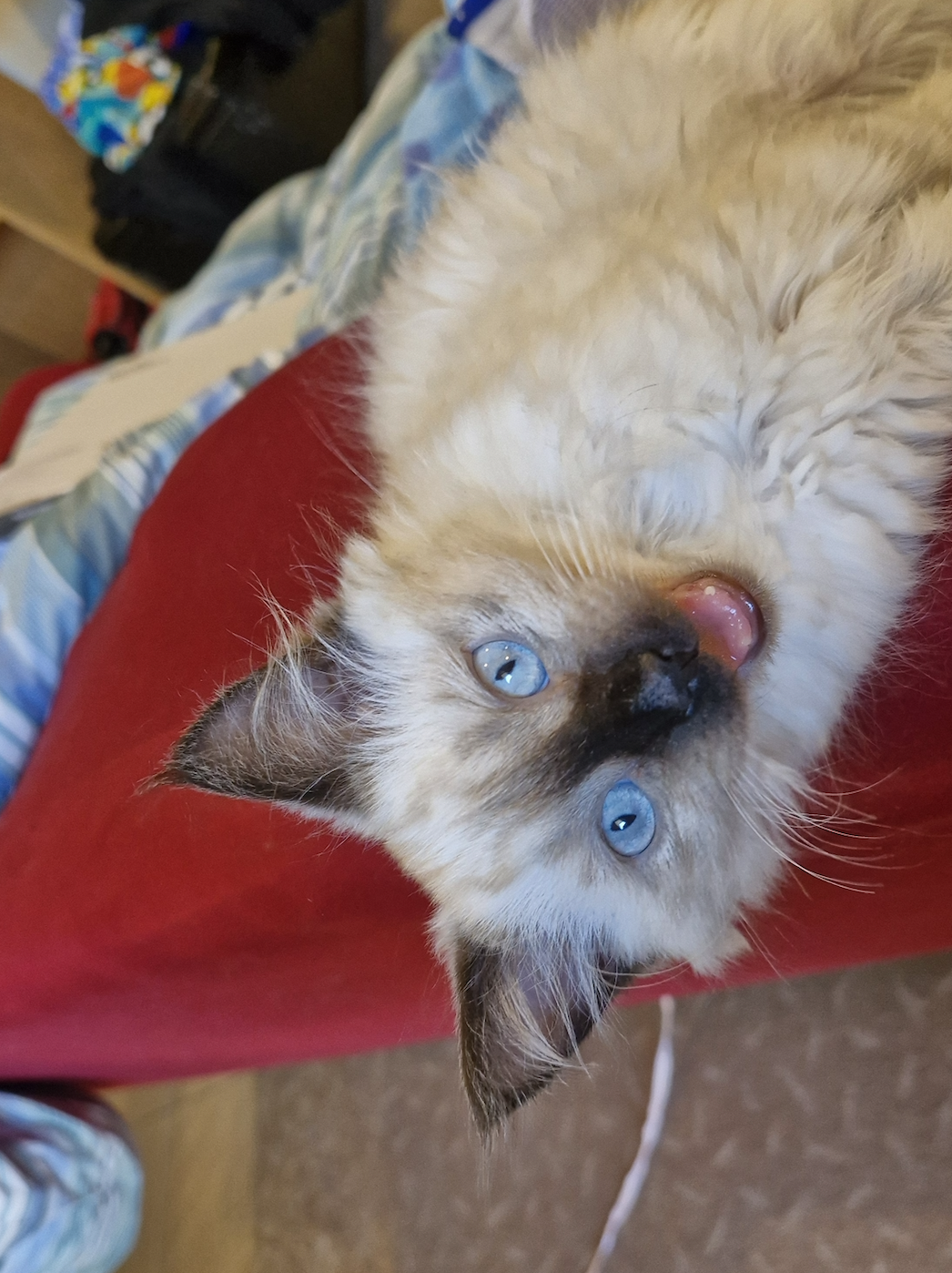
What kind of wealthy are you?
What kinds of wealth did I forget to write about?
The Crimes of Which I Am Accused
Unfortunately, that title is not a joke.
It’s been almost two years since most of this happened, but I know there are people out there who still believe certain things about me that are simply not true. Given the seriousness of the accusations, I want to very briefly say what happened so I can direct people here both now and in the future.
Summary:
I never did anything illegal.
I never did anything cruel or neglectful.
Rather than ‘kidnapping’ two kittens, I was trying to protect them from neglect—and I was right to do so.
In late December 2023 I began minding an incredibly friendly kitten as a foster for one of the many local cat rescue groups. I’ll call my main contact person Bob (although they are female). In consultation with Bob, I added five more kittens to the group. They all got on extremely well very quickly, and were also very friendly towards humans. One day it occurred to me that they were ideally suited to be the feline staff of a ‘cat cafe’—a small business in which people pay to play with cats. I’ve always wished Canberra had a cat cafe. In the past I’ve run several micro businesses, all of them ultimately making a profit (which is remarkable and mainly due to minimal up-front costs). So I realised that in some ways I was the perfect person to start a Canberra cat cafe where people could enjoy playing with kittens: the kittens could get a wider range of humans to socialise them (something that is recommended by the RSPCA); and I could make money from one of the few things I am able to do (I am disabled by chronic illness and cannot earn enough to even pay for my medical costs—but I have to try to earn something because life is expensive).
I soft-launched “Tabby Time” by posting on a few FaceBook groups. I was extremely clear that this particular Cat Cafe would not serve food or coffee, and would be held in my very ordinary and often messy house (I do tidy my home, but there are four people living here and all four of us have special needs of some kind). There was an immediate enthusiastic response. Then, within days, someone (who does not live in Canberra) posted on reddit, offended that I would charge money without a fancy venue or coffee. A lot of people mocked me or were offended, but I didn’t especially mind as anyone who knows anything about cat cafes knows that, for hygiene reasons, they often DON’T serve food or drink. And, anyone who loved cats would instantly understand that the cats were the point and this was a cool thing to have in Canberra.
People quickly decided my cat cafe was illegal, because it was not yet insured. I was, as always, very open about my insurance status. It is unwise but not illegal to run a business without insurance, and I had guessed correctly that public liability insurance would cost a huge amount (over $2000/year; considerably more than the cafe was ever likely to earn). This whole cat cafe was just a tiny thing for a few cat lovers to enjoy. The goal was to connect cats and people without making my life worse, and to maybe get bigger if it all worked well.
The closest I came to doing something illegal was saying that if people were thirsty I could give them some water, tea or Milo. I never actually DID give anyone anything to eat or drink because they were always so enthralled by the cats they didn’t feel hungry or thirsty BUT it is technically illegal for a small business to give someone a glass of tap water without a food preparation licence. (Later on I supplied bottled water for this reason.)
So no, I did not ever run an illegal business.
The tide turned online when someone decided that I was cruel to animals. This was either based on my appearance of incompetence; the accusations of running an illegal business; or simply the fact that most cats (including my two non-foster cats, one of whom is pictured below watching a bird) absolutely WOULD hate the very concept of a cat cafe.
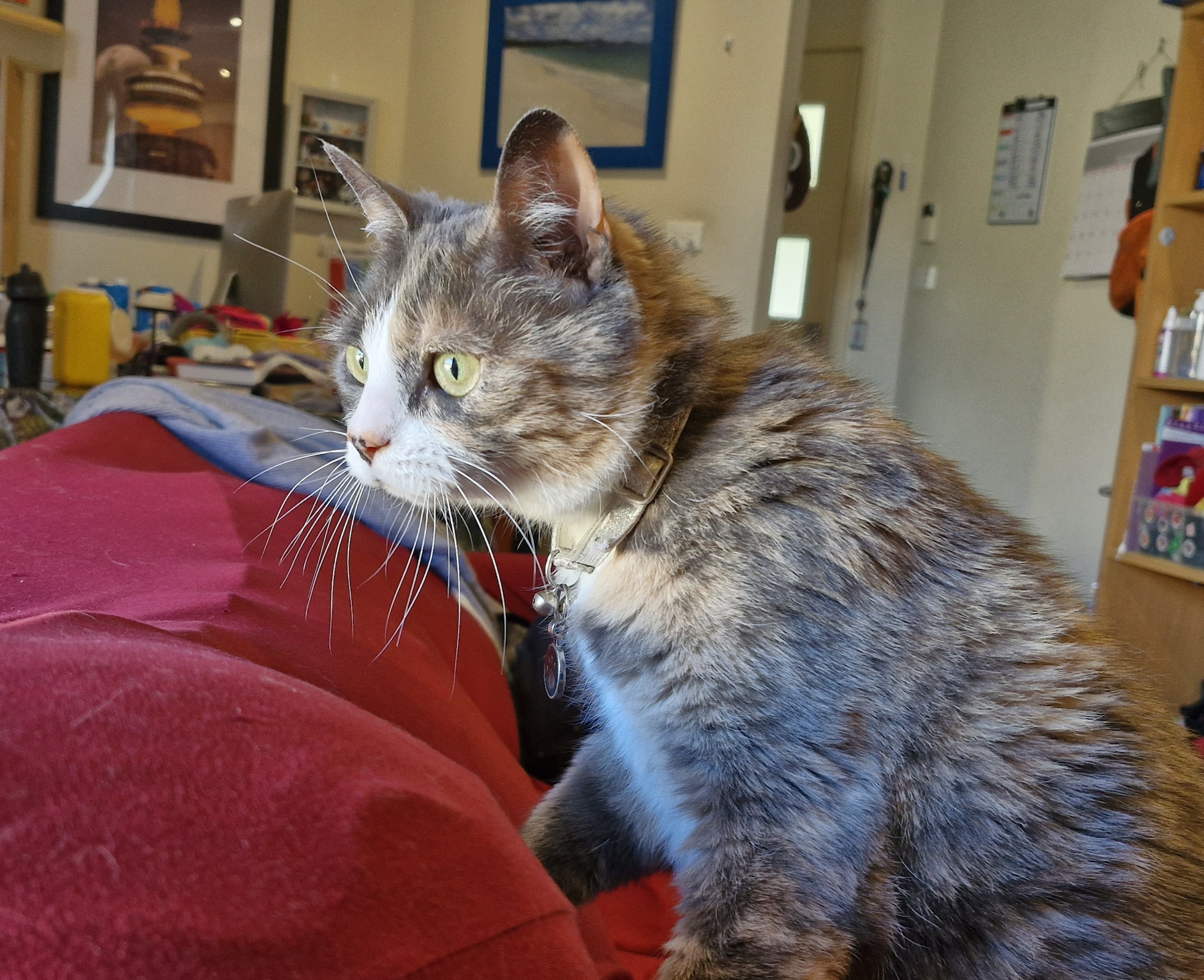
But.
I. was. never. and. will. never. be. cruel. or. neglectful. towards. animals.
Let’s break this up into three parts.
- The idea that a cat cafe is innately cruel.
The majority of kittens I foster love having new human visitors. For example, the kittens I am fostering right now typically have play times lasting twenty or thirty minutes. When two of my volunteers visited a few days ago, they played for an hour and a half, including climbing all over the volunteers.
I never ran many cat cafe sessions (it was never open for more than a few hours at a time, either—my illness means I get too tired to function very quickly, plus of course the kittens would get tired) but I facilitated a lot of very special moments, such as teenage boys melting when the kittens chose to nap on their lap, and a young girl slowly getting over her fear of cats.
For me, running a cat cafe was exactly like inviting cat-loving friends over to play with my foster kittens. The only difference is that I have extremely high hygiene standards now (which have stayed even though the cafe is closed), and I let strangers visit, and they paid me. For the kittens the experience is identical—and fun.
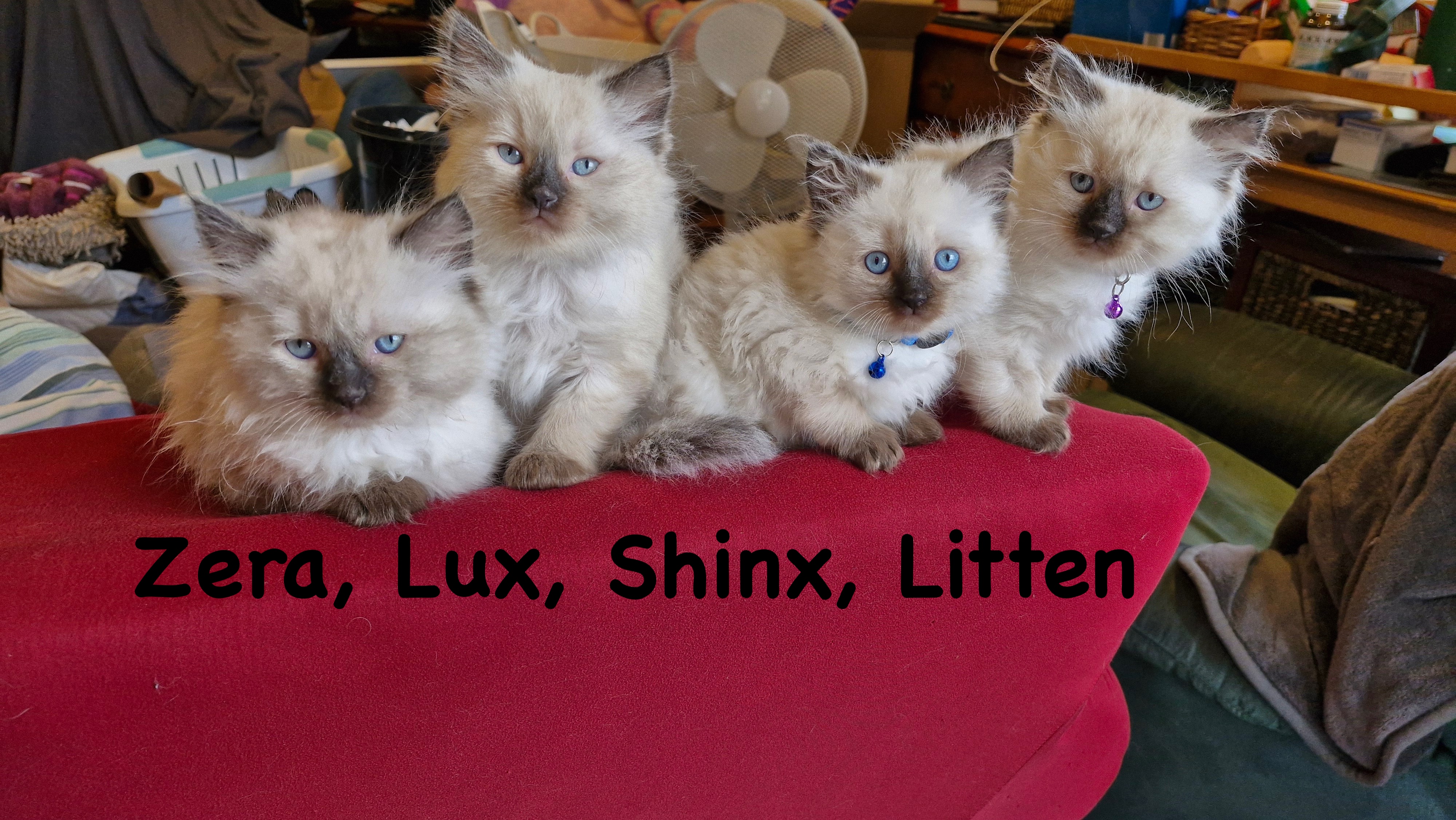
More importantly, my kittens choose their level of interaction. They are able to leave the visitor space at any time! Any human visitors are only allowed in one section of my house, and there are always high places, hiding places, AND exit routes for the kittens.
The humans are also supervised very closely, and not allowed to pick up the cats unless I say it is okay (for example, when a kitten is sitting at their feet literally meowing to be picked up).
2. The idea that a cat cafe is innately exploitative.
Exploitation can mean “to use resources” or it can mean “to treat someone unfairly in order to benefit”. A few people really hate the idea of a cat foster gaining any kind of benefit from fostering cats. I agree that I should not do anything that harms the cats (including causing them stress—other than when a small amount of stress is good for them, eg getting slowly used to the sound of a vacuum cleaner in order to have a happier life in the long term). But I do not agree that someone should never make a profit from doing a job that is worthwhile! Teachers and vets and nurses and zookeepers and doctors and many many other professionals are doing important work. In an ideal world, all jobs would be paid. Writers! Foster carers! Those caring for unwell relatives! Artists! Etc! And yes, it’s rare for foster carers to be paid. But the best cat cafes benefit the human workers (who get paid), the customers (who get to play with cats), AND the cats—both because they get more attention (on their own terms), and because any foster cats are more likely to be adopted. That’s a win-win-win scenario. Fantastic!
3. The idea that a cat cafe is unsafe (for either humans or animals).
Human visitors need to be told that there is always a risk of scratches from cats—even the most well-trained cat will dig its claws in if it loses its balance. If a cat cafe doesn’t have a special glassed-in area for food and drink, it’s probably not hygienic to eat or drink there. I kept anti-histamines, spray disinfectant, and bandaids on hand as well as various other first-aid supplies.
Humans also need to sanitise their hands before they touch the cats, and when they leave. And they need to be supervised. I use F10 vet-grade sanitiser and stay in the room. Generally my customers get a free lecture on cat care and communication, whether they want it or not, because that’s how I roll (cats are an Autistic special interest for me).
If the cats are unwell, the cafe closes until they’re fully recovered.
I also vaccinate the kittens before they see anyone, and I arrange for them to have their second vaccination before adoption (as far as I know I am the only foster organisation that does both kitten vaccinations).
Here’s another litter I fostered and found homes for:
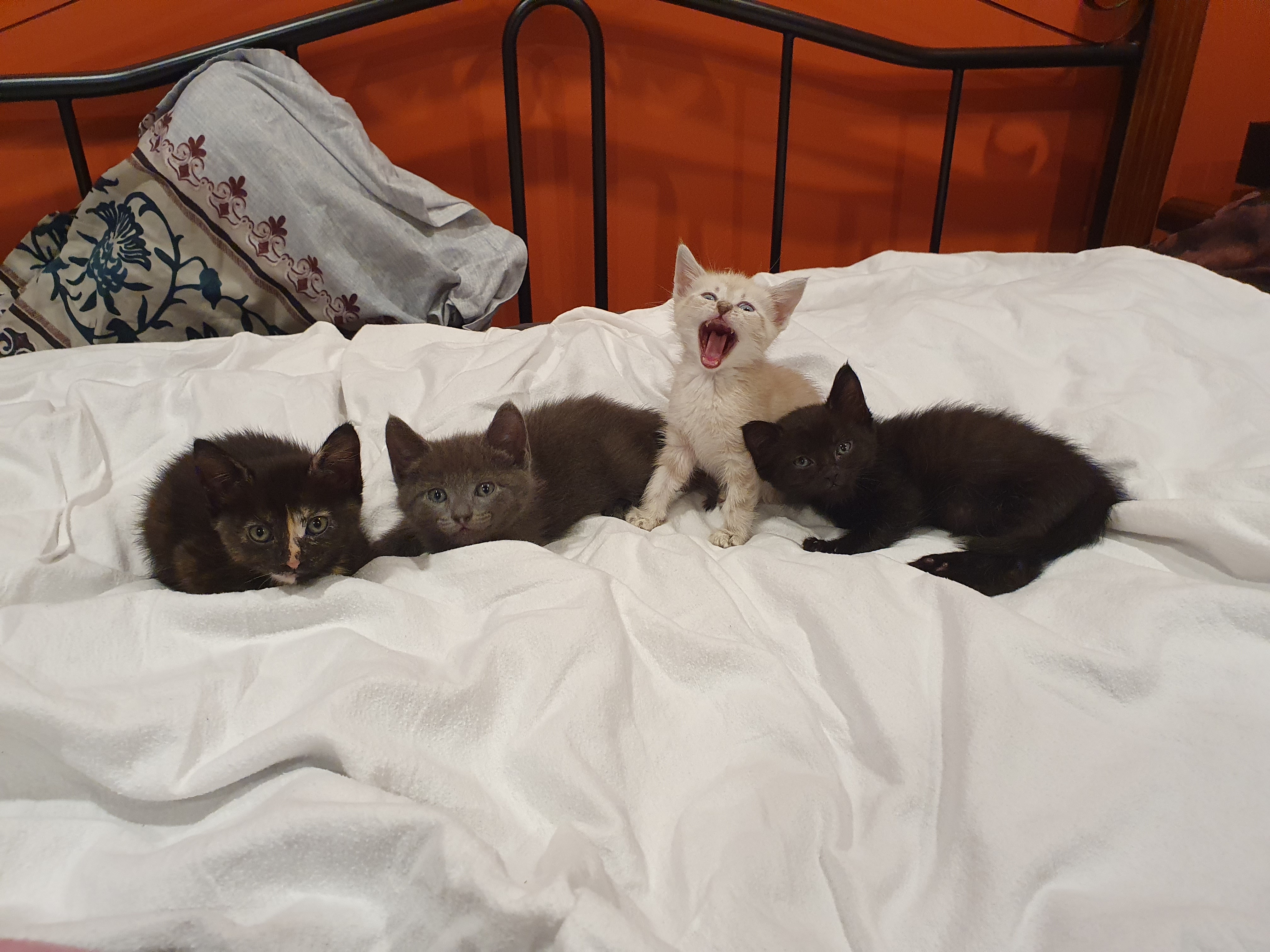
There are two more things I was accused of at around that time, both related to the agency I was working for.
First, that I never asked their permission to run a cat cafe. This has been perpetuated by Bob2, who I didn’t really interact with until he showed up at my house. If Bob didn’t communicate things to her co-worker, that is actually not my fault.
In fact, when I brought up the idea of a cat cafe Bob said, “If it helps with fostering, go for it.” We continued talking about it before I started it, and when it was running. She had only a vague idea of what a cat cafe was, and we were both taken by surprise that it attracted so much attention so quickly—but I respect her and her work, and I’m not stupid enough to launch a small business without asking the boss if it’s okay!
Things got so wild that some people said they were withdrawing donations from that agency. At least one of them was lying in order to get attention, but this was still devastating news for anyone who cares about cats because taking money away from foster agencies means cats will definitely die. There are way too many homeless cats out there, and not enough foster agencies to care for them all. When we say no to a cat, we know they may get put down. It’s devastating. (I know at least one agency that takes on way way too many cats for this reason, literally keeping dozens in a single very cramped and stinky house. I know another that euthanises kittens immediately.)
Other people online saw what was happening, immediately understood that people were hearing rumours and lies and causing real harm, and tried to donate to the foster agency. But the foster agency was so disturbed by all of this that they refused donations for a time. Because reputation matters that much.
I was desperate to protect the agency so I encouraged them to make me a scapegoat, even while they always made it clear that I had never been cruel or neglectful to the animals in my care. I know now it would have been smarter for them to say, “We stand by our foster carer. We would not have let her foster kittens if we were not confident that she is trustworthy.” and then to ignore any further chaos. Oh well.
The RSPCA and the Department of Domestic Animal Safety both came and did a surprise inspection of my premises. I like to think it’s fun for them to see a bunch of healthy, happy kittens. Certainly they were perfectly content with my set-up (the only issue was that I had two water bowls in the cat-only area and they said there should be three). But of course once an internet mob scents blood, they cannot listen to reason. I’m not sure why people think that a random on reddit is more trustworthy than the two departments who specialise in animal care and safety, but here we are. (I was also reported to the NDIS because I said I thought there might be a way for people to use the cat cafe as unofficial therapy. I never encouraged fraud but to be fair I do get confused by the NDIS rules… which of course I also said up front and publicly.)
The foster agency I was working with had already decided to take away the six kittens I was fostering. The RSPCA and DAS inspections meant nothing to them (not surprisingly, since they knew the kittens were thriving in my care and were taking them away only to appease the mob).
I had already found homes for four of the kittens, and I knew that the agency did not actually have enough resources to look after “my” six as well as those they were already caring for. So I had a dilemma: to do what was best for the kittens, or to do what a bunch of abusive internet strangers wanted me to do.
As I said, I respect the agency. But I knew they were doing the wrong thing. BUT, their reputation is a matter of life and death.
I attempted to contact the future owners. One of them was not available, but the other said they did NOT want their kittens to be given to the agency. That meant that it was foster carer + future owner VS foster agency.
So I compromised: I gave four kittens back to the agency, and insisted that the last two (the two whose owner I had spoken to) either remain in my care or go directly to their new owner (this would be a foster-to-adopt situation in which he would not legally own them until they were desexed). I knew that this would look VERY bad online but as always I prioritised the health and safety of the kittens over my own well-being.
So, the final crime of which I am accused is kidnapping two kittens.
Here are the relevant facts:
- Although I had previously requested paperwork from the agency (specifically, I asked for their foster guide) they never gave me anything. The RSPCA guidelines emphasise that the RSPCA can confiscate foster kittens at any time for any reason, so although legally the smaller agency I worked with never even mentioned that they might claim back the kittens I was aware that there was precedent.
- Five of the six kittens I was fostering had never met Bob or Bob2.
- Although there was never any paperwork, Bob and I talked regularly about kitten care. She was an excellent mentor/trainer and she also had reason to know that I was an excellent foster carer. She is good at what she does.
- As soon as I said that I would not give up the last two kittens, Bob2 made me verbally agree on a recording that the kittens now belonged to me and I was responsible for any vet care that was required. Less than an hour later, the owner paid the adoption fees to Bob2. We all never mentioned that legal agreement again. So… the agency was willing to give up the kitten but immediately took it back when money was offered. This is TOTALLY FINE WITH ME and is not cruel or shocking. The only weird bit is that they tried to punish me by making me (briefly) the legal owner of those two kittens. While also screaming to the press that I kidnapped them. They didn’t show me the same consideration I showed them—protecting reputation as much as possible in order to save the lives of more cats. I am also a foster carer, and hurting me hurts the cats that I can’t save. So screw you, Bob2. You lost your temper and did the wrong thing and as a result people still hate me even though I’m innocent. However, you are a genius foster carer so I wish you every success in life.
- In about 48 hours, the kittens were at their owner’s house. My house was empty of foster kittens, through no fault of my own, and the entire ‘kidnapping’ was a beat-up.
- Remember how I mentioned that the foster agency was overwhelmed? Well, they didn’t manage to coordinate the desexing for those two kittens in time. In the ACT it is illegal to leave a kitten undesexed after three months without a permit. So yeah, the foster agency DID do something illegal. Worse, the two kittens developed behaviour problems as a result of not being desexed in a timely manner. So yeah. I was right NOT to give them up. I should probably have stuck to my guns and kept them with me for the full fostering period. (But even though the foster agency’s failure was technically illegal, they will never and should never get punished for it. We’re all doing our best here. And late desexing usually works out fine as long as no one gets pregnant.)
So, rather than kidnapping two kittens, what I actually did was sacrifice my reputation in an attempt to keep them as safe as possible.
You’ll notice there are no photos of the crucial six kittens. That’s because I deleted all the hundreds of photos and videos I took of the kittens at the request of the agency. They also never told me anything about the fate of the other four kittens. I know the second two that I had found a home for DID get to stay together and go to that home because that person knew the situation and messaged me. I have no idea if the final two kittens were ever adopted. They were healthy and well-socialised thanks to me, so I assume they landed on their feet.
The cat cafe is closed now (because of insurance, lol) but I am still fostering. It is something I can do despite my disability, and I am good at it.
This is Popcorn, who was almost certainly going to be euthanised before I took her in along with her four siblings. She was the most violent of the bunch, hissing and spitting in terror. She almost died of cat flu from the stress of being taken from the street (I told the person who caught them that any future kittens should be left longer before being caught). But they all lived, and adjusted to being house cats, and were all ultimately adopted.
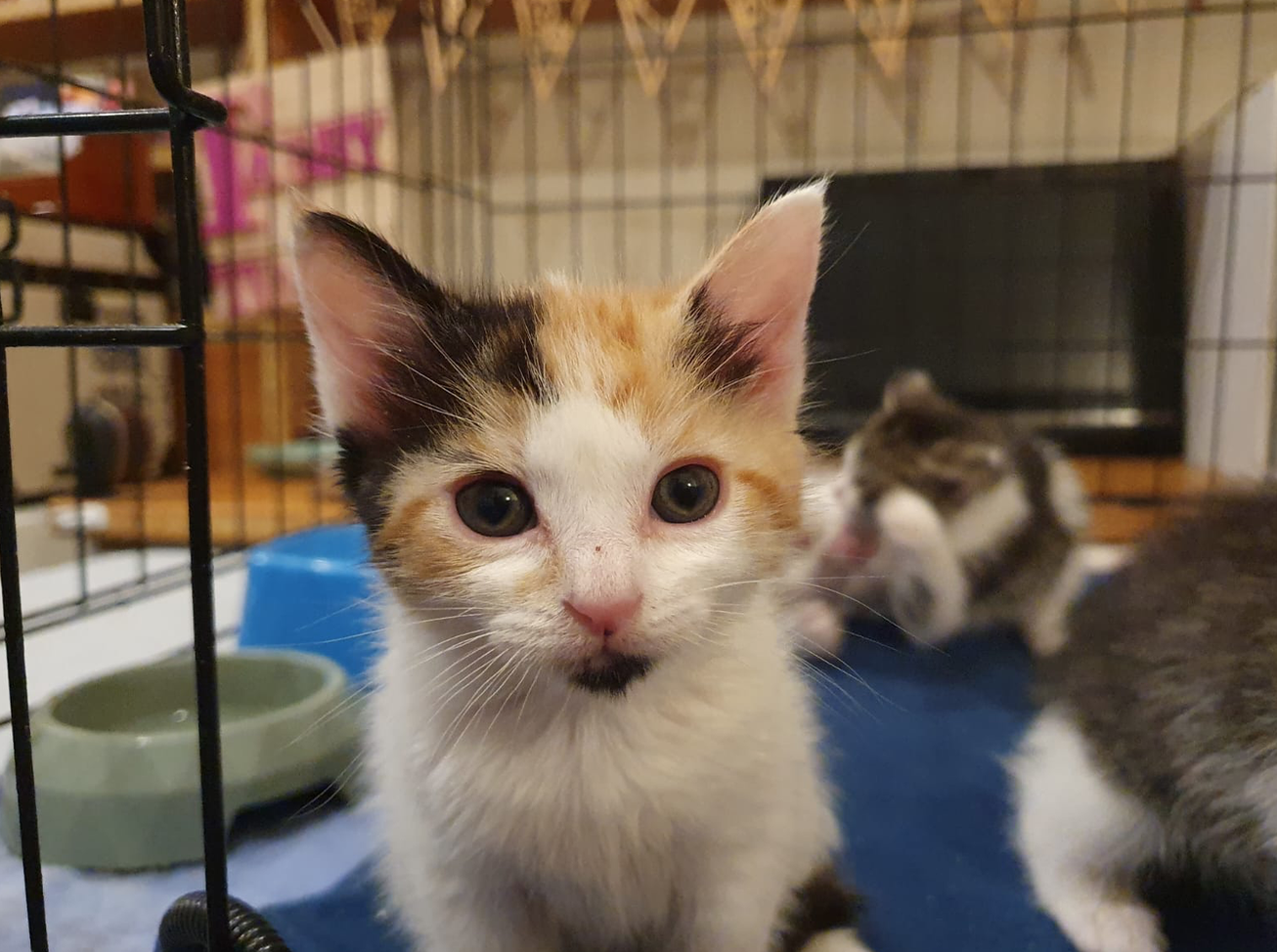
I am very proud of all the work I’ve done, and I enjoy it very much. I will probably have to give it up because my I can’t justify spending thousands of dollars on fostering cats when I can’t even pay for my own medical costs. But I’ve applied for a government grant and I’m optimistic that somehow, I will be able to continue saving precious furry lives.
If you have any questions, please ask them here. If you sound sane and human, I will answer them.
I was aware at the time that I was Autistic and that quite a few people have an immediate negative reaction to Autistic people (not on purpose, I believe, and not consciously) according to various studies. I am now diagnosed as Autistic (Level 2). This partly explains my poor communication skills online, and why some people immediately feel uncomfortable around me (which makes them more quickly trust lies about me). It is also very obvious in the way I always share the worst things I can think of about myself eg my house is messy; I’m not insured. Instead of seeing my honesty as making me trustworthy, people seem to think that I must be sharing bad things in order to hide worse things. Uh, no. I’m just extremely honest. It’s an Autism thing.
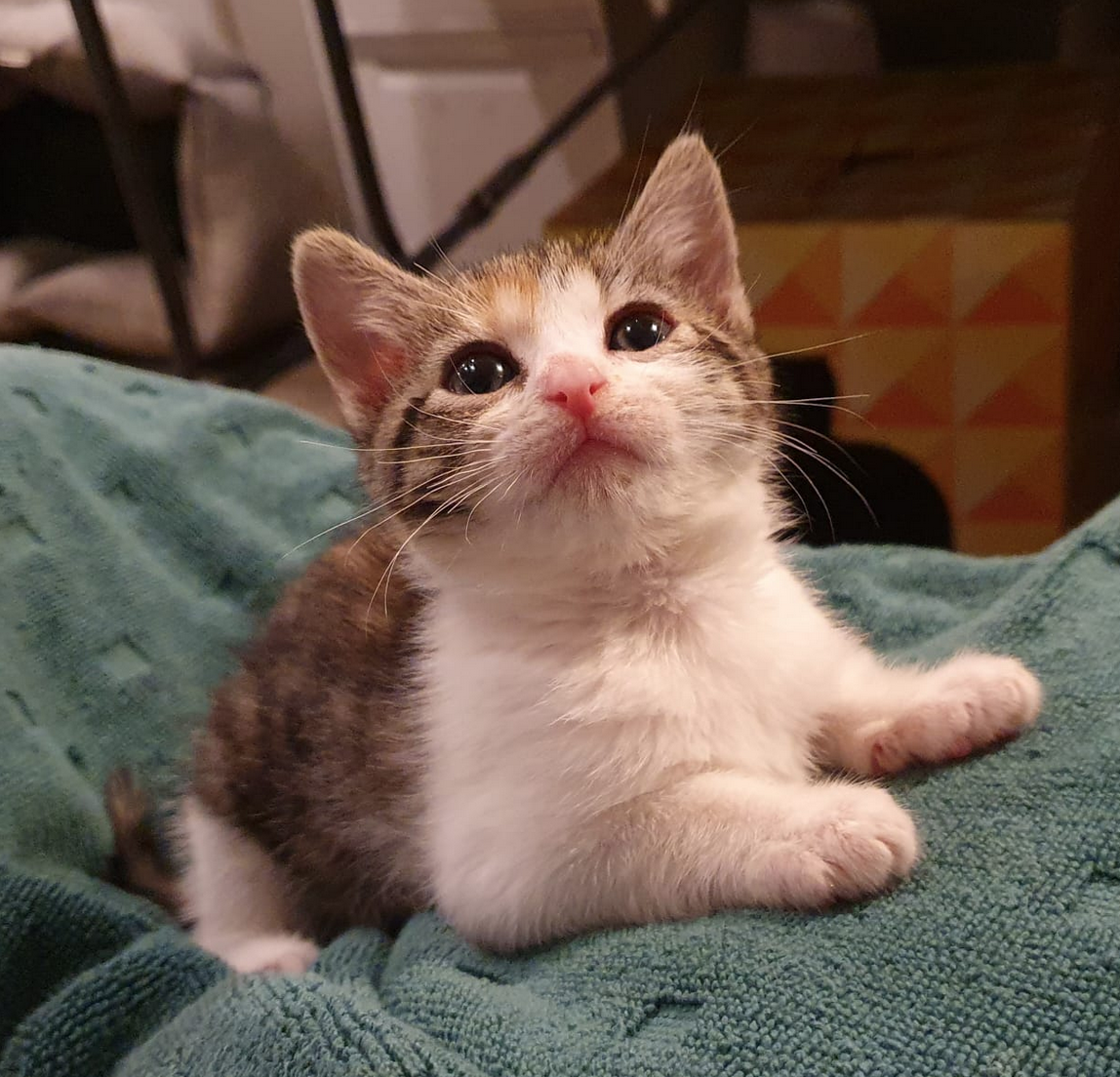
Summary:
I never did anything illegal.
I never did anything cruel or neglectful.
Rather than ‘kidnapping’ two kittens, I was trying to protect them from neglect—and I was right to do so.
Prawn Canapés (for Christmas, in this case)
Several years ago, a friend of mine made amazing prawn canapés. They each had three capers on top. I remember them so fondly that I bought capers last Christmas (and hated them).
This year, I hunted down the recipe she’d started with, and found some other cool recipes along the way. One of them recommended mixing fresh chives into the cream cheese, but I found it really good without them.
So far, I have done two HIGHLY successful experiment sessions trying out various flavour combinations. It takes a lot to fill up on bite-size hors d’oeuvres, but it can be done. I’ve shared them with three other people too, including my son (it’s always a good day when he embraces a new food, and he has thoroughly enjoyed advising me on taste combinations along the way).
Each canape has a structural item—either a skewer, a slice of cucumber, or a basil leaf—that holds the whole thing together. For the cucumber, slices should be 2mm or less so it holds its shape but doesn’t overwhelm the other flavours. You should cut the cucumber on a diagonal to make the pieces bigger (and be aware that cucumber ‘sweats’ so you may need to pat your slices dry after ten minutes, especially if you put the spicy sauce on them as it doesn’t mix well with water).
I like skewers best. They’re not as floppy as leaves, and they don’t get overwhelmed by cucumber (sorry cucumber; people who love crunch will prefer you). Plus anyone who eats them keeps their fingers completely clean.
Other than structural items, I mostly stuck to a rule of three: Each canapé has a prawn (except when it doesn’t because not everyone likes prawns), a ‘sauce’, and a garnish.
So here are my ‘sauce’ items:
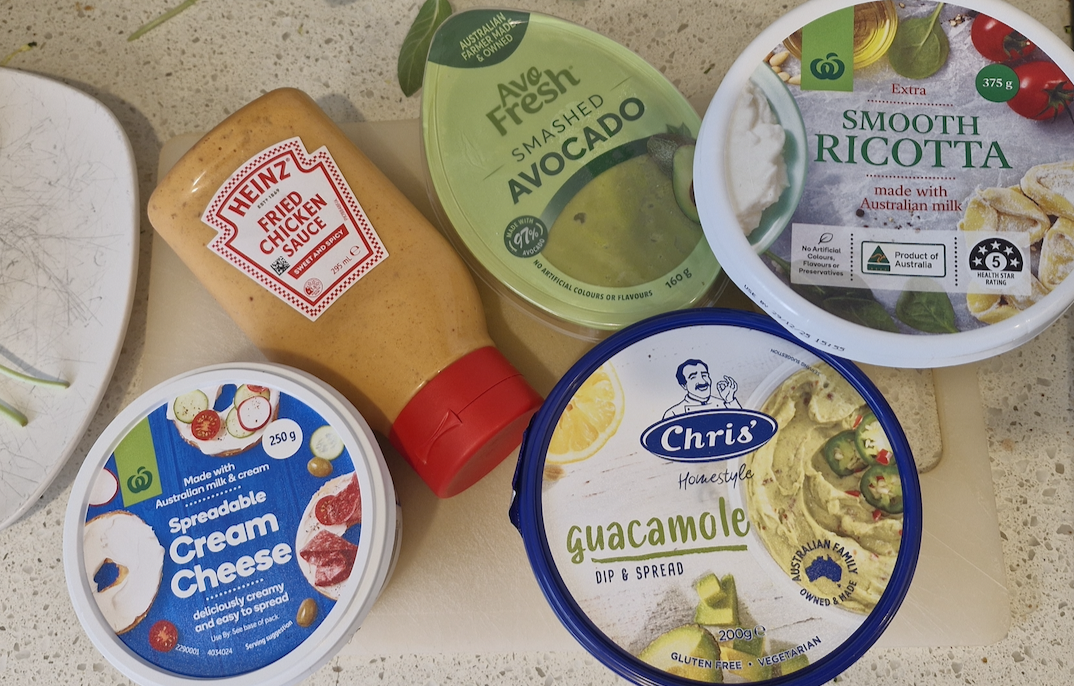
There is already a fundamental problem in that cream cheese and ricotta are too similar (both visually and as a taste), and so are smashed avocado and guacamole. So really one should pick a favourite of each of those pairs.
Avocado VS Guacamole:
Avocado is a refreshingly simple taste—that perfect exactly-ripe avocado flavour. With avocado, you can blend just three key flavours (prawn, avocado, and ?) and the eater can taste them all.
Guacamole has a teeny tiny bit of spice, which will sharply divide tasters. It is delightfully complex in flavour, hitting several notes in a delightful chord.
Conclusion: For younger kids or those who dislike spice, pure avocado is the winner. But for those who want something gourmet and fascinating, I’d pick guacamole for sure. You can make your own if you like, although you want to be sure it won’t brown.
Cream Cheese VS Ricotta:
Both can be savoury or sweet, but cream cheese is oh so creamy so it lends itself to a more dessert-like concoction. Cream cheese is often the base of dips because it’s so yummy. It’s indulgent and rich while still being a subtle flavour that can blend with almost anything.
Ricotta is yummy too, and also blends beautifully with almost anything, but it’s a lot lighter and (presumably) healthier.
Conclusion: For people that cheerfully throw diets out the window and want to seriously get into the most amazing/special treats on offer, cream cheese is the winner. For those that can’t handle too much rich food and/or want canapés that are genuinely healthy, use ricotta.
The “Fried Chicken Sauce” in the photo does not contain chicken. I found it in Woollies in a cardboard stand with other sauces in the fresh food area. It tastes like sweet chilli sauce mixed with mayo. At first it tastes completely sweet, and then the spice hits. It’s a real journey every time. It does burn the mouth a little, but I still enjoyed it (I’m fairly wimpy but getting much less so lately).
Garnishes!
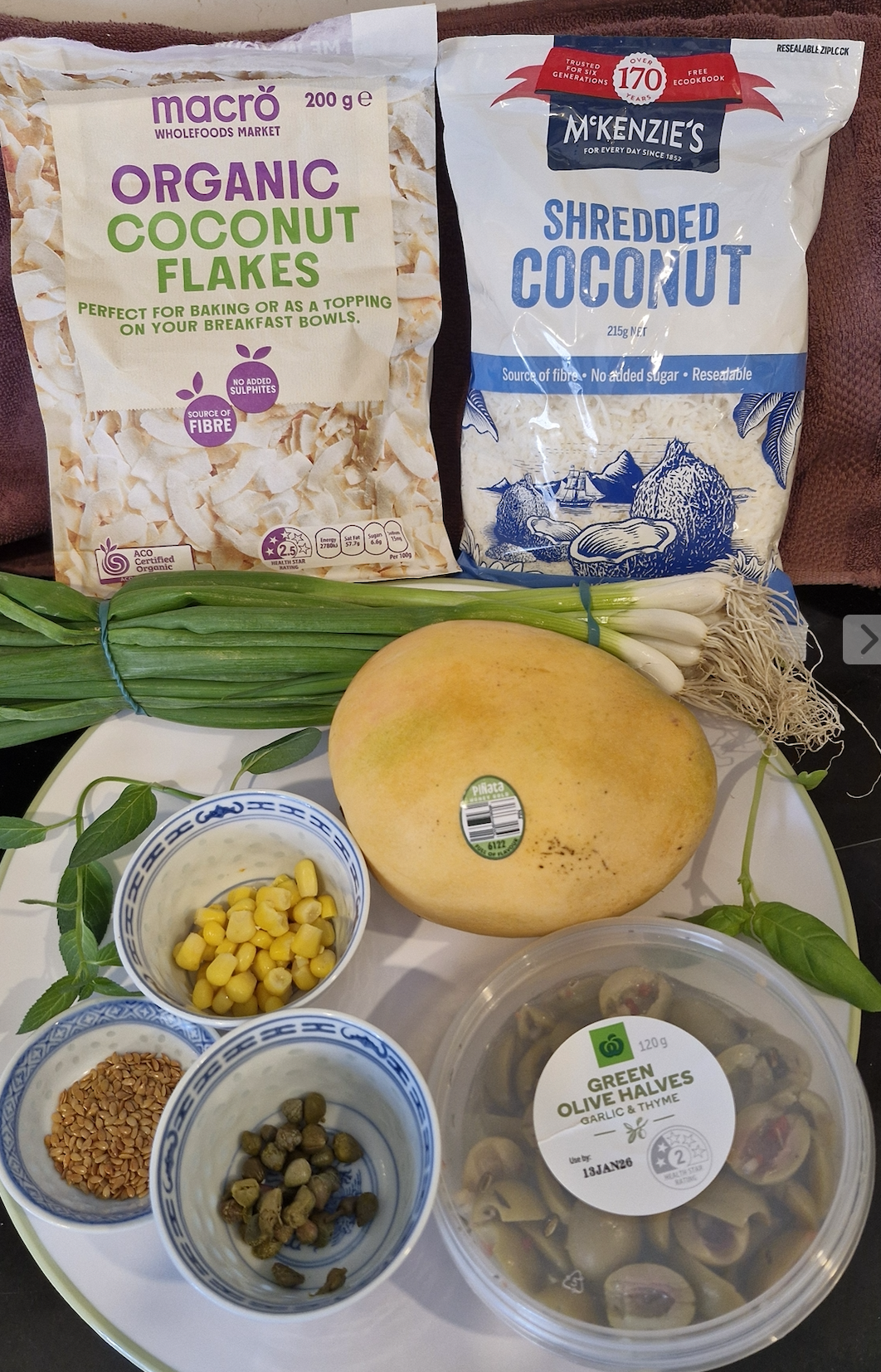
There are two types of coconut because I wanted to experiment and see which was best (I also tried desiccated coconut but forgot to put it in this photo). The leaves are basil, and chocolate mint. There are spring onions, sweet corn, capers (lol), toasted sesame seeds, and green olives. And mango.
I chose not to use any variety of mini tomato because they’re a pain to cut up. But who knows? I may get inspired to get into them later. The red colour certainly pops, which is cool.
The olives are INTENSE in flavour and needed to be cut into eighths. The mango was also surprisingly potent as a flavour, so I cut it into quite small pieces too. The sesame seeds were terrible (and I tried non-toasted sesame seeds too). Their flavour completely vanished, and then they crunched weirdly (like bits of eggshell had accidentally fallen in the sauce) and/or tried to stick in my teeth. I think all nuts would have a similar effect, unless they were part of a sauce (eg satay sauce could be great).
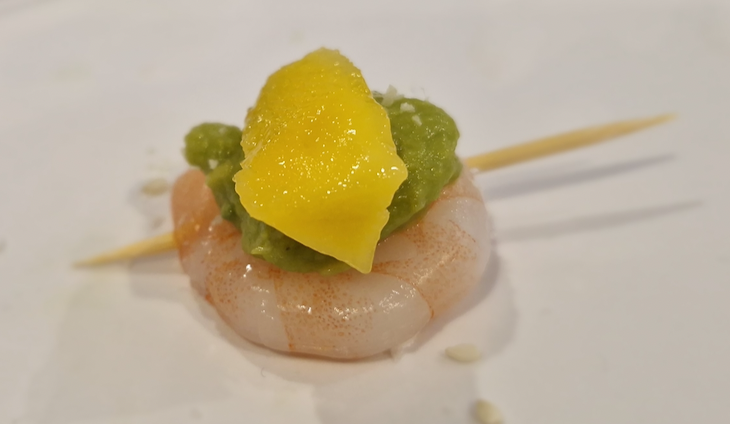
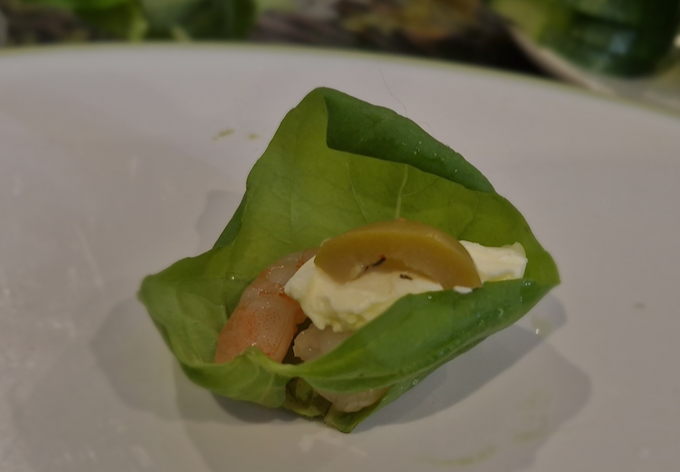
The only capers I could find were in vinegar, so that is the flavour they brought to the table. Olives, obviously, are crazy salty. My own flavour inclinations lean strongly towards umami and sweetness, so it’s good to have sour and salty in the mix for other taste styles. I quite like a bit of salt sometimes, but pretty much never like anything sour. However, the capers (which I carefully dried before using) tasted interesting enough that I was reasonably happy to eat them. I think I need to find fresh capers somewhere. Probably not this year though.
The corn is pretty but just kind of boring, and feels ordinary/cheap. I think it’s worthwhile with the avocado or guacamole (a nice shout-out to South American cuisine), but not with anything else. My son and my niece are obsessed with corn, so I’ll keep it in the mix for that reason.
The chocolate mint is fairly similar to basil but doesn’t work as well taste-wise except with mango and/or cream cheese, when it shines. you can also make these without prawns for anyone who doesn’t eat prawns, although they lack structural integrity. They’re basically a dessert and are definitely a crowd-pleaser. They might work better with a leaf base but served on a spoon.
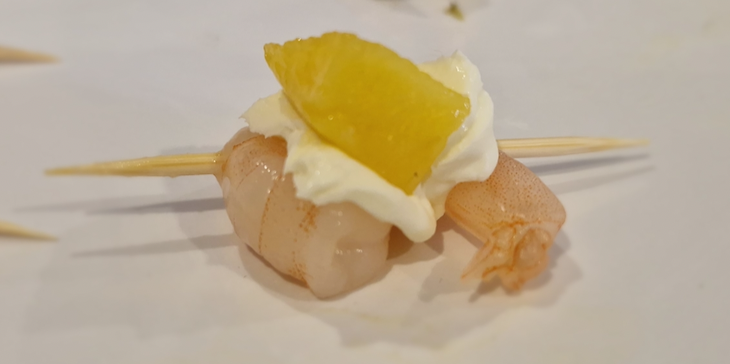
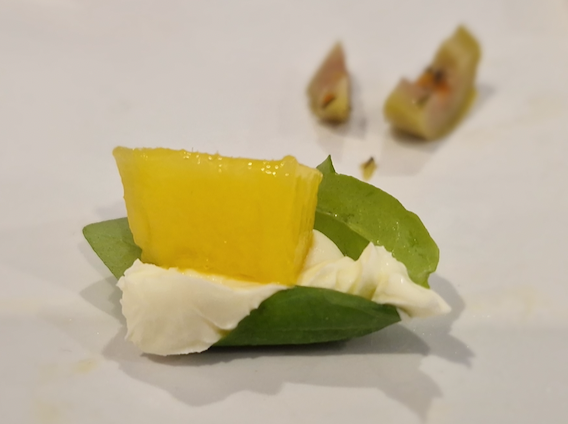
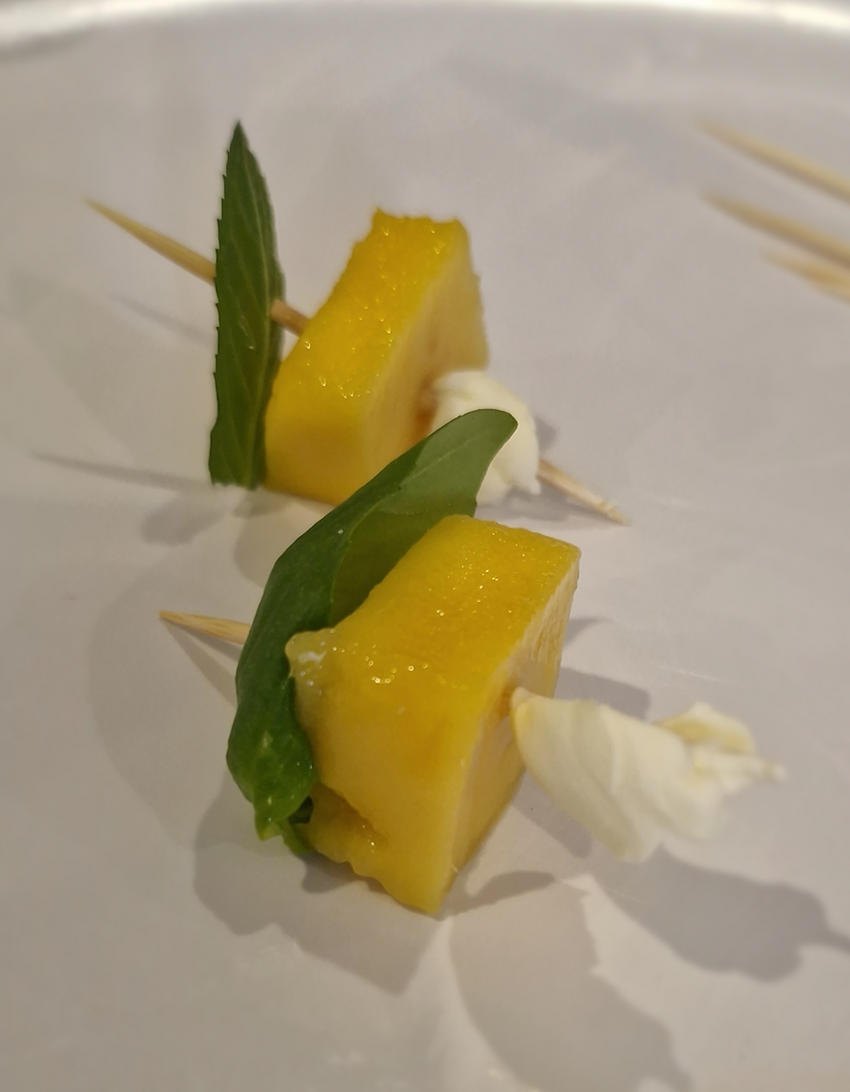
Coconut looks amazing and goes with prawns really well… but I’m still not 100% sure it worked well with these canapes. The shredded coconut had by far the best texture and the best look, but I still found the mouthfeel a little weird. But maybe weird is good—for variety, if nothing else. I liked the idea of it as a modifier for the spicy sauce, and I forgot to try it with the avo/guacamole (it’s no good with the cream cheese/ricotta, either visually or as a taste).
In this pic, the spicy sauce is paired with a single piece of spring onion, then with desiccated coconut, then coconut flakes, and finally shredded coconut. If you look at the top left piece or the bottom right, you can also see the spicy sauce seems to be melting. That is due to the fact that the prawns weren’t completely dry. So next time I’ll use more paper towels and make sure the prawns are fully dry.
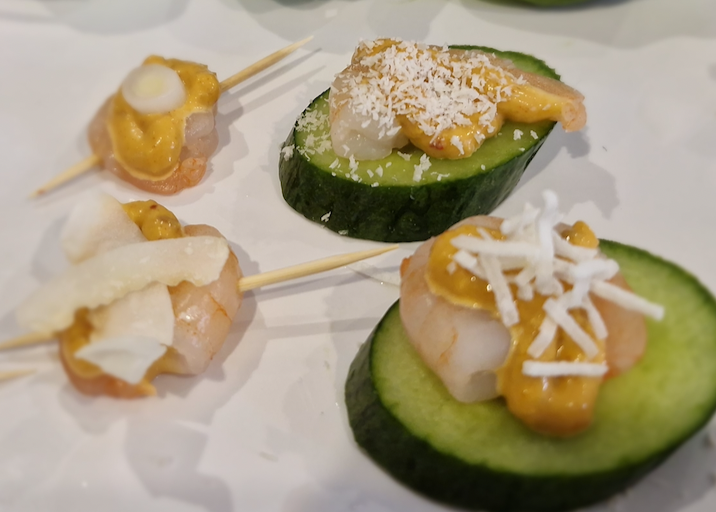
Prawns! My favourite are the pre-cooked tail-off deveined Garlic Prawns, but any cooked and deveined and de-tailed prawns are good. Or you can use whatever style of prawns you personally like.
These are both sold frozen so you need to defrost them before you start. With the garlic prawns I chuck them in a fry pan for about ten minutes (then drain off a horrifying amount of butter and pat them dry). With the others I run them under cold water for about five minutes (really more like thirty seconds then I wander off for five minutes, then repeat until they’re good—and again, pat them dry with paper towels and store them in the fridge until I’m ready.
(ProTip: Make sure no cats are able to access your kitchen at this time.)
It would be a LOT less work to use bigger prawns. But I am very socially anxious, and eating any appetiser that takes more than a bite is very awkward for me. Plus I like the way that the symphony of flavours all play at exactly the same time in that one amazing mouthful. It’s an ah! moment.
These two photos show really nice mini prawn salads that healthy adults will love. And they’re delicious! That’s basil, prawn, guacamole, and spring onion on the left, and cucumber, prawn, avocado and capers on the right. Apologies for the terrible photos.
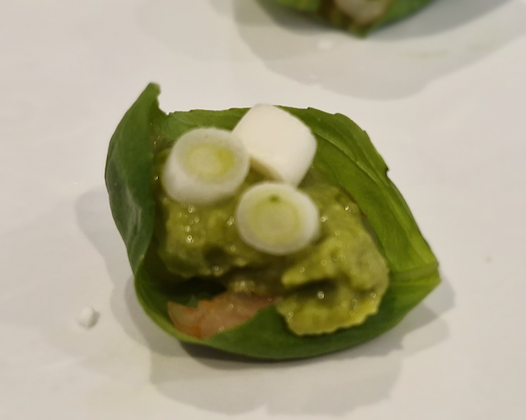
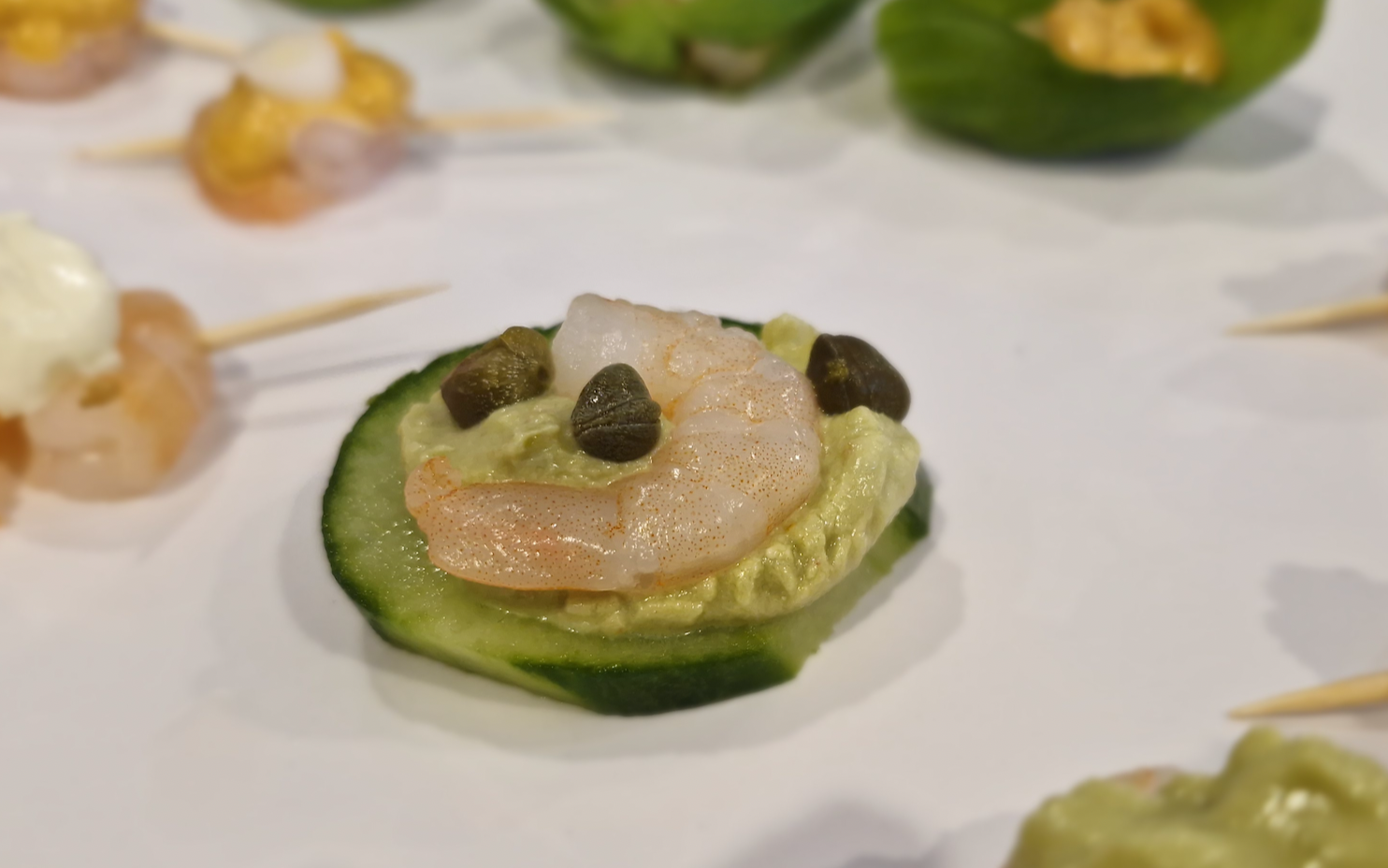
PREPARATION:
You need to get absolutely everything ready before you start, including a bowl for rubbish. You’ll need containers or plates for the finished canapés; you’ll need to prepare anything that needs draining or cutting or washing or drying; you’ll need to grab a thousand pairs of teaspoons/tongs for dishing things out (enough that if one spoon touches a prawn you can just chuck that one aside and grab a fresh one), etc. You’ll also need toothpicks. And of course cucumbers. Small basil leaves are best for garnishing; the big leaves are good for being your structural base. They curve like a little boat, which is cute.
STEP ONE
Lay out all your prawns (or as many as you can fit on your working surface). It often helps to put them directly on a plate or into your container of choice (something wide and shallow with a lid). Then wash your hands of course, before you get molecules of prawns absolutely everywhere.
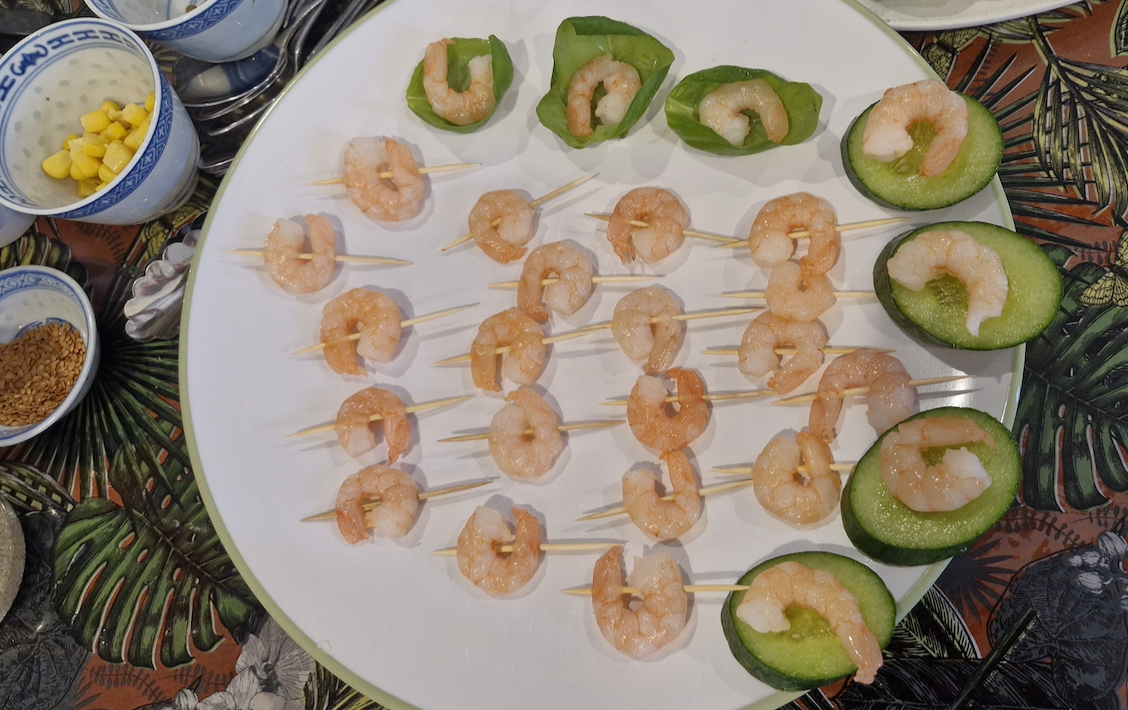
You’ll definitely find some prawns that still have their digestive system attached. I always chuck them straight into the rubbish bowl because I’m squeamish; you can just peel them off yourself.
STEP TWO
Add your sauces. The supermarket avocado products don’t easily go brown, so you have loads of time. (Speaking of time, making these canapes takes a LONG time. Possibly hours.)
STEP THREE
Garnishes. And you’re done!
Store in the fridge, obviously.
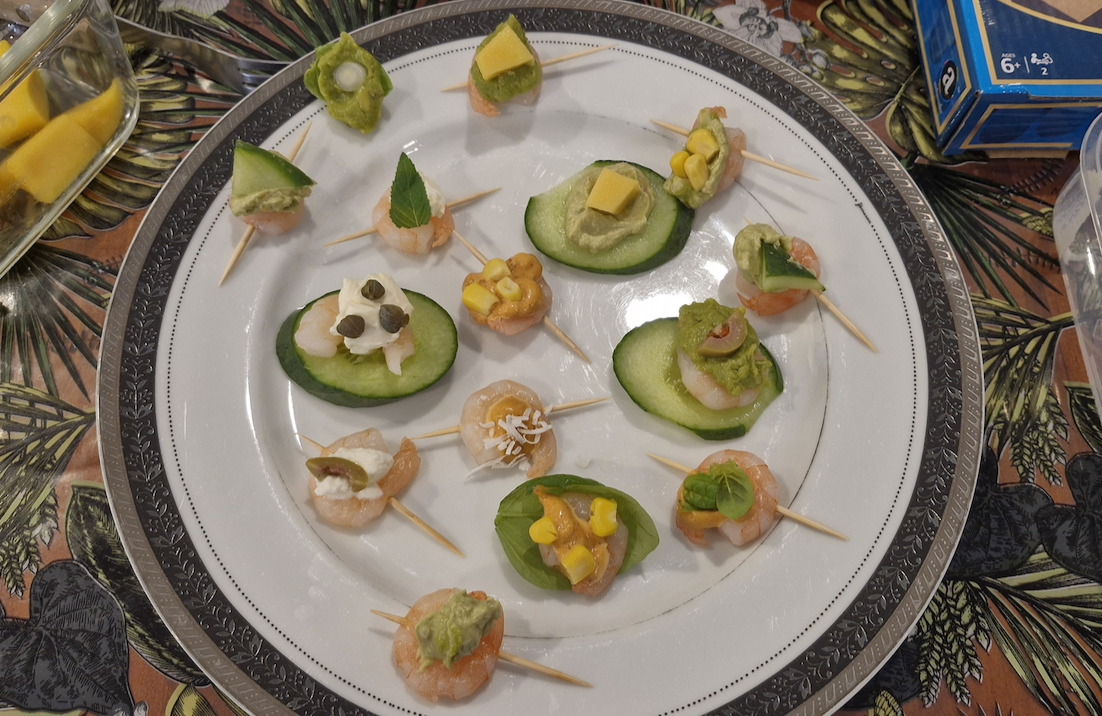
My favourite garnish for the spicy sauce is a basil leaf (and put it on a cucumber if you want to make it milder). Or mango. Or MAYBE shredded coconut. I can’t decide if coconut is worthwhile or not.*
For cream cheese, I like mango best. Or basil. Or chocolate mint (regular mint would be great too). Or, weirdly, olive.
For ricotta, all the same garnishes as cream cheese work well, but it feels more savoury. Ooh! I bet it’s amazing with fresh chives.* (Sidebar: Dill sprigs look great but I hate dill. You may love it. I bet it goes well with capers or olives for a savoury double-punch.)
For avocado, I like spring onion. Or capers. I think mango was good but I can’t remember.* I bet it’s great with fresh chives too.*
For guacamole, spring onion. Or corn. Maybe olive? I can’t remember.*
*I’ll have to do more experiments.
UPDATE:
Fresh chives are too subtle a taste so they don’t really work (although they look amazing).
The smashed avo starts to brown a very little bit in the fridge from the next day (the guacamole doesn’t).
I’m having kittens about having kittens
Today I assisted a cat through her first birth. I want to remember every detail, so here goes.
(Warning: There is a tiny amount of blood shown in some photos, and if you look very closely you might see an umbilical cord stump.)
A few weeks ago someone reached out to me on FaceBook. She has two young Ragdoll cats, a bonded brother and sister, and had a surprise pregnancy. Was it safe for the mum to deliver her brother’s baby?
The answer is, “Definitely”. Some breeders deliberately breed relatives when looking for certain traits. It makes the babies more likely to have certain genetic diseases, but it’s perfectly safe for the mum.
We talked a lot, and ultimately I am looking after both adult Ragdolls (hereafter called ‘Mama’ and ‘Papa’) until the kittens are weaned. Papa is there to make Mama feel as relaxed as possible, not least because they only moved to my house a week and a half ago.
The owner is devoted to her cats. They are healthy and vaccinated and will return to her when the kittens are weaned. I’ll hold on to the kittens until they’re all adopted. Two of the owner’s friends already want to adopt a kitten each.
We took the cats to Cooinda Vet in Marulan (much cheaper than Canberra even though it’s an hour and a half drive each way) to get Papa desexed and Mama checked. The ultrasound showed “at least two” babies due within two weeks.
The owner doesn’t want photos of Mama and Papa online, but it’s fine for me to share kitten photos. Ragdolls are one of the bigger breeds of cats. They are very fluffy with a white or cream body and dark points (like a Siamese). They have amazing blue eyes, and are famously chill, often relaxing utterly (like a rag doll) when picked up. Here is a Ragdoll photo from one of my interactive books:
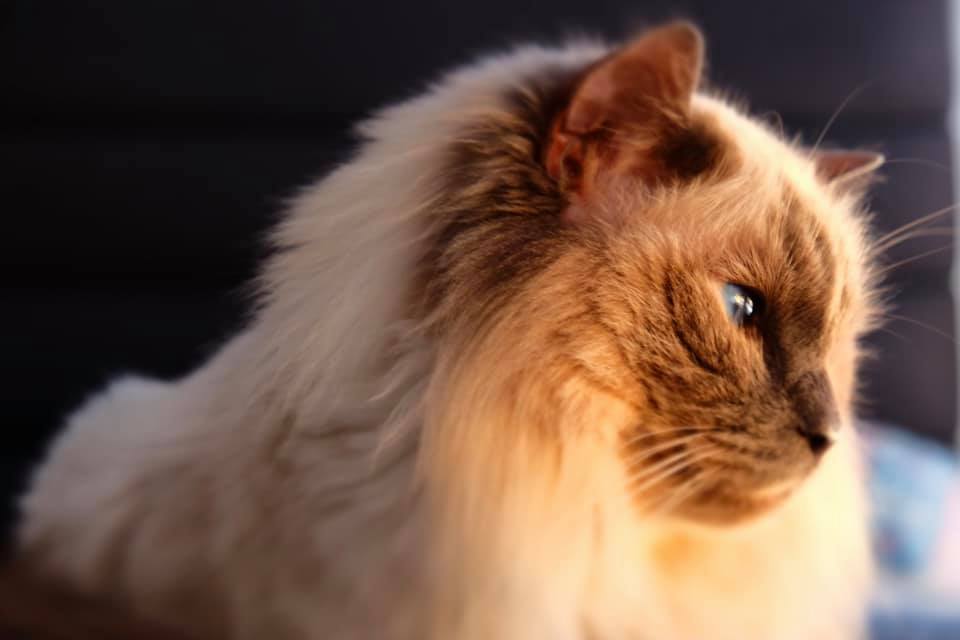
Papa is extremely friendly and will quickly approach new people (or cats). He is a LOT like Jack Black, one of my foster kittens (pictured below). They’re already starting to play together. Mama is also quite used to Jack. (Zipper is grudgingly tolerant and then goes outside to get away. Zoom is terrified, having never met a cat bigger than herself. Jodie is terrified but bravely challenging herself to get a little closer to them each time they are allowed in the same space.)
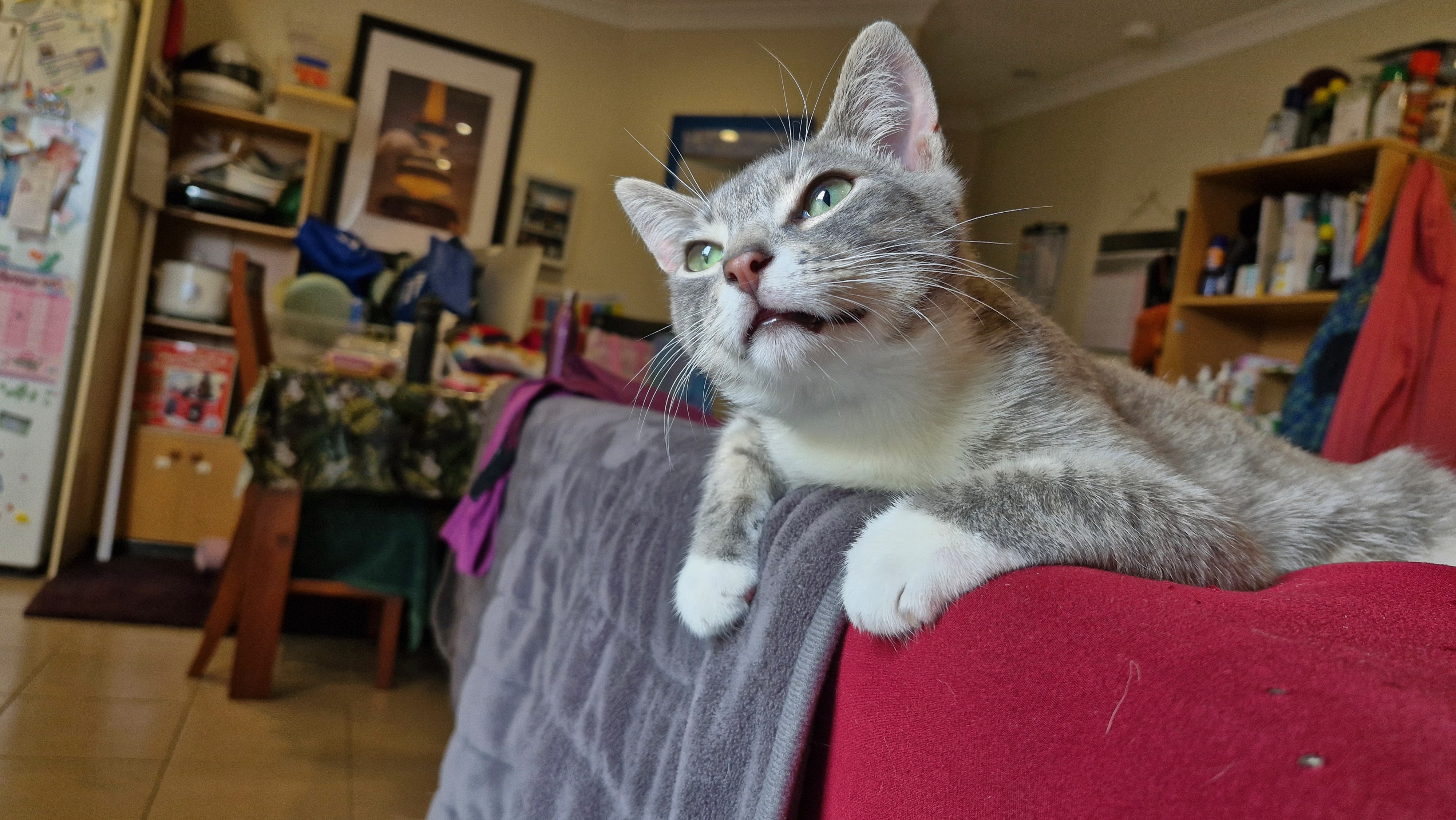
Anyway!
I set up three possible nesting boxes for Mama, but one is definitely superior. Apart from anything else, it’s set up inside a large mesh carrier (the kind for a small dog) which means in an emergency I could just zip it up and take the whole family to the vet.
Sometimes Mama would go in there, wash herself a little, and then wander out. Unsurprisingly, both she and Papa spent a lot of their first few days hidden behind a table. Change is scary. But honestly they both emerged relatively quickly, and were both snuggly with me, including purring and rolling over for belly rubs. My other family members have all patted Papa many times, and the kids have each patted Mama.
On 20 October (Monday) I noticed Mama was producing milk, confirming the vet’s estimate of her due date. I felt the kittens kick a couple of times during the week, and noticed that she liked to burrow into the nest (which is sort of bad because I’d carefully layered it including waterproof layers, layers for warmth for the newborns, and layers that could easily be removed if they got blood on them).
On Tuesday I saw her stomach twitch, which was either kitten movement or pre-labor contractions.
On Wednesday, she and Papa were grooming each other (another pre-labor sign). At 8pm, she had burrowed into the nest and was sitting on the plastic carrier base with my carefully-arranged covers over her. I wasn’t sure, but it seemed like it might be time for The Kittening at last. Here are most of the messages I sent to my friend, including the times I sent them (and the typos):
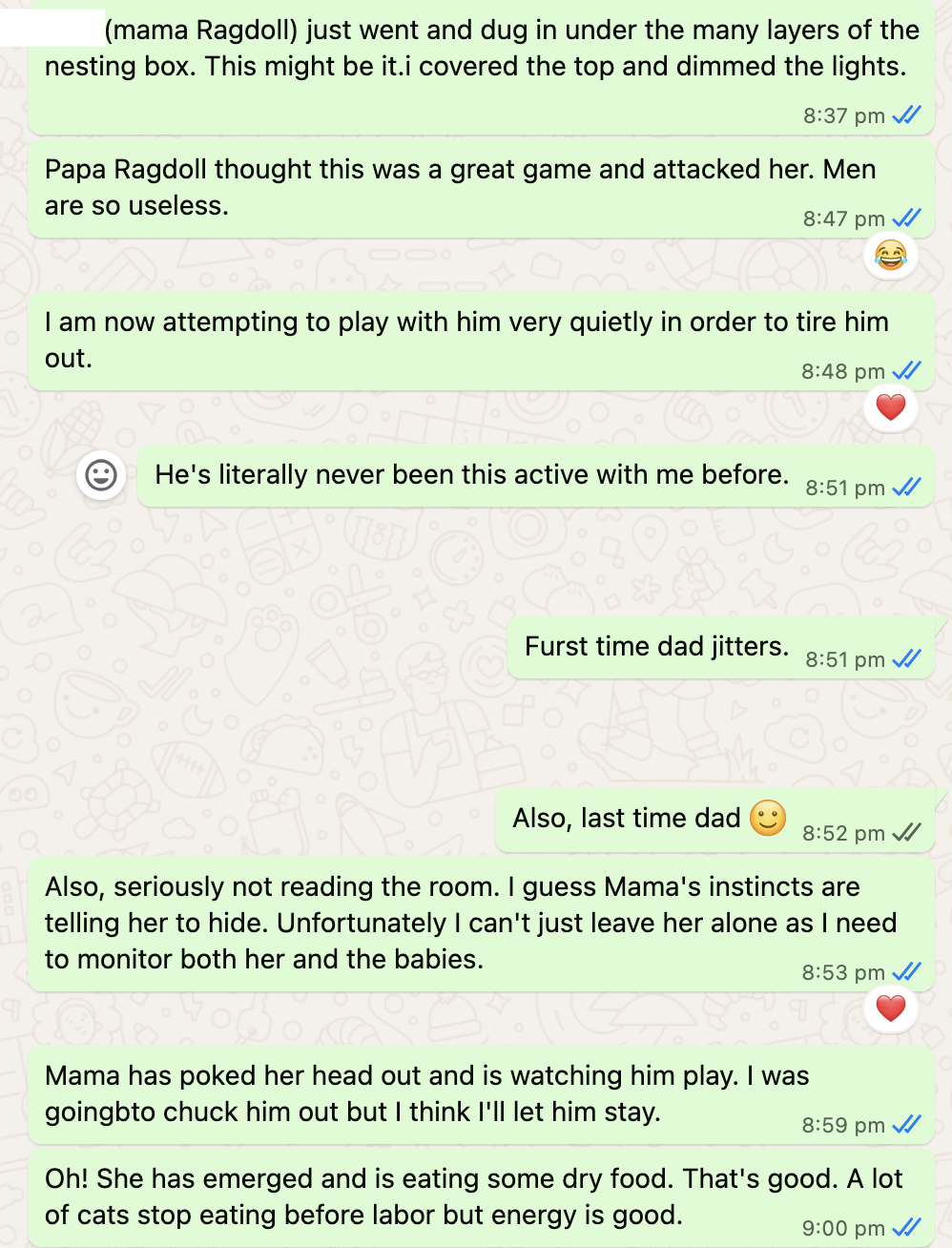
So I went to bed about 2am and slept until 7am, when I needed to get up and get my human kids ready for school. I bought more food and litter (and a toy for Jack’s BFF Jodie), came home and slept until 1pm. Of course I fed the various cats, scooped litter, and checked on Mama again. She had dug out an entire layer of the nesting box, rearranged the rest, and was chilling out elsewhere. I left the heater on and the AC off.
At 1pm I found her in the nesting box (under the nice blankets) again, and I went and had my lunch. I did some much-needed cleaning (Mama likes to throw a solid cup of litter out of the box overnight, which would normally be a pre-labor sign but apparently she does that all the time). I heard two meows around 2pm and wondered if it was really proper pre-labor this time.
At 2:20pm I went back into the cat room. Papa was acting strangely and I heard another meow. Where was Mama?
She was hiding behind the table again, but coming out since I was there. Then I heard another meow… and realised it wasn’t Mama. Or Papa. It was coming from behind the table.
Papa and I raced to investigate. I don’t know which one of us knocked over the conveniently over-sized water bowl but it went all over us and the rug.
I frantically-but-extremely-carefully tossed everything piled up on the table onto the couch, and then saw the tiny damp BABY CAT behind the table on the bare, low-quality carpet.
EEP!
The rule is to always let the Mama give birth in the place of her choosing.
But.
There was a scattering of litter on the floor, and it’s not a warm place at all. And she liked the nesting box, didn’t she? Just not the way I arranged it?
I knew it wouldn’t be long until the next baby arrived, and I couldn’t bear the thought of it getting born on the floor. Who knows where that floor has been?
So I gently put Mama in the nesting box (on top of the covers even) and the baby next to her. I was so scrambled I didn’t even wear gloves, but I noticed Mama wasn’t fussed at all. She just lay comfortably on her side and washed her baby. And purred, especially when I patted her.
Now that the first baby was out, she didn’t feel the need to hide (and maybe it helped that I was there to protect her from danger? I dunno—some cats hate having humans there, and others love it. Mama was very clearly in the “love it” camp).
After all this time, I wasn’t ready! I needed to change the stinky litter! I needed warm water and clean rags! Where was my notepad? Did I need anything from the birthing kit? What about picking up the kids from school? And was the first baby kitten okay? I’d dimmed the lights and now I couldn’t SEE!!
Another baby came out, just like in the videos I watched to prepare for this birth. Mama seemed very comfortable and pleased with herself. Kittens are born 10-60 minutes apart, so after watching to see it was breathing I raced out to toss the litter, grab various things, and sort out the human kids. And to message the owner to tell her it was all happening. She was literally having an ultrasound at the time. Here’s a kitten next to Mama’s front paws.
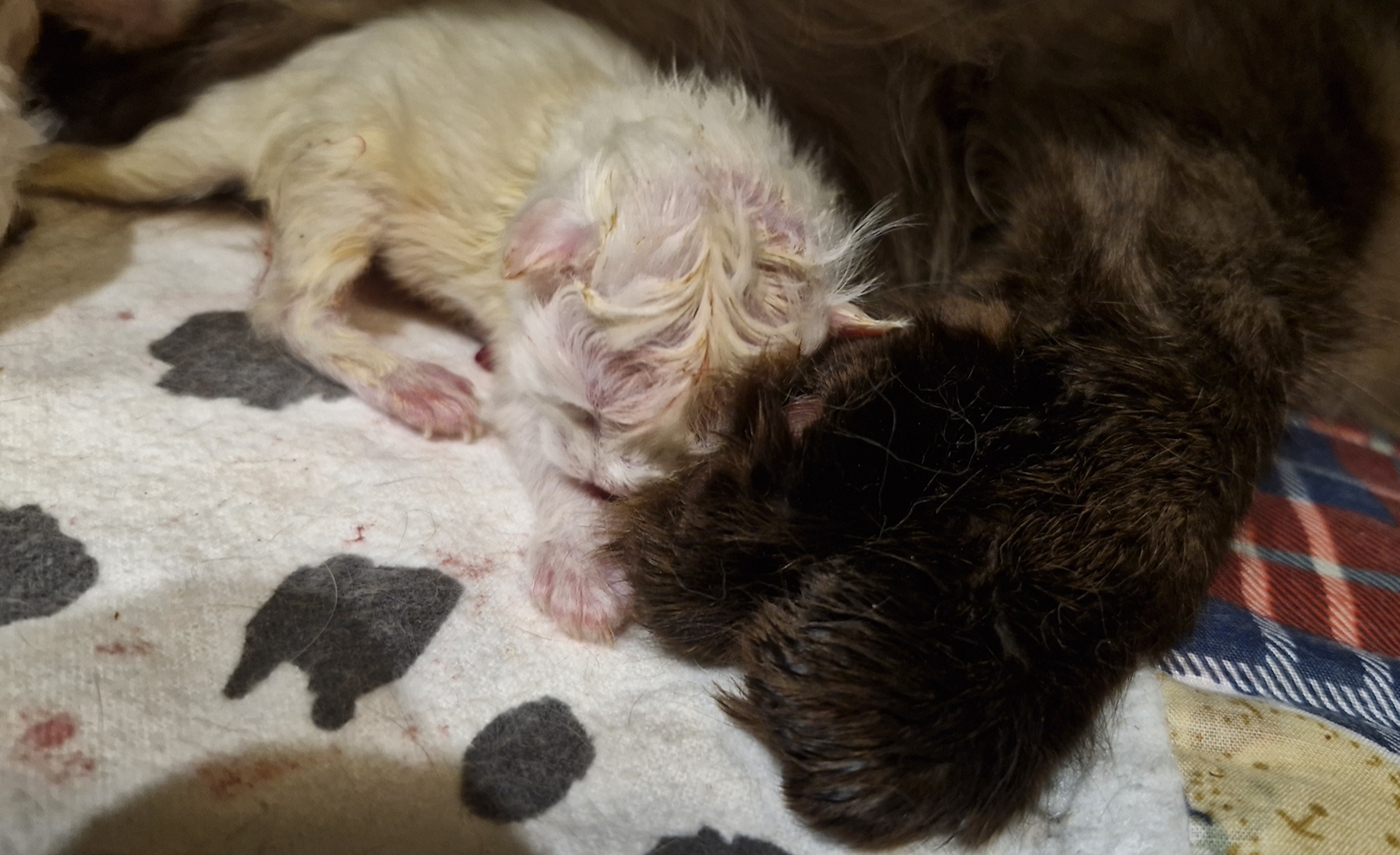
And then I settled in for the rest of the birthing process. Clearly, Mama had read the instructions that tell birthing cats to lick off the amniotic sac so their kittens can breathe, and to chew through the cord and eat each placenta when it arrives. So I wouldn’t need the scissors, alcohol wipes, or unflavoured dental floss (to cut the cord), and I wouldn’t need to break open the amniotic sac or clear the kittens’ airways.
They were very wet despite getting a few good licks from Mama. I turned a second heater on, checking the two thermometers I’d placed in the room and sweating buckets myself from the heat. The owner asked if she should/could come over. Given that Mama was purring every time I patted her, I said an emphatic yet.
Another kitten came out. Excellent! Three kittens!
Papa approached with fascinated caution, sniffing the air and watching the magical cats that had appeared through some kind of hidden doorway that he had somehow never discovered. HOW DID THOSE THINGS GET IN HERE?!? He didn’t hiss or growl, but he backed away to watch from a safe distance. Some father cats will literally kill newborn kittens, but clearly that’s not his vibe. I’ll still supervise him a lot.
The owner arrived, making a big fuss over both adult cats and generally squeeing like a first-time grandmother should. And then suddenly Mama’s stomach started visibly pulsing as if she was going to throw up.
I knew what that meant by now, and said, “She’s having another one!”
She enough, moments later there was a fourth kitten! She washed it off and then lay down to wait for the placenta, which she ate like the rest. The kittens were trying to feed, and they were SO BAD at it. I mean sure, they’re blind and mostly deaf at this stage, and too weak to stand, but they kept sucking on Mama’s paws or her fur. More than once I tried to point one in the right direction. If anything that made it worse because they’d immediately hare off somewhere else. Still, I remembered a vivid story I was told when I was pregnant about the strong drive to nurse after birth (in humans) and I mostly just watched them flail about. It was probably building up their muscles or something useful like that.
Four kittens! Fantastic!
I made the owner go away because she’s pregnant herself and that room is HOT since kittens can;t thermoregulate. Plus of course I wanted them to myself. And to turn on a second heater because they were still wet.
At 4:18 I wrote to my animal welfare person.
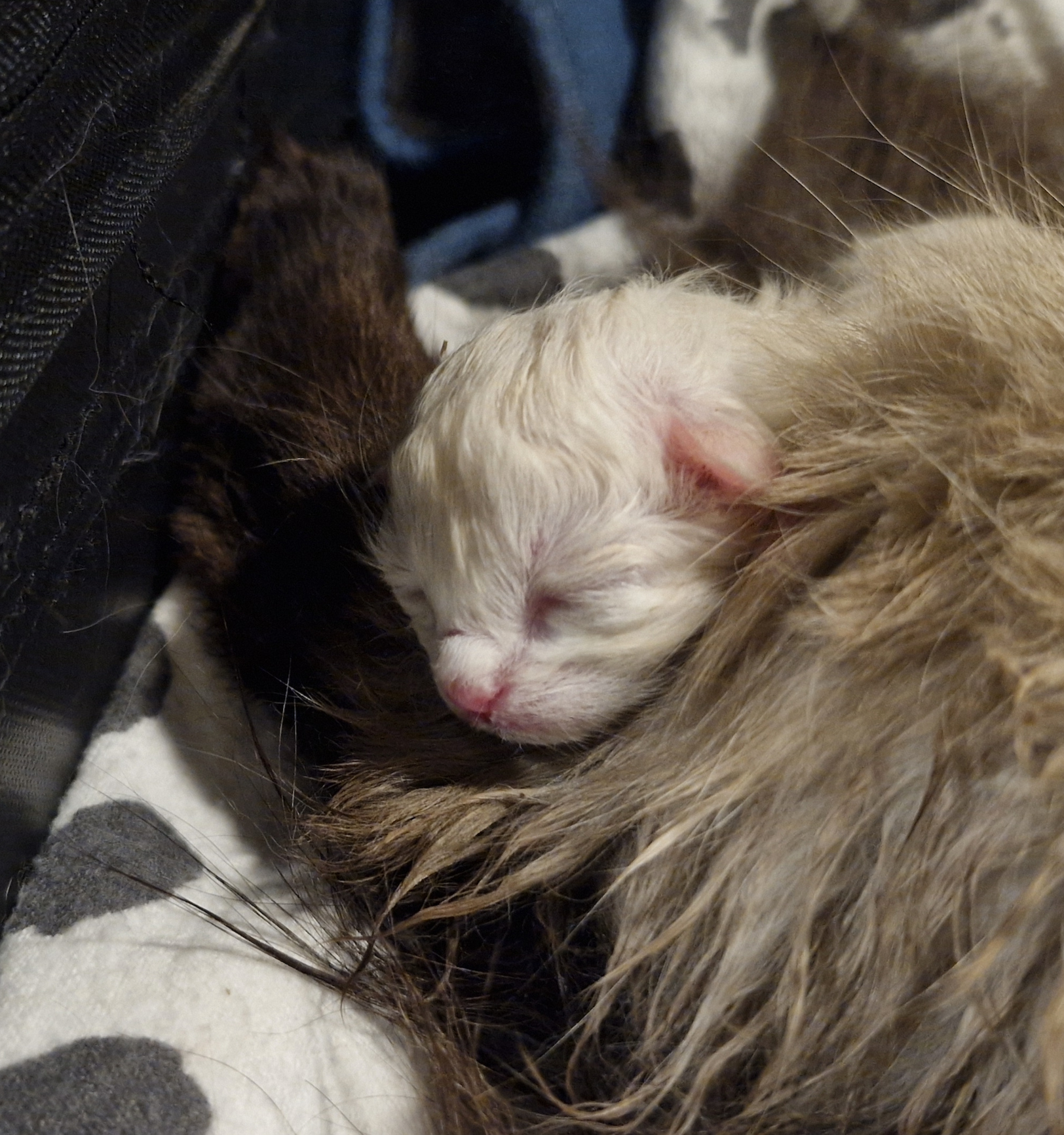
At 6pm it was clear there were no more kittens (probably for the best!) and I decided it was time to weigh them. The problem with Ragdolls is that they all look extremely similar, especially at birth when they’re generally pure white. So I hatched a plan to lay them out on a towel and take a photo (to catch large-scale physical differences), then take a photo of each face as I weighed them, in case their faces look different in some particular way.
As soon as I moved the kittens they began meowing with the same force and volume that had been demonstrated to me when the first one had meowed so loud I’d heard it from the other end of the house and thought it was Mama. They also grabbed hold of the ground with their claws and began to crawl hard in the direction they thought was probably towards Mama.
Mama leapt into action immediately, grabbing one in her mouth and putting it back in the nesting box before I could start weighing them. Papa came up too, wondering what on earth was going on.
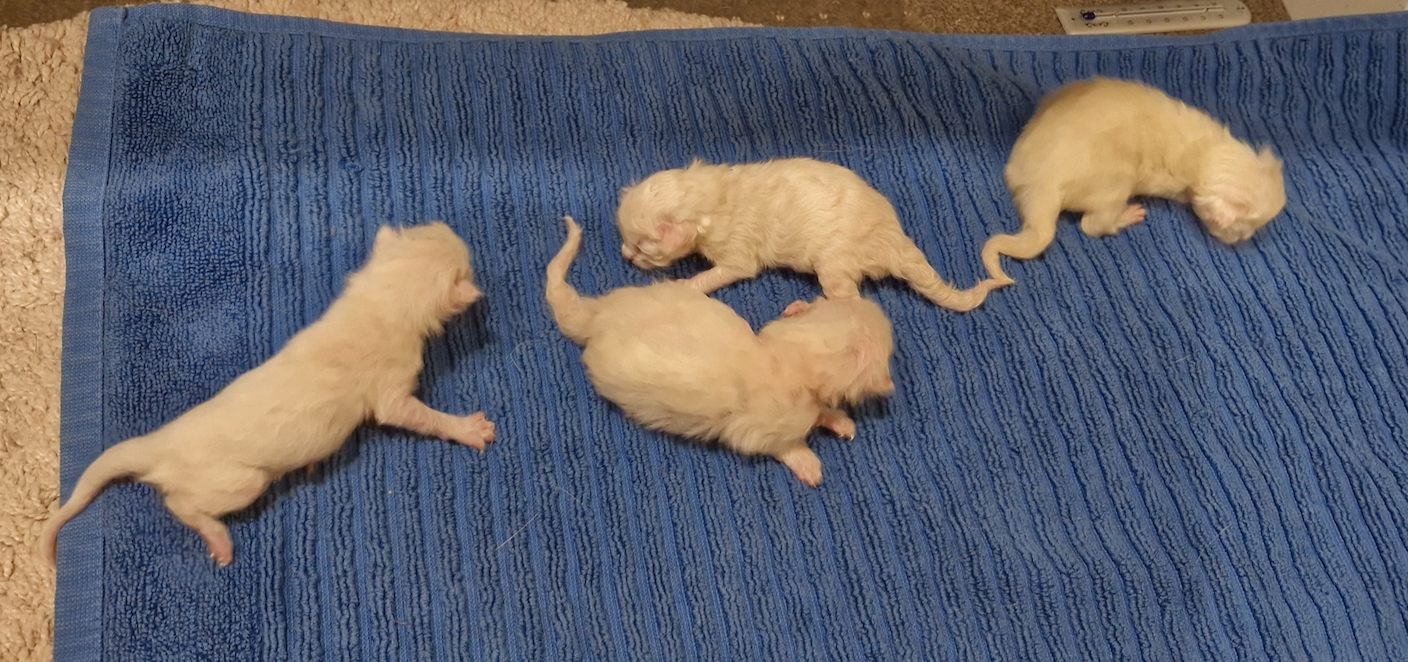
They’re like living dandelion seeds: soft and white and moving in a totally erratic way. I weighed one, swapped it for the one that had been rescued, and weighed that one—as Mama grabbed a third one. It was chaos! But I’m pretty sure I weighed all four in the end: 92g (Litten), 108g (Shinx), 120g (Luxray), and 128g (Zera).
Tim (my son) and I have been discussing names, and the theme for this litter is “Cat Pokemon”. So! The one on the left, the runt, is Litten. The middle top kitten has a tiny bit of colour, so it is Luxray (the Pokemon creature has black fur… this kitten will have a black face, tail, and paws when he grows a little). The one below Luxray is … Zeraora? Something like that. It’s the biggest. And on the right is Shinx.
Zera:
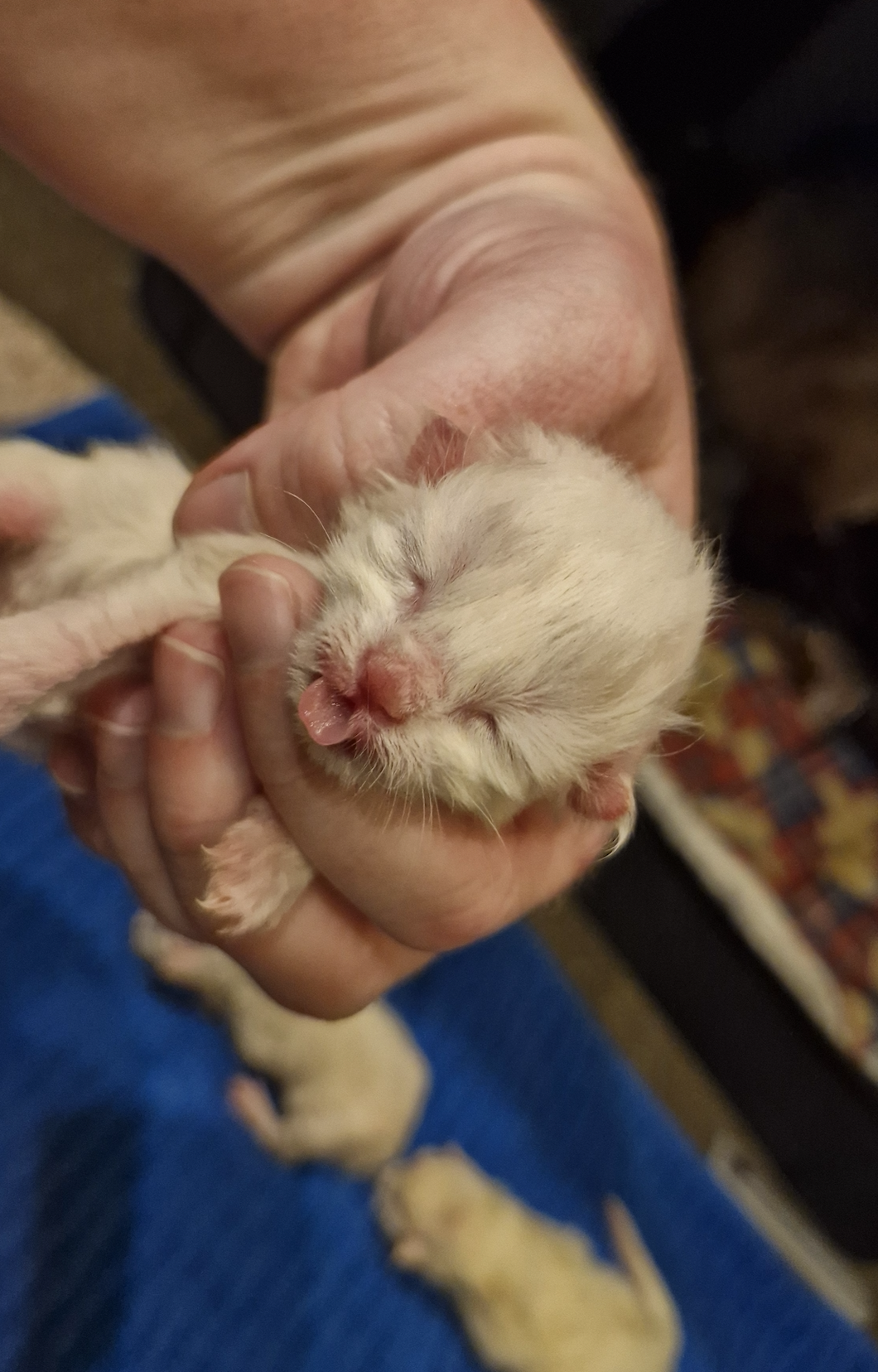
As you can tell, I once again broke the first rule of neonatal kitten fostering – I didn’t wear gloves. I had gloves ready to go but when I realised the first kitten was on the bare carpet and hastily moved them to the nesting box, I was too frantic to remember gloves until I’d already moved them. Mama didn’t seem fussed at all, so I figure that means I don’t have to wear gloves.
Sidebar: I really hate gloves. To me wearing gloves is as uncomfortable as picking up poo with my bare hands—clearly this is an Autism thing because it’s not super rational. I still do wear gloves when I need to (I took them on and off constantly when I worked in an Early Learning Centre), but in the moment I forgot.
I will need to consult my animal welfare person about whether it really is too late to bother wearing gloves. In all honesty, it also feels wrong to me to handle a newborn with plastic, especially when they need warmth so much. I suspect that kittens who were held skin-to-skin as neonates are probably more relaxed with humans than those who weren’t handled. But I also think only the owner and I should use our bare hands, because Mama already has our smell on her from much patting.
Cats co-parent with friends in the wild (even big cats have been known to sometimes dump their babies on a trusted human!) and I feel like mixing scents is part of that. But the #1 reason to wear gloves is so the mum doesn’t reject the babies. Which is why I’ve said here that if you’re not willing to feed the kittens every two hours, and stimulate their bowels every time, then you should wear gloves.
Anyway, here’s Litten, the runt:
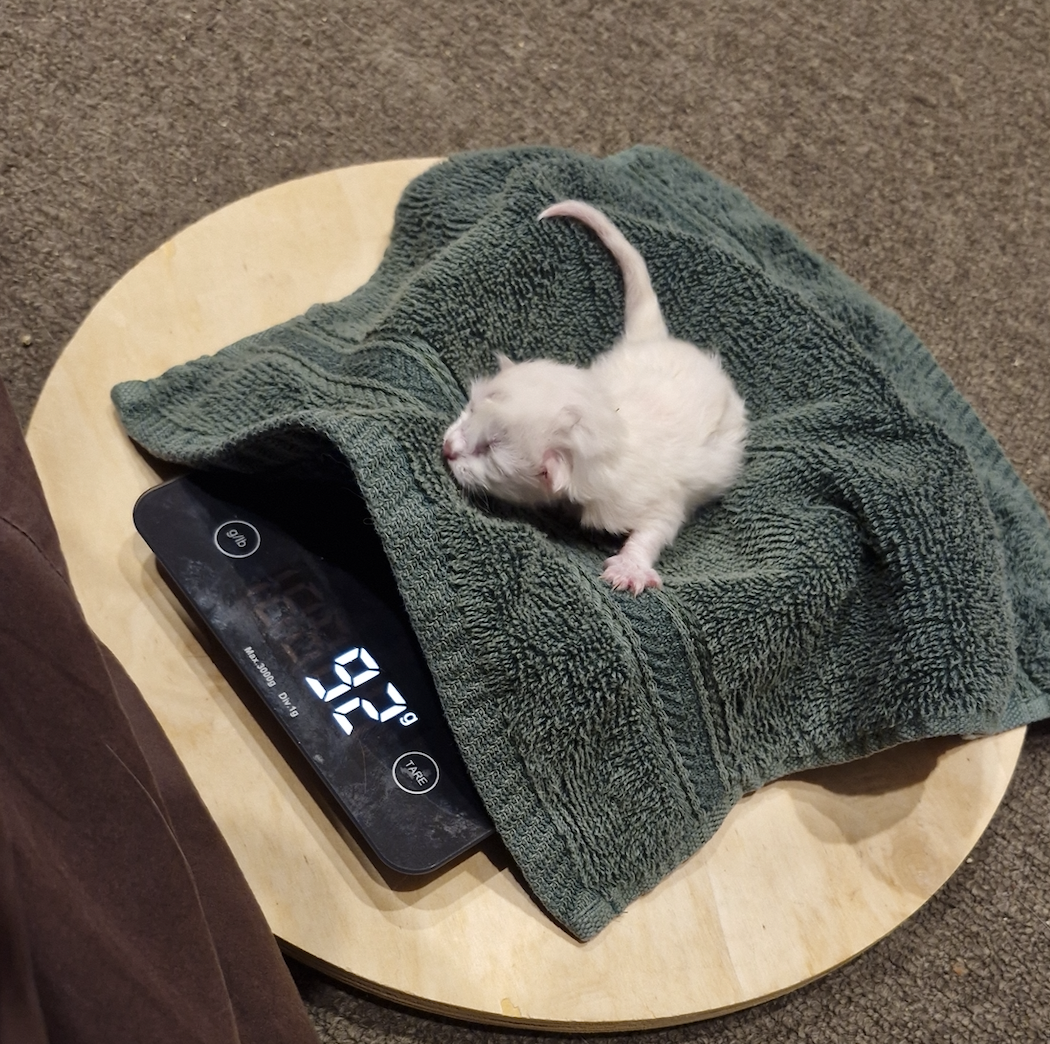
Newborn kittens should weigh 50-150g, so that’s not a bad starting position. Like almost all runts of my acquaintance, Litten has an incredibly loud, piercing meow that she/he deploys without hesitation. I think she/he was born first. The smallest is always most at risk, so I’ll be watching Litten closely.
This is Luxray, aka “the brown one”. Hopefully they darken up soon because that hint of brown is essential for me to tell them apart (and to therefore know if one isn’t gaining weight properly).
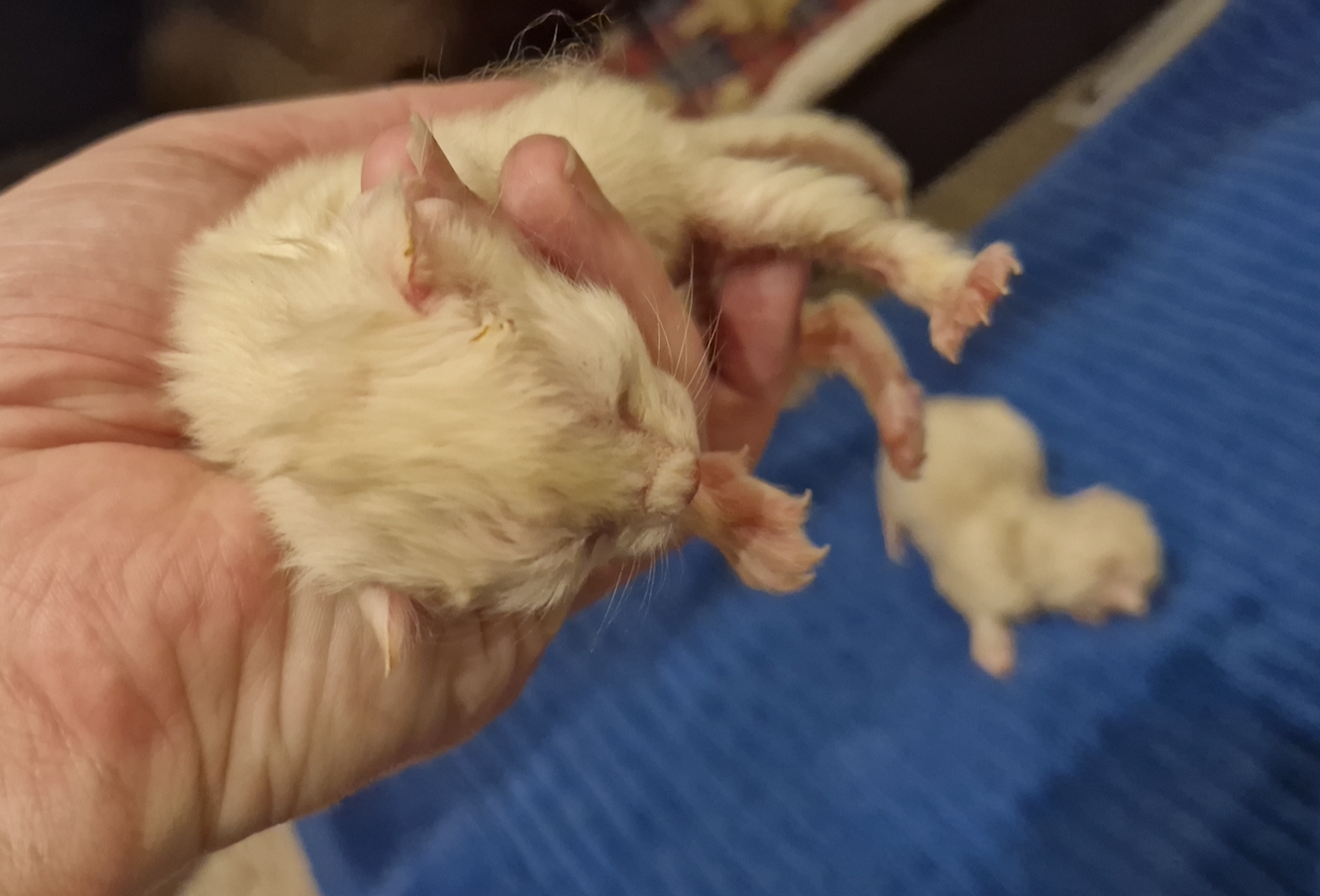
And that means this one is Shinx. It looks like I’m strangling them but I’m just holding their head steady.
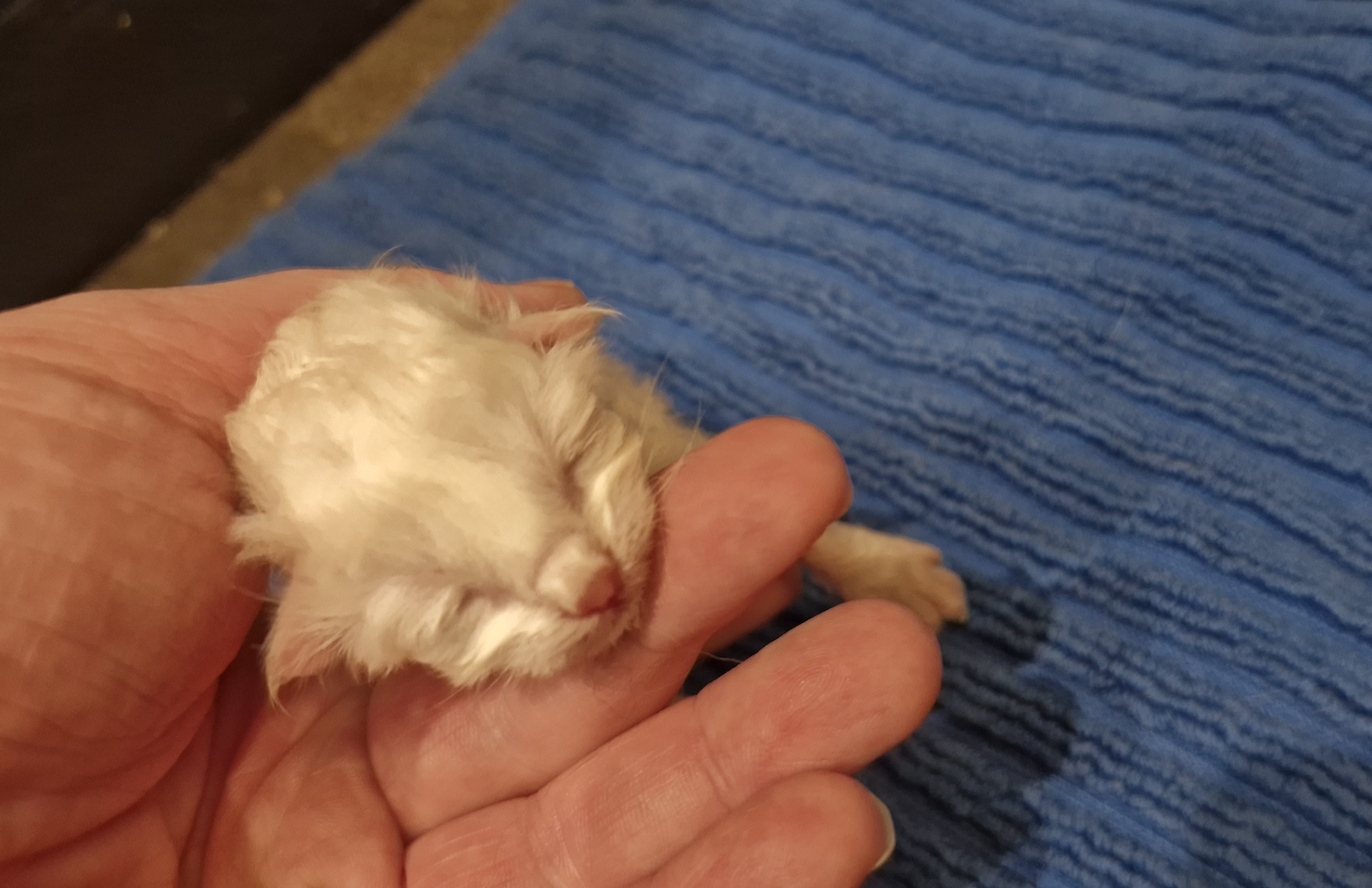
So that was 6pm. I popped in and out to make human dinner, and then pick up another heater, and then eat my own dinner. I was a bit worried about the kittens’ ability to nurse. They just didn’t seem able to get it, and I was unable to help. Maybe what they needed was some peace.
So, once dinner was all done I went back hoping to see some amazing nursing action. Papa and Mama both raced to meet me (or to make a bid for freedom) at the door. I was surprised as I expected Mama to stay in the nesting box unless she needed food, water, or litter.
By then my animal welfare person had asked some follow-up questions and advised that newborn kittens could get dehydrated very quickly. It was very clear that the babies had a pattern of rooting around for food and generally failing—sucking at fur, mum’s paws, each other, and one even sucked on their own foot—then going to sleep. If you’ve ever had a human baby, you know that feeding can tire them out before they’ve had enough. I wasn’t sure any of these kittens were getting any milk at all. Much like humans, cats sometimes don’t produce enough milk even IF the baby is doing everything right.
So.
I prepared some Womberoo cat milk (the best stuff in Australia for newborns) and syringe-fed each of the four babies. They all got the idea really quickly and gobbled it down… which was good, because Mama was concerned as I stole her babies again (which is good and healthy behaviour on her part). She approached and sniffed at the babies as I fed them. Then she basically went
…and started licking the spilled milk off their faces with more than maternal enthusiasm.
Once I’d fed the kids, I poured the leftovers into a dish for Mama, and she lapped it up with alacrity. That was my cue to put out dinner for her and Papa, which she ate immediately. Great.
It was clear from the enthusiasm and focus of the kittens that they were very hungry, so… I’ve been syringe-feeding them all night. 9pm, 11pm, 1am, 3am, 5am. It’s nearly 6am now and I’ll be feeding them again in an hour.
At least two have managed to latch beautifully since then, but I don’t think Litten has managed it even once. Poor little mite.
So the next few days are going to be rough for me.
When my first human baby was born, I got so tired I started losing touch with reality. At once stage I thought I was a baby. Another day, I briefly thought I was cleaning Lizzie’s face because she was a lawyer with an important court date. None of these incidents lasted more than a few seconds, but they’re obviously super dangerous. How am I going to go feeding kittens every two hours for probably at least three days? Well, it won’t be pretty. But for now I’m doing everything right: taking my meds; washing cat dishes ready for the morning, writing down things I need to remember; solving problems and being responsible. Hopefully nature works things out real soon, whether this feeding issue is caused by unco kittens or a lack of milk flow or both. I’m certainly proving my usefulness to the owner! Litten would probably have died by now without the supplemental feeds.
Wish me luck.
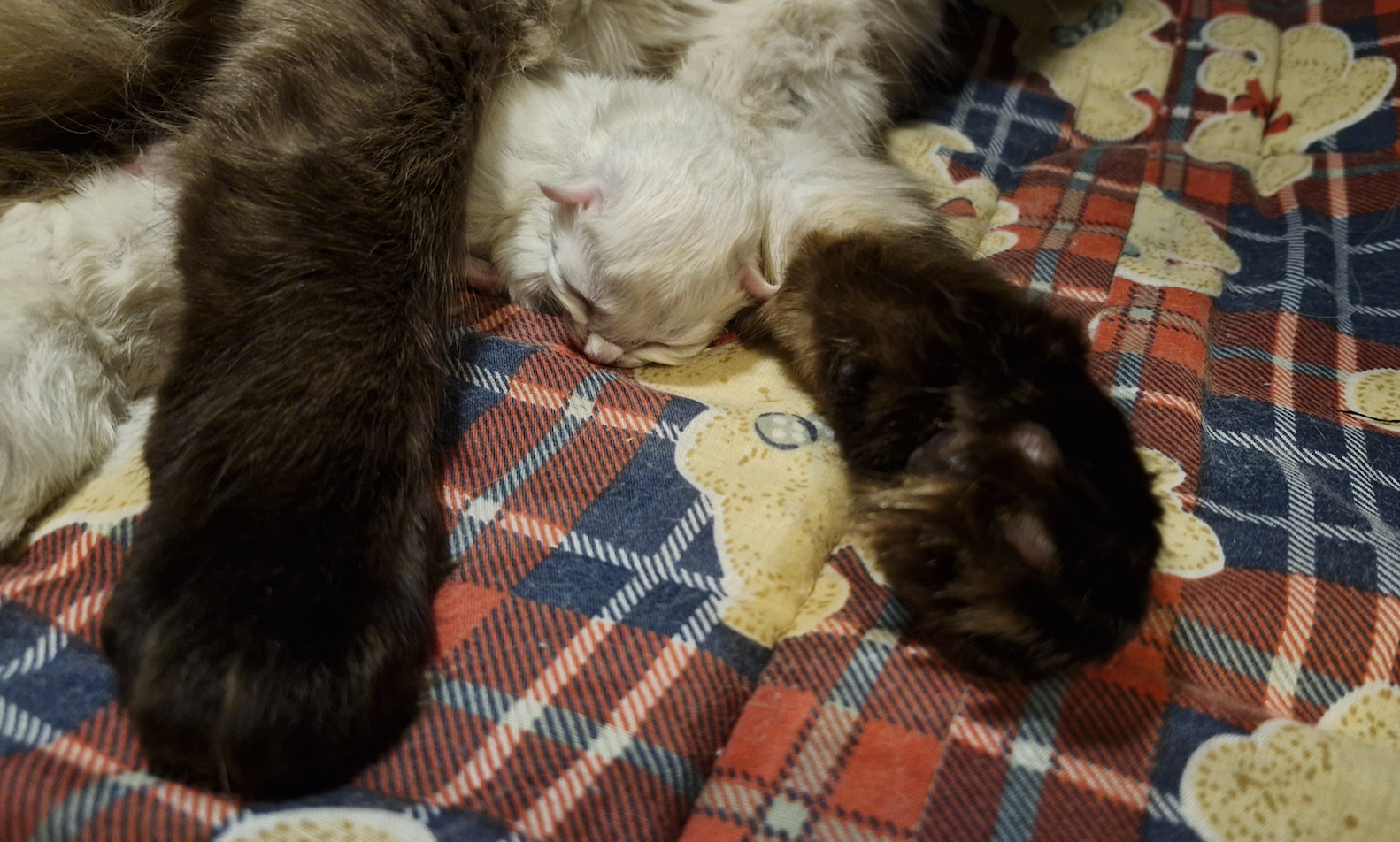
Did you think that was all of the night’s drama? Because it wasn’t.
At 1am I went into the room, deploying fancy footwork to avoid letting Papa out… and Mama wasn’t there.
Two kittens lay in the nesting box, completely alone. I carefully turned back some layers to try to find the other two, but they were nowhere to be seen. They weren’t in the other two nesting boxes either, or in Mama’s hidden corner behind the table.
I was mystified and starting to panic when I heard a meow that led me to the other side of the room. There, in a big plastic tub of soft toys, under a giant unicorn, was Mama Ragdoll looking very pleased with herself—and two of her four kittens.
Why there? Did she still need to burrow and the unicorn was her only option? Was there too much light on the nesting box? Was the nesting box area too hot for her elaborately furry self?
And WHY did she leave two kittens behind? Was it because the abandoned kittens were too bad at nursing and she decided to let them die so the other two had a better shot at life? Did she just forget about them? Did she want a change of bedding?
I cast aside the enormous unicorn (seriously, it’s bigger than a medium sized dog), carried the toy tub back over next to the nesting box, and hastily changed the bedding before moving Mama and the favoured pair of kittens back into the nesting box. Mama immediately got out and headed back for the bucket, but I tipped out the toys and she gave up.
I did the feed, patted Mama a lot, chucked the soft toys in the wash and disinfected the bucket. I also cut patches of fur from Shinx and Zera so I could reliably (ish) tell them all apart at last.
Mama seemed content again at 3am and 5am.
Best of all, when I weighed the kittens at 5am all four had gained weight. Weight is the best way to tell if a kitten is thriving, scraping by, or in danger of expiring. I THINK these lovely babies are going to make it.
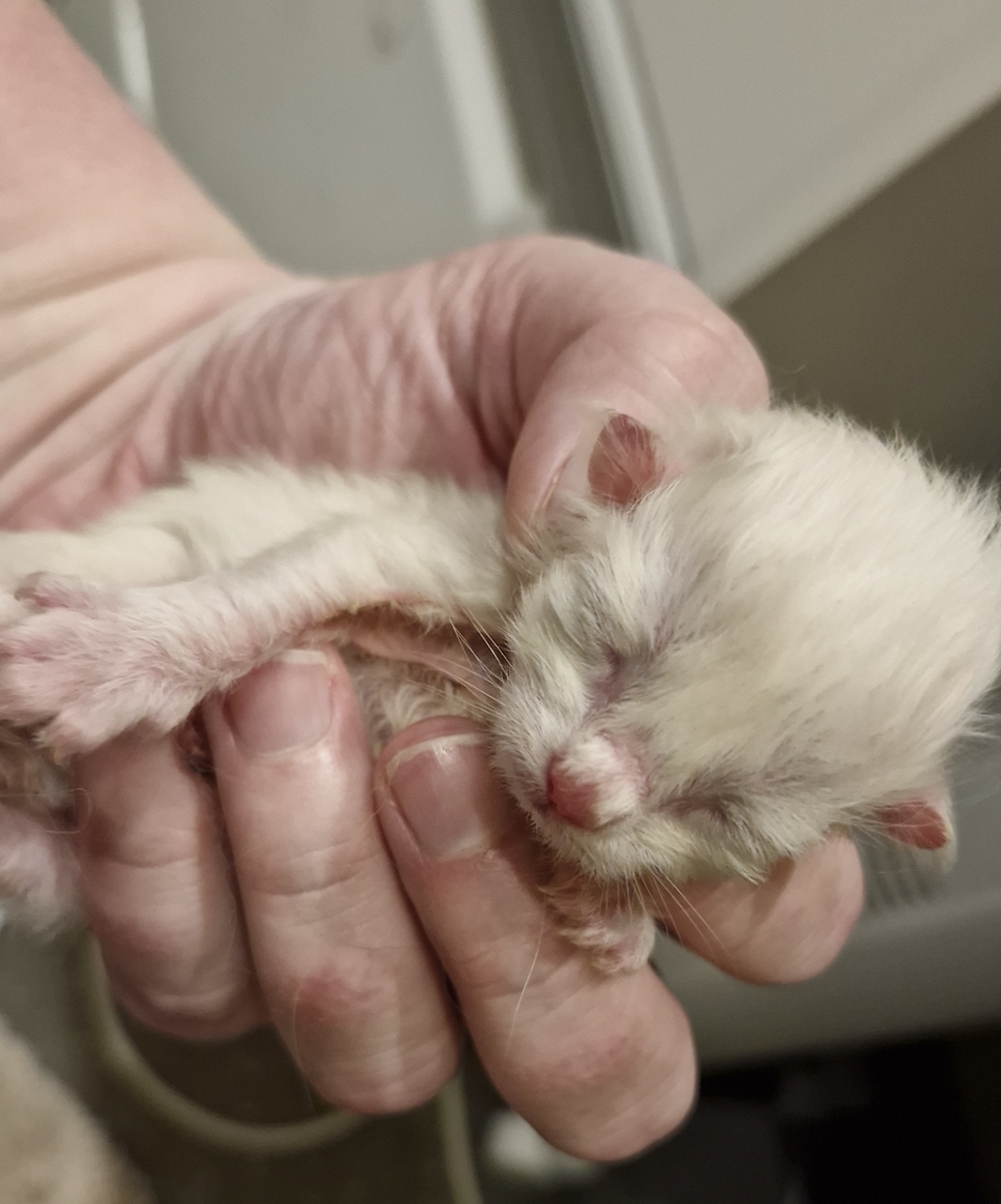
Here’s my GoFundMe page, if you’d like to help!
Cat Rescuing for Newbies
This post is very much inspired by Athena Scalzi. People are constantly running into stray cats and kittens and wanting to help them (and to stop them breeding).
TNR stands for ‘Trap Neuter Release’ and has proven extremely effective in humanely reducing a cat population over time. Humane cat traps cost around $40. If you want to make a real difference to a cat colony without euthanising any cats, you can trap cats and take them to the vet to be desexed and vaccinated—then take them back and release them into their colony. It’s God’s work.
Most adult cats are difficult or impossible to socialise (eg some will take literally years before they allow a human to pat them). Others are abandoned pets. If you scratch the skin of literally anyone involved in cat rescue, they are extremely angry about the treatment of cats by irresponsible humans. I imagine those who focus on native Australian animals (which tend to be a convenient size for cats to kill and eat, and have few natural defences) are even more furious.
So… cat fostering is extremely important. And so is desexing pet cats!
Catching cats
The first thing to know is that, no matter how adorable they are, cats are one of nature’s most efficient killers. Even at four weeks old—barely weaned—they can sometimes send humans to hospital. Seriously. They are faster than you, and they have multiple inbuilt weapons that they have been using since they were newborns. This is Cinnamon, who was about six weeks old and absolutely shredded my hands when I caught him. Even a cat who appears friendly and lets you pat it (even purring!) will react with efficient and lightning-fast violence if you try to restrain it. The one exception is a cat about this size or smaller, because IF you can ‘scruff’ them (grab them by the loose skin on the back of their neck like a mother cat) then that will work like an off switch. But if they’re older, they may be immune. Or just too heavy. Or they may just be too smart to let you get a grip (like Cinnamon). This is why I strongly recommend getting a trap!
I’ve always used a trap that you put food inside (and then walk away and wait until their weight snaps it closed), but others swear by ‘drop traps’.
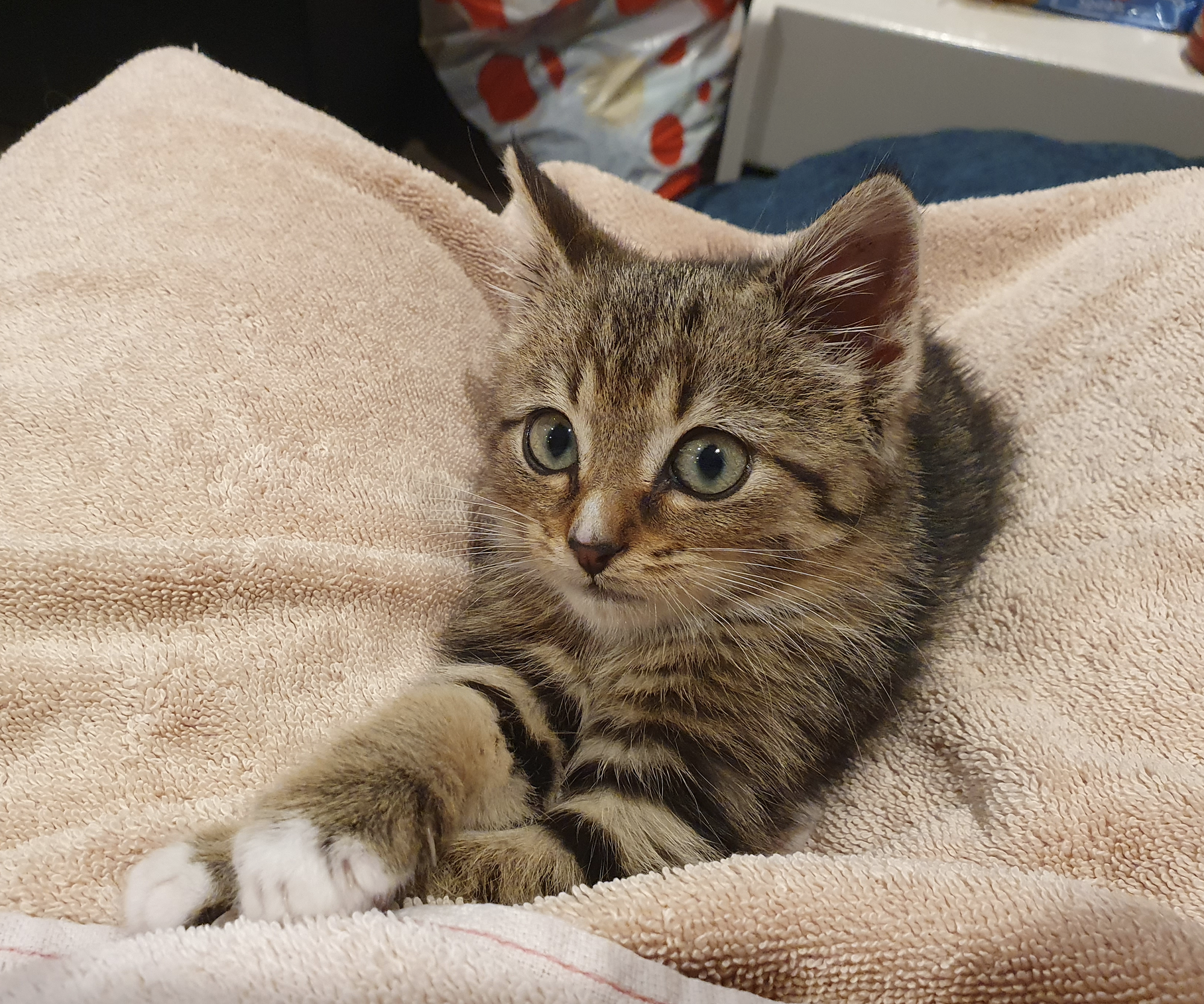
You can ‘train’ stray cats a little by feeding them at the same time each day, which is the first thing you should do in preparation for trapping. Try to get photos so you can assess age and health and/or send those photos to a rescue organisation.
Having said that, every rescue organisation I know is perpetually overwhelmed. It’s likely to be tricky or impossible to find someone to help. But if you catch a cat in a lever-style trap, you can take it directly to the RSPCA. They may euthanise it, but at least they won’t just let it go.
If a cat is younger than four weeks, it is not yet weaned and it will probably die if you trap it. If it is four to six weeks old, it will not be able to clean itself, so you and a facewasher will become very familiar with its butt. Six to twelve weeks old is perfect because they’re still quite adaptable (and want cuddles) but don’t need their mum any more. If their mum is friendly towards humans, she will be a good influence on her kittens and should stay with them until twelve weeks if possible. If she’s not friendly, she should be separated from them at around five or six weeks.
Cinnamon was purring in my lap less than 24 hours after shredding my hands, because he was desperate for a mother and I was a pretty decent substitute for his biological mum (who I was not able to catch until later). After twelve weeks kittens may already be too set in their ways to be socialised, but you never know. This is Jack Black, who was rescued at six months and was sweet and loving from the start.
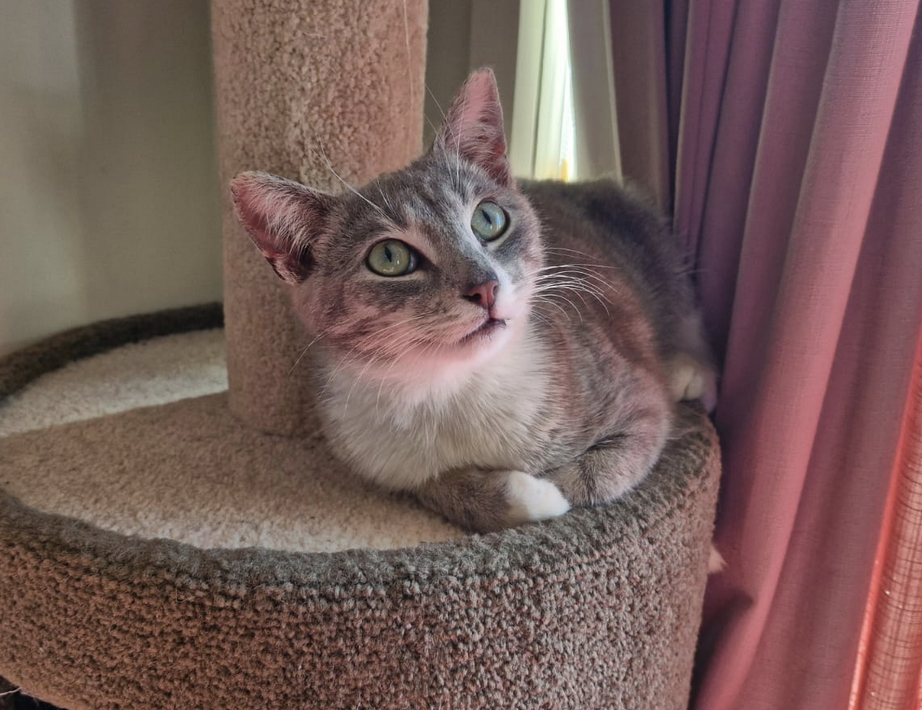
I made a series of weekly kitten videos starting from newborn age, so you can watch them to give you some idea of how old your kittens are. If the mother of very young kittens is killed, a foster carer may be able to save them by feeding them Womberoo cat milk (gently warmed) every few hours via a syringe or bottle, and keeping them in a room at about 30 degrees Celsius if they’re less than two weeks old. They will also need to massage the kittens’ butts to help them poo.
At some point I plan to do a detailed blog on fostering newborns. Suffice to say, it’s difficult work and often they’ll die anyway. So keep them with mum until at least four weeks if possible.
And if mum is around, she is likely to reject young kittens if they have been touched by humans. So be very careful! Do what I say, not what I did!
If possible the person who catches the cats should not be the same person who fosters them.
It is very important to note that kittens can get pregnant (to their immediate family members, ew) from just four months of age, so if you catch more than one kitten and there is a mix of genders then you must try to separate them by gender and/or get the males desexed asap (the male operation is quite simple). Once they’re about six months old, male balls are usually fairly obvious so their gender is suddenly a lot less mysterious.
Your first few days with foster cats
They are almost certainly infected with worms and probably fleas, both of which can be transferred to humans. For this reason, the first medical treatment they get from me is a combined flea and worm treatment. I use Nexgard because it’s the only one in Australia that puts all the parasite medications into one liquid (otherwise, it’s a combination of liquid and tablets, which your cats may object to). If I know a cat is going to be difficult to socialise (eg they’re over twelve weeks old), I medicate them before letting them out of the carrier. Otherwise, I wait a few days or weeks so their stomachs and nerves can adjust to their new life, especially if they’re small.
My quarantine room is the ensuite, because it’s easy to clean and hard for a cat to truly hide. I provide food, water, litter trays (two for a single cat, and then another one for every cat added), something to scratch, and somewhere to hide. It’s tricky to fit all of that into an ensuite, especially since cats like their food, water, and litter to all be separated. But here’s an example of a fairly typical set-up (there is another litter tray out of frame). The blue mat is actually an incontinence pad (I love incontinence pads and bath mats because they give comfort and warmth but are very easy to wash).
The small size of the ensuite is actually a good thing because it is basically a large box where the cat can quickly get familiar with the whole room. I puts toys in there fairly soon but not immediately because even toys are scary at first.
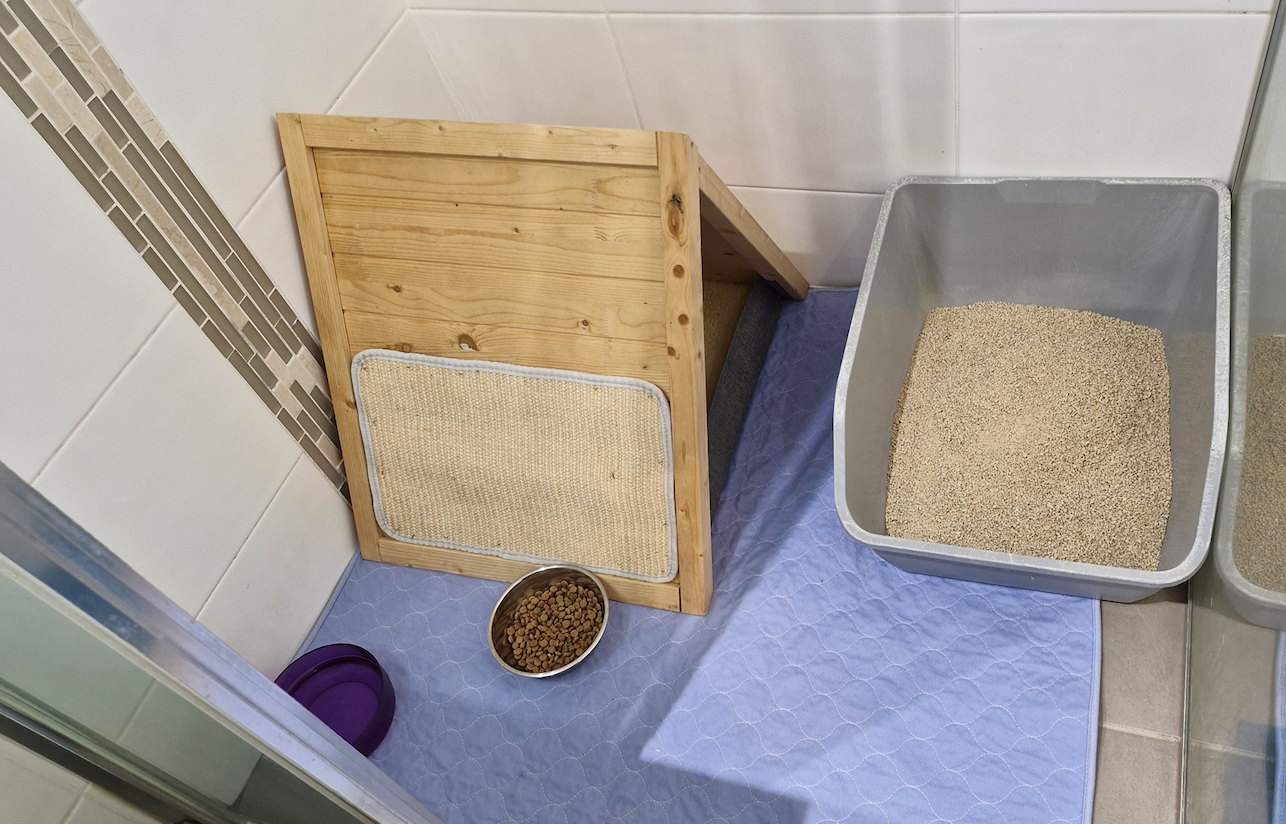
It is much easier for your rescue cat if they have another cat with them (that they know), which is why I strongly recommend fostering two or more cats rather than just one. Cats find it stressful to be introduced to other cats so although it’s usually worthwhile it’s best to wait a few weeks before starting the feline introductions. Kittens are much more adaptable, especially when they’re younger.
Most cats are lactose intolerant, so don’t give them milk unless they’re under six weeks old (and you’re using a pet milk such as cat Womberoo or Di-Vetelact). Or you can give them human lactose free full cream milk as a treat.
Some plants are poisonous to cats, including these favourites. Cats often eat grass which is fine although it can be a sign they’re feeling unwell. Grass tends to make them vomit, which is one way to get bad things out of their body (so, they’re self-medicating).
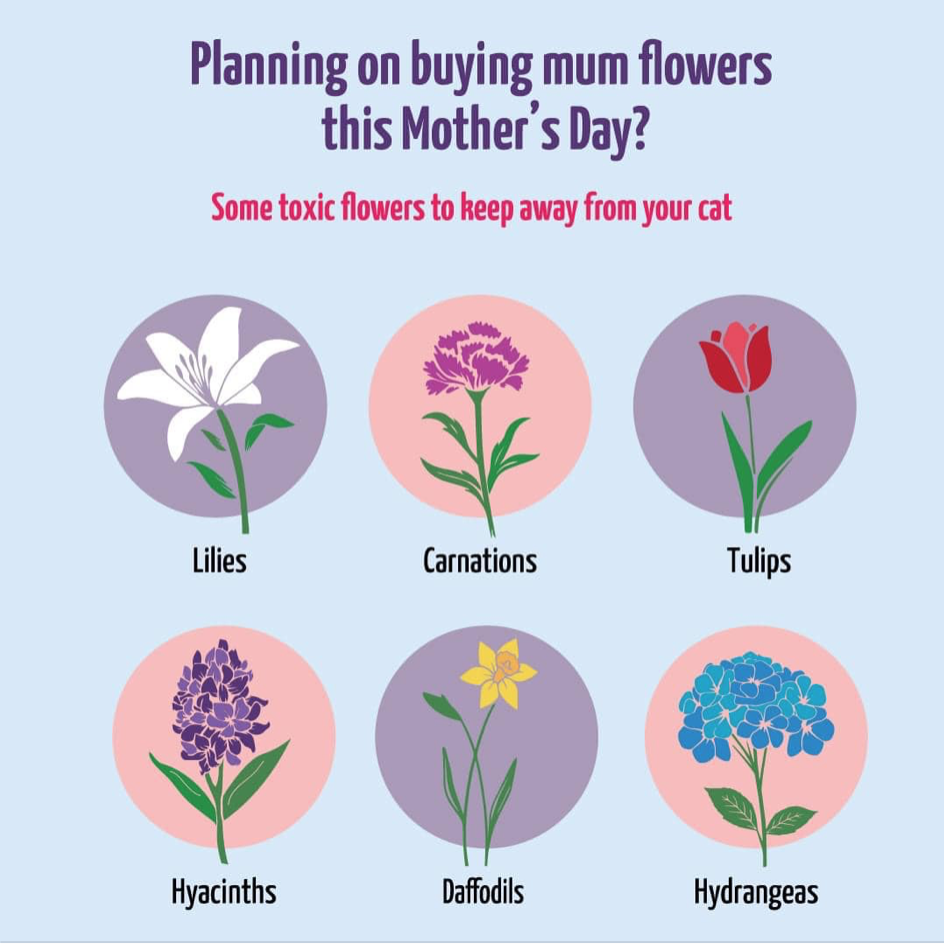
Food-wise, don’t give them dry food until six weeks of age. Do give them wet kitten food if they’re over five weeks. The younger they are, the better quality it needs to be. I use Royal Canin mother and baby mousse if they’re under six-ish weeks, and Felix kitten food if they’re not (and when changing food it’s vital to do it very gradually over several days or weeks). For dry food, I use Royal Canin kitten food if they’re under eight weeks, and Whiskas if they’re over eight weeks.
A lot of cats get soft stools after worming, after vaccinations, and when changing food. Some continue to get soft or stinky poos long term, and they need to be shifted permanently onto good quality food like Royal Canin or Ziwi.
If they’re over six weeks old, I usually top up their dry food (and water) constantly, and give them wet food twice per day. It’s rare for kittens to overeat.
I use “World’s Best Cat Litter” which is expensive ($26/bag at Woolworths) but lasts a long time and reduces smell very well. The annoying thing is that I get a scattering of sand near litter trays. Bath mats are great for catching most of it, and then I can shake them out in the garden and wash them.
Use this rule for water bowls: a minimum of two bowls, and then add one or more bowls for every two cats.
They tend to get somewhat bored of the quarantine room after a week, so if they’ve been wormed at least three days ago and they’re using the litter trays, I let them explore a little further. They’re often tempted to poo in beds or on clothing (especially clean or dirty washing because of the smell) or piles of paper, so that’s something to watch out for. The best defence is habit, so I only gradually increase their roaming area. I always scoop trays daily, plus any time there’s a poo. And I supervise their exploration closely at first.
If they have small bald patches, especially on the face, ears, legs, and tail that is probably ringworm. Ringworm is a minor condition but it’s incredibly infectious, including to humans. The spores are too small to see and can live in fabric for over a year. Washing doesn’t get rid of the spores unless it’s extremely hot (think 90 degrees or more) or includes specific sanitisers. I use F10, buying it from Aussie Vet Products as even pet shops don’t usually stock it. I also buy F10 hand sanitiser. If they have ringworm, they stay in quarantine—with as much play time and novelty as possible. And those without ringworm should be separated into a second quarantine area if possible.
If one or more of your cats has ringworm, you need to talk to a vet (and tell them you suspect ringworm before you enter their premises). Ringworm is actually not a worm (and not treated by worm medication) but a fungus.
Here’s Jodie Foster with a lesion above her eye and two more developing on her nose and under her other eye.
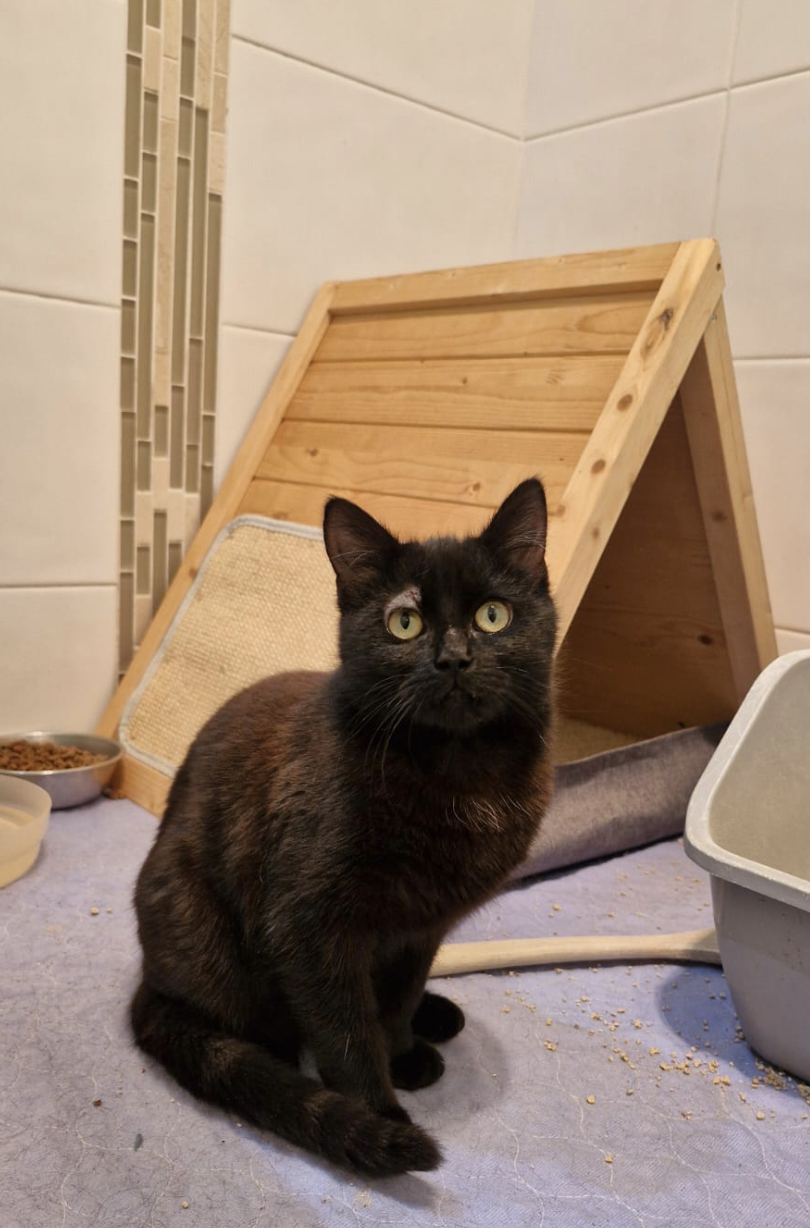
The other disease that a lot of cats will get is cat flu, which can be brought on by stress (like being rescued). A few sneezes are no big deal, but if they have runny eyes or nose they are sick and it may get deadly shockingly fast. Monitor their breathing and you may need to take them to a vet at short notice (so make sure you know your local emergency vet).
Because a vet visit can also be very stressful, you need to carefully balance the potential harm of a vet visit with the potential benefit. I would usually say it’s a bad idea to take a cat to a vet within three days of them arriving at your home unless they have something that needs immediate attention. A lot of foster cats will hold a grudge and get less trusting after I take them to the vet.
Go to a vet within 48 hours if your cat has a runny nose (clear or yellow/green), is drooling, or refuses to eat (try extra-smelly food such as fish first). Go to the vet immediately if they have trouble walking, if they are panting, if they are not drinking, if their eyes look painful or are not fully open, or if they are not playing at all. Ditto if the discharge from their eyes is yellow or green.
Cats can also get a fever from cat flu. You can test them for fever by feeling the temperature of their ears. If you feel them when they’re healthy they feel quite cool, and if you feel them often you are more likely to be able to tell if something is wrong. If in doubt see a vet of course.
If you are looking after them at home, it is helpful to wipe the moisture away from around their eyes and nose with a wet cotton ball. Steam can also help them, so it is often helpful to run a very hot shower with your cat in the bathroom and the heaters on for ten to twenty minutes up to twice per day (being careful not to dehydrate them, as that can also kill them). Change their water frequently and keep other pets away. It may help to gently warm their wet food (mainly to increase the smell so they can recognise it despite a stuffy nose). Reduce their stress levels as much as possible.
Socialising your rescue
The first and best tool for winning your cat’s heart is food! After food is gentleness. You are at least a hundred times bigger than any cat, so you are frankly terrifying and they need time to learn to trust you. Speak gently and try to avoid anything too noisy (crying baby, vacuum cleaner, etc) especially for the first week. Kittens under six weeks can have heart failure from a loud noise or a scare!
Prolonged eye contact is usually seen as aggressive in the animal kingdom, but if you meet your cat’s eyes and then give them a slow blink or look away, that tells them, “I don’t want to fight you.”
I find that mewing at them often helps, mostly by confusing them (confusion is better than fear).
They feel less threatened if you sit on the floor.
If they let you, go ahead and pat them. If they hiss at you but don’t growl, snarl, or swipe at you they are probably safe to pat. Be careful, move slowly and steadily (pausing when they hiss), and make sure they have room to move away from you. If they are extremely food-motivated you may be able to pat them when they’re eating, but I generally don’t because I don’t want them to associate food with fear.
Give them plenty of time to think about new information (such as “the human monster patted me and it didn’t hurt”), and if possible help them to spend a lot of time observing you doing normal non-scary activities such as watching TV (not too loud or violent), reading books, playing on your phone, and sleeping. I like to give them one small challenge per day eg sitting 10cm closer than I sat the day before or letting them see another cat from across the room for the first time.
If you absolutely cannot pat them, here are some strategies that might help:
-patting them with a wooden spoon to get them used to gentle touch (without getting your flesh mangled).
-dangling a toy such as a fishing-pole toy or rolling a ball at them, so you can have a positive interaction without getting slashed. Don’t do this for the first week though, as toys can appear threatening at first.
-Letting them see you interacting with another cat (ideally a kitten so it’s less scary).
-Letting them interact with another cat, so they are less lonely (but introductions must be done very slowly and carefully over several days/weeks).
-Feeding them treat tubes.
I find that EVERY cat in the world goes through a ‘conflicted’ stage when they enjoy your company, possibly even purring when you pat them, but are still afraid of you.
At the time of writing, Cate Blanchett still hisses when I approach, but snuggles and purrs when I pat or hold her. However, she also sliced me up quite badly when I grabbed her by force to take her to the vet just last week. That was my fault for not slowly scruffing and patting her before picking her up.
Most cats hate being picked up or restrained.
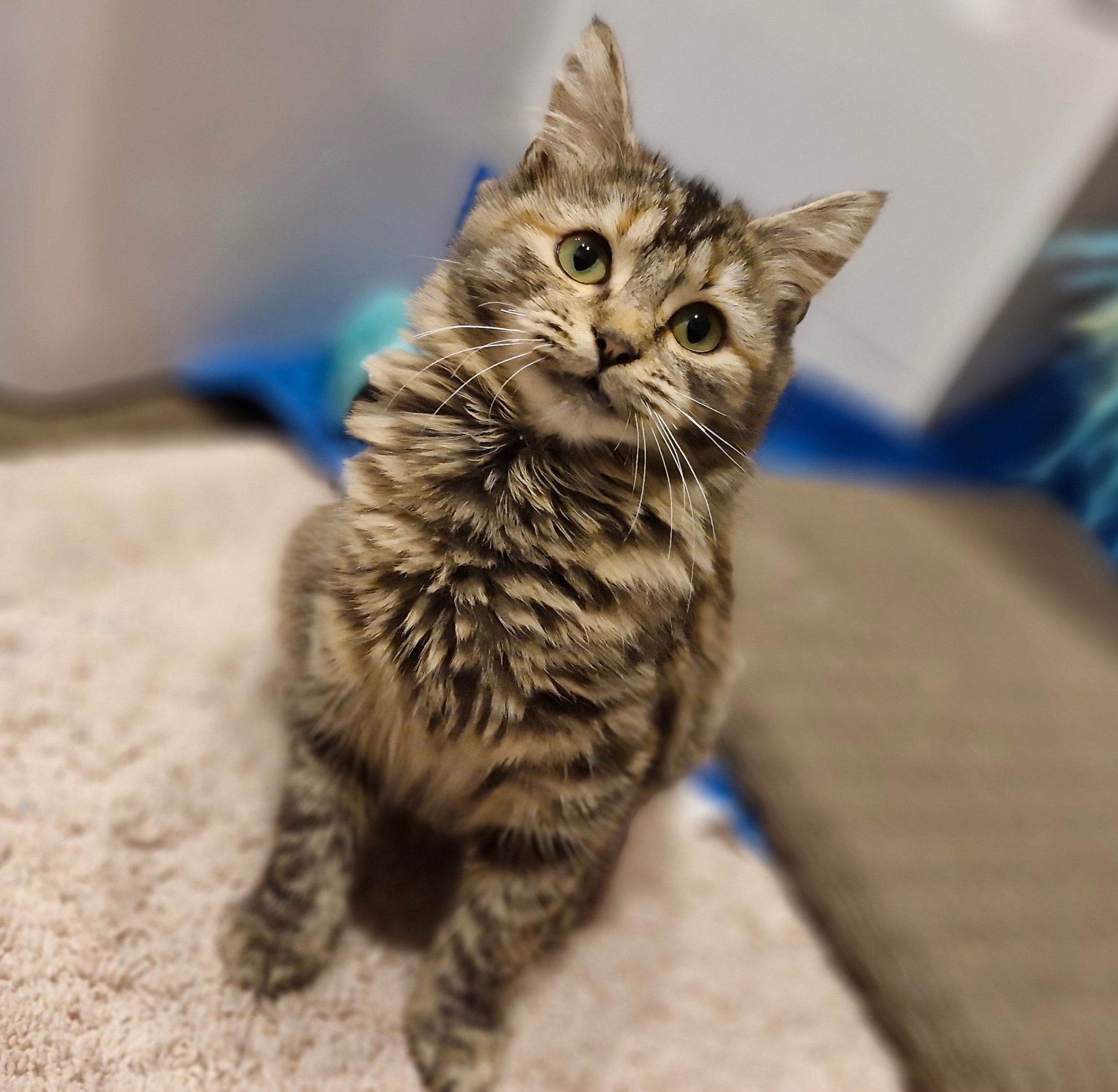
Summary of Fostering
*Don’t trap kittens under four weeks unless their mother is dead. They will probably not survive.
*Be aware that the second a cat feels trapped (eg by your hands) they are likely to attack with considerable speed and skill.
*At four months of age cats can get pregnant to their siblings, so they need to be desexed or separated immediately.
*Cats can give you worms, fleas, or ringworm so take precautions, especially early on. Cat flu is dangerous to the life of kittens.
*Cats need water, dry food (once they’re over six weeks), wet food, a scratching place, and a hiding place. Cats under six weeks of age will benefit from specialised pet milk.
If you are a good foster carer, you will get the cats health checked, vaccinated (ideally twice but as far as I know I’m the only foster organisation that does that), microchipped, treated for parasites, and desexed. Then adopted into a safe and appropriate home!
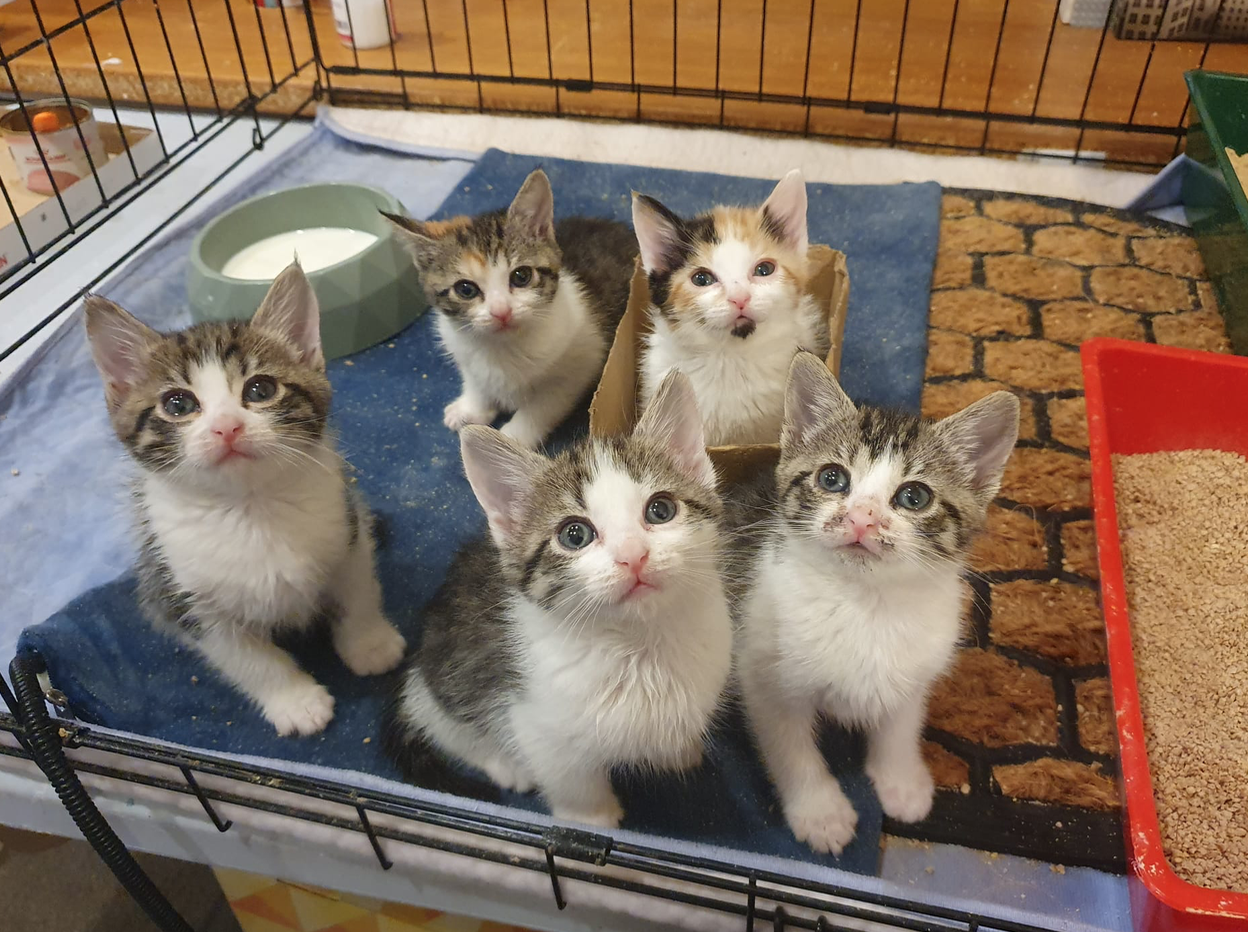
This is a VERY quick and dirty guide to fostering, but I hope it will help you!
If you’re in Canberra, you might like to volunteer with me, or get mentored to become a foster carer yourself! My email address is MagicalMoggiesCanberra@gmail.com
Here’s the link to my GoFundMe. Food, litter, and vet care gets real expensive real fast.

 Felicity Banks