The Virus Diaries: The Floating City
Today is Sunday, which means I get to (mostly) ignore the kids and (theoretically) focus on my writing. I did have a reasonably good day yesterday: I was too tired to do much of anything until the kids were asleep, but then I finished expanding Chapter 11, including adding a section on future quarantine methods (someone from another city is visiting the main city, so he has to have blood, saliva and mucus samples taken, and have a chemical bath, and have his movements tracked for six weeks via his wrist computer). It’s a minor section, but of course I think it’s super cool that my vision of the future has learned a major lesson from COVID-19.
 Zipper remains unimpressed.
A long, long time ago, when TJ looked like this…
 … I had an idea for a story set in a floating city after the ice caps have melted. The idea bubbled away for years as I worked on other things. I’d always think of it when I went swimming, because of course the population of a floating city would be amazing swimmers (and because swimming laps is not exactly mentally taxing, so it’s an excellent time for random pondering).
I began properly researching for “The Floating City” in very early 2017. Inspired by Trump, I wanted to write some disabled characters (since he was being horrid to disabled citizens, among others). I was generally aware that there are more disabled people in the world than in fiction, so I thought it’d be good to change that balance a little. I was also aware that I knew very little and would need to go to some extra effort to make sure my representation of disabled characters did more good than harm.
I was originally going to have the reader choose whether they were mute, a double amputee, or phobic of deep water. The main issue with that is that the nature of ChoiceScript games is that choices should for the most part be very balanced. So having such a choice implied that those three options were all equally difficult. I couldn’t say whether they are or aren’t, but that just makes it even worse.
I’m fascinated by languages (I actually studied linguistics at uni, although not as a major) so of course the many sign languages in the world are very interesting (things like facial expression or the expansiveness of a gesture showing “tone”, and variations from place to place). Like most people, I’m aware that some Deaf people will elect to NOT get their hearing “fixed” given the option, because there is a whole Deaf subculture that is more important to some people than the ability to hear (the rough unpleasant sound of electronic “hearing” is definitely a factor too). I also liked the idea of a floating city made of glass spheres that people both lived in and travelled through. I imagined there might be sealed hatches that took an annoying few seconds to open. So I figured some basic sign language would be handy for people to communicate through glass, and I invented “Tapping” which is handy for those awkward minutes talking through glass, as well as giving people the option of tapping directly onto a person for a kind of “whisper” effect. Therefore, my floating city had a normal sign language dialect plus Tapping.
And, with Tapping being universally spoken, people would be more open to learning a few regular signs as well, if only to make those through-glass (or underwater) conversations more satisfying. I didn’t think that would be enough to actually have a fully bilingual city, so I made up something else: around a third of the population is Hard of Hearing or Deaf (a rather limited population pool brings out recessive genes).
With all that background, it was natural for most denizens of Kota Perahu to speak both sign language and Tapping. Which of course means being Deaf or Hard of Hearing is no longer a disability there, much as being very shortsighted is not a disability for me, since I can wear glasses.
I really liked the idea of a story showing by its world-building that it’s society rather than physical impairment that makes life difficult for disabled people.
I also really like the fact that certain disabled athletes are literally better than their able-bodied equivalents, because prosthetic technology is really cool. Someone I used to babysit works in the field of making cheap prosthetics for third world countries. People are 3D printing bright pink glittery arms, and tentacles (why not?) and water pistol arms. Kids are designing their own prosthetic limbs for fun.
So of course a person on a floating island could, hypothetically, become a real-life mermaid.
They’d need to be a double above-knee amputee for maximum movement, which would require considerable tech to overcome. But… a real tail? I couldn’t give up the idea.
So I badly wanted at least one profoundly Deaf major character, and a double above-knee amputee for the main character (so readers could ‘experience’ swimming with a real tail).
And that is how the story ended up, disability-wise. But I didn’t expect my research to have such a profound effect on my own family.
Chris has innattentive ADD. If you’ve ever met him you’ll notice he’s not hyperactive. Like… not at ALL. If he was any more laid back he’d stop breathing. But I knew there was a genetic element (apart from anything else, his dad also has ADD) so for the first two years of Lousiette’s life, she didn’t watch TV. That’s recommended for preventing or lessening ADD. This is an epic achievement, and all the more so when you consider how much screen time my kids get nowadays (… all of it).
 Louisette as a baby.
I also watched her behaviour, and I noticed that actually she had amazing focus, even as an infant. She was, I thought, basically the opposite of someone with ADD.
But then when I was chatting to people about disabilities, someone mentioned “hyperfocus” as a symptom of ADD. The word alone was enough to stop me in my tracks. As the name implies, people with ADD are super duper focused on certain things, to the exclusion of the rest of the world. Just like… Louisette.
She was about to start Kindy, so I did some more research and was able to let her teacher know that we suspected she also had innattentive ADD. Twelve months later, it had been overwhelmingly confirmed and she started taking Ritalin at the relatively early age of 6. (Let’s not get into talking about Ritalin here. ADHD is both over- and under-diagnosed and plenty of people mistakenly believe it’s not a real condition or that it’s due to bad parenting and/or have legitimate concerns about Ritalin as it’s a very powerful drug. Yes, I know.)
At this stage—in 2017 I’d been too sick to work for two years, although I didn’t have the fibromyalgia diagnosis for another three years—it also slowly dawned on me that *I* was disabled.
Now obviously chronic illness and disability are technically different things. But there is a whole disabled community, and I’m in it. From that point onwards I grew used to the idea of calling myself “disabled” (It’s been five years now since I was able to do normal work, and it’s highly unlikely I’ll ever recover). Sure I’m not paralysed (as we always think of when someone says “disabled”). That doesn’t make me able-bodied.
So here I am. Disabled. Connected to others, and experiencing a lot of what other disabled people experience. I applied for a disability parking permit back in 2018 or so, which is SO GOOD and helps me to still be able to do some basic stuff like dropping the kids at school. This year I applied for the disability support pension, and that’s basically the bright shining light at the end of the tunnel of financial failure that is my life. I hope it’s not a train.
 Ah, we were all so cute back then.
Anyway.
As part of the writing process, I tried to imagine how the current world could plausibly end up looking like the world of The Floating City, especially since the titular floating city was mostly made up of Indonesian refugees (that’s never actually mentioned in the story, although it’s mentioned that most Kota Perahu people have brown skin and most of those living in the underground city of New Sydney are pale).
So I decided that a world that had experienced the stupidity and racism of Trump might have a massive swing in the opposite direction, and briefly face the very real problem of Climate Change—and the immense numbers of climate refugees—head on, prioritising compassion, scientific innovation, and long-term thinking. Including massive investments of capital.
So in my version of the future, there is the invention of Glass, which is stronger than regular glass and also acts as a solar panel and a computer screen. The whole city is made of it.
And Australia builds Kota Perahu, and populates it with a balance of skills, prioritising refugees (or those who are in danger of becoming refugees eg those from the Maldives) but sprinkling in others as well. It is well built, sustainable, and fundamentally independent. It has certain regions that it travels through over the course of a year, trading along the way. It is very difficult to gain citizenship, which is darkly amusing when the ice caps finish melting and several major cities (including Sydney) are largely destroyed, making ‘rich’ refugees beg for entry to Kota Perahu. (That doesn’t actually enter in to the final story, but it would definitely have happened in their past.)
Other floating cities are built around the world. Some are done properly, and some are thrown together cheaply or in a hurry. Some thrive, and some are effectively new third world countries.
Here’s an image I’ve bought off Shutterstock for the cover:
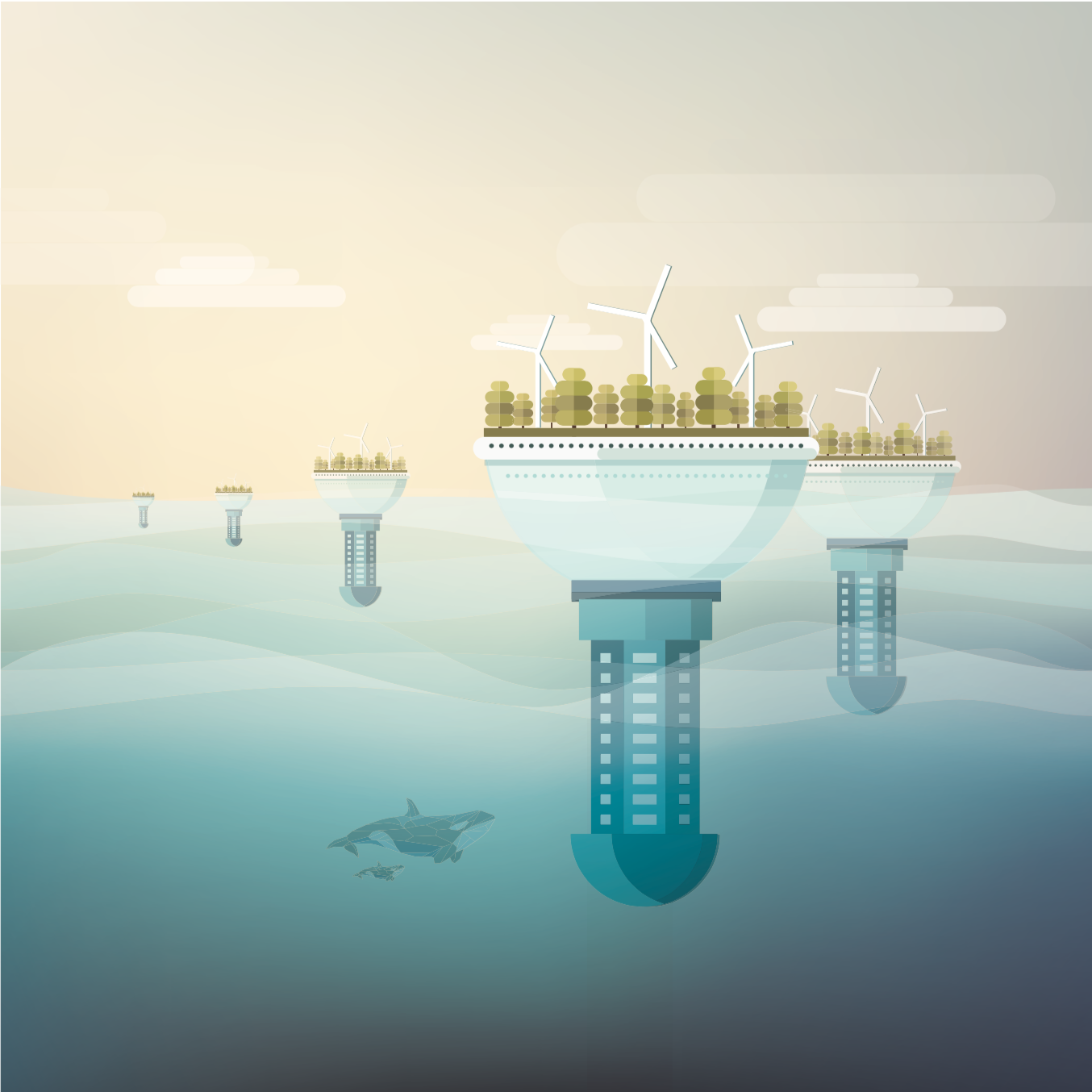
Life settles into a new normal in which a lot of animal species have died out, others have adapted, and the chips have fallen into their new pattern. Australia has a new inland sea (never mentioned in the tale, although there’s a floating city there too), there are several major underground cities, and there are a lot more deserts.
And that’s where the story takes place, from the perspective of someone who’s grown up in a rather nice floating city and feels sorry for anyone who hasn’t. And their generation can spend a much longer time underwater than ours (based on a few people groups with amazing skills that exist today).
So. That’s pretty much the deal with The Floating City. I quite often write the first 50,000 words of a book in 4-6 weeks. This one IS technically finished (still editing) and it’s over 100,000 words… but it’s by far the book that’s taken me the longest to write. I don’t fully know why. Maybe because it’s scifi (just barely) rather than fantasy? Or because I knew I needed to research and really think about what I was writing? Maybe because this marks a shift in my writing (it does: my mojo is incredibly weak right now)?
I’m nearly there. Nearly. And I’ll be doing some more tonight. There are five versions of Chapter 12 (the climactic chapter) so it’ll be hard to stay enthusiastic all the way through, but I’m determined to do a good job.
An image for the icon when it’s on sale:
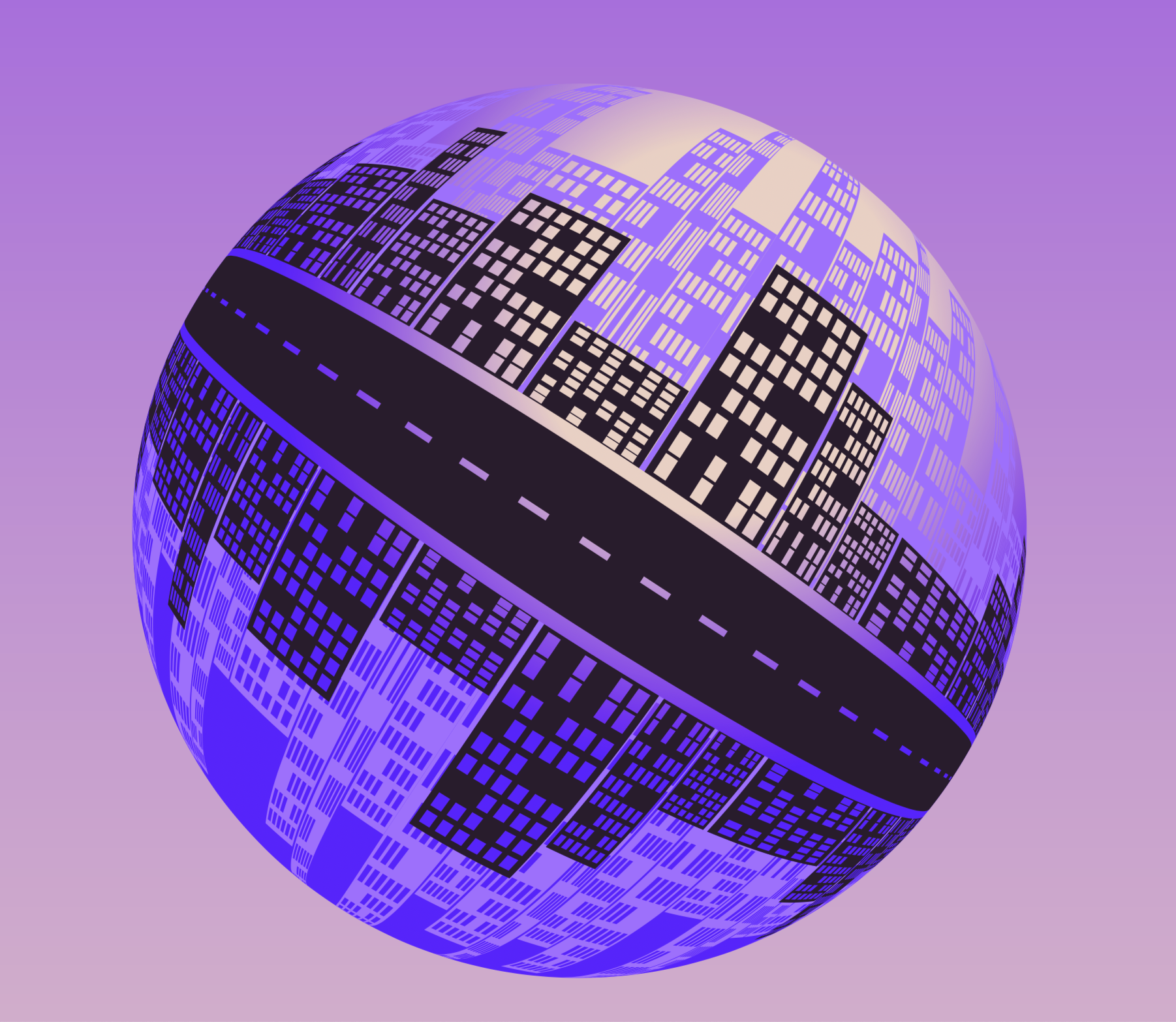 Like all my other ChoiceScript tales, it’ll be a Hosted Game released by Choice of Games.
Eventually.
Resource of the day: Check out all the Hosted Games by Choice of Games here. There are a lot of beauties there (including several that I’m involved in, the most recent of which is the cozy crime tale Death at the Rectory available on pretty much any device). They are a very easy entry into interactive fiction, and super fun.
Recommended donation of the day: Here’s a Tasmanian artist who can post stuff to you.
Recommended personal action of the day: Go for a walk.
Recommended hoarding item of the day: Chalk. There’s so much cool chalk art in people’s driveways right now!
The Virus Diaries: Welcome to Pain, Healthy People
trigger warning: discussion of depression and suicide.
One of the facebook groups I’m on (two in fact) are for sufferers of fibromyalgia and chronic fatigue—all-encompassing, usually permanent conditions that change everything for the person who is sick.
A few people have taken a quiet or not-so-quiet satisfaction in the way healthy people, ordered to stay home and relax, have freaked out. Here’s one person’s take, used with her permission:

I wrote quite a bit about the weird mental uncertainty of this COVID-19 moment in my gaslighting post, and it was natural to talk about fibromyalgia there too. One of the surprising bits of the chronic illness experience (definitely including mental illnesses) is how hard it is to believe that it’s really happening and your life really is changed forever (let alone how hard it is to get family—especially close family—and medical professionals to treat you seriously).
Now the whole world is turned upside down and inside out, and there are oh so many people sitting at home going mad (some literally; sorry about that) and struggling with thoughts of, “Is it really that bad? I feel fine. Would I even get sick if I was exposed?”
Disabled people all over my twitter were pointing out earlier this year that the message of, “If you’re healthy then you’ve got nothing to worry about!” was also saying, “Don’t worry, only old people and sick people will die, and they’re not really people so THAT’s fine.”
Going further back, let’s talk about Robin Williams and Stephen Hawking: two brilliant men; one who was mentally ill and one who was disabled. So when they died, there were a LOT of images like these:
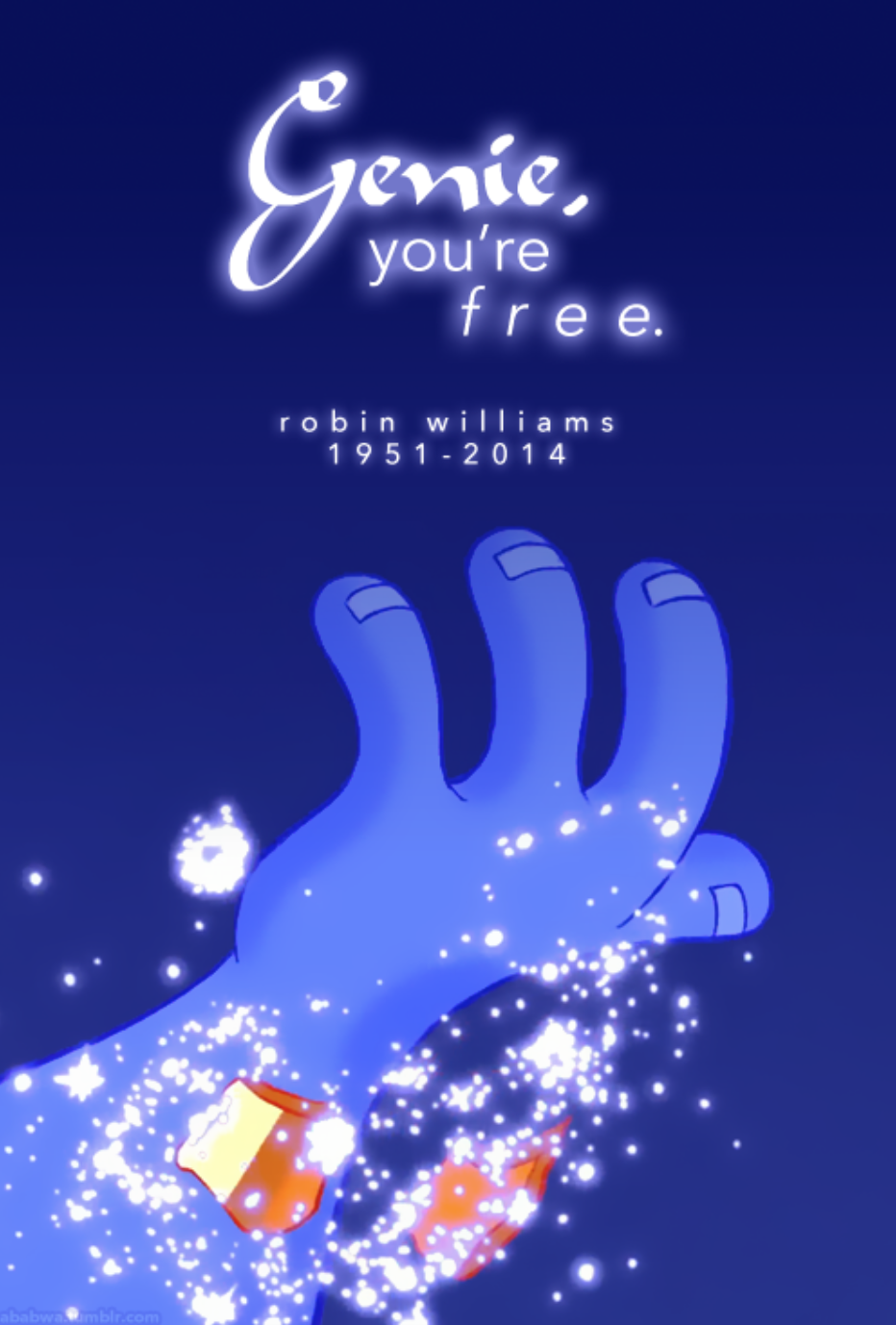

And I’ll be honest: those are beautiful images, and my heart does a little leap for joy to think those two beautiful men might be free of pain.
But.
As many pointed out at the time, both images also say that people who are depressed or disabled are better off dead. Which is especially bad because so many people really do, in their heart of hearts, believe that to be true.
Some people believe it in a semi-noble way, being empathetic or at least trying to be. Hopefully that sense of empathy leads them to take useful action in their lives, like making their house wheelchair accessible or voting to increase funding for groups that help the disabled. Others are purely selfish, and want to pay less tax—and that means cutting funding to those less fortunate and quietly hoping they just vanish.
And let’s be honest. For the most part, vanishing is what we do. People who get sick stay home. People who are chronically ill soon realise that talking about their normal life (sprained my back brushing my hair so now I can’t sit up for two weeks) get real boring—and real depressing—real fast. So if they’re smart, they stop talking about what’s actually taking up the majority of their time and brain space (pain, struggling to pay bills, etc) and keep their conversation to acceptable bounds. Most of our friends aren’t able or willing to accommodate our needs, or don’t understand that our shy request to have people come to our house rather than theirs might be because we have suppurating boils that might bleed through our clothes at any moment so we’re scared to go out. Or that being in a room above 20 degrees gives us diarrhea for the next three days. Or that driving our car makes our wrist throb for the next week because we’re too weak to safely change gears.
So we just… don’t show up. And we’re isolated and scared and in pain, and very very poor (which makes us feel utterly worthless).
Welcome to our world, healthy people. I hope this helps you to understand the sick a whole lot better when the world is “normal” again.
And I’ll try to be more honest about my needs, too.
I frequently pretend to be super lazy so I don’t make people uncomfortable eg. “Hey Felicity, got any cool plans for the weekend?” “Me? I’m gonna make Chris do some gardening and then I’m going to nap. It’s going to be awesome.” when really I WISH I could stay awake a full day, and weed the garden myself, and maybe even actually play with my kids or *gasp* go out and DO something fun.
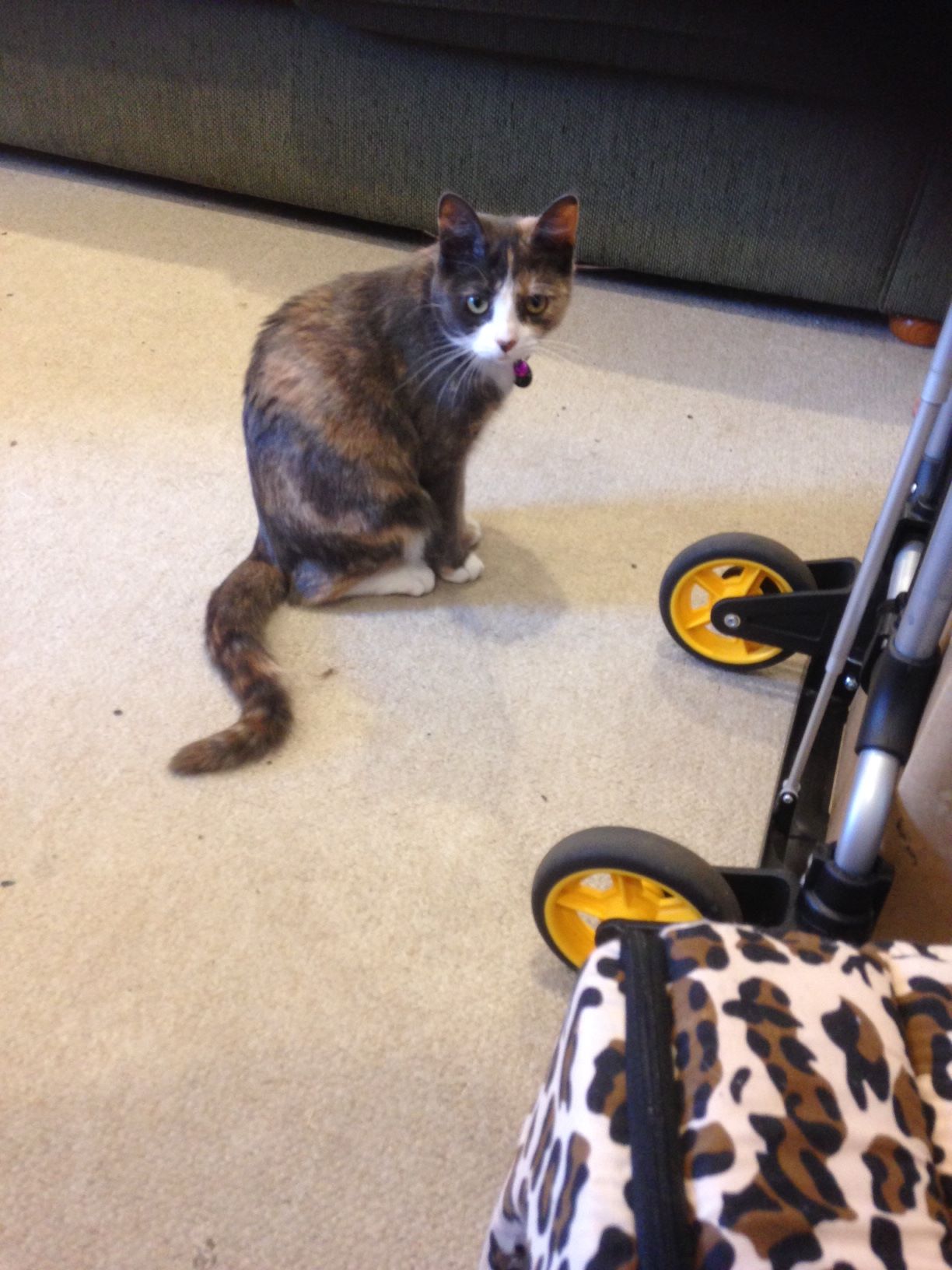
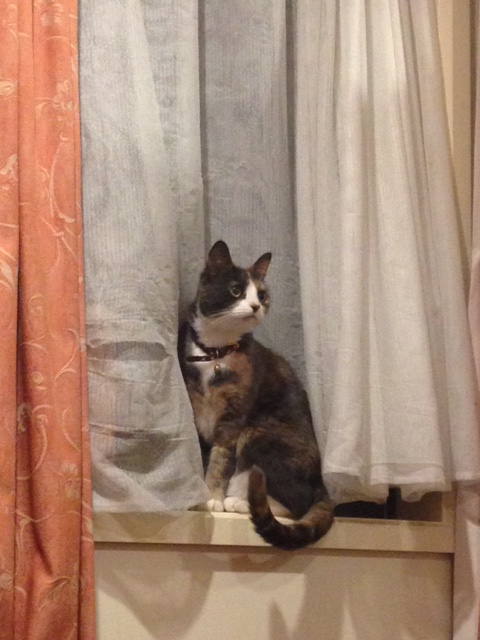
Anyway, here’s a cat looking adorably pissed off:
Unfortunately, although chronically ill people might be professionals at staying home looking at the wall, there are other bad things going on for us: difficulty getting medication, the loss of support staff and services, difficulty getting the very specific foods that our digestive systems can take, etc. And of course no visitors.
Resource of the day: Most chemists are now delivering regular medications. If you’re immunocompromised or over 60, consider calling and asking them for assistance.
Donation of the day:
A friend of mine makes gorgeous hair bows for primary age and under girls. Let me know if you’re interested and I’ll hook you up. She also has fibromyalgia… and three kids suddenly all at home. Ouch.
Her web site is here, and this is a bow I bought off her, that Louisette adores.

Personal action of the day: Reduce the number of times per month you go shopping, if you possibly can.
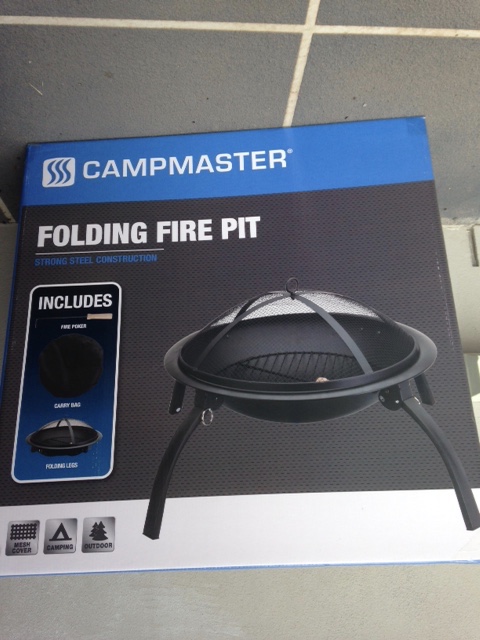
Hoarding item of the day: Having said that, Aldi has $50 fire pits (and $70 camping stoves) which are fun AND will be lifesavers if the power gets interrupted in winter (very unlikely to last more than an hour but I’m hip to the apocalypse baby). I literally got one. Plus if we’re still isolated when TJ’s birthday comes around, that + marshmallows will make an epic party for him.
The Virus Diaries: The Truth About My Routine
Not so long ago, I wrote a post on sanity, including ten tips to stay sane while self-isolating. Let’s go through them and see if I am actually following my own advice (unlikely, since it’s designed for healthy people and I am really not healthy at all).
1. Do something. Whether it’s your job, journalling, writing a novel, gardening, or whatever, try not to slide into the utter nothingness of pure unfettered laziness for too long (it gets old after about three days, and it can be hard to snap out of it). Wear pants. Shower. Eat breakfast at breakfast time. Cook proper food and clean the kitchen every night. A lot of people are celebrating “Formal Fridays” where they dress up for the day and post photos online.
Lol nope. People with chronic illness will know what I mean when I say “couch days”. Some days you can’t do anything, and barely stir from the couch. It’s not fun, even though I bet it looks like it from the outside (to ignorant healthy people, who wish they could do more of nothing… sick people WISH we could have the dignity of a steady job).
I haven’t worn pants (jeans) since Boxing Day 2018. I remember that date very clearly, because it was just over a month since I’d had major abdominal surgery, and it was very exciting to be able to wear pants. The next day, I was back in hospital for a post-op infection and had to get operated on again. It wasn’t definitely the fault of the jeans, but I haven’t attempted jeans since. My stomach still has major issues, and I’m not that big on jeans anyway. Anyone who knows me in real life will know that I wear ankle length skirts every day. It’s the closest thing to a hospital gown, if you think about it (except for the gap in the back): comfortable and loose-fitting.
I wore a bra briefly yesterday and it really hurt my back. Not because of the bra, which doesn’t even have underwire, but because my back is that dodgy. So I don’t even do Wear-A-Bra Wednesday.
I’ve gone semi-nocturnal, waking around midday. And actually that’s working really well.
2. Stop. Take at least one day a week off, whatever that means for you. Enjoy that lazy Sunday vibe, stay in your PJs all day, eat nothing but cereal, do no schoolwork, whatever. Apart from anything else, this gives you something to look forward to.
I’m very excited about the weekend, when I shall cheerfully shove all parenting responsibility onto Chris for the full two days, and hopefully get some of MY work done. At the moment I need writing more than a true day off.
3. Do healthy stuff. Eat well (especially fruit and vegies, or things will not go well in your bathroom), and figure out a way to exercise (walking, running up and down stairs, playing soccer with the kids, whatever). Make yourself get up at a certain time each day (with one ‘sleep in’ day a week because sleeping in is awesome). Get some sunshine if you possibly can (I’m assuming you at least have a balcony). It really helps your body feel like you’ve done something and can therefore sleep at night.
Yeah nope. Never done much of that (since I got too sick for most of it) and certainly not starting now.
4. Be polite no matter what.
Hmm. So far, mostly. Wanted to punch Chris in the face today and instead simply told him that I was angry and he apologised. So that’s a moral victory, I suppose.
5. Pick your goals wisely, and change course as required.
Yeah, that I do.
6. Failure is always an option.
I do that too.
7. Remember humans are amazingly adaptable, even you.
I’m astonished at how well I’m holding up so far. Of course, I’m also aware that there’s a manic episode happening. When I come down things may get rough. If I look after myself as much as possible while manic, the fall won’t be as hard.
8. Do fun stuff.
It has been fun to pour my creativity into stuff like the obstacle course (which Louisette still likes and TJ still refuses to do) and a Secret Project I’m prepping for the holidays.
9. Humour.
Always.
10. Whatever works.
Always.
My normal weekday routine pre-COVID-19:
7-9am: Get up, get kids ready for school, put a load of washing on, drop them at school.
9ish-12ish: Immediately change into PJS. Watch TV and/or write stuff. Lunch.
12ish-2:30ish: Nap.
3-6: Fetch kids, immediately change into PJs, play wii with TJ, make kids shower, prepare dinner.
6:30-8: Dinner and bedtime routine.
8pm-11ish: Watch TV and/or write stuff. Go to bed.
And now:
12ish: Wake up, eat breakfast, do a load of washing, fetch kids’ lunches. (Chris gets the kids breakfast around 7am and then goes to work in his study.)
1-4ish: Louisette is at her best (it’s her Ritalin window) so make sure to do her schooling (currently just the obstacle course) and make her shower in this time window. Also do TJ’s schooling (which he begs for) and shower (which he begs not to do, but it only takes 60 seconds once he’s in).
3ish-6ish: Write blog, usually (in bits and pieces between other things) and play wii/watch NumberBlocks with TJ while Louisette watches TV in her room.
6:30-8: Dinner and bedtime routine.
8pm-1am ish: Watch TV and/or write stuff (usually too tired to do any writing). Go to bed.
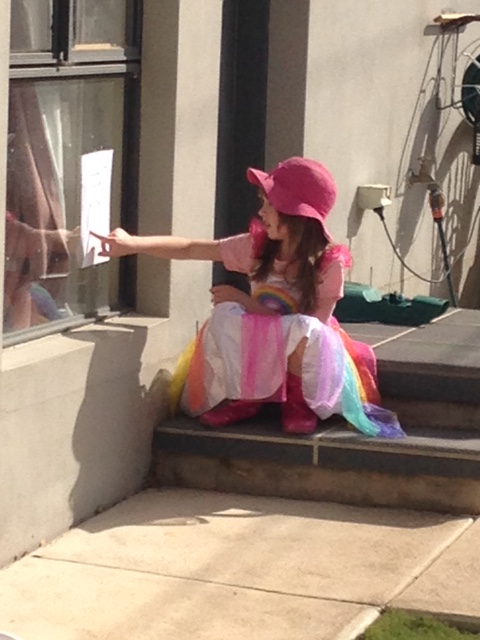 This is Louisette working on the obstacle course.
I hope looking at my routine makes you feel better about yours. Honestly, I really am doing amazingly well. Since Chris is working form home now, which means 2 hours extra in his day, it’s time for him to start doing useful stuff with the kids. So he takes care of showering the kids now (YAY). And he’s home at 5pm instead of 6:30, which is VERY helpful since by then I’m too tired to play on the wii with TJ, but TJ is too tired to amuse himself.
Resource of the day:
A lot of people are encouraging kids to get into letter-writing or play on playgrounds. Please don’t—playgrounds and paper are both very able to carry COVID-19 for several days (possibly as much as 17 days).
Donation of the day:
People still have medical expenses. Have a look at GoFundMe and pick a winner.
Personal action of the day:
Use gloves when opening your mail (or leave it somewhere safe for at least a week before opening it), and carefully throw away envelopes.
Hoarding item of the day:
Tongs? Since gloves are probably out of stock everywhere.
The Virus Diaries: Goodness
Look, I know there are lots of things that suck right now. But I’ve never seen such a flood of kindness, generosity, and support. I’ve never felt so connected to the whole world—in a good way.
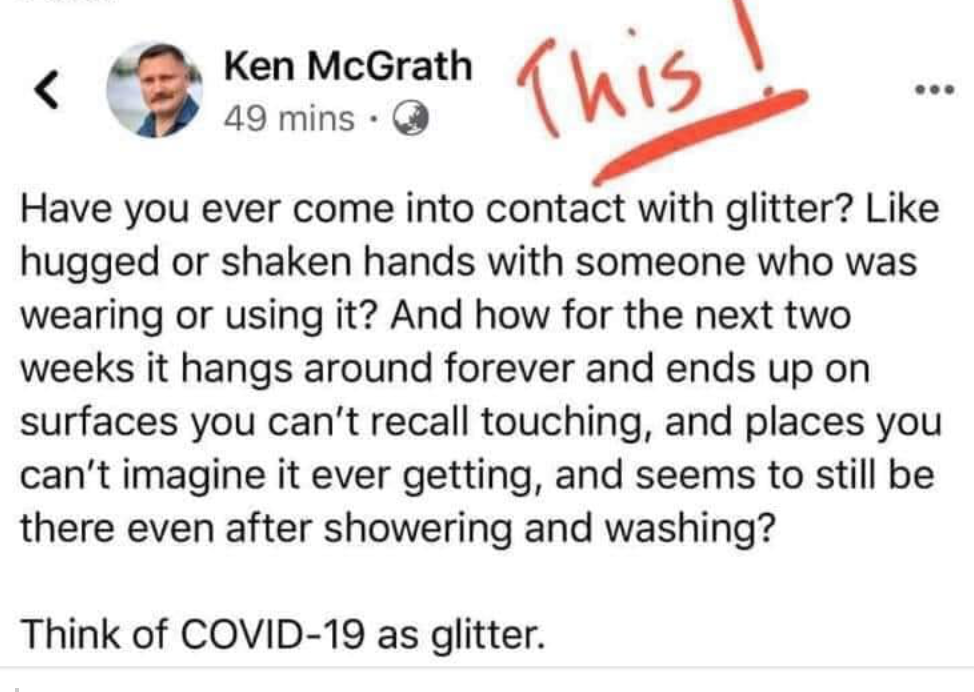
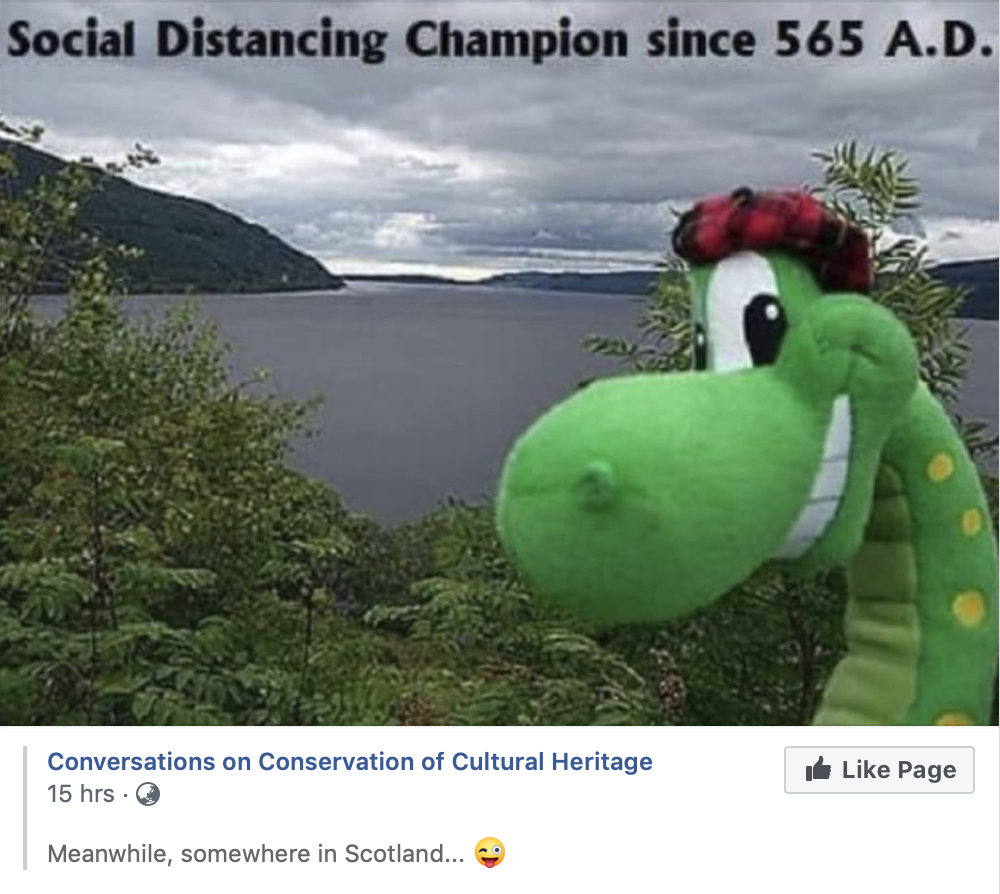
This entry is almost entirely made up of just stuff from my facebook and twitter feed from the last hour. It’s a random mixture of encouragement, humour, information, stuff to do, and resources to help people either deal with self-isolation or understand why it’s necessary.
 The above was posted by Julia Vee from the Parasol Protectorate facebook group.


The “Bear Hunt” is all about putting teddy bears in windows and front gardens for kids to spot as they walk around the neighbourhood.




And here are some videos:
A bunch of late-night hosts are working from home. It’s messy, awkward, and hilarious:
This is my favourite song right now. It’s rude and funny and strangely inspiring (make sure your kids aren’t in the room).
Another parody song:
A beautiful in-character bit of encouragement from The Doctor herself:
A charmingly odd news article. It kind of epitomises how so many people are reacting to this global challenge—with humour, with love, and with everyone asking, “What can *I* do to help?”
Here’s a news article thinking about how COVID-19 will change the world, which is fascinating for all of us (I haven’t had time to read it yet, because I’ve been hard at work all day preparing something VERY special for the school holidays). Not necessarily uplifting, but sometimes it’s nice to have someone say, “This is what will happen next, then this, then this.”
And how about twitter, that infamous trash fire?
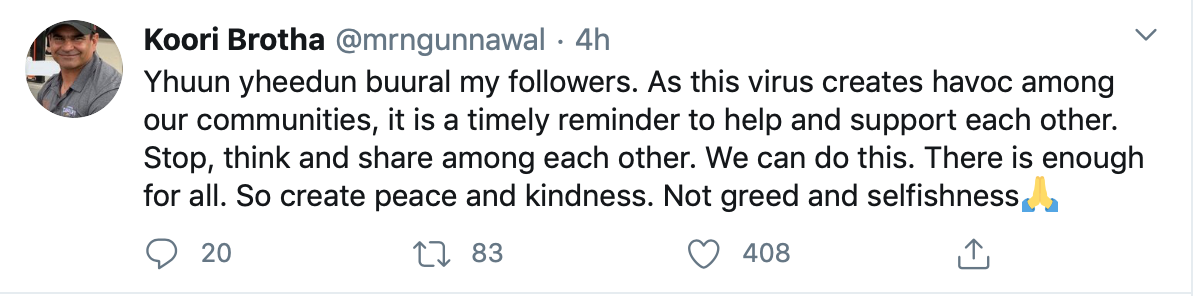
This guy is always like that. He bleeds love and kindness every single tweet.
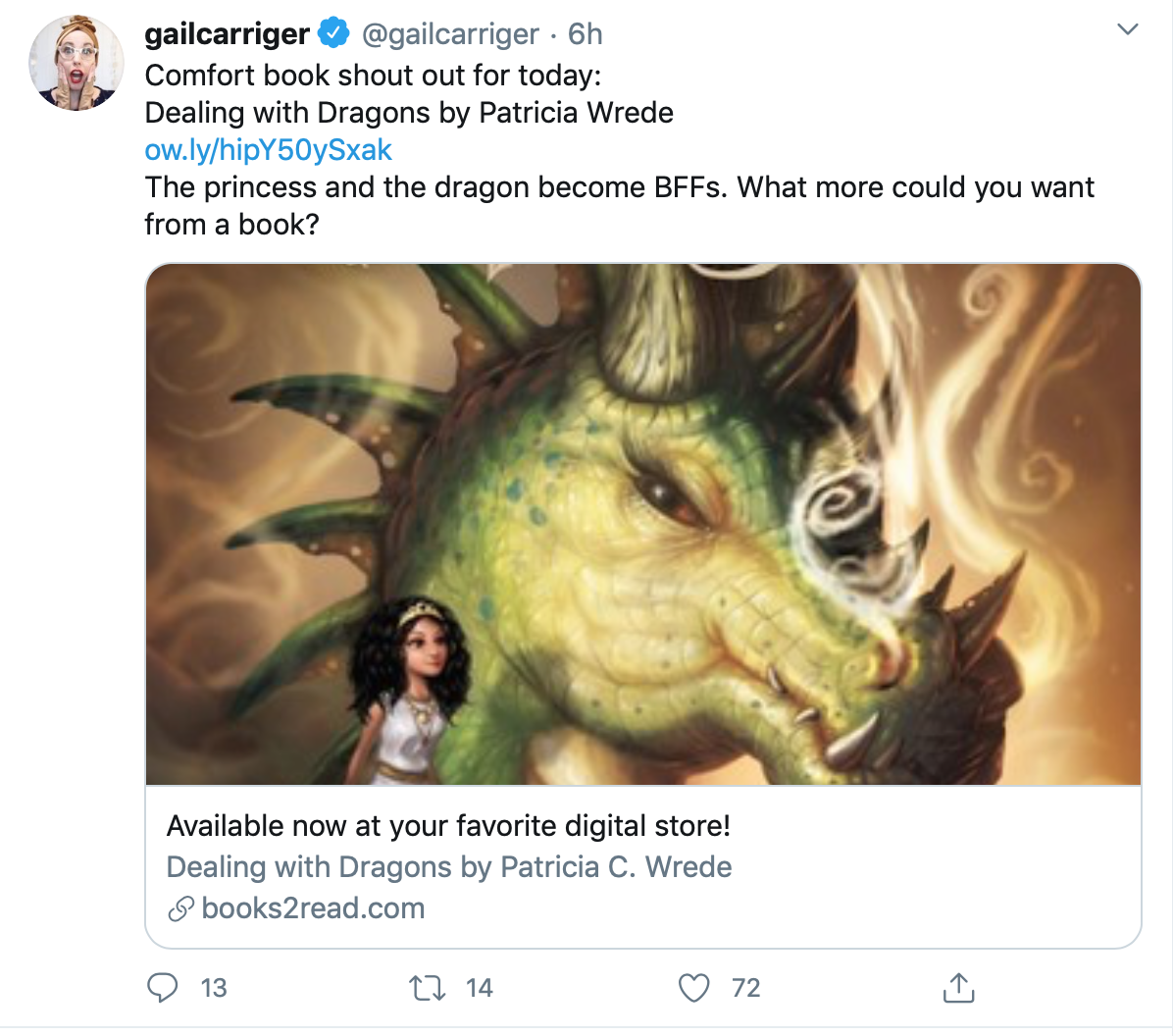 (If you haven’t read Gail Carriger’s funny supernatural steampunk tales, you should!)
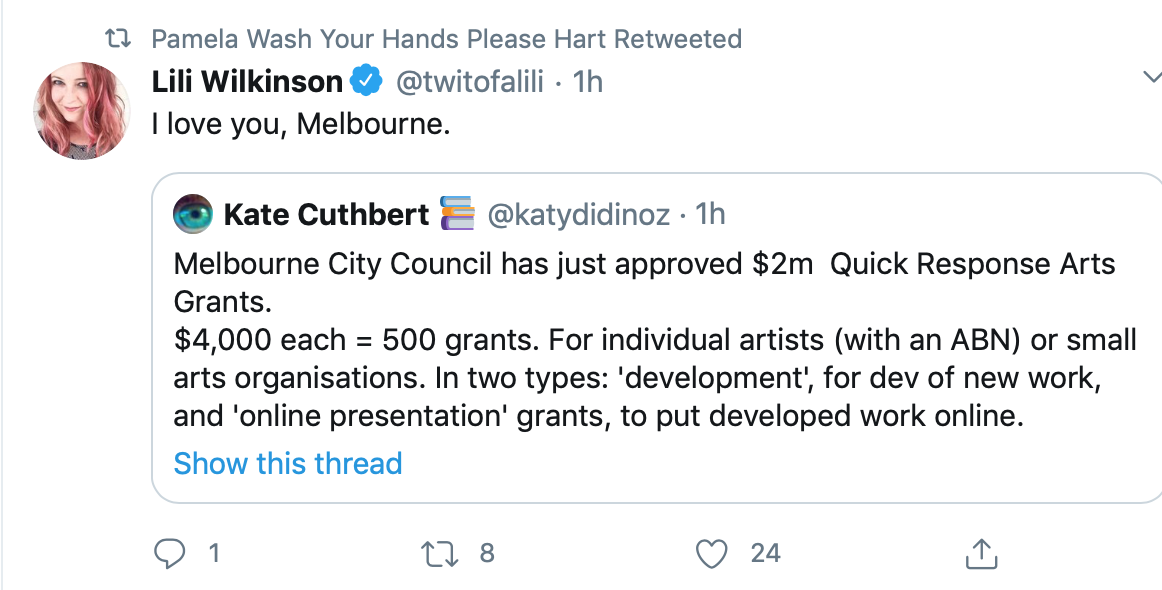
I wish I was in Melbourne right now, but I also love how facebook has so much content talking about how important artists are right now.

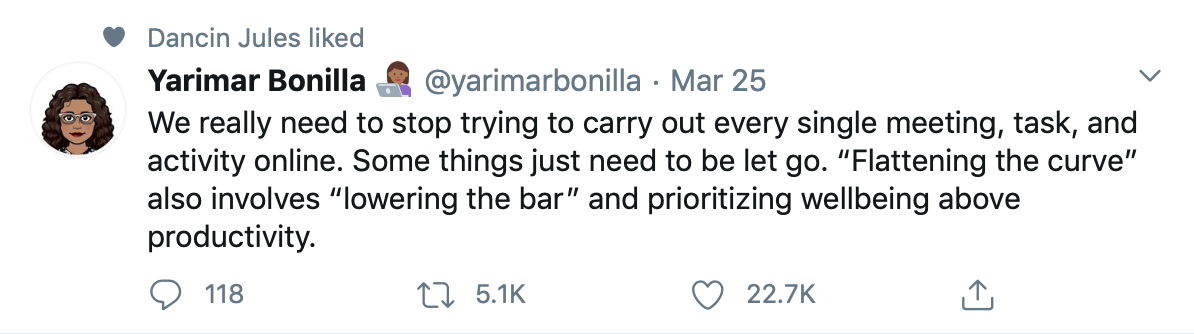
I’ve been fielding emails and calls all this time. My Flourish home mental support people switched to phone calls, but gave me a million other options of ways to stay connected, and also checked a whole lot of practical things (do you have food? Can someone look after your kids if you are sick?)
My chemist called me up to say they’ll be delivering my regular medications to me, and is there anything extra I need? My friend Chevelle climbed into a store refrigerator to get me the last, lost pack of frozen peas. My Mum finished painting the signs we were making together (pics soon). People are looking at their pantry and giving food away over social media.
A woman I have never met gave me a quilt she made. That’s not even because of the ‘rona. She just… makes quilts, and gives them away.
Here is the quilt (gorgeous, isn’t it?) hanging on my washing line (hence the odd pic) for several days so any ‘rona germs can die before I touch it.

It is, in a word, beautiful.
I’m not saying the ‘rona doesn’t suck. It does. I’m not saying certain people aren’t being tossers. There are some people making awful decisions out of various kinds of fear. But what I’m mostly seeing is kindness, thoughtfulness, generosity, humour, and creativity—all at unprecedented levels.
We can do this. We have each other.

Resource of the day: I can’t believe I’m saying this, but if you’re not on social media now is a great time to join.
Donation of the day: What weird item or talent can YOU throw out into the zeitgeist?
Personal action of the day: Have you heard of #FormalFriday? Or my alternative, Wear-A-Bra Wednesday? Go ahead and dress up. It’s good for the soul.
Hoarding item of the day: Pet food and litter (only 2 weeks’ worth, okay?)
The Virus Diaries: Big News in TJ Town
Yesterday, I received money! From the internets!
I think this means I just monetised my blog. Amazing.

But that’s not the big news of the day. As per yesterday’s announcement, it’s all about TJ, and specifically his teeth.
Way back when his big sister was losing teeth and we laughingly told TJ that his teeth would fall out in a few years, he was very disturbed by the whole idea (even when we explained how adult teeth are coming through, and that it doesn’t hurt, and told him the current going rate for the tooth fairy).
Over time, he became reconciled to the possibility that he might one day make the switch, bit by bit, to adult teeth. Then he began looking forward to it, and we assured him that it would happen automatically; he didn’t need to do anything but his teeth would eventually start to fall out (and not all at once either).
Last year, he told me he had a sore tooth. “This one?” I asked, pushing down on it gently.
“Yes,” he said, in his most pathetic maybe-I-can-stay-home-from-school-tomorrow voice.
“It’s not hurt,” I told him, testing and confirming my hypothesis as I spoke. “It’s wobbly.”
And there was much rejoicing.
That really was last year. Before the fires, floods, smoke, and hail of last Summer, and before COVID-19 affected our lives in any way. A good chunk of his lifetime ago, proportionally speaking.
Then last night he ran into my room and threw himself face-first onto my bed (this is how he enters my room). “Mum! Mum! Mum!” he said. “My tooth is super duper wobbly, look!”

He was not wrong. I told him it would definitely fall out within the next few days. (He declined my offer of assistance.) We took a photo to send to Daddy, and called him to tell him. Daddy was suitably impressed.
Then TJ tried a variety of pain-free techniques his Poppy had shown him: Blowing on his tooth. Dancing. Nodding. Nothing happened. So he ran around the house a few times screaming, “I’m so excited! I can’t believe this is really happening!” and then came back and hurled himself at my bed again.
Then he looked up at me, and I saw his cheeky face freeze in surprise and consternation. My stomach dropped in maternal fear.
He opened his mouth, and his tooth fell out into his hand.
The penny dropped for me a moment before it dropped for him: “Your tooth! That’s your tooth! It fell out!”

And he jumped up and down, and ran to tell his sister. And we called Daddy and told him. And we called Nana and Poppy and told them. And we took photos to send to the grandparents. And to Dad.
And there was much rejoicing.


Because sometimes staying home and slowing down is more epic and exciting than anything else could possibly be.
Resource of the day:
I haven’t read this article yet, but I’m extremely excited to watch Picard! [Editor: That’s only relevant to the US, but we can buy some Amazon Prime to watch it ourselves.]
Donation of the day:
People are still having babies, and it can be a very lonely time even when the world isn’t mid-plague. These guys help, and there’s a DONATE button at the top.
Personal action of the day:
If you’re not fully isolated (or sick) yet, hire a cleaner. They might need the cash at the moment, and they’re the professionals at this stuff.
Hoarding item of the day:
Winter jackets. We won’t need them for at least a month or two, but better to get it done now if you can. It’s easy to buy awesome winter jackets online (keeping in mind that mail can get COVID-19 on it so you may want to keep the parcel outside for up to two weeks before opening it).
The Virus Diaries: Educational Obstacle Course
Last night, my daughter made up a story about a magical eagle protecting smaller birds. It was lovely. Just one problem: the villain was the main character’s cruel and despotic mother. She told it with perfect innocence, which makes it so much worse.

She also said today that she can’t wait until she has kids so they can rock her in a hammock. Well, sure.
In the above pic she’s dressed (since we’re outside) but her latest apocalypse outfit is a blanket draped around her like a Greek goddess. And why not?
And the evolution of “The Lion Sleeps Tonight” has reached its inevitable conclusion:
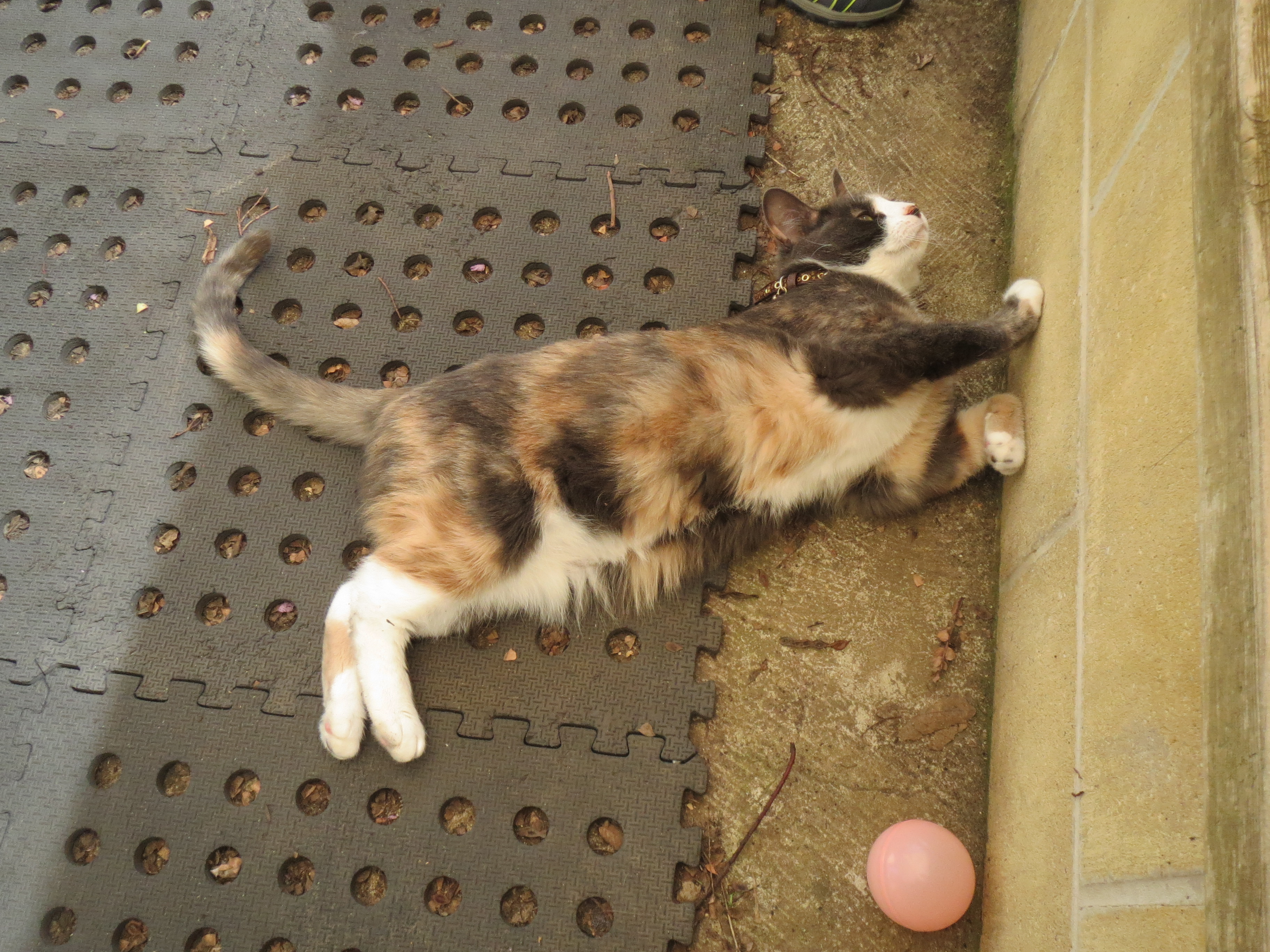
As you can see in that video, Zipper remains torn between her desire to be near her pet humans and her desire to avoid the Dangerous Blue Swinging Thing.
Anyway.
I’ve been terribly impressive this week. On Sunday I had an idea for an educational obstacle course that got the kids reading (at their different levels), exercising, and practising maths (at their different levels) at the same time.
I gathered together all the vaguely exercise-related outside toys I could think of, plus some others, and got rid of trip hazards in the yard. Then I collected 2- and 3-letter verbs, ie words that TJ could read and then do. Here’s my collection: go, get, run, hop, hit, pat, get, up, jog (also ‘and’, ‘cat’, ‘dog’, ‘fox’, ‘mat’, ‘rat’). Or if he’s particularly impressive: jump, pull, push, sing, climb, skip (also ‘ball’, ‘down’). We’ve been learning ‘th’ and specifically ‘the’ and ‘this’. He is already able to recognise his numbers.
Then I wrote a 20-part story that never had more than a few sentences at a time (for Louisette to read), with an underlined bit that TJ could read, and actions for each part. I printed out two copies; one for me to follow along with, and one to tape up section by section around the yard (I should have made the numbers bigger so they could more easily spot the clues in the correct order). Here’s the full story, with my comments in italics. Feel VERY free to cut, paste, and adapt to your own yard or house.
The Runaway Rabbit
A rabbit is a handy main character because you can get the kids to hop the whole course if you like and/or wear rabbit ears if you have them. Also, a lot of kids struggle to pronounce their ‘r’ sound, so this can be a good time to practise the ‘rrr’ growl sound (although not on Day 1 when they’re overwhelmed by all the novelty). The plot of “something’s chasing you” and/or “the ground is lava” is extremely adaptable. Attentive readers will note that it’s not necessary for every section to make story sense. The kids get how the story works and will go with the flow.
I probably should have put clear contact on the clues but I reckon they’ll last 1-2 weeks even if it rains, which is as long as the kids will be willing to do this every day.
I chose a ‘handwriting’ font so that the letter ‘a’ would be printed the way it’s written (unlike the font I’m using right now). Reading is hard enough without making up a new letter shape.
- You are a rabbit. There is a fox coming! Go this way.

- The fox is getting closer! You need to jump lots of times and say a times table.
For example: 2, 4, 6, 8, 10, 12, 14, 16, 18, 20, 22, 24.
Obviously #2 is at the trampoline. But kids can jump up and down without a trampoline if you don’t have one.
- You hurt your foot! Hop here.
- Quick! Jump aboard the train to escape that cheeky fox. Push this.
I set up a wooden toy train set on the table, which was one of the most labour-intensive parts of this whole thing because I needed to bring it in each night and then set it up again each morning. Your mileage will vary.
- Oh no! The fox jumped onto the train too! You need to step up onto the roof of the train. Don’t fall!
Any stable bench or chair will work.
- Carefully climb this way to get onto the next carriage. Don’t fall!
Moving from one bench/chair to another.
- The fox has fallen asleep on the train. Very quietly get down and rock Mum so the fox stays asleep and you can escape.
Hammock time. Or they could sing a song and/or do a dance until the ‘fox’ falls asleep.

- You got off the train, phew! What time is it now? Look at the clock.
This works with any clock/s, ideally with batteries removed so you control what time it is (for them to practise telling the time).
- A volcano is erupting! The grass is lava so don’t let it touch you.
Lay out any objects that the kids can use as stepping stones (pavers are great).
- Oh no! Five baby rabbits are falling from an apartment window above you.
Catch 5 balls and give them back to their mother (the washing basket).
We have a ball run. As long as you have a ball, the kid/s can play catch for this section. Or you can use a basketball hoop and ball here eg ‘Throw the baby rabbits through the hoop to safety.’
- The lava is coming even faster! You need to take the car.
We have a toy car. Alternatively, this is a good time to do more hopping, if you haven’t already.
- You see something round in the distance. Is it a safe place? Go to the hoop.
This is a hoola hoop hung from the washing line with string/rope/ockey strap. A bent hoop works fine. This is the part that impressed the kids the most.

- Step in and over the hoop.
‘Step through the hoop’ is clearer, but I was trying to use words TJ could have a go at.
- There’s even more lava! Get the car and go back to the same spot as before. This is designed so Mum doesn’t have to move the car when she resets the course.
- There’s so much lava everywhere! You will need to balance very carefully along a narrow ledge to get to the only safe place. Step on the rope.
I used a skipping rope (which Louisette loved, and TJ said was too hard for him). Any rope will do and is great balance practice.
- Climb up onto the porch and then sit on the steps. Phew! Time for a break!
Up and down steps is great exercise.
- Oh no! Even more lava! Throw the ball through the hoop!
This is where our basketball hoop came in (and much chasing of runaway balls, which is also great exercise). We have a stool next to it for the shorter kid.
18. The fox has found you again! RUN!
Cunning parents will have their kids run more than a few steps, eg ‘Run to the tree and back.’
19. A tall tree! Climb up here and you’ll finally be safe.
This loops back to the place where they started, which makes it natural for them to try it again if they’re keen. (Mine were not.)
20. Aha! The fox ran away and the volcano finally stopped erupting. You’re really safe now, and the other rabbit family is safe too.
Good job.
The End.
This is my kids (5 and 8) doing the first part of the course for the first time.
It’s extremely important to balance confidence and skill. TJ is very excited about reading, so I felt I could get away with more than one TJ-oriented word per section (especially as I’ll be running them through the course daily for at least a week). Always aim for ‘too easy’ rather than ‘challenging’ because confidence is more important than competence in primary school. Younger kids should just read one or two sections (which could be built up over time eg 2 the first day, 4 the next time, then 6, and so on).
Teaching is learning, so a bigger kid helping a smaller kid is EXCELLENT for the bigger kid. It shows them how far they’ve come.
On the other hand, doing the course with multiple kids is extremely likely to cause fights (especially at the end of the day). Your kids are probably desperate for one-on-one attention.
Obviously you can set different times tables and different clock times whenever you like. For Kindy, being able to read ‘Such-and-such o’clock’ is plenty, and they’d probably practise counting rather than times tables on the trampoline.
Repetition is good (I’m NOT making a new course for each day!) and memorising words is part of reading. On her second go, Louisette’s reading was much more fluent. TJ refused to do it a second time, saying that balancing on the rope and getting a ball through the hoop was too hard. I offered help and he refused.
Kids are punks… so try to keep it simple in case they point-blank refuse to try it. Which will definitely happen in some families.
At least the cat appreciates it.
 Resource of the Day: That was it. This will be all we do for the next week or so of school. (I am lying; TJ will continue learning Jolly Phonics letters, because that’s what he wants to do.) Here‘s my guide to educating your Kindy kid at home for as little as ten minutes a day in case you missed that.
Donation of the Day: Do you know someone will a big birthday, event, or (gulp) wedding that is going to be cancelled or postponed because of the COVID-19 virus? Buy or make them something super special (then don’t let anyone touch it or go near it for 9 days, then wash your hands and deliver it to their porch).
Personal Action of the Day: Disinfect the kids’ school bags, especially the handles (especially if they’ve just had their last day at physical school for a while).
Hoarding Item of the Day: Buy a kindle. Then you can read a million books without risking any germs from the post. And I suspect postal workers will be overworked too.
We have extremely exciting news for tomorrow!
Well, it’s extremely exciting to us. And especially TJ.
The Virus Diaries: Goals
Yesterday the news broke that the state governments of the ACT (that’s me) and Victoria are closing down schools this week (effectively over-ruling the Prime Minister who is still prioritising the economy over safety).
Millions of kids rejoiced. Millions of parents trembled in their stylish yet affordable boots.
Three seconds later the internet was flooded with cries of praise for teachers everywhere.
Meanwhile, at home, Chris informed me that I apparently once said, “Not now, my husband is coming” in my sleep.
For the record, Chris Evans and I were REHEARSING. JUST REHEARSING. I swear. We are professionals.
In other news, TJ had a shower yesterday (that’s not the news part). During said shower, he blew a raspberry on the shower glass. I told him not to let his face touch the glass. So he licked it. So I said NOT to let his FACE touch the GLASS. So he spat on it. So I said NO SPITTING and that’s when he mooned me. Buttcheeks pressed right up against that glass.
Then he sang his latest version of “The Lion Sleeps Tonight”:
In the eyeball, the creepy eyeball, the eyeball sleeps toniiiight!
Hush my eyeball, my creepy eyeball, the eyeball eats you toniiiiight!
In case you haven’t heard the original:
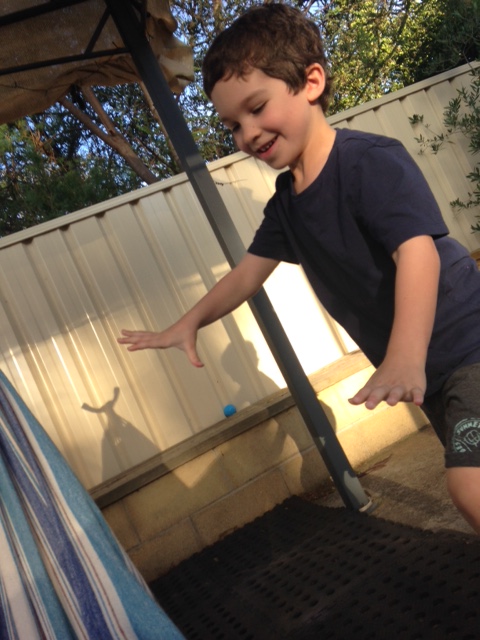
Here’s a pic of TJ pushing me on the hammock. As you can see, he is actively trying to tip me out of it. Little punk.

It’s good to have goals.
My daily goal is to make sure the kids eat three meals (and fruit), and shower each day, with some kind of schoolwork happening for each kid on each weekday (even if it’s a drawing activity—great for hand-eye coordination—or playing with lego, or whatever). For myself, to shower and blog each day and to keep enough spoons that I can be nice to my family even when they’re annoying.
I wrote about my writing goals yesterday. Then I finished dealing with the comments on “The Floating City” and decided to aim to add 1000 words to each of the final chapters. I added over 500 to Chapter Eleven yesterday, which I’m extremely proud of. It’s a relief to do some of my ‘real’ work for a change. I feel much more myself (and I promptly had a manic episode and stayed up, full of ideas, until 4am).
I also aim to convince my extremely cautious cat Zipper to one day jump into the hammock with me. She has put her paws up on the side of the hammock three times in the last six months (only ever when it was just me and her in the yard), so I know she’s thought about it. But for the most part she reacts to my entreaties (“Zipper? Zip Zip? Prrowr?”) with a Dignified Indifference.

I also aim to try and achieve the following gardening tasks:
a) To propagate the purple-leaved bush out the front of our house. It looks good and weeds don’t grow under it, so I plan to eventually have it cover most of our weed-prone front garden. So far I’ve had two cuttings in water for several weeks. They didn’t grow roots but they didn’t die either, so today I stuck them in some dirt. We’ll see how they go.
b) To keep my basil plant alive. The stalks are so fragile I’ve destroyed many basil plants due to either rinsing the leaves or just adding water too hastily. It’s also very touchy about direct sunlight, and will immediately die if it’s put in a window (let alone outside). This one has a few half-brown leaves but still looks pretty good. Have I finally cracked the code to keeping basil from dying? We’ll see. . .
c) To grow potatoes. NOT because Australia is going to run out of potatoes, but because everyone needs a postapocalyptic hobby. First I gotta clear some of those weeds, though (and by “I” I obviously mean “Chris”). At the moment our front garden is perilously close to being a lawn.
I COULD aim to have a tidy house, but that’s too far out of the realm of possibility.
And I definitely aim to have proper air conditioning before winter, but that’s a very difficult task and I don’t yet have a solid plan (other than “wait for some disability support cash” which is by no means guaranteed even if it’s our only plausible option right now). At least we have a (very loud and clanking) portable air conditioner now, so combined with milder temperatures I have a chance at regaining a little health (maybe).
This week, I have a goal to do an EPIC and GENIUS obstacle course for my kids (I think I mentioned I had a manic episode last night). More on that later!
Resource of the day:
A hypothetical home schooling timetable (which I definitely don’t follow):

Recommended donation of the day:
Give me money. I’d love some. My PayPal is fellissimo@hotmail.com
Recommended personal action of the day:
Hide all your kids’ noise-making toys.
Recommended Hoarding item of the day:
DVDs (they have novelty value, and you can still watch them if the worst happens and Netflix crashes)
The Virus Diaries: Sanity
There are two major mental challenges when it comes to staying in one’s home. In no particular order they are:
1) Spending time with other people.
2) Not spending time with other people.
Today is all about my advice on staying sane! And yes I’m aware of the irony of a mentally ill person telling others how to chill.
My first recommendation is to recognise that all of this is really, really hard. Different people will struggle with different aspects, and will cope (or not cope) in different ways. Some people will cope really well, but don’t let that make you feel bad. They definitely suck at other things which aren’t relevant right now.
If being with your immediate family (or housemates) 24/7 is hard for you to deal with, I recommend being honest (ideally before you snap and scream your truth at people) and figuring out a way to get some space. Camping in the yard? Going nocturnal (if your housemates are diurnal)? Trading people with one other household? Getting a TV for your room so you never have to share the remote? Personally I’m really enjoying having Chris sleep elsewhere (hello darling), because it’s super annoying that he falls asleep more or less instantly every night while I have nightmares, toss and turn due to muscle pain, etc.
If being out of contact with your social circle is the worst part for you, then look into some of the creative ways people are connecting at the moment: Zoom is very popular, also Skype, twitter, and facebook. Also people sometimes sing together from their balconies, or make a giant outside circle (6 feet apart) to chat of an evening. Or you could actually talk on the phone.
And of course you may be one of those lucky ones who suffers from both #1 and #2 above. Good luck to you.
I’ve had a few very lonely times in my life, and I have a pretty good skill set for this kind of thing. The most notable ‘lonely time’ was when I was eighteen. I lived in Indonesia with Indonesians for six months, and no one spoke English so I didn’t truly ‘talk’ to people for all that time. Before that journey I was good at Indonesian in the sense that I had an A+ in Year 10 Indonesian classes. By the end I was more or less fluent.
That was the second time I’d been to Indonesia—the first was a fortnight as a blonde-streaked and adorably pimply sixteen year-old (with a group of other young and young-ish people). For your amusement, I dug up this Real Physical Photo of me being utterly distracted by a baby animal (I haven’t changed much when it comes to cute animals):

Pretty sure that bracelet spells “Jesus”. Not much is changed there either (nowadays I have a tattoo of a cross, and I still want to make the world better).
I think I had one phone call with my family during my six-month visit to Indonesia. I didn’t have a mobile, and the place where I stayed had a single landline that was rarely used. This was in the distant time of the year 2000. There was one TV at the place I was staying which was certainly not for my use. There was no Netflix. No social media. No internet (except internet cafes, which I visited once a week). I had a discman (a tiny battery-powered CD player) and a few CDs, which was all the music I had, and all the technology too. During that time I wrote my first full-length book about my experience. In the first draft it was over 200,000 words… all of them written freehand.
In case it wasn’t obvious, writing is my #1 coping method. Even if you’re not a writer, journalling (or even blogging) can be really helpful to process life, especially a big experience like isolation or quarantine. I do genuinely recommend you try it. Which brings me to my first idea of ways to cope:
1. Do something. Whether it’s your job, journalling, writing a novel, gardening, or whatever, try not to slide into the utter nothingness of pure unfettered laziness for too long (it gets old after about three days, and it can be hard to snap out of it). Wear pants. Shower. Eat breakfast at breakfast time. Cook proper food and clean the kitchen every night. A lot of people are celebrating “Formal Fridays” where they dress up for the day and post photos online.
2. Stop. Take at least one day a week off, whatever that means for you. Enjoy that lazy Sunday vibe, stay in your PJs all day, eat nothing but cereal, do no schoolwork, whatever. Apart from anything else, this gives you something to look forward to.
3. Do healthy stuff. Eat well (especially fruit and vegies, or things will not go well in your bathroom), and figure out a way to exercise (walking, running up and down stairs, playing soccer with the kids, whatever). Make yourself get up at a certain time each day (with one ‘sleep in’ day a week because sleeping in is awesome). Get some sunshine if you possibly can (I’m assuming you at least have a balcony). It really helps your body feel like you’ve done something and can therefore sleep at night.
4. Be polite no matter what. Small annoyances built up fast, whether it’s the noisy way your kid eats or societally institutionalised sexism (exemplified by your husband dropping his dirty socks on the floor). Blame coronavirus, not each other. Save your big fights for a time when you’re allowed to go and stay at a friend’s house if you need to cool down. The most important thing is not to burn any bridges with the people you love. So be nice. Seriously. Hating the sight of your family is a side effect of home isolation, not a sign it’s time for a divorce.

5. Pick your goals wisely, and change course as required.
Even under the heading of ‘writing’ I have a lot of very different things I’m working on:
a) Dr Jekyll and Mr Hyde. A super exciting fun shiny new book… which is currently not coming together, so I’ve moved it to the back burner for now.
b) The Floating City. A climate change/scifi book that has given me a huge amount of grief but is ever so close to finished. I’m currently going through the sensitivity readers’ comments (usually small facts or phrases so not hard to change) and then I’ll be editing just the ending. But I’m forcing myself to go slow because I often rush endings and I don’t want to do it for this book.
c) Flight. Another really fun book, which needs an edit and a couple more chapters (around 20,000 words). I was going to enter it in a contest last year but I got the date wrong and as a result it wasn’t ready in time. So I’m aiming for this year instead. I have had a lot of excellent feedback from about 5 different places, so I need to go back and find it all, then deal with it. A lot of it is major criticism that will require big rewrites… but the book itself is really good and really fun, so that will be enjoyable-although-difficult when I get to it.
d) Blogging. It’s taking a lot of my mental space at the moment, which is good because I feel like I’m doing something worthwhile (and it’s bad because the rest of my writing is suffering). And it’s free therapy. And technically work, since writers are meant to be bloggers too these days. So I do feel kinda righteous. At the same time, I’m writing this on Saturday to post Sunday so I can take Sunday ‘off’ blogging.
I haven’t got around to doing any schoolwork with the kids today, which is fine. It’s Saturday. I was planning to at least do a fun activity with them, but so what? I didn’t tell them, so they’re not disappointed. The great thing about setting goals for myself is I can let myself off the hook as needed.
6. Failure is always an option. If you end up in a fetid pile of dirty washing, buck naked and screaming at your two year-old that you want a divorce… that’s okay. It might look and feel like the end of the world, but when things are normal again you’ll go back to normal too. If you fail in your goals, wallow for a day, think about whether your goals need to be altered, and then start fresh.
7. Remember humans are amazingly adaptable, even you. Your first ten minutes of homeschooling may make you want to give up on humanity altogether, but in the usual pattern of good and bad days and good and bad moments, you’ll get better at doing this. So don’t extrapolate the pain of that ten minutes into the weeks or months of isolation ahead. Change hurts, but you’ll settle sooner or later into some kind of routine and it won’t hurt this much all the time. I promise.
8. Do fun stuff. Bake stuff you’ve always wanted to try, or watch that series everyone was talking about three years ago. Get day drunk in your living room. Whatever works for you (and doesn’t cause long-term harm).
9. Humour. There are a bazillion and one jokes and songs about the coronavirus now. Dive in and laugh at all of this nonsense.
10. Whatever works. The above list is aimed at healthy people. Those with health conditions that flare up randomly will need to adjust day by day and often hour by hour. But that was always true. And if wearing PJs every day works for you, go for it!

It might not look like it, but this is a picture of TJ. He asked me to take it so… well, there it is.
Resource of the day:
Someone else’s take on how to work from home.
Stuffed Capsicum (serves two, or one hungry person):
1. Slice a capsicum in half and scoop out the seeds and ribs so it makes two little bowls. Roast them facing down for ten minutes at 200 degrees celcius.
2. Mix a small amount of cooked rice with crushed nuts (you can smash them to bits yourself with a potato masher), chopped tomatoes, basil, garlic and a teaspoon or so of either cream, butter or oil. You can also put in tuna, cooked chicken pieces, tofu, or almost anything.
3. Flip over the slightly-cooked capsicum halves and fill with the mixture. Cook another 5-10 minutes, top with grated cheese, and eat.
Recommended Donation of the Day:
Support a musician on Kickstarter. Musicians are losing gigs and money at a really high rate, and music is one of the things that makes life better during isolation.
Recommended personal action of the day:
Carefully (because you don’t want to wet or break them) clean your TV remotes.
Recommended hoarding item of the day:
Buy another TV. Unless you already have one TV per person in your house, this will help you stay sane.
* * *
For those following along with the Castle Project, one of the vacant lots I had my eye on (unfortunately it’s impossible to track the owner) is now under construction. I reached out via the email on the builder’s notice, but no joy there I think.
I need to start applying for grants but I… haven’t yet. The tabs are open, however. Maybe this week.
The Virus Diaries: Gaslighting
If you haven’t heard the term before, “gaslighting” means convincing someone that they’re crazy, irrational, or mistaken. In its original form, that means changing a person’s environment without their knowledge. I’m talking mainly about the ‘fear versus safety’ dynamic currently playing out in every family and school and workplace right now. There are four factors that make gaslighting particularly potent (and deadly) during a pandemic.
1. Germs are invisible.
Seeing is believing, and that makes it really hard to take the coronavirus seriously. It’s particularly tricky because the symptoms are so similar to a cold or an ordinary flu (both of which are a big part of normal life and no big deal unless you live in a nursing home) AND a significant portion of people are transmitting the virus while having no symptoms whatsoever.
2. The most concerned people aren’t the ones we like to listen to.
Coronavirus hits the elderly and the immunocompromised the hardest, and our capitalist society puts very little value on those groups. It’s a harsh truth, and at the moment it’s a deadly one.
Look, I’ll be honest. It feels a lot less tragic to lose a 90 year-old than a 9 year-old. Their lives are of equal value, but one of them has a lot more of it left than the other. I understand that. I also understand that older people (NOT all of them) have a reputation for being morally behind the times—racist, sexist, etc—and it’s tempting to think that losing a higher proportion of older folk might mean an overall gain in human rights, as younger people are more likely (again, not all of them) to vote in a moral than a purely self-motivated way. It’s an interesting argument in part because of how utterly awful and immoral it is, and from the supposedly “moral” side of politics too.
I literally heard people talking recently `about how the world would be better with less old people in it. That is not okay. Not now, not ever.
Old people are undervalued in our society. Let’s not be awful people about this, okay? Please?
Now (*rolls up sleeves*) let’s talk about the other major invisible group in our society: the disabled and chronically ill, most of whom are immunocompromised or otherwise vulnerable (eg dependent on other people) in a hundred different ways. I’ve mentioned I have fibromyalgia and diabetes (among other conditions). The death rate for diabetics who contract COVID-19 is currently around 10%. That’s a whole lot better than, say, a 50/50 chance of survival, but it also means that if I get this, there’s a one in 10 chance I will literally die from it. That’s not cool!
Fibromyalgia is one of the most annoying conditions in the world. Allow me to describe it in two different ways:
a) Fibromyalgia is a disease of the nervous system that affects 2-5% of the population of developed countries (including Morgan Freeman). Because it’s based in the nervous system, it causes widespread muscle pain, migraines, muscle twitches, joint pain, and depression. Some people are able to function despite their fibromyalgia. Others (like me) are permanently disabled. There is no cure.

b) Fibromyalgia is a ‘wastebasket diagnosis’ given to people—mostly overweight and clinically depressed women—who complain of widespread pain but show no physical signs.
Can you spot the difference? Which do you think is a more accurate description—the one that makes it sound like a genuine disability, or the one that makes it sound like feeble-minded fatties are whining about imaginary issues?
A lot of “invisible illnesses” (migraines, depression, Chronic Fatigue Syndrome) cause sufferers to get an extra level of issues due to people struggling to believe their conditions are real. Yes, a lot of people are just awful (especially when one tries to get some kind of financial support—immediate family members and Centrelink are sometimes wonderful but often the greatest gaslighters in the world) but I do understand that our minds instinctively shy away from long-term pain in others. It’s hard for me personally to hold onto the fact that Australia keeps innocent children in offshore detention in order to shirk our international responsibilities and to deliberately aim to get a reputation for cruelty. Aren’t we the good guys? Surely there MUST be a good reason, or it’s not as bad as it sounds, or something?
In the same way, it’s hard for people to accept that another innocent person is going to suffer physically and financially for the rest of their lives. So it’s natural, in a way, to choose not to believe that fibromyalgia (or whatever) is actually real. Or if it is real, then it’s natural to believe that’s it’s not really as bad as people say. Or if it is that bad, then it’s natural to believe that the sufferer must surely be able to do something to fix it. (Which is where you get doctors telling people to lose weight for EVERY condition imaginable, even though studies show that dieting does more harm than good and that it’s possible fibromyalgia actually causes the weight gain in the first place.)
All of which is to say that people like me, with chronic health issues, are often treated like we’re irrational even when we’re not. (I could tell a hundred painful and shocking stories of family members and/or medical people simply choosing to believe that fibromyalgia isn’t real. At all.) Our suffering is not respected. So when we hear, “Don’t worry about COVID-19! Healthy people will be fine!” we hear, “Only worthless people will die—and lots of them! So THAT’S fine.”
And of course when chronically ill people say, “This is serious. We’re dying!” simple denial comes into play and there’s a knee-jerk response of, “I shall not live in fear! I shall take my family out to a crowded restaurant and encourage others to do the same!” Plus of course, the knee-jerk anger response: how dare chronically ill people—already a burden on the taxpayer, the slackers!—so callously disregard the needs of The Economy.
And yes, the economy matters. People suffer when the economy suffers. I’ve personally lost several thousand dollars of a pathetically small income already, and there are MANY others in much worse positions.
So, it’s complicated. Which makes gaslighting easier.
And of course there’s a certain number of people who are already fond of disregarding any scientist. It’s become a matter of pride. Which is, obviously, dumb. All the more so because skepticism is associated with intelligence and sometimes (often) it just… isn’t. But when people’s in-group, or sense of their own intelligence, or general identity gets tied up with “skepticism at all costs”… it’s a very hard thing to stop.
3. Fear isn’t fun. Brave is fun.
Writers all know that a story must centre around an interesting and ACTIVE protagonist. Because no-one likes solving a problem by doing nothing. That applies to both fiction and real life. It’s surprisingly hard to sit at home and do nothing (or work from home, or home-school kids), and soon a person starts feeling stupid and wants to do something active. So instead of fighting the virus, we start fighting the associated anxiety. We prioritise normality and the economy and Not Living In Fear rather than doing the less-glamorous thing—staying home.
4. I can’t remember what my fourth point was. Darn it. I’ll edit it in when I do.
In summary, don’t give in to fear, but do change something you can change, whether it’s self-isolating your entire family or just washing your hands for longer than you used to.
Resource of the day:
A video running the classic “powder that glows under UV light” experiment. It’s quite fun and kid-friendly (except for a couple of seconds of people fighting over toilet paper). Also it goes for ten minutes so that’s ten minutes of home schooling done for the day. Don’t watch it if you have obsessive-compulsive tendencies.
Recommended donation of the day:
Oxfam is a great poverty-oriented charity. You know anyone poor always suffers when things get worse around them, so help Oxfam help them. It’s super easy to make a one-off donation.
Recommended personal action of the day:
Wash your hands. It’s an oldie but a goodie. Twenty seconds, with soap and lots of rubbing.
Recommended hoarding item of the day:
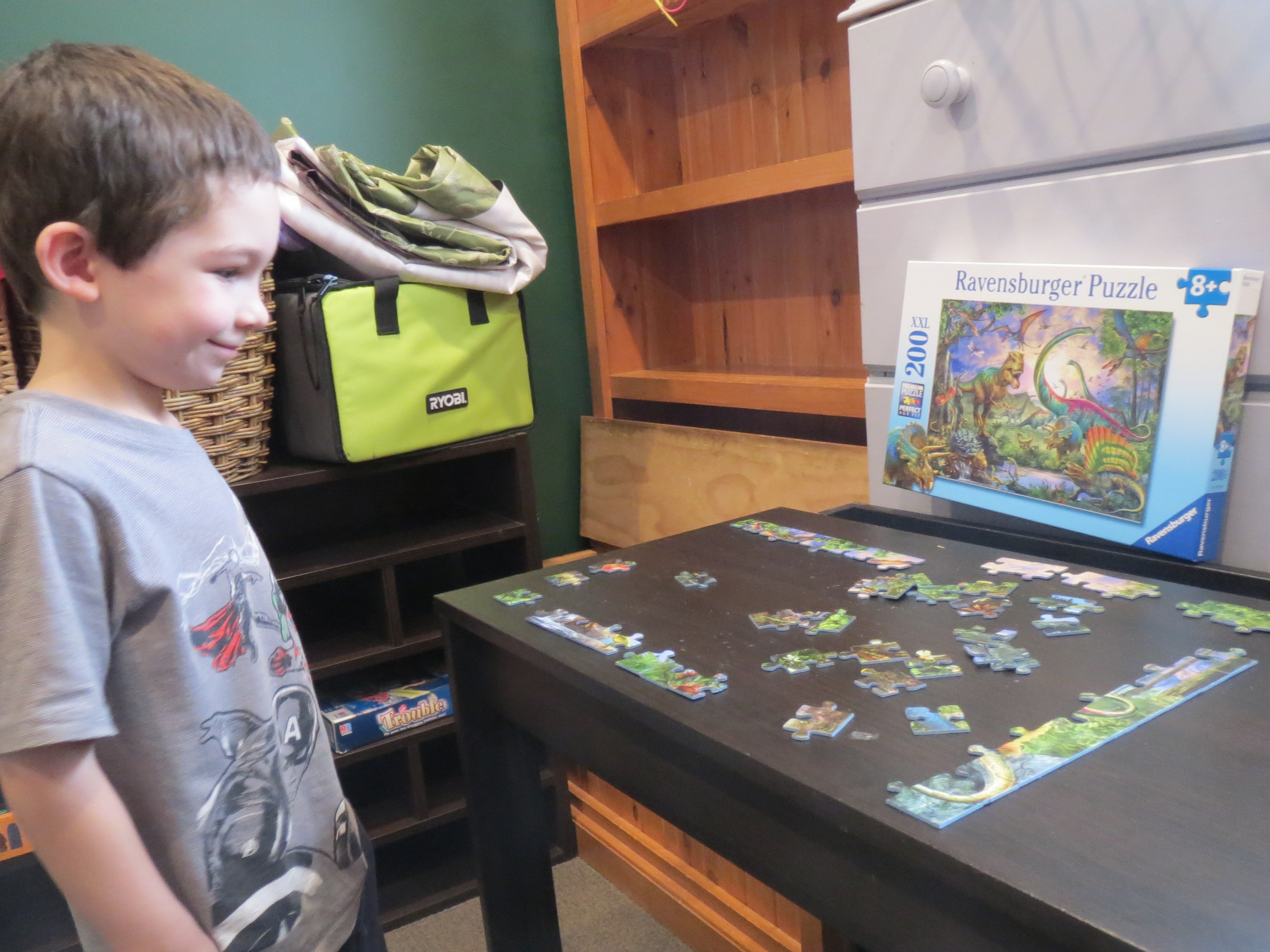
Puzzles. Gotta have something to do, amirite?
The Virus Diaries: Kids
I just had someone call me for a medical survey and I was WAY too excited to talk to someone outside of my immediately family. It’s been =almost= six days.

Whatever “it” is, I’m losing it.
Unimpressed cat is unimpressed.
I managed to get both kids outside for a bit today (TJ is a ball of energy at all times; Louisette… takes after me). And we’ve all showered, and the kids have both done some book learnin’. I am winning at life, and I’ve survived a whole week of home schooling.
Proof Louisette went outside today:

Louisette also had stomach cramps today, which means our family is 4 out of 4 for having SOME kind of illness (probably a very minor gastro episode). So the question of, “Should I keep my kids home from school?” is moot for us, because everyone everywhere agrees that if your kid is sick at all they should be home.
But here’s some general advice from five experts, most of whom reckon schools should stay open and non-sick kids should stay at school (for the moment; things can change in an instant of course).
I find it absolutely astonishing that kids are not (currently) identified as the major disease vectors that they usually are. It goes against everything I know about children, hygiene, and infectious diseases. Noting for the record that I am NOT an immunologist and so you shouldn’t listen to me, allow me to give you an extremely fresh example…
TJ had a bath today. When it was time to get out, I did what I always do, and asked him to squeeze out his facewasher and give it to me so I could put it straight into the washing machine. He fished it out, started squeezing it… and then shifted his head underneath the dripping cloth so he could drink his own bath water.
It was like my very own real-life reenactment of this infamous scene from “Man Versus Wild”:
Not so cute now, is he?
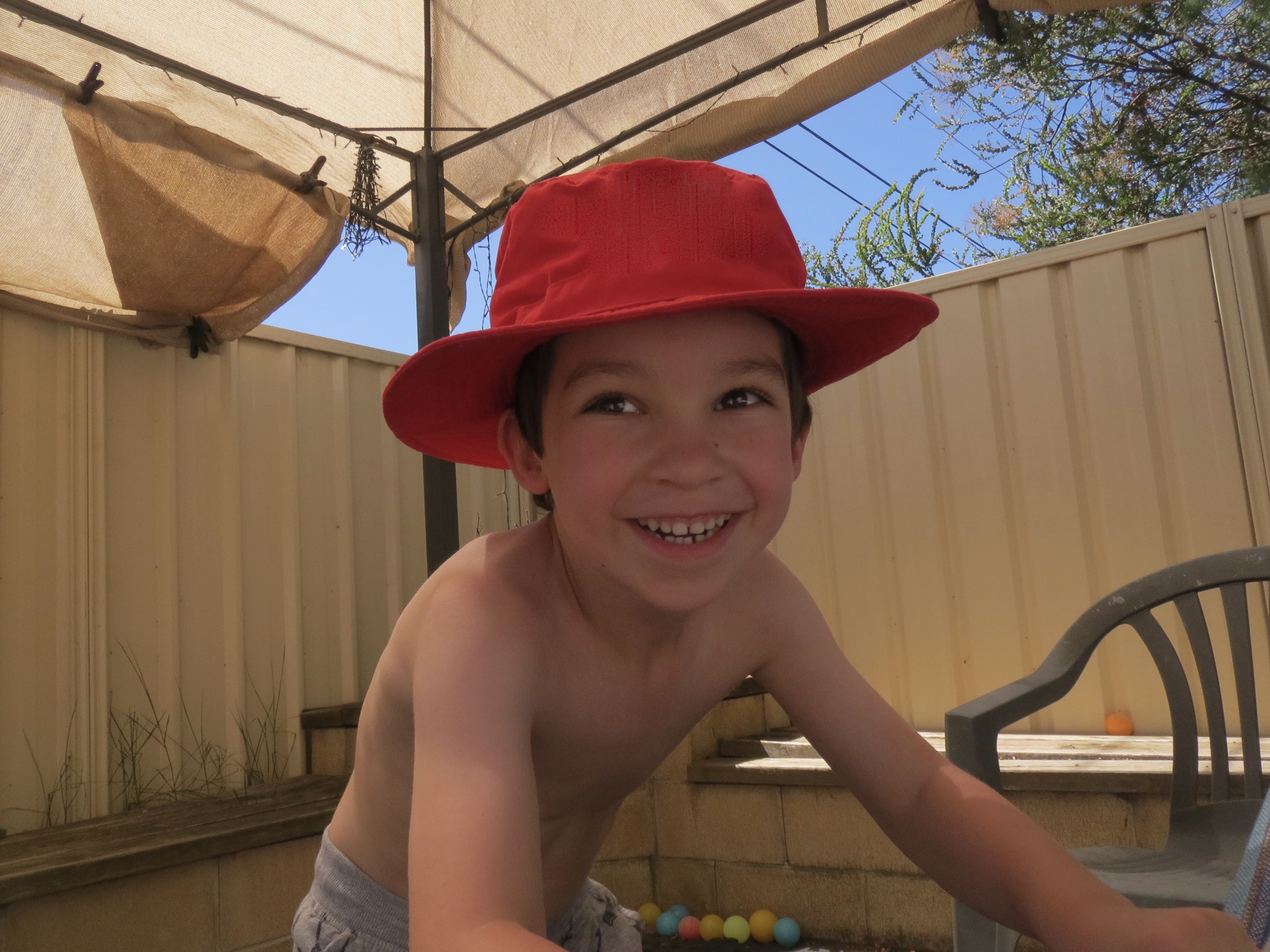
Ah, who am I kidding? He’s still cute as pie.
Extremely gross pie.
When it comes to the question of, “Should I keep my kids home from school?” the answer is YES if your kids are the tiniest bit sick with anything.
(You’re probably aware that a lot of people have COVID-19 and are infectious without having any symptoms at all. Fun! And that kids tend to have much milder experiences with this virus than adults, which is good in the sense that no-one wants kids to die. Ever.)
Resource of the day:
Ten questions to ask yourself when considering keeping healthy kids at home.
1. If my kids are home, is there someone who can stay home with them, who is NOT over 60 years of age or otherwise immunocompromised?
My answer: Sorta. I’m immunocompromised but I’m also their Mum. If I wasn’t writing this blog or chronically ill I’d even be able to keep up with my work (with a certain amount of “The Lion Sleeps Tonight”-related disruption).
2. Does keeping my kids home cause an essential worker (eg a health or store worker) to be unavailable?
My answer: Nah; we’re good.
3. Will my children fall behind at school if I keep them home?
My answer: Yes, a bit. But not as much as most since they’re both enthusiastic learners and Chris and I both have teaching experience. Primary kids require more input from parents while older kids are more likely to take time off school as a chance to go and see friends (which is clearly even worse than having them at school) but can also, theoretically, do homework to keep up. I think two hours a day is plenty of time for high schoolers to keep up with schoolwork. If your kid definitely can’t do school work for two hours a day at home (or can’t be trusted to stay at home), that’s going to be tricky.
4. Are my kids or any other members of the household at higher risk?
My answer: Yes, me.
5. Will my children suffer from the social isolation?
My answer: Mine barely saw people in the Christmas school holidays, so they’ll be absolutely fine.
6. Can I keep this up, possibly for months?
My answer: Looks like we’re going to find out 
7. Do I want to take a conservative approach while evidence is not 100% clear?
My answer: Yes. Although it does look like the evidence so far suggests kids are way less dangerous than usual germ-wise.
8. Is isolation going to risk the mental health or harmony of my family?
My answer: Yes, a bit, but we’re all pretty good at coping with this sort of thing (introversion helps, plus experience with my chronic illness, plus all of us are screen addicted in a big way).
9. Can the parents still work and/or earn money?
My answer: We’ll take a hit, but fundamentally yes.
10. What if the schools are all shut down completely and your isolation period is longer than you would have chosen?
My answer: At least I wouldn’t feel like this was all an over-reaction on my part. Plus we’d have official school resources to work with. In any case, if this goes on for months we’ll cope—one way or another.
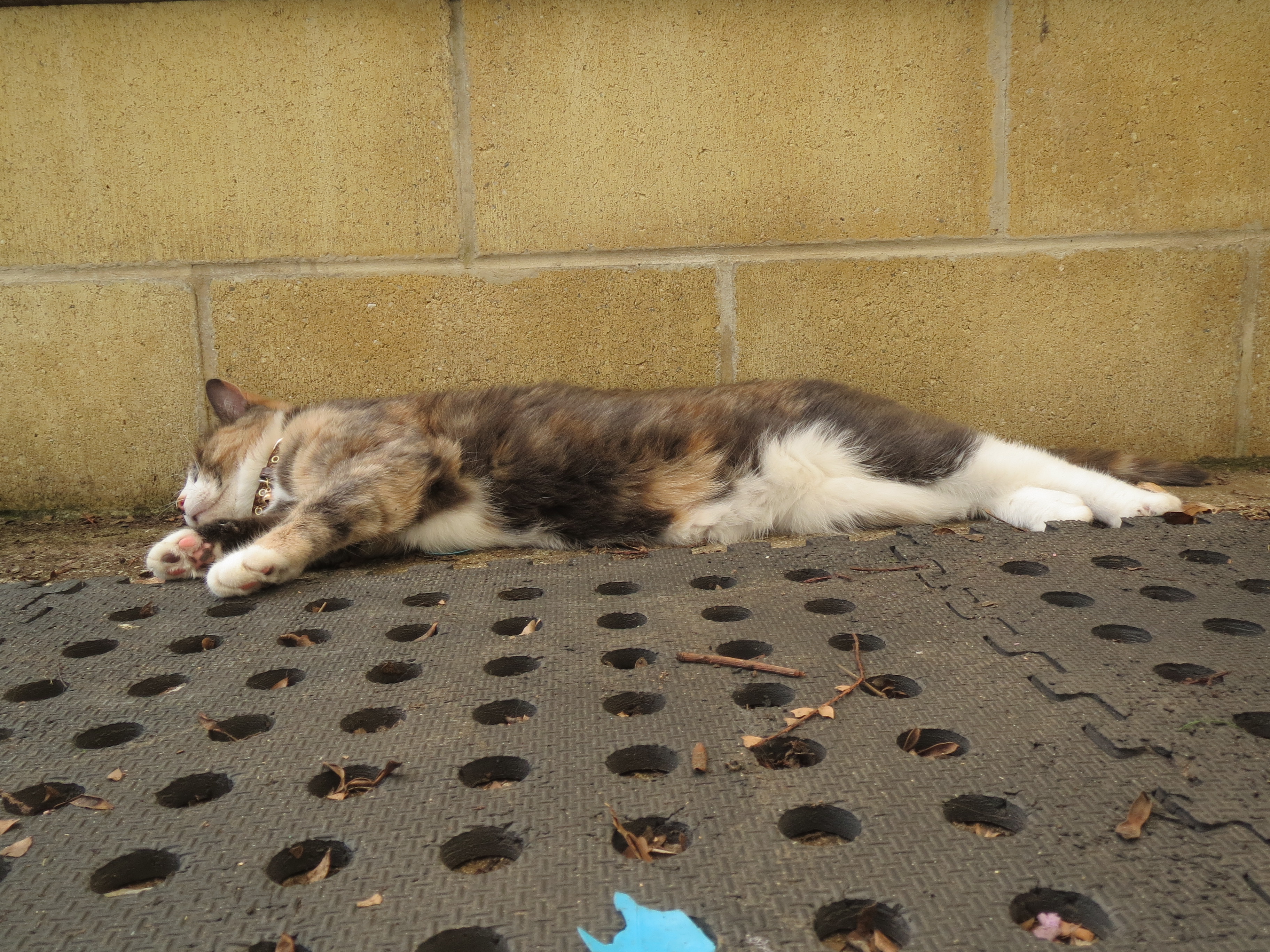
Bonus kittypic.
Recommended donation of the day: Who do you know who is a single parent? They often have less secure working arrangements as well, so check they have food and toilet paper and (if you’re up to it) offer to mind their kids for X number of days (making it clear if you are/are not able to mind sick kids).
Recommended personal action of the day: Pick one area (cleaning the bathroom, washing bedlinen, washing towels, cleaning doorknobs) that you probably don’t do quite as often as you should, and choose what your new normal will be. Something sane and manageable eg I theoretically wash our bathrooms every week (that’s what I did before I got sick) but it’s more like twice a year in reality these days. Official guidelines are to wash the bathroom every time someone uses it (definitely not gonna happen—apart from anything else, us diabetics pee about 20 times a day), so I’m going to make the effort to clean the bathrooms once a week. But no more than that, or I’ll be overwhelmed and definitely fail.
Recommended hoarding item of the day: Go and see your dentist while you can. (Lockdown guidelines will allow essential visits but not checkups.)
 Felicity Banks