Caring for Newborn Kittens
I have fostered exactly two newborn litters (each of which had an excellent and friendly mother) so I’m no expert. But I wanted to write down everything I learned in order to help myself next time I’m fostering tiny ones.
The first thing to know is that kittens under four weeks will probably die if they are separated from their mother, so don’t separate them! And, don’t touch them without gloves for that four weeks unless you’re willing to feed them every two hours, day and night, if the mother rejects them due to your smell, AND to do mother-type things such as stimulating their butts to make them poo. (And they’ll still probably die.) I choose not to wear gloves, but to sanitise my hands with F10 (vet-grade disinfectant) and then rinse them with water (the F10 is strong stuff so although it’s safe to handle adult cats when using it, kittens are fragile).
I won’t include details on caring for orphaned kittens under four weeks old, as I have no experience with that. Suffice it to say, it’s a very intense job.
Here’s a lovely video of the first 100 Days with some purebred kittens. It’s not particularly educational but it’s gorgeous.
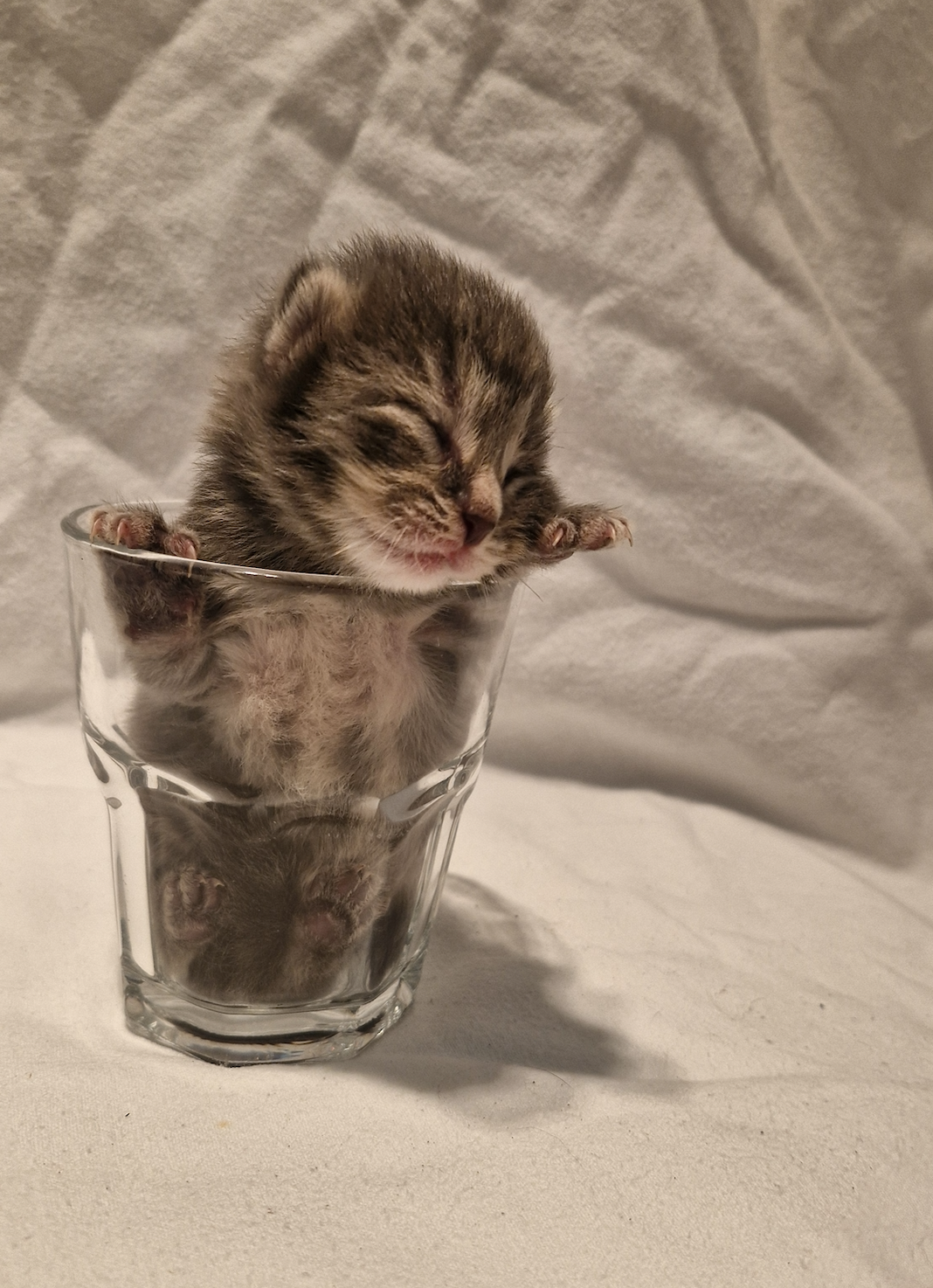
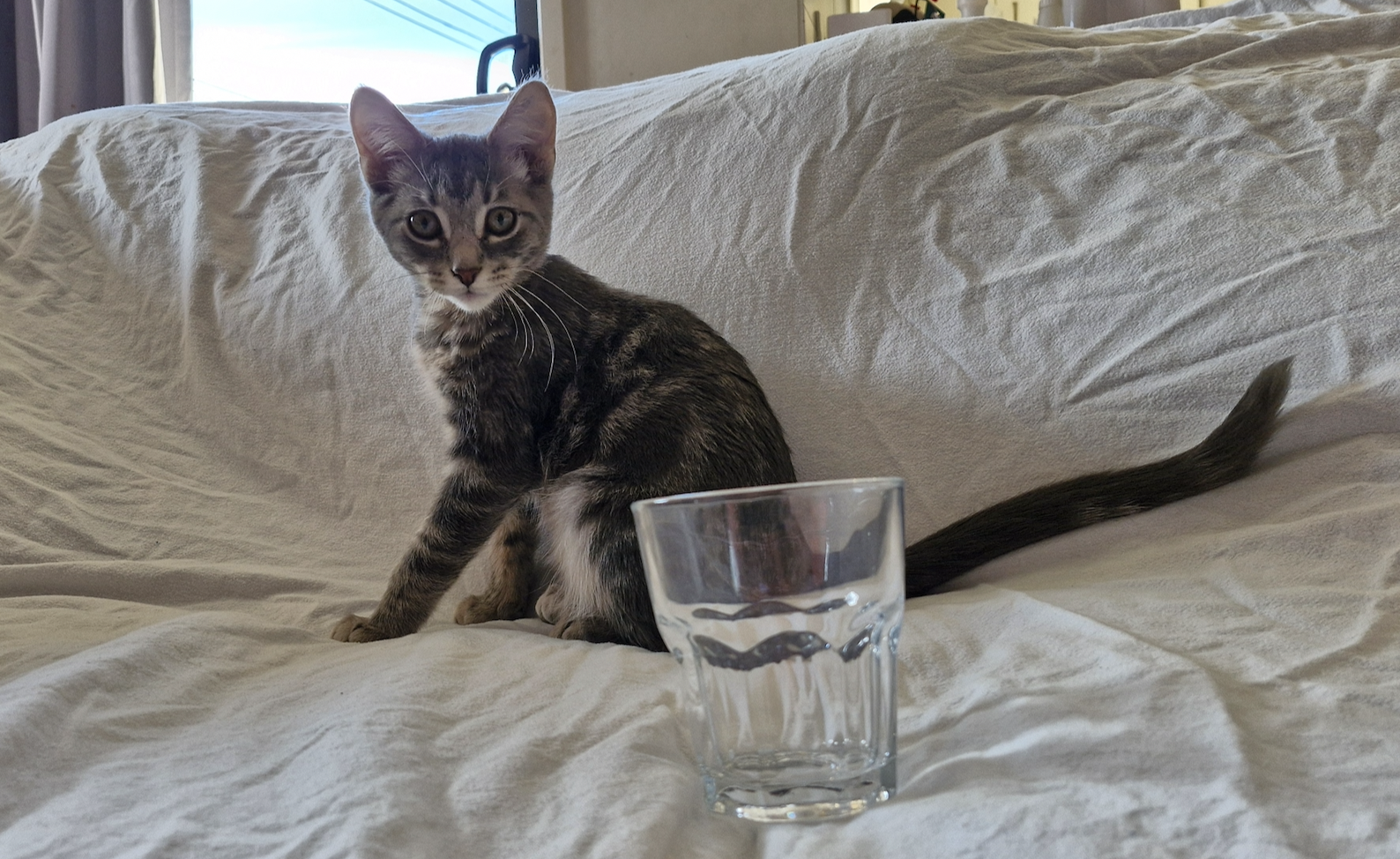
Speaking of gorgeous, here’s Turtledove (“Turtle”) at three days and then again at three months. There’s a huge set of Turtle photos at the end of this post.
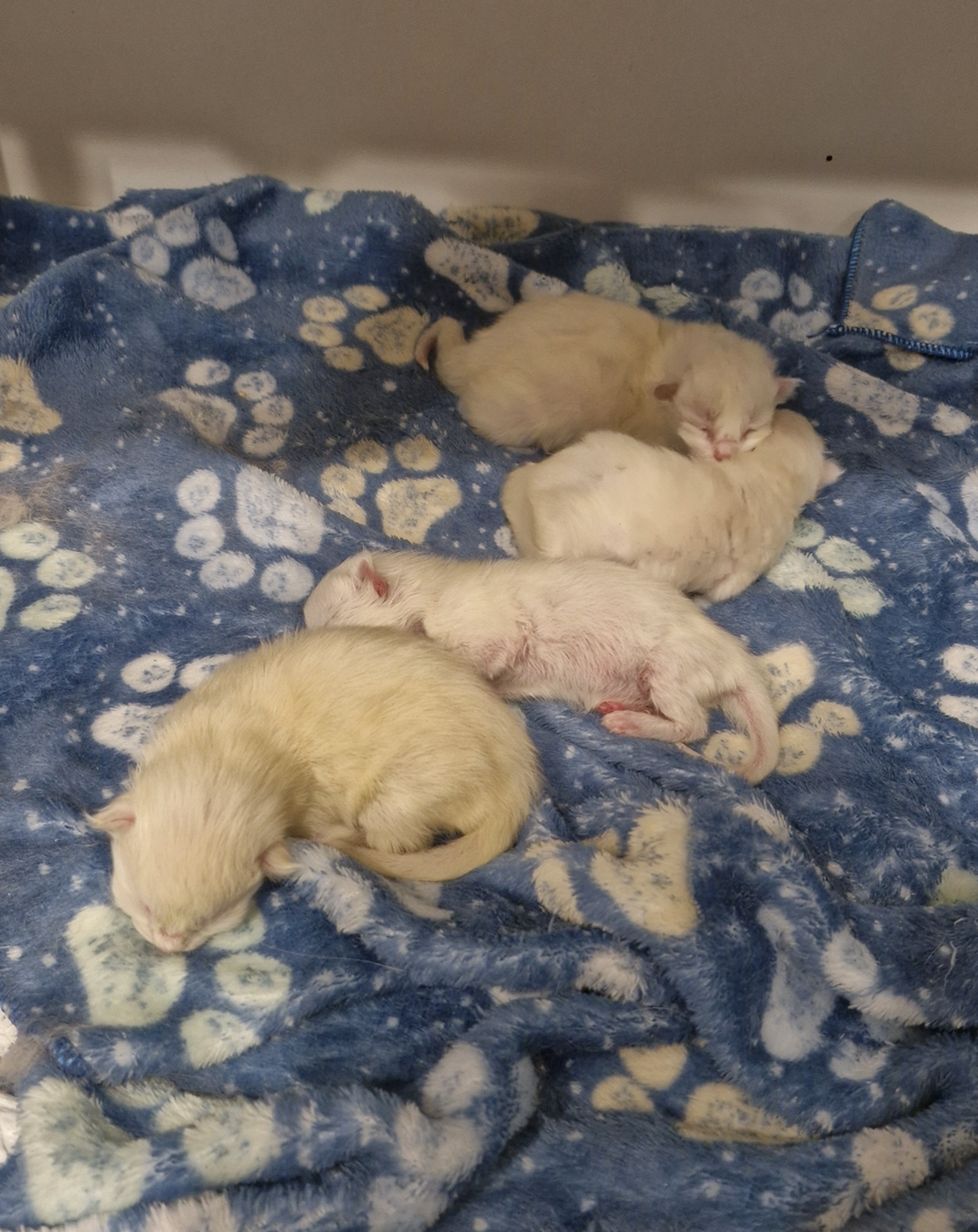
And here are some photos of Ragdoll kittens as newborns (they are born white and then their ‘points’ (ears, nose, paws, and tails) darken, and continue to darken for a year.
I was lucky to be fostering newborn kittens along with their extremely friendly and relaxed mother cats who were both happy to have a fellow mammal helping with the child rearing. Cats are actually very social creatures, often ‘babysitting’ for one another. Dove (a stray but I suspect she was abandoned and missed having a family) rarely moved more than twenty centimetres from her kittens for the first two weeks… but Mama Ragdoll (who had her first litter by accident when she was barely over a year old herself), although lovely with her kittens, was not interested in staying in the nest when she didn’t have to.
Cats are very good at mothering, and to a large extent the best thing to do is simply leave them alone to get on with it. But both of the litters I fostered needed supplemental feeds. Dove was fine after the first few days in my house (a new environment), but Mama Ragdoll just didn’t produce enough milk. That happens a lot for mammal mothers, including me with my kids.
When they’re pregnant, they could do with more food (Royal Canin has ‘Mother and Baby Mousse’ in tins with a pink label, which is also a great first food for the babies when they’re old enough) and a reliable supply of fresh water (at least two bowls, because sometimes one gets knocked over). They also need a nesting box—a safe, warm place to both give birth and to keep the kittens. A cardboard box with a towel (that can be washed and replaced with another towel) tends to work well (keeping the sides about 15cm high so the kittens don’t fall out until they’re old enough to find their way back). Most cats want privacy when giving birth, although some want company. It’s good to monitor the birth in case something goes wrong. Here’s a guide on pregnancy and birth. Obviously, a pregnant cat should have a prenatal check-up at the vet too. If you pay for an ultrasound, you’ll get a good idea of the due date, plus might find out how many kittens are coming. With Mama Ragdoll, we were advised that there was less than two weeks of pregnancy remaining, and there were “at least two” kittens, but it was hard to tell because it was too late in the process. She had four kittens.
Warning: Some mothers have a powerful instinct to move their litter every few days, so make sure your nesting box is in a room that has other possible nesting boxes in it, AND that the whole room is safe for kittens. Mama Ragdoll was always hiding her kittens from us (eg under a bed where it was very difficult to reach the babies). Even worse, she usually left one or two kittens behind, so they’d just be by themself, as if they were abandoned. Usually if the mum ‘forgets’ a kitten that would mean the left-behind kitten was unwell and the mum was leaving them to die…. but I’m pretty sure Mama Ragdoll was just dumb!
Mama Ragdoll is now desexed, by the way. Due to the owner’s request, you will not see her face.
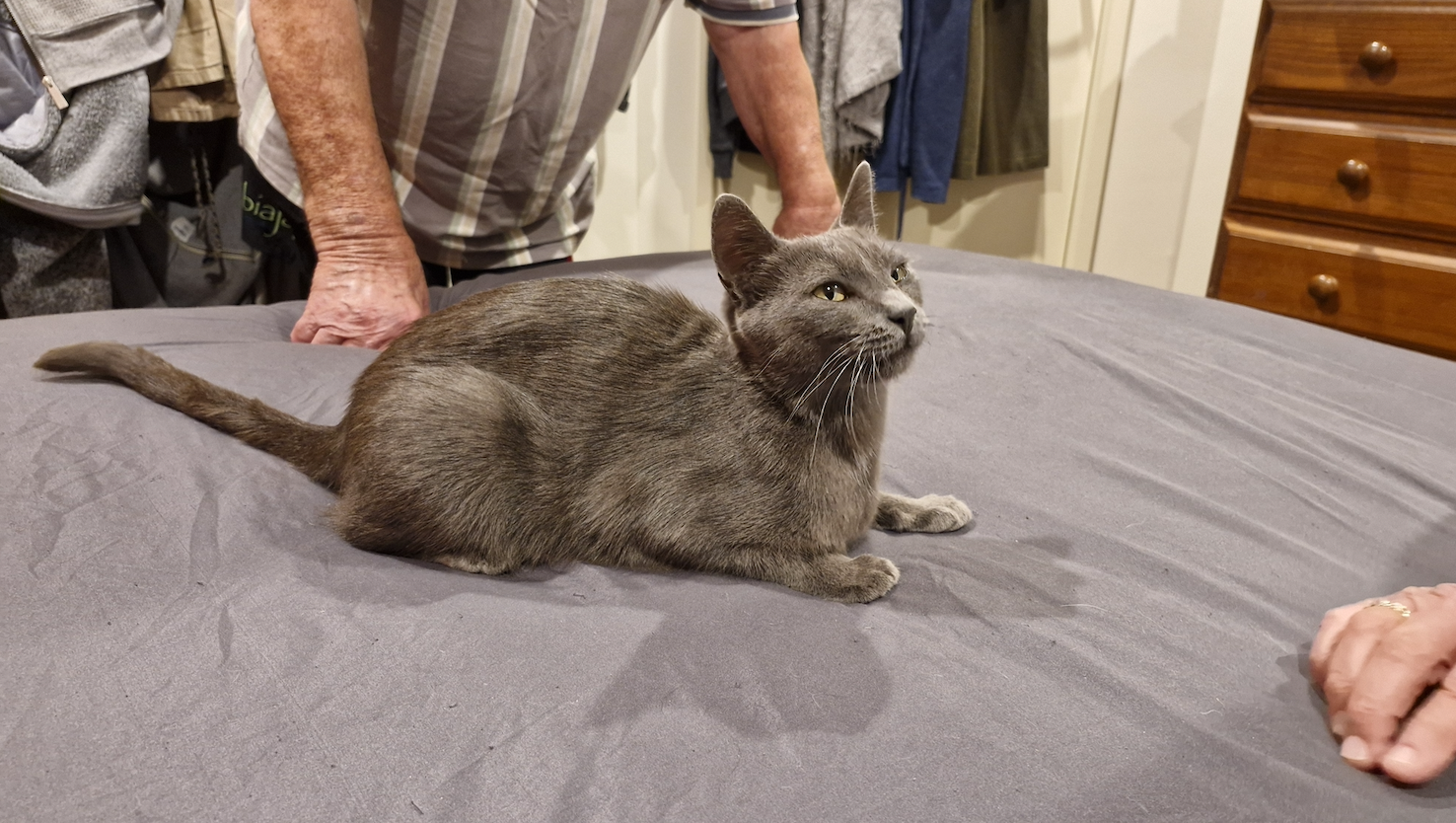
This is Dove with the elderly couple who were already feeding her, and who officially adopted her when her kittens were old enough. She’s one of the friendliest cats I’ve ever met.
I met Dove and her kittens when the babies were one day old, and then I frantically raised some donations to be able to justify fostering them from the following day (even with donations and adoption fees, they cost over $2000… so now I’m fundraising to make up for that so I can justify the next kittens I foster).
One of Dove’s kittens died the night after I met them. Nature has chosen a scattershot approach with cats—they breed easily, often, and in large numbers—which means that kitten mortality is always very high. Nature’s PLAN is for lots of them to die as newborns, which means looking after kittens is in some ways more difficult than looking after a human baby. It can also be very traumatic.
That kitten may have died because there was a storm that night, and the temperature dropped quickly. But it probably died because it either wasn’t ‘fully baked’ (it was premature) or it had some kind of birth defect that wasn’t immediately visible. It was the smallest. It may even have died because it wasn’t able to feed properly due to fighting with its siblings over access. Cats have eight nipples so there’s plenty for everyone, but they still fight each other from birth for the best positions. It’s nature’s way of keeping the resources for those who are most likely to survive.
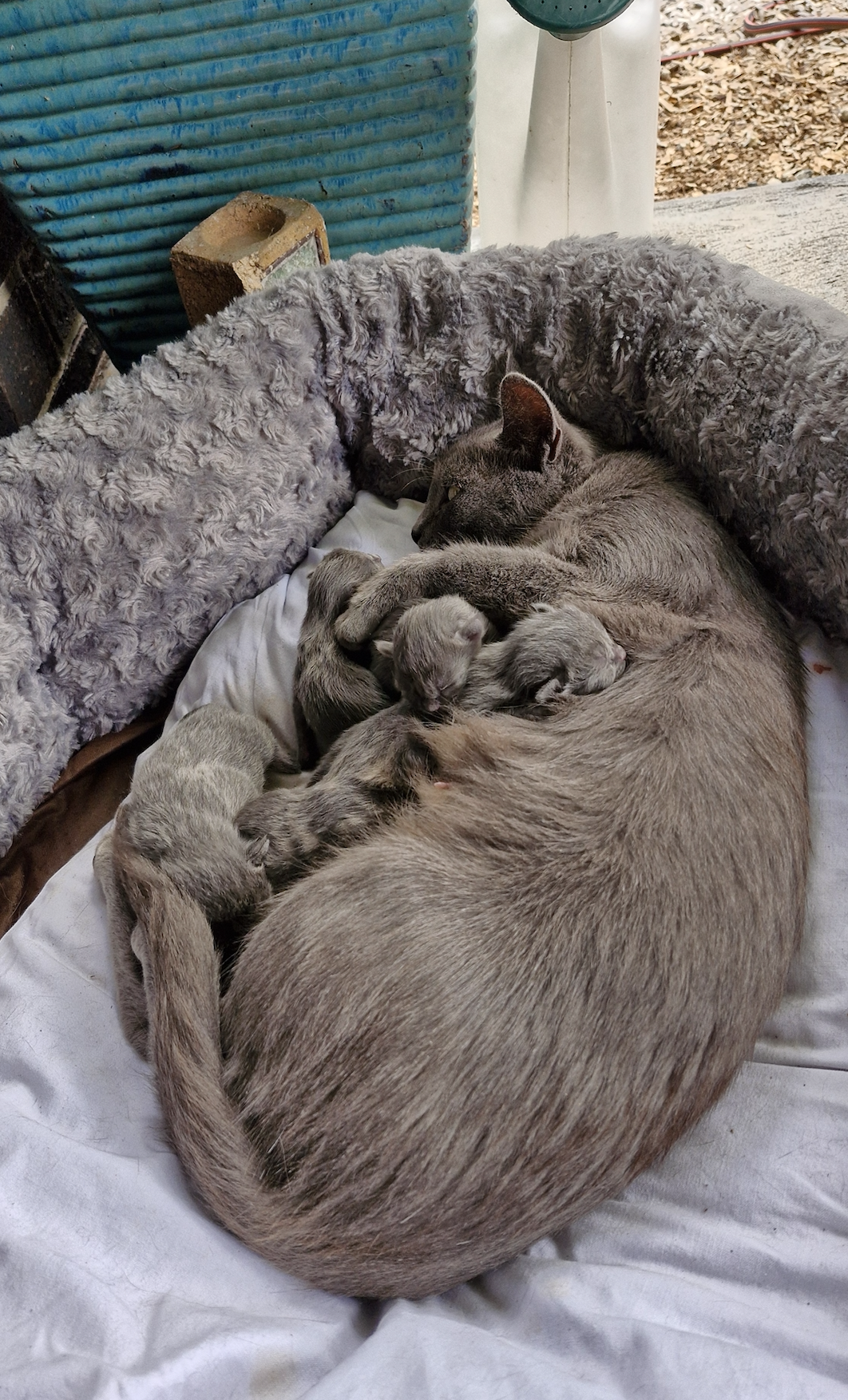
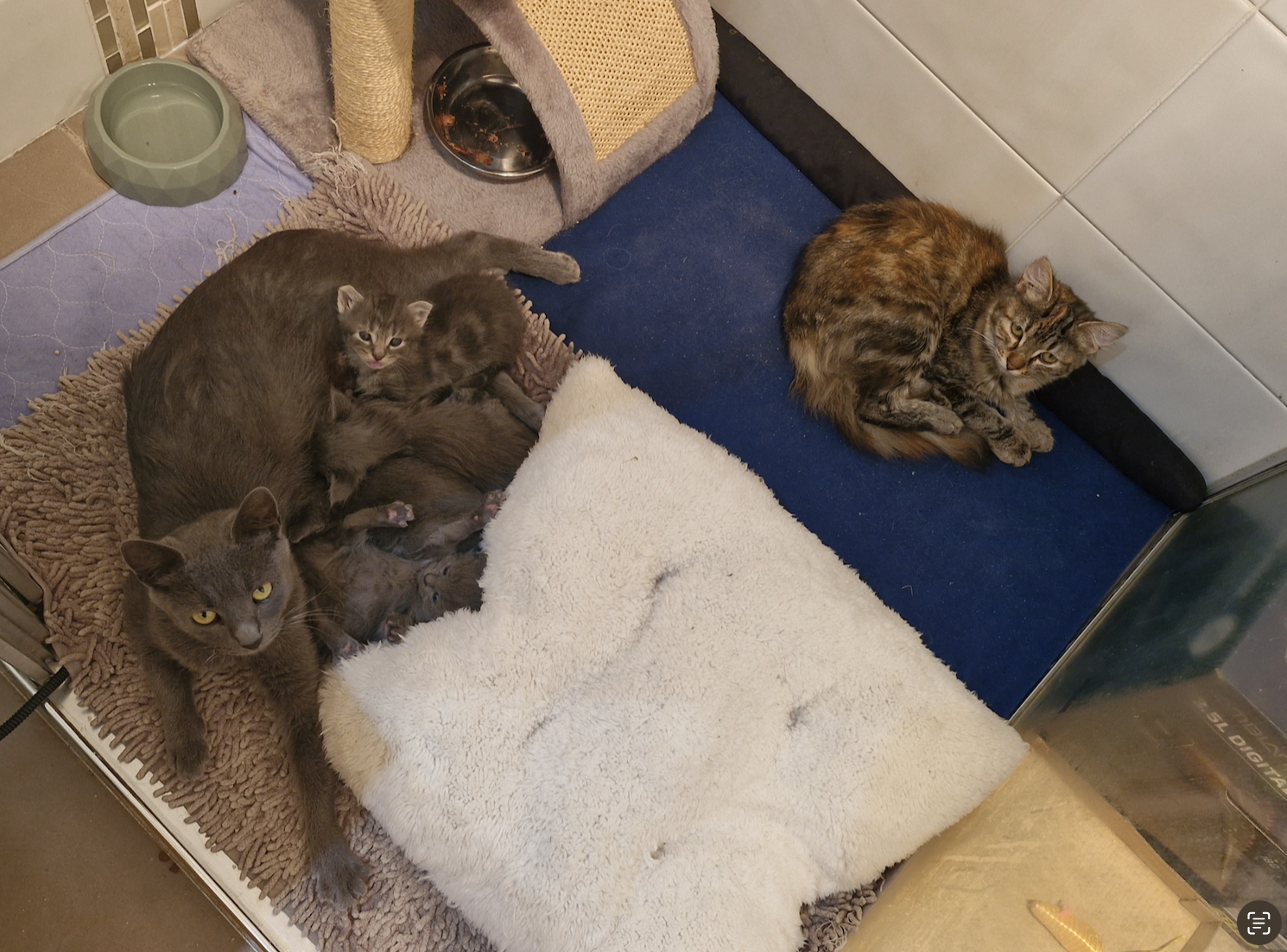
If you count the heads in this photo, you can see there are five kittens. Believe it or not, Dove is actually a very small cat (probably because she had kittens too young—kittens can get pregnant as young as four months of age… even to immediate family members).
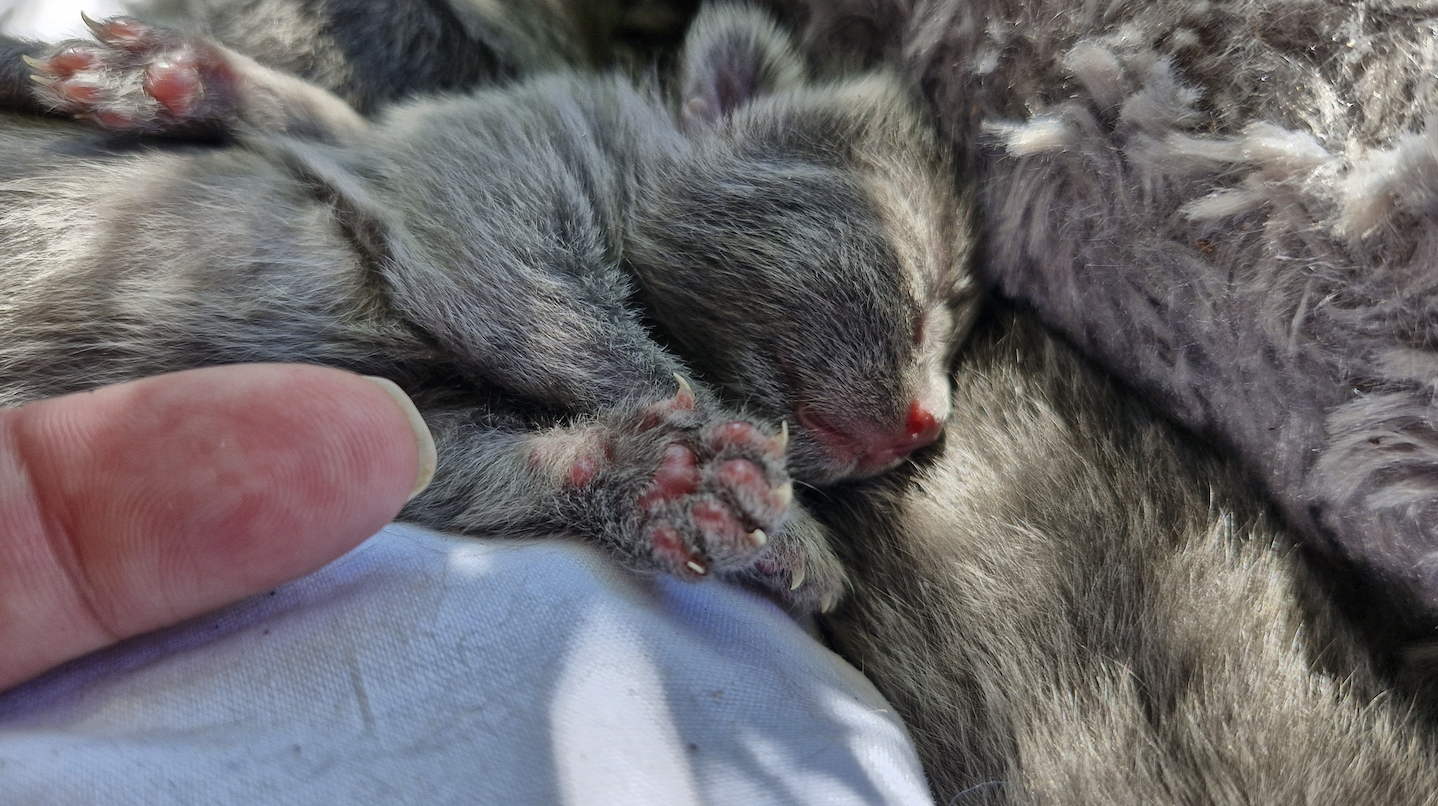
Here’s a photo with my finger for scale. Newborn kittens weigh about the same as a pack of cards. They often don’t have fur yet on their legs and bellies (and even if they’re born fully furred, it is so fine that it can rub off with grooming for a while). It is normal for considerable size differences between kittens. If you are trying to keep a runt alive, it may help to supervise feeding times. The nipples closer to the mum’s head have a better supply.
Basically, the most important thing for non-orphan kittens is to keep them warm as they cannot regulate their body temperature—that is the main reason they’re always cuddled up together as babies. That lack of temperature control is the most likely thing to kill them.
BIRTH
Mother cats need to break the amniotic sac so the kittens can breathe; bite through the umbilical cord (which can make a rather alarming grinding noise); and wash the kittens (mainly to dry them). Mama Ragdoll did all that perfectly, but often first-time or young mums don’t do it, so the human needs to step in. Birth needs its own blog entry, but that’s the most likely issue. It is common for one or two kittens to be stillborn.
This video was taken during the birth of the Ragdolls. Trigger Warning: there is a small amount of blood on the fur but nothing super graphic.
TEMPERATURE
For the first four days, the ambient room temperature should be between 29.4 and 32.2 degrees Celsius. A pet-safe heat pad is a good idea too. (Some people use a heat lamp, being careful to ensure there is enough room for the cat and kittens to move away from it if they get too hot). Between four and seven days you can gradually reduce the temperature to 26.7 degrees Celsius. After ten days, you can gradually reduce the temperature to 22.2 degrees (aka comfortable for humans) and keep it there until they’re four weeks old. They’re still very vulnerable at four weeks, so keep the temperature around 20 degrees, plus have cuddly spots for them to sleep. Textured fabrics like imitation sheepskin are good for reflecting heat back to the kittens.
Orphaned kittens benefit from having a heat pad toy to snuggle with (and ideally siblings). In this video of the Ragdoll kittens’ first two weeks, they were kept at the above temperatures… but you can still see that they always seek out each others’ warmth.
WEIGHT
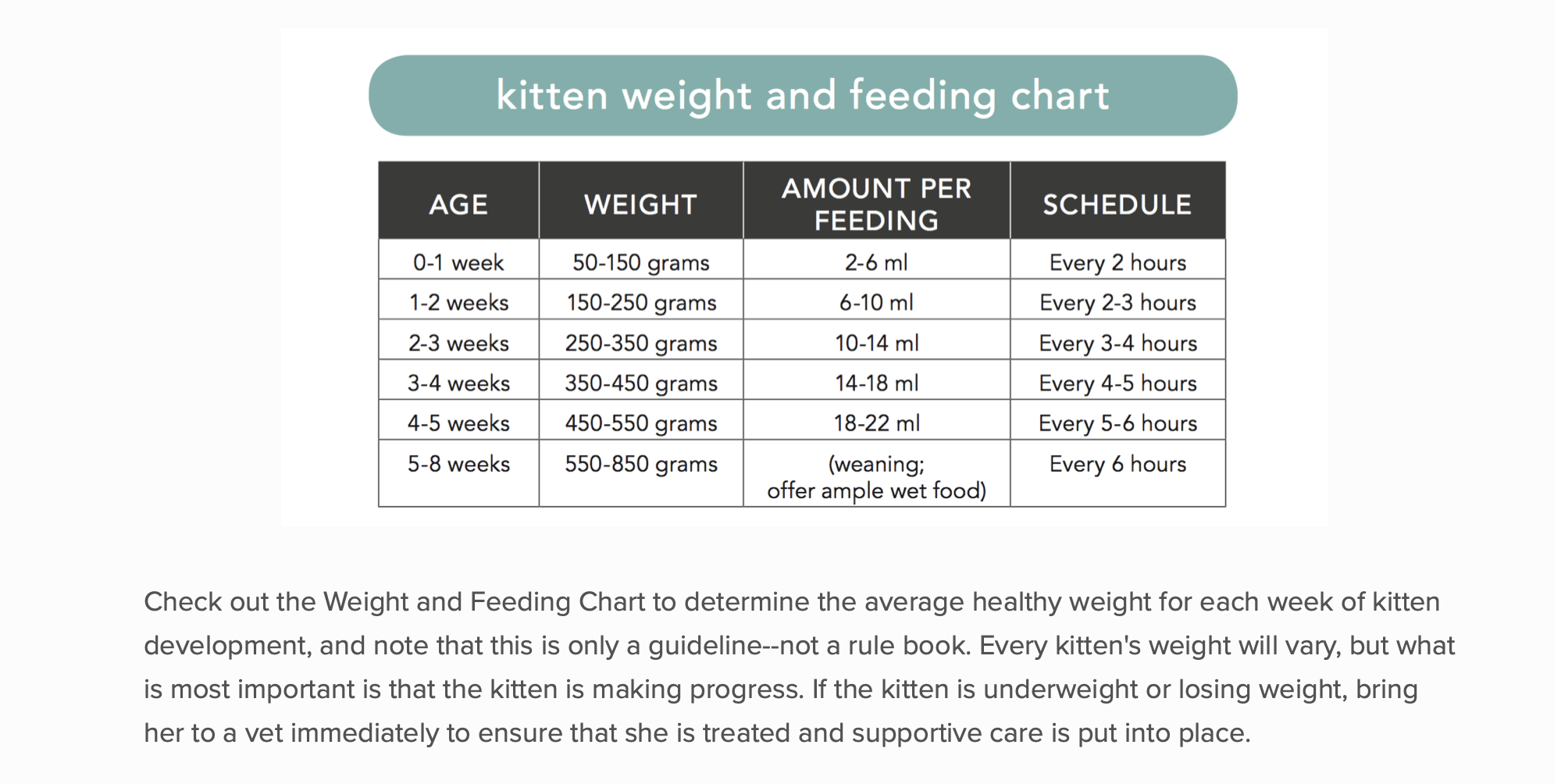
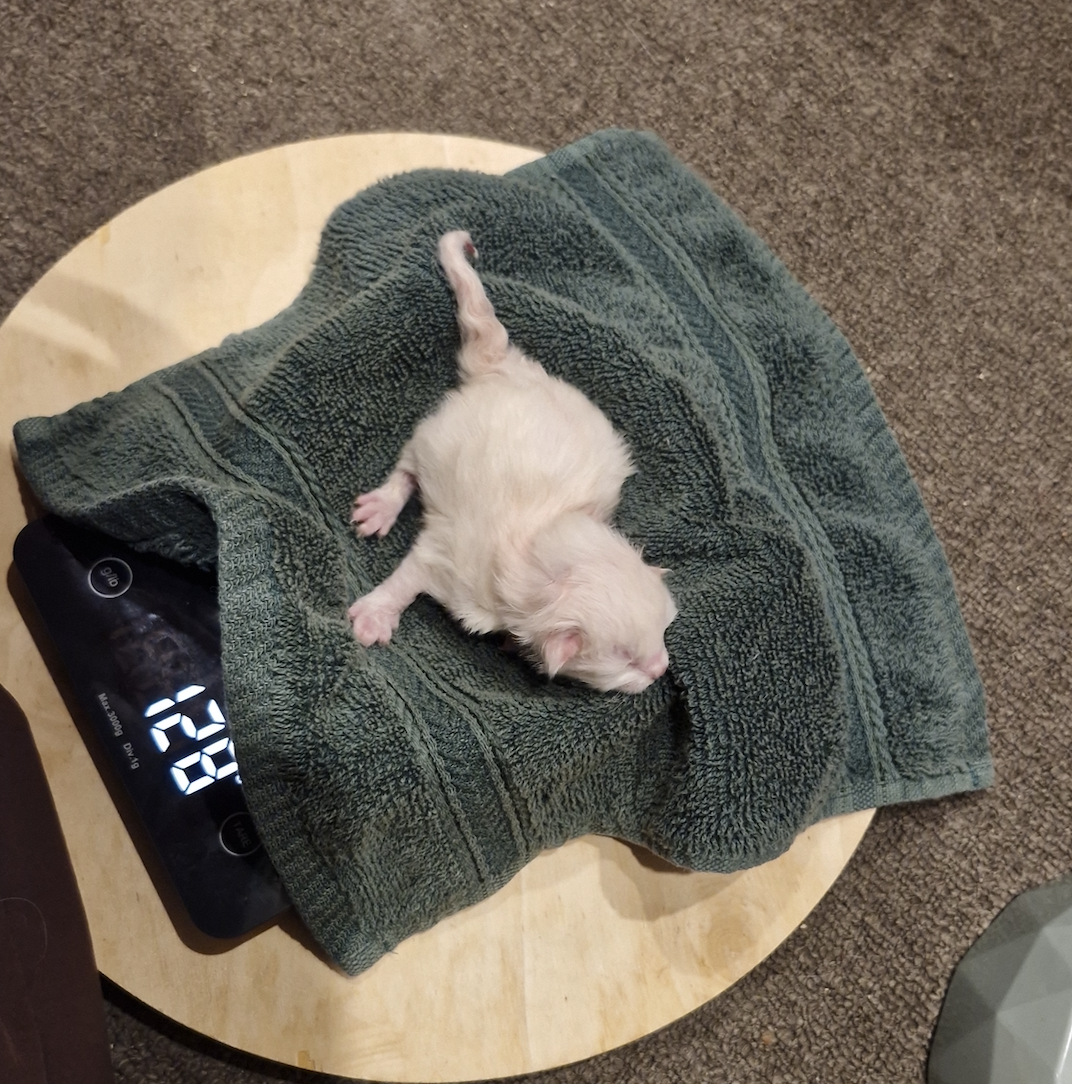
Weight is the first and best measure of health for us ignorant humans. So, kittens should be weighed daily (often twice daily) for the first three or four weeks, and twice weekly for another three weeks after that. This chart is from kittenlady.org and also gives feeding directions for if your kittens are orphaned.
Let’s talk about kitten development week by week, with videos!
WEEK ONE
When kittens are born, their eyes are closed and their ears folded so they can’t see and can barely hear. They also have the stump of the umbilical cord, which needs to drop off by itself at around five days of age. Kittens are pear-shaped, with adorable fat tummies.
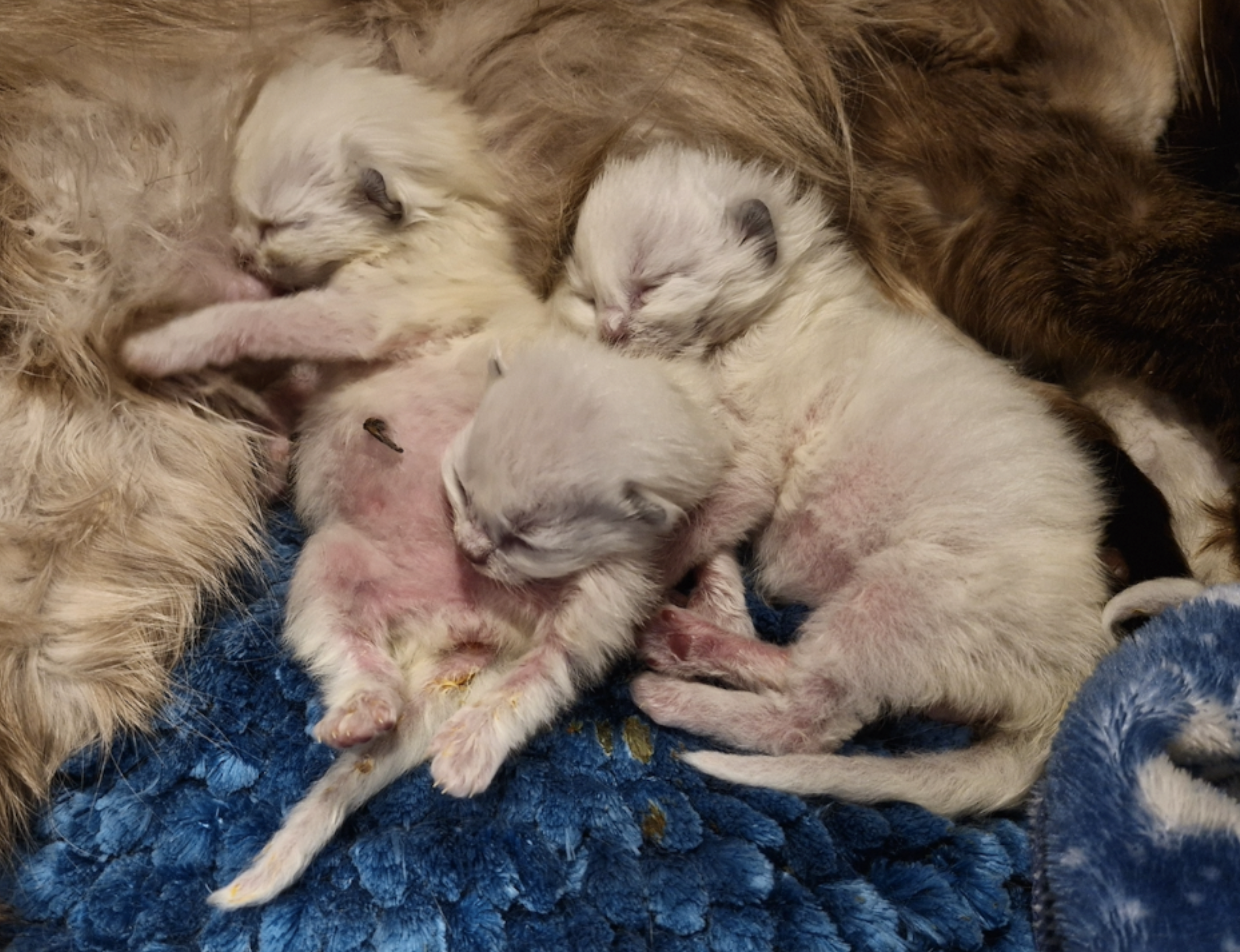
In addition to keeping them warm, it’s worth noting that a bed with gappy sides can be a suffocation danger. When they’re young, they’re very uncoordinated. If they fall on their back, they can’t turn themselves right way up (which was part of the inspiration for Turtle’s name). My instinct says to not change the bedding too quickly after birth. I think 24 hours might be about right, then every few days after that unless it’s noticeably dirty. However that is my guess, not professional advice. Certainly there will be blood, urine, and/or poo in their bed quite often. But you want to leave them undisturbed as much as possible, for both their sake and the mum’s sake. And wash and sanitise your own hands if you handle them at all.
Kittens will probably hiss at humans (you can see it in two of the videos in this section). To me, it looked like panting (a sign of dehydration). Mother cats are protective of their young, and even house cats will sometimes get furious if you attempt to touch their kittens at all.
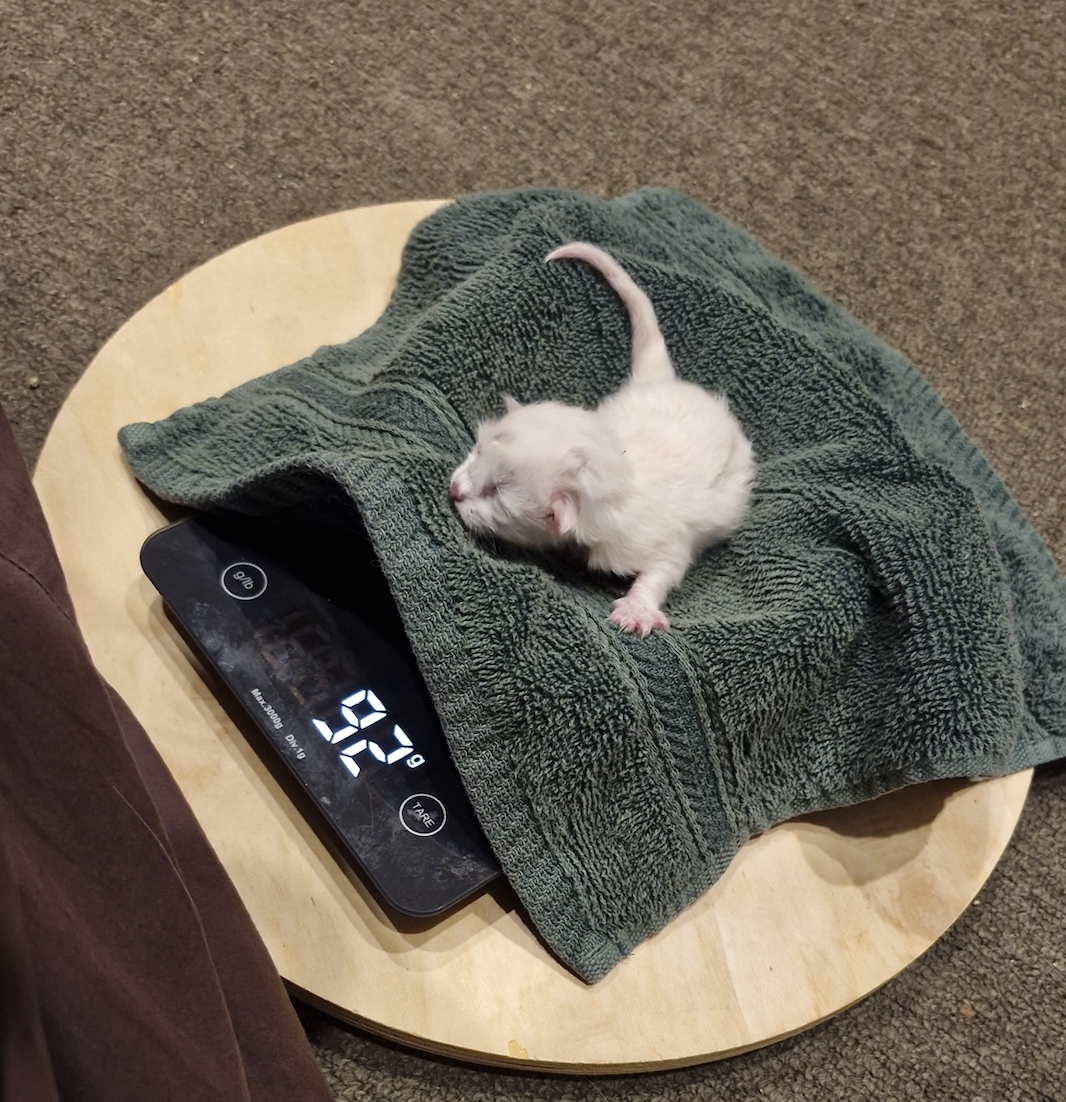
I cut patches of fur from two of the kittens in order to safely differentiate them, so I knew which one was which, especially when weighing them. They gain about 10g a day, but you should weigh them at the same time to get the most reliable data possible, and record it all so you can observe trends. If they’re healthy, they don’t need to see a vet yet (a vet visit is a big deal and the stress could make them sick or even kill them).
Kittens under four weeks old can also have heart failure and die, particularly from a loud noise such as a dog’s bark or a vacuum cleaner—or from something scary, like an unfamiliar cat (cats are adorable, but they’re also extremely potent killers and it is rational for them to be afraid of other cats).
Their ears unfold in the first week, which means they start to hear better after a few days.
Their stomachs are extremely weak and although the mother cleans them (and stimulates them to wee and poo with her tongue—if they are orphaned, a human must stimulate them by dabbing their butt with a tissue after every feed) there will be a lot of poo around for 4-5 weeks at least. You can see some diarrhoea in the umbilical picture above. Sometimes you need to wash them (with plain warm water and clean facewashers/towels) but be extremely careful as being wet can make them cold. They can’t regulate their body temperature at all. It may be worth using a warm hairdryer with a diffuser from at least 30cm away, but try not to wet them any more than necessary.
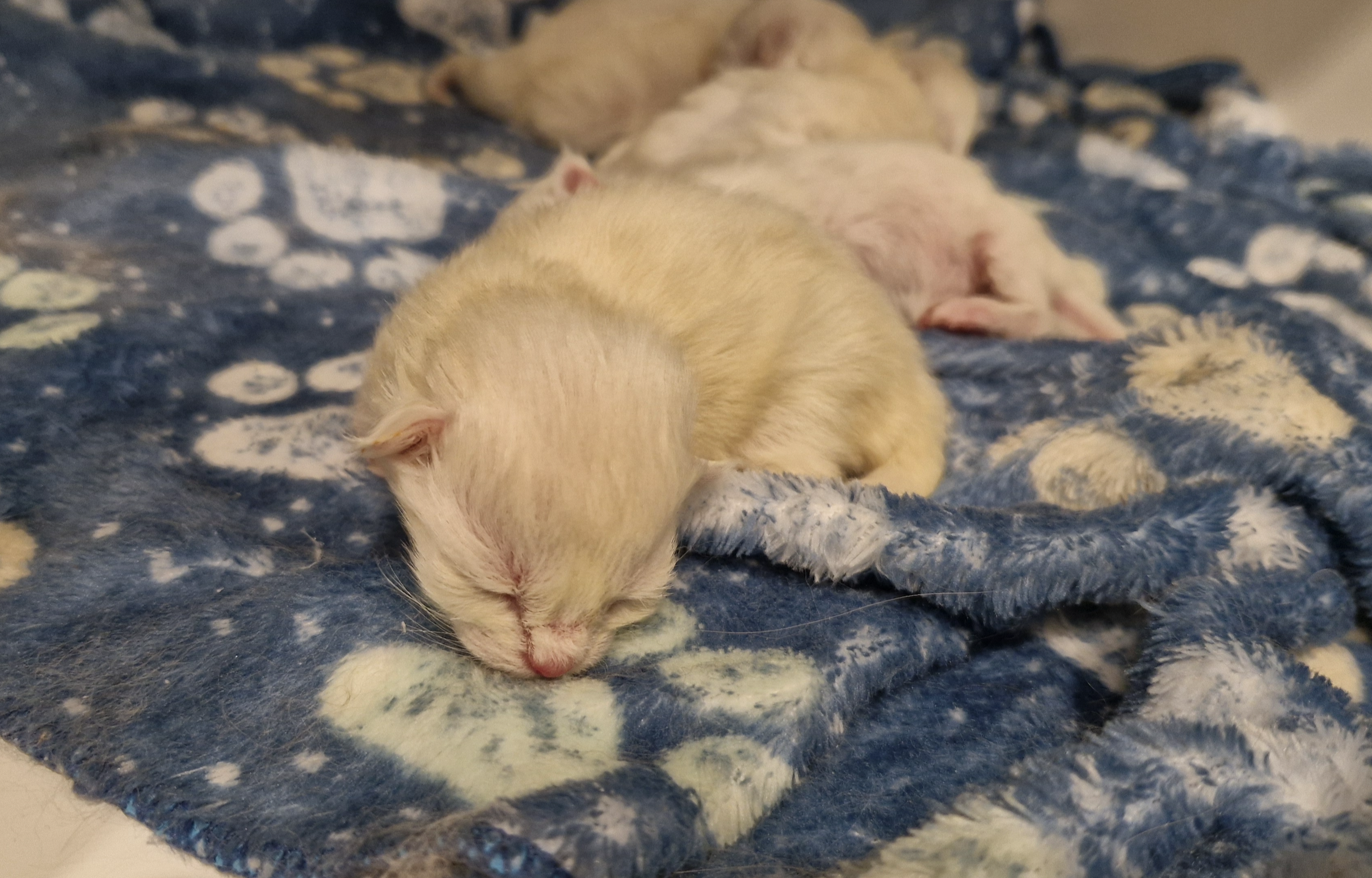
WEEK TWO
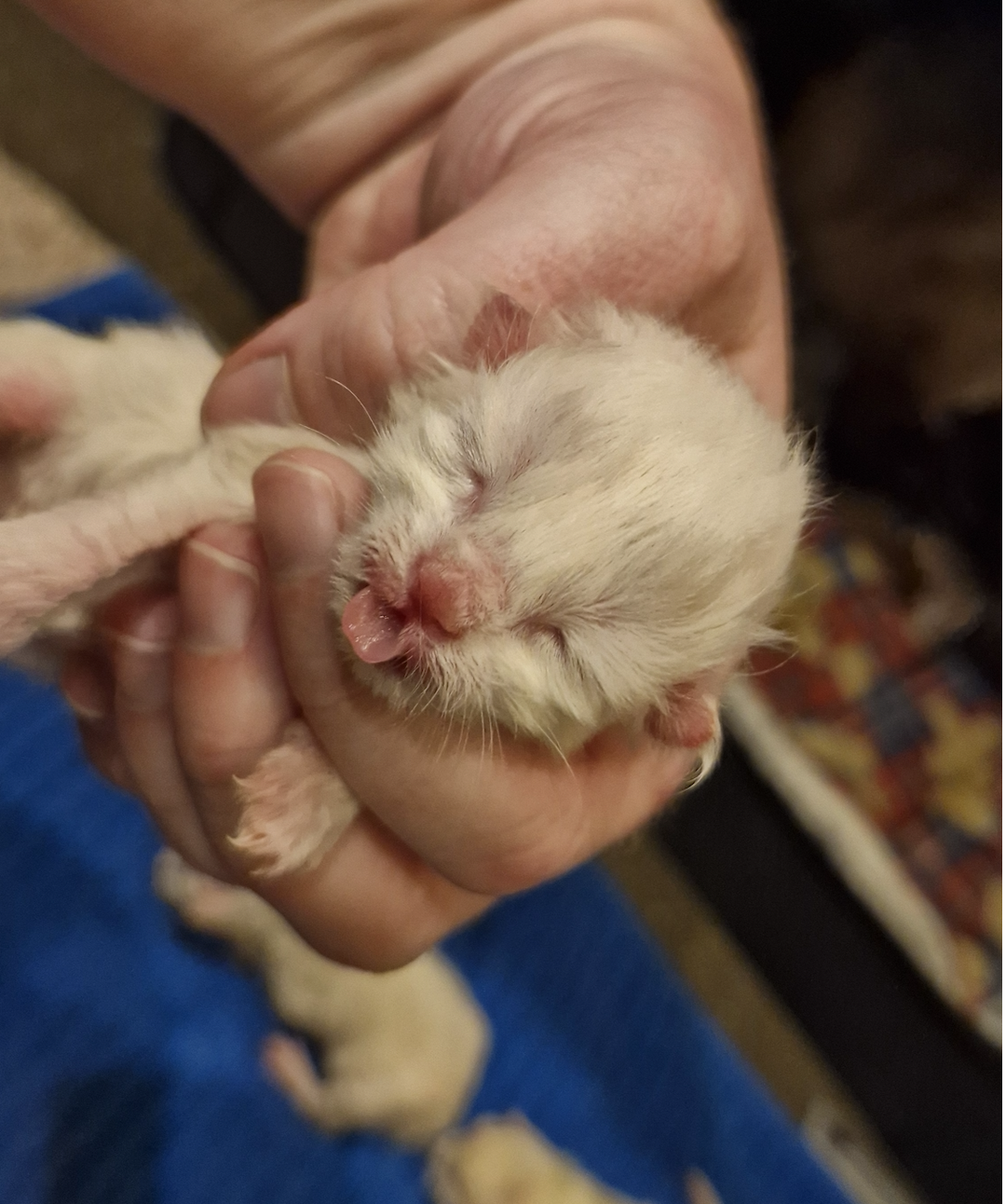
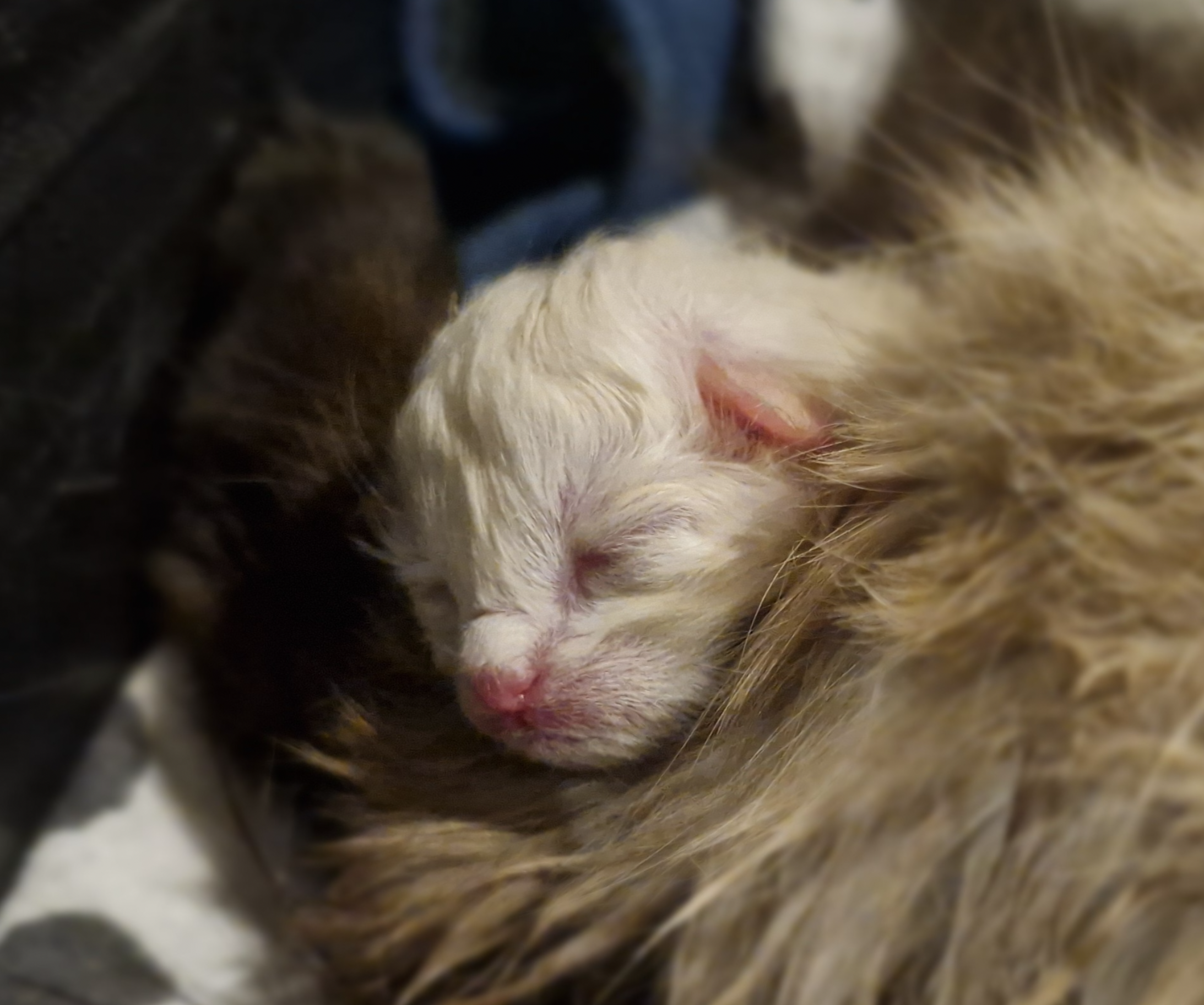
This is when the eyes open (gradually, over several days). Do NOT touch them unless there is discharge indicating something is wrong. Try to keep lights low as they gain their vision.
All newborn kittens have blue eyes.
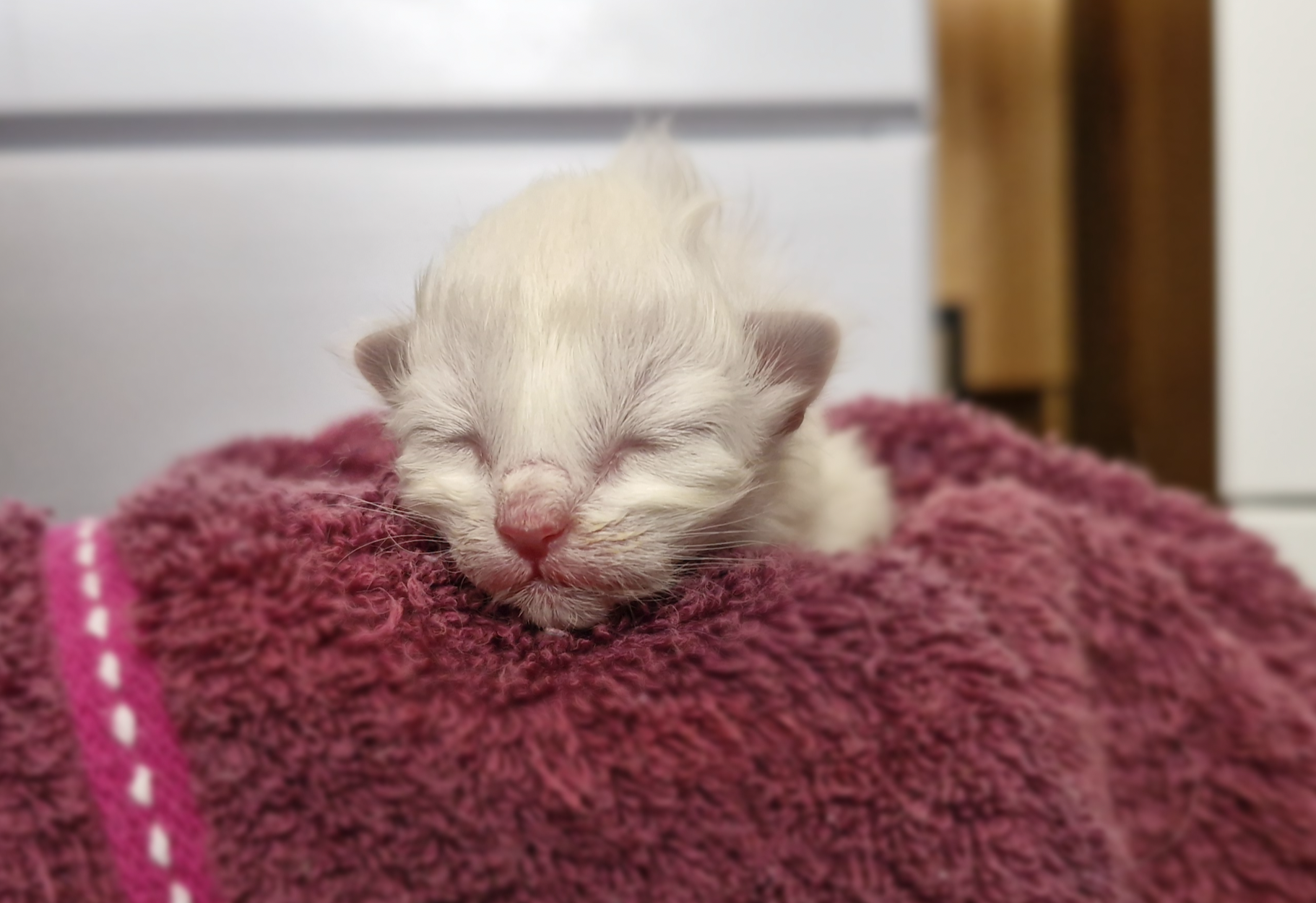
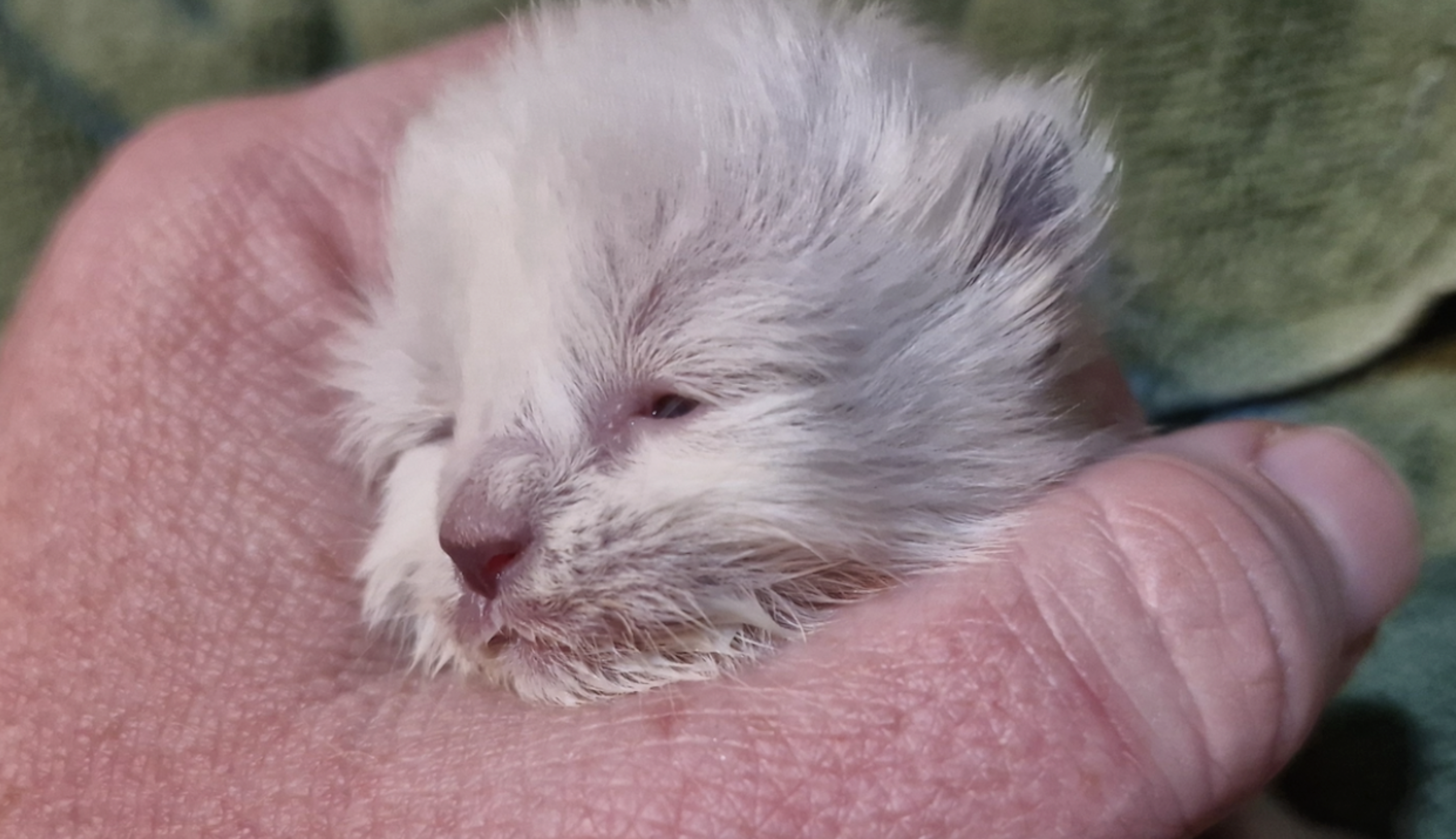
They honestly don’t do much except eat and sleep.
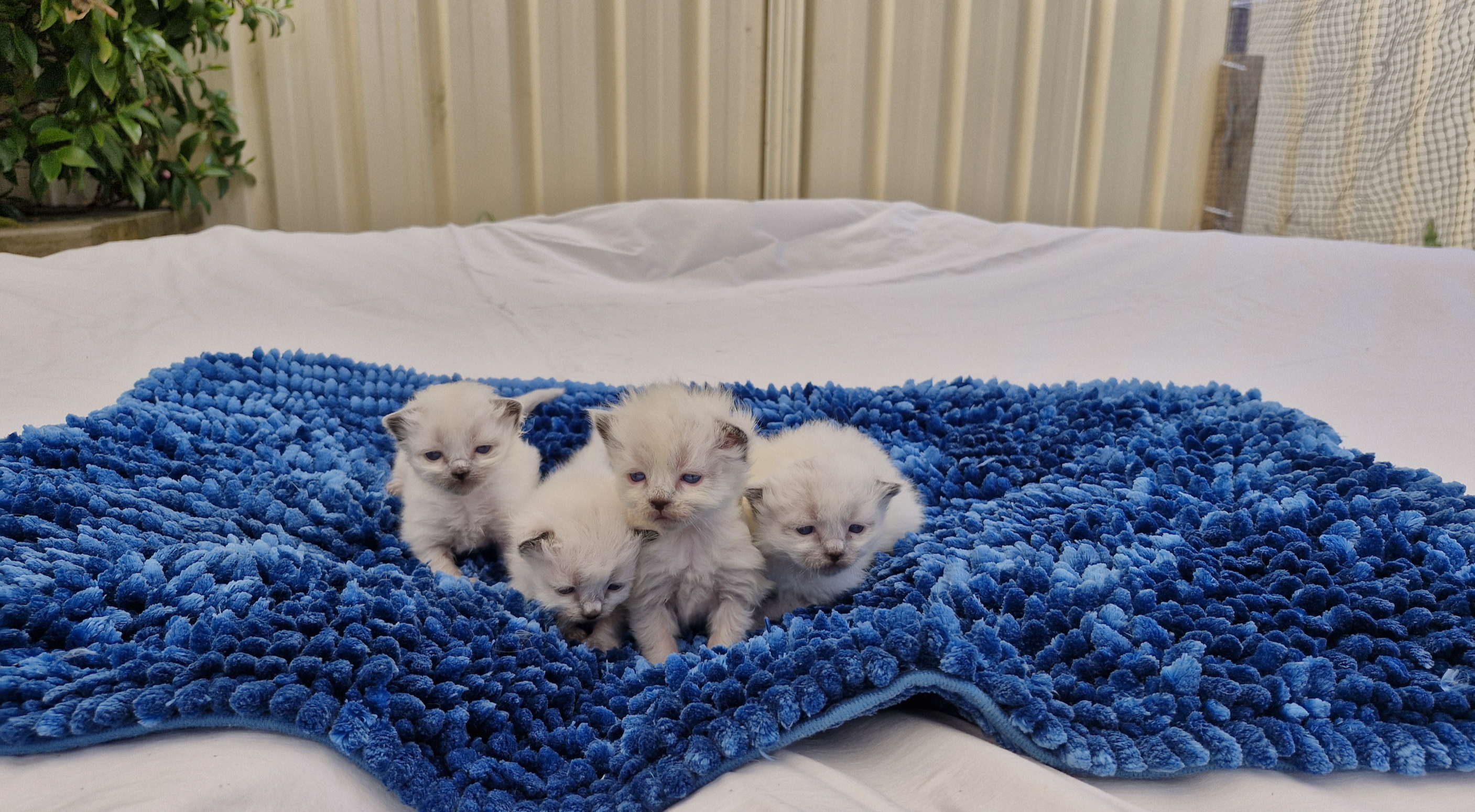
WEEK THREE
They’re starting to walk around a bit more, which means they now have the ability to drown in a water dish! So keep water dishes nice and shallow, or put them in a slightly higher location. You don’t want them to get wet, as that will make them cold. They can climb over a very small barrier a few centimetres high, but might not be able to get back, so make sure that the area around their nesting box is also warm and fairly flat.
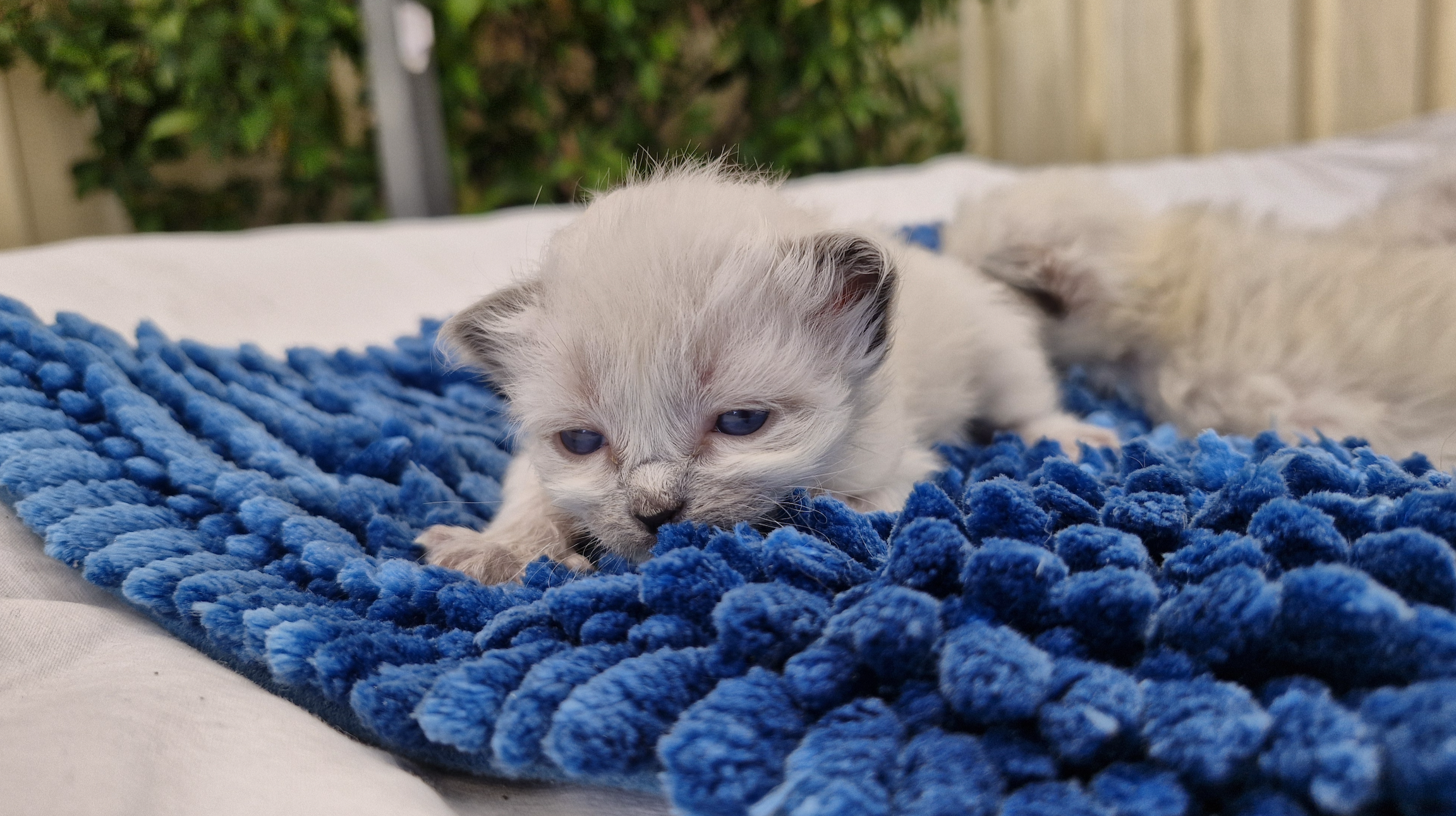
The kittens will start play-fighting each other but they’re not strong enough to hurt each other even if they try. Mostly it just makes them fall over. When they are first walking, their bellies often drag on the ground.
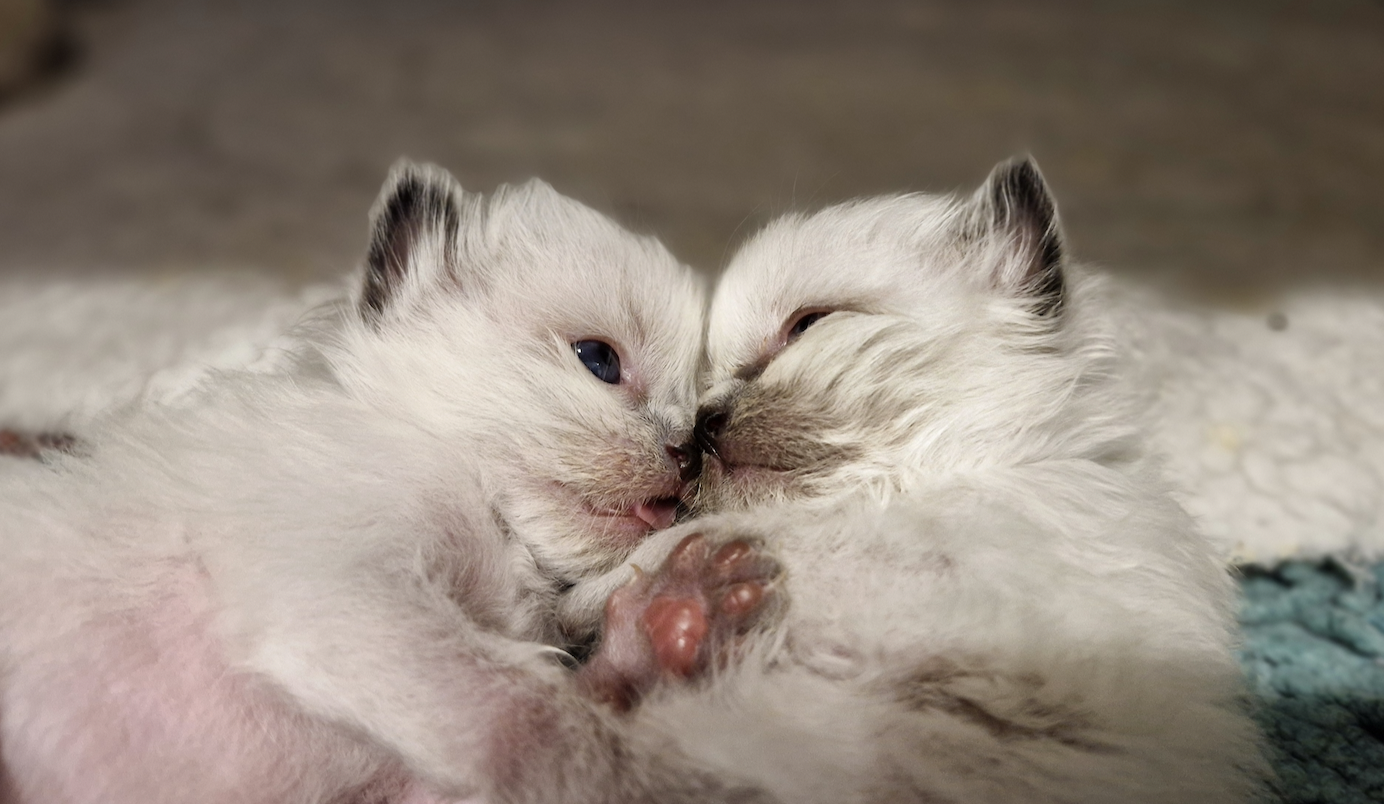
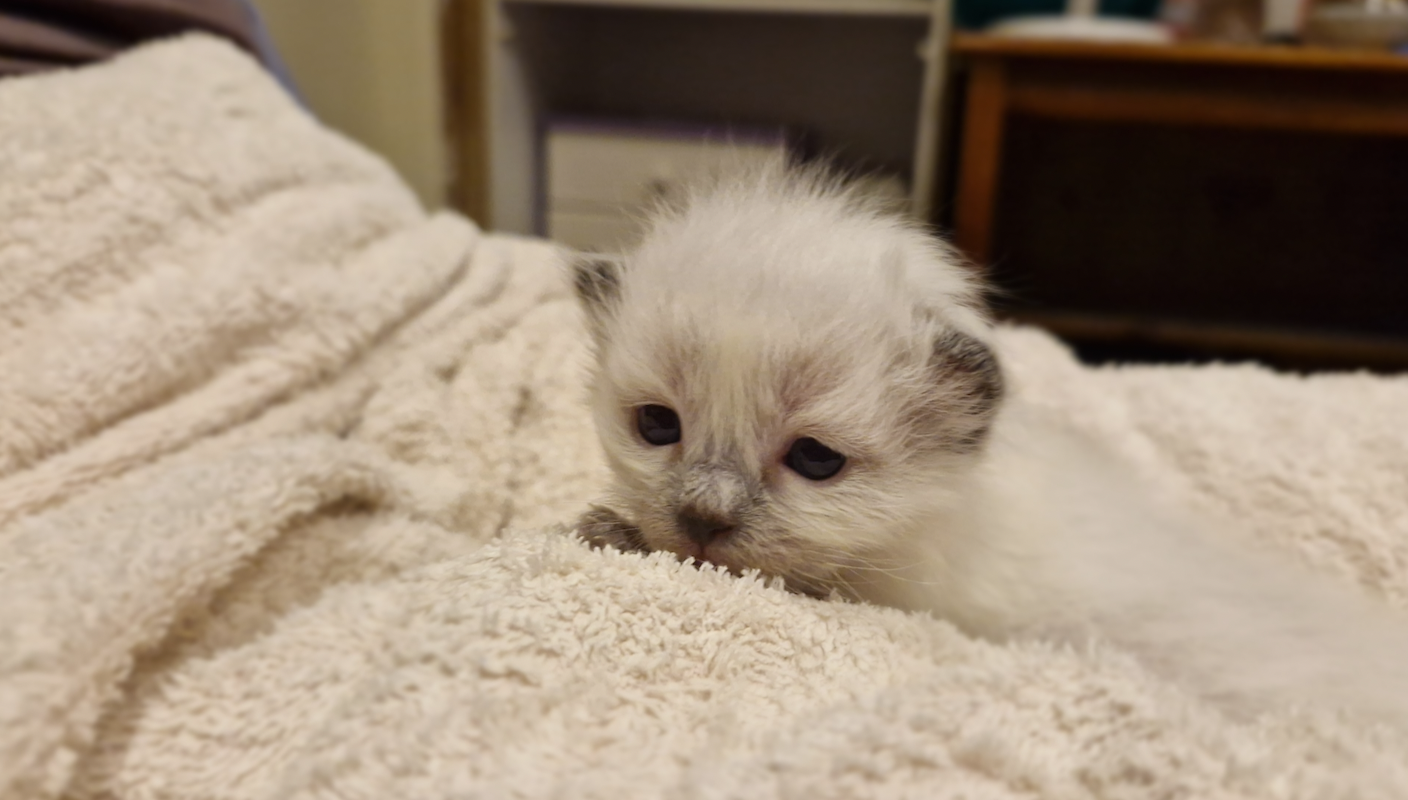
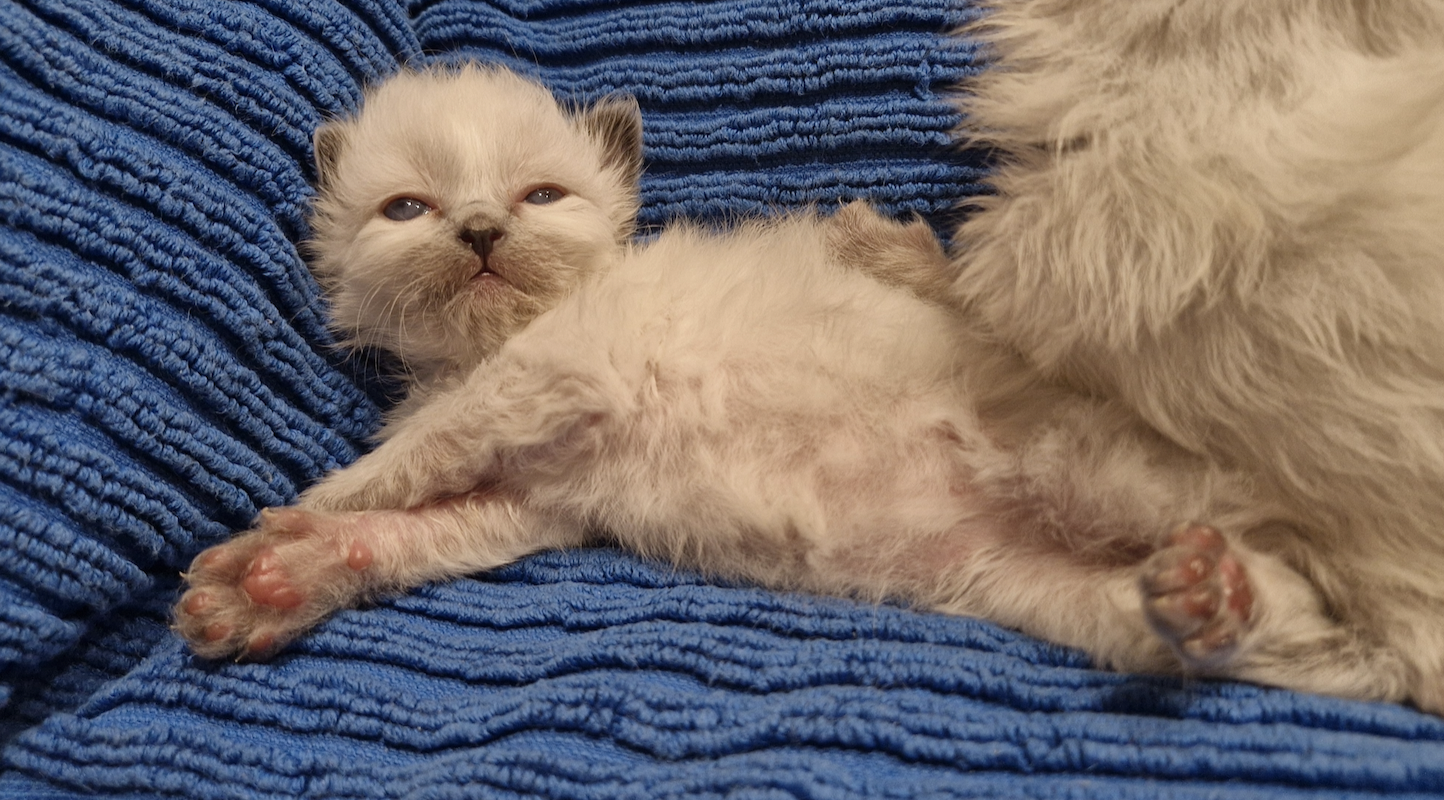
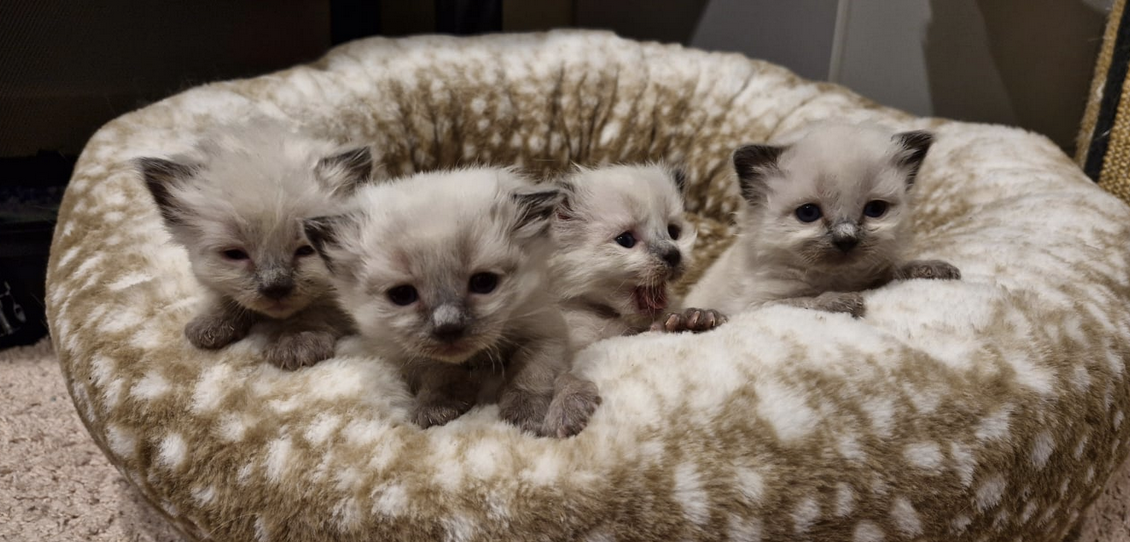
WEEK FOUR
This is the smallest kitten you’d usually see in a photo or on TV. In some ways, this is when they start getting interesting. They’re also less likely to drop dead without warning, although it’s definitely still possible. In humans, medical people often refer to the first three months of life as “fourth trimester” because a human baby is so tiny and fragile. The kitten equivalent is four weeks. They are extremely curious and quite mobile, while also being very small and quite dumb. My quarantine room is the ensuite bathroom in my home, and I never ever let them out unless I’m there to keep track of them. They are still extremely sensitive to cold and noise, and either could kill them shockingly quickly.
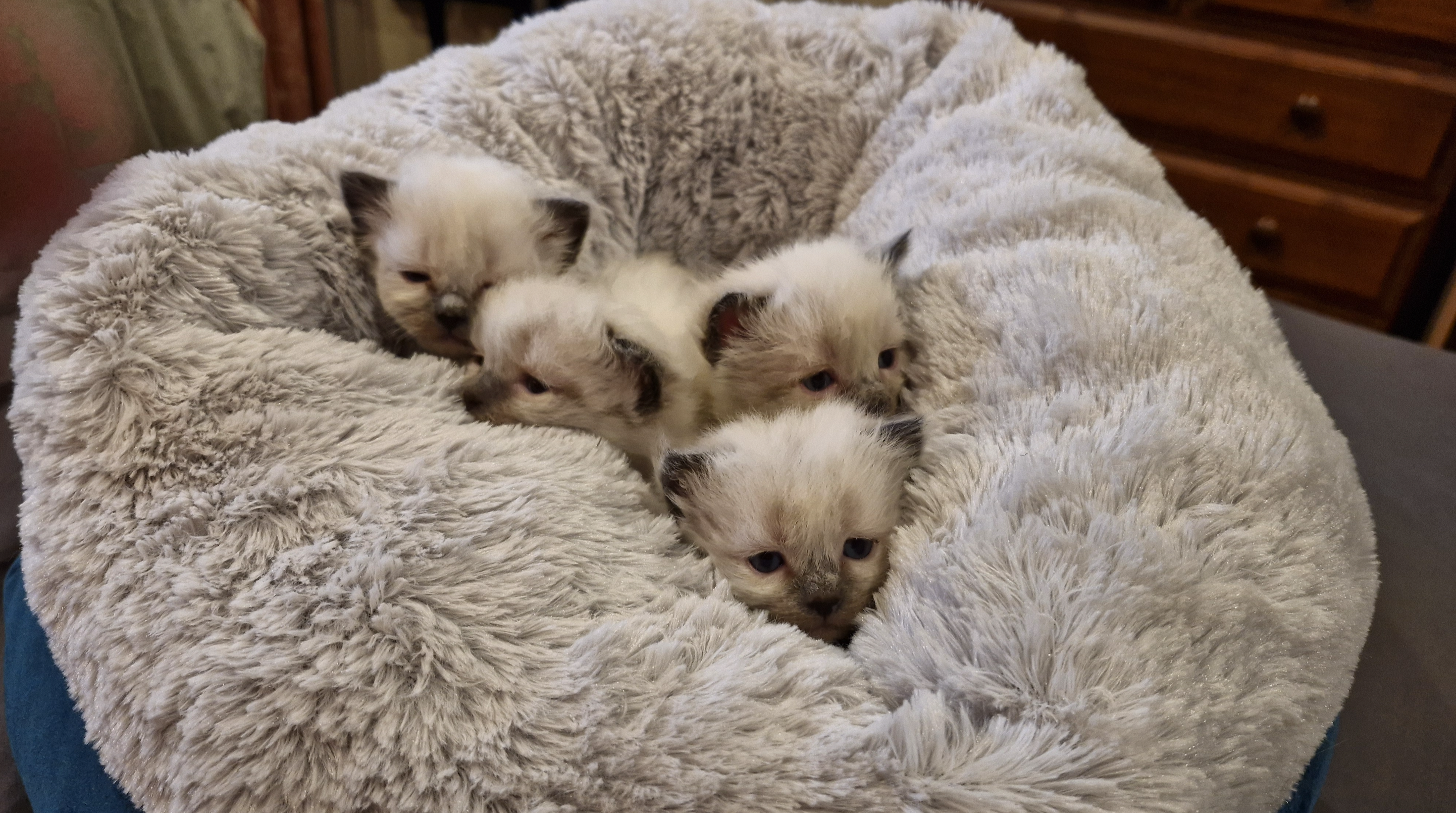
This is when they start being interested in toys, so there is plenty to do even in a tiny room. Dove was too tired out from the work of motherhood to want to do much herself. She was still very underweight despite getting fed excellent food. It didn’t help that big sister Kookaburra (Dove’s daughter from a previous litter) would often take a drink from her! Some people recommend removing older kittens for this reason (as soon as possible), but Kookaburra needed the comfort of family to assist with her socialisation process. I did remove Dove from the kittens when they were only about nine weeks old, for Dove’s sake, and she immediately gained weight in her new home. Otherwise I would have kept her with them until twelve weeks so they had plenty of time to observe and imitate her pro-human behaviour.
Play always includes meowing in pain, which is very important developmentally as they are teaching each other how hard is too hard. They’ll also start to struggle against their mum when she washes them (or carries them back to a safe place), and she may fight with them and/or smack them surprisingly hard when they attack her and she doesn’t feel like joining in. It’s nice for her to have somewhere high where she can watch them but still get a break physically. You can also start teaching them physical boundaries, by saying, “No” and moving away if they use their claws or bite a human. They are not strong enough to hurt you, but it builds good habits. If you want them to be safe for young children, you should avoid the temptation to use your hand as a cat toy.
WEEK FIVE
This is about when they’re likely to start eating solids. I fed them Womberoo cat milk and Royal Canin’s Mother and Baby Mousse, both of which are also great for nursing mothers and can be bought from pet stores (although Womberoo may be difficult to get and isn’t necessary except for orphans or supplemental feeding).
Although I let them on my bed, I supervised them closely so they didn’t fall off. They’re definitely at an age where they can fall/jump and injure themselves.
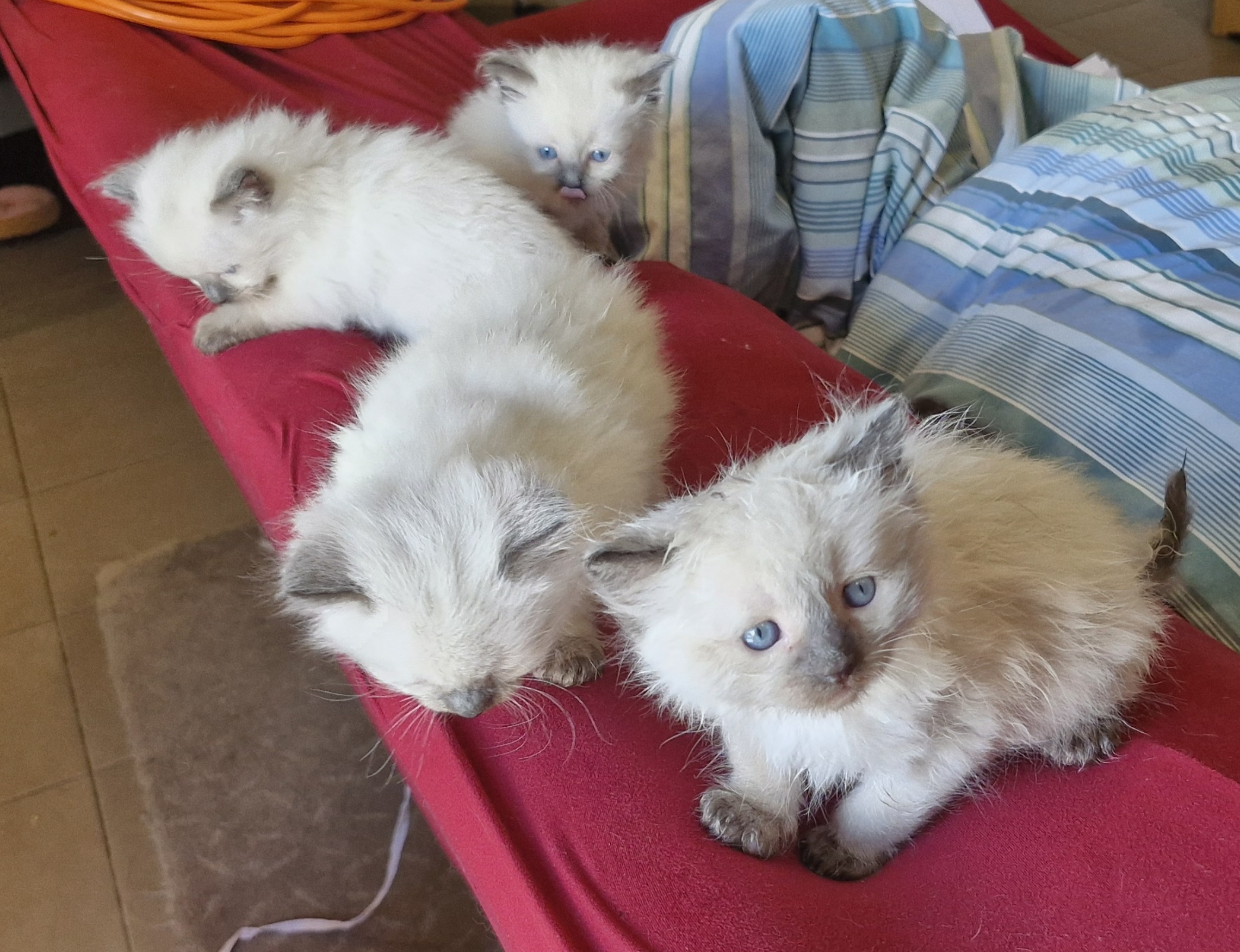
It was extremely interesting watching Kookaburra (their older sister) as she coped with them growing up, and clearly had some jealous/threatened feelings she needed to work out along the way. However, I could see that her claws were sheathed even when she attacked them.
Six weeks is still definitely too early to introduce them to other pets! Yes, they’re tiny and harmless… but they’re also one of nature’s most efficient killers so your other cats may freak out. Or your dog may bark and give them a literal heart attack. Or your other pets may have a minor illness that can infect and kill them, as they can’t be vaccinated until eight weeks of age.
They can definitely now climb, so that opens up a whole new world of ways to injure themselves or break your stuff. You need to supervise closely (more than ever) to spot danger as it develops. Welcome to the toddler phase! They’ll often mew for help if they feel they are too high up (or if they forget how to get back to the nest) but usually it is best to let them try to figure things out for themselves. The best judge of their ability is their mum, who definitely hears them mewing and decides whether to rescue them or not. They can fall from about twenty centimetres onto carpet without hurting themselves.
If the mum is anti-human and all the kittens are eating solids, this is when you should separate them from the mum. Otherwise they will copy her anti-social attitude.
WEEK SIX
Some people will sell kittens when they are six weeks old. This is deeply wrong as they’re barely weaned, too young to be vaccinated (or, crucially, desexed), and they definitely still need their mum AND their siblings.
But they’re incredibly cute.
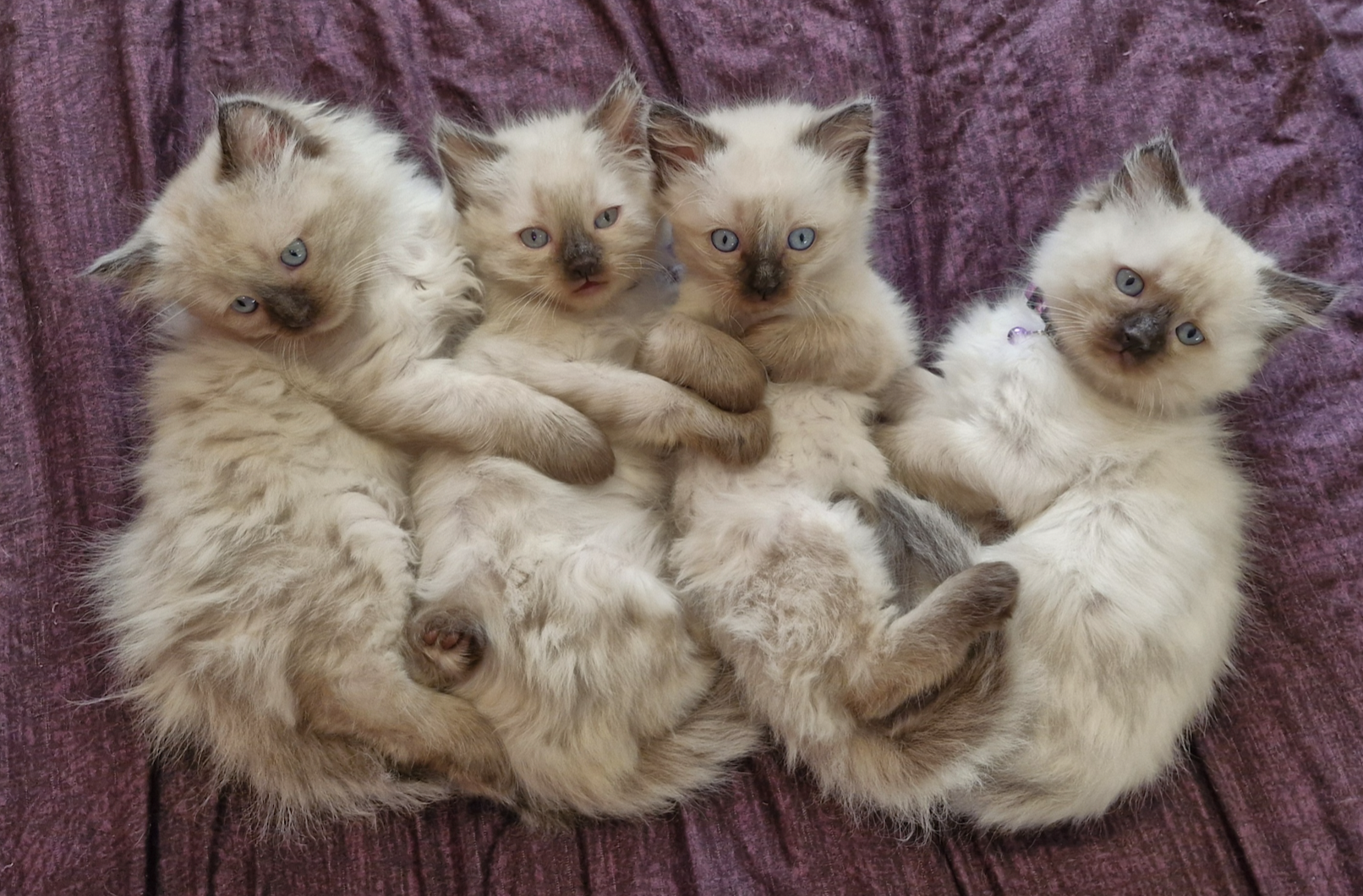
This is also when their permanent eye colour starts to develop. Ragdolls keep their blue eyes but most cats have yellow eyes.
They will fall asleep in unusual places, making carers absolutely panic as they search their entire house for their missing kitten. Goose once fell asleep in a tissue box under the bed! Other possibilities include behind cupboards, inside shoes, under clothing, behind a toilet, and much more. So it’s still best to limit them to one room. They do need space to run, and some novelty (toys, or even just moving items around). Items like scrap paper or empty bottles with rattling rubbish sealed inside can be great toys, and you can make old toys new again by removing them for a week and then bringing them back.
This is also when kitten claws will start to draw blood, so if you haven’t started training them to keep their claws sheathed with humans then now is the time (if a kitten has no siblings, it will take a lot of extra training to teach them boundaries, especially around biting). You may also want to keep some disinfectant on hand for minor wounds (on you, not on them). And be careful not to trip on them! The one down side of having kittens used to humans from birth is that they comfortably assume no one will ever step on them. (For this reason, stray kittens are often better suited to households with younger kids—they are also less likely to scratch humans, as they never forget that humans are a different species.)
As they start getting into solid food, it’s worth making sure that you have a routine and a distinctive noise that they associate with wet food (such as a bell, calling “Food time!” or the sound of a can opener). You want to make sure that when you give them more freedom, you can trust them to appear at meal times and/or when you yell “Food time” (or whatever). It is also worth thinking about getting them a collar, even if they will be inside cats, because if they do escape your house, people can tell immediately that they’re not a stray.
You can start giving them kitten-appropriate dry food a week or two after they start eating wet food. Start with just a few pieces sprinkled on or in their wet food, so their teeth and stomachs can adjust slowly. I usually start with Royal Canin, then experiment with cheaper food after ten weeks or so. If you change their food, it is vital to do it very gradually over several days. If their poo is extra smelly or sloppy after two weeks with new food, then you need to switch back to the good stuff.
They now have loads of energy and need at least two or three solid play sessions daily. If they don’t get them during the day, they will have night-time zoomies. Morning and dusk are excellent play times that fit with their natural rhythms. Surprisingly, almost all cats will adjust to your routine including waking when you wake up (and immediately demanding pats and/or food and/or play depending on their personalities).
They will toilet train themselves (make sure the litter trays have low edges that they can climb over, and that there are multiple trays), but between four and six weeks they’re likely to make toileting mistakes (and to play with the litter itself), so it’s quite a messy fortnight. I use lots of bath mats around litter trays because they’re easy to lift up and shake out, then wash. Kittens also tend to walk through their food at this age. They’re a lot like human toddlers enjoying exploration and experimentation.
Ragdoll kittens are larger than average so they tend to reach developmental milestones sooner (and if you have a runt they will always take longer, which is fine). The major exception is toileting, because of their fur. It would probably help to trim their butts (with hair-cutting scissors) starting now. I didn’t quite dare to trim ‘my’ Ragdoll litter, and they were still sometimes flinging poo around (unintentionally!) at twelve weeks of age, including getting it on each others’ heads like horrifying little hats.
I let them briefly look at some other (friendly and calm) kittens through mesh, so they could see and smell each other but not touch. It was very interesting that they all had different reactions. I think it was worthwhile to introduce them to the concept of other (non-aggressive and vaccinated) cats without actually letting them physically touch.
This week, I moved them out of my bedroom and ensuite into the official cat room.
WEEK SEVEN
This entire video is just gratuitous cuteness. They’re incredibly acrobatic at this age, and love chasing balls, chewing on things, scratching things, and getting in and out of boxes. You should be able to notice different personality traits, one of which will be whether they prefer the company of other cats or other humans. Eg. Kookaburra clearly needed a home with other cats, even though she would take a long time to trust them. And Goose needed a human who would give him lots of attention (his owner tells me that Goose follows her from room to room).
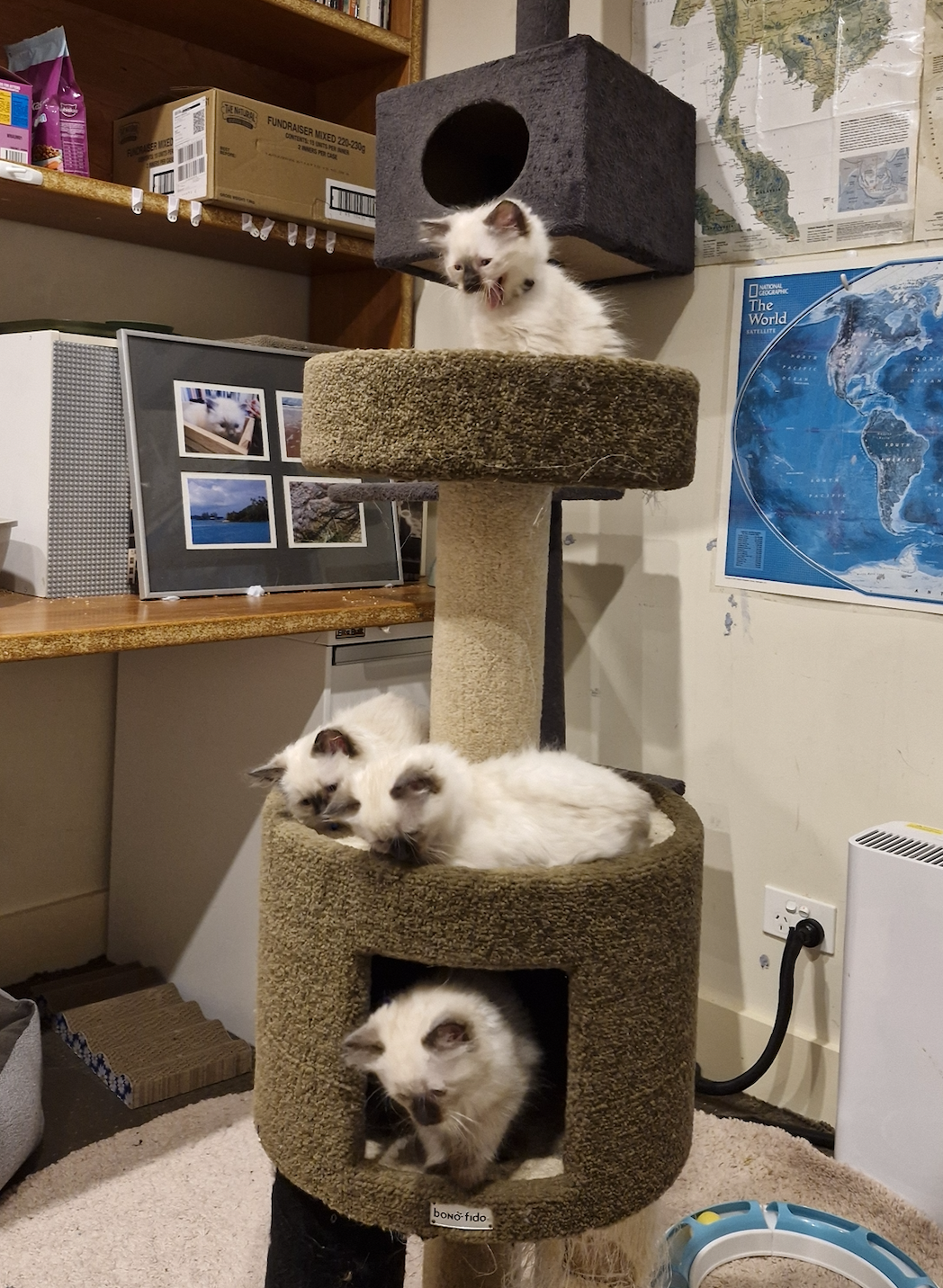
They can fall almost two metres onto carpet without injury now—usually. Injuries are much much less likely, but always possible.
WEEK EIGHT
They can get their first health check and vaccination at eight weeks, as well as a microchip. They can’t usually be desexed until twelve weeks. Then, after time to recover, they can be adopted. Boys are generally fine after a few days, and girls should be monitored by someone who knows them for ten days. Their operation is much more complicated.
Looking after newborn kittens was one of the best experiences of my life, and I hope I get to foster newborn kittens again someday.
I recently had someone contact me asking if I could foster two very pregnant (and friendly) cats and their babies. I had to say no, because I have to pay off the debts from the Bird kitten litter before taking any more foster babies.
If you can help me get closer to the day when I can foster another group of kittens, I would be very grateful. At this stage, though, it would take a miracle.
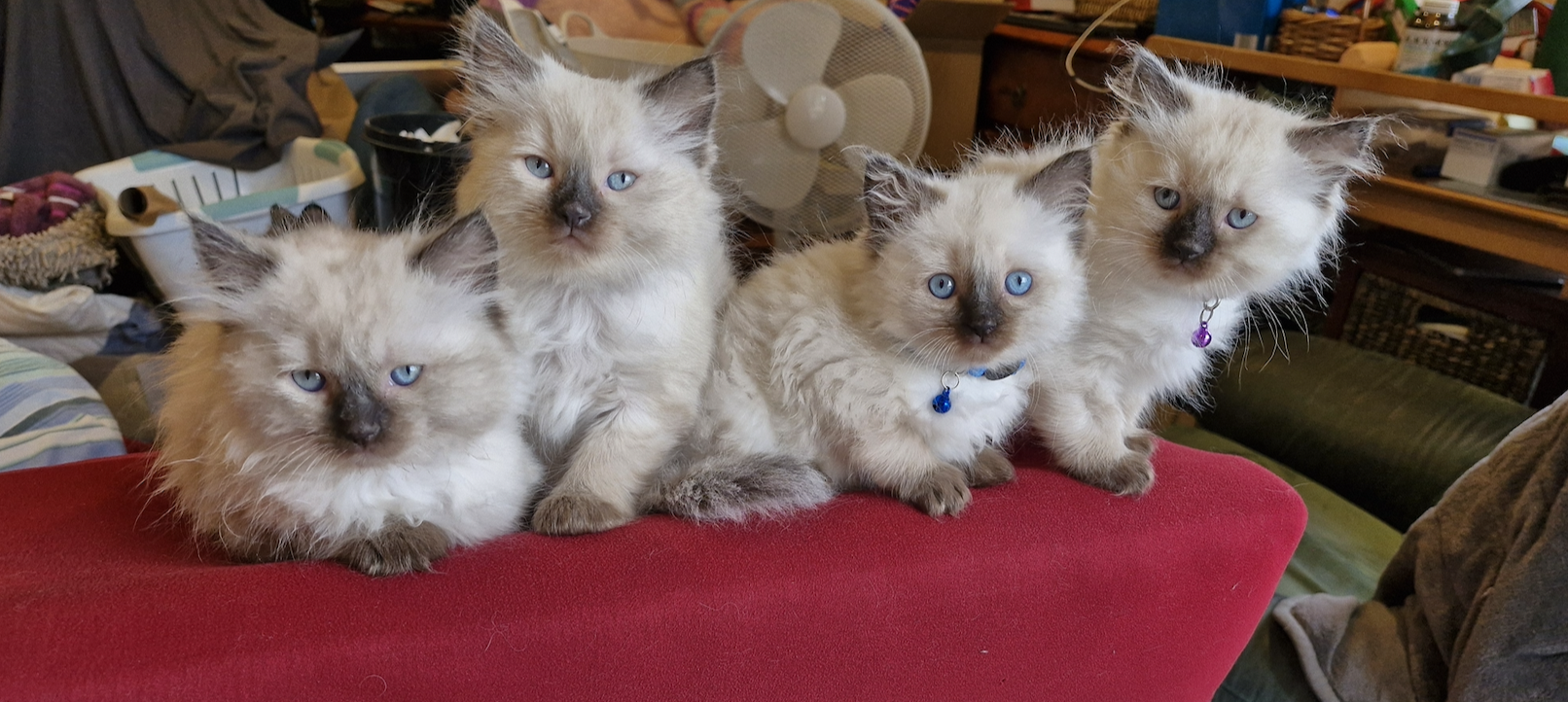
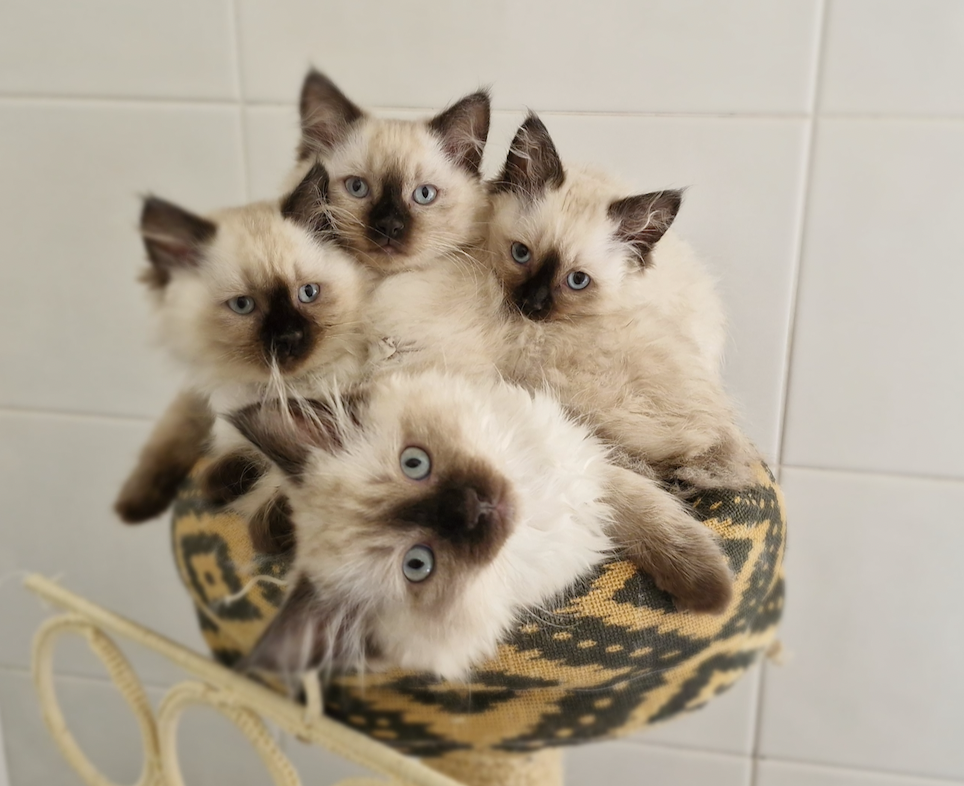
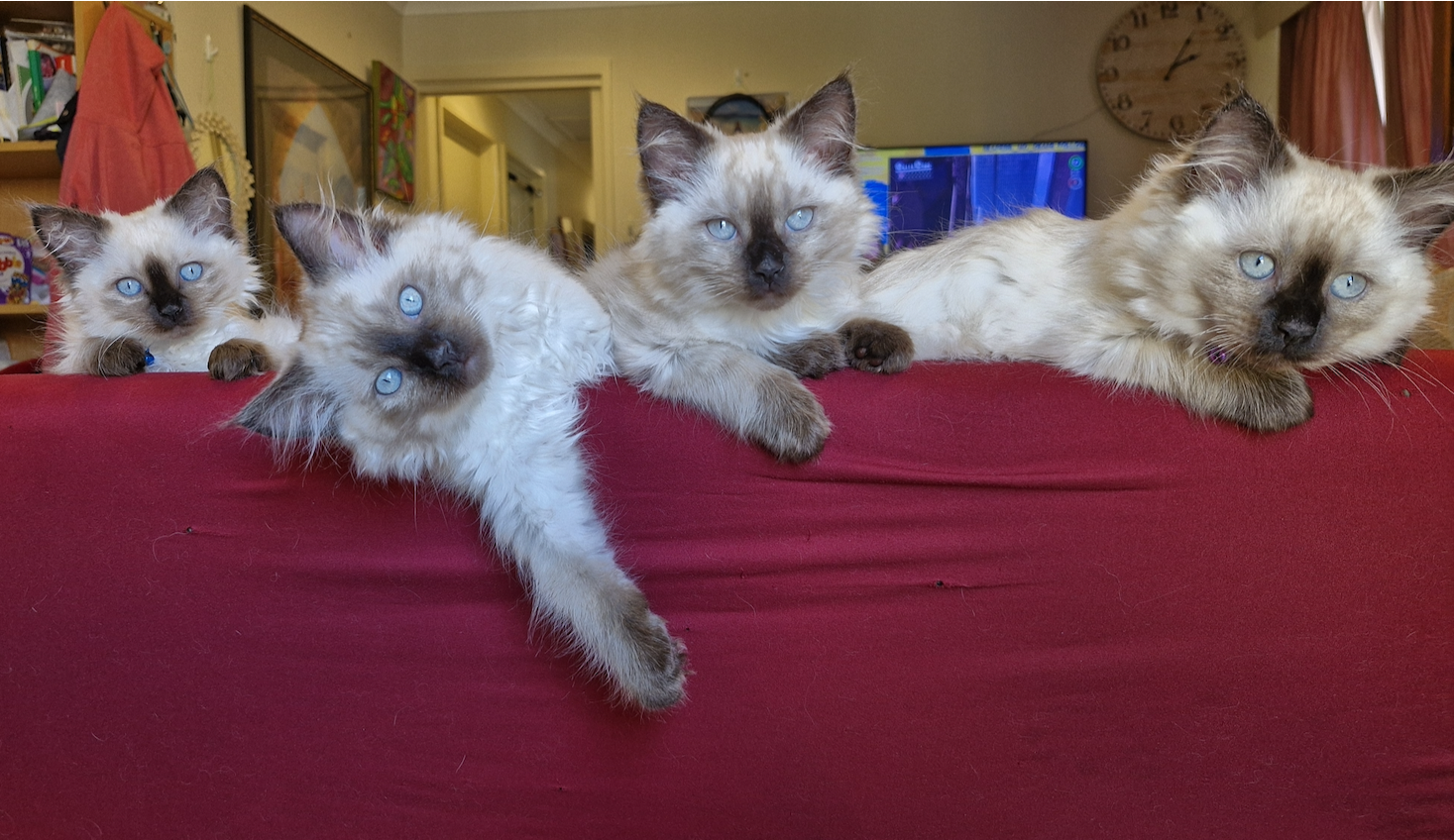
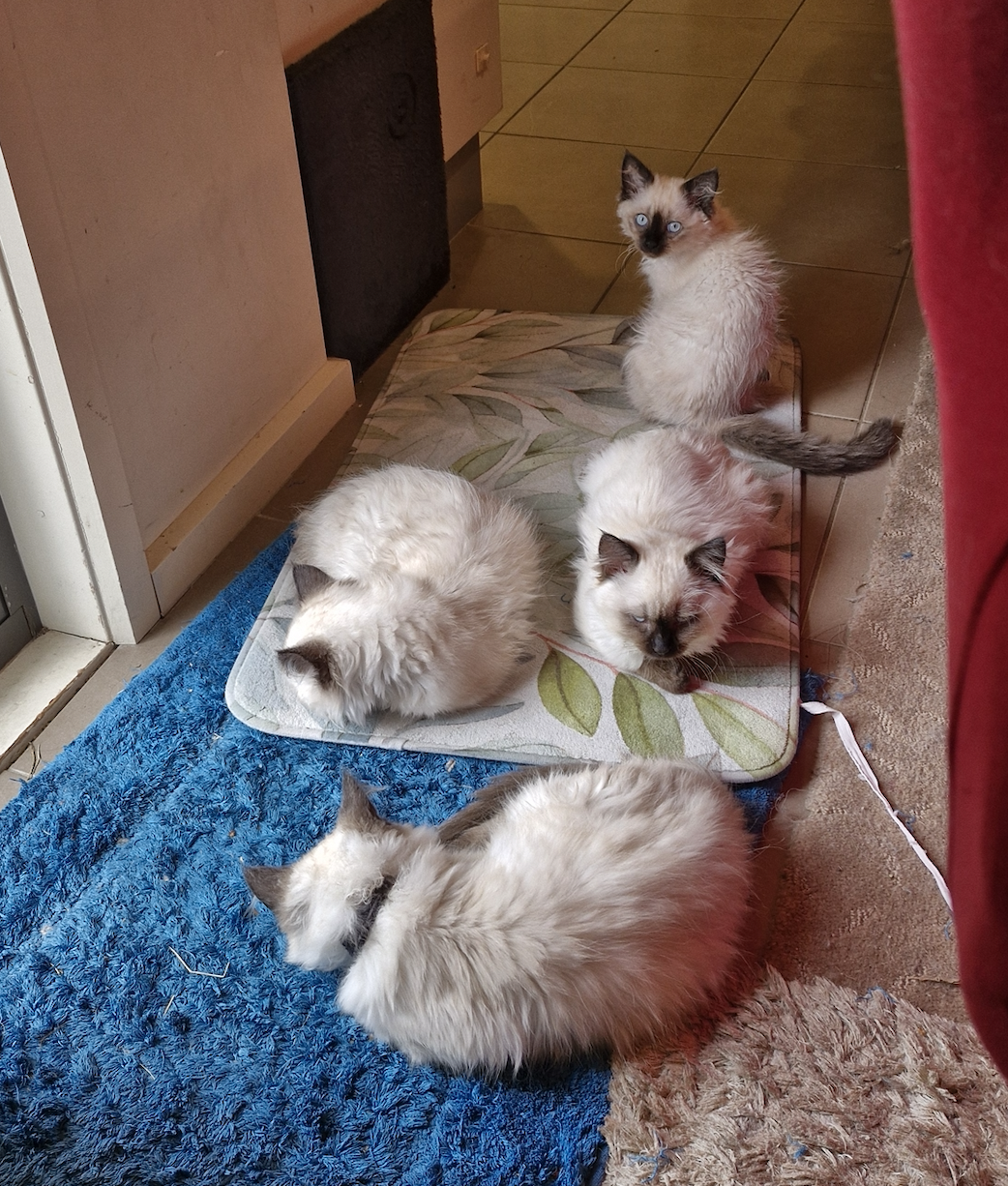
Here’s the Ragdolls in Week Nine, Ten, Eleven, and Twelve:
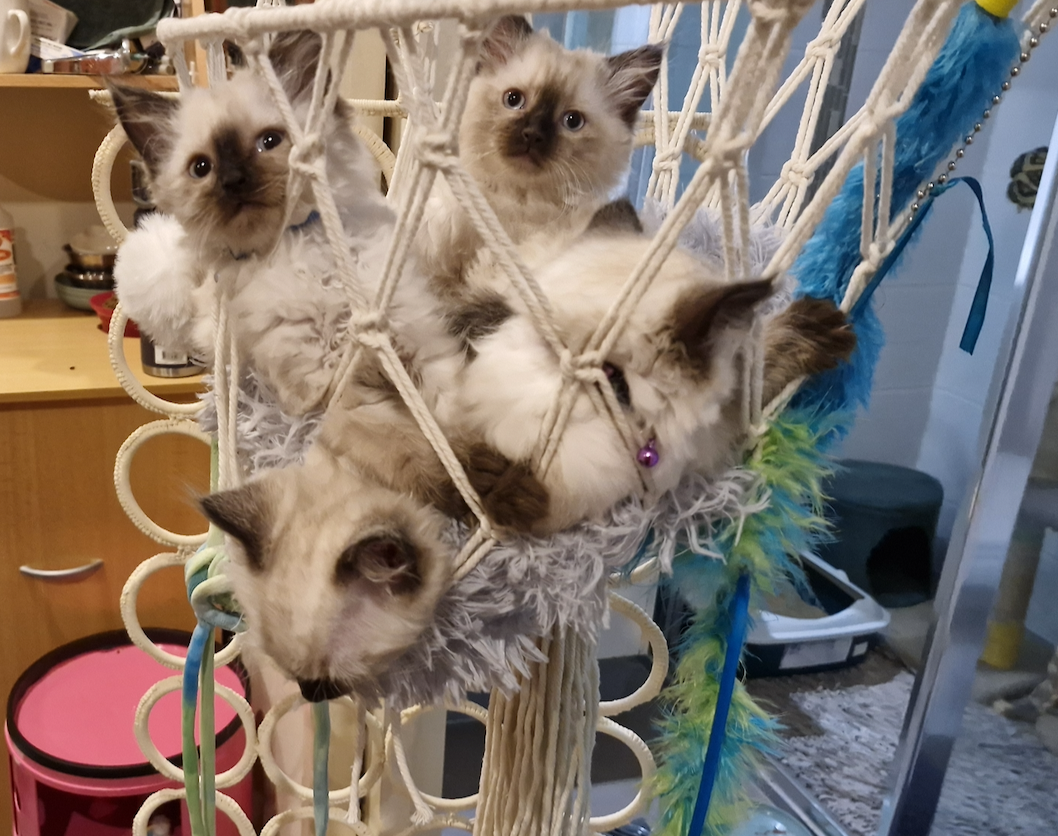
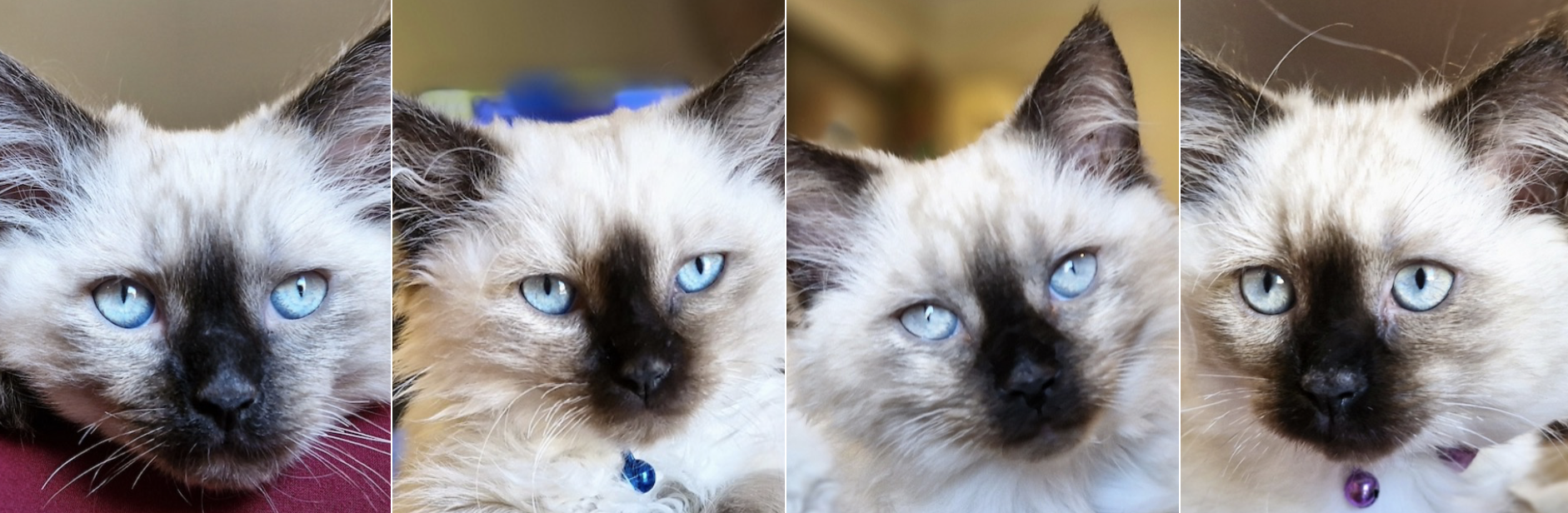
And in close-up (I swear these are four different kittens!)
Here is Turtle in photographs from a newborn baby to a confident and ready-to-adopt young man:
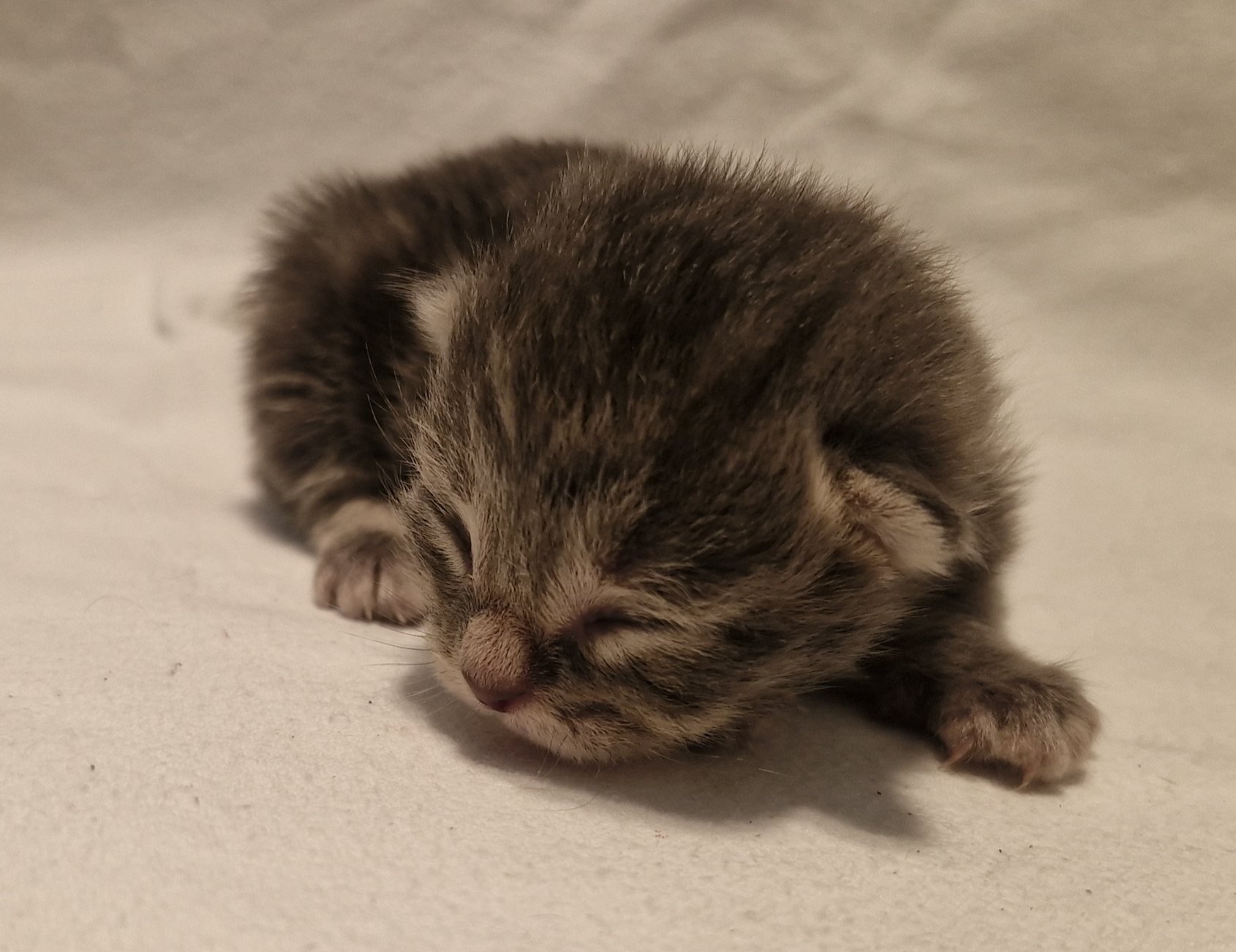
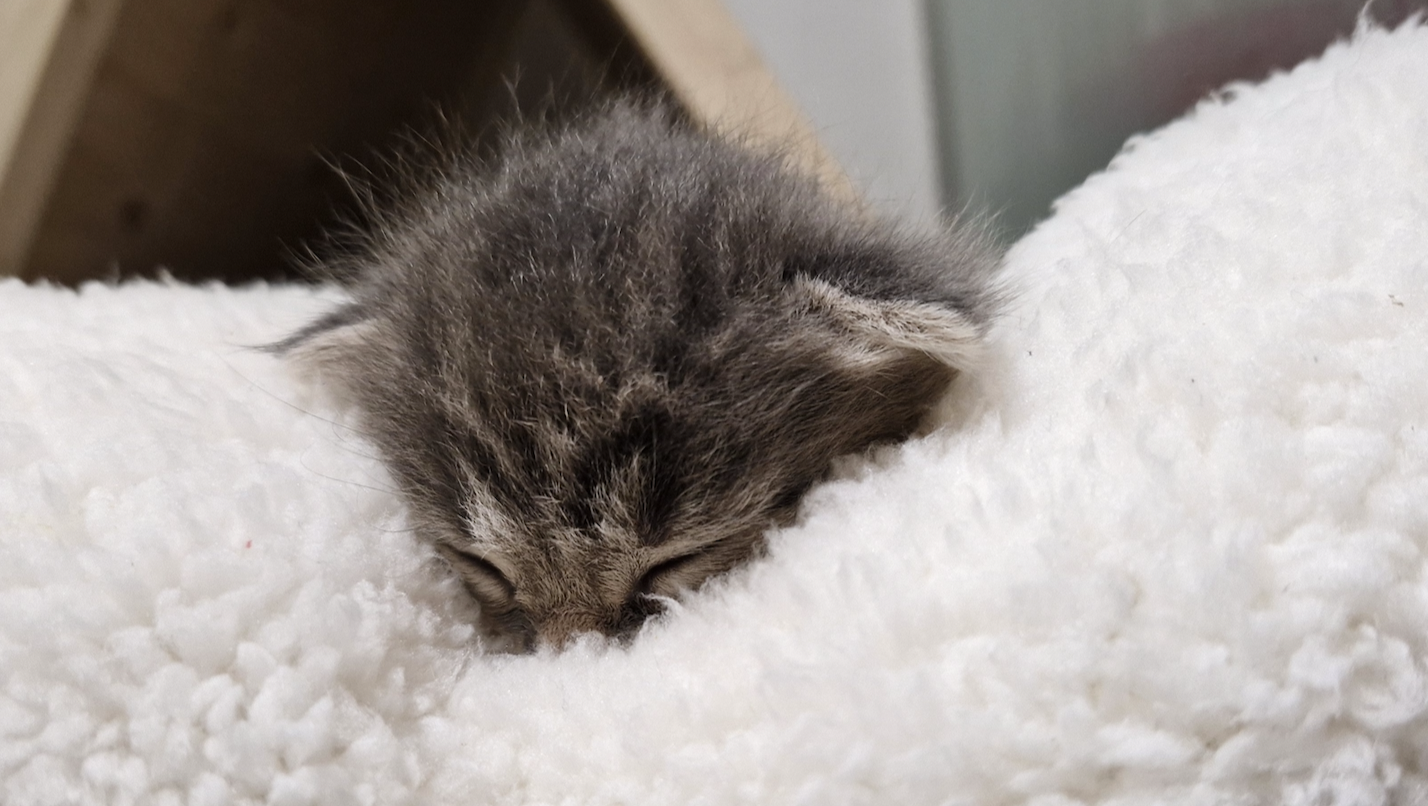
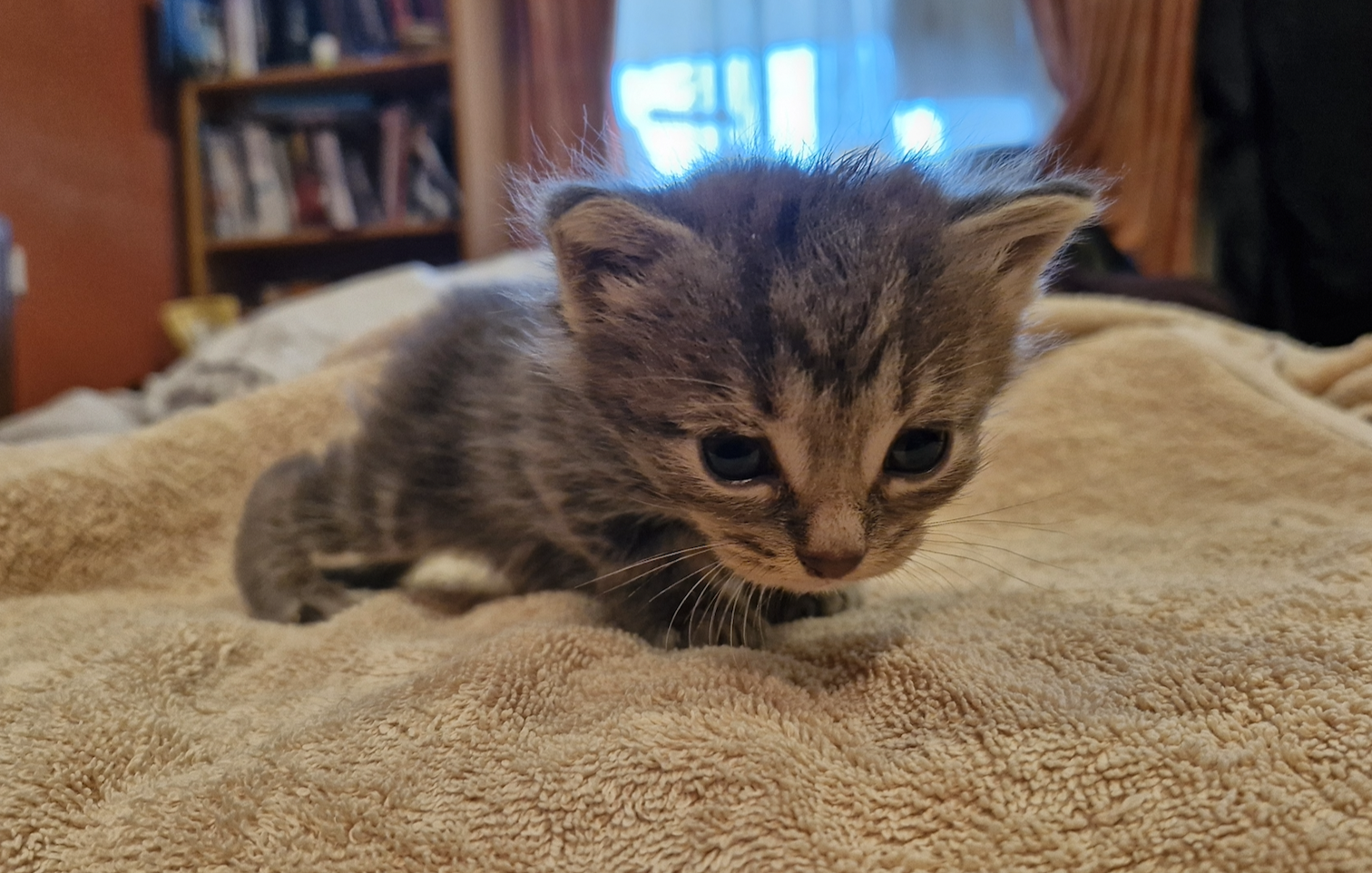
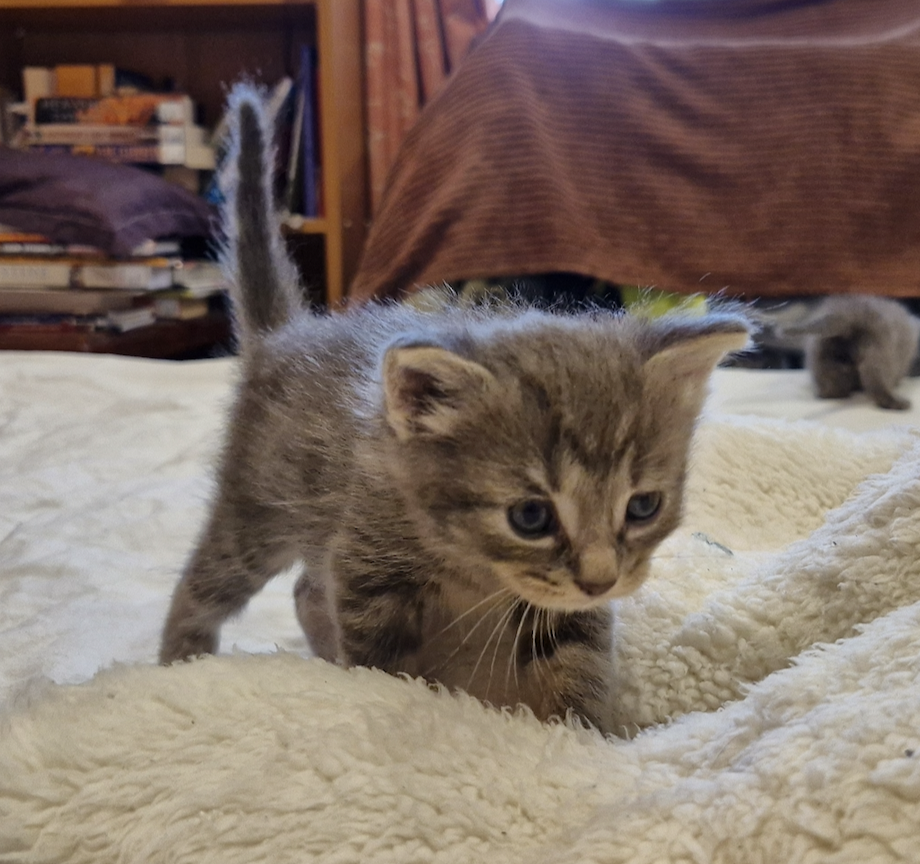
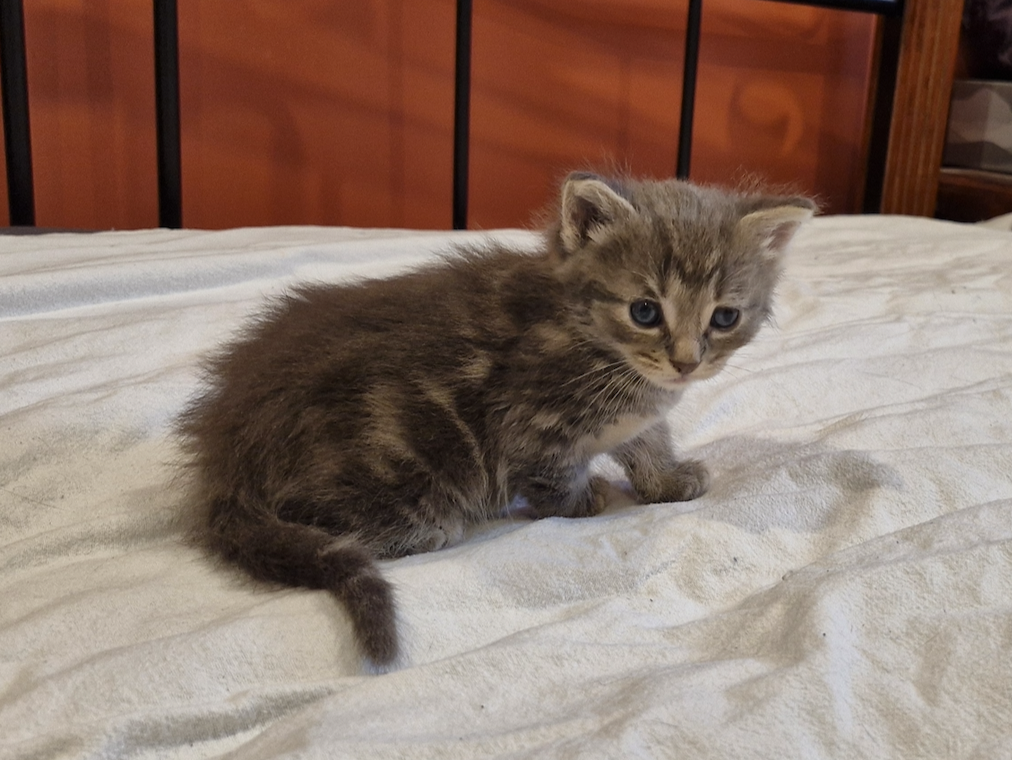
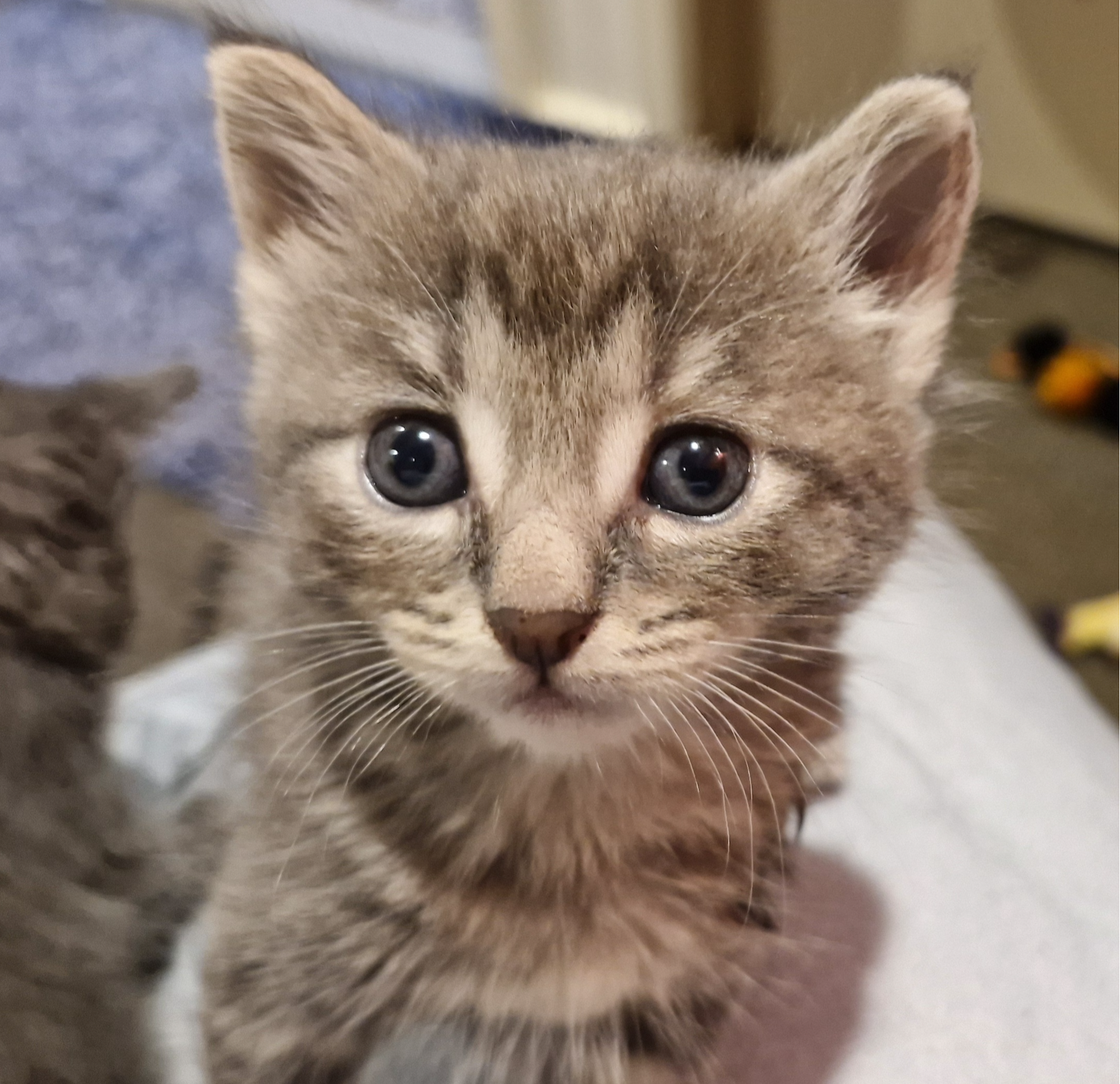
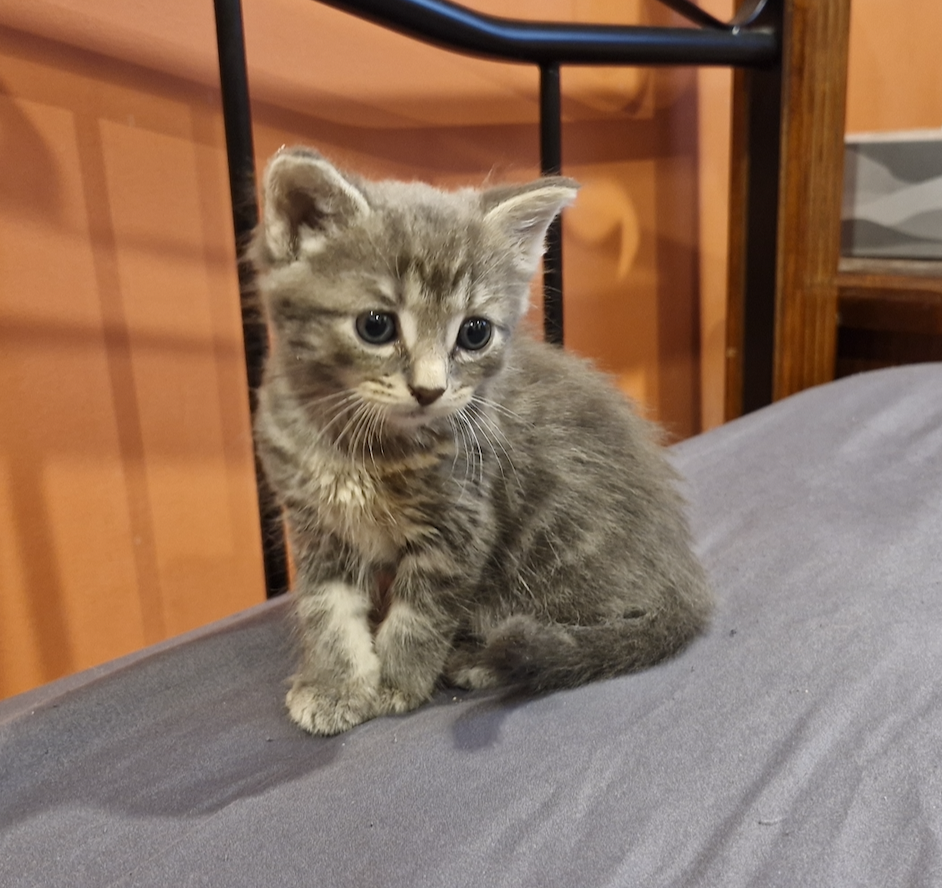
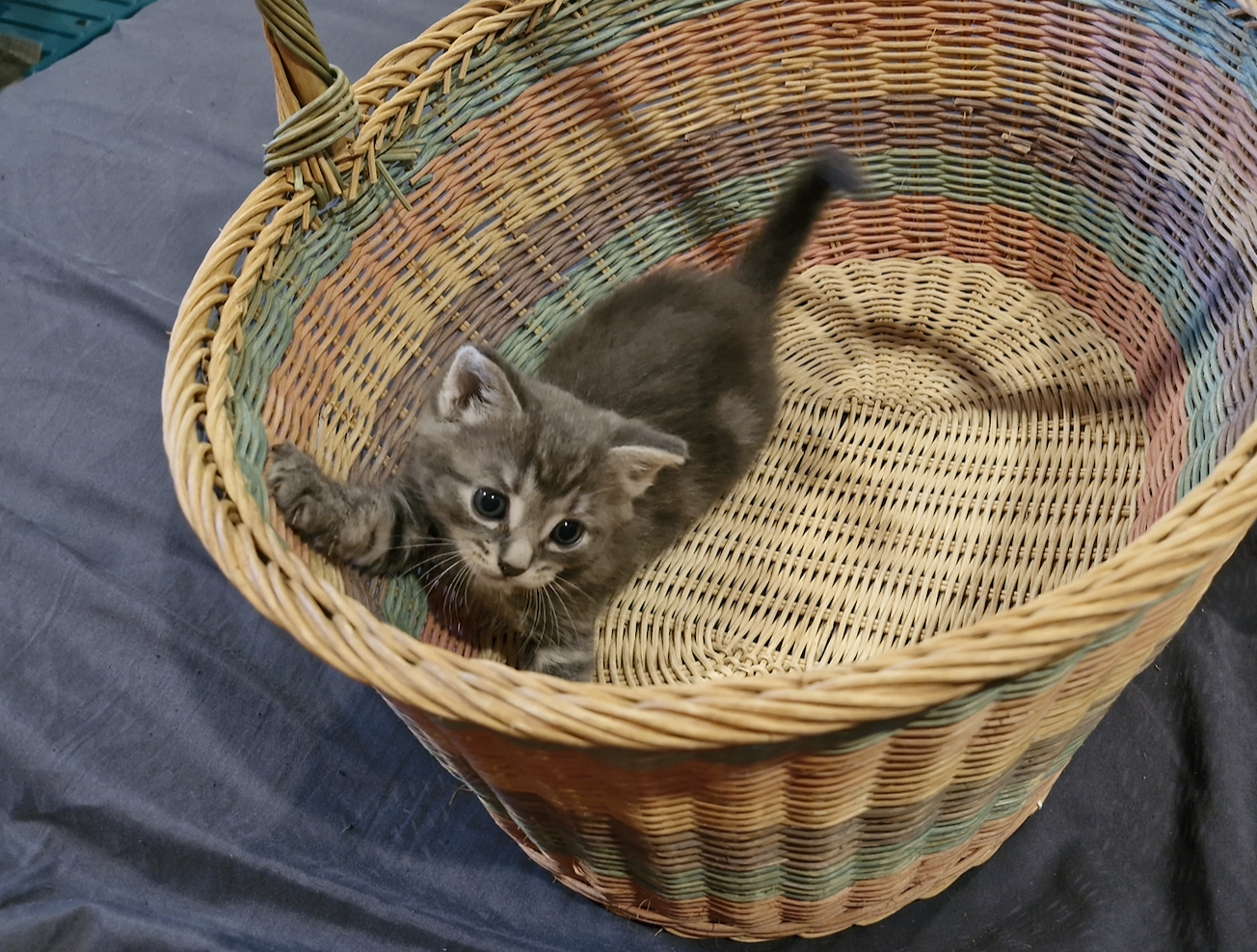
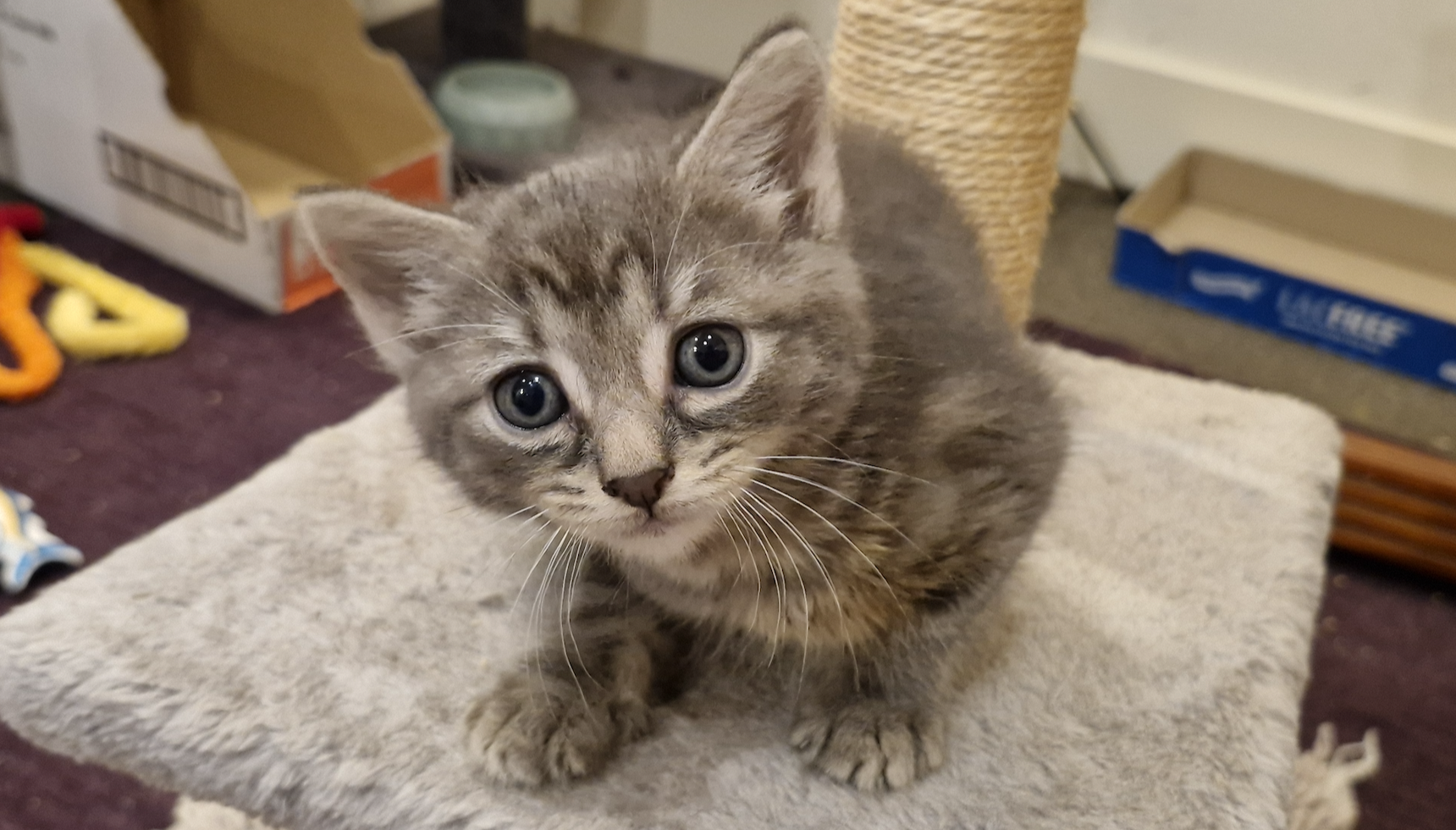
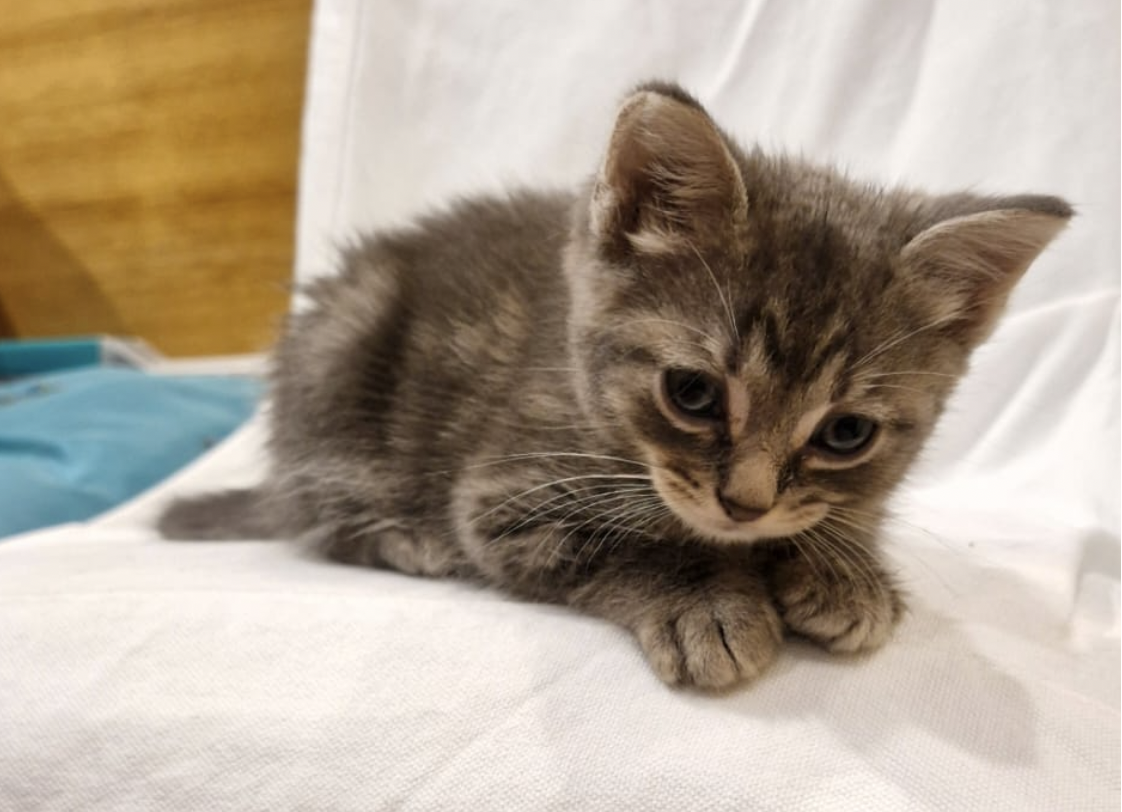
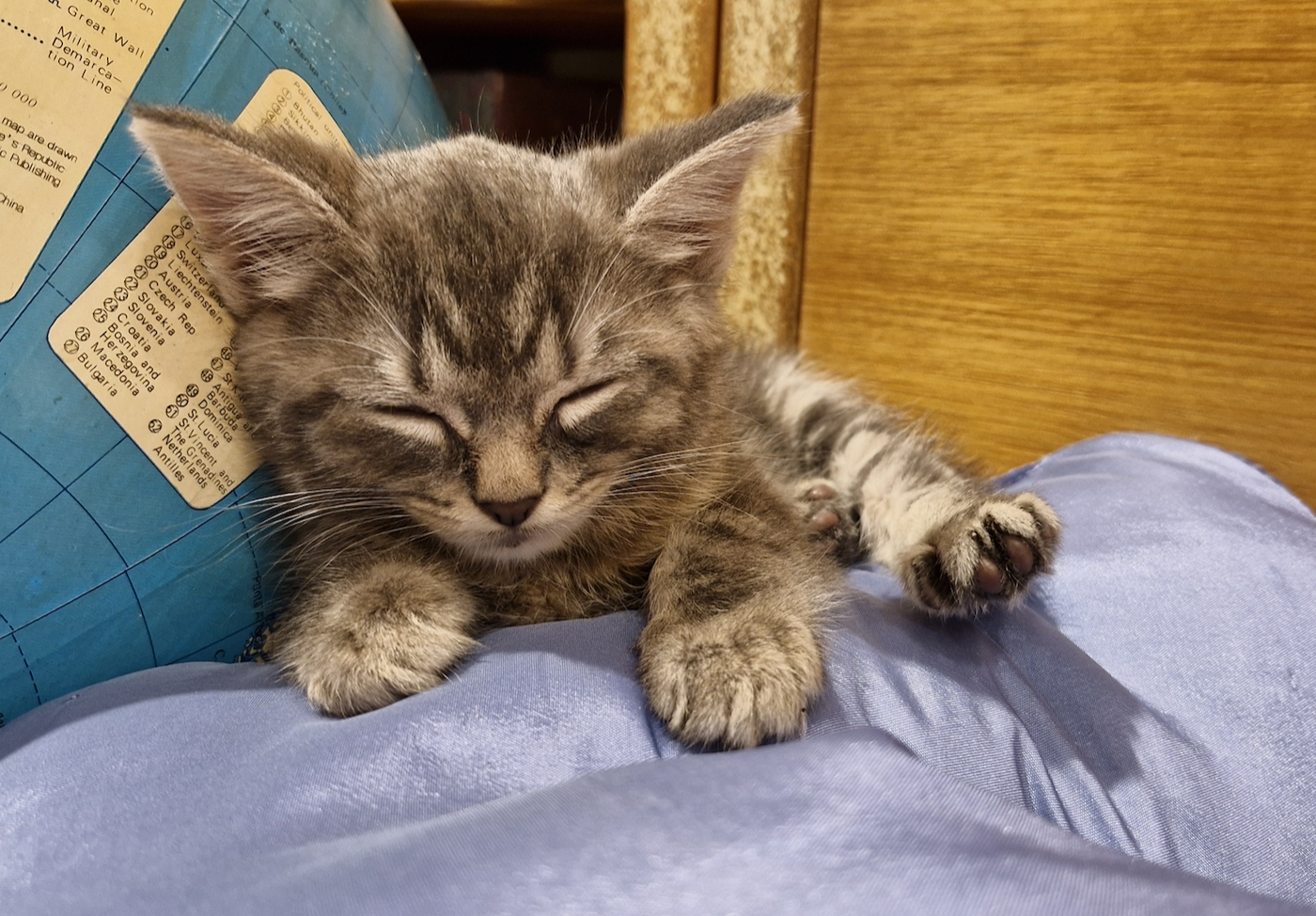
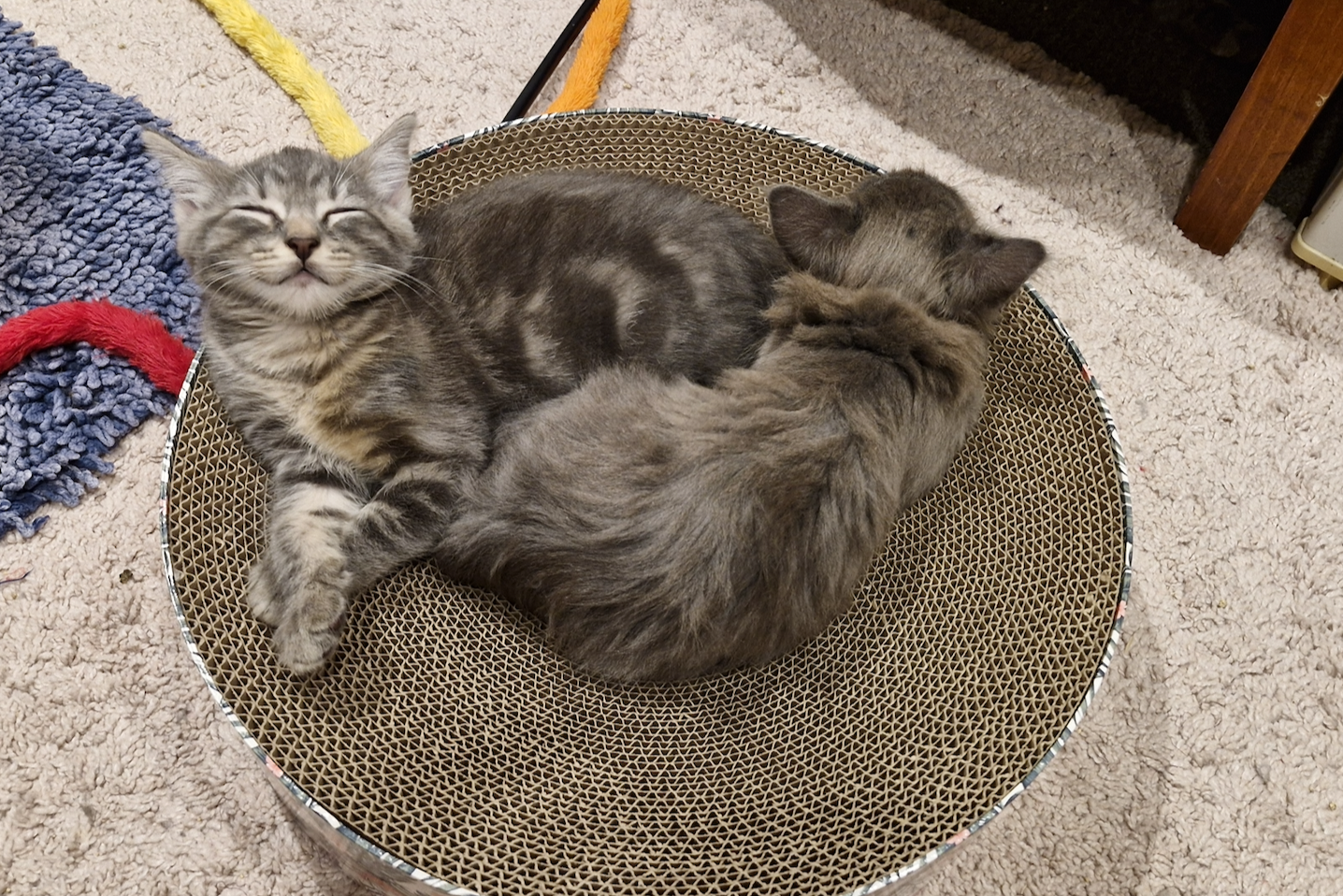
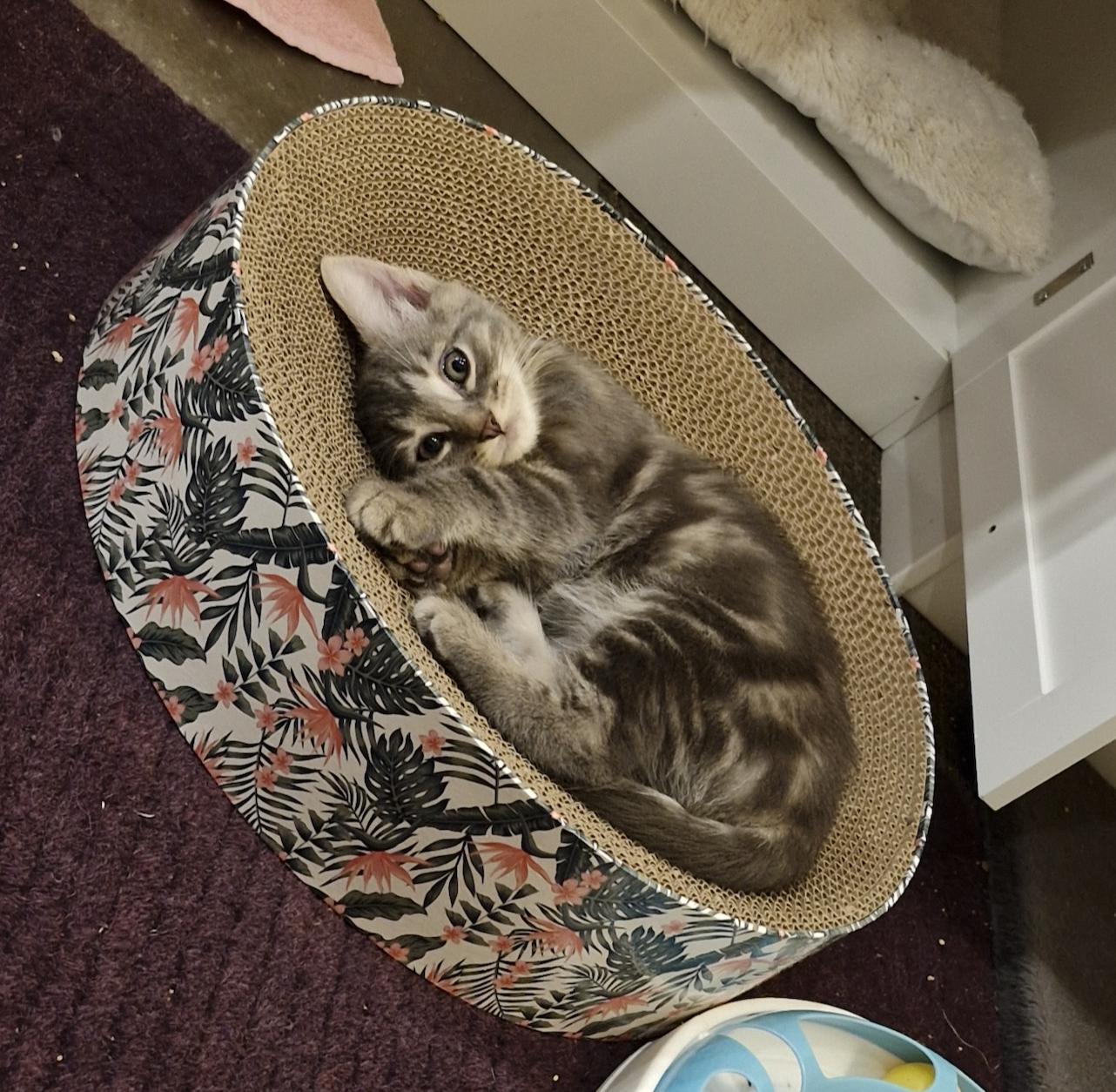
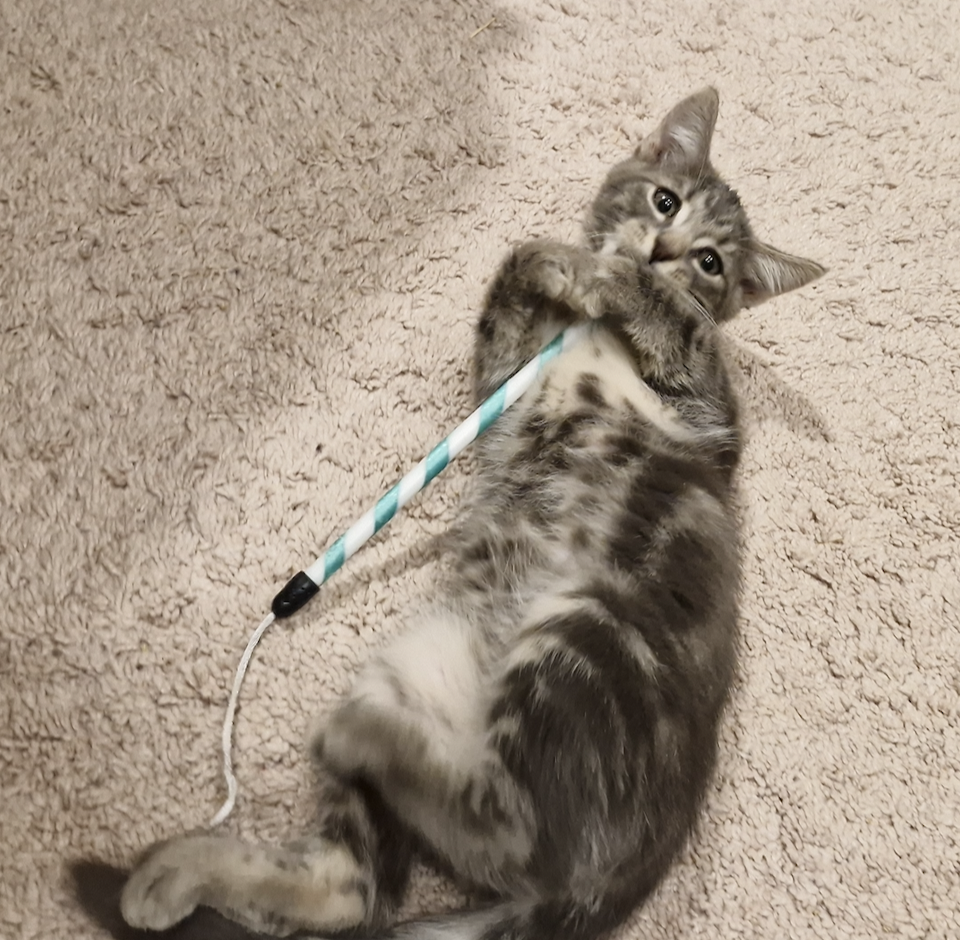
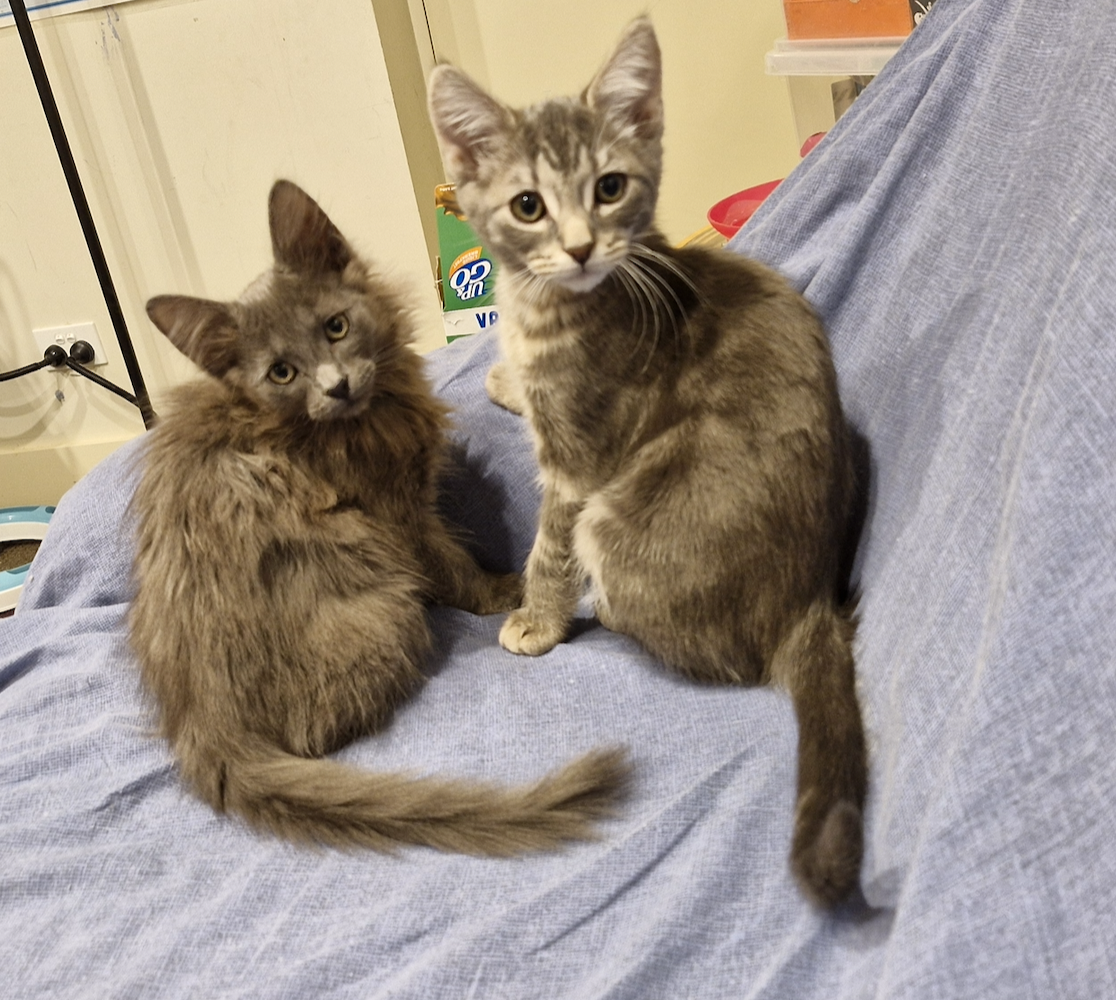
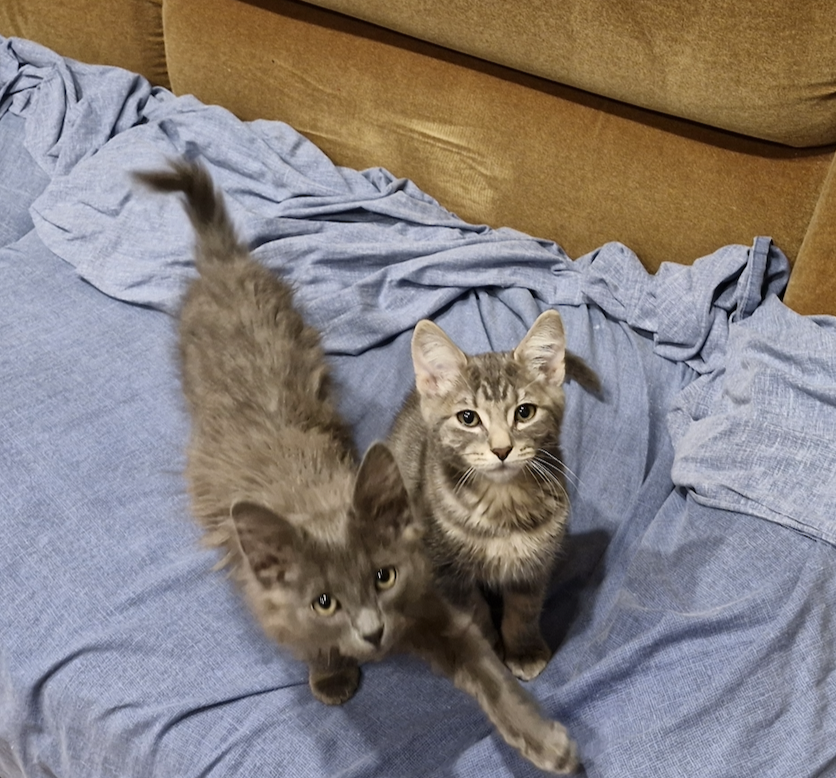
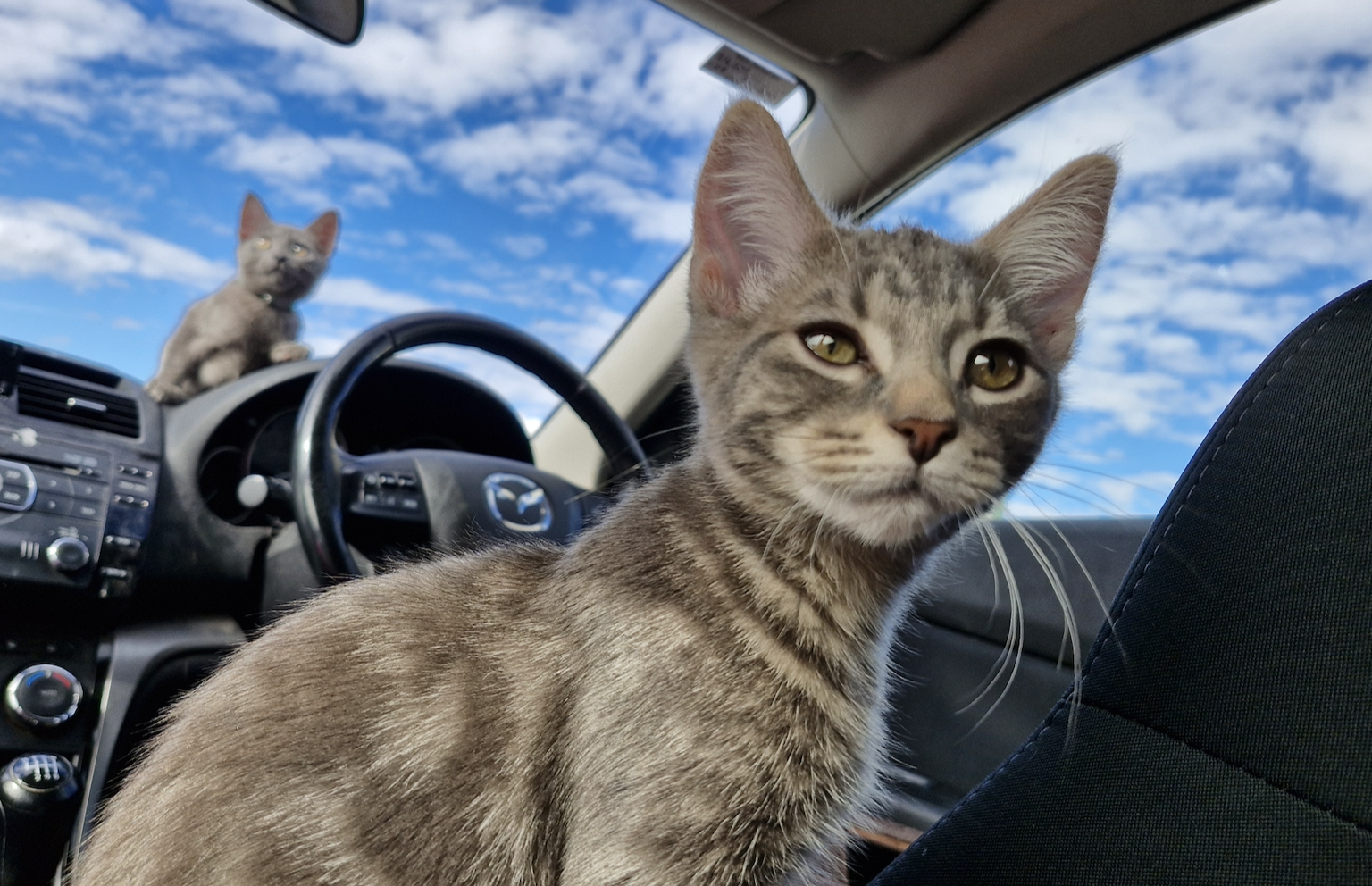
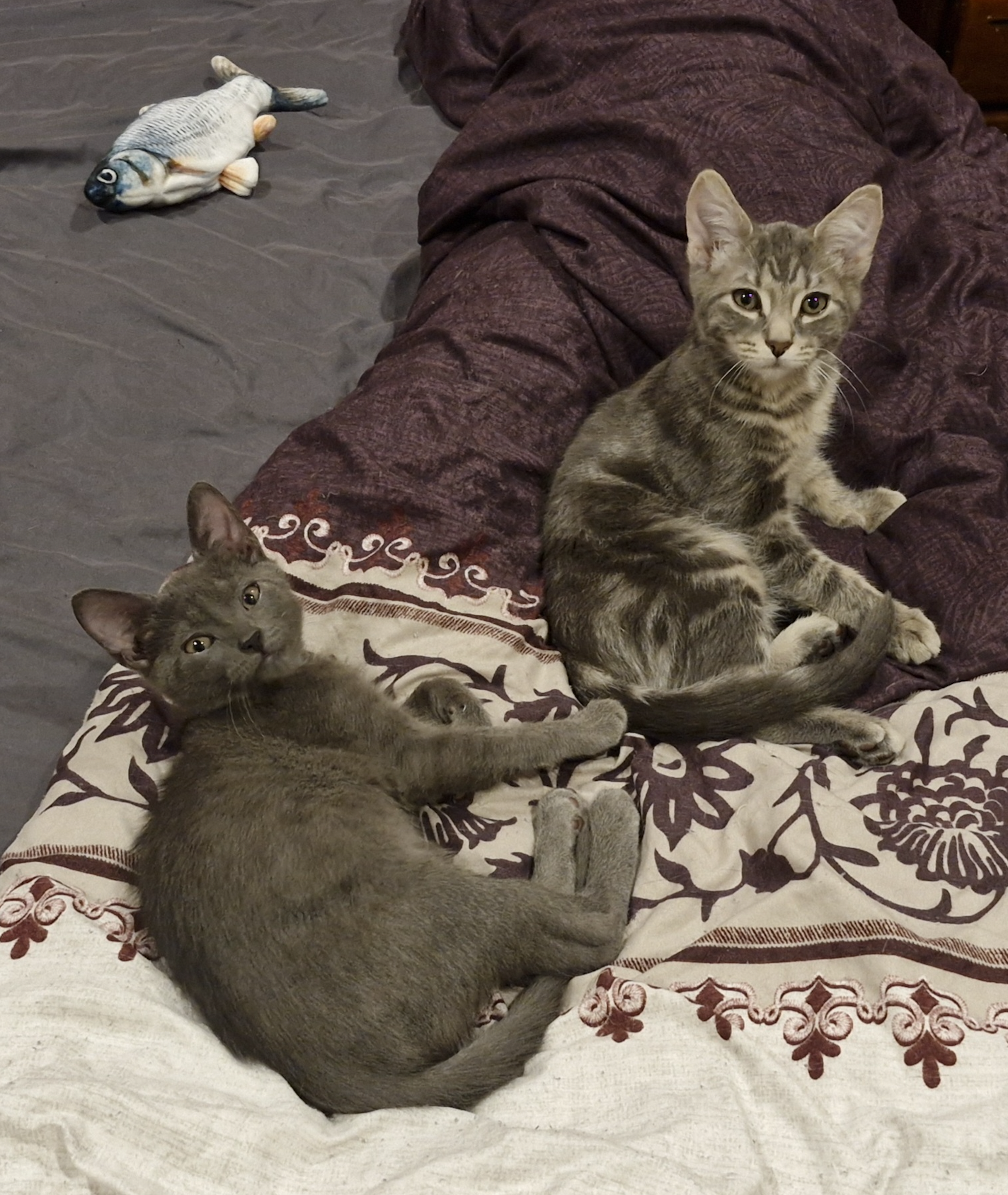
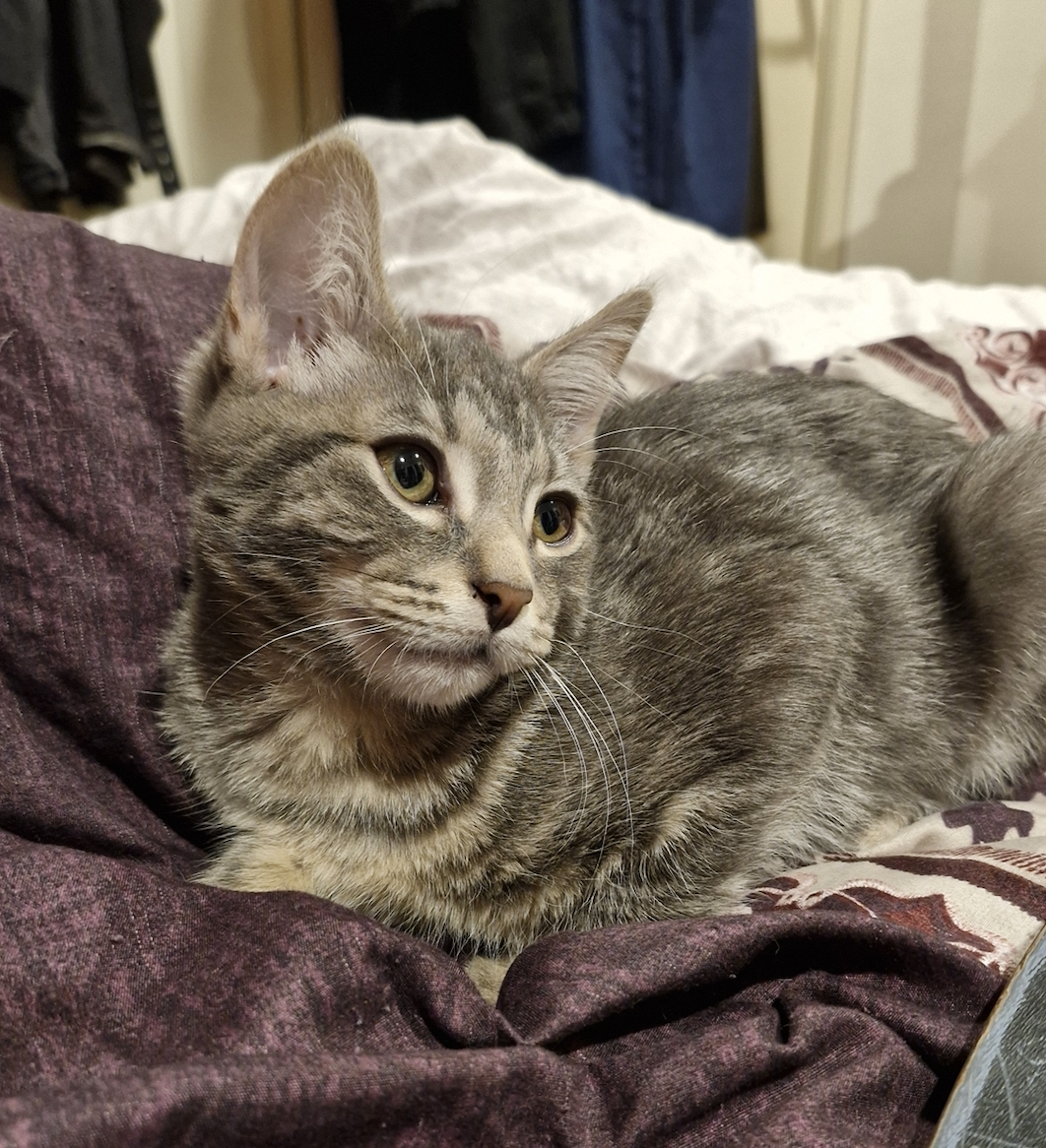
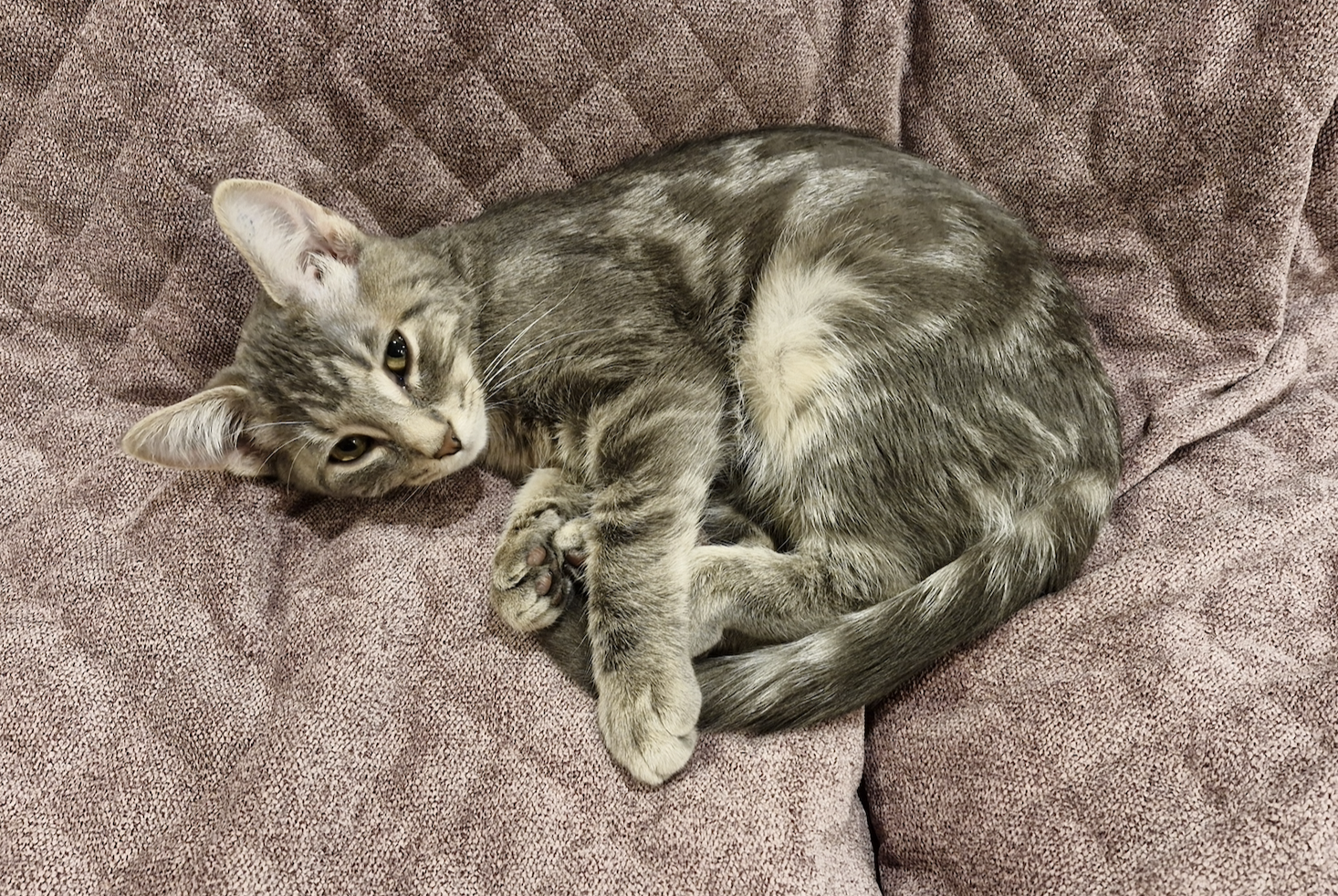
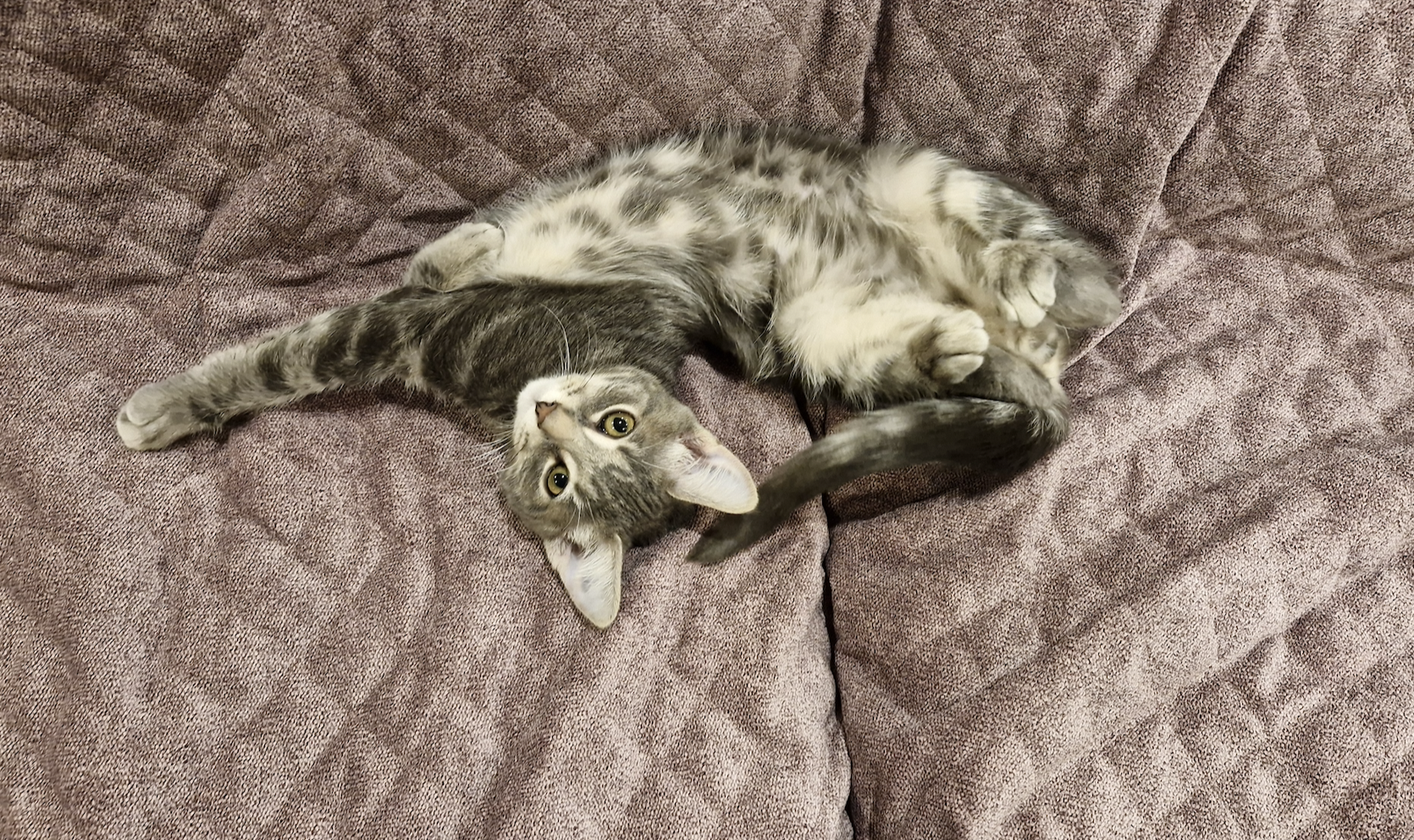
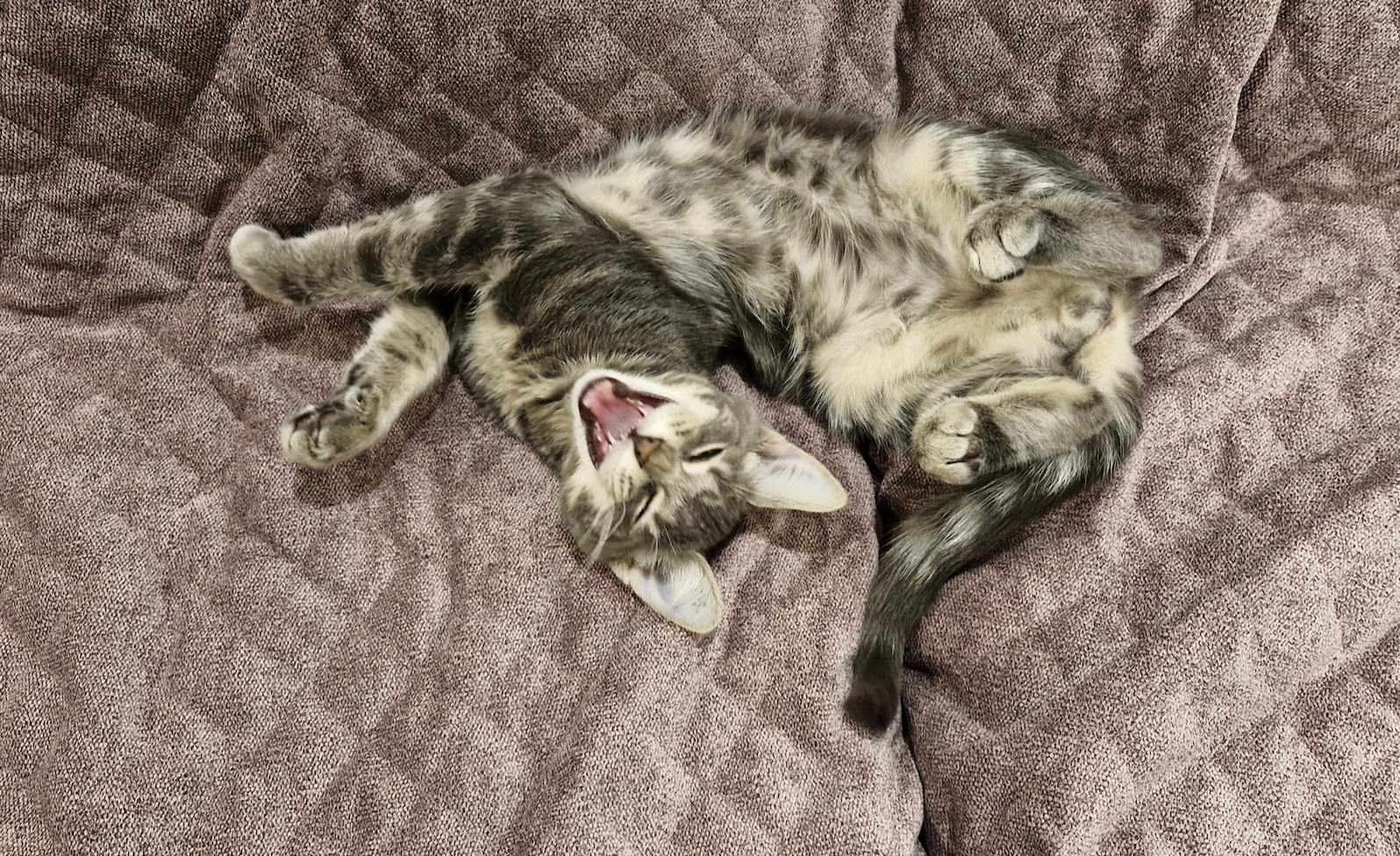
Okay, the last three photos were all taken on the same day. Aren’t they great though?
So you’re thinking of adopting a kitten. . .
First, let’s take a moment to think about this twenty-year commitment to a living being!
This guide has sections:
Two is always better
Cost
Kids and Cats
What do you need to get before the kitten arrives?
Eye Contact, Physical Contact & First Contact
Training Your Cat
Cat Manners and Communication
Sickness
Cat Politics
Bits and Pieces
I wrote a blog about introducing my younger cat (Zoom) to my cantankerous older cat (Zipper), with lots of advice. You can read it here.
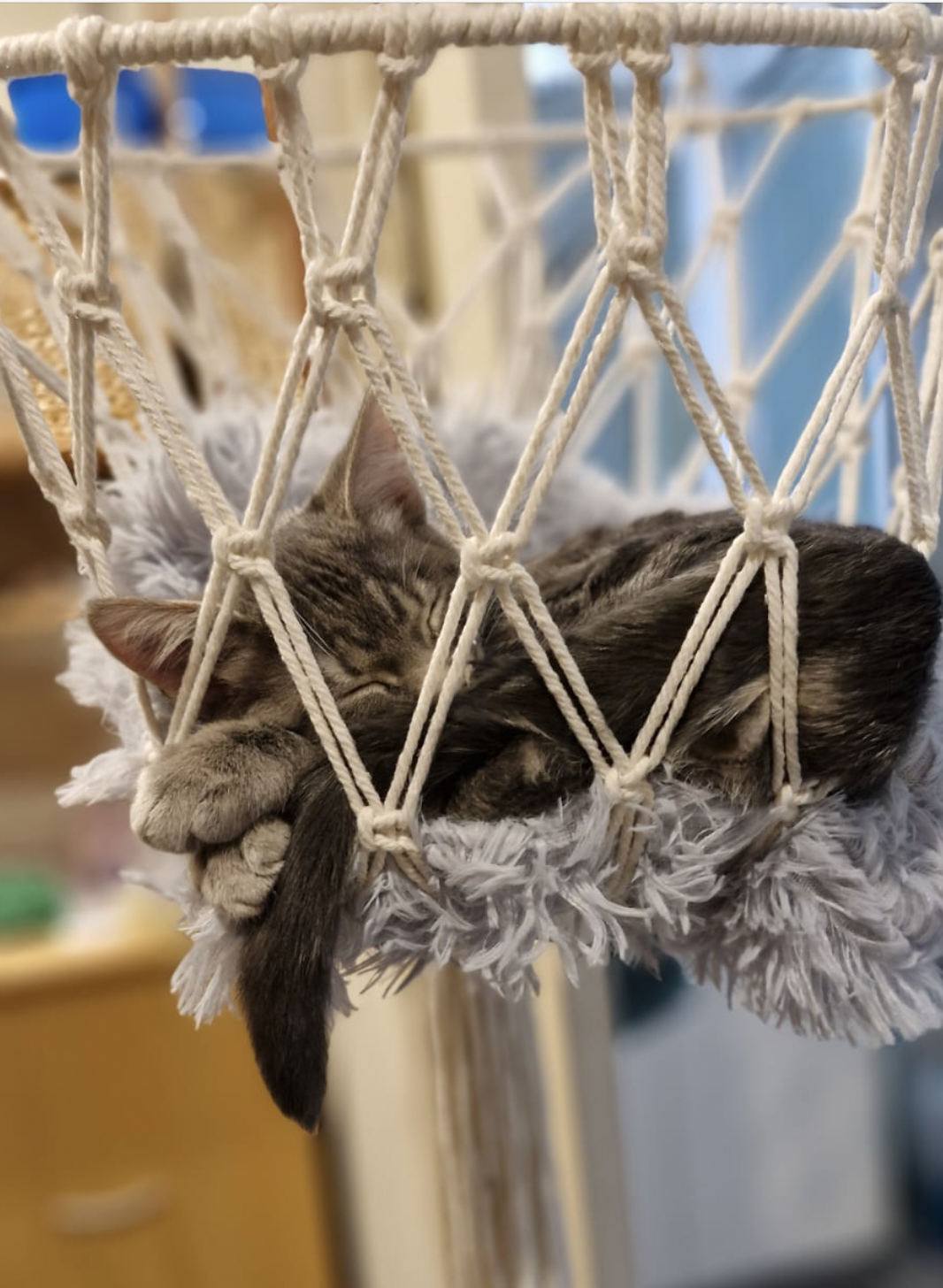
Two is always better
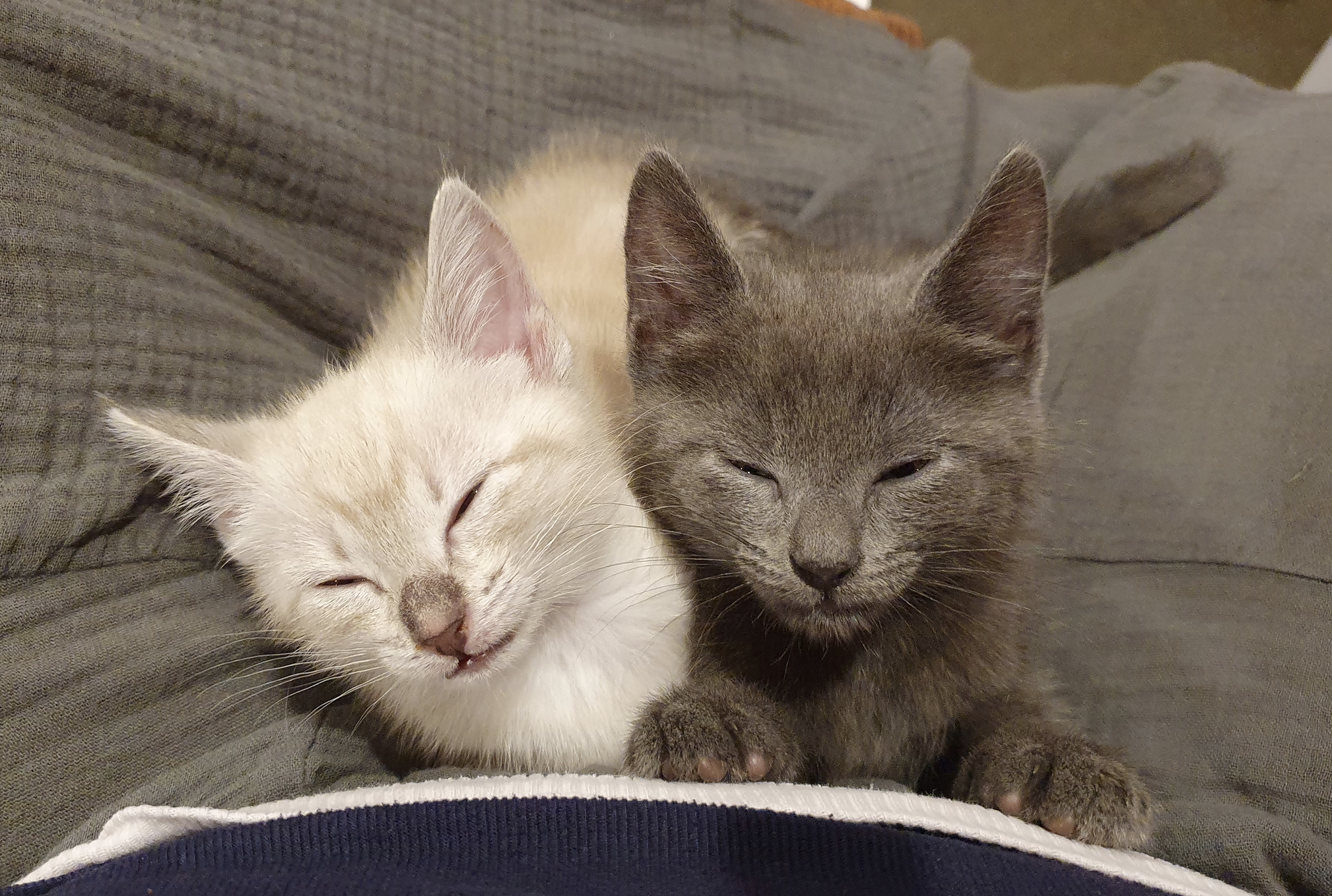
There is nothing cuter—or more entertaining—than a bonded pair of kittens. But there are also several coldly logical reasons to adopt two kittens:
- Kittens need about two hours of play time daily. The best toy for a kitten is another kitten. If you don’t want zoomies at 3:00am, your best defence is getting two cats.
- A solo kitten may develop Single Kitten Syndrome. Kittens teach each other physical boundaries, meowing mid-wrestle to indicate when a bite is too hard. Without that mutual training, they often get obsessed with biting and will bite humans (hard, and often, and without provocation). It’s virtually impossible to train them out of it.
- Any cat born since mid-2022 must be kept on your property if you live in the ACT. That means they must stay either inside or in a cat run. A lot of cats get very very bored as a result, and some of them develop behaviour problems (like defecating in your bed or biting you or your kids). The solution is another cat. OR if you don’t want to get two cats, you can adopt an older cat, so they can roam outside (assuming you’re not in one of the cat containment suburbs).
- With every week that passes, a kitten gets less open to the notion of another cat in their space. Even if they tolerate another cat, it’s not the same as a bonded pair. Better to start with two. (They can also forget each other after as little as a week apart.)
More than half of the people I meet adopting kittens are getting a second cat, and crossing their fingers that the relationship between the two felines will work out. It’s MUCH better to get a bonded pair if you possibly can! Most adult cats are fundamentally opposed to a new feline friend, and although the majority will eventually tolerate the new member it would be better for everyone if you adopted a pair of friends from the start.
Kitten Lady has seven reasons you should adopt a pair instead of just one kitten. She also has tips for those who want to adopt just one cat or kitten.
Cost
Adoption fees are usually around $350 each. Cats should be desexed, microchipped, vaccinated, and given monthly flea and worm treatment before they’re adopted. It can easily cost $700+ to get basic vet work done yourself, so it’s worth adopting from a rescue for that reason alone.
Food and litter costs between $50 and $150 each week per cat (more for specialised food). A completely healthy cat that never has a single health issue would still cost around $200 per year at the vet for their annual checkup and vaccination. However, a single medical incident (eg swallowing a hair tie) can easily cost $1000-$10,000. An illness such as cat flu will probably cost you around $500. Serious health issues will costs thousands, possibly several times over. A lot of cats will have dental issues at some point. You can expect to pay $1000 if a single tooth needs to be removed.
Parasite treatments cost around $50/month per cat.
A carrier costs $50-$500, and cat scratching posts also cost $50-$500 (more for the really elaborate ones). Professional cat runs cost around $5000.
I often go to Goulburn Vet or Cooinda Vet at Marulan because vet costs are cheaper there than in Canberra.
Many people get pet insurance, which costs around $50/week.
(Speaking of the cost of food, litter, and vet care, would you like to donate to my ongoing GoFundMe so I can continue rescuing cats? I can’t do it without help!)
Kids and Cats
Many organisations will point-blank refuse to let you adopt a cat (especially a kitten) if you have a child aged eight or less. The reason is that cats (especially kittens) get underfoot and kids are uncoordinated, fast-moving, and unaware of their surroundings. Sometimes a child steps on a kitten and kills it. It’s not common but it does happen, and it’s obviously incredibly traumatic for everyone. The solution is to be aware of the possibility, and to supervise kid-cat interactions very carefully, especially for the first six weeks. It can also help to teach kids to look around carefully while they’re walking around the house (remembering that they’re kids and they can’t instantly become adults), and to get a more cautious, flighty kitten rather than one that gets underfoot. Cats over one year old are much bigger and safer. You can also keep a cat in just one section of the house, which will help (although they will probably try to escape, and that adds the risk of closing a door on them).
I have been told that cats sometimes sit on a baby’s face and smother them to death in their sleep. I suspect this is an urban legend, but I wouldn’t let a cat sleep with a baby for this reason.
Cats definitely understand that children and babies are different to adult humans. Some treat them as younger kittens to be cared for. Others treat them as a dangerous threat (noisy and unpredictable). Still others see a chance to dominate them, which can be tricky because they may choose to attempt dominance through scratching, biting, or jumping on them.
Pretty much every cat in the world will scratch your kids sooner or later—by accident if not during play time. But especially kittens. However, I find that rescue cats scratch less than purebred cats (as they have a better sense that humans are different to cats), especially if they were rescued when they were at least two or three months old.
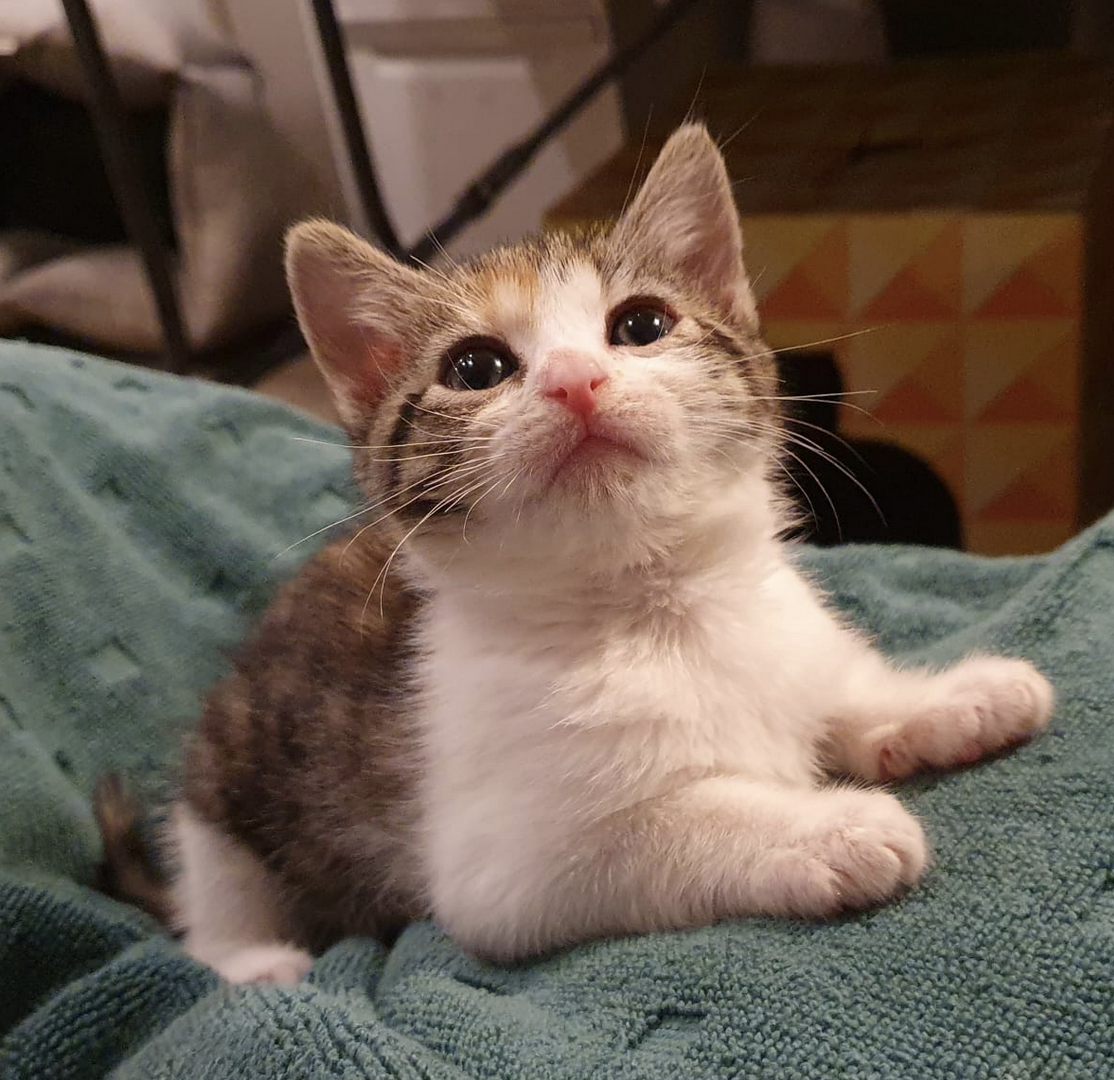
What do you need to get before the kitten arrives?
You need toileting supplies, bowls, wet and dry food, a carrier, and a scratching post. Toys are fun and highly recommended but can be made out of household items (paper, cardboard boxes, towels, etc). Within a month you’ll need parasite treatments too.
Toileting Supplies
Litter trays: Most cats prefer to have a tray for poo and another tray for wee. They also may not be willing to share with another cat (or they may deliberately use a different cat’s tray as a show of dominance). If in doubt, get the same number of trays as you have cats, plus one more. If you have a two-storey house, there should be at least one tray on each floor. You can buy trays at Woolworths, but they’re quite small and a kitten over six months of age may find them too hard to use. A plastic storage tub usually works very well. All your trays can be in the same room, directly next to each other, especially if your house is small. They should be at least a metre away from the cat’s water, which should also be slightly separated from the food.
Scoop: You need at least one scoop, and should scoop the trays at least twice a day, plus anytime there is poo in a tray (for your sake as much as theirs). Kittens tend to poo at least twice daily. There are small plastic scoops in Woolworths which are fine. I recommend always having a spare one on hand in case the first gets unusually nasty.
Litter: I use World’s Best Cat Litter (also available from Woolworths). It is quite expensive but reduces smell a lot due to absorbing moisture. It is ‘clumping’ meaning that even urine turns into balls that can be scooped and put in your normal toilet, then flushed. That means most of the litter stays clean and it doesn’t need to be changed as often. Most cats are very adaptable to different types of litter, but I always place them in the litter immediately in a new home (possibly even doing a bit of gentle digging with their paws to make sure they get the idea). Usually, showing them the litter is enough—but more on that later.
Some people line their litter trays with plastic litter bags (some cats will not tolerate the noisy plastic though). Others wash litter trays in detergent and water (obviously not in the same sink food is washed in). That’s what I do at the moment, and then spray them with Glen 20 before using them again.
I like to put bath mats around the litter trays to catch most of the inevitable scatter of litter. I can easily shake them out and wash them.
When you think about it, it is incredible that cats instantly understand that the litter tray is their toilet. However, sometimes their understanding is not perfect. They (very understandably) see some other locations as toilets as well: the dirt in pot plants (or gardens) are an exact match for toileting in the wild, and they are also drawn to soft fabrics such as washing piles, linen cupboards, and beds. The best way to prevent this confusion is to supervise them carefully for the first couple of weeks, restricting their access to tempting toilets (eg by closing bedroom doors and removing pot plants) until they have formed a strong habit of only using their litter trays. I recommend giving them a small ‘range’ at first, such as the laundry, hall, and living room. This helps prevent them from getting overwhelmed by exploring the whole house at once, and reduces stress. It also means they’re much less likely to poo somewhere you don’t want them to poo.
They won’t poo where they eat, so if you have an issue with them pooing somewhere several times, you can stop them by placing a food bowl there.
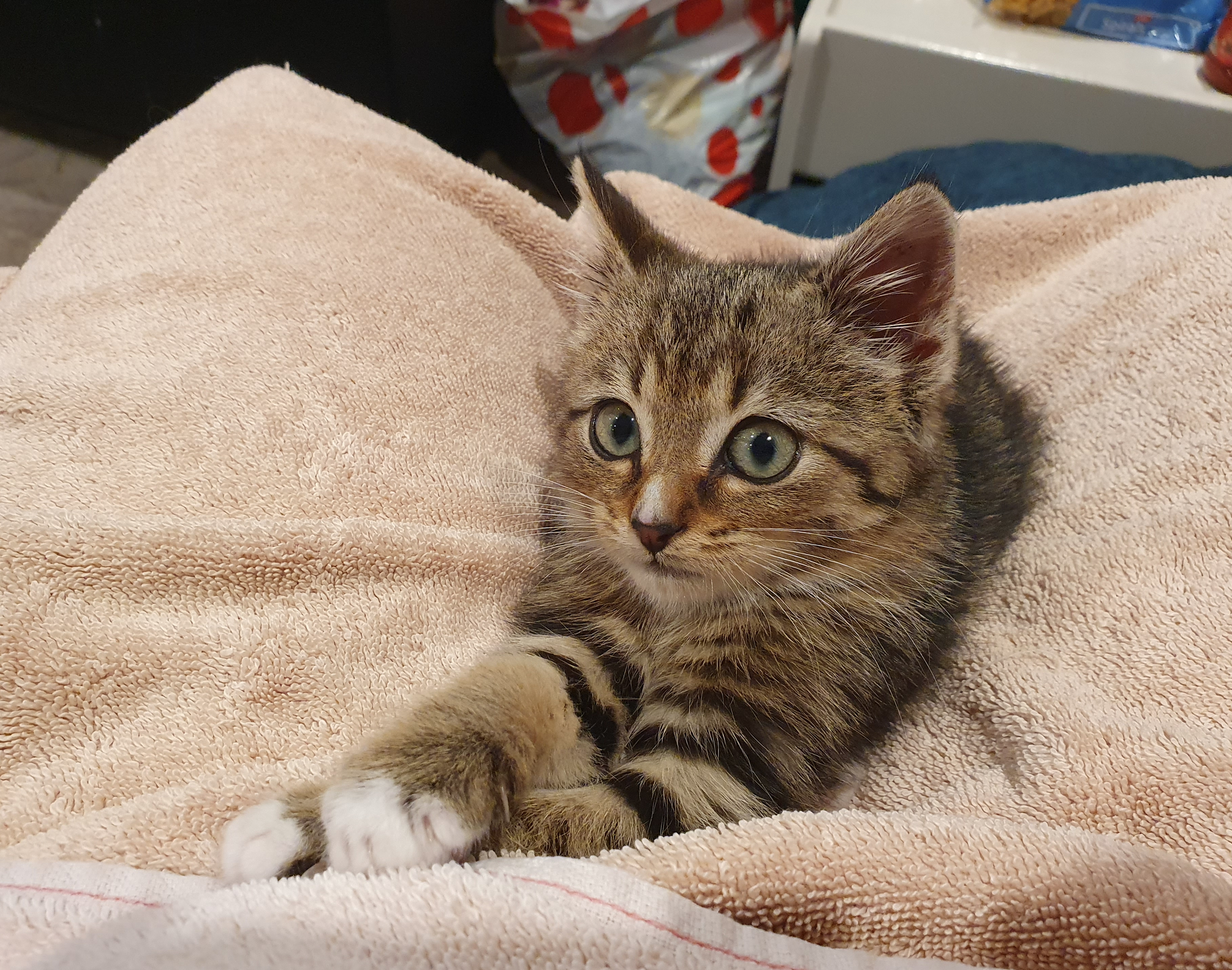
Bowls and Food
Almost any type of bowl is fine—ceramic, steel, or plastic. It doesn’t have to be a cat-specific bowl although there are many that claim to help with eating or digestion (and others that slow down a cat that eats too fast).
A kitten should have at least two water bowls (apart from anything else, they may accidentally tip one over). Water and dry food bowls should be checked and daily (topped up if necessary), and washed once per week (otherwise things grow in the water). Wet food bowls are just like your dinner plates—they get washed every time they’re used.
I typically give kittens dry kitten food on demand and wet kitten food twice a day (I’ll tell you when you adopt them how much they typically eat). Cats have shockingly delicate stomachs so you need to be VERY gradual when changing their food. Don’t do it within two weeks of them arriving at your home. Don’t change wet and dry food at the same time. At 12 months, they can eat regular cat food (but of course make the change gradually).
You can tell their stomach is unhappy because their poo will smell unusually bad; they may fart or meow in pain when defecating; or they may refuse to eat the new food. Generally I feed them Royal Canin if cheaper food isn’t cutting it. Royal Canin has ‘Mother and Baby Mousse’ for kittens up to four months (and an equivalent dry food), then they switch to a different Royal Canin kitten food for the remaining eight months of kittenhood. Then there’s adult food of course.
Felix cat food is much better quality than Whiskas.
One of my previous kittens had a very weak stomach and now eats Zyka food, which is excellent quality. Their owner carefully researched which cat food had the highest percentage of actual meat, and once they adjusted their poo didn’t smell nearly as bad.
Other cats may get special food that needs to be kept in the fridge, or their owners may cook for them. Remember to give their stomachs time to adjust to whatever you feed them. Even something as ‘pure’ as plain roasted chicken breast will upset their stomach if they’ve never had it before.
Remember: Most cats are lactose intolerant! However, lactose free milk is safe for them to drink as a treat.
Carrier
Sadly a cardboard box is not going to work—cats are too wriggly. Most cats really enjoy the mesh-sided carriers, not just when travelling or going to the vet, but as a bed or play space at home. However, one kitten I knew dealt with the stress of travel by rubbing his face against the mesh, breaking off almost all of his whiskers—so he needed a plastic carrier. I will take kittens to the vet before they’re adopted, so I’ll have some idea of how well they travel and if they have an aversion to mesh carriers.
Scratching Post
Cats need to scratch things, just as you need to sometimes cut your nails. Some people choose to cut their cat’s claws, but even those cats still need to scratch as the instinct is very strong. I recommend putting a scratching post near your couch so hopefully you can convince them to leave your couch alone. You can buy very cheap scratching posts and pads (the cardboard ones get destroyed and need to be replaced, but a lot of cats adore them; destroying them is part of the fun) from the Reject Shop. The Reject Shop also has surprisingly good toys (but use your discretion if a toy seems unsafe eg if small pieces can be broken off and swallowed).
Toys
Technically you can make your own, but official cat toys are also very fun. I recommend ‘fishing pole’ type toys—something dangling from the end of a stick—because it helps the cat to attack the toy rather than your hand, and it’s easy to exercise them without having to run up and down the hall yourself. Ditto ping pong balls. When I have something for the recycling box, I often let the kitten/s play with it for a little while first, so they get some variety.
Medication
All cats should be treated for parasites (worms and fleas) once per month. Parasites can be brought into your house on shoes, bags, etc so even an inside cat needs ongoing treatment. Also, parasite treatments are only about 99% effective, and parasites breed with impressive speed. Their tiny babies generally survive treatment and can live (and grow up and breed) for literal years.
Truly, nature is amazing.
It is possible for worms and fleas from cats to infect humans (fleas much prefer cats to humans, but worms love every warm body).
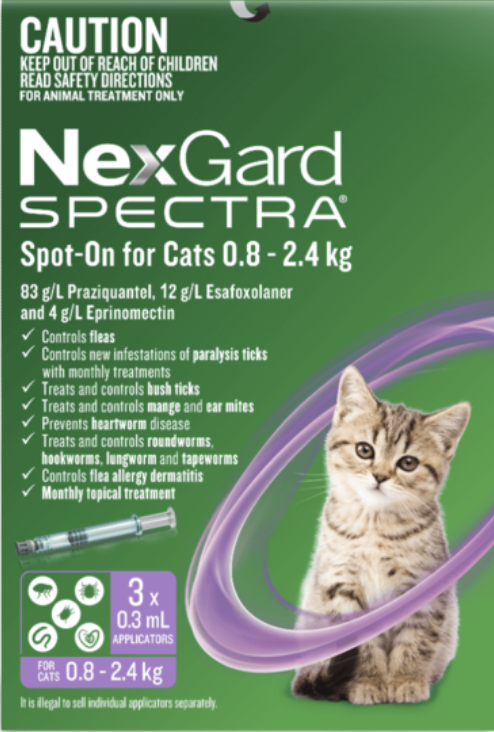
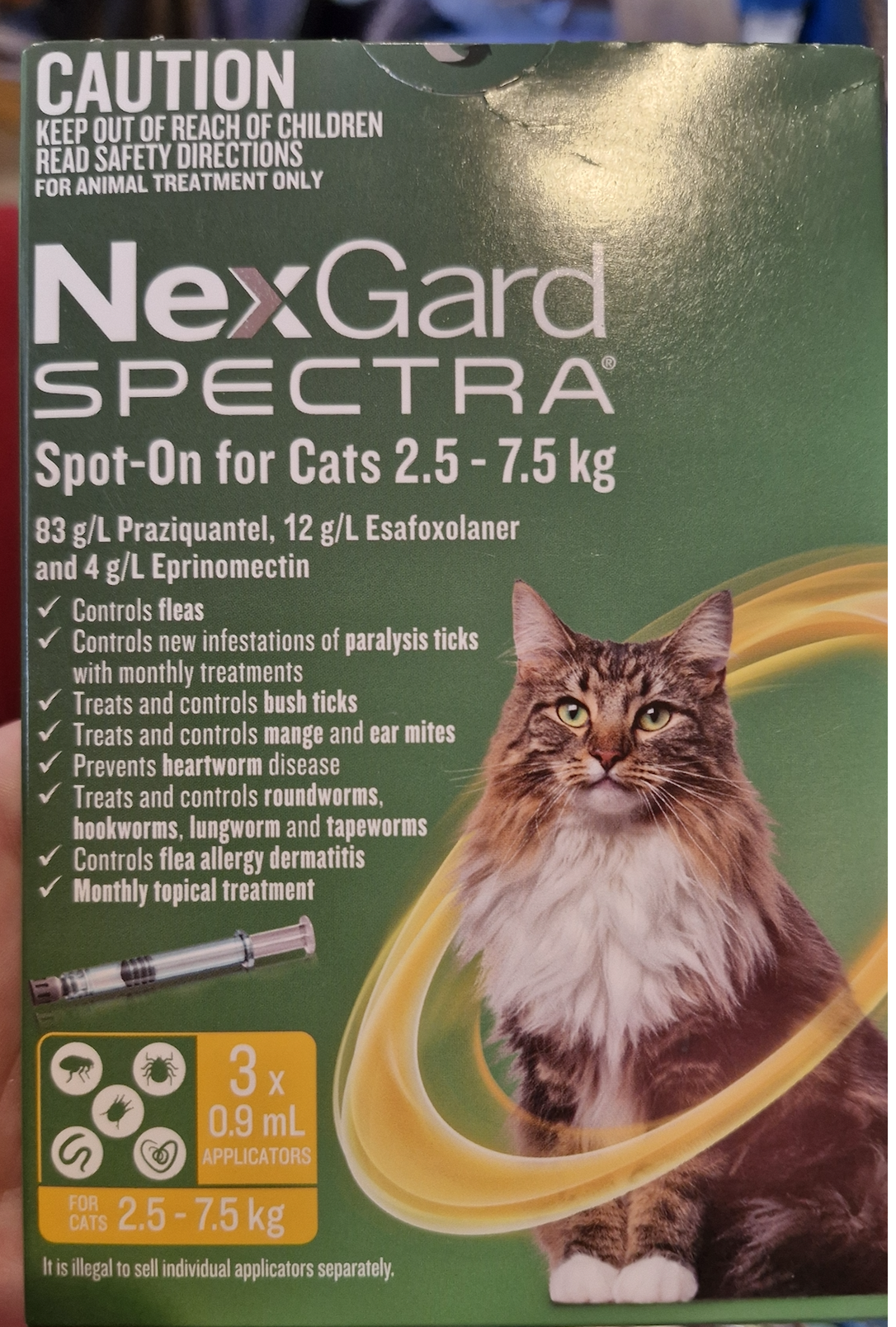
There are lots of types of worms, and the back-of-the-neck treatments do NOT cover all of them. Nor do the pills. So both treatments are necessary. The exception is this brand, which really does cover everything, but it’s very expensive.
Back-of-the-neck treatments like this one need to be put on the skin, not the fur (a bit of spillage is okay). This one has more in the vial than other brands, so I put it in a few different spots (close to each other) rather than squeezing it all out in one go.
It’s worth noting that ringworm is NOT a worm but a fungus. But I’ll talk about ringworm later.
A kitten needs two vaccinations, given a few weeks apart. As far as I know, I’m the only foster organisation that sometimes arranges both kitten vaccinations. Most arrange the first set, not the second.
After they’re a year old, they’ll need vaccinations annually.
Eye Contact, Physical Contact & First Contact
Like most autistic people, the majority of cats don’t like prolonged eye contact. This is true of most mammals, as eye contact is often a dominance move and/or the prelude to an attack. (This is also one reason cats often gravitate to someone who is allergic to them.)
The best way to make a cat feel safe is to sit on the ground (you are VERY big and scary) and ignore them, with one arm or leg outstretched so they can approach in their own time and sniff you from as far away as possible. If you talk, use a gentle, steady voice. Meowing is great as it confuses them tremendously, which lowers their fear level and raises their curiosity. Under these circumstances (and if there are no major distractions such as other cats, pets, pet smells, or people) the average kitten will approach you within ten minutes (the average older cat would take longer—half an hour perhaps).
If you meet their eye, give them a slow blink. It shows that you respect them and do not intend to start a fight. It also shows affection. A slow blink is a great, respectful greeting of your cat throughout their life (and they will often return the favour, which is absolutely a compliment).
All cats are shy, because all cats have very strong prey instincts. Like small birds, they are braced to flee at the slightest noise or hint of a threat.
A ‘very shy’ cat could take weeks or months before letting you pat it. A stray or feral cat can take years. However, it is possible for a very shy cat to also be a major snugglebug. They just need time.
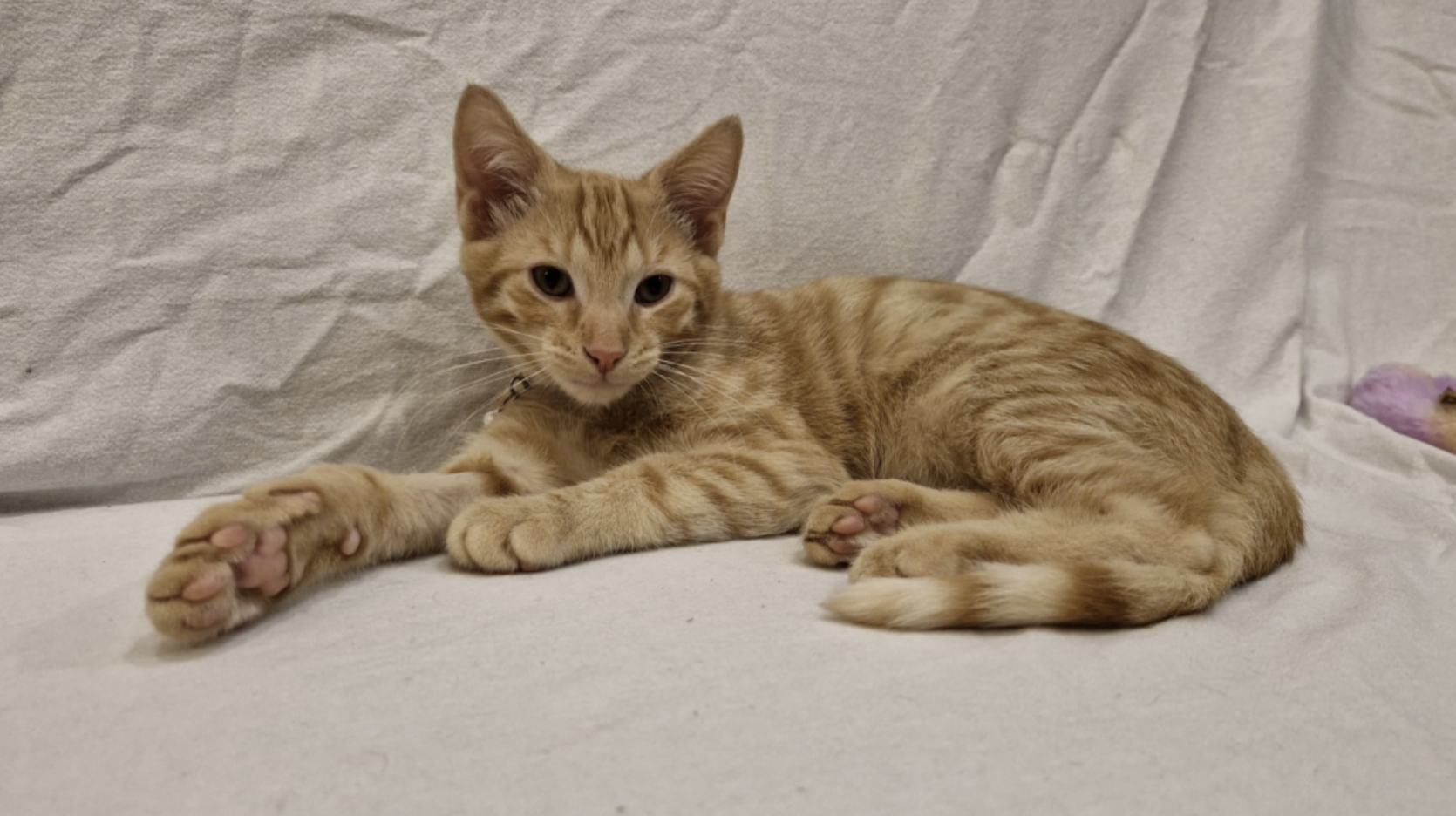
I find that kittens who are 4-6 weeks old when they are rescued tend to decide within 24 hours that I am their mother, and all they want is to be near me (but they may not be great at cleaning themselves). They often accept all humans once they’ve accepted one. Kittens who are 6-8 weeks old take longer to accept me, and are not as devoted to me. If they come into care when they are over 8 weeks old (and haven’t already had positive human interaction), they are likely to remain wary and shy of new people for their whole lives. However, that can also mean that they don’t get underfoot as much, and are more careful not to scratch humans.
There are two reasons for a cat to give you prolonged eye contact. One is dominance/fury. I know when my older cats are angry because they glare at me. (My husband is careful not to lose a staring contest with the cats, because he does not want them to think they are the boss. Which is fair! Cats will often punish their owners by pooing outside of the litter box. Our cats know that they will just get in trouble if they try to pull something like that.) The other reason is love. Kittens who have grown up with humans will often gaze lovingly at you. Feel free to gaze back (ideally with the occasional slow blink)!
Before you try to pat any cat, you should introduce yourself by letting them sniff your hand or finger. If they don’t look excessively terrified at your mere existence in the same room, reach out your hand, palm down and relaxed, and let them sniff it. If they have a good sniff and then settle back into position, you can choose to move away or slowly pat them (patting their side is best as a pat on the head can be seen as threatening).
You are most likely to get good results if you let a cat approach you, rather than you approaching them.
A lot of cats will sit near you but just far enough away that you can’t pat them without getting up. They will also often face away from you. It can be frustrating, but they are still being companionable. In fact, many cats will follow you from room to room, only to sit facing away from you and out of reach. It is still a compliment!
A lot of cats sit somewhere prominent and graciously accept pats whenever one of their humans walks past. Others demand lap time and/or sleep on your bed.
Whether your cat sits nearby, next to you, or on your lap—let them choose the level of affection 95% of the time for best results. They don’t speak English, so the only way to communicate that you are safe is to respect their boundaries. Some cats feel safer up high, and some cats feel safer under things (eg under a desk). Be careful not to make them feel trapped by approaching them when they don’t have an escape route, especially if they’re in a playful or wary mood.
It is very rare for a cat to tolerate hugs (aka a terrifying cage made of your arms) although most will allow it for a few seconds if they trust you enough. You can feel their muscles tense, and then they will begin to struggle gently (then with increasing force and eventually claws and teeth). Don’t push it. If you do hold them, have one arm under their back legs, and their front legs resting on your other arm. It is secure but loose, so they feel less trapped.
The majority of cats find it extremely stressful to be picked up at all. Mother cats carry kittens by the loose skin on the back of their necks. The younger (and lighter) a kitten, the more likely that they are comfortable (and even reassured) by this method of picking them up. It is also safer, as most kittens automatically ‘flop’ in response. It’s usually not appropriate for adult cats.
Otherwise, you can pick them up by scooping them under the chest and putting your other arm under their back legs, then bringing them to your chest for a secure hold. You want them to feel that you are definitely not going to drop them, but they can jump away if they want to.
Moods
Most cats have very distinct play and sleep cycles, with at least two play sessions a day, often first thing in the morning and then again at dusk (cats are diurnal, so dawn and dusk are their natural hunting times). When they have ‘zoomies’ they are often so hopped up they almost seem in pain or terror eg running full tilt from one end of the house to the other, emitting odd meows and chirps, or jumping in shock at the slightest thing. Don’t worry, zoomies are natural and healthy. Toss them a ball (or a pen, or bit of scrunched-up paper) to encourage them and don’t be concerned if they run into walls. DO NOT attempt to pat or snuggle a cat with zoomies! They are extremely hyped up and may respond as if they’ve been attacked. Imagine you were alone and lost in a dark alley of an unfamiliar city at 3am with heavy footsteps coming towards you, and then someone grabbed your arm. Even if it was your grandmother, you’d probably instinctively punch her in the face. That is how a cat feels during zoomies (extremely jumpy), except in a fun way. If you have children, teach them the signs of a cat in a playful mood, and teach them to stay out of the way (and grab a fishing-pole toy to get the most out of the kitten show).
Playful mood: Wide eyes, big dark pupils, flattened ears, twitching tail, and fast, jerky movements. Running or crouching, especially if their butt is wiggling and their gaze is fixed while they are crouching. Rolling over on their back and exposing their belly (it’s a trap!!!)
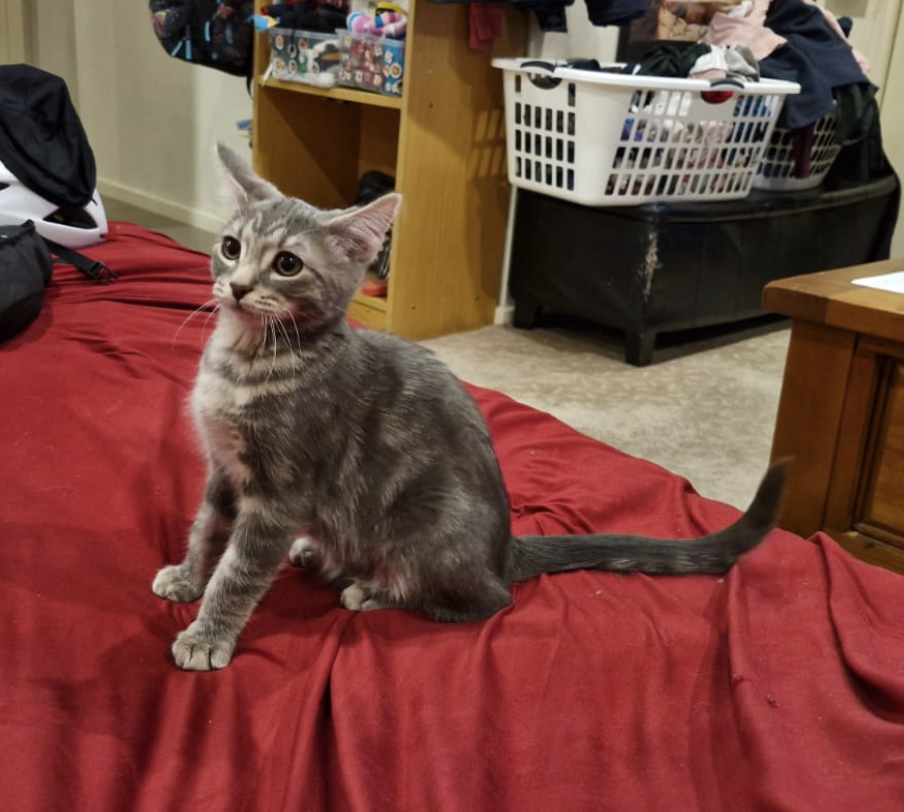
Kittens are so energetic they will sometimes go directly from sleep to playful, especially if you are dangling a toy at them. But like us, they usually need some wake-up time first.
A cat who feels safe and happy will respond positively to their humans when they wake up. They may start purring or meow a greeting. They are likely to stretch and blink, and often roll onto their back and luxuriously stretch. In a just-woke-up scenario, the belly exposure is not a trap but an invitation to pat them. Many cats love chest pats BUT it is also an excellent fighting position so some love to grab hold of your hand and bite it with affection. You need to choose whether to teach them to hold/bite you gently, or to avoid belly rubs altogether.
Training Your Cat
Yes, a cat can be trained. The level of training depends on the cat’s intelligence and personality, the amount of time you’re willing to invest, and how much you understand cat behaviour. Cats don’t have a sweet tooth, but there are plenty of cat treats out there. Some cats aren’t too fussed about them, and others would teach themself to open a jar in order to get to them (seriously!!)
If you’re adopting from me, your cat will probably know the following words:
Their name (and most of them will come when I call because I always use their names when giving them food or treats).
Dinner.
No (said in a low, threatening voice).
Gentle (mainly used when two cats are fighting each other and not listening to the other cat’s meows of pain).
Ouch! (Very much associated with “No”.)
I use their names constantly, but especially when feeding them wet food (at which point I also call “Dinner!”) If they don’t respond to “No” by itself, I physically remove them (which is a punishment as they’re very social creatures) and/or tap them on the nose with one finger, which is annoying rather than painful but gets the message across.
About 5% of cats turn the tables and start to train ME eg they know I don’t like getting bitten, so when I am about to leave the room they will bite me as punishment. Those cats are tricky, and I will warn you if yours is one of them! I’ll also let you know if your cat is bent on escape. Most cats try to escape at least some of the time, with varying amounts of determination. I strongly recommend getting a collar for this reason. It means that if (when) your cat escapes, passers-by can tell instantly that they have a home. A lot of good-hearted people accidentally kidnap beloved pets because cats will act as if they’re homeless and starving in order to get extra treats. Cats are liars!
Some cats are naturally more vocal than others. I try to discourage a lot of nagging meows by ignoring them (or sometimes saying “No”), which works fairly well if I can get the whole household to stick to our guns. But I encourage ‘trilling’ (that adorable ‘prrm?’ noise). If they’re particularly vocal, I’ll let you know. Some people love having constant conversations with their cats.
Some of my previous foster kittens have learned some basic tricks (such as ‘sit’ and ‘beg’) and/or they can walk on a lead.
Cat Manners and Communication
Violence
Cats are both predator and prey. They are expertly designed killing machine, who hiss and fight literally before they can roll over. They are faster than humans, and they have very sharp knives on all their limbs and in their mouths.
They NEED to play. They need to ‘kill’ (destroying their own toys is extremely satisfying). They often hide toys—not to annoy you, but because their instincts tell them to do so. They scratch and bite and kick one another shockingly hard, and when they attack you (your hands, your ankles, your hair) it is actually a sign that they are accepting you as a friend (basically, you are a very weird cat). They express love through violent play. However, they absolutely DO communicate to each other when a scratch or bite is too painful, so it makes sense for you to communicate with them that they must not claw or bite you. The simplest line to draw is, “No not ever.”
Remember, when they are small, they don’t hurt you (much). They are also cautious with new friends, being gentle and tentative—at first. It is adorable.
But. They get much bigger and stronger very quickly, and a sweet little kitten nip is the equivalent of a bloody bite from a year-old cat—so if you accept nips when they’re young, you are likely to get bites later.
If you want a cat that is so well-trained it doesn’t even bite when a toddler yanks its tail or forces it into cuddles, then the “No not ever” rule is best. It requires discipline from you and everyone in your household: never ever wriggle your fingers enticingly for them to chase. Never let them wrap their front legs around your arm or leg in a ‘hug’. Never accept them charging at you and batting gently at your legs. Always say, “NO” from Day 1 and if necessary tap them on the nose or put them in a room by themselves.
If they are reasonably teachable, offer them a toy to chase or bite as soon as possible after saying, “NO” so they quickly understand that their hunting instincts are allowed, but must be directed towards inanimate objects.
If you have had cats before, you don’t have young kids, and you’re confident in your abilities, you can teach a kitten to play with you while still being gentle. It is fairly easy for a kitten to learn to always keep its claws sheathed when playing with humans, but ‘gentle biting’ is trickier. However, most young cats can be taught to ‘mouth’ your fingers instead of actually biting you at all.
You can teach a cat that they can attack you more violently through a doona, but there is a strong risk that they will unleash their full strength through any fabric (I assure you they can draw blood through even thick jeans). So watch out for that.
Sickness
Because cats are prey animals, they naturally hide their illness. Unless they are actively bleeding or can’t walk, you need to actually pay attention to know when they need to see a vet.
Some cats will not eat or drink for 24-48 hours in a new place. Keep a sharp eye on their litter (so you know when they start to wee) and try to give them lots of alone time (with no humans and especially no other pets). It is often helpful to keep them in a laundry or bathroom for several days (with bath mats and/or a bed so they’re not on the tiles, and with heating or cooling if necessary so it’s between 18 and 30 degrees celsius). A small room can help a nervous cat get used to their new environment, although most will get extremely bored after about two hours, so ideally that small room is a place they can retreat to without being followed, but they can emerge when they want to.
If your new cat hasn’t eaten or drunk water (ie no wee in the litter box) after 24 hours, you definitely should be concerned. Please let me know, and we can arrange a visit for me to reassure the cat a little and give tips on making them feel better. I’ve never used Feliway but I’ve heard it’s amazing for calming a stressed cat. If they do not eat or drink for 48 hours, they should probably come back to my house for a few days to recover before trying again. I can also assess their behaviour and figure out if something more than the usual stress is going on, because I have spent a lot of time with them.
Cat flu is a serious illness for cats, and causes symptoms including runny eyes, runny nose, fever, and fatigue. It’s usually easiest to spot in the eyes. Unfortunately it can be brought on by stress (such as going to a new home). It may take a couple of weeks before they show symptoms. Because a vet visit can also be very stressful, you need to carefully balance the potential harm of a vet visit with the potential benefit. I would usually say it’s a bad idea to take a cat to a vet within 3 days of them arriving at your home. But if you are concerned, please contact me immediately so I can come to your house and assess their health. Kittens can die from cat flu. Most adult cats get better on their own. Don’t panic if your kitten sometimes sneezes; that’s actually not a sign of illness. If they sneeze often and/or produce mucus with the sneeze, that is a symptom of cat flu.
Go to a vet within 48 hours if your cat has a runny nose (clear or yellow/green), is drooling, or refuses to eat (try extra-smelly food such as fish first). Go to the vet immediately if they have trouble walking, if they are panting, if they are not drinking, if their eyes look painful or are not fully open, or if they are not playing at all. Ditto if the discharge from their eyes is yellow or green.
Cats can also get a fever from cat flu. You can test them for fever by feeling the temperature of their ears. If you feel them when they’re healthy they feel quite cool, and if you feel them often you are more likely to be able to tell if something is wrong. If in doubt see a vet of course.
If you are looking after them at home, it is good to wipe the moisture away from around their eyes and nose with a wet cotton ball. Steam can also help them, so it is often helpful to run a very hot shower with your cat in the bathroom and the heaters on for 10-20 minutes up to twice per day. Change their water frequently and keep other pets away. It may help to gently warm their wet food (mainly to increase the smell so they can recognise it despite a stuffy nose). Reduce their stress levels as much as possible.
Dehydration is another killer of kittens, and it can be extremely sudden. If your cat throws up more than once, they should go to a vet within 24 hours as they may need to be put on a drip to save their life before their kidneys fail. You can also test their dehydration level at home by pinching the loose skin on the back of their neck. If you let go and it doesn’t immediately go back into place, they are dehydrated. (You can do this for humans too, by pinching the skin on the back of the hand.)
Ringworm is a fungus that is incredibly difficult to eradicate as it can live in any fabric for twenty months eg your couch, your carpet, or your clothes. It is infectious to humans. It is called ringworm because it tends to cause little round red spots on the skin, sometimes in a donut type shape with a red ring that is pale in the middle. The spores can survive being washed, too. On cats, it usually appears on the face, ears, tail, and legs. If your cat has a tiny bald spot that isn’t a wound, take them to a vet as soon as you can and carefully follow their advice. The sooner you start treatment the less likely it is that you’ll have to burn down your house and all your possessions to get rid of it. (Seriously, ringworm is the WORST.) It’s actually quite a minor illness, causing mild itching only, but it usually takes months of obsessive cleaning and quarantine to eradicate. Always tell your vet that you suspect ringworm before entering their premises.
If a kitten is scratching a lot, they may have fleas, lice, or ear mites. Fleas are small black crawling things (more obvious if you part the fur). If you see white dots on your kitten’s fur, try to brush it off. If it brushes off, it is dandruff. If not, it is lice (not infectious to humans, but needs treatment). Ear mites look like dark coffee grounds in the ears. If your cat has lice or mites, see a vet (letting them know what you suspect before entering their premises). If it has fleas, use a topical flea treatment, and continue using flea treatments monthly for at least two years.
Poo is an excellent indicator of health and is often also used to communicate with you. When you scoop their poo, pay attention to sudden changes such as an abrupt change in smell, colour, or texture (sloppy). Take them to a vet if their butt is red/irritated (if they’re licking it a lot it’s itching or painful) or if they don’t seem to have control over their toileting. A lot of cats will have a mild reaction after vaccinations, worming, or while changing food but if their poo is watery they are seriously ill and at risk of dehydration and death. Also see a vet if they are straining or meowing before pooing.
Cats sometimes poo just outside the litter box if they have outgrown it, if the litter needs changing, or if they are stressed. If the litter stinks, there are not enough litter boxes, or they are very stressed, they may poo farther afield.
If your cat seems unwell, isn’t eating or drinking as much as usual (you can tell by the litter box if you can’t tell from the level of the food), isn’t grooming themselves properly, is gaining or losing weight, or isn’t as active as usual, there is probably something wrong. If they meow or flinch when patted they are likely to have a hidden wound (probably infected) and you should see a vet asap. If they spend a long time in your lap while still a kitten (without trying to play), if they seem weak, or if you can’t wake them up, it is an emergency and you need a vet to see them as soon as possible.
Most vets keep a daily slot open for emergencies, so if they are open try your usual vet first. If not, call Canberra Veterinary Emergency Services in Gungahlin on 6225 7257 and tell them what is happening. They will probably tell you to come in immediately.
It is possible for humans to get sick with toxoplasmosis, which is not a big deal unless you are pregnant or an infant. For this reason, pregnant women should never be involved in cleaning litter, litter trays, or anything that might have litter on it.
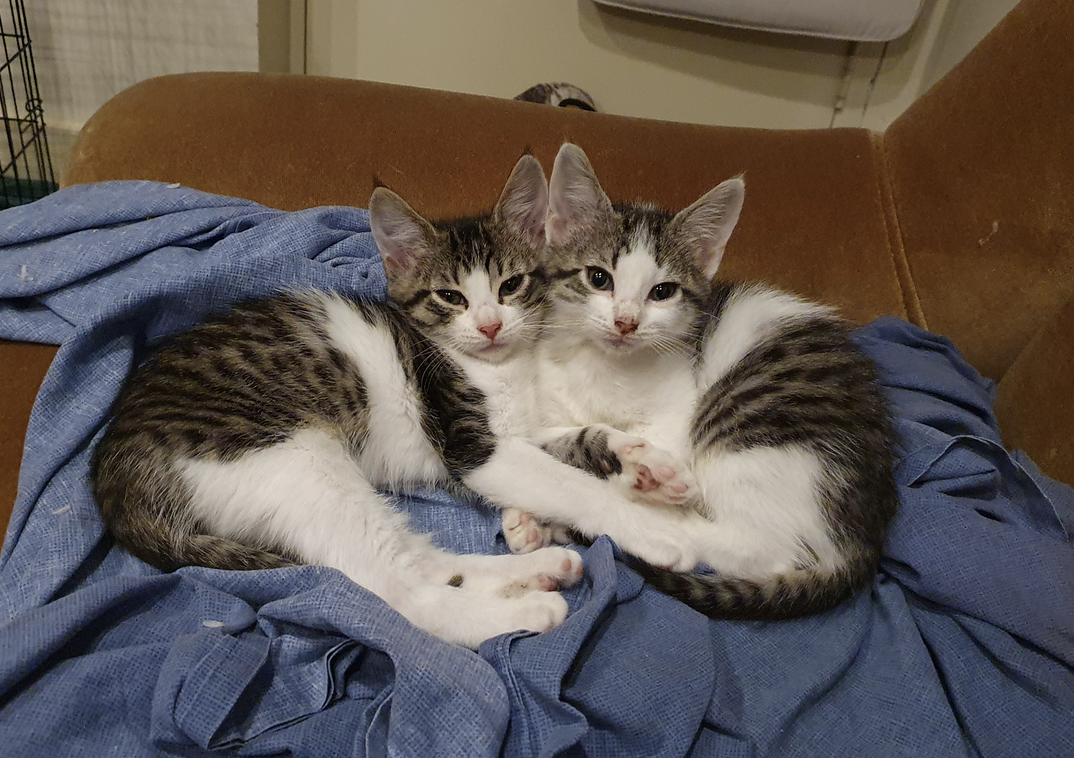
Cat politics
Cats are (believe it or not) social animals, often forming large and coherent colonies in the wild. Within a household, you are part of their colony… but you’re generally known to be a big but clumsy predator. An adult cat’s usual reaction to a kitten is terror. Kittens LOOK adorable, but in the right circumstances they can do a shocking amount of damage. They also have more energy than older cats, which makes them more powerful in some ways. However kittens are usually very curious and affectionate, and they tend to act very submissive to the bigger cat. As they age they may decide they’d like to be the boss and you may get complicated politics as the cats wrangle for dominance. Sometimes they will outright fight each other. Other times they will provoke each other in subtler ways, such as deliberately sitting in places that are the favourite spots of the other cat (possibly on your lap). Your job is to make sure they’re both getting all the love and attention (and food) they need. If they fight with real violence, eg drawing blood, you can try Feliway to calm them but you may need expert help. If they’re incredibly passive aggressive about it all, don’t worry. The competition probably keeps them from getting bored.
In a household with more than one cat, they may poo much more than usual if they are in one of these battles for dominance. It may help to have more litter trays or to use Feliway.
Bits and Pieces
Many cats throw up quite often, about once a month. That is a normal part of their digestive process. It is worth telling a vet at their regular checkup, especially if it is a new thing for you. If they throw up more often, it usually means something is wrong. In my household, it usually means Zoom (pictured) has managed to get into the kitten food again.
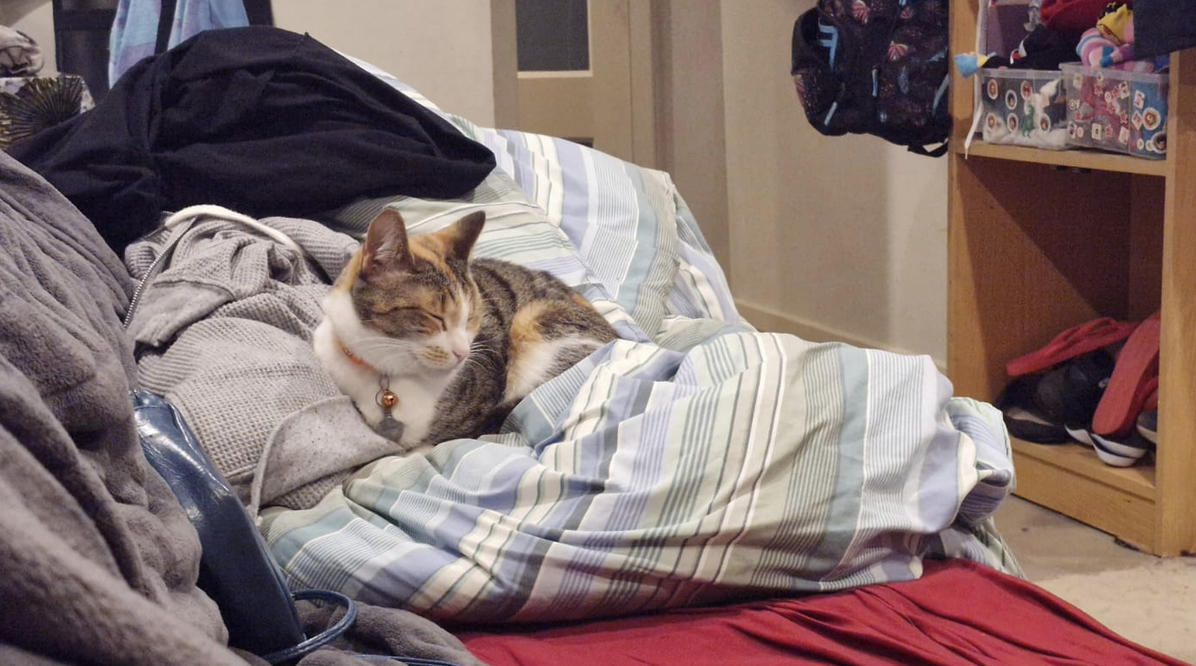
Some cats prefer humans to cats, and some prefer cats to humans.
Some cats are more cuddly than playful, and some are more playful than cuddly.
Cats often eat plants, so it is worth googling your plants to see if they are toxic to cats (the list is long).
I’ve also found that some kittens totally change personality within six months! So if you want a particular personality, you’re better off adopting a cat that is at least a year old.
Every group of kittens I look after seems to have one specific issue. One litter was obsessed with electrical cords; one would go ballistic if you tried to give them a pill; another litter was extremely loud and would complain if they were in a room alone; etc.
Medium or long-haired cats are gorgeous, yes. You’ll need to brush them at least once a week (sometimes daily). They will still shed about twice as much as any other cat. And, sooner or later, a poo will most likely get stuck to their butt and you will have to deal with it (either that or regularly trim their butts). So, choose wisely.
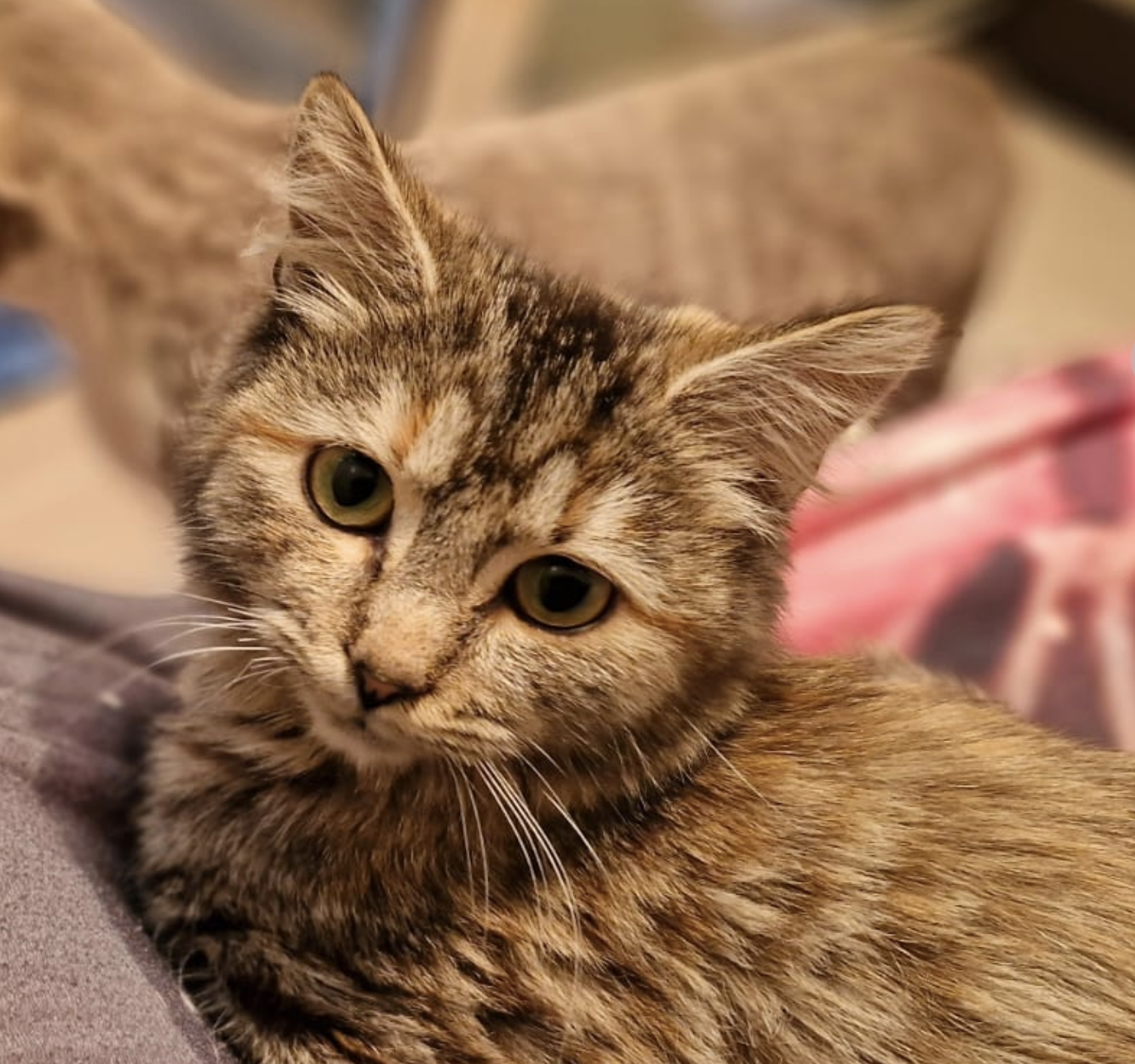
Most foster agencies will take back a kitten and refund the adoption fee if you change your mind within two weeks of adoption, for example if you discover that your child is allergic to cats or one of your other pets absolutely hates them. (It takes much more than two weeks for cats to adjust to a new cat in their home, but there should be at least a little bit of progress eg the original cat starts off running from the room when it sees the new cat, and has gotten to the point where it will sit on a very high shelf and suspiciously watch the new cat while sometimes hissing at it.) Please note that even two weeks can make a difference to a cat’s ability to be adopted (everyone wants the youngest possible cat) so don’t treat it as a free kitten rental service. These are living, vulnerable creatures. Moving houses is also very stressful for them.
If you adopt a cat and find your other pets absolutely will not accept it, that is an excellent reason to give up the new cat. Your older pets should always be the priority. However, if they are hissing at each other after two weeks there is still hope for them to accept each other. Hissing is not violence, but communication, meaning, “Stay back!” I also find that when cats are ALMOST used to each other they will play together with an edge eg they will wrestle hard, hiss a lot, and stalk each other. If their claws are sheathed, this kind of play is probably okay. They are sorting out dominance without actually hurting each other. But they should definitely be supervised closely.
Inside cats usually live about twenty years, so think carefully about where you will be in five years, ten years, fifteen years, and twenty years. It is sometimes difficult to find a rental if you have a pet, and it is very difficult to find a new home for a cat, especially if it is over a year old (with every week over twelve weeks, it gets much harder to find a home). Are you willing to give up a great rental because your cat can’t come with you? What if you are offered a job posting overseas? What happens if you have a child ten years from now?
If you give up your cat when it is no longer a kitten, it is more likely than not that they will be put down.
If you are okay with that, you should not get a pet.
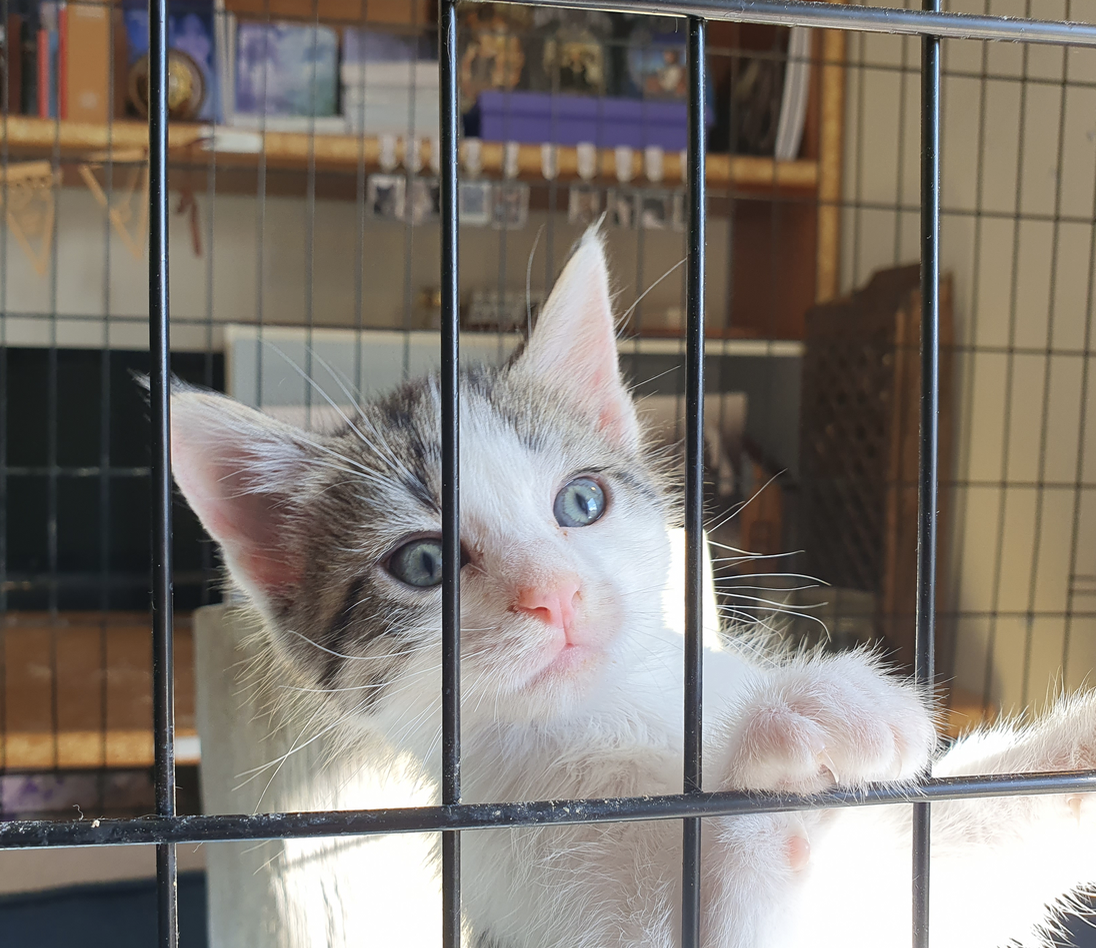
Things to ask your foster carer
- When was their last parasite treatment, what brand was used, and did they have a reaction?
- Did they have a reaction to a vaccine? When is their next vaccine due?
- What is their personality? Are they vocal? Do they prefer humans or cats? Are they unusually energetic or unusually snuggly? What is their favourite type of toy? Are they an escape artist? Are they obedient or naughty?
- What is their most annoying habit (there’s always something)?
- How do they handle unfamiliar cats/dogs/children/people (if known)?
- Have they ever been unwell? (Childhood illnesses can weaken them permanently.)
- What food are they eating, and do they get sick when their food is changed?
- Have they ever had a toileting accident?
- Do they travel well?
- How do they behave at the vet?
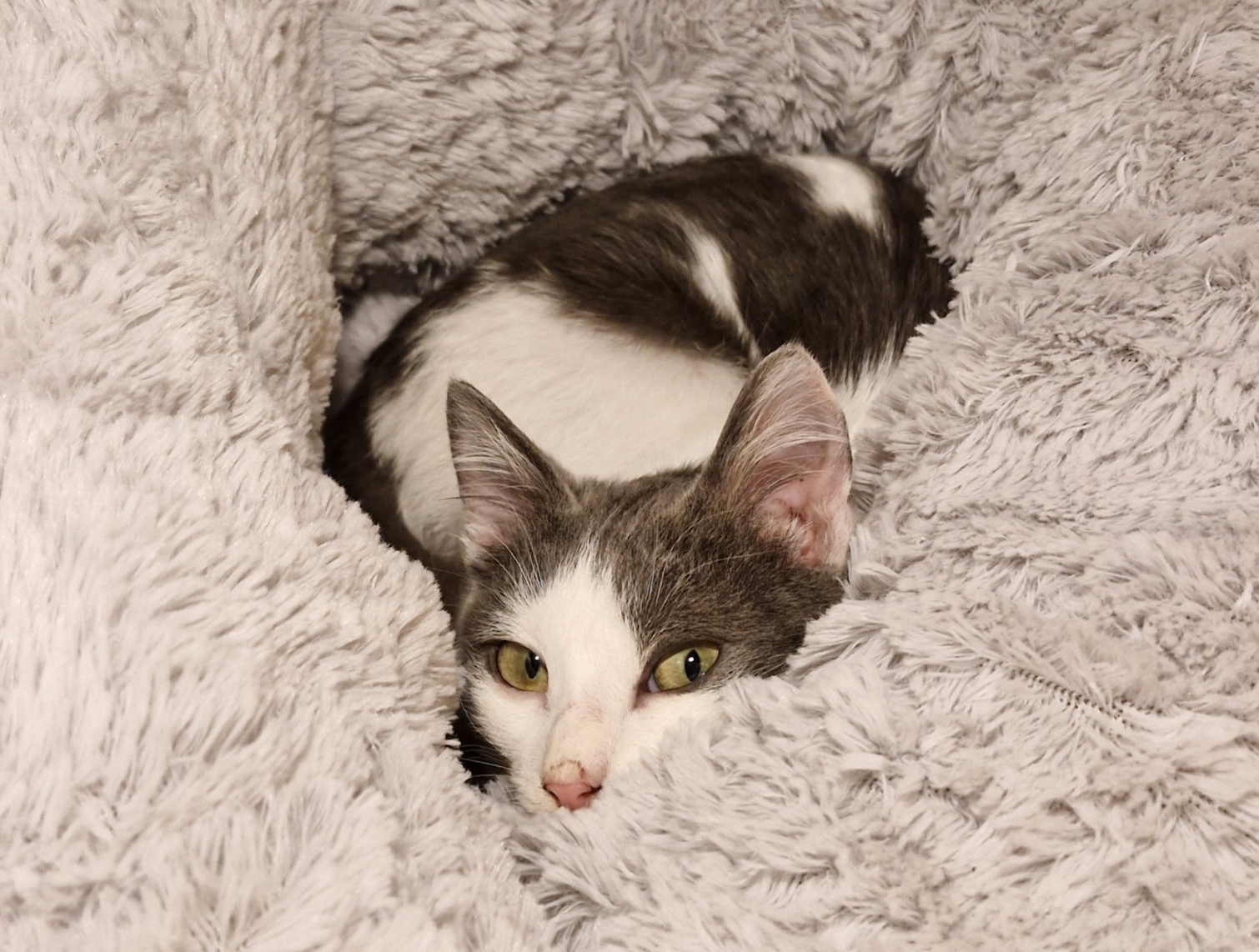
If you appreciate the work I do, please help me keep doing it! At the time of writing (mid-August 2025) I need $1800 to let me keep going after my current group of kittens is adopted.
Here is the link to my ongoing GoFundMe: thank you so much
Spicy Kittens
Middle age has little in common with one’s twenties, except that both are times of reflection on one’s life and especially career:
“Is this how I want to spend the rest of my life?”
And, “If not, then how?”
My obsession with cats and especially kittens has remained a constant my whole life, and the experience of fostering Buttons, while often difficult physically (cleaning, even the lightest possible cleaning, is quite painful for me), was also fascinating and delightful. So perhaps it is worth doing again.
Anyhow, meet Cinnamon.

As you can see, Cinnamon is utterly terrified. That sweet little mite put up a good fight, though.
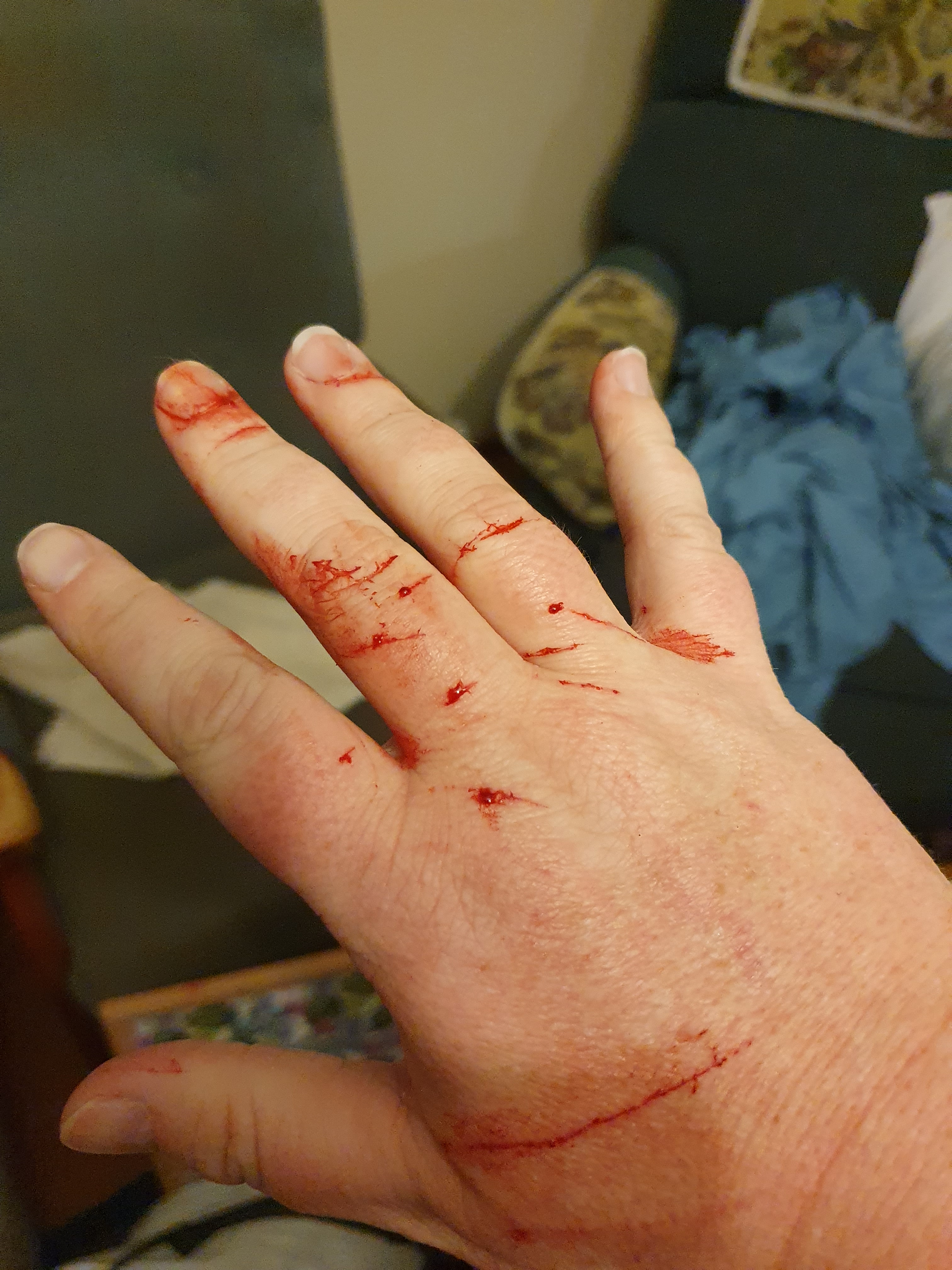
So how did I manage to acquire another spicy little friend to try to socialise?
Well, on Sunday Lizzie went to a local church youth group for the first time, so I hung around for a while to check it went well. It went very well. She immediately fell in with a girl who lives on a farm which turns out to have its own small colony of feral cats that they feed each night… including kittens.
They’ve tried to get help without success, so I spent some time (a) Negotiating with Chris (who is strangely reluctant to have more feral cats peeing on our bed and suchlike), and (b) Looking online for a way to get vet bills paid (for both neutering adults and socialising kittens) since I certainly can’t pay them myself.*
I have applied to be a volunteer foster carer for the RSPCA. It turns out they’re recruiting at the moment, which is rather excellent timing. I spoke to someone at the RSPCA today who said that yes, they’ll take any cats I bring in—and yes, there’s an excellent chance I could foster them myself.
Cinnamon is the runt of the litter, with 3ish siblings (or perhaps they’re from a different litter). I actually caught one of the others but I had Lizzie hold it in a shopping bag and it managed to escape out the top. Arg! Cinnamon also escaped, but was already inside the house so it was easier to re-catch him.
The owners will try to catch more tomorrow, and my nephew and Lizzie and I shall return on Wednesday. Buttons (our previous foster kitten) was unlucky enough to be an only child (or possibly an only surviving child), which is unhealthy for kittens and the main reason we couldn’t train Buttons to stop biting so much.
So, wish me luck!
(And no, fostering kittens doesn’t pay. But the RSPCA supplies their volunteers with food, litter, equipment, and vet care, which is excellent.)
*In other midlife-crisis news, I was fired this week. It was a babysitting job and the kid and the parent were both EXCELLENT (a rare combination) but the location wasn’t great. So when the kid’s schedule changed, I was semi-pleased to be fired. It is an opportunity for me to think carefully about what work I can actually DO and get paid for.
Hammock
I’m still alive, but spending a bit more time in the real world, which is not a bad thing. Thanks to Zoom, life is pretty good.
 She is handling a leash and harness very well, so the other day Louisette and TJ and I took her into the backyard.


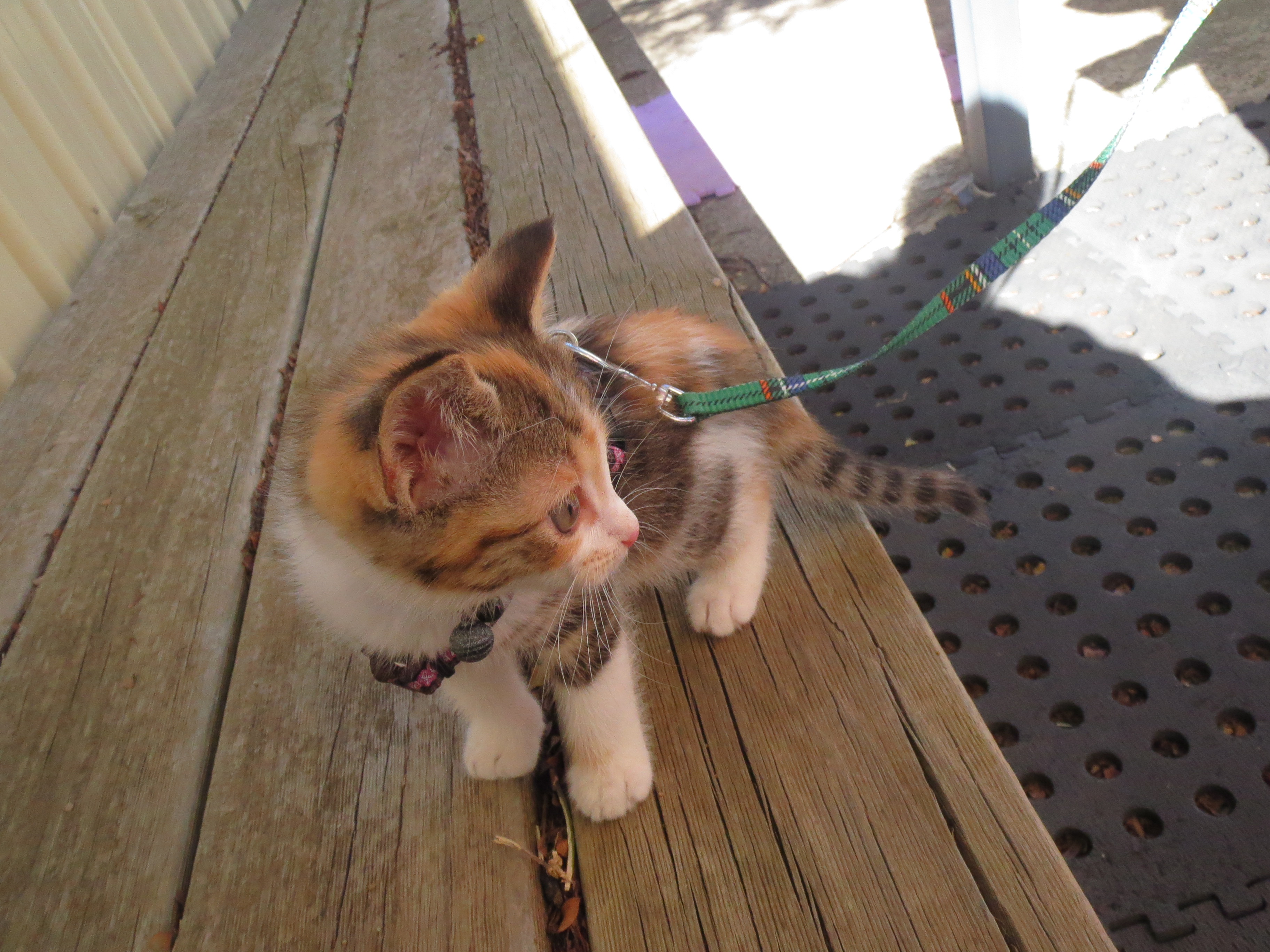
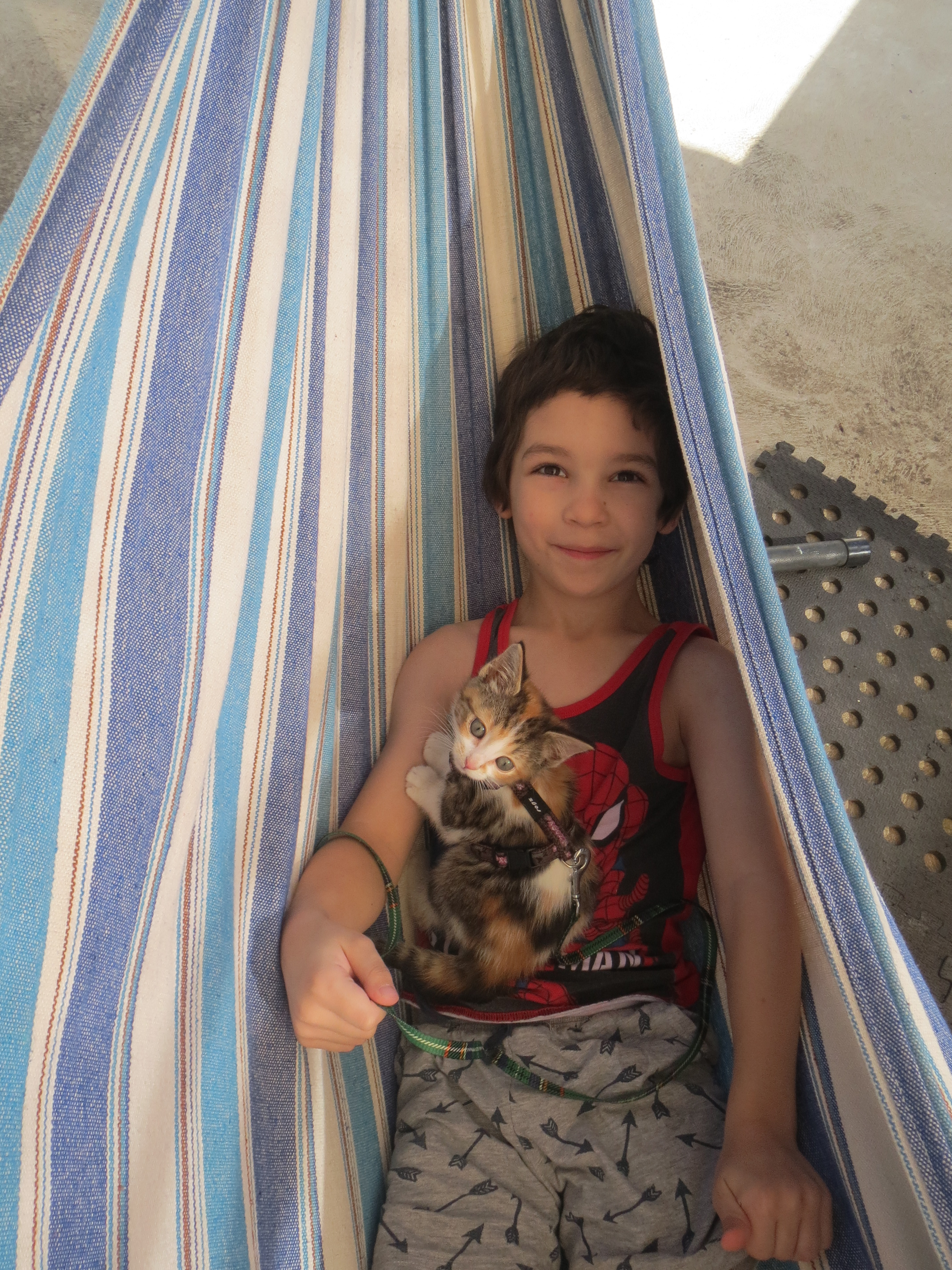
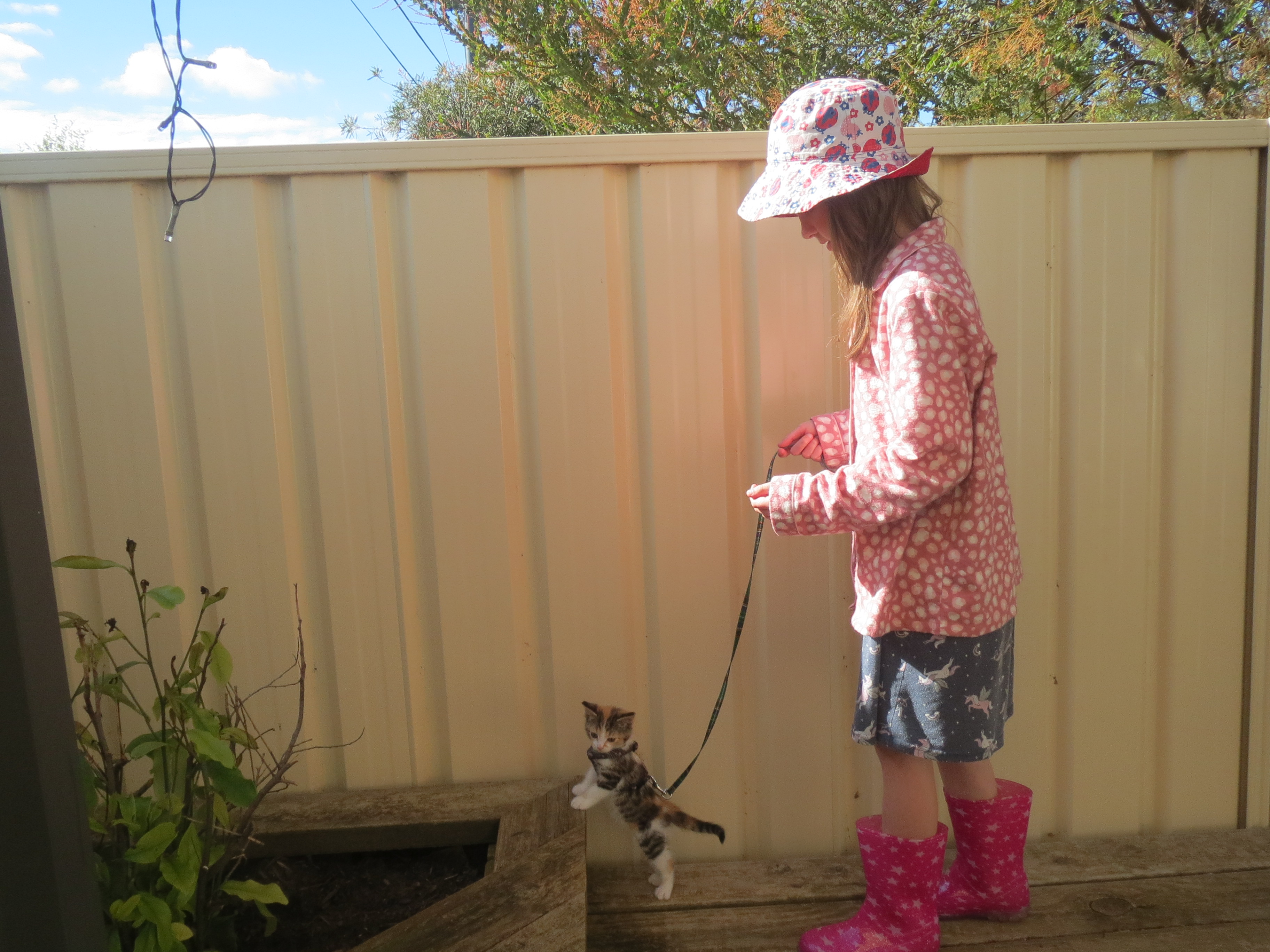 During the outside time she was mostly getting used to the usual smells and sounds of our neighbourhood, so it was the perfect time for Operation Hammock Kitten.
 Sure, she doesn’t look comfortable. But that’s because of being outside rather than anything to do with the hammock. She’ll need to stay on the lead outside for many months to come, but she has no fundamental objections to the hammock so this is a win.
Then of course the kids each wanted a turn:

 I’ve also been doing a foolish and irresponsible (but fun) thing, which is that when Zipper is very well settled and Zoom is sleepy, I pick up Zoom and move her over into a snuggling position with Zipper. Zoom doesn’t mind this at all; Zipper is not such a fan.
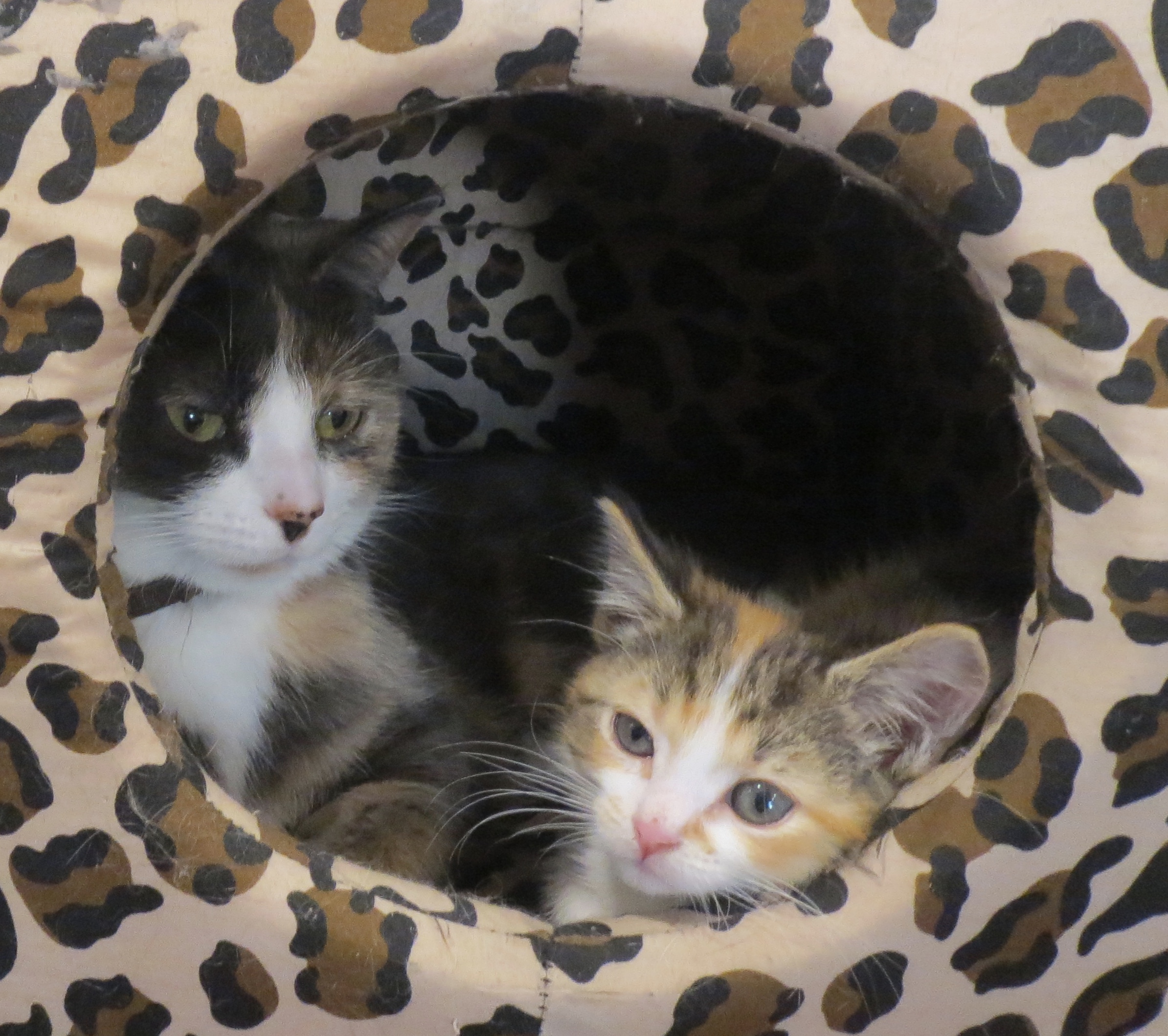
 I know I shouldn’t push it, but it amuses me. (And Zipper doesn’t freak out and kill Zoom, which is of course important too.) Zoom has been with us two and a half weeks, and she’s looking distinctly rounded in the middle so I’m slowly cutting down the amount of food I give her.
Oh! And we solved the litter box problem by giving Zoom a second litter box. Strange but true. It was inspired by doing some reading and discovering that some cats prefer to have one litter box for solids and one for liquids. Zoom definitely uses both boxes for both (and Zipper has been pointedly adding her contributions too), and now I have two litter boxes in my tiny bathroom… but no more accidents. So, good.
Zipper and Zoom: Sleepy
Nothin’ much to say.

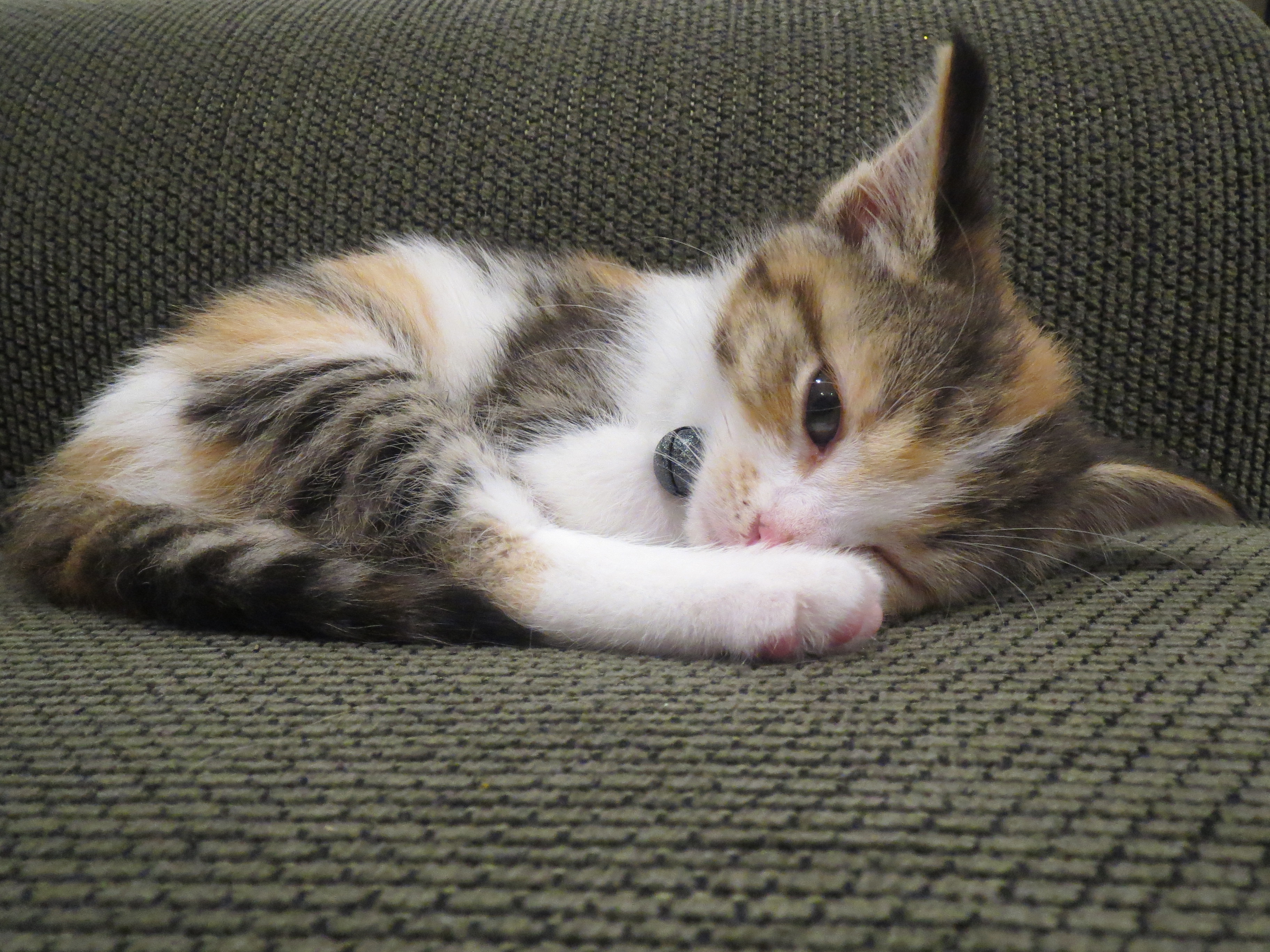
 Zoom in her harness, looking perturbed (most cats attack it, and then flop on the floor if you try to incite walking.
  TJ saying, “Do I look like Jordi?” Jordie is an Australian icon due to being adorably sweet, enthusiastic, and good at Lego. He’s on the show “Lego masters”, which is the greatest thing in the world. (Incidentally, TJ is now way past 200 baskets. He gets more than half of them in these days.)
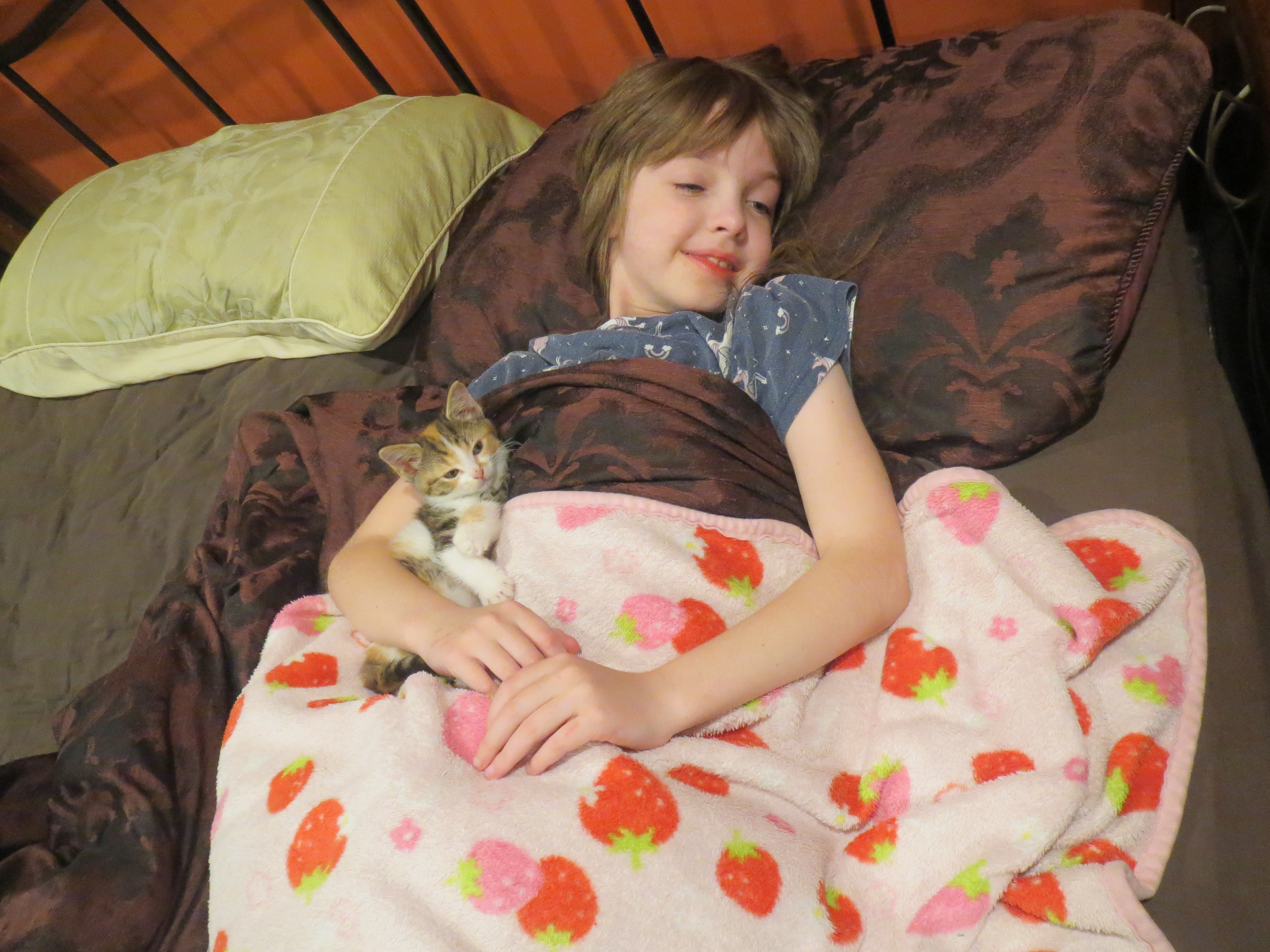
 Also I made a little video of her today.
Zipper and Zoom: Peace in our time?
The relationship between the two cats is going swimmingly. They spent much of the morning chasing one another—but in a playful way (with just a frisson of fear remaining to make it extra exciting). No hissing, no claws, and in fact barely any physical contact. But following one another over and around furniture and from room to room. Lots of hiding and jumping out and plenty more face to face sniffing. They even joined in on playing with a single cat toy—without snarling at one another. This is happening! They’re becoming friends! And it’s adorable.

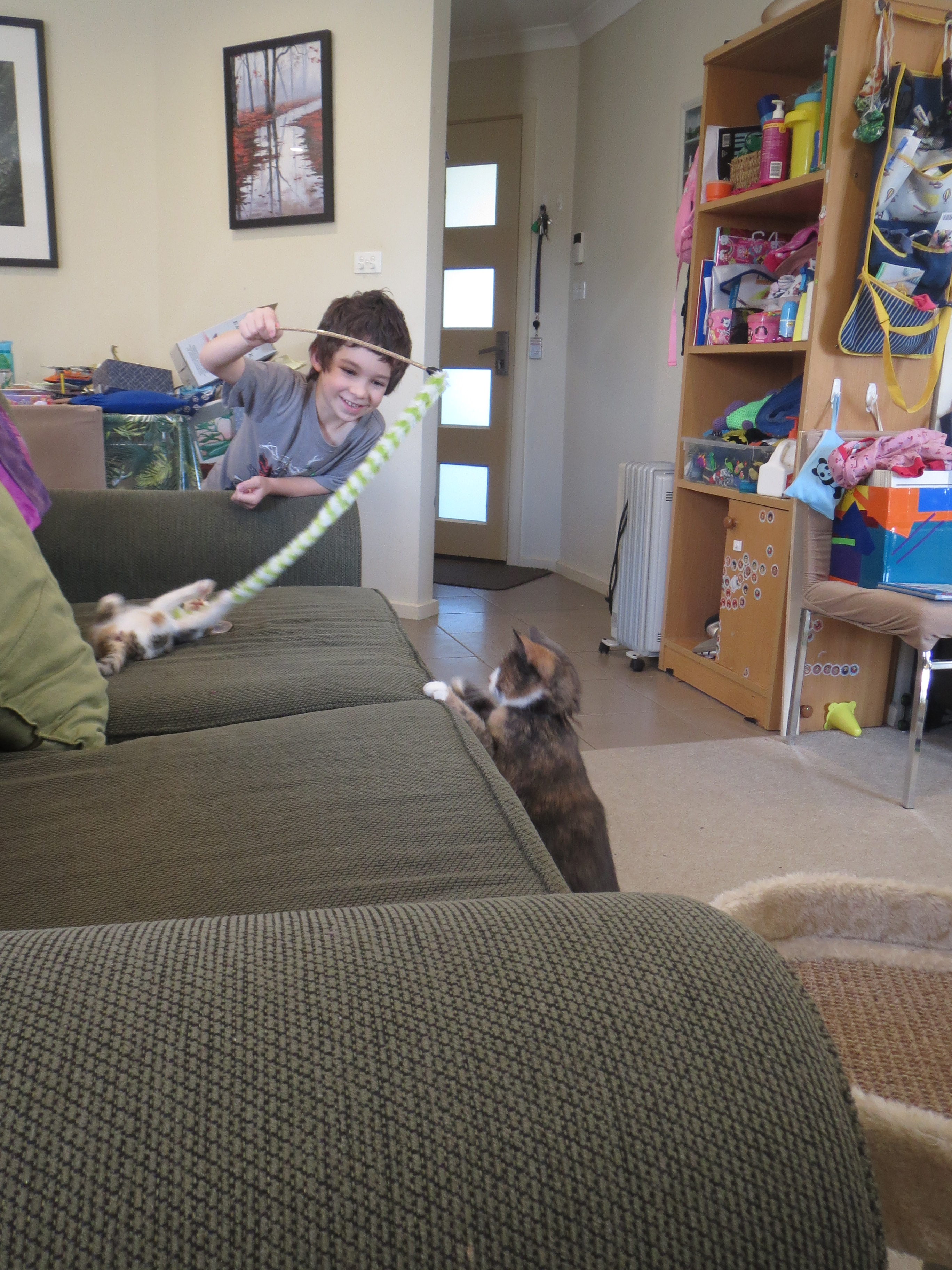
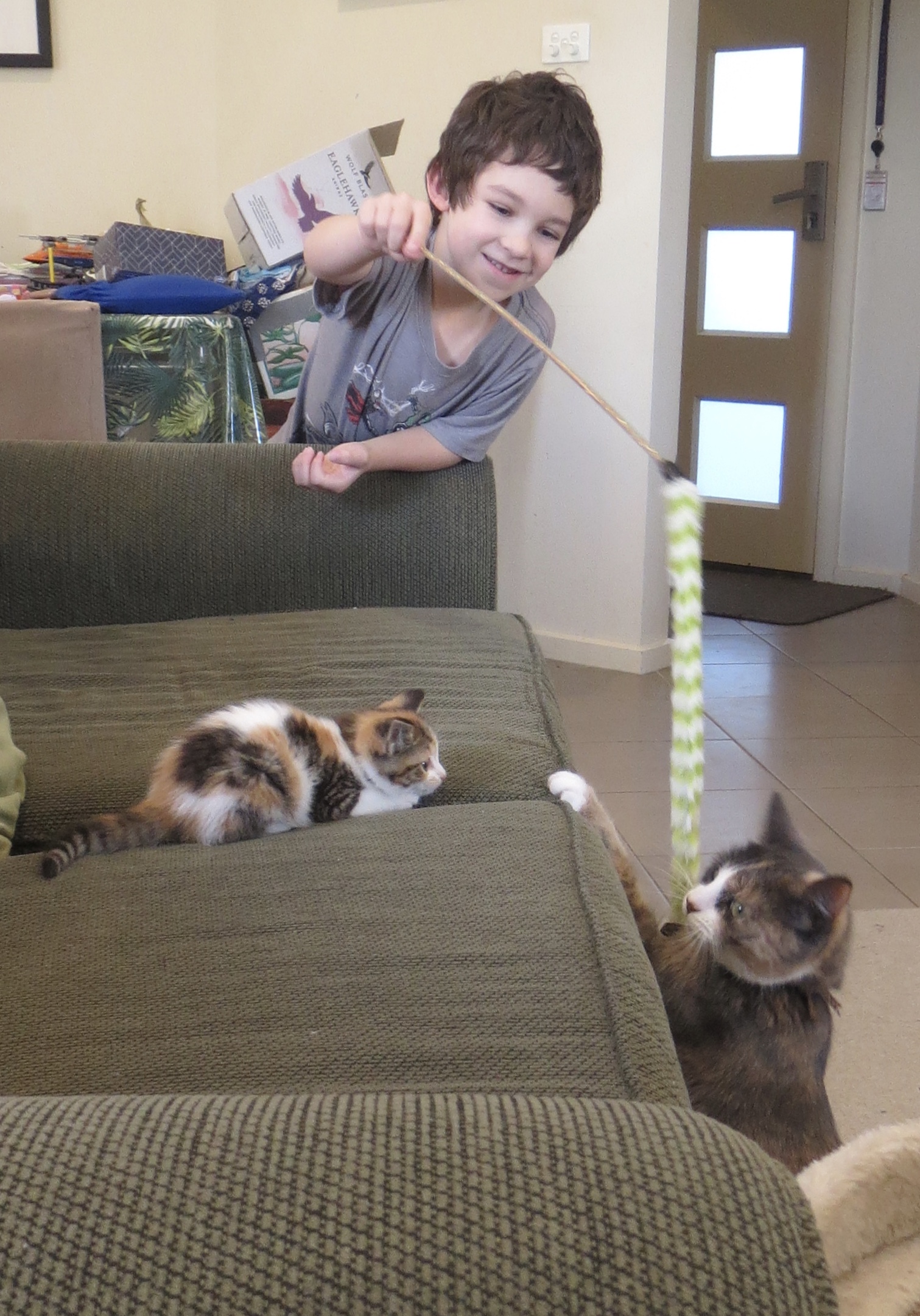
 Zoom is enjoying her cat toys, while still wanting to attack us delicious humans. She’s still having accidents outside the littler box, but they seem to be in the bathroom… so at least they’re close?
I have a harness and lead designed for teaching a cat to walk, and British Shorthair cats (like Zoom’s mother) have a reputation for being (a) smart enough to learn how to walk on a lead, (b) incredibly good hunters—so that’s more reason to keep her inside, and (c) inclined to obesity… so they need exercise. Ideally on a leash.
Clearly, teaching her to walk on a lead is an excellent plan. So today I put the harness and lead on her for the first time, and managed to walk her from the living room to my room and back again, and I opened the back door to let her out (on the leash). It was a couple of minutes, but she handled it really well—most cats simply flop to the ground and refuse to move. She walked—walked, not ran. I was easily able to pace myself to her, and since she knows her own name (or thinks it means ‘food’, which works just as well) I was able to get her to follow me a little.
She likes me way more than the others, which is highly gratifying while also being perfectly fair. With greater energy, she’s getting harder to photograph.
Incidentally, if you’re here for cat-related education I think I’ve covered pretty much everything I know. But we’re not running out of cute pics anytime soon.
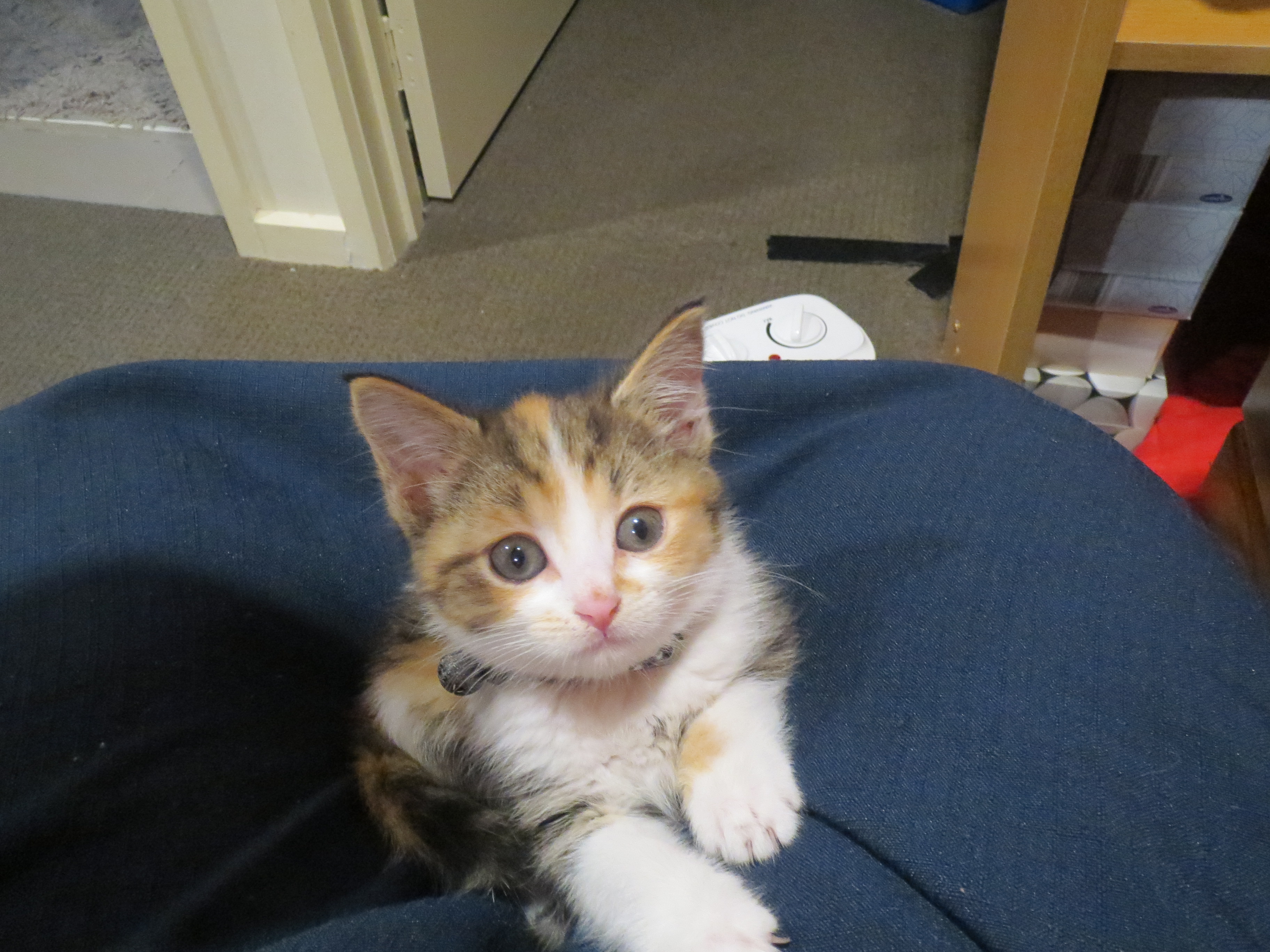
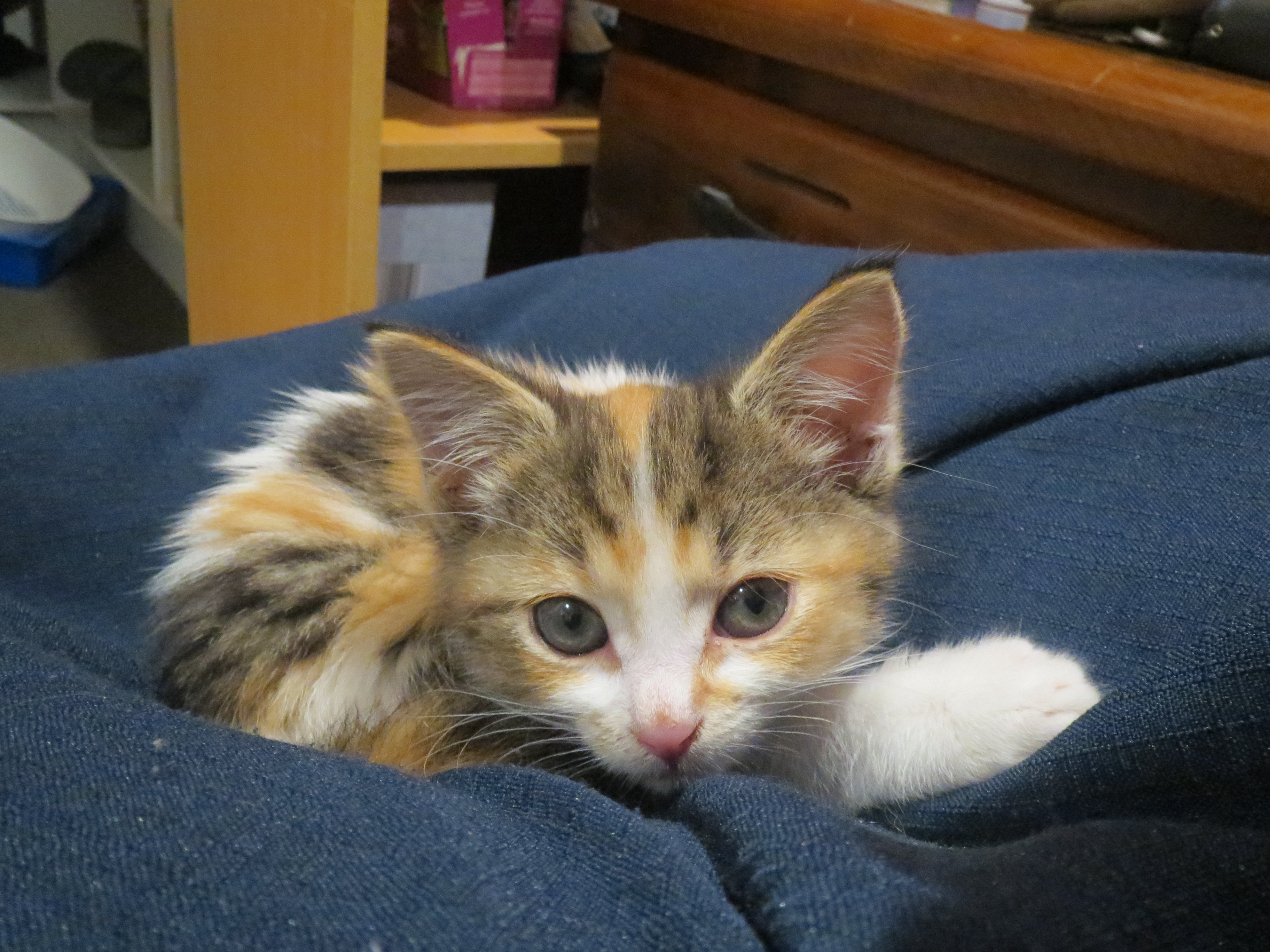
 Attacking the couch, as is the duty of kittens.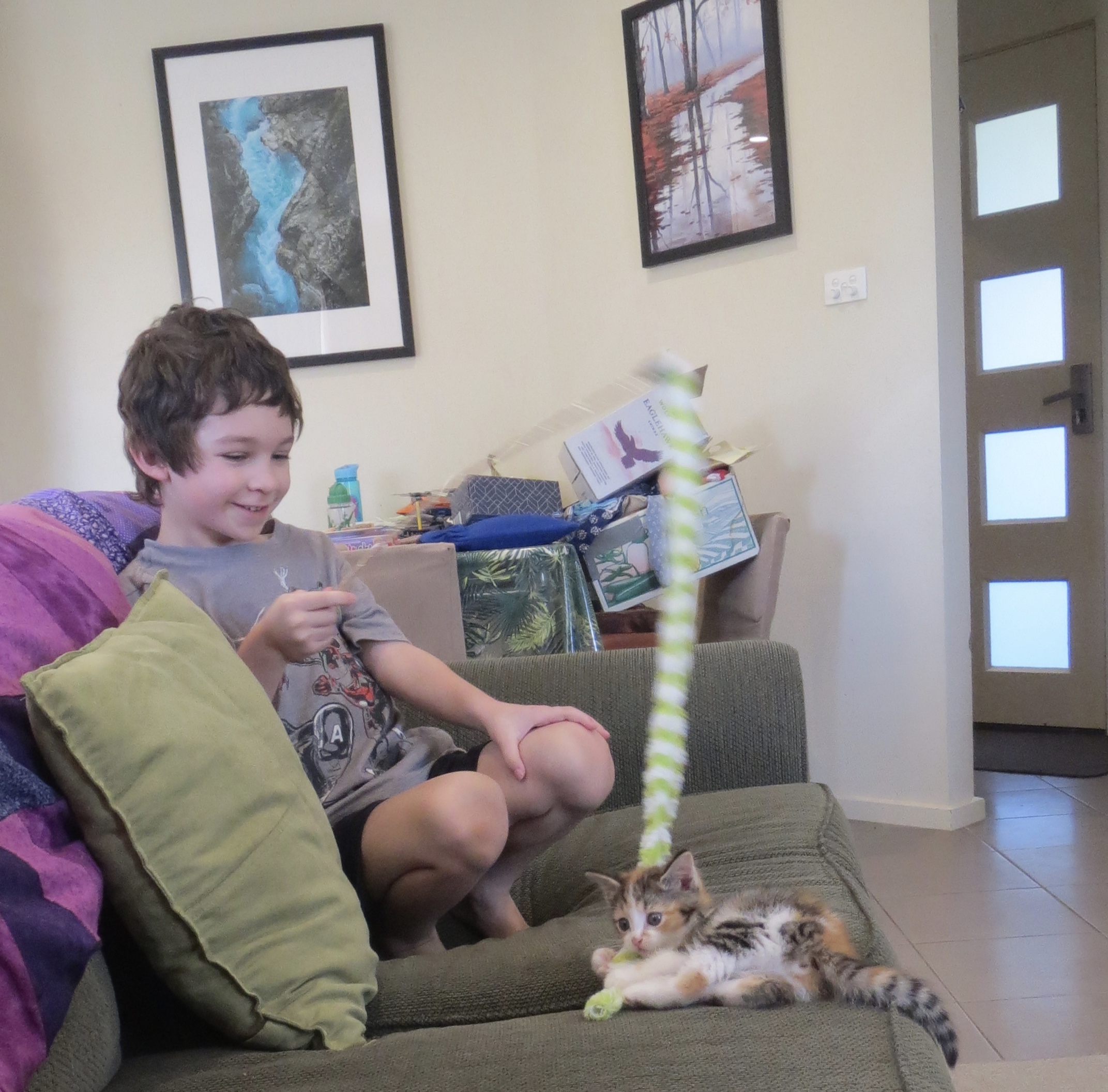
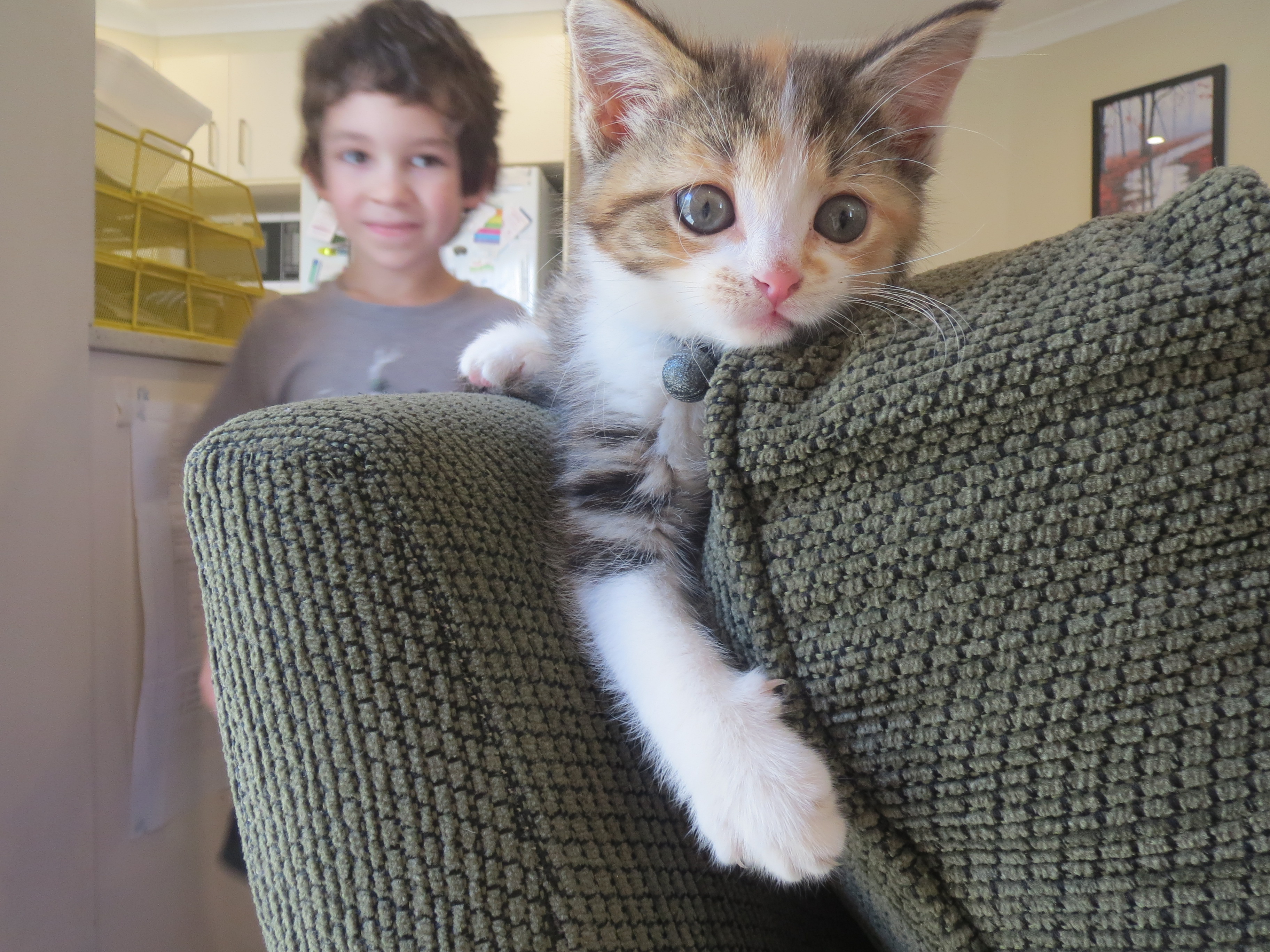
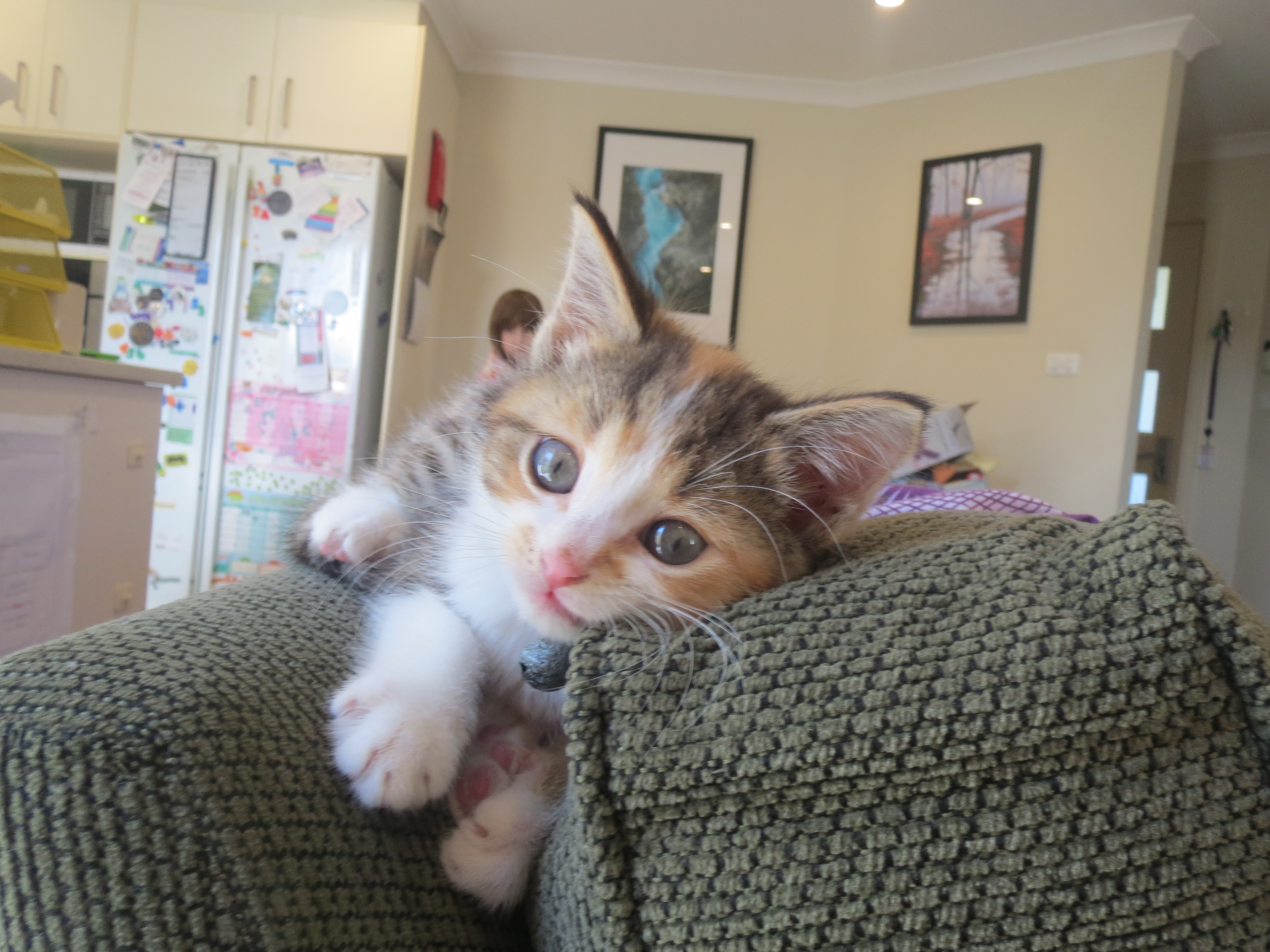
Zipper and Zoom: A taste for human flesh
Things are moving quickly today. Zoom now has a collar (which had to be cut down considerably), which should help people know she’s owned and loved if she gets away. So if she gets away and if I can’t lure her back and if she doesn’t come back quickly on her own… we should be able to find her via local community groups or vets or the RSPCA. It also helps us (and Zipper) have a better idea of where she is if we can’t actually see her.
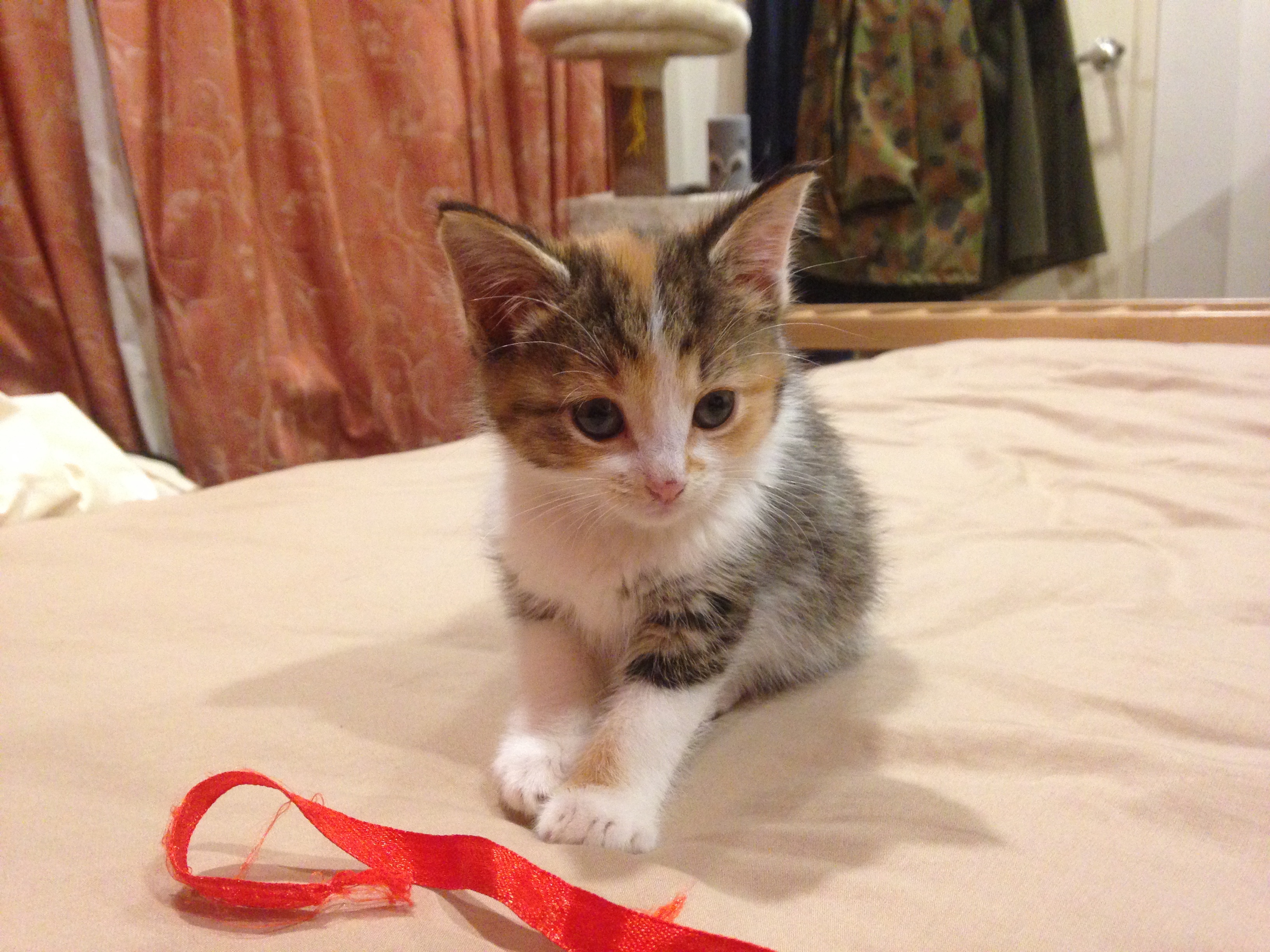
(She is, as I may have mentioned, very small.)
 I went shopping today (for the second time since getting Zoom, because she definitely counts as a medical emergency lately) to get the best possible quality cat food to start her transitioning off chicken; to get another chicken for her; and to do a diabetes blood test for me (which I have to do every three months). And to buy cat toys, because Zoom has a strong preference for human flesh.
When kittens are young, their teeth and claws aren’t sharp enough or strong enough to hurt, so it’s easy and fun to wiggle one’s fingers and let the kitten chase them. But that’s definitely not so cute in the long term. It’s been very clear that Zoom prefers human flesh to the makeshift toys (ribbons, paper) that we’ve been supplying lately, so I bought three ‘fishing pole’ style toys (that dangle beautifully, looking fun and exciting while also keeping human flesh a good long way away from those adorable little teeth.
She drew first blood on me… about two millimetres while I was so close to sleep it didn’t wake me. I suspect I turned over and she was sitting on my arm and then scrabbling to stay attached when I moved.
She and Zipper did chase each other last night, as I predicted! Well… a bit. Zipper is still stalking Zoom, but doesn’t dare actually make physical contact, so when the moment comes to attack she jumps out next to Zoom and then runs away. Which is hilarious. At one stage, Zoom was drinking some water and Zipper managed to creep up and sniff the very tip of her tail. That was their first point of actual physical contact.
Meanwhile, Zoom is desperately hungry. I just started transitioning her to a teensy bit of high-quality regular cat food (both wet and dry) along with her plain chicken, and feeding her more often… but she wants more more more. I need to put her off for now, even though she’s legitimately hungry, because her stomach is still very sensitive. I also tried feeding Zipper and Zoom next to each other (it’s supposed to give them positive associations with each other) which was an utter failure as Zoom wolfs down her food and then runs to eat Zipper’s. The first two times this happened Zipper warned her off and she subsided. After that I fed them separately, which was very difficult as I’d have to prepare both dishes, then put Zipper’s down and carry Zoom to the next room… which she did not handle gracefully. And on one occasion I made the mistake of letting Zoom out of my room when she was finished eating… but Zipper was not. Zoom charged right for Zipper’s bowl and Zipper baulked and fled.
Conclusion: Zoom is polite, but not when food is involved. I’ll be more careful in future.
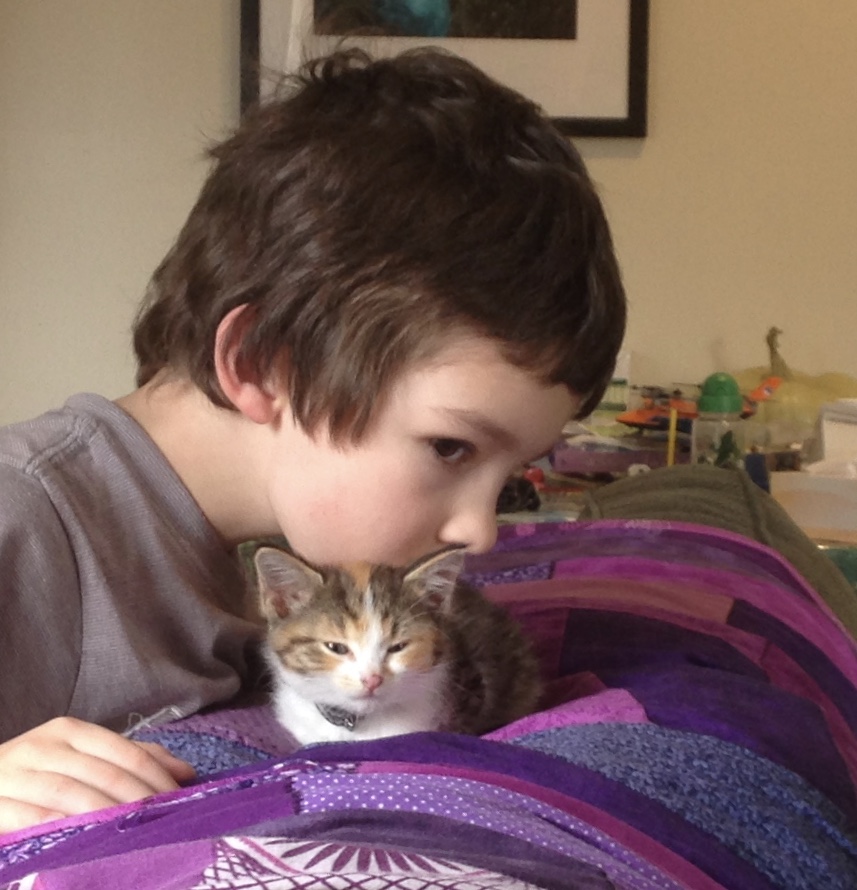
Zipper loves bumping foreheads with TJ (it actually shares their scent, so a lot of cats love bumping foreheads), so he’s gotten very used to connecting with a cat face to face. It is utterly adorable… but somewhat risky, given Zoom’s penchant for using our flesh as a cat toy. Fortunately she also takes a lot of cues from our behaviour, so if we pat her she usually settles down (and if we dangle something, she usually bats at it), but I really need to get TJ to NOT do this for at least a month or two.
Zipper also had a good play with one of the toys—an exact copy of one she had as a young kitten.
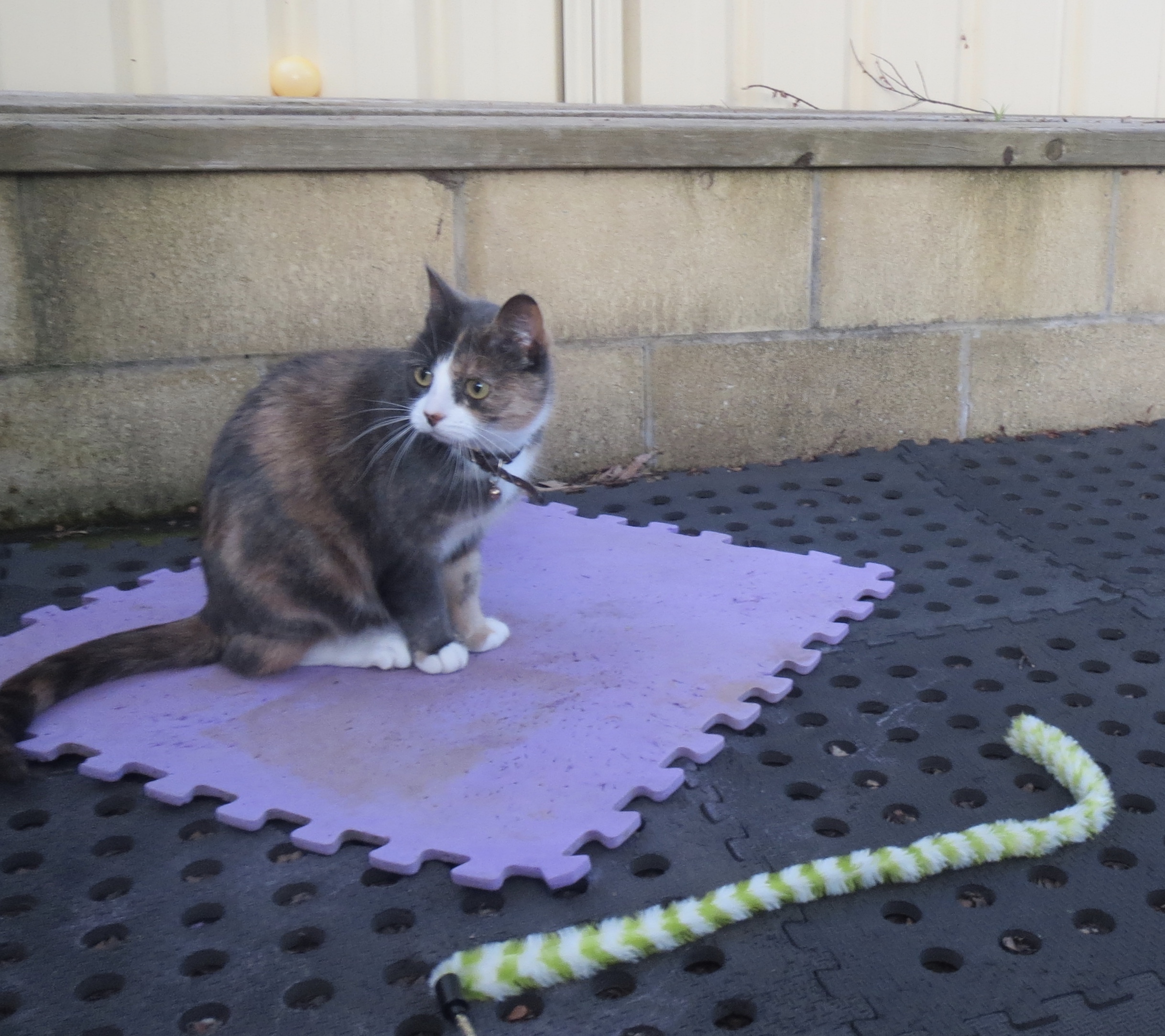
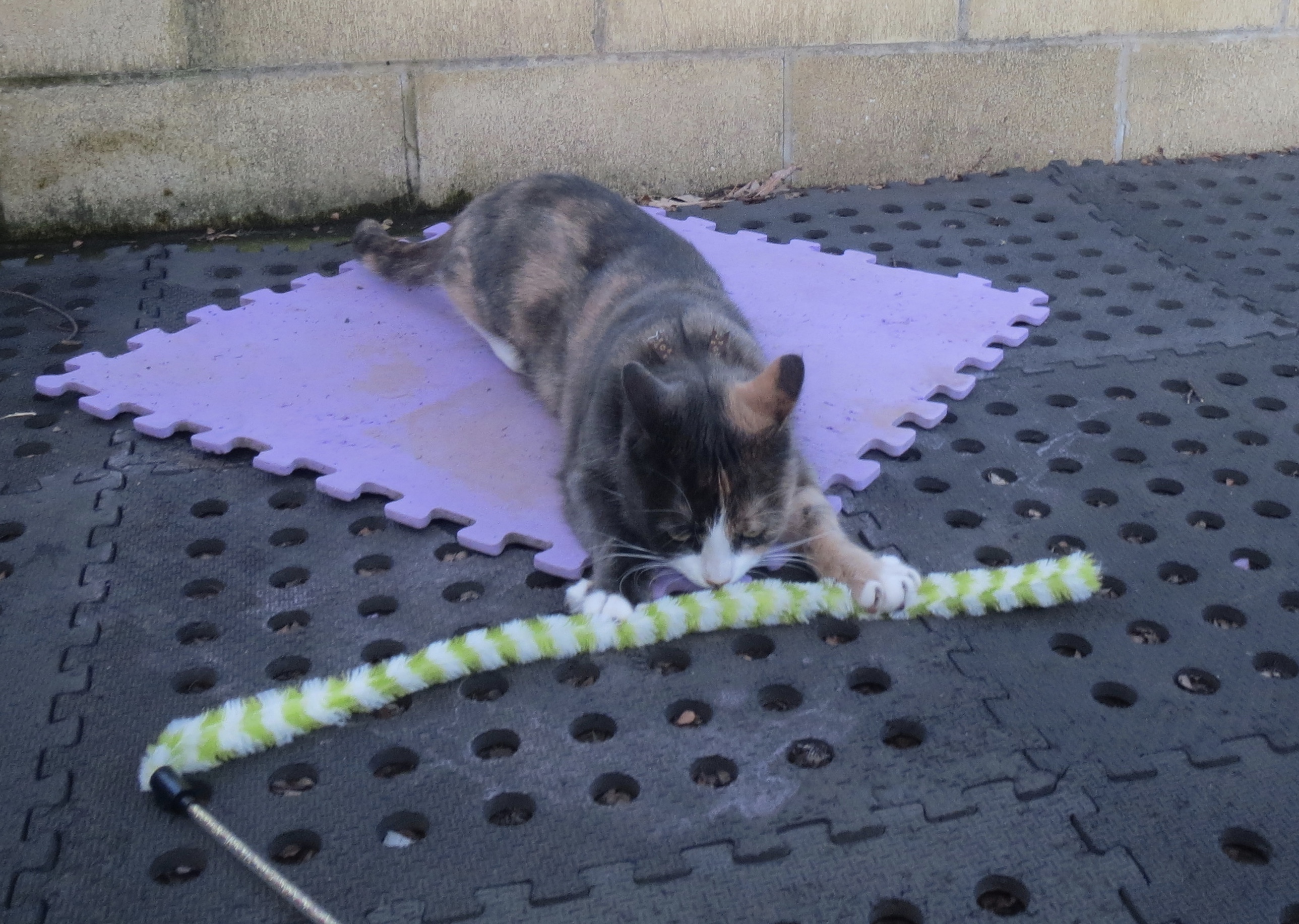
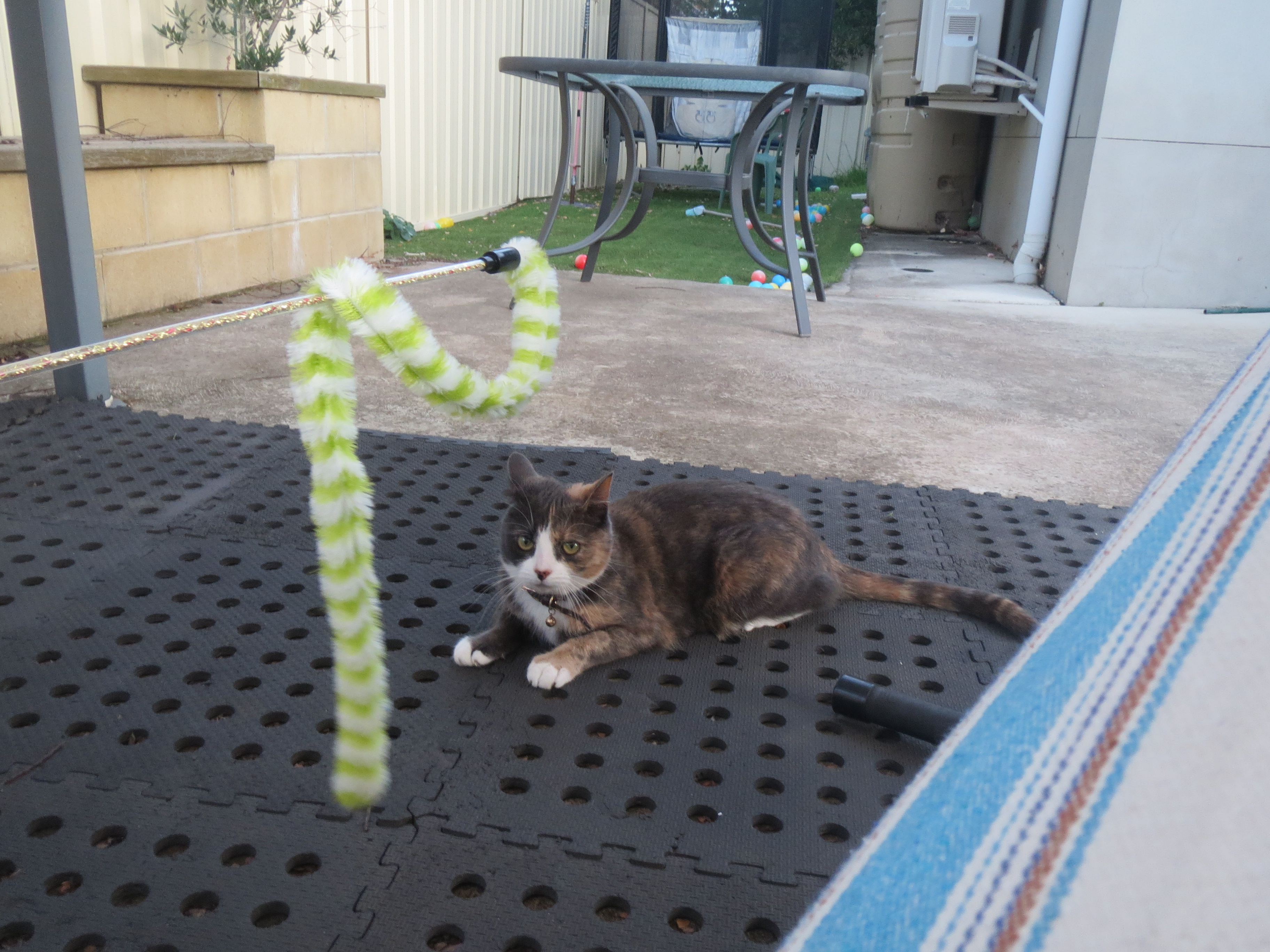
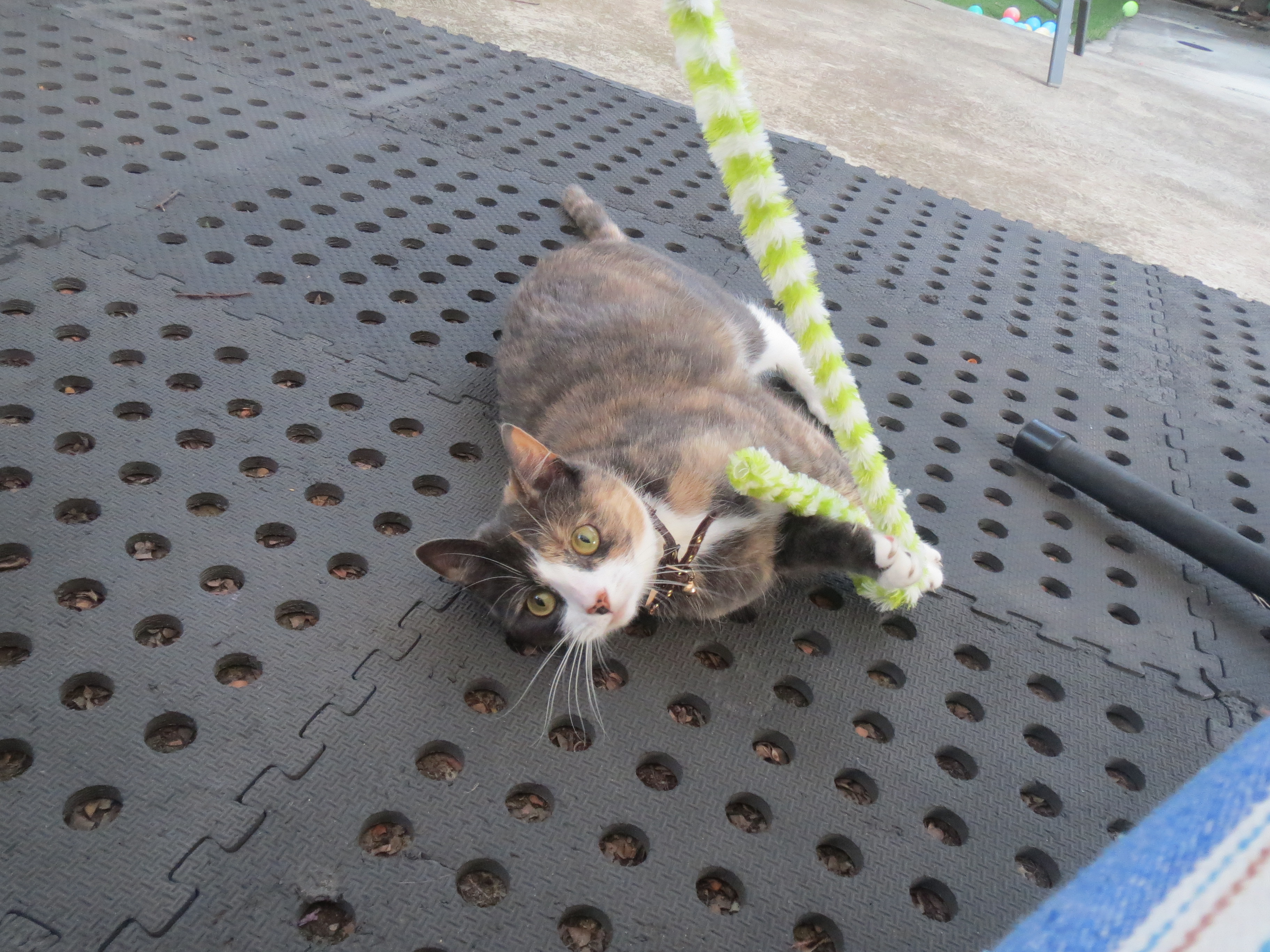
As you can see, Zipper looks pissed off even while playing. But… could this be the way to finally get her to jump into the hammock with me?
 Oh, and Zoom also had her first normal bowel movement—and in her litter box too. But she also did a wee on a bath mat… literally in the same room as her litter tray. So the litter box dramas are likely to continue for a while.
Zipper and Zoom: Zipper and Zoom
Zoom’s health continues to improve and she’s eating a little more, which is making me feel better day by day too. She’s causing more trouble now, chewing on electrical cords and trying to steal food from both us and Zipper.
This is Louisette trying to draw her away from the heater cord:
 And here’s Zoom doing her very best to steal Chris’s dinner:
 So today we were using our disciplining techniques a lot for the first time—that is, saying “No” in a deep (not loud or it could hurt her) voice, tapping her on the nose with one finger (it makes cats blink and they hate it, but it doesn’t cause pain) and often physically moving her away from whatever she shouldn’t be getting into.
It’s not a fast process, because it’s not a harsh punishment. So generally what happens is she gets told “No” anywhere from 5-20 times, and when the human gets sick of the process they move her onto something else fun (possibly in another room).
So far, luckily, we haven’t had to truly intervene between the cats (except for the way we’re still taking their contact very very slowly, and waiting for them to tell us when they want more). Here’s Zoom approaching Zipper:
 Zipper gave her a warning hiss, and she backed off. This is helpful, and not just in the short term. It shows that Zoom is 100% willing to let Zipper be the boss and isn’t going to challenge her. That will suck all the tension out of moments like this, and will probably lead to a real friendship instead of one where they’re constantly trying to one-up one another.
Fingers crossed!
One of the funny things about cats is that when they’re introduced I find (at least with Zipper) that they echo one another’s body language very strongly. As I write this, Zoom is curled up dozing on my lap, and Zipper is curled up dozing on a nearby chair. Dozing in the same room is a great sign anyway (no one can doze if they’re afraid), but all the more so when they’re clearly taking their social cues from one another.
Here’s Zipper approaching Zoom:
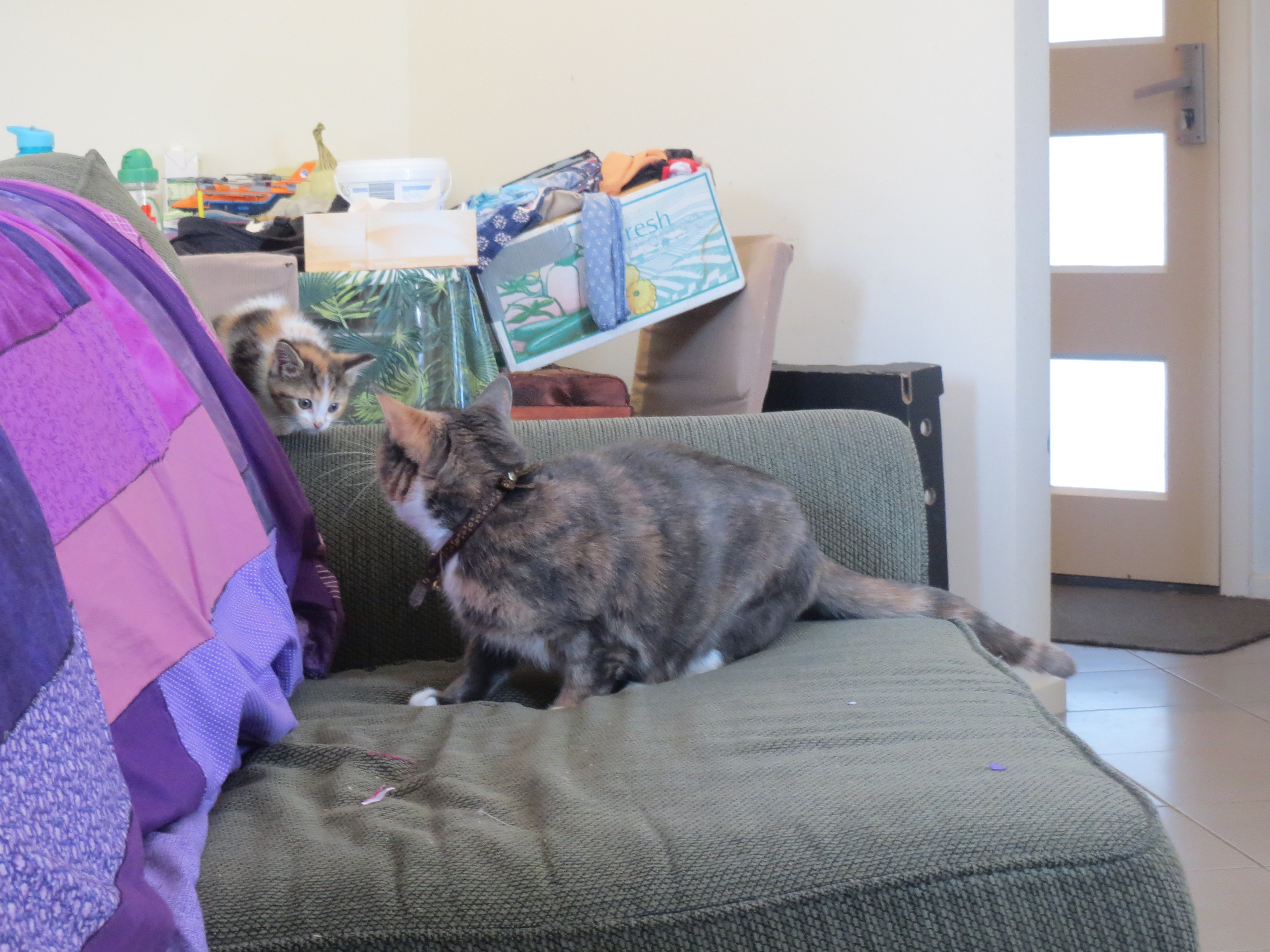
Zipper is actually showing signs of wanting to genuinely play with Zoom, which is surprising given her sedentary lifestyle… but unsurprising because Zoom is a GREAT cat toy. She’s small, fluffy, nonthreatening, and oh so life-like.
Zipper’s started stalking Zoom, which is scary to watch but Zipper’s youthful training is helping me out here, because she is not the kind of cat that will actually claw or bite another family member. She’s literally never fought another cat, and I’m 99% certain she won’t ever actually hurt Zoom. But of course I’m still supervising them extremely carefully. I predict a lot of running around at fast speeds, up and down couches, with almost no physical contact. And of course a lot more neurotic staring at Zoom from Zipper.
It’s fun to see the playful side of Zipper, even if it’s scary too.
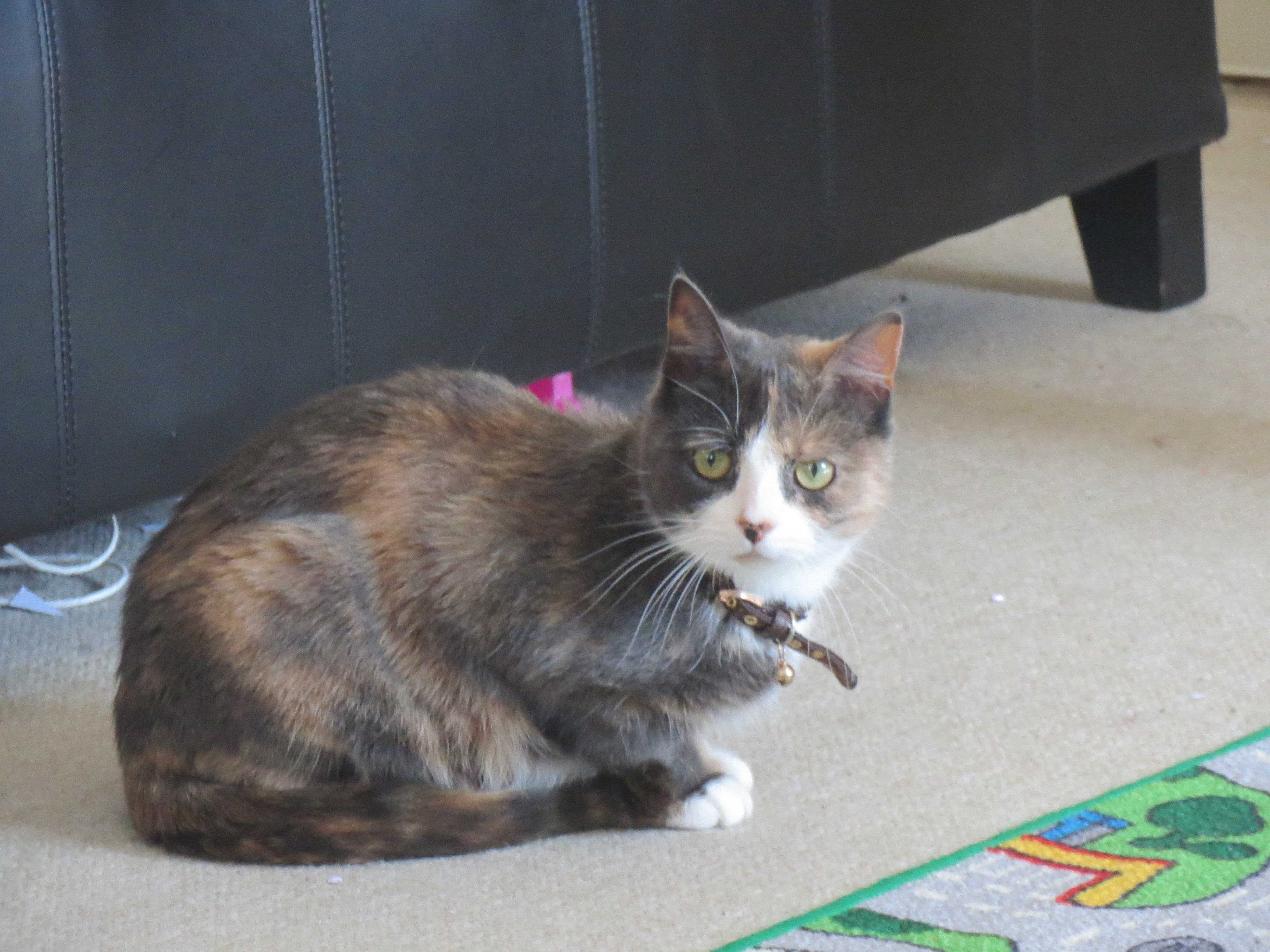
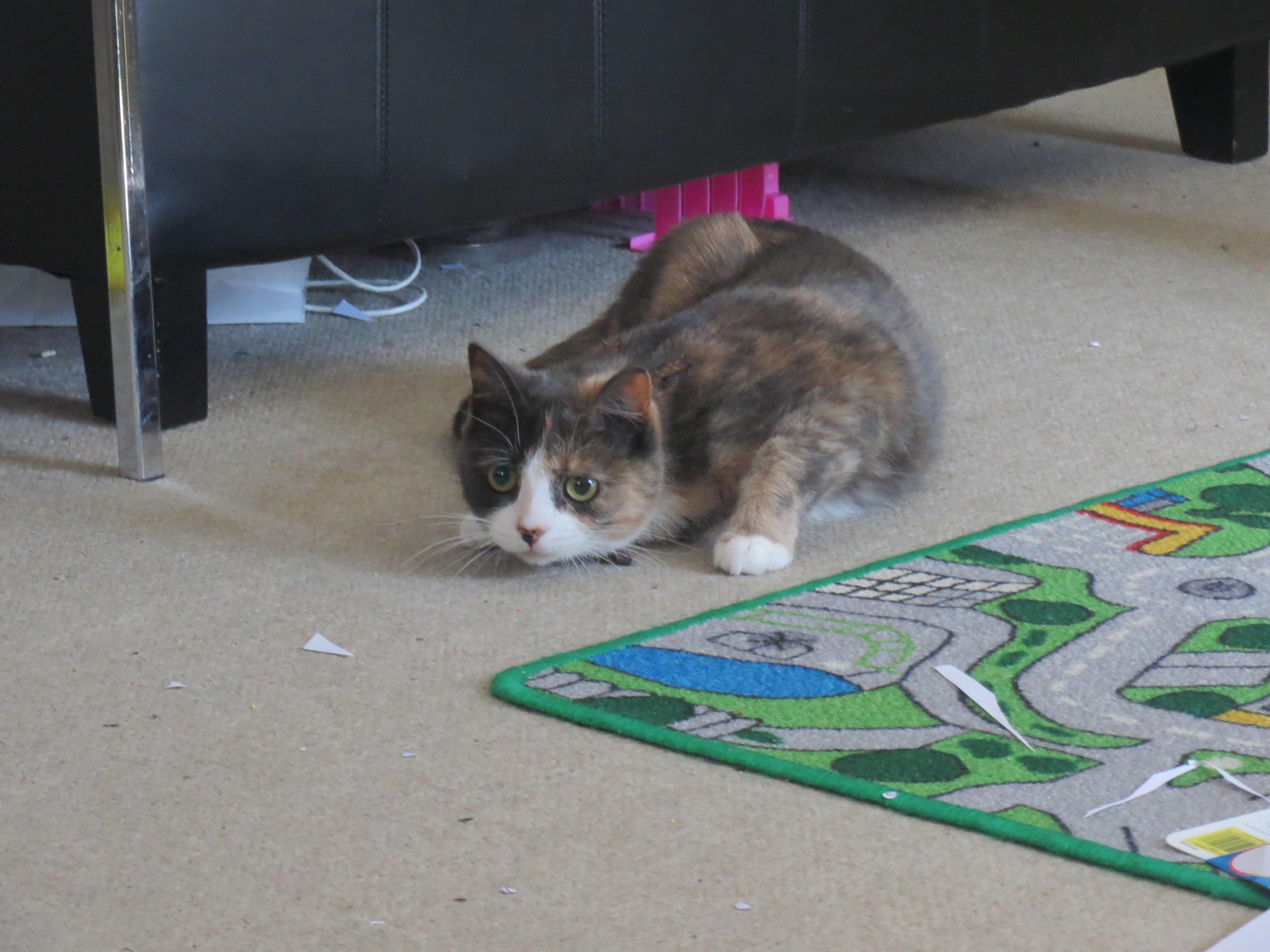 Zipper has also been doing the ‘slow blink’ that Zoom has been doing for a while. It’s another thing she wouldn’t do if she was still terrified of Zoom—plus it’s a way for cats to show respect for one another. So although Zipper is definitely going to be dominant, she’s also willing to meet Zoom halfway (or maybe one-third of the way?)
Like most animals, cats find direct eye contact very threatening. The slow blink shows non-threatening interest.
I look forward to seeing how they go tonight when the kids are in bed and they can focus on each other (and Zipper is more sociable in the evenings, which presumably applies to cat family members as well as humans).
Now for some gratuitous cuteness:
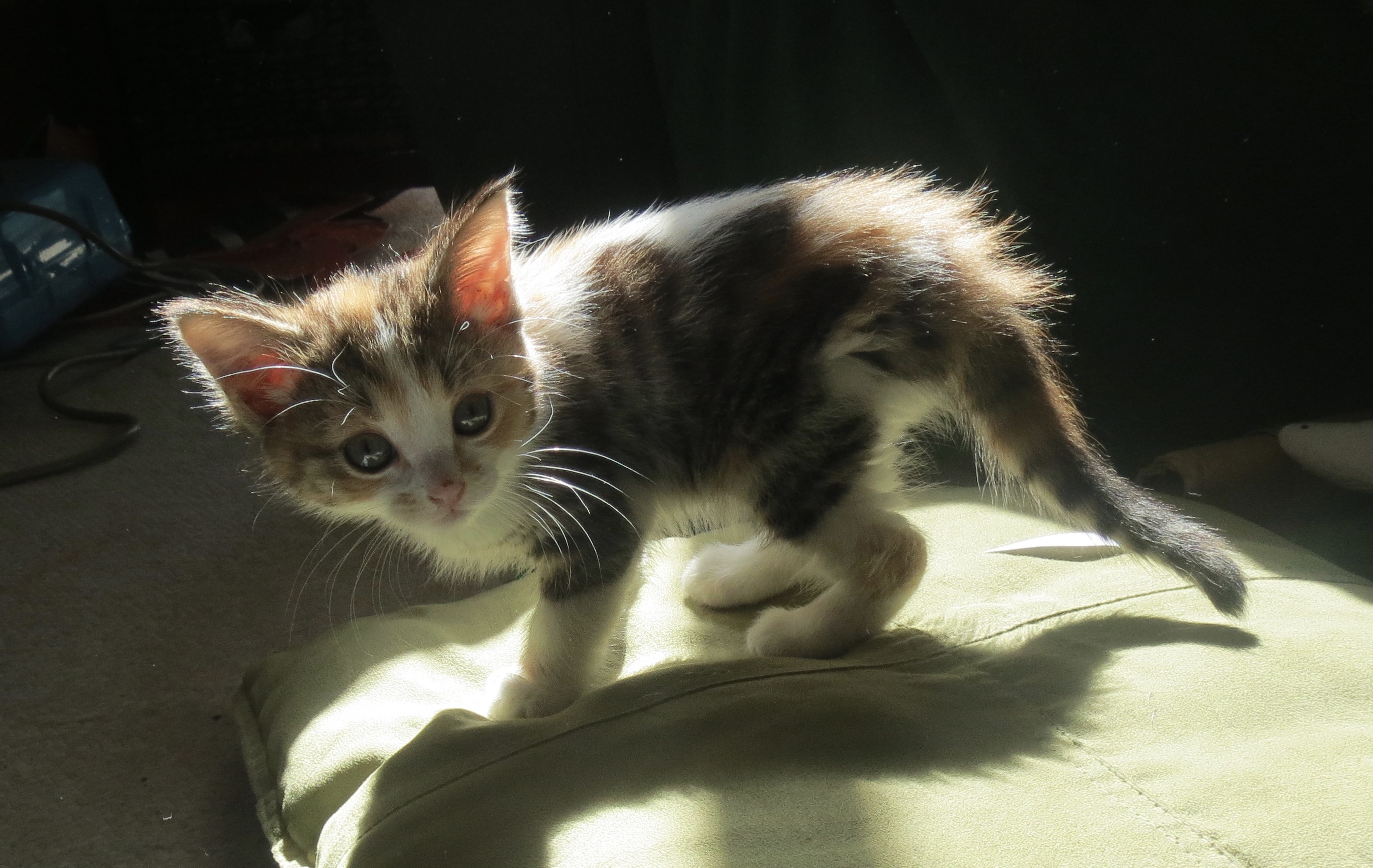
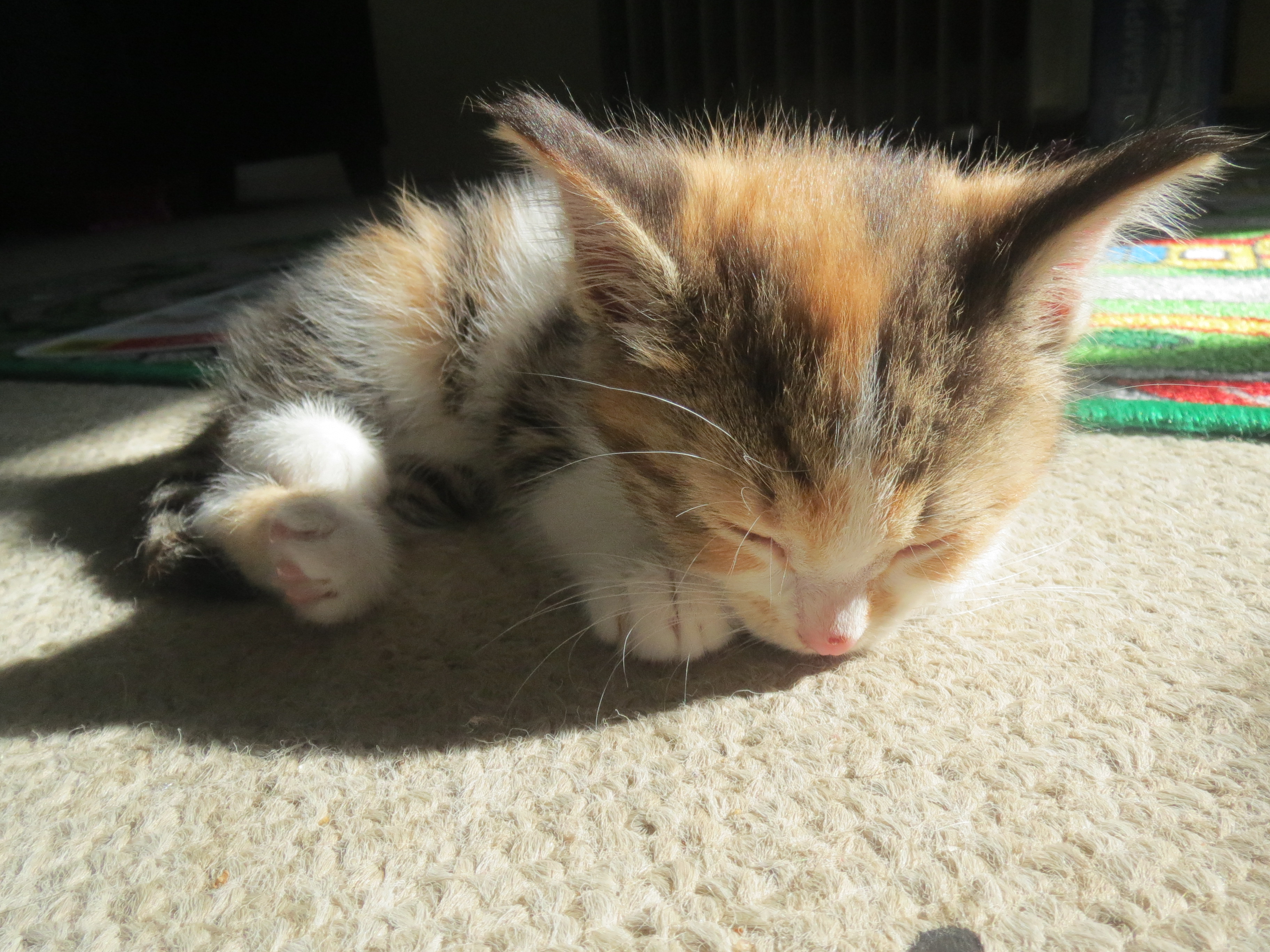
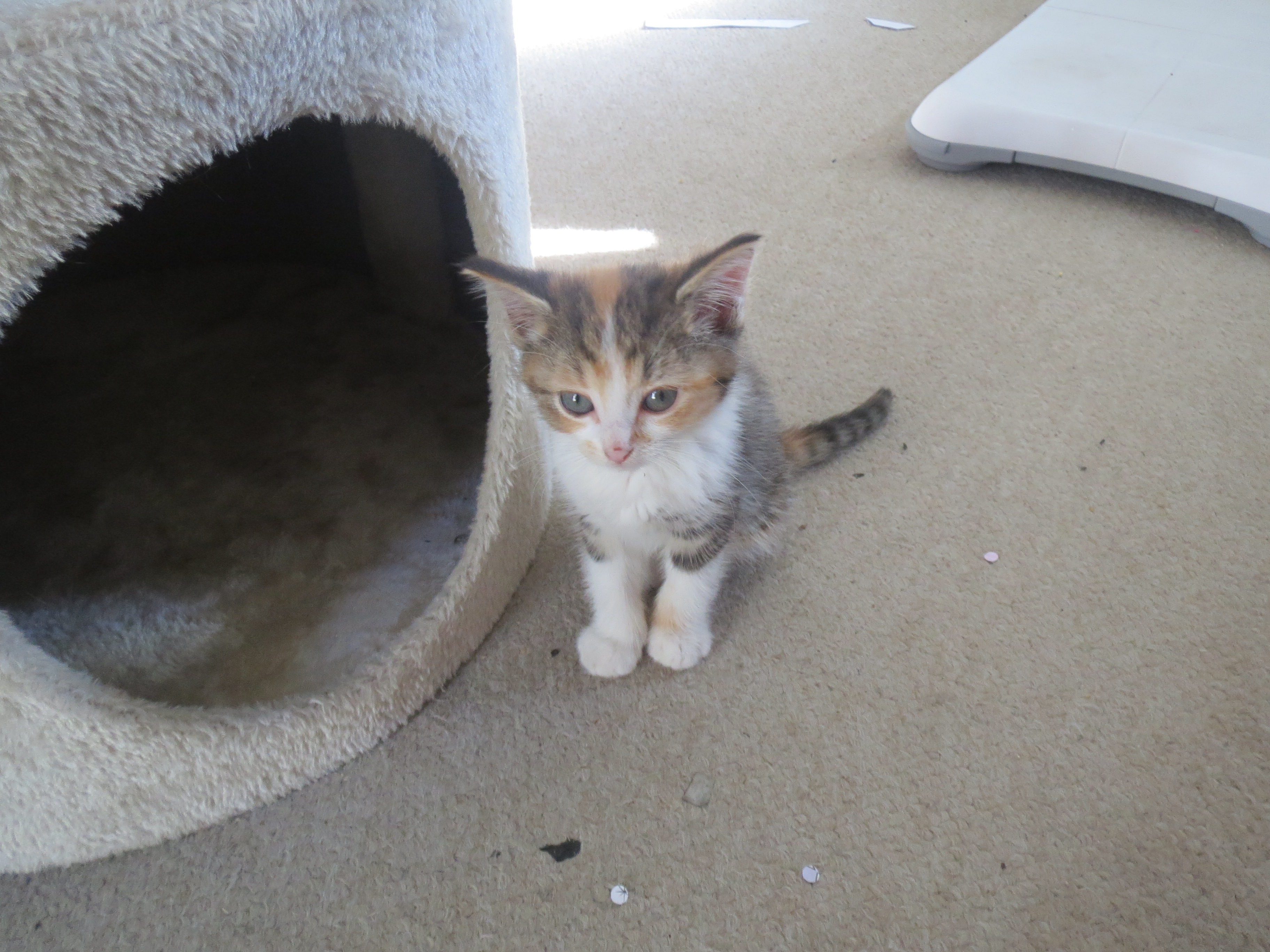
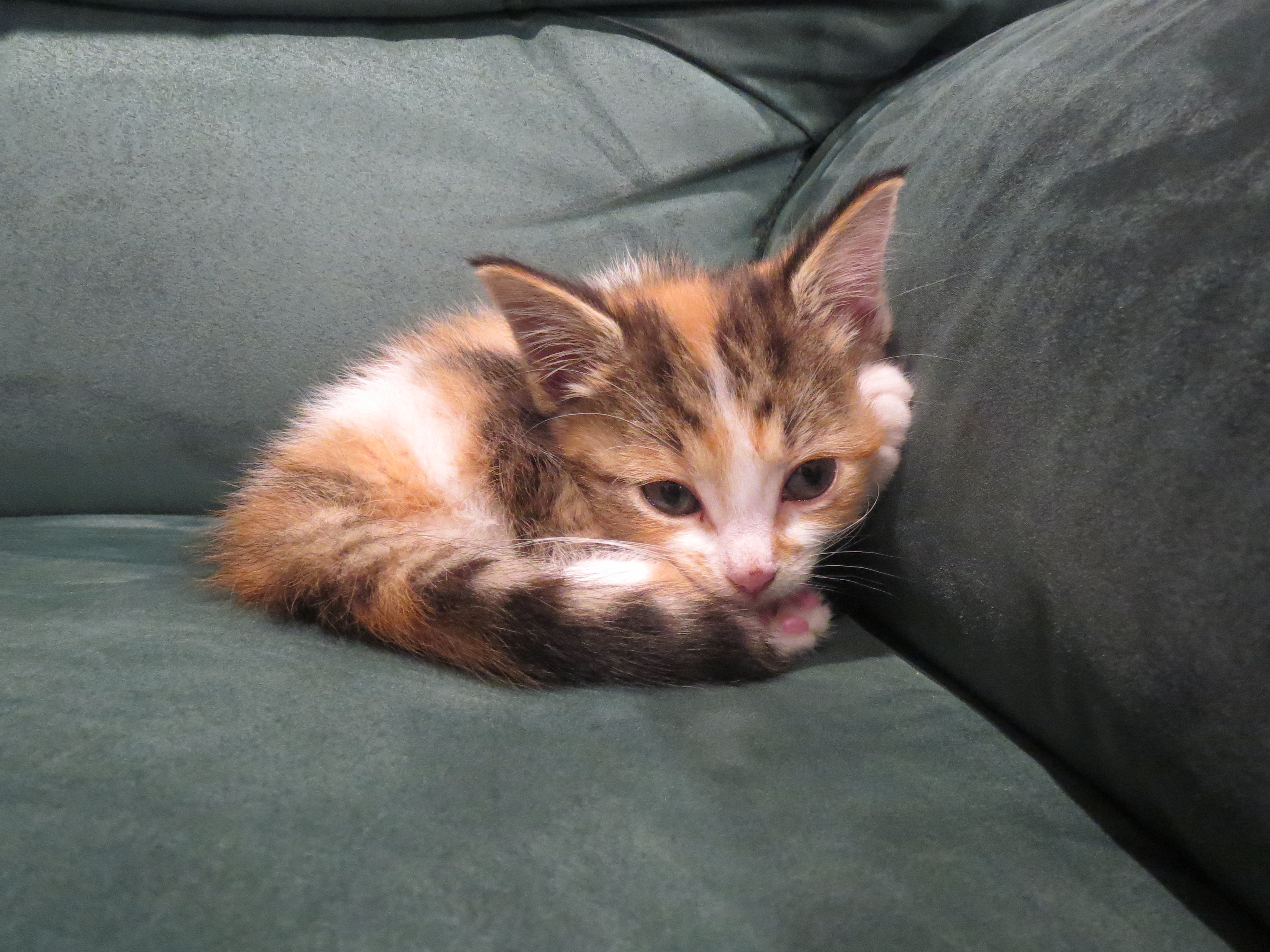
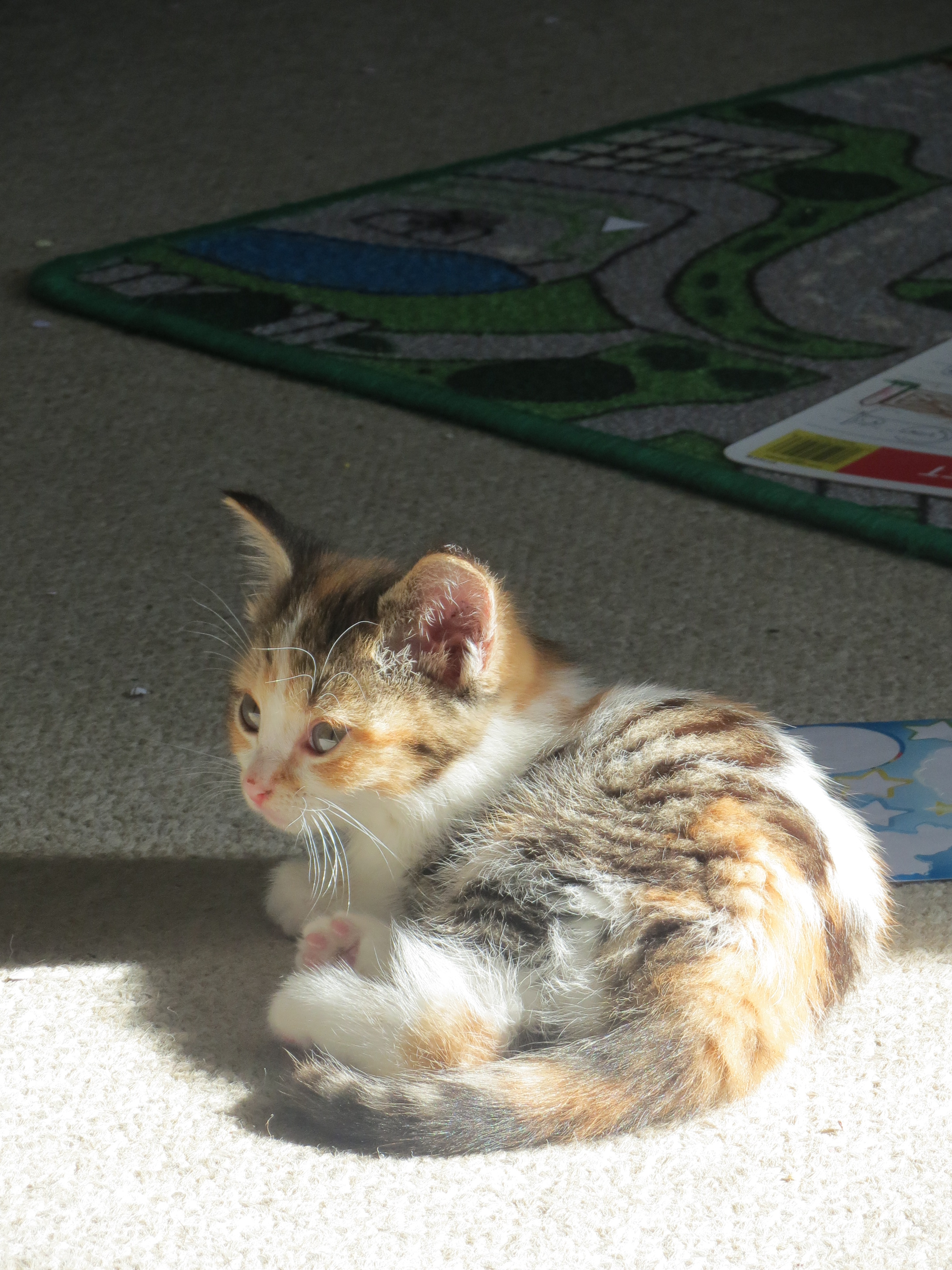
Zipper and Zoom: Into The Unknooooooowwwwwnnn!
Zoom did not vomit again last night, and she finished all her food, so I was leaning towards not calling the vet. But he called us (completely unprompted), and we talked about half an hour. This was Kippax Vet (in Holt), who are doing a great job socially isolating (no one goes into their surgery, but they talk to people on the phone from the carpark, and the animal goes inside). The vet who saw Zipper on Saturday was on his day off today, but I’m so grateful he called and I was able to check my food plans were good for her and that there’s nothing else I should be doing.
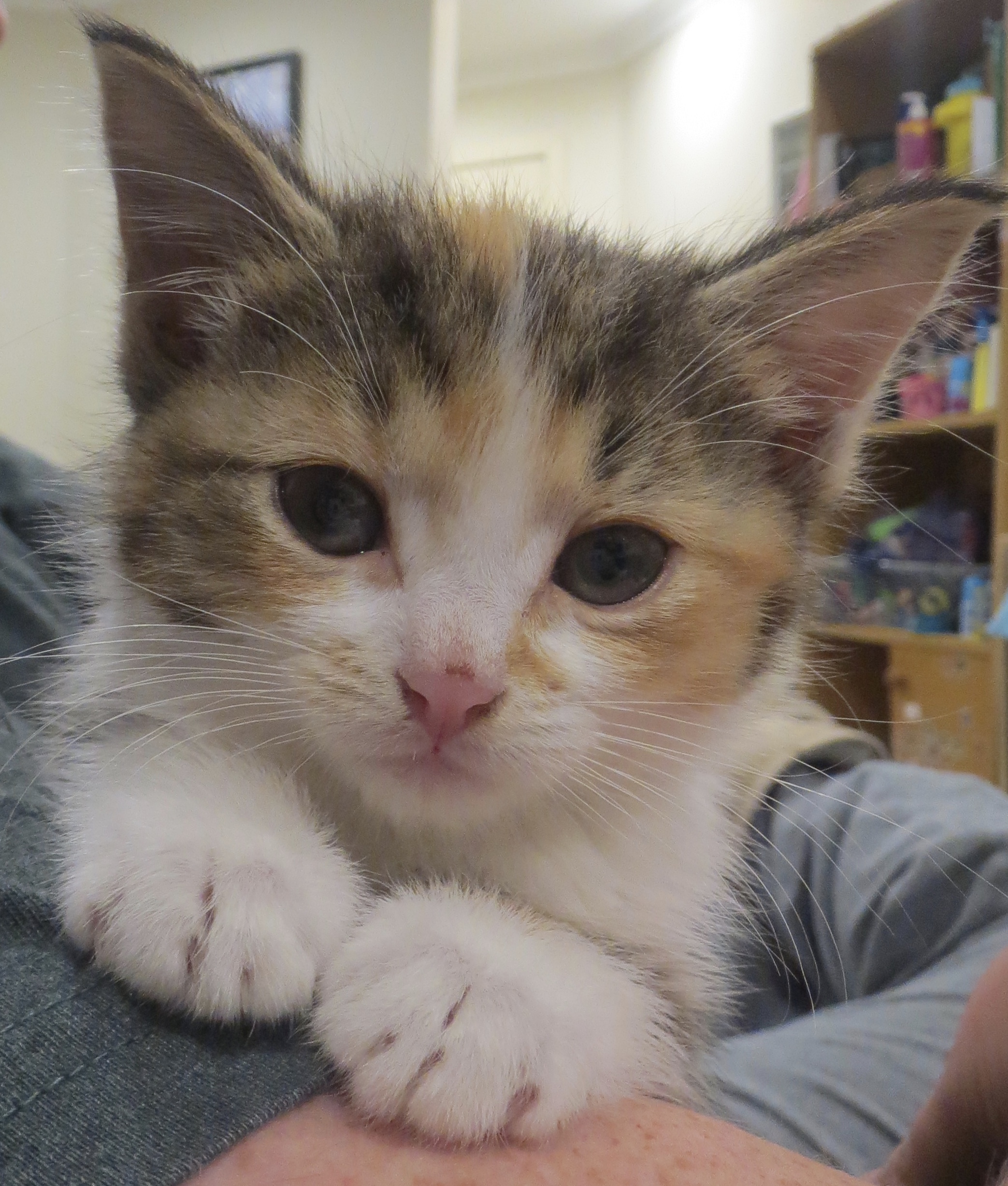 She’s getting more playful as she feels better, and now gets quite loudly lonely if I leave the room, so I’m taking her into the living room more and more. She’s also curious about Zipper, and Zipper is getting more used to her too. Zipper’s attitude is now mostly, “What have you stupid humans done now?”
 Given Zoom’s health, I was planning to take things even slower than before… but it was clear Zoom wanted to be out and about. It occurred to me that a sleepier, more passive Zoom was less scary for Zipper. So I waited until Zoom was thoroughly sleepy (but still in the living room) and then put her down in the living room, right next to me at first, to see what happened.
Zipper was tense, but crept a little closer and a little closer… while Zoom attempted to crawl inside our column heater (she didn’t burn herself, but I was scared she would), and remained on the verge of sleep. She actually displayed excellent cat etiquette, slowly blinking her eyes and not making any sudden moves. We may yet get genuine cat friendship out of these two.

 We’ll probably have another heavily-supervised ‘loose’ period after the kids are asleep tonight.
Zoom also growled for the first time today: not at Zipper, but at me when she thought I was taking her food away before she was done.
And she had her first brush, with Louisette (who brushes Zipper every so often and knows how to be gentle). The brush itself is blurry in this pic.
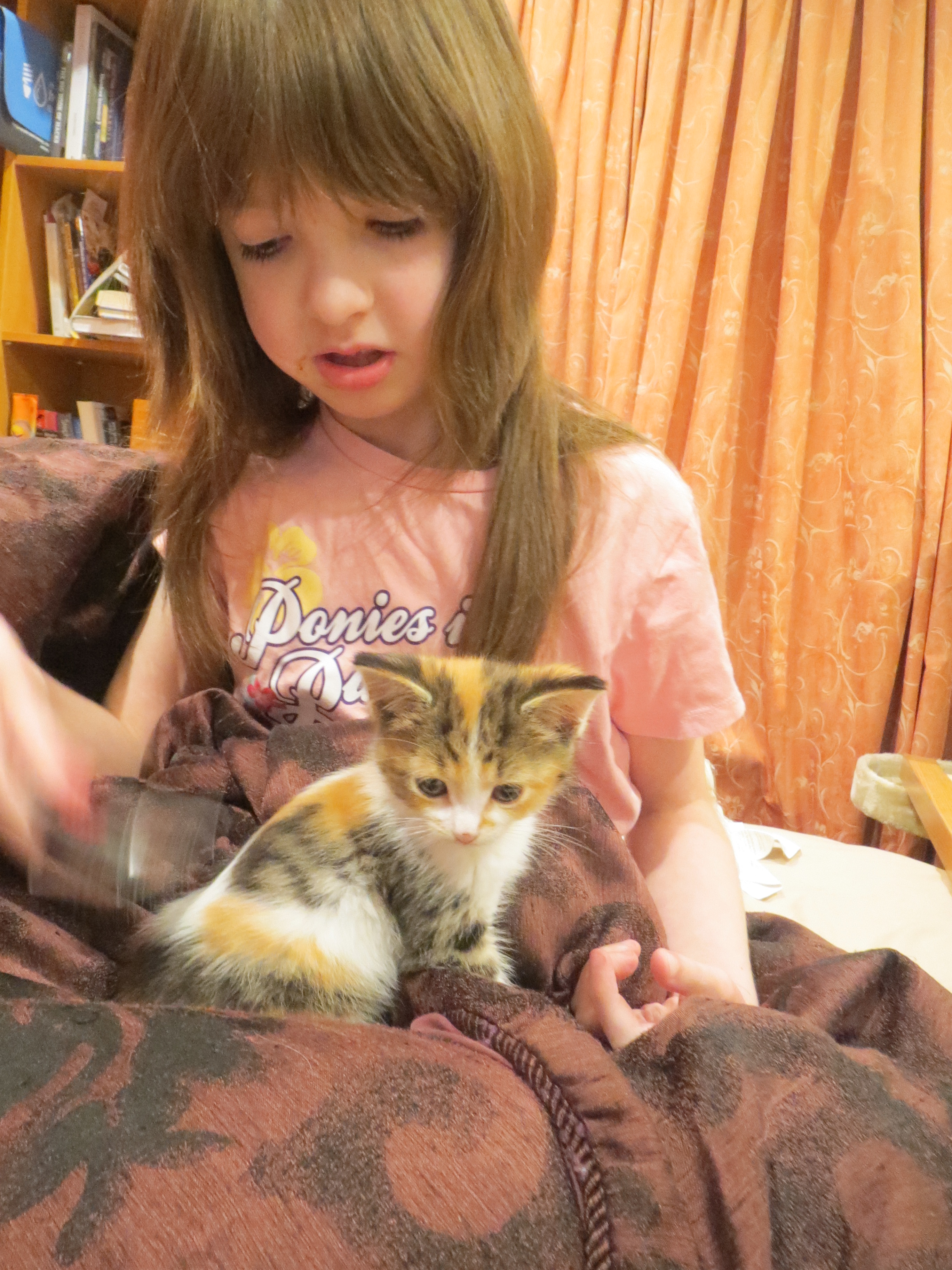
In other news, TJ has continued shooting baskets in our yard and today he reached 100! An epic achievement.
 I’ve spent some time outside (in the hammock, as usual) lately, partly to inspire TJ to burn off some energy, partly to help Zipper feel better (she loves it when we’re outside), and partly because I thought the terrifying spectre of Zoom might make her so desperate for reassurance that she’d jump in the hammock with me.
No such luck.
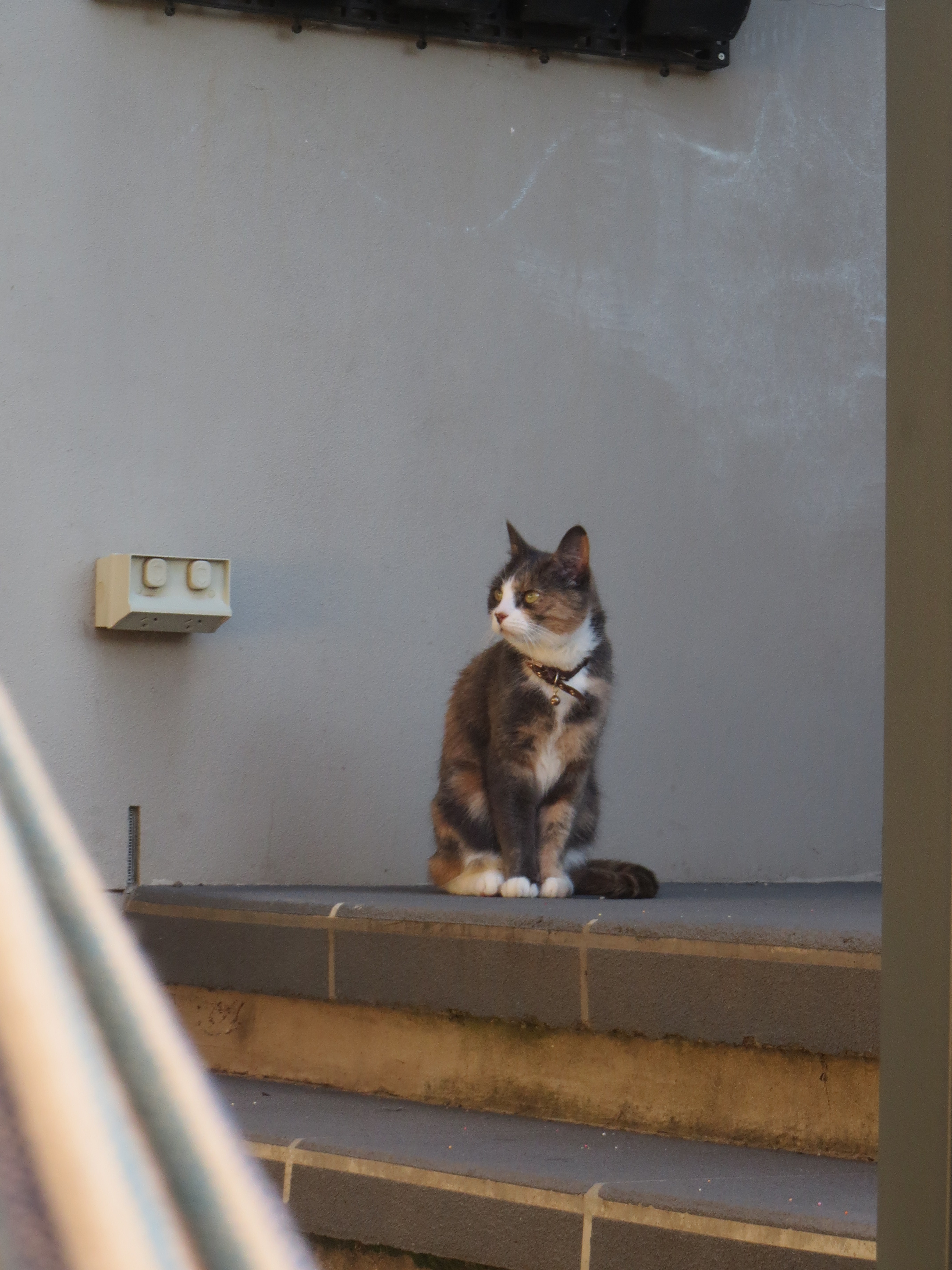
Of course Zoom would LOVE to come in the hammock with me, but she’s not allowed outside.
One day, my pretty.
Zipper and Zoom: Recovering
I fed Zoom four times altogether yesterday. She polished off the first two meals, ate some of the third, and refused the fourth. Around 2am, she threw up again (not the food, but the white foam that indicates stomach issues), so I reduced her feedings to half a teaspoon three times today, and that seemed to work well. We’ll see if she throws up or shows any other signs of distress overnight.
(She’s using the litter tray perfectly, by the way.)
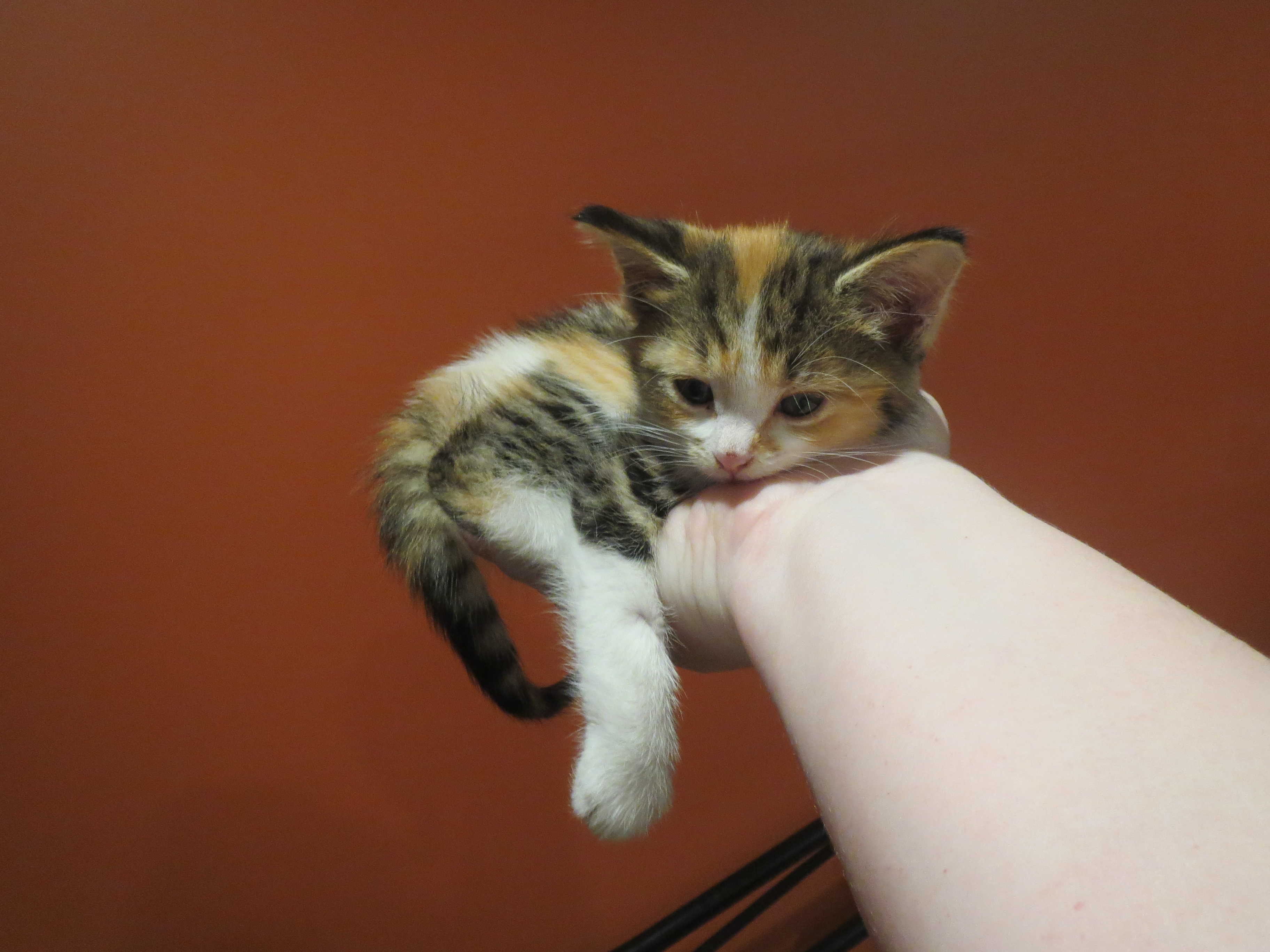
I’m worn out so that’s all I got for the blog today. Except more pics, of course.
 I didn’t put her on that post, by the way.
While I was cooking dinner and TJ was playing with Zoom in my room he called out to be rescued twice because Zoom kept settling down on his back (and yes, this happened because he kept lying on his stomach).
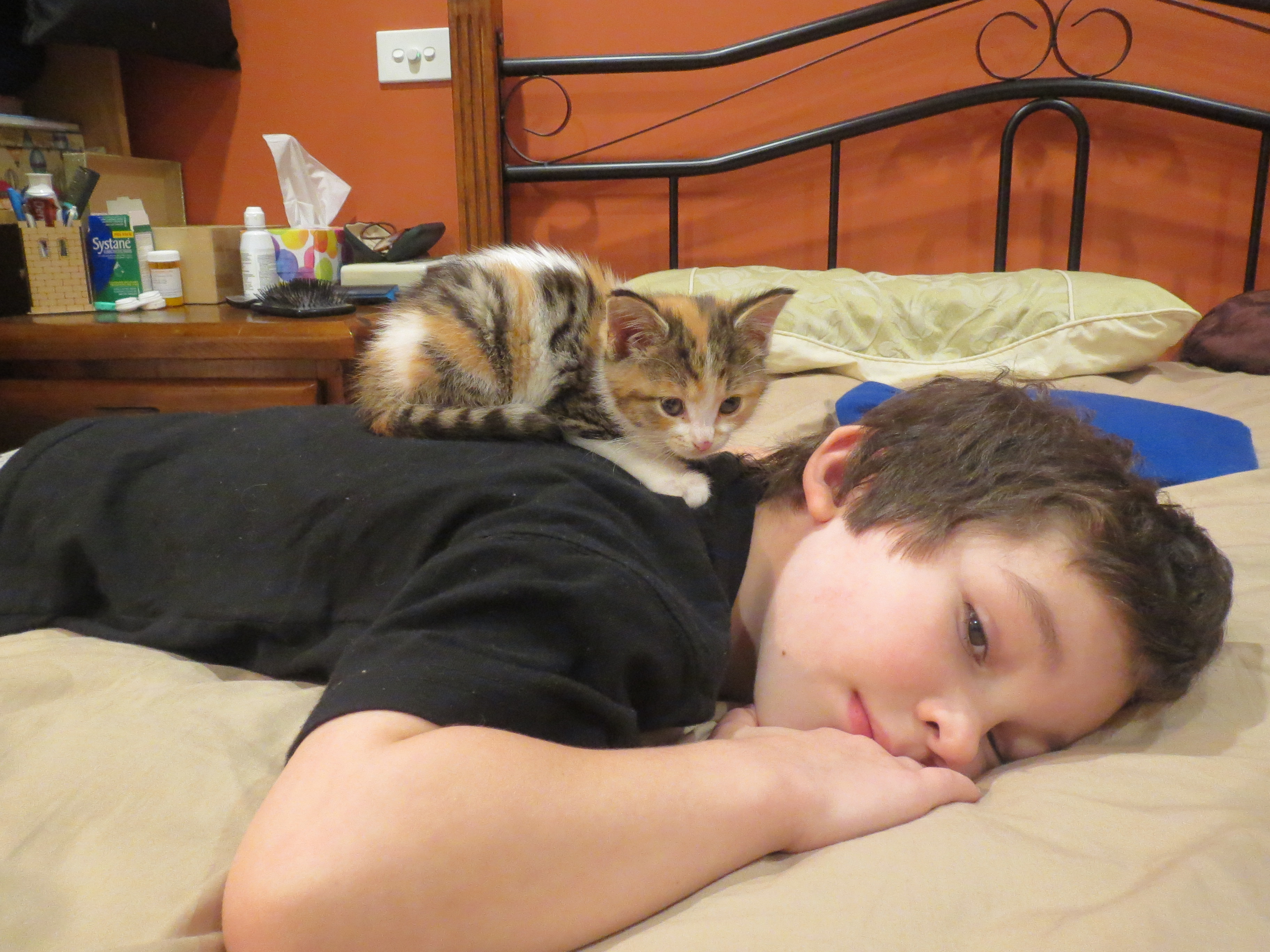

 Felicity Banks