IF Comp Review #5: Lake Starlight
by SummersViaEarth
I sorted the remaining entries into choice-based, 1.5 hours long, and this one sounds perfect. Young Adult coming of age is a genre I like. I’m 41 and still working out who I am, so the themes work for me (and tend to be fairly gentle, even if the world might be ending).
Lake Starlight says almost nothing, but evokes a mystical, natural feel. So does the cover, which is simple and effective. The description sounds pretty gentle too, and the writing style is pleasant without making demands on me. Perfect.
There are some minor grammar and spelling errors, that would not be picked up with a thorough spell check (which I’m confident this writer has done). They’re not egregious enough to truly annoy me.
Ooh, use of a language other than English. Love it.
And a choice of weakness, which I also love.
Neat stat and notification system. Very similar to ChoiceScript, which of course I like. Some neat visual tricks too.
The magical teachings are all, I think, therapy tools. And it is really working in the story. It feels like a story my daughter could easily enjoy—and, thanks to the forms of magic, it could be really beneficial too.
I… think I’m in love.
And a choice of weakness, which I also love.
Neat stat and notification system. Very similar to ChoiceScript, which of course I like. Some neat visual tricks too, used appropriately and effectively.
Many of the magical teachings are real-world therapy tools. And it really fits in the story. It feels like a story my daughter could easily enjoy—and, thanks to the therapeutic magic, it could be really beneficial too.
Hmm. I got a little bored due to the simplistic story and writing. Appropriate for a tween I think. The “evil corporation is coming” plot was told in a very expository and cliched way.
I was surprised to get to the end and find out I’d only read Part 1 of a much longer story. It’s sort of good because I can compare it to the two other ‘beginning of a much longer tale’ games I’m judging this year, but it also means I didn’t get to see where my strengths were useful. Or an ending, of course—although doing one successful bit of magic was satisfying.
IF Comp Review #4: One Knight Stand
By A. Hazard (SURELY a made-up name?)
This game has plenty of violence, despair, etc… so I’m upping my emotional defenses. But they also have the option to read a detailed list of possible triggers, which is great! So I read through them and I think I’ll be okay. There is violence and mature themes… which I’m hoping means sex and violence, not rape. If there’s rape, this warning isn’t quite cutting it for those with that specific trigger (which is a lot of people).
As usual, I’m more ‘live blogging’ than reviewing.
I’m a fast reader and decisive, so let’s see if it’s possible to actually get through the game under 2 hours despite it saying “Over two hours” in the description. [Edit: not a chance. It’s another monster-sized game.]
Title has a pun but also suggests a desperate last stand. I like desperate last stands and hate puns (but forgive them in titles).
Uh oh. There’s a typo in the first sentence. That is more ominous than any foul prophesied horserider.
The rest seems deliberately verbose, but probably just for a prologue-y quote-y bit (otherwise it’ll be a real slog). Writing seems solid, though, I think.
The first choice happens nice and quick, and it’s instantly intriguing.
Hmm. The following text makes me think it was a fake choice.
Onto Chapter One!
Up to the first choice and yep, I’m sold on both the game and the writing. There is enough clearly going on to intrigue me, the writing is indeed solid and not the overwrought stuff of the opening, and I’m pleased to see King Arthur is apparently involved (you may want more originality in your tales, but he and his knights are old friends and I like familiarity).
I LOVE a choice of weakness! And there are several here.
There is a LOT of customisation here, which is great. Except the writer made an error. When they described the hand-shaped bruise on my arm it is said to be a sharp contrast to my light skin. Which means the player character must be white.
Okay! My two hours is up and I feel like I’ve barely started this game. I’d guess the full game takes at least six hours to play. There is enough to keep me interested, but the pacing is fairly relaxed at first (giving plenty of space to ramp it up later), with some action scenes. The horror elements are certainly horror, but they’re more disturbing to the characters than to me, so I’m fine reading along.
My feeling is that there’s a little too much customisation, but I’m sure some readers will love it. It was only in the last half hour that I actually had much idea of what was going on, so a lot of my choices felt largely meaningless (although I don’t think they were actually as meaningless as they felt like they were, eg they were measuring my investigation skills) and a little repetitive.
There are a few very minor errors of spelling or grammar.
It’s extremely hard to judge a game without an ending, but I’ll do my best. There are some really cool plot beats, and a nice sense of ominous things coming closer.
The action ramps up considerably at a certain point, but I can certainly tell this game is just getting started.
IF Comp Review #3: One Does Not Simply Fry
by Stewart C Baker and James Beamon
ChoiceScript comedy. I’m in.
I am suspicious of comedy as a genre, as taste varies so very much. I personally love the “Lord of the Rings” movies with a fiery passion… but I hate puns. So this will be quite a journey!
Now that we’ve established I have massive biases in both directions, let’s jump in!
Also, there will be massive spoilers because this is more of a live blog thingy than a typical review.
The writers have already done something rather clever. ChoiceScript has a specific visual style, designed to be non-distracting. It’s very basic. The games also automatically open directly into the first bit of text when you click ‘Play Online’. Entrants in the IF Comp typically upload an html file with the link to the game (mine is literally just one hyperlink and nothing else). These guys had a nice-looking page of instructions and other details which is not done in ChoiceScript at all (or if it is, they would have had to sort through a bunch of code to shift colours etc)… but then links to the ChoiceScript file.
I shall definitely do that next time I enter. It is much classier, and feels better to the player.
I do love the name “Mount Boom”.
Props for giving vegan and vegetarian options! I am not at all a vegetarian, but when someone actually thinks about minority groups and chooses to bother doing extra bits of code for them, I am impressed. It also makes me instantly feel safe, because a thoughtful game tends to be a kind game (kind to easily-traumatised readers like me, I mean).
I was scared this game would be entirely built on puns, but they seem to be mostly just for names. The style is fun and amusing. I’m on Paragraph 3 of Chapter 1 and I can now fully relax, because it’s clear I’m in good hands. As I’ve said before, if it’s got good writing I will like it. If not, I’ll hate it.
This is good so far.
At the choice of character, having one who can only be accessed on replay is brilliant, especially as it’s clear the writers really want players to go through the game at least twice. Ooh, and only if you WIN the fry-off. These writers are playing hardball!
There are quite long blocks of text between choices. I wonder if that changes when everything’s set up and properly getting started. We’ll see.
What’s with the dice roll? The story basically told me this was my first test, then it appeared to be randomised and not based on anything I’d done. I’m past the first chapter and I’ve made hardly any meaningful choices at all (although to be fair, the two choices I made were significant: character and goal).
It feels weird to play a ChoiceScript game and not choose my gender. I think the writers felt everyone was sick of choosing gender, sexuality, name, etc every time they play a ChoiceScript game. But I like that stuff.
Uh-oh, things are ending badly (which is good for a game very focused on being replayable—it shouldn’t be too easy). It’s a well-written bad ending.
It’s not my favourite game ever, but it’s pretty darn good, and well executed.
Playthrough #2!
Hmm. I bet the Which King? can influence the dice roll and get the super cool kitchen. [Edit: He can’t. Seriously, what is even the point of the dice roll?? Is it merely to make poor innocent completionist players take a fourth play-through in case the one character they didn’t try gets the good kitchen? Well, probably.]
On two different tests I had two viable choices and one obviously poor choice. But my relevant stats were exactly equal for the two choices, so that was unhelpful. The stats are completely static, too—nothing I do makes any difference to my skills. Which is fine, just unusual in ChoiceScript which is specifically designed for delayed branching.
At a couple of stages, a particular choice is correct regardless of what other choices I’ve made along the way. Good for rewarding replayability (and the player’s short term memory), bad for distinguishing one character from another.
I won this time! I was very anxious because I wanted to win this time around, but I knew my onions weren’t perfect. So I feel good about that.
LOL. I’m literally allergic to onions (yet craving them due to this game) so of course I enjoyed having that option (and the torment of wanting to eat onion rings anyway, which is extremely true right now).
Third Playthrough.
I was planning to play the game twice, but they have lured me in. I’m playing as the Which King? next, even though it didn’t entice me at all the first time around.
On this third play-through I saw some things I hadn’t seen before, but it was also very clear that much of the game remains the same. For example, EVERYONE apparently finds Smeagol (you know who I mean right?) slightly attractive, which is statistically very unlikely. There are so many bits of flavour text that could have been different for each character. It’s a shame they didn’t get developed.
I feel like replaying this game was moderately rewarding but not as rewarding as it should have been for a game that is so determined to have players returning for a second (or third or fourth) go.
Still a good game though.
IF Comp Review #2: How Prince Quisborne the Feckless Shook His Title
The author saw my last post and suggested I try his game, since it’s specifically designed to be moron-friendly (that is not actually how he described it).
After installing a TADS er… thingy and downloading it, including going into my security system, I was tired out from problem solving and took a break. I’d been using my brain for almost three minutes!
But I was greeted with a pretty screen and music, which was a nice reward.
The full instructions took about ten minutes to read, and serve as a good intro to parser in general I think. I remembered how much I hate re-reading the same description over and over (a rather essential part of parser games) and opted for the read-through.
Ah! I love the opening paragraph! The exact same humour as was clearly indicated by the title.
Love the whole first page, which starts strong and gets better (and more original) from there.
(In case it wasn’t clear, my main bias is in a highly writer-centric direction. If there ain’t good writing, I will hate it. So far, I love this.)
The author pauses a couple of times to give hints about formatting stuff, which sort of interrupts the story but as a raw beginner I love getting little bits of info juuust when I need them, and in easily-digestible fragments. Ooh, and they develop into gaming hints as well. I’m still allergic to parser (to the extent that I tense up when someone mentions a compass direction) but any moderately sane and intelligent person could easily fall in love with parser because of this game helping them along the way and giving them the option to continue the read-through or put in their own commands.
It does seem to me like a lot of text. I’m not complaining personally, it’s just that my usual experience of IF has the shortest possible bits of text followed by a decision (choice-based IF, of course). Fortunately, fun writing is the author’s strength so why not use it?
There’s some seriously excellent world-building, such as the roads being designed with living creepers to keep them harmonious to the landscape.
Still regularly making me laugh out loud.
I reached an ending (in the sense that the read-through gave it to me), which was delightfully macabre and easily undone. The “undo” button is a wonderful thing.
There’s evidence of thorough programming here, where the scene ‘remembers’ where you dropped things previously.
I just reached the end of the prologue, still enjoying the story (although I thought the paranoid king would believe his rutabagas were somehow sabotaged out of winning first place). It took me less than an hour and a half to get here (it really helps to do the read-through, of course!) so I’ll keep going. I’ve deliberately kept a timer on so I give this game two hours—no more, no less—as per contest rules (we’re meant to judge a game based on the first two hours of play if it’s a monster of a game like this one).
I’m quite delighted that the main focus of the last hour and a half has been some vegetables. I adore low stakes. I also love the prince. And the odder commands in the read-through (eg “Drown Prince”) are delightful. I sometimes find phrases a little clunky, but I think that’s part of the deliberately verbose style rather than actual grammatical clunkiness.
Every so often I know just enough to see the elegance and hard work happening behind the scenes to make the story flow nicely. There are dozens of snippets about what Prince Quisborne is doing as you poke around, and when you leave an area the game very kindly tells you that you leave certain items behind (keeping the inventory to useful items).
I can’t truly comment on the ending, of course, but this seems like a really excellent game that is also very polished and charmingly written.
IF Comp Review #1: Help! I Can’t Find My Glasses!
The Interactive Fiction Comp runs every year, and it is a huge deal among interactive fiction writers and fans. I first entered it in 2015, when I was very new to the whole field of IF, and the entire experience was intense and amazing and lovely. Apart from anything else, part of the forum is a secret Author’s Section where only those who’ve entered the contest that year can talk to each other.
The judging lasts six weeks, and during that time there are HUNDREDS of public reviews.
It is NOT a popularity contest. The community is expected to judge as fairly as they can, and the judges keep an eye out for suspicious trends. But the basis of the contest is community and trust, and I LOVE it.
I am a terrible judge. About half the games each year are parser-based, ie they have puzzles to figure out. Given that I barely know what day it is and live in a permanent state of near-panic, those games are no good for me. I’m also amazingly bad at figuring out even the simplest of computer-y instructions, so a lot of the games are cut off from me for that reason.
So, in sum, I’ll start with games written in the same engine as my own—ChoiceScript. There are three other than my own, so at some point I’ll gird my loins and see what other games are suuuper accessible for my particular neuroses. Because I aim to judge at least 5 games (which is the minimum to take part).
Oh yeah, and I don’t want to give my brain anything too dark, because my depression feeds on that quite badly. That includes any mental illness stuff, so I’ll be avoiding any “this is what it’s like to be mentally ill” games.
Enough rambling! Let us begin!
Help! I Can’t Find My Glasses!
ChoiceScript? Check. Non-Traumatising? Almost certainly. Short? Very.
This game sounds SO easy to play and judge. I’m in.
As a writer, this title is brilliant. It sets tone (tiny, real-world, highly relatable, small-stakes drama), it tells the reader exactly what the driving force of the narrative will be (need glasses), and it immediately makes me sympathetic towards the main character (it gives us a serious problem, as anyone with glasses can tell you, and also gives us a key vulnerability).
The first few choices immediately set name, gender, and sexual orientation, with non-binary options (although no asexual options for those who don’t feel like a fictional romance). This gets some mechanics out of the way very neatly (important in a short game) and allows gender and sexual diversity which immediately makes me feel safe. (Not that I’m in danger from a game, but it means the writer is kind and therefore much less likely to accidentally have casual racism or something else hurtful. The names also had some cultural variety.)
I was immediately let down by the grammar, which is clunky eg “Your hand swipes through…” is saying that your hand passes through solid wood, which would be magical… which is not what the writer intends. Referring to glasses as “it” rather than “them” makes me think English is the writer’s second language. Which makes this an even more impressive achievement. But if this was a longer game, I would quit within three choices. This is what beta testers and editors are for.
The author captures the helplessness of a person without their glasses very well, but the choice to either “beat”, “gut” or “forgive” the person who took them doesn’t allow for any middle ground between violence and forgiveness. Why can’t I report them to a teacher, for example? Or steal something belonging to them?
It’s also odd that someone would fall asleep in a club room. Yes, students will fall asleep anywhere, but it still needs a line of explanation.
My first ending I chose to go and take another nap, and my glasses just appeared back on the table as if nothing happened. It was a little abrupt, but okay (and, no romance happened). My actual theory is that Minh or Jaime knocked the table while being silly and the glasses fell on the floor. Let’s play again and see…
Second ending I discovered Jaime’s dark past (or at least some of it) and asked them on a date, which they agreed to. But I don’t think I found my glasses, so that was a weird ending.
Third ending I wandered around the school a bit, which was quite pleasant, and then I thought I was clicking through familiar endings when I was suddenly at the end. Oops? Or an error?
Fourth ending, I simply ran out of time and the game ended. That’d be the bad ending.
I won’t rate this game very highly, but the writer certainly shows promise. It was smart of them to enter a short game in the IF Comp—a (relatively) small amount of effort for a lot of feedback and community involvement.
Open Garden Fundraiser, 11 November in Canberra
10am-4pm at 15 Cockerill Pl McKellar (different garden to the last two years!)
Entry is $5 with kids under 5 free and a maximum $20 for families.
11:30am Horticultural Talk
1:30pm Refugee Sponsorship Talk
3:00pm Posy-Making Workshop
Plus loads of live music, home-made food (including lunch, tea, and coffee), art, books, our famous plant stall, contests and prizes, and more!

Adventures in Community Sponsorship of Refugees
[Media Release]

Afghan refugee Sara Tahiri, her Australian-born cousin Jamila Amir, and honorary Castle of Kindness Refugee Sponsorship Group member Lizzie Banks.
On the 7th of June this year, Musa and Amina Tahiri* were told they and their four children would be moving to Australia in fifteen days. Musa and Amina are Afghans who lived as refugees in Iran for thirty years before the Australian government’s Community Refugee Integration and Settlement Pilot (CRISP) opened the door to a new life.
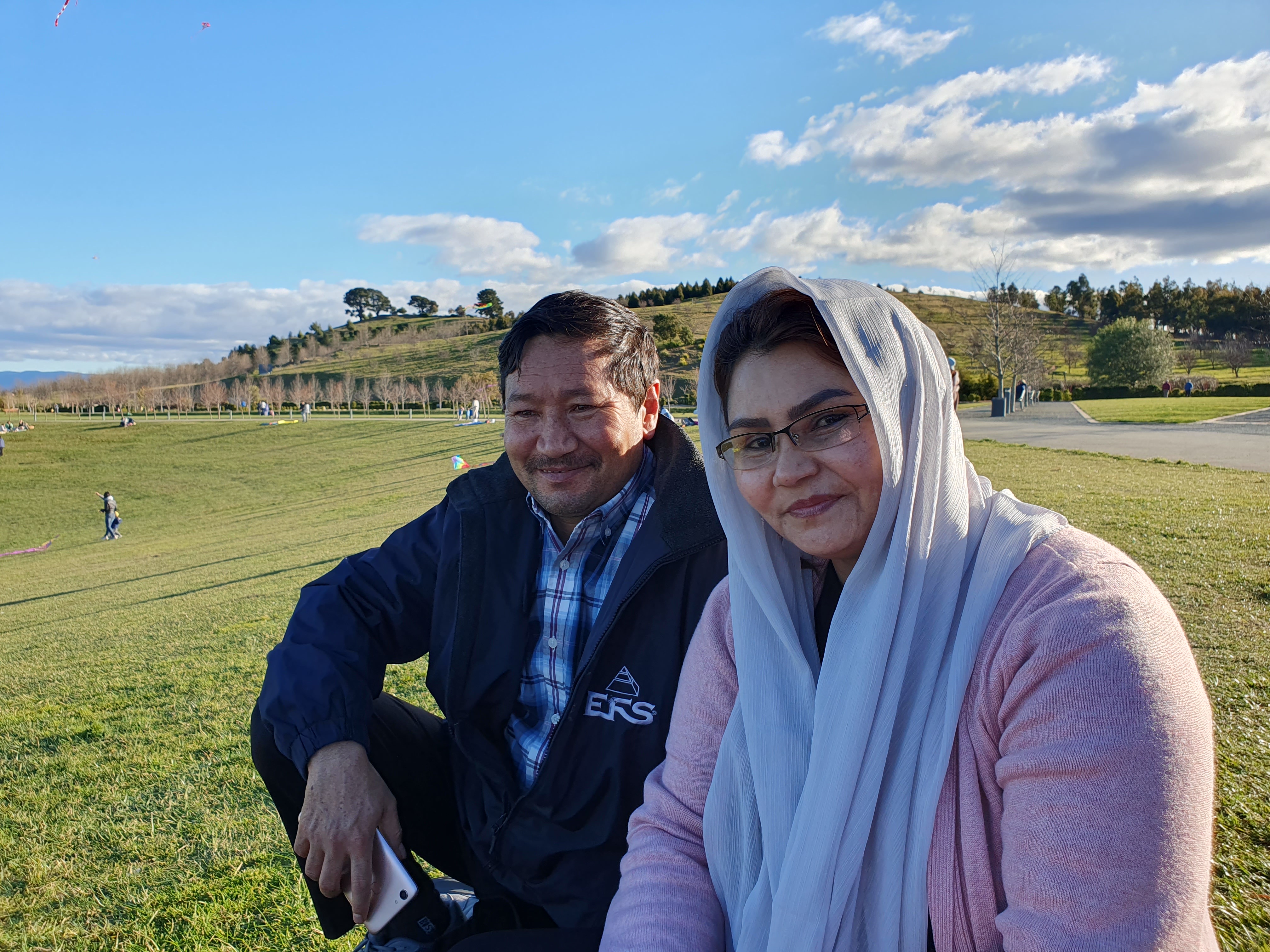
Musa and Amina Tahiri.
When they arrived in Australia on June 22nd, mother of two Felicity Banks met them at the airport with snacks, water, and a ball for two year-old Sara to play with. Along with other members of the Castle of Kindness Refugee Sponsorship Group, she accompanied them to a house in Canberra. It was prepared for them with furniture, linen, and seasonal clothing donated by the wider Canberra community. There was halal food in the fridge, colourful art on the walls, and a freshly-made Afghan meal for them to eat.
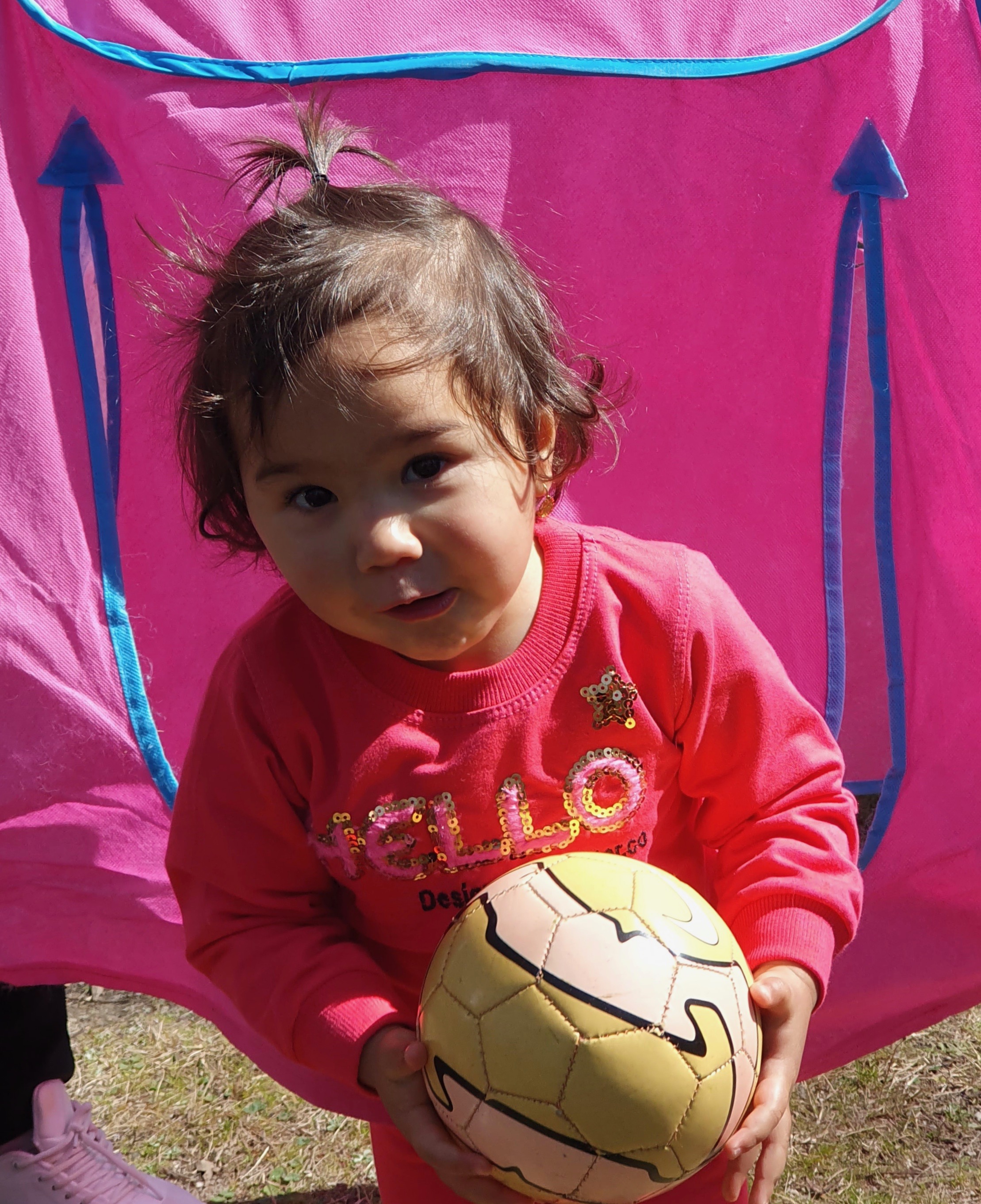
Sara Tahiri.
A few days later, a member of the Castle of Kindness was showing the Tahiri family how to walk to their local Aldi while Canberra’s winter wind whipped sleet into their faces, and was astonished when eighteen year-old Ahmad used Google Translate to tell her, “I think this is like Paradise.”
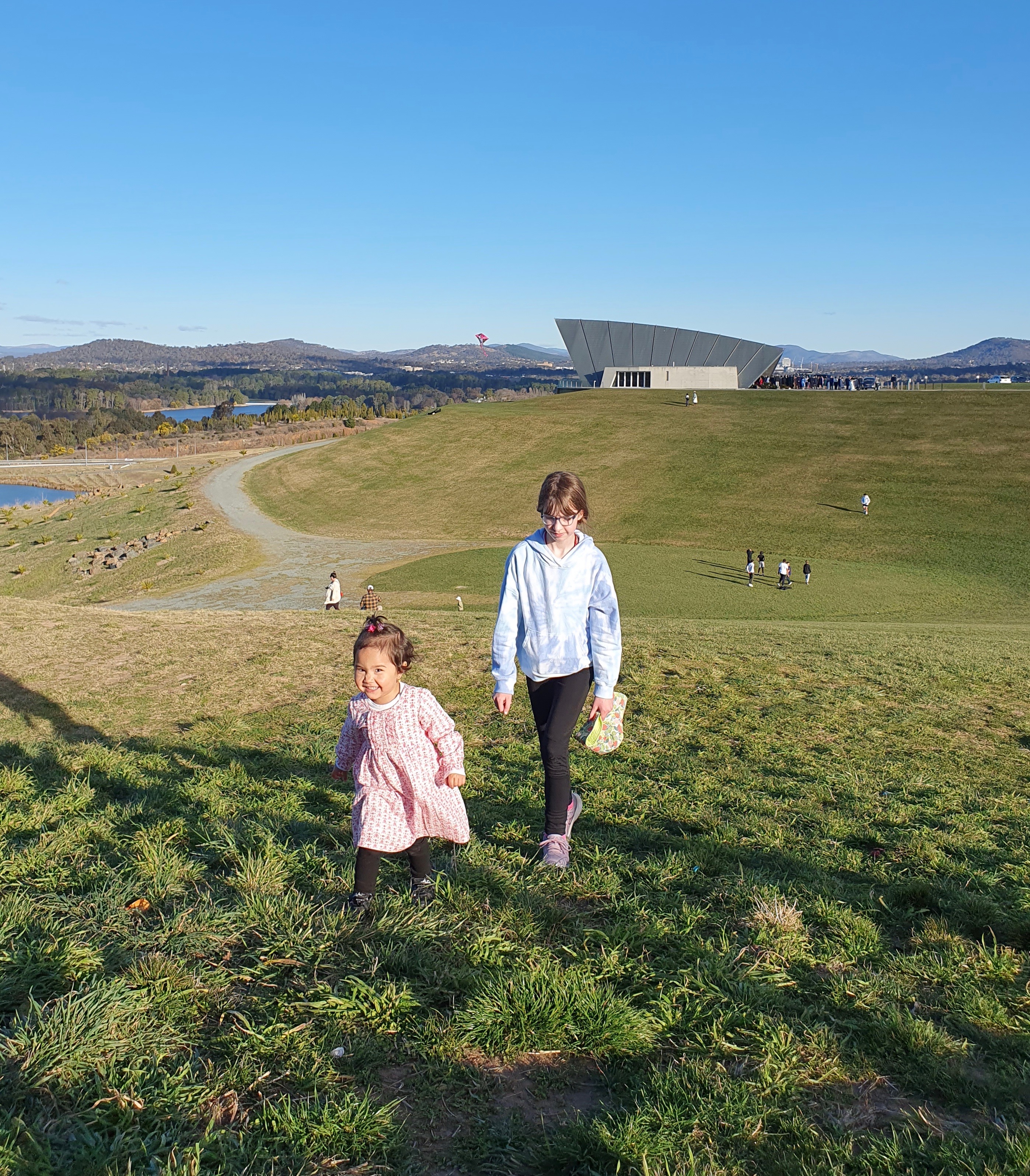
Sara Tahiri with Lizzie Banks at the National Arboretum.
The Castle of Kindness Refugee Sponsorship Group is made up of a mix of Canberrans, some of whom had not met before forming the group. Each person brings their own skills, connections, and personality to the table. Felicity Banks is the coordinator. She says, “None of our group members speak Farsi, and it’s often difficult to communicate. But the fact that I speak English means I already have a skill that refugees need. We also have access to free translation services, and the local Afghan and Iranian communities. One Canberra woman grew up in the same Afghan town as Amina—and now their youngest daughters go to the same playgroup.”

Sara Tahiri communicating eloquently with Lizzie Banks.
The Castle of Kindness Refugee Sponsorship Group has shown the Tahiri family around their new neighbourhood, accompanied them to health care appointments, taught them how to catch buses, and connected them to English lessons, local small businesses, and more. “People think Canberra is soulless and unfriendly,” says Felicity, “but it’s simply not true. The wider community has welcomed the Tahiris with gifts, practical help, kindness, and friendship. There are groups like ours forming all around Australia. Most Australians already know that refugees deserve a chance to thrive.”

Amina and Sara Tahiri with Leslie, another member of the Castle of Kindness, the day they moved into long-term rental accommodation chosen by the Tahiris.
One day, when the Tahiris were preparing to walk home from Felicity’s house, little Sara confidently told her family, “You go home. I’ll come later.” She is a bright, defiant, affectionate and confident girl that Felicity calls “Little Miss Pterodactyl” because she loves to scream for joy. “When I imagine this strong-willed and clever girl growing up as a stateless woman in Iran, I shiver,” says Felicity. “Amina sleeps better now that she lives in Australia, because her children are safe. She has also just started a new job.”

Sara playing with Lizzie’s hair
The Albanese government recently announced that they would increase Australia’s Refugee and Humanitarian Intake to 20,000 per year, which is welcome news to refugee advocates. Minister for Immigration, Citizenship and Multicultural Affairs Andrew Giles also says, “The Government is committed to ensuring that Australia steps up and plays its part in addressing the global humanitarian crisis, including by increasing community sponsored and other complementary places gradually to 10,000 over time and making this additional to our humanitarian intake.”

Amina and Sara Tahiri in Tidbinbilla Nature Reserve
On the other hand, Iran alone is currently hosting over 750,000 registered refugees, most of whom are Afghans. Felicity says, “I can’t provide a home for every refugee in the world, or even every refugee in Iran. But to Sara and her family, the world has changed completely because of one small group of Canberrans. They’ve changed my world for the better too.”

Felicity and Sara at Bondi Beach (photo by Amina).
The Tahiri family loves to see cockatoos, gum trees, and kangaroos around Canberra. When the Castle of Kindness found out the Tahiris had close relatives in Sydney and had never seen the ocean, group member Christine O’Callaghan joined Felicity and her whole family in taking the Tahiris on a holiday to Sydney—including a trip to the beach with their cousins the Amirs. “Because we’re a community group, we can choose to do things just for fun,” says Felicity. “My heart was filled with joy to see the Tahiris connecting with their Australian-born cousins. And Mrs Amir invited all twelve of us to her home where she filled our stomachs with delicious Afghan food.”

Hassan Tahiri, Amina Tahiri, Felicity Banks, Sara Tahiri, Gisoo Amir, Lizzie Banks, and Christine O’Callaghan eating ice creams.
CRISP groups like the Castle of Kindness holistically support one refugee person or family at a time for their first twelve months in Australia.
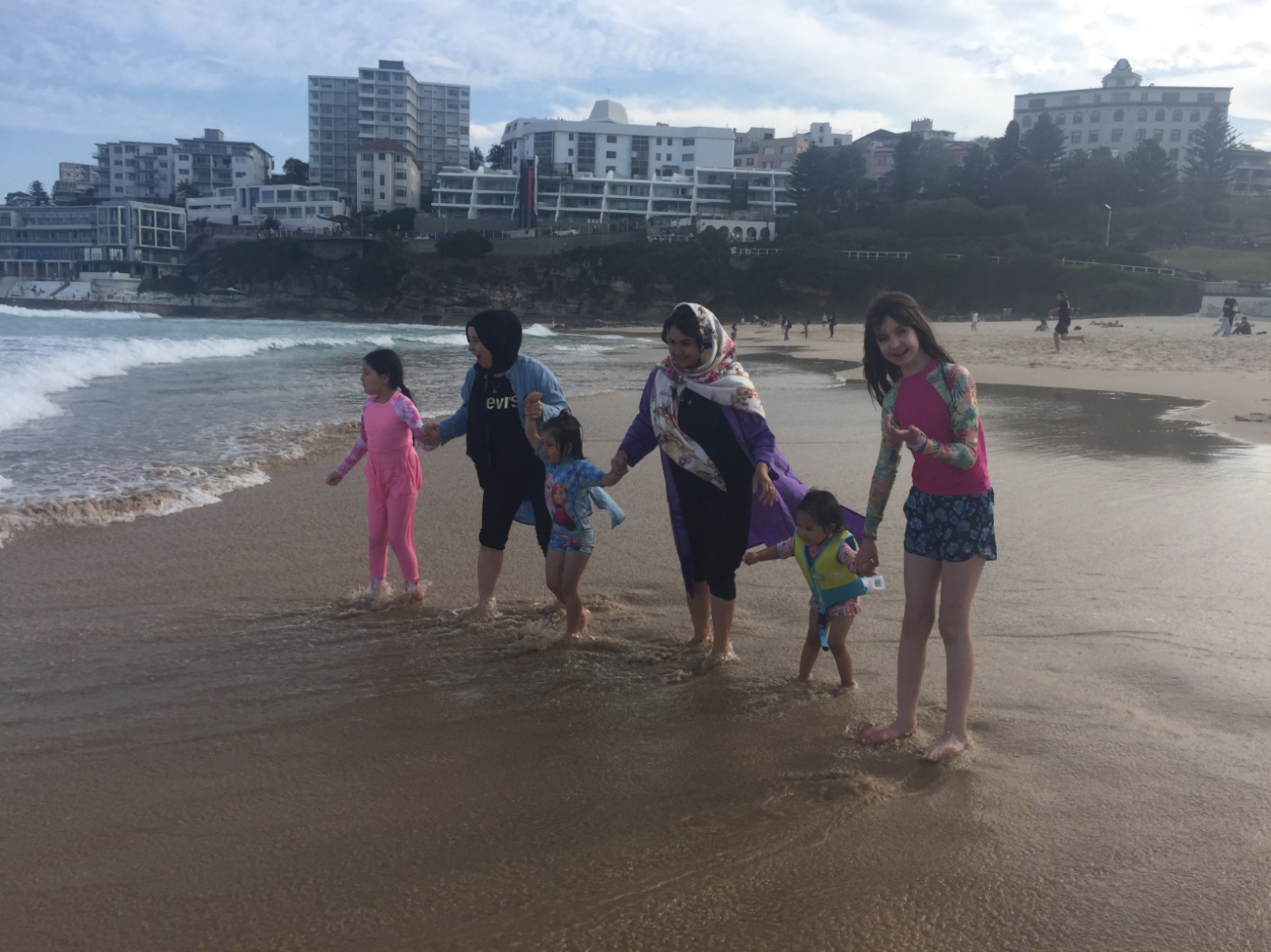
Jamila Amir, Mrs Amir, Gisoo Amir, Amina Tahiri, Sara Tahiri, and Lizzie Banks at Bondi Beach.
The Castle of Kindness Refugee Sponsorship Group receives no government funding. They are running an Open Garden Fundraiser on Saturday 11 November from 10:00am-4:00pm at 15 Cockerill Pl McKellar including a plant stall, live music, home-made baked goods, contests for kids and adults, a talk by horticultural expert Bryn Hutchison at 11:30am, and a talk by Felicity Banks about refugee sponsorship at 1:30pm. There is also a Posy-Making workshop at 3:00pm. Their GoFundMe is here.
Their web site is here, and Felicity can be contacted directly at CastleOfKindness@gmail.com
For more information about the government’s Community Refugee Integration and Settlement Pilot, click here. Or here for an update from the office of the Hon Andrew Giles MP.
*names have been changed
Discovering a Fictional Australia
When I decided to write books set in an alternative Victorian-era Australia I decided to remedy my ignorance (to a very minor extent) by reading twenty nonfiction books (and of course spending time on wikipedia and elsewhere). I also took another look at the TV series “Worst Jobs in History”, visited the National Museum, and went horse riding – as well as reading several novels of the time (I definitely recommend Marcus Clark’s “For the term of his natural life” although I now can’t remember whether it has rape in it or if I’m confusing it with another convict story), and every modern steampunk novel I could get my hands on.
Here for your convenience are my short reviews of the twenty books I read.
These are the top three, in my opinion.
1. “Victorian London” by Liza Picard (including colour illustrations).
If you’re going to read one book before writing steampunk, this is the one you want (and, as a bonus, it’s often hilarious). The first chapter is on smells, and later on she has compiled some advice for Victorian ladies, including the following:
Never be in the company of an unmarried man alone, unless considerations such as the imminence of an acceptable proposal of marriage outweigh the normal rules. If about to faint with emotion, make sure there is a convenient sofa on which to subside. Not all gentlemen can be relied upon to catch a falling female in time.

2. “Who invented what when?” by David Ellyard.
This was brief and coherent enough that even I (a bit of a luddite myself) felt that I understood everything. It includes era-defining inventions such as the steam engine, and life-changing inventions like toothbrushes. If you want to have an idea of where technology was at and how people lived, this is where you should start. The thing that makes it especially brilliant is that it’s in chronological order, so you can choose where to stop.
The other technology books I read were “History’s Worst Inventions” by Eric Chaline (which was very good, with a little more depth), “Technology in Australia 1788-1988” (which was intensely dry – I only read selected sections), “The Most Powerful Idea in the World: A story of steam” by William Rosen (which was good, but rather above the heads of non-engineers, and often focused on patent law rather than the more fictionally interesting bits of steam tech).
I also read “The Aeronauts” for balloon info, which was the single most entertaining book on this list. Oh, and “Sail and Steam” by John Falconer, which I should have read with a dictionary in my other hand (do YOU know the different between a clipper, a cutter, and a tall ship?) but the stunning pictures were well worth it.
3. “Black Kettle and Full Moon” by Geoffrey Blainey.
Blainey is a deservedly well-known Australian historian (I wasn’t able to get “Triumph of the Nomads”, which is a huge shame), and this book is all about everyday Australian lives – so of course it’s gold for writers. However, Geoffrey Blainey is shockingly and deliberately ignorant about the lives of Aboriginal Australians.
The other books that were very good for everyday detail were “Australian Lives” by Michael Bosworth, “Colonial Ladies” (lots of brilliant and entertaining letter and diary fragments) by Maggie Weidenhofer, and “Slices of Time: Australian Family Life in 1838” by Joan M. Kenny.
For general Australian history I skimmed through “The Oxford Illustrated Encyclopedia of Australian History” (wikipedia was way more useful for getting a grounding in things) and “A History of Victoria” by Blainey (good, but not as relevant as the other one). I also read “The Gold Rushes” by John and Jennifer Barwick (a children’s book, which suited me just fine).
For bushranging I read “Australian Bushrangers” by Bill Wannan, and “Australian Bushrangers” (yes, same title) by George Boxall. Both were fascinating – especially tales of bushranging chivalry – but they were also sometimes horrifying to read (especially the second one) because of the nature of crimes committed by certain bushrangers (lots of rape and murder and truly horrifying insanity). One features a photo of a dead bushranger on the cover (I forget which, and don’t want to look).
For better knowledge of the convict system, I read “Commonwealth of Thieves: The Sydney Experiment” (too historically early for steampunk, but a surprisingly gripping read. . . for a little while, despite all the odds, the two cultures with dibs on Australia had a chance to actually get on), “Death or Liberty” by Tony Moore (all about transported political prisoners. . . absolutely fascinating, and something Australians should be so proud of – the influence of those rebels is still felt in some of our best cultural attributes), and “A Long Way Home” by Mike Walker (a semifictional account of the convict Mary Bryant – packed with vivid detail and real-life desperate adventure – again, too early but still extremely useful).
Last but definitely not least, I read “Savage or Civilised” by Penny Russell (an examination of early Australian manners). Fascinating, and so relevant to steampunk attitudes! I’ll never think about handshakes the same way again.
So there you have it! Some of the best books for prospective steampunk authors to read, especially if you’re writing Australian steampunk. Surely I’m not the only one out there working on this!
Edit: Since I wrote this book entry, Dr Bruce Pascoe published “Dark Emu, Black Seeds” which turned Australian history upside down. It is an incredible piece of research and every Australian should read it. Pascoe looked at early European sources and paid attention to what they saw (a well-designed, fertile landscape) rather than what they concluded (there are no true humans here so God must have arranged all this so nicely).
My interactive steampunk novel, Attack of the Clockwork Army is set in Australia. You can choose to be male or female, gay or straight, black or white. You can even choose to fight for the British, or not to fight at all.
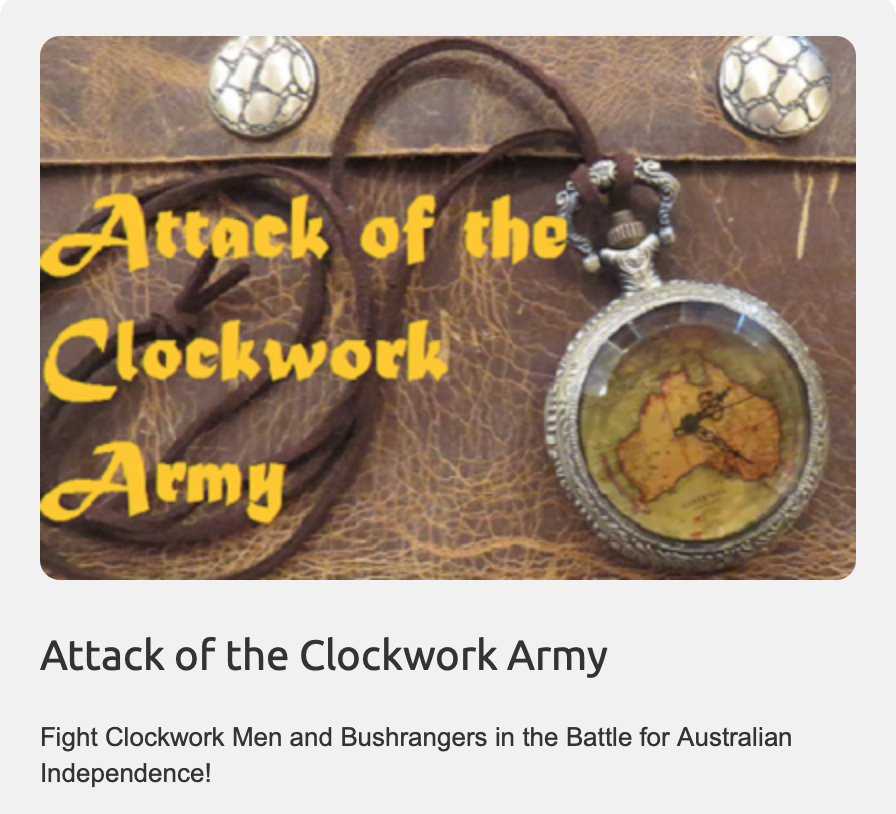
The book is available as a Choose Your Own Adventure-style app for your device on Amazon, Apple, Android, and Chrome. You can also buy it directly from the publisher (an easy way to buy and read it on your computer).
The app stores list it as “free, with in-app purchases”. What this actually means is that the beginning is free, and then you pay $5 (once!) to read the rest.
https://itunes.apple.com/us/app/attack-of-the-clockwork-army/id1042824941?mt=8
https://chrome.google.com/webstore/detail/attack-of-the-clockwork-a/oojmcpcnhdedgiegdocaedonlgfhlpgj
Queen Charlotte: A Bridgerton Story (TW: rape)
I have watched this series over the past several days, and now I need to talk about it.
I enjoyed the first season of Bridgerton and the second was okay. I enjoyed the first Bridgerton book and was increasingly incensed by the books that followed. The TV series is also astonishingly rapey (for example, Daphne rapes her husband in the first season after realising he is using her ignorance about sex to avoid having children).
Queen Charlotte follows the tradition, featuring many sex scenes between a young Lady Danbury and her much older, very oblivious husband who she was betrothed to at the age of three. They are arguably filmed as funny scenes. Fortunately I had advance warning and was braced for them.
At church today, the reading was from Genesis 29. Jacob (a founding father of the nation of Israel) works for his relative, Laban, for seven years as advance payment for marrying his younger daughter Rachel. On the wedding day Laban switches in his older daughter Leah and Jacob sleeps with her and only discovers the deception the following day. Laban says Jacob can have Rachel too, but he has to work another seven years. So Jacob marries Rachel, and then works another seven years. Unsurprisingly, he loves Rachel more than Leah. The first time we hear Leah’s opinion on all this, she is giving birth to four sons, each time thinking that her husband will finally love her. The story continues to be messy as the sisters fight over their husband’s affection and even trade him between themselves.
Did Leah know when she slept with Jacob that she was part of a trick? Was she in on it? Did she want to marry Jacob? Was she happy to marry anyone since she was considered less desirable and/or her father was a liar and/or she wanted children?
The “conclusion” of today’s sermon was that domestic violence is still happening. It wasn’t okay then and it isn’t okay now. There is no happy ending here—no neat moral for us to nod about and promptly forget.
When we read Bible stories like that we tend to blame ancient cultures. But clearly, women have been used as trading pieces in every culture on earth—including, obviously, European nobility.
How much choice did the fictional Lady Danbury have? She looked forward to her husband’s death but didn’t kill him or try to escape. They even had a little bit in common, as they were both dark-skinned and therefore in a socially precarious position despite coming from royalty themselves. She had zero interest in her children until she realised her rank (and entire fortune including her house) was dependent on her four year-old son.
Many cultures have arranged marriage to various degrees. Sometimes the men have choice and the women have none. Sometimes a couple is betrothed but either party can choose to break it off if they want to. Sometimes rituals and celebrations are not enough to hide that women are being sold into sexual slavery, often as children. In the USA, some religious fanatics (Christian ones) force raped children to marry their rapist.
I have met several women in Indonesia who were child brides (in a small village). The custom was to give the woman to the much older husband when she was extremely young, and then the husband would wait until her first period before having sex with her. (Of course there was no accountability whatsoever for even that much kindness.) When I spoke to the women they were middle-aged with children of their own and appeared perfectly content. I didn’t speak enough Indonesian to find out what would happen to their own children. My own Indonesian friends found it all very shocking, so it was clear that cultural change was happening.
I don’t have a problem with arranged marriage itself. When both parties are evenly matched in power and choice, it can be beautiful. In Queen Charlotte there is deception about King George’s madness but they fall in love and are both intelligent, socially progressive people of a similar age. Neither party is particularly willing at first, but they swiftly fall in love. The ideal of arranged marriage is a marriage undertaken for mutual benefit by two open-minded people who are equal in power and who fall in love after their wedding.
Love is a choice.
And for many women throughout history, marriage is a means to an end: It gives them respectable adulthood and a measure of independence; it gives them a career of sorts (running a household); and it gives them children. Not all women want children but a lot of human beings do—our biology pushes us that way—and an extremely small proportion of women have the ability to make children without going the sex-with-a-man route. Given the choice, many women would marry and have sex with a horrid or even violent man if that was the only route to get children. And of course, many people who marry for love end up deeply unhappy or even abused (mostly women, but some men too).
It’s nice—sort of—that King George is also against the idea of marriage at first. There’s a symmetry there which gives their relationship some equality.
However, what marriage is truly equal?
I am a disabled woman married to an able-bodied (but neurodiverse) man. Even if we were both healthy, he would almost certainly earn significantly more than me, have more physical strength, and be free to walk alone at night without danger. Even if we both worked, statistically I would still do the majority of the housework (a discrepancy which grows larger after having kids).
There are many more aspects of being female that are harder to measure. I do not receive the same amount of pain relief as Chris would receive for the same level of pain. I am assumed to be less intelligent. I pay more for mechanics and tradesmen. And so on. This is all magnified a thousand times for women of colour, of course. I’m lucky. But I know I’m a second class citizen inside my own marriage. (Chris is great, totally feminist, blah blah blah. But he still has societal baggage, and so do I.)
If I wanted to divorce Chris, it would be extremely difficult. I would lose at least some access to my children. We would almost certainly lose our home. I would probably have to live in some kind of share house in order to survive financially, which I know from past experience is incredibly stressful. I am currently able to earn up to $300 a week. That would probably no longer be possible. I would be living on a disability pension for the rest of my life.
It is terrifying, to be a disabled woman.
Fortunately we have no plans to divorce, and Chris’s life and income are insured.
But I am, like Lady Danbury, dependent on a man’s goodwill.
There is a great deal of clever writing in the show. Prequels are tricky. We know that Queen Charlotte loves her King George, and that he is destined to get madder over time. We know that Lady Danbury will become the fabulous character we already love.
There is a plotline in the “present” of the Bridgerton TV series in which a much older Queen Charlotte is berating her many children for not producing more heirs. The pattern of royal duty continues, even though she has borne a prodigious quantity of offspring. It is clear she is not the perfect mother, either. Any examination of royal life must show that it is too much: too much wealth, too much responsibility; too little personal freedom or choice; too little connection to the real world; too much power. Too much inbreeding. As a commoner I can sigh over the gorgeous costumes while also being relieved that my life is nothing like that.
I can also stress over Lady Danbury’s considerable dilemma: to use her friendship with the queen to keep her rank, and thus protect the rank of all the recently-elevated non-white half of the ton… or to be a true friend, refusing to either spy on the queen or ask for favours. We know she wins her rank, but how does she do it?
I adore the gay relationship between the queen’s personal assistant and the king’s personal assistant. A gay relationship is always welcome, but the dynamic between the two of them as they attempt to remain loyal to their royal charges is intense and dynamic. It links beautifully into the main plot as well as highlighting the weird relationship between servants and their employers. Not quite family—no, never!—yet often more intimate than family. They are often best friends, or something like best friends, yet with absolutely no power over their own life. While Lady Danbury courts and then rejects a man that her maid would have liked her to marry, she talks about finding her own path and so on. Her maid never gets that option. The gay servants are lucky enough to have a long life together, but only because things happened to fall into place for them. And the absence of one of the pair in the final episode is an absence that can only ever be felt in silence.
I’ve read an article criticising the way the series handled race—as if a dark-skinned queen could solve racism (much like President Obama’s presidency “solved” racism in the US)—but I think it is handled perfectly in the context of a highly fictional and escapist version of the past. It is not 100% realistic but it also doesn’t try to say that a few dark-skinned nobles would make everything okay. And in any fictional story, we always have our protagonists to thank for great acts of heroism and change. Honestly, it is fairly believable that a few high-ranking individuals could cause widespread social change.
This series wasn’t as witty as Bridgerton‘s season one, but it was extremely watchable and surprisingly deep. With lots of extremely attractive people flitting about in amazing dresses and wigs. The quasi-historical wigs and the title character’s natural hair work perfectly together.
And oh, yes of course—the madness. I think it is beautifully handled, including the horrors of misguided medical treatments, the determination to continue with medical treatments, and the desire to protect one’s loved ones from the truth (that always backfires). In many ways, the most tragic part is Queen Charlotte’s insistence that she is herself the cure for him. Because I feel like many people do believe on some level that love can fix mental illness…. and it doesn’t work like that. For once we have a fictional story that shows us that love continues when madness does, side by side.
So I’ll never be able to laugh at a joke about mad King George again. But the journey was worth it.
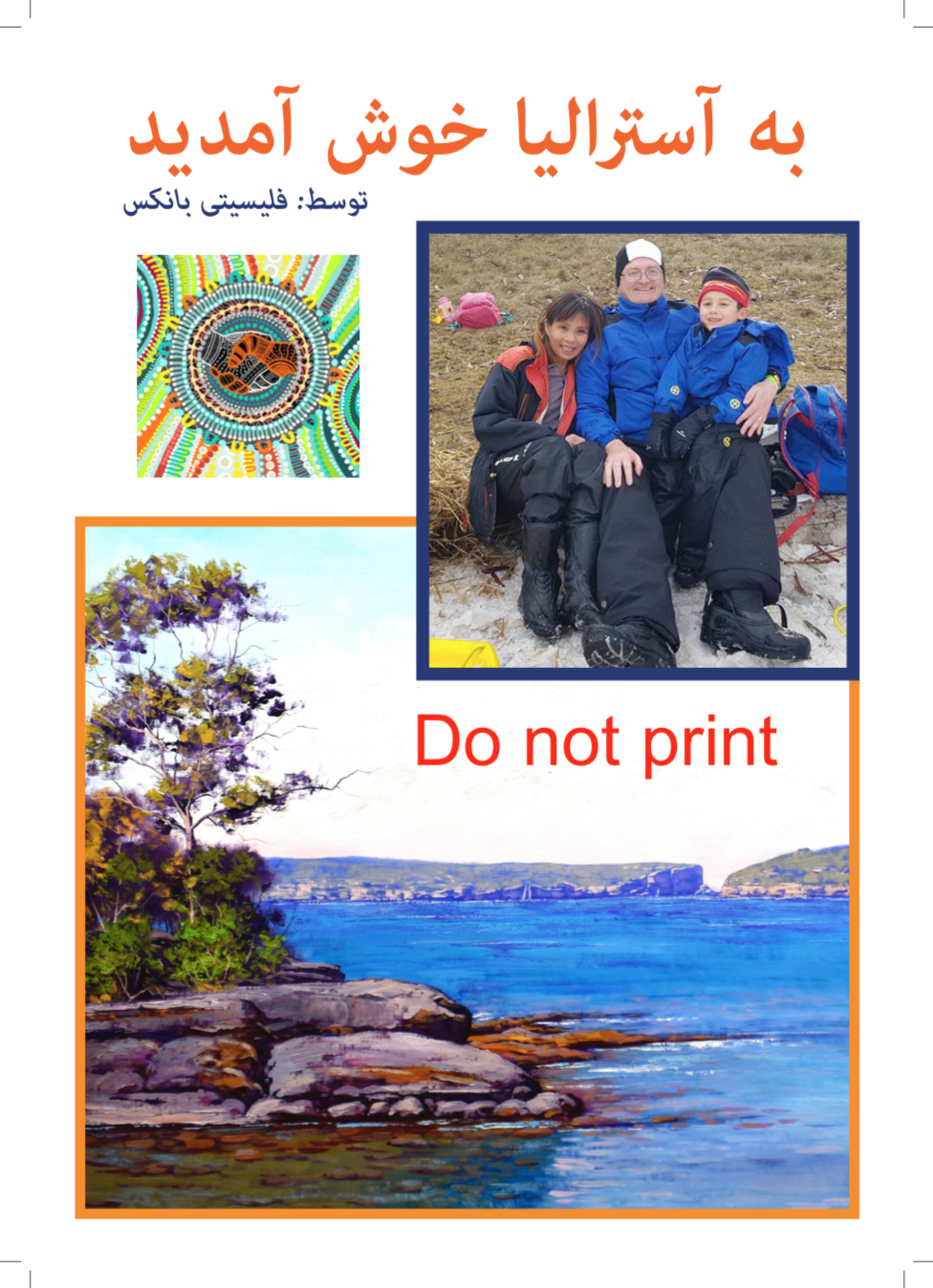
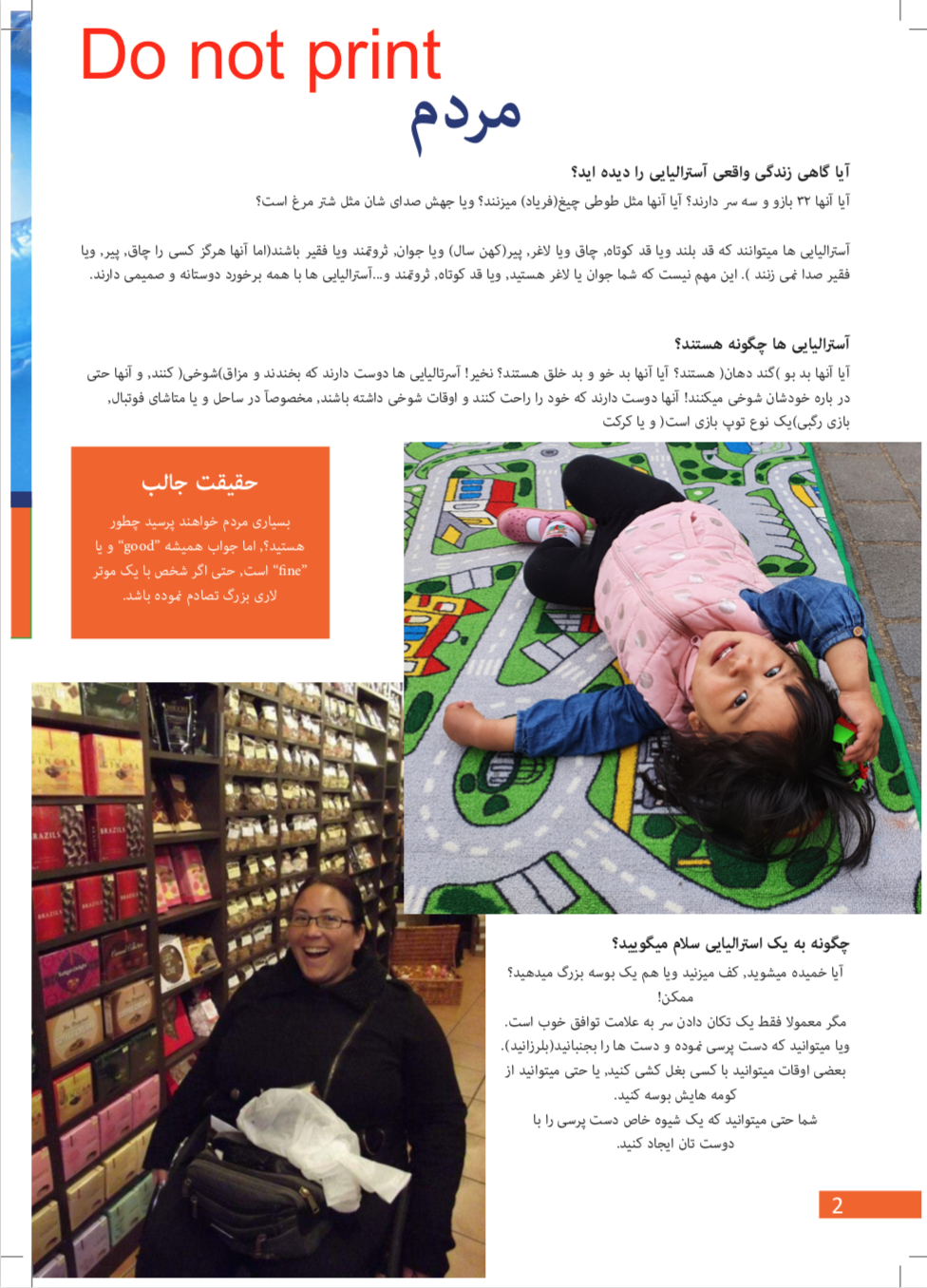
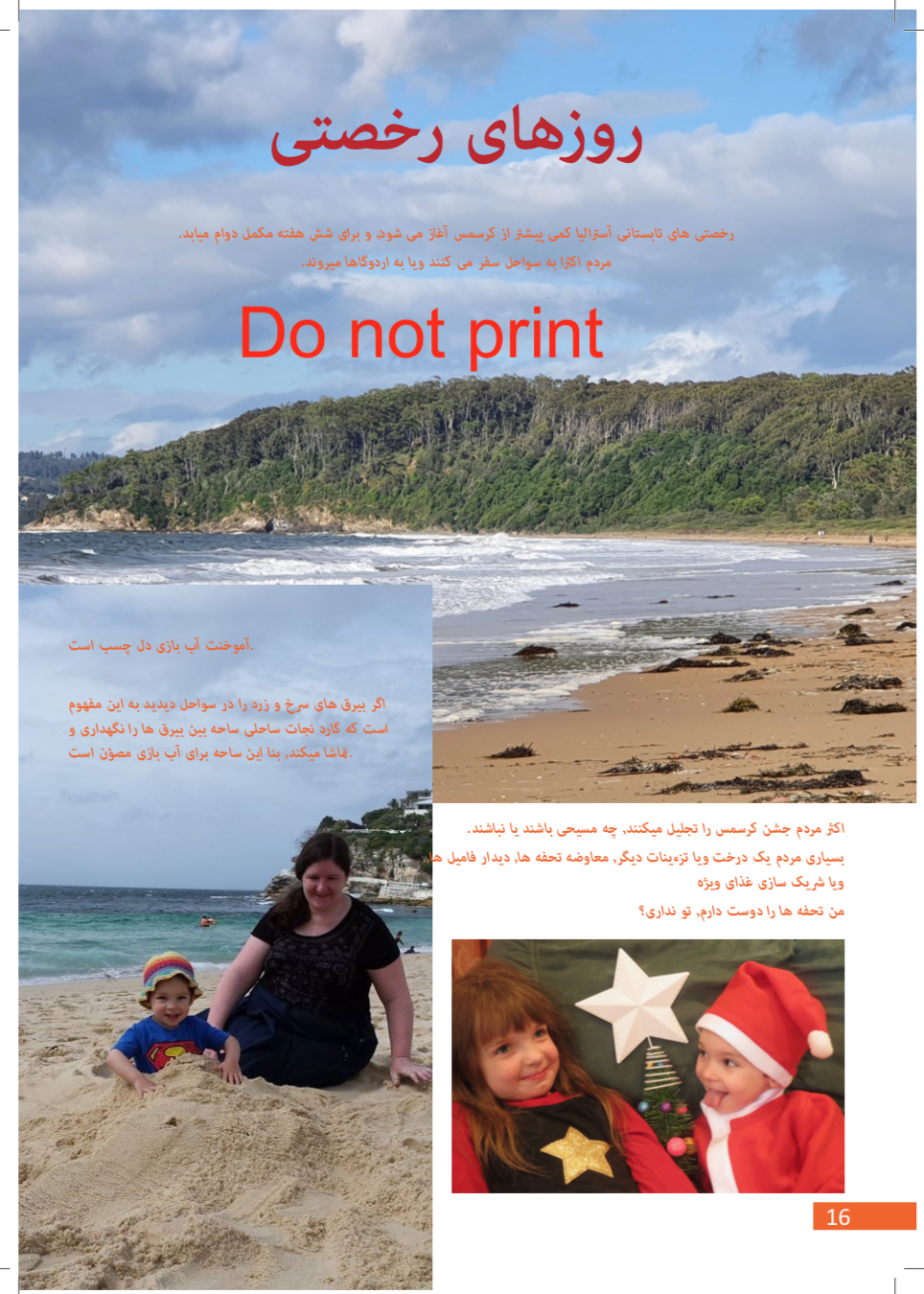
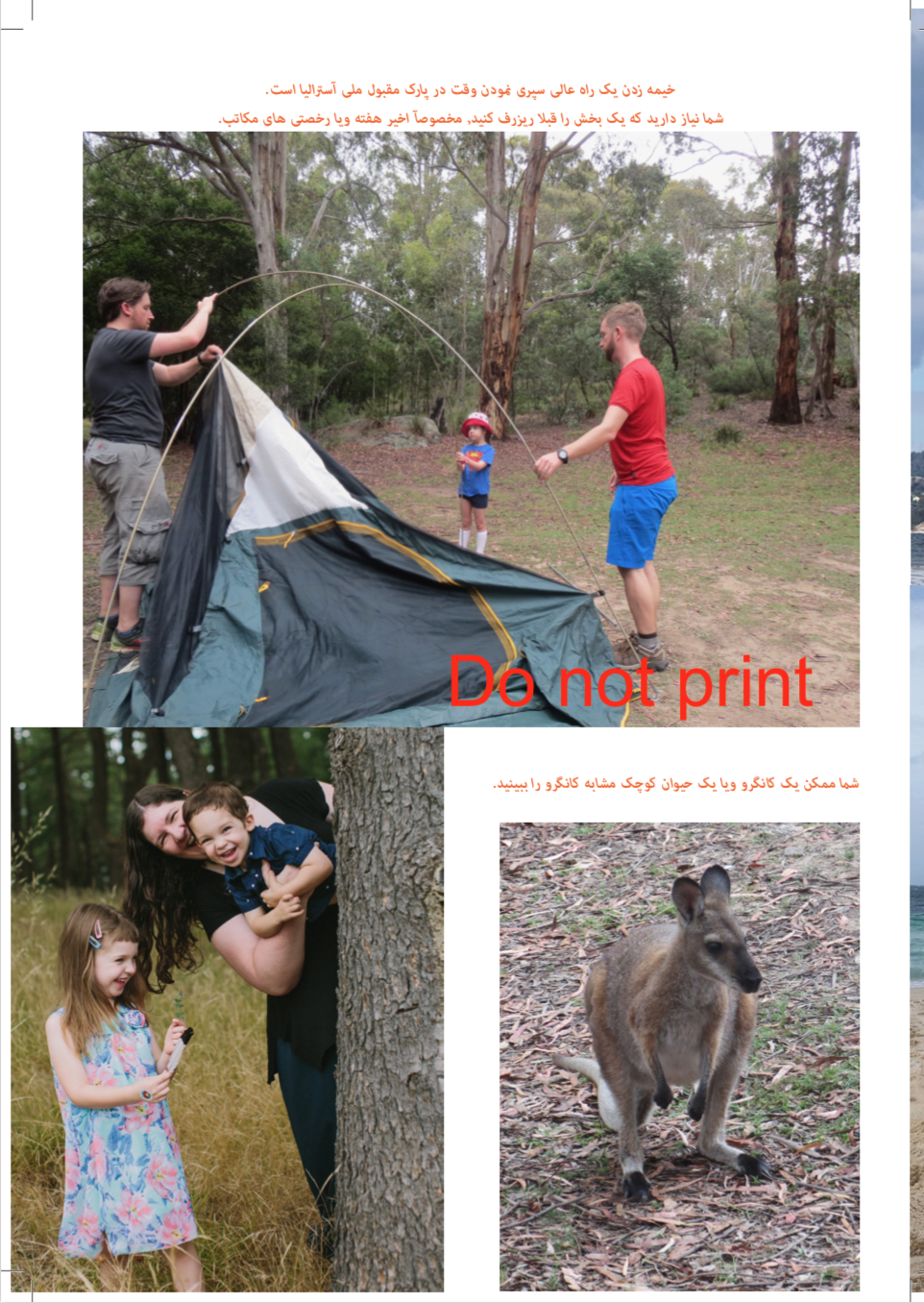
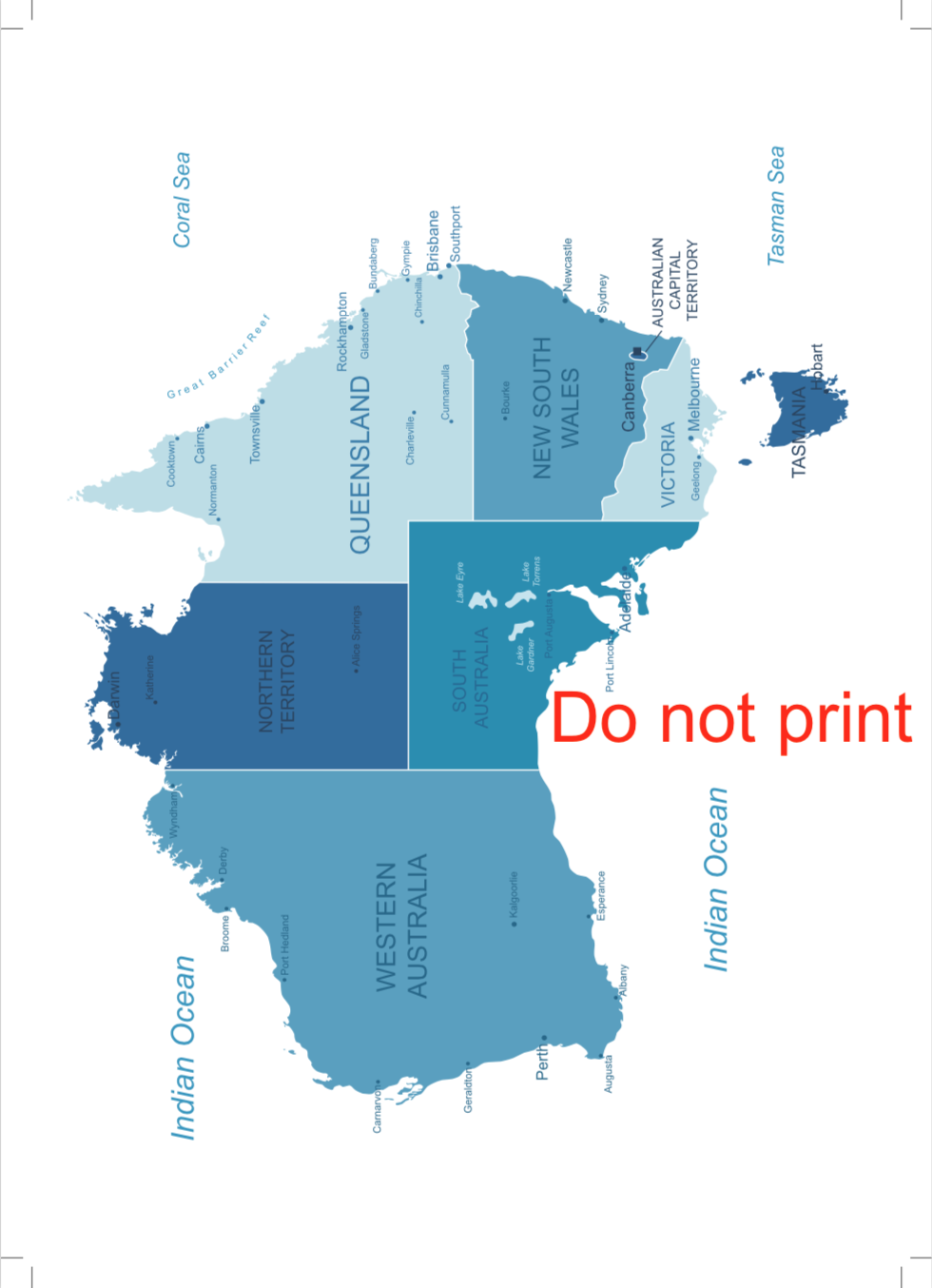
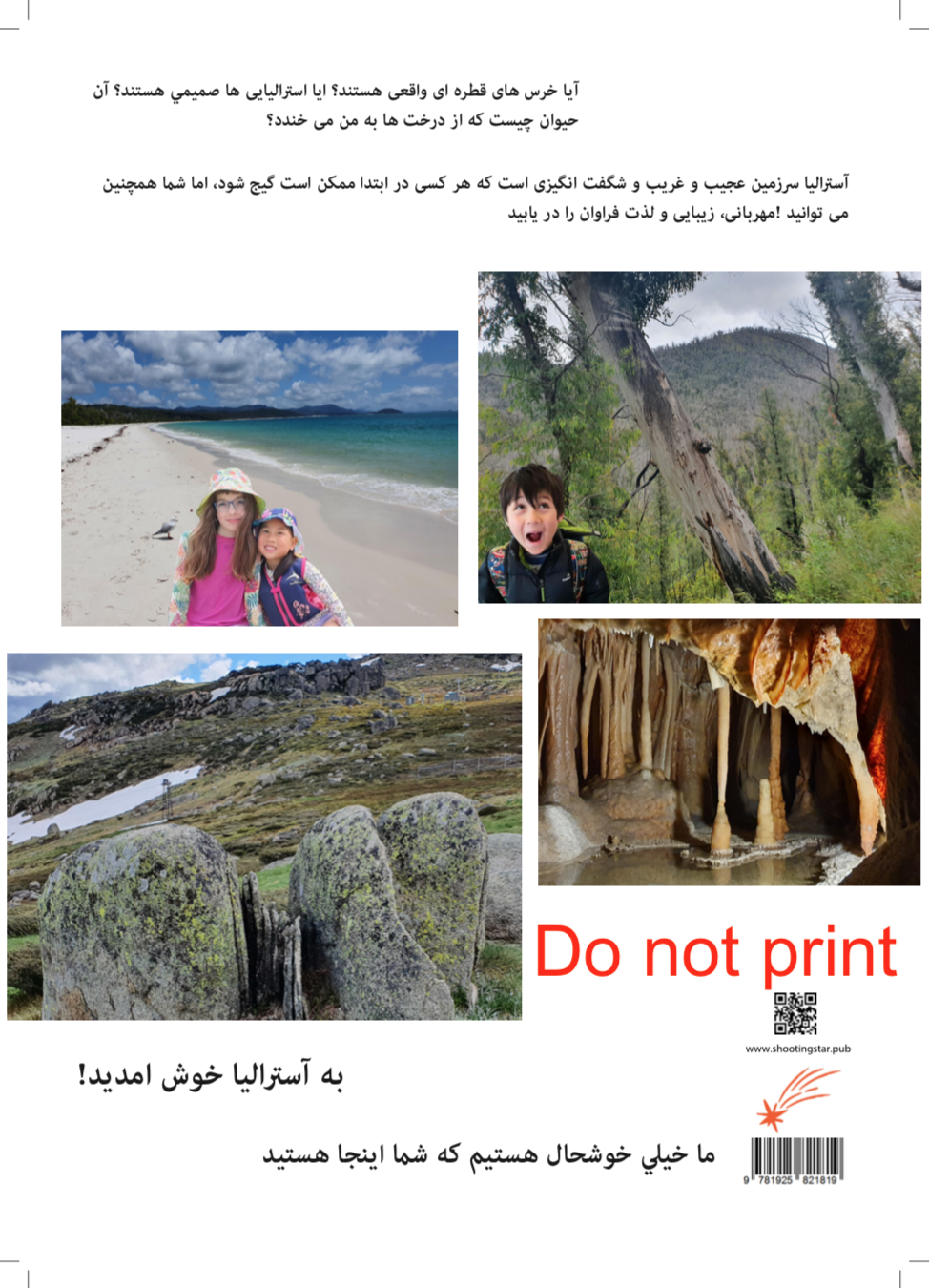
“Welcome to Australia” Dari Persian
Bahasa Indonesia/Bahasa Melayu
Please feel free to share all versions of this book as widely as you like.
All I ask is that you don’t make a profit from any part of it. Dozens of people spent time working on this book, and most were not paid (all Aboriginal people and refugees were paid or had donations made in their name).
You can buy physical copies here in any of the available languages. Yes, the publisher (Shooting Star Press Canberra) plans to sell digital versions of all languages too.